Subcarpathian Museum in Krosno
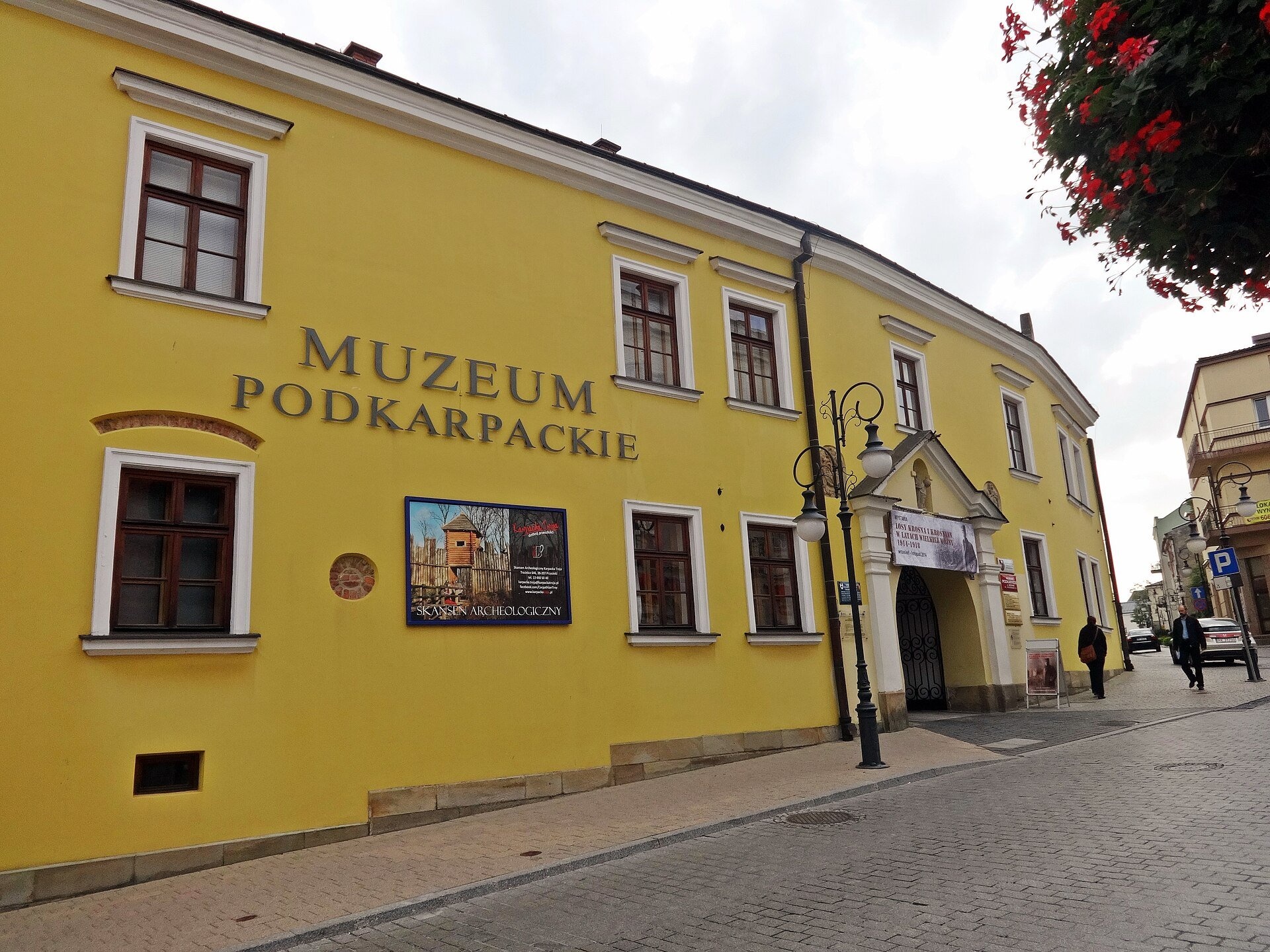
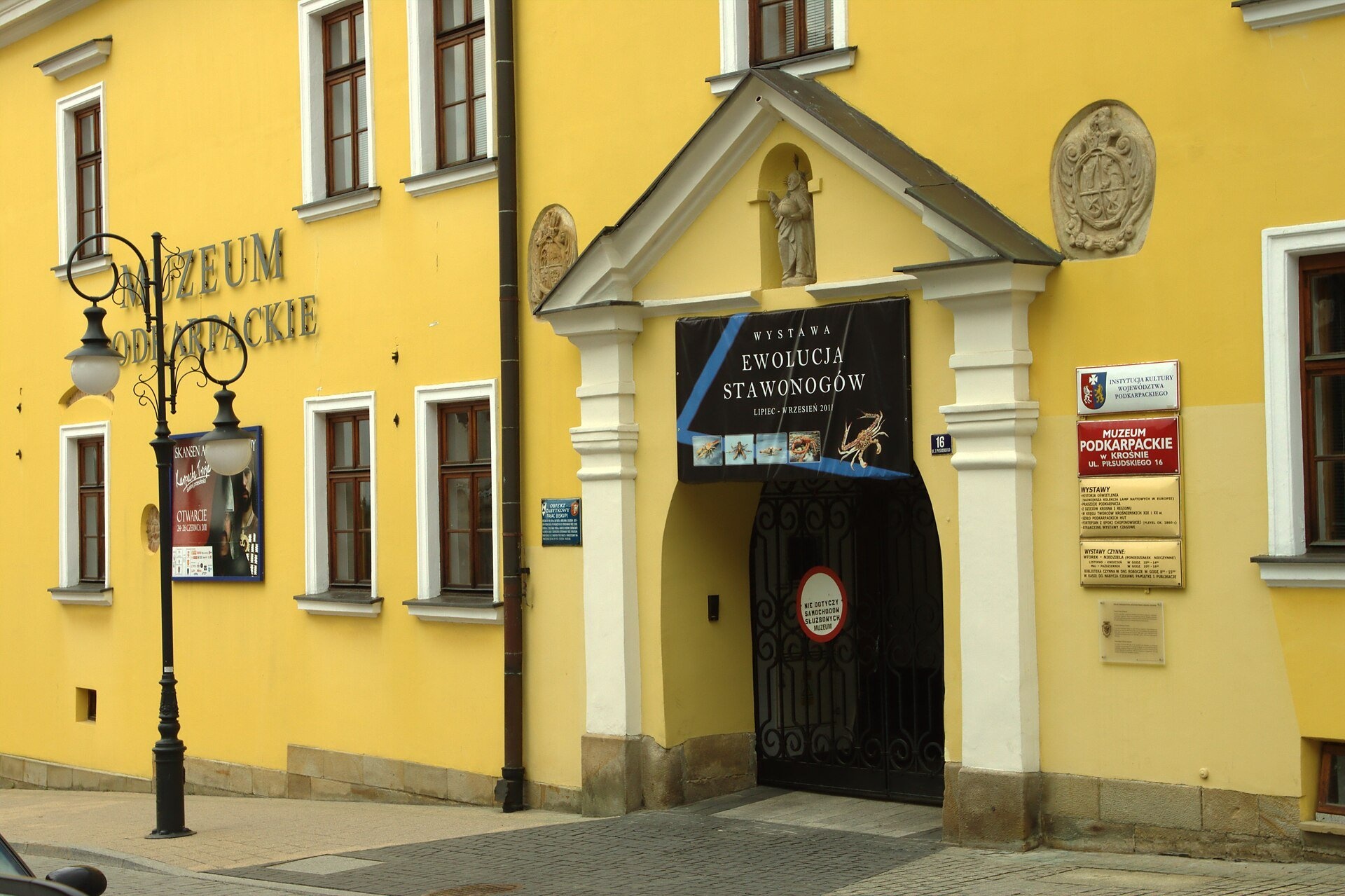
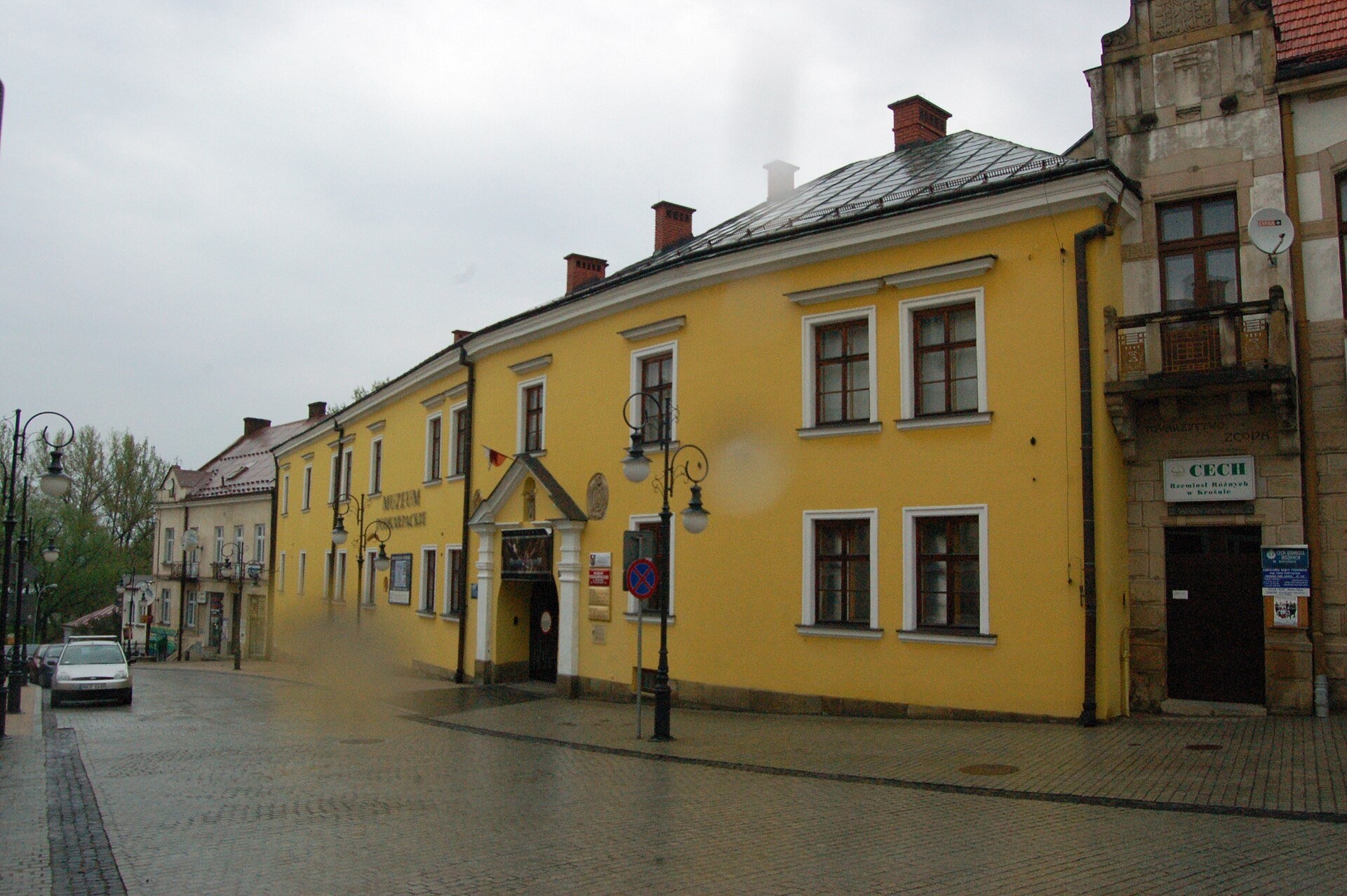
The Subcarpathian Museum in Krosno (Muzeum Podkarpackie w Krośnie) is the largest museum of this town at the foot of the Low Beskids, known above all for its collection of kerosene lamps, one of the biggest in Europe. It is housed in the old town, in the former Bishops’ Palace (second half of the 16th century) on Piłsudskiego Street. On 25 June 2026 the museum reopened after a major renovation, with refreshed exhibitions.
The museum was founded in 1954 by the Polish Tourist and Sightseeing Society (PTTK) as a regional museum; in 1958 it became a state institution, from 1975 it was a district museum, and it has had its present name since 2000. Its branch is the "Carpathian Troy" archaeological open-air museum in Trzcinica near Jasło, opened in 2011. The museum has departments of archaeology, history, art, the history of lighting and the history of glass, plus a library; besides the permanent exhibitions it prepares travelling exhibitions, including one about Ignacy Łukasiewicz, "the man who changed the world".
What to see
- "History of Lighting" – the museum's pride: according to the Podkarpackie tourism portal, about 2,140 objects related to the history of lighting and 1,300 archival items. There are lamps from England, the USA, France and other countries in the styles of 1860–1920, parts of period interiors, and items connected with Ignacy Łukasiewicz – the inventor of the kerosene lamp, who worked in this very region.
- "Glass of the Subcarpathian Glassworks" – Krosno is called the "City of Glass": the town's glass story began in 1923; later the Krosno Glassworks opened plants in Jasło and Tarnów and exported to more than 60 countries on every continent. The exhibition shows how the shapes, techniques and decoration of glassware made in the region changed over time.
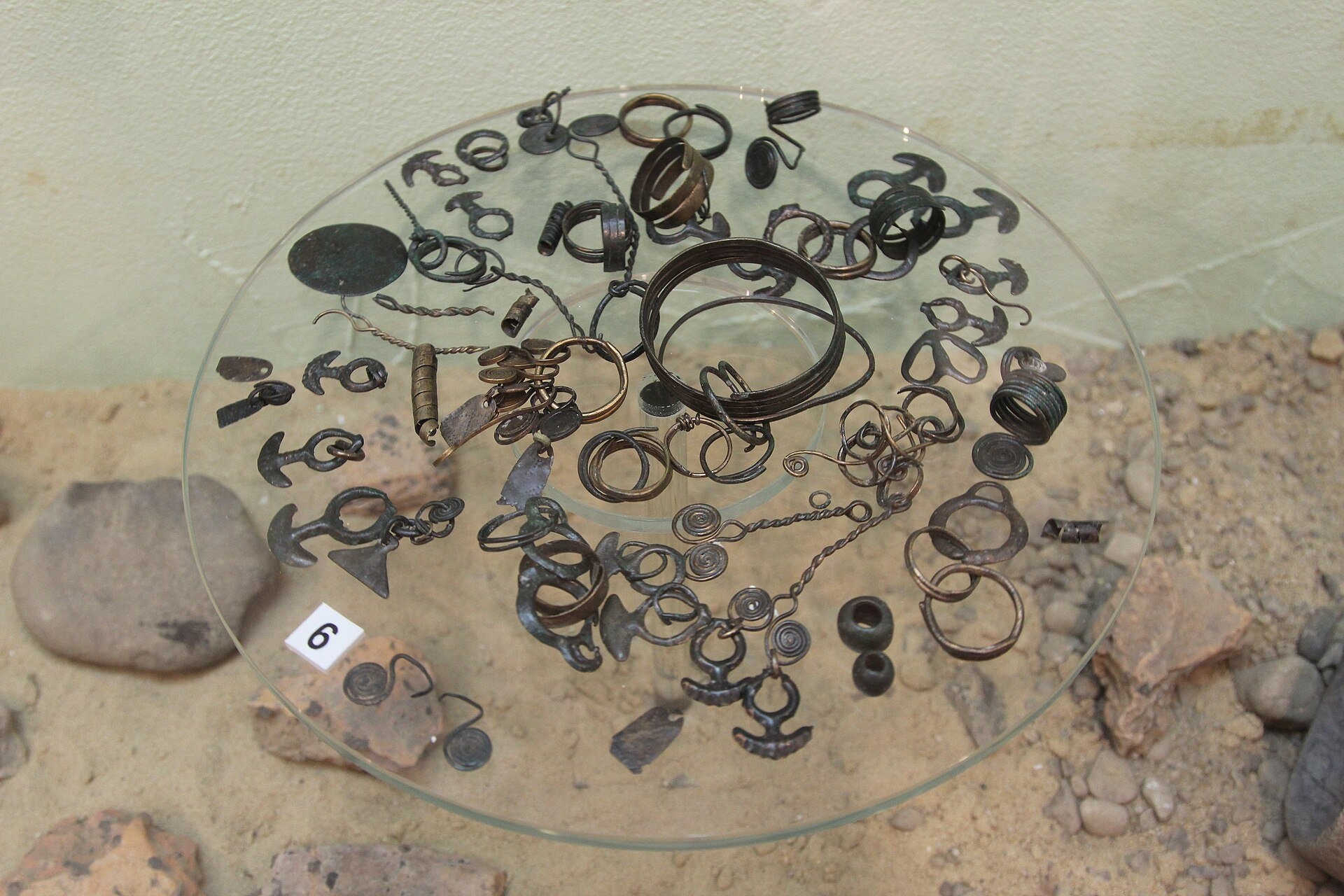
- "The Past Brought to Life" – the archaeological exhibition, including the early Iron Age hoard from Hłomcza.
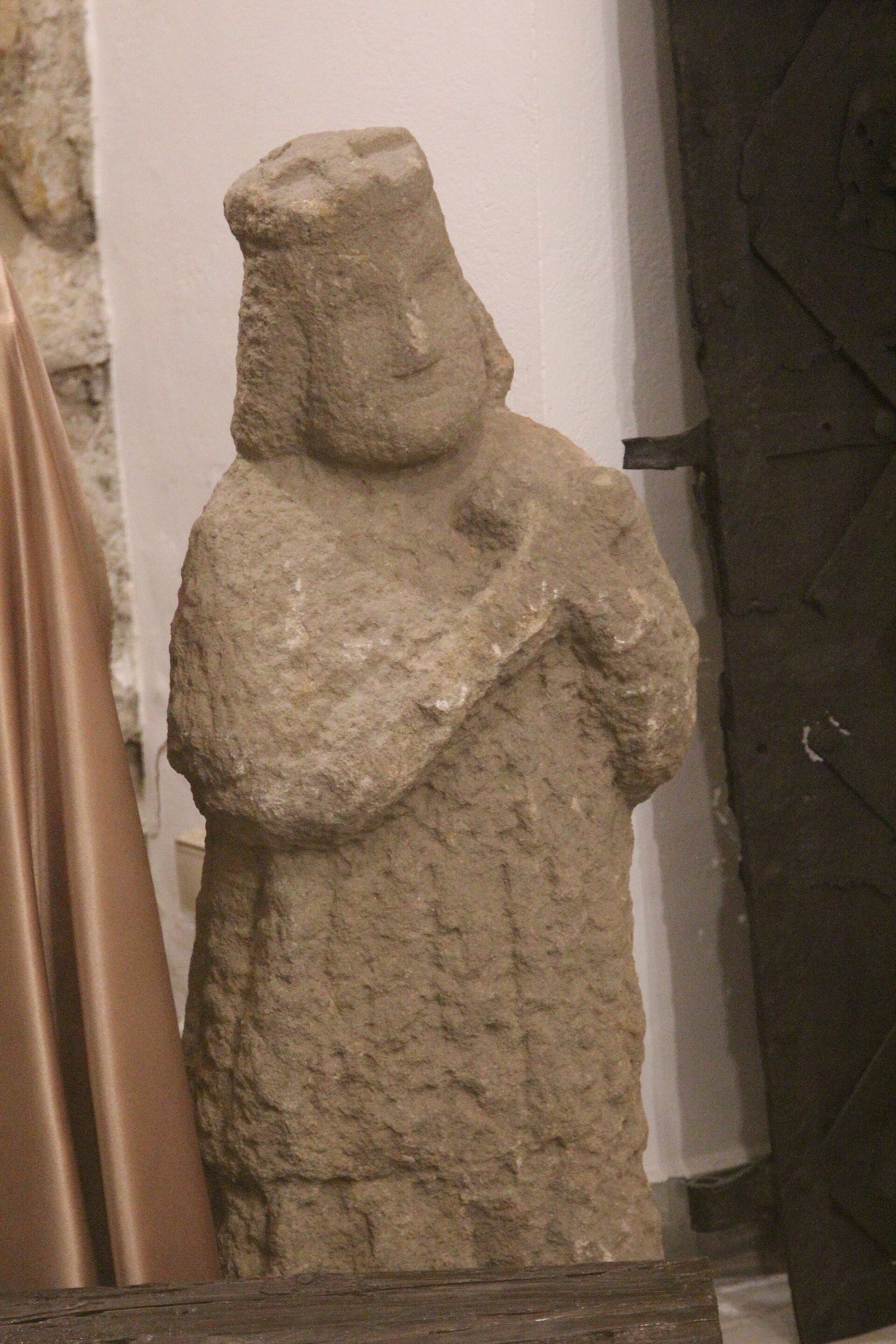
- "From the History of Krosno and the Region", "Poland in Exile" and the art gallery – works by Krosno artists of the 19th and 20th centuries and early sculpture.
- "Art and Arms of Japan" – a new permanent exhibition.
The museum also holds temporary exhibitions, lectures, concerts and academic conferences, and its guides lead tours of the old town, the parish church and the Old Cemetery – an easy way to combine the museum with a walk around the old market square.
Practical information
Krosno is a rail and bus hub of Subcarpathia; from the station to the old town is about a 15-minute walk. You can leave a car in the municipal car parks around the centre. The museum is open Tuesday to Sunday, until 16:00 in summer and 15:00 in winter; a full ticket for all permanent exhibitions costs 30 zł, and on Sundays they are free (all fares in the "At a glance" box). Seeing all the rooms on your own takes about two hours; a guided group needs 1–1.5 hours. Tours are offered in Polish and English and must be booked in advance. Families can buy a family ticket, and the lamps and glass usually appeal to children too.
Nearby: trails and peaks
The best follow-up to the lamps is the Museum of the Oil and Gas Industry in Bóbrka, 10 km away, where Łukasiewicz founded one of the world's first oil mines. In Krosno itself, drop in at the Glass Heritage Centre, and on the way south towards the border, at the Historical Museum in the Dukla palace. To relax after the museums, head to the spa of Iwonicz-Zdrój and its mineral-water pump room.
Official website: muzeum.krosno.pl
Photos: Martyna97, CC BY-SA 3.0 pl, Wikimedia Commons; I would appreciate being notified if you use my work outside Wikimedia. More..., CC BY 3.0, Wikimedia Commons; Wistula, CC BY 3.0, Wikimedia Commons; Fallaner, CC BY-SA 4.0, Wikimedia Commons.
Getting there from Ukraine
Border crossings
- Krakovets – Korczowa — road, 24/7
- Shehyni – Medyka — road, 24/7 Pedestrian crossing is not confirmed by the Ukrainian border service — check dpsu.gov.ua before the trip.
- Smilnytsia – Krościenko — road, 24/7
- Hrushiv – Budomierz — road, 24/7
- Mostyska – Przemyśl (rail) — rail, 24/7
By car
Lviv – Sanok ≈168 km, ≈3 h 20 min without queues: road to Shehyni → Shehyni – Medyka checkpoint → Przemyśl → DK28 via Bircza to Sanok (≈83 km, ≈1 h 45 min from the border). Alternative via Krakovets – Korczowa: A4 to the Radymno exit, DK77 to Przemyśl and DK28 (≈185 km from Lviv, ≈3 h 25 min). For the Bieszczady proper, Smilnytsia – Krościenko is handier: Lviv – Sambir – Staryi Sambir – border, then DK84 via Ustrzyki Dolne to Sanok (≈203 km, ≈5 h; ≈57 km from the border). From Krościenko to Ustrzyki Górne by DW896 ≈53 km (≈1 h 40 min; ≈200 km and ≈4 h 50 min from Lviv), to Wetlina by DW896 and DW897 ≈69 km (≈216 km and ≈5 h from Lviv). From Sanok: Ustrzyki Górne ≈82 km (DK84 via Lesko, then DW896, ≈1 h 35 min), Wetlina ≈72 km (DK84 to Lesko, DW894 via Baligród and Cisna, DW897, ≈1 h 20 min).
Checked 23.10.2026; border crossing hours and timetables change — check before you travel.
Location on the map
Comments
Trails nearby
All trails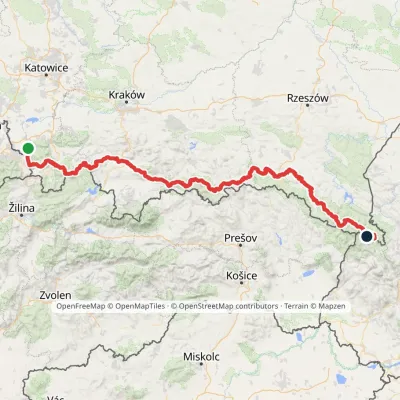 HardMulti-dayMarkedMain Trail of BeskidyElevation profile309–1 723 m499.9 kmascent 19 519 m15 km from Subcarpathian Museum in Krosno
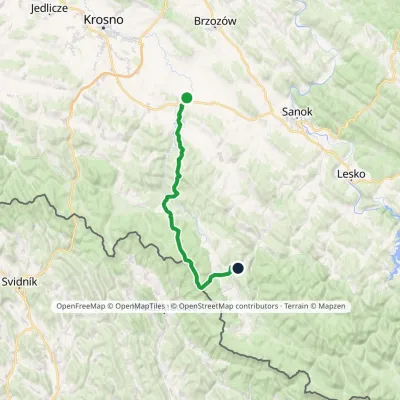 HardMulti-dayMarkedBesko KomańczaElevation profile290–848 m48.1 kmascent 1 190 m18 km from Subcarpathian Museum in Krosno
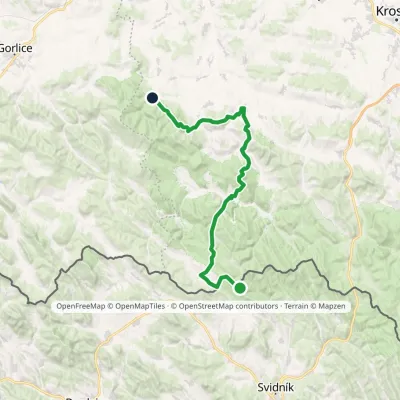 HardMulti-dayMarkedFilipovske Sedlo FoluszElevation profile280–710 m46.2 kmascent 1 320 m20 km from Subcarpathian Museum in Krosno
Nearby attractions
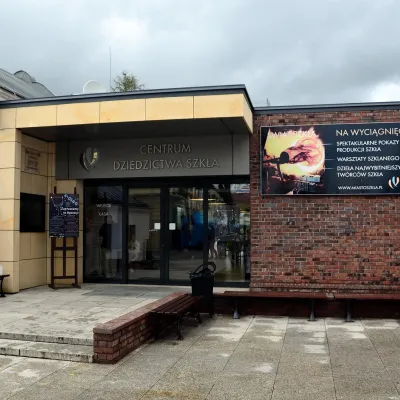 MuseumGlass Heritage Centre in KrosnoKrosnounder 1 km from Subcarpathian Museum in KrosnoThe Glass Heritage Centre (Centrum Dziedzictwa Szkła, CDS) in Krosno is an interactive museum devoted to the craft that made this town at the foot of the Low Beskids...
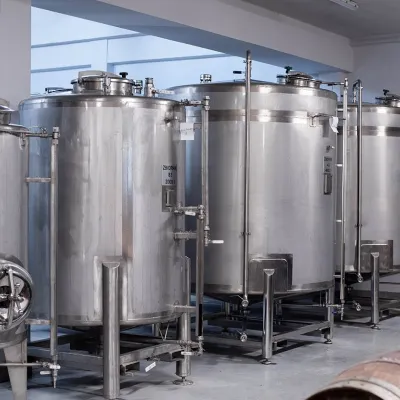 Craft producersManufaktura Nalewek, Krosno: tasting Podkarpackie fruit liqueursKrosno1 km from Subcarpathian Museum in KrosnoManufaktura Nalewek is a family producer of traditional Polish nalewki in Krosno, Podkarpackie. Nalewki, strong infusions of fruit, berries and herbs, were once the...
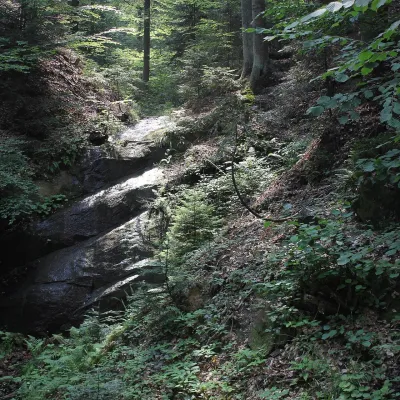 WaterfallTrzy Wody Waterfall, KomborniaWola Komborska8.2 km from Subcarpathian Museum in KrosnoTrzy Wody Waterfall (Wodospad Trzy Wody, "Three Waters") is a natural waterfall on a small forest stream in the woods near the village of Kombornia in the commune of...
Craft nearby
All craft places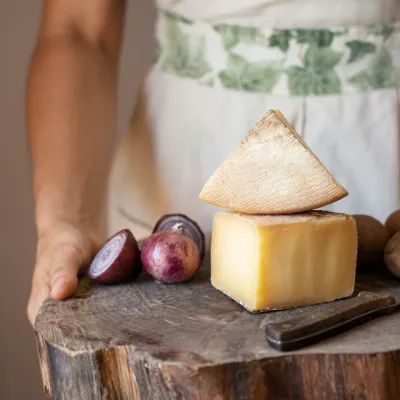 Cheese dairies & pasturesSerowarnia Piastowska, Krosno: aged and fermented cheesesKrosno2.9 km from Subcarpathian Museum in KrosnoSerowarnia Piastowska is a small craft cheese dairy in Krosno, a town at the foot of the Low Beskids. It was born in 2014 out of the passion of two friends, Zbigniew...
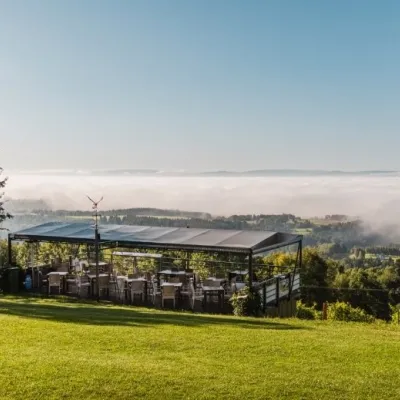 Wine & tastingsWinnica Widokowa, Kombornia: wine with a view of the BeskidsWola Komborska8 km from Subcarpathian Museum in KrosnoWinnica Widokowa is a family vineyard on a hill above the village of Kombornia, between Krosno and Brzozów.
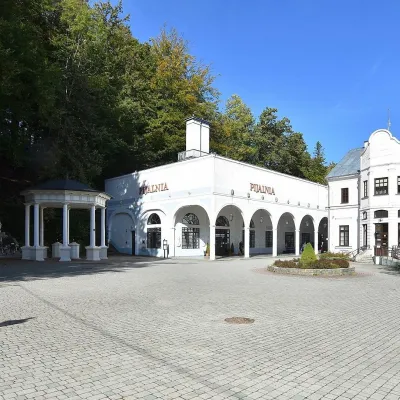 Water parks & thermal poolsIwonicz-Zdrój: mineral-water pump room, pool and salt caveIwonicz-Zdrój15 km from Subcarpathian Museum in KrosnoIwonicz-Zdrój is the largest and oldest spa in the Podkarpackie region, a quiet little town in wooded hills south of Krosno, on the threshold of the Low Beskids.
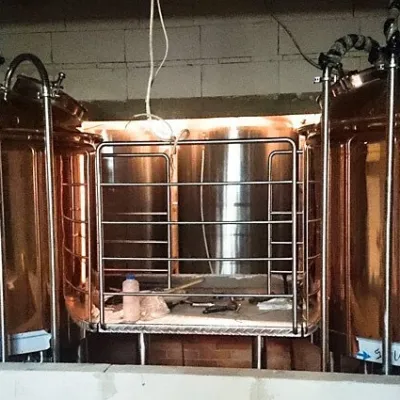 Craft beer & breweriesBrowar Dukla: craft brewery and brewpub on Dukla market squareDukla17 km from Subcarpathian Museum in KrosnoDukla is an old small town at the foot of Mount Cergowa, on the historic trade route from Poland to Hungary over the Dukla Pass.
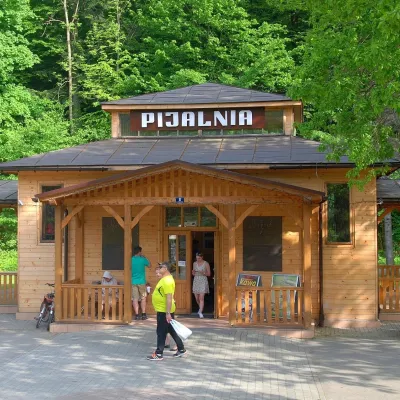 Water parks & thermal poolsRymanów-Zdrój: pump room, Tytus and Klaudia waters, graduation towerRymanów-Zdrój18 km from Subcarpathian Museum in KrosnoRymanów-Zdrój is a spa in the valley of the Tabor river in the Beskid Niski, about 4 km south of the town of Rymanów.
 Wine & tastingsSztukówka Vineyard near Frysztak: wines named after folk instrumentsGlinik Średni20 km from Subcarpathian Museum in KrosnoWinnica Sztukówka lies on a low hill in the village of Glinik Średni, two kilometres from the small town of Frysztak in Podkarpackie.
