Museum of the Oil and Gas Industry in Bóbrka
The Ignacy Łukasiewicz Museum of the Oil and Gas Industry in Bóbrka is no ordinary museum: it is a genuine oil mine, founded in 1854 and still working today. It is regarded as the oldest operating oil mine in the world. It lies in beech woodland near the village of Bóbrka in the Chorkówka commune, about 7 km from Krosno in the Podkarpackie region. The museum grounds cover more than 20 hectares; since 2018 the mine has been a Polish Historic Monument, and the museum is preparing documentation for a UNESCO World Heritage nomination.
There is a detail here that matters to Ukrainian visitors: the symbolic birthday of the oil industry is 31 July 1853, when kerosene lamps were lit publicly for the first time in Lviv, at the hospital in the Lychakiv district. They were the work of the pharmacist Ignacy Łukasiewicz. A year later the landowner Tytus Trzecieski invited him to Bóbrka, where "rock oil" had long been seeping out of the ground in the forest. Together with the village owner Karol Klobassa-Zrencki they began digging the first hand-dug wells. In 1855 the Wojciech pit struck a strong inflow of oil, and in 1856 a distillery opened in nearby Ulaszowice. Łukasiewicz ran the enterprise, introduced new drilling methods and in 1872 erected a stone obelisk in the middle of the mine to commemorate its founding — it still stands there today.
What to see
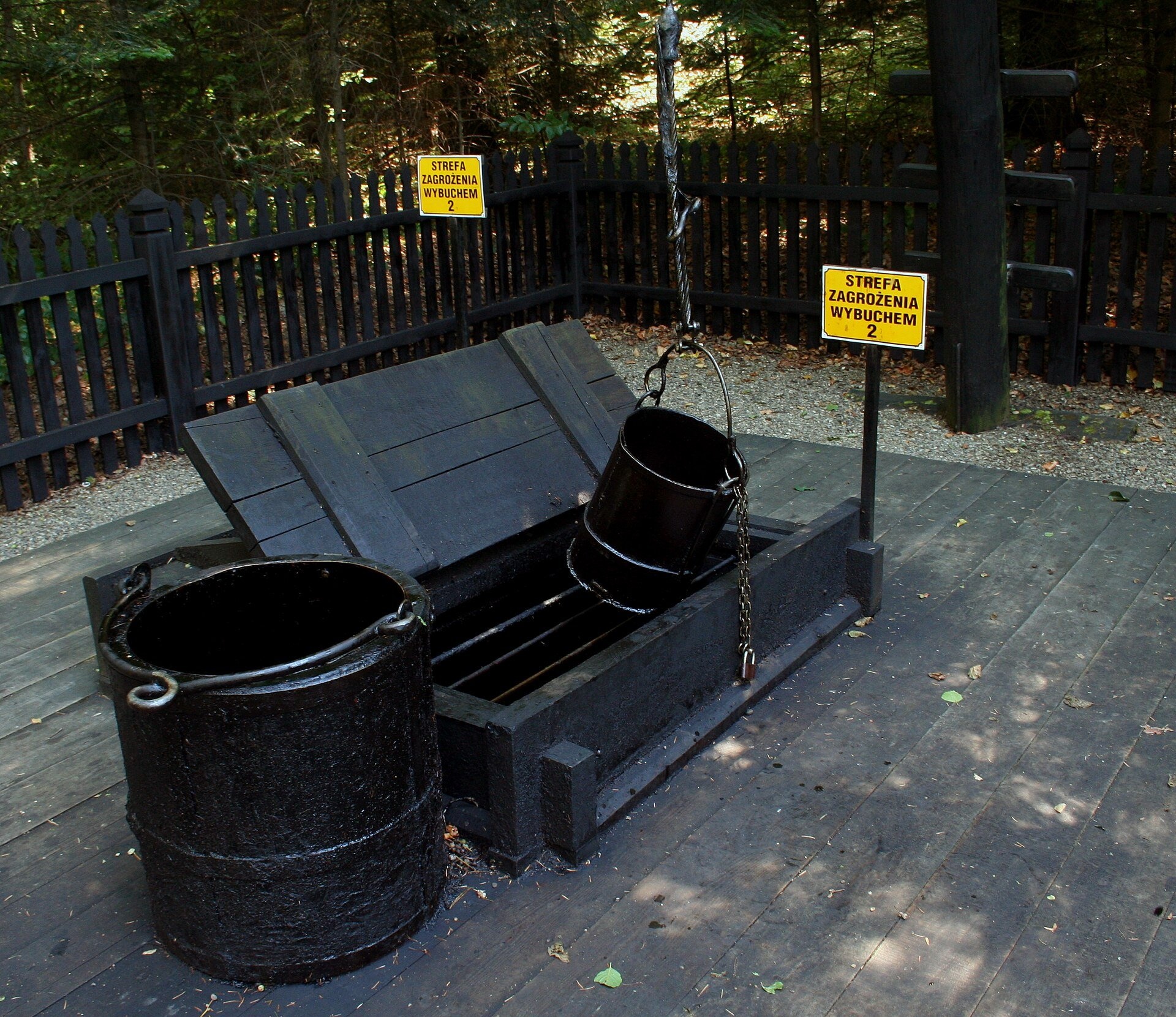
- 19th-century pits — Franek (around 1860, dug by hand to a depth of 20 m) and Janina (dug by hand to 95 m, later drilled to 156 m and still in production). In them you can see real crude oil, the "black gold".
- The 1872 obelisk and the bust of Ignacy Łukasiewicz.
- The so-called Łukasiewicz House (the 1864 administration building) — a pharmacy exhibition, a collection of kerosene lamps, photographs, a geology display, multimedia and holograms, plus Łukasiewicz's study.
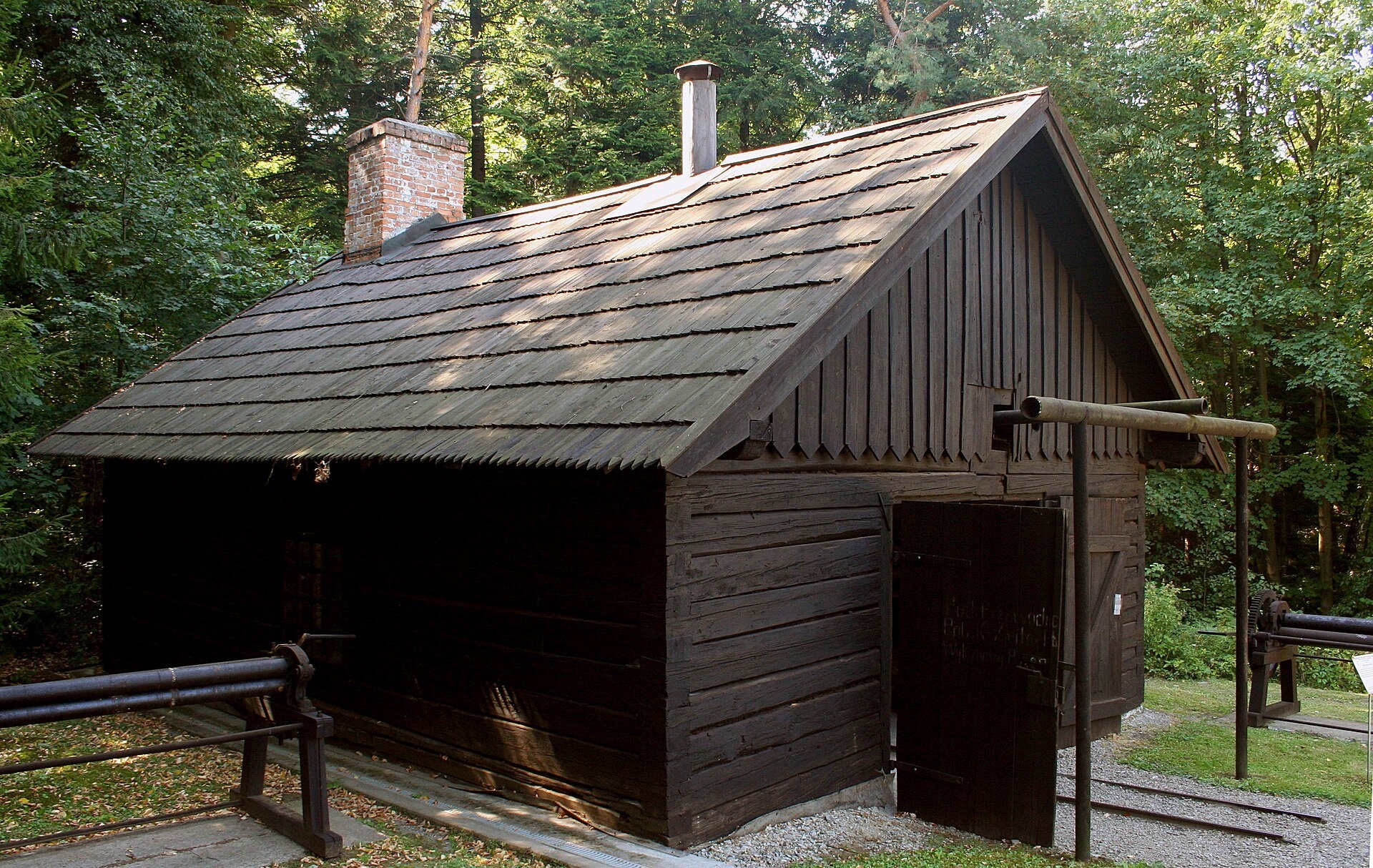
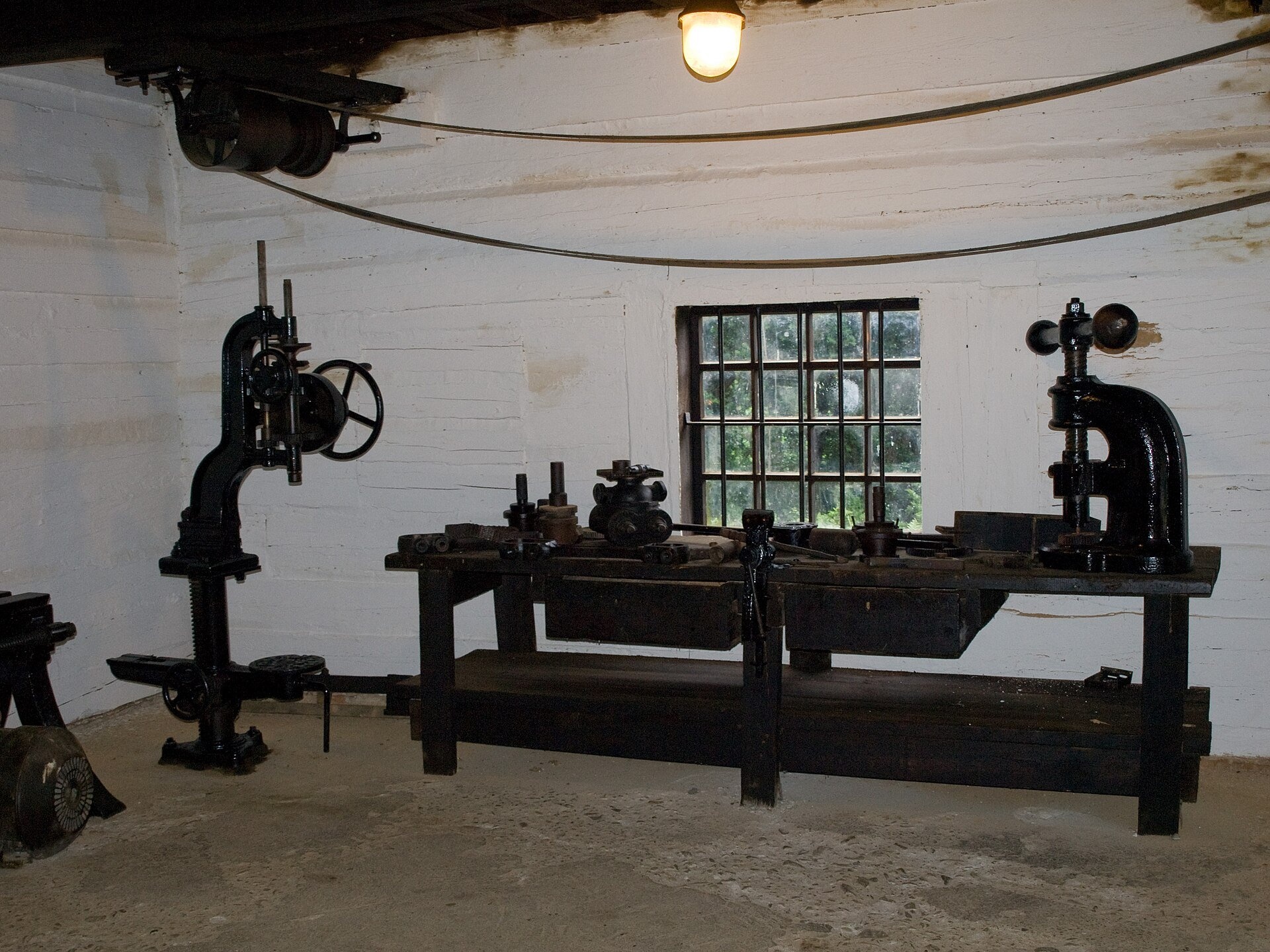
- The wooden smithy of 1856 and the mechanical workshop of 1864 with their old tools.
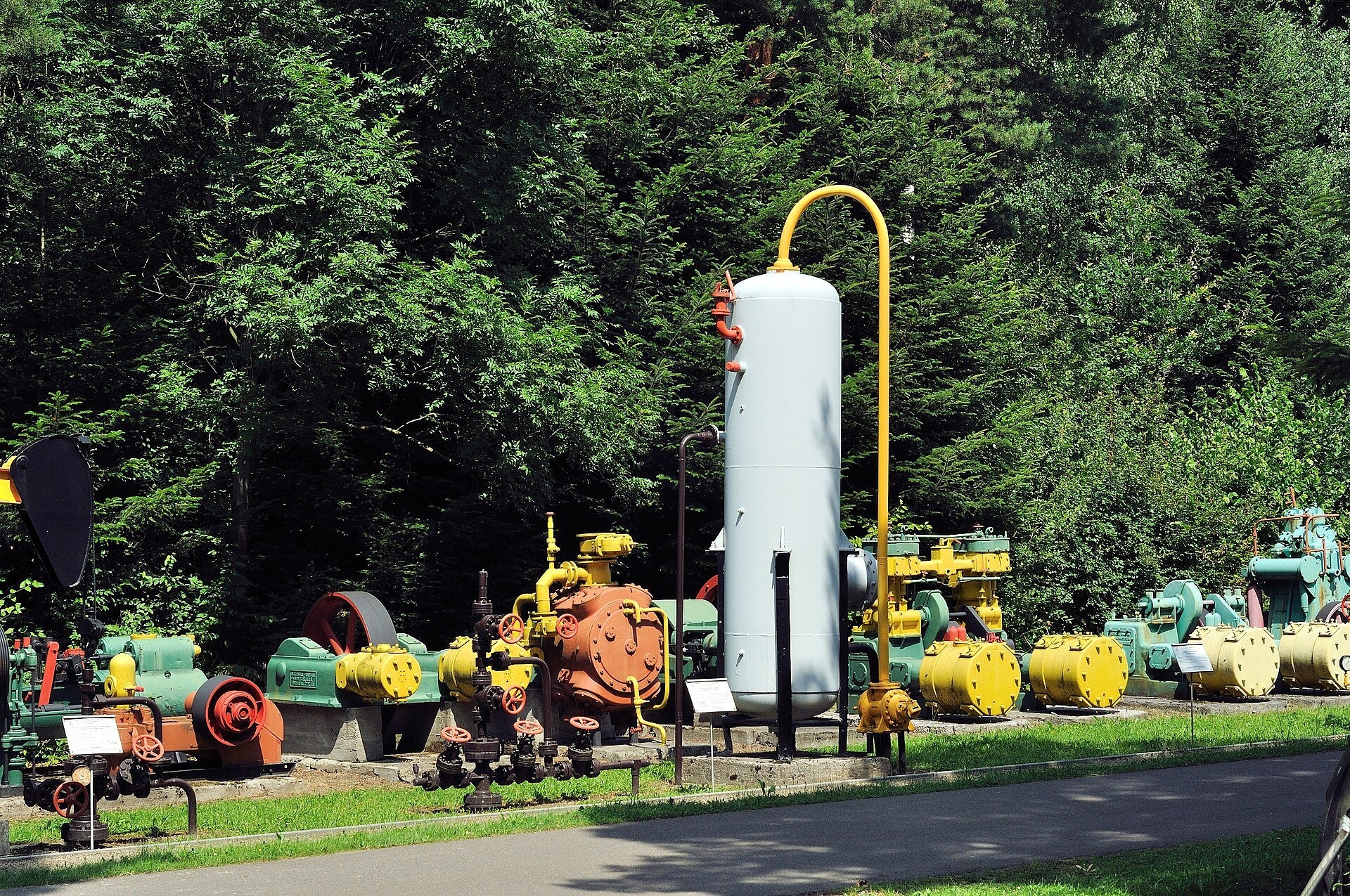
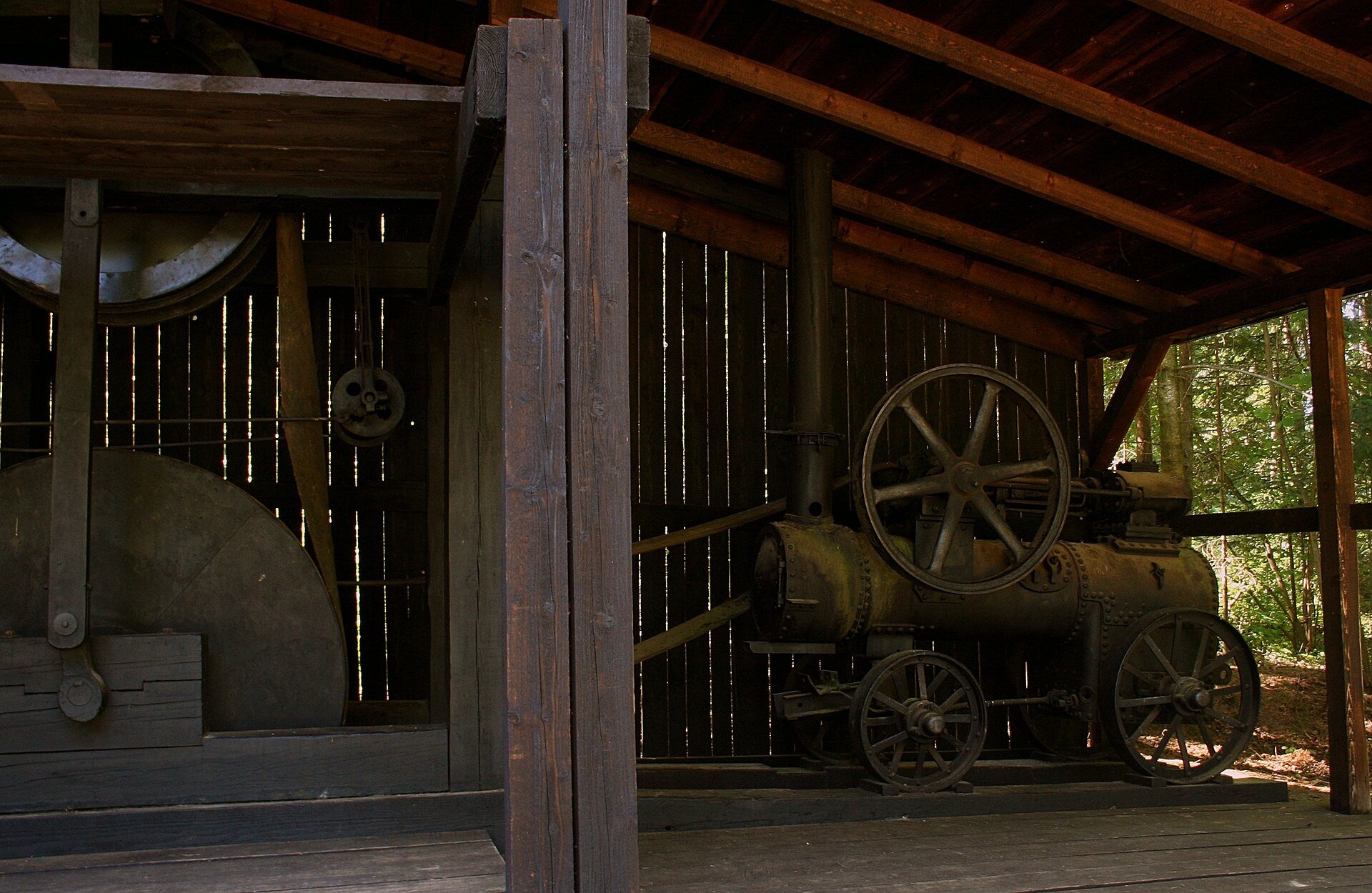
- Open-air drilling equipment — a reconstruction of an 1862 hand drilling rig, an 1885 Canadian rig with a steam locomobile, a 1923 Bitków-type percussion rig, rotary rigs, pumping jacks, gas meters, a CPN pavilion with vintage fuel pumps and the "1960s mine" sector.
You can explore on your own with no time limit, or with a guide on one of three routes: "In the footsteps of the oil pioneers" (about 1.5 hours), "From digging to drilling" (about 2 hours) and "Three centuries of the Bóbrka mine" (about 3 hours, Tuesday to Friday only, book a week ahead). It works well for families with children: the paths run through the forest and most of the exhibits are outdoors.
Practical information
Address: ul. Kopalniana 35, Bóbrka, 38-458 Chorkówka. The easiest way to get there is by car from Krosno; you can park at the museum. The museum is closed on Mondays. From 1 May to 30 September it is open Tuesday to Friday 8:00–17:00 and Saturday and Sunday 10:00–18:00; in April and October Tuesday to Friday 8:00–16:00 and at weekends 9:00–17:00; in March 8:00–16:00; and from 2 November to the end of February 7:00–15:00. In 2026 it is also closed on 6 January, 4–6 April, 4 June, 1 and 11 November and 24–26 December. Admission is charged: standard ticket 25 zł, reduced 15 zł, family ticket (2 adults and 2 children) 64 zł; children under 7 free. A Polish-speaking guide costs 150–300 zł per group depending on the route, an English-speaking guide (route II) 225 zł; groups of up to 30, booking required. You can also tour the grounds by electric cart with a guide (from 275 zł for 5 people). Information as of October 2026.
Nearby
About 24 km to the south, near the Slovak border, is the Museum of Lemko Culture in Zyndranowa. To the west lies the medieval town of Biecz with its town-hall tower and walls, and further east the open-air museum in Sanok, one of the largest in Poland.
Official website: bobrka.pl
Photos: Kroton, CC BY-SA 3.0 pl, Wikimedia Commons; Przykuta, CC BY-SA 3.0, Wikimedia Commons; Honza Groh (Jagro), CC BY-SA 3.0, Wikimedia Commons.
Getting there from Ukraine
Border crossings
- Krakovets – Korczowa — road, 24/7
- Shehyni – Medyka — road, 24/7 Pedestrian crossing is not confirmed by the Ukrainian border service — check dpsu.gov.ua before the trip.
- Smilnytsia – Krościenko — road, 24/7
- Hrushiv – Budomierz — road, 24/7
- Mostyska – Przemyśl (rail) — rail, 24/7
By car
Lviv – Sanok ≈168 km, ≈3 h 20 min without queues: road to Shehyni → Shehyni – Medyka checkpoint → Przemyśl → DK28 via Bircza to Sanok (≈83 km, ≈1 h 45 min from the border). Alternative via Krakovets – Korczowa: A4 to the Radymno exit, DK77 to Przemyśl and DK28 (≈185 km from Lviv, ≈3 h 25 min). For the Bieszczady proper, Smilnytsia – Krościenko is handier: Lviv – Sambir – Staryi Sambir – border, then DK84 via Ustrzyki Dolne to Sanok (≈203 km, ≈5 h; ≈57 km from the border). From Krościenko to Ustrzyki Górne by DW896 ≈53 km (≈1 h 40 min; ≈200 km and ≈4 h 50 min from Lviv), to Wetlina by DW896 and DW897 ≈69 km (≈216 km and ≈5 h from Lviv). From Sanok: Ustrzyki Górne ≈82 km (DK84 via Lesko, then DW896, ≈1 h 35 min), Wetlina ≈72 km (DK84 to Lesko, DW894 via Baligród and Cisna, DW897, ≈1 h 20 min).
Checked 23.10.2026; border crossing hours and timetables change — check before you travel.
Location on the map
Comments
Trails nearby
All trails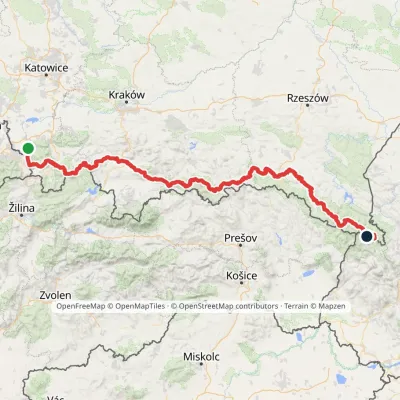 HardMulti-dayMarkedMain Trail of BeskidyElevation profile309–1 723 m499.9 kmascent 19 519 m8.5 km from Museum of the Oil and Gas Industry in Bóbrka
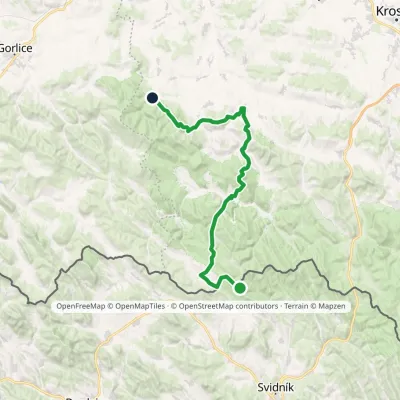 HardMulti-dayMarkedFilipovske Sedlo FoluszElevation profile280–710 m46.2 kmascent 1 320 m13 km from Museum of the Oil and Gas Industry in Bóbrka
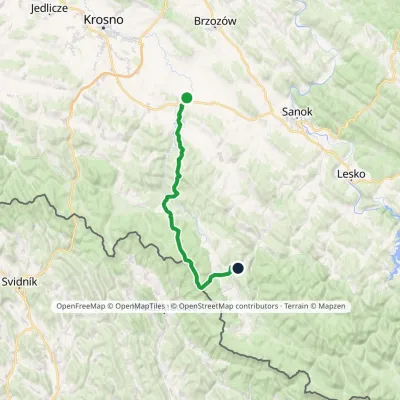 HardMulti-dayMarkedBesko KomańczaElevation profile290–848 m48.1 kmascent 1 190 m18 km from Museum of the Oil and Gas Industry in Bóbrka
Nearby attractions
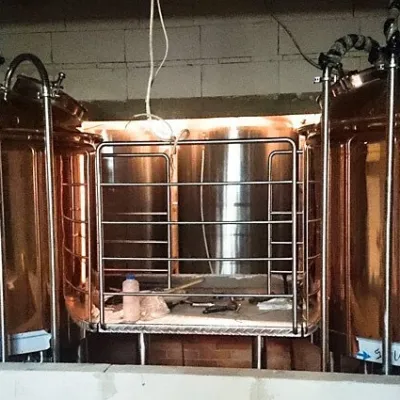 Craft beer & breweriesBrowar Dukla: craft brewery and brewpub on Dukla market square7.2 km from Museum of the Oil and Gas Industry in BóbrkaDukla is an old small town at the foot of Mount Cergowa, on the historic trade route from Poland to Hungary over the Dukla Pass.
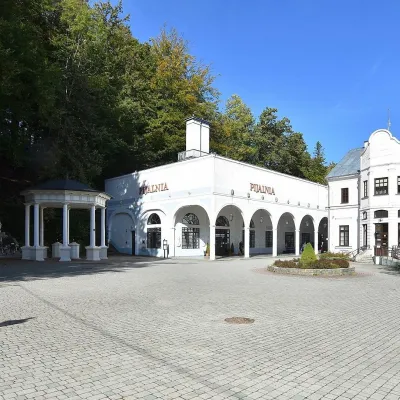 Water parks & thermal poolsIwonicz-Zdrój: mineral-water pump room, pool and salt cave8.5 km from Museum of the Oil and Gas Industry in BóbrkaIwonicz-Zdrój is the largest and oldest spa in the Podkarpackie region, a quiet little town in wooded hills south of Krosno, on the threshold of the Low Beskids.
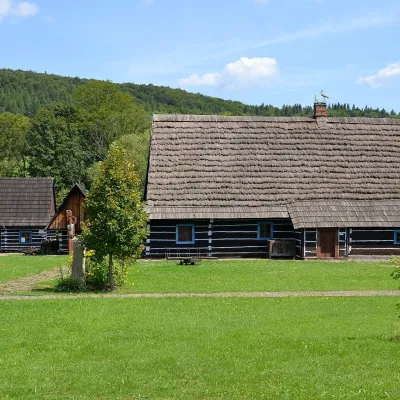 MuseumMuseum of Lemko Culture in Zyndranowa20 km from Museum of the Oil and Gas Industry in BóbrkaThe Museum of Lemko Culture in Zyndranowa is a small open-air museum in the Low Beskids, a few kilometres from the Slovak border.
Craft nearby
All craft places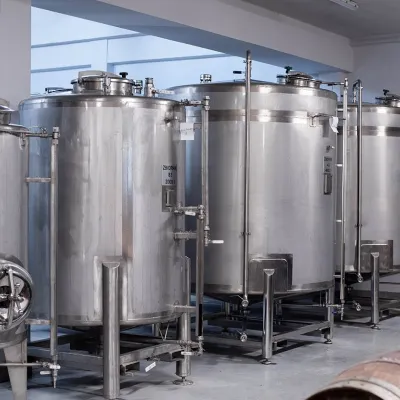 Craft producersManufaktura Nalewek, Krosno: tasting Podkarpackie fruit liqueurs8.5 km from Museum of the Oil and Gas Industry in BóbrkaManufaktura Nalewek is a family producer of traditional Polish nalewki in Krosno, Podkarpackie. Nalewki, strong infusions of fruit, berries and herbs, were once the...
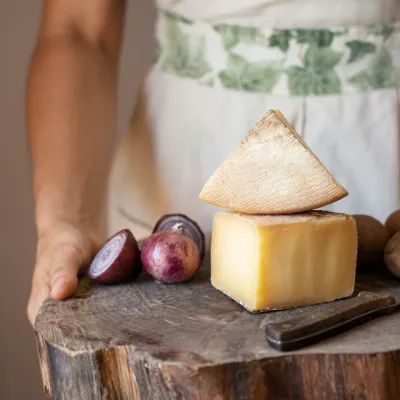 Cheese dairies & pasturesSerowarnia Piastowska, Krosno: aged and fermented cheeses9.8 km from Museum of the Oil and Gas Industry in BóbrkaSerowarnia Piastowska is a small craft cheese dairy in Krosno, a town at the foot of the Low Beskids. It was born in 2014 out of the passion of two friends, Zbigniew...
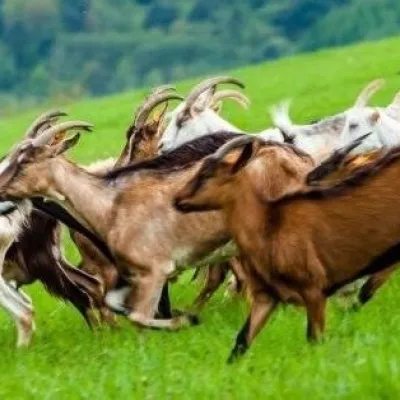 Cheese dairies & pasturesFIGA Organic Goat Cheese Farm, Mszana near Dukla15 km from Museum of the Oil and Gas Industry in BóbrkaThe FIGA organic family farm in the Lemko village of Mszana near Dukla is one of Poland's oldest goat cheese dairies.
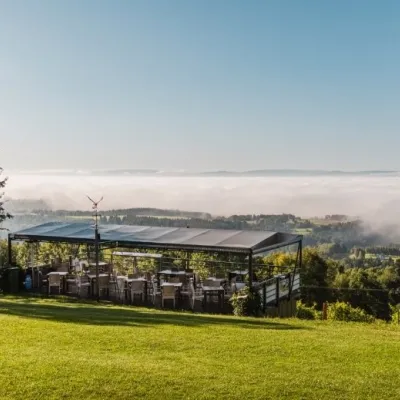 Wine & tastingsWinnica Widokowa, Kombornia: wine with a view of the Beskids17 km from Museum of the Oil and Gas Industry in BóbrkaWinnica Widokowa is a family vineyard on a hill above the village of Kombornia, between Krosno and Brzozów.
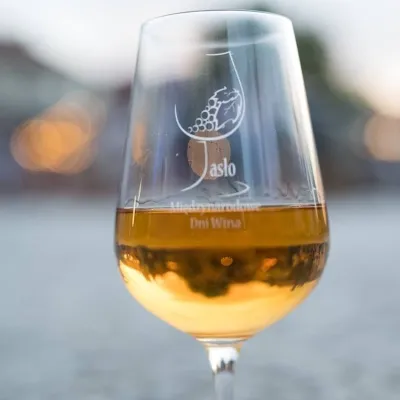 Markets & fairsInternational Wine Days in Jasło: a wine fair on the square22 km from Museum of the Oil and Gas Industry in BóbrkaJasło is a small town in Podkarpacie that is often called one of the cradles of Poland's wine revival.
 Wine & tastingsVanellus Vineyard, Jareniówka near Jasło: wine tastings24 km from Museum of the Oil and Gas Industry in BóbrkaWinnica Vanellus is a small family vineyard in the village of Jareniówka, a few kilometres from the centre of Jasło.
