Renaissance Square and the Kobzar Monument, Kolomyia
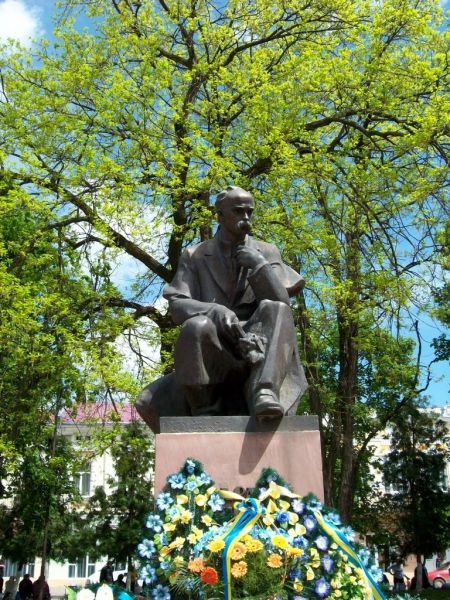
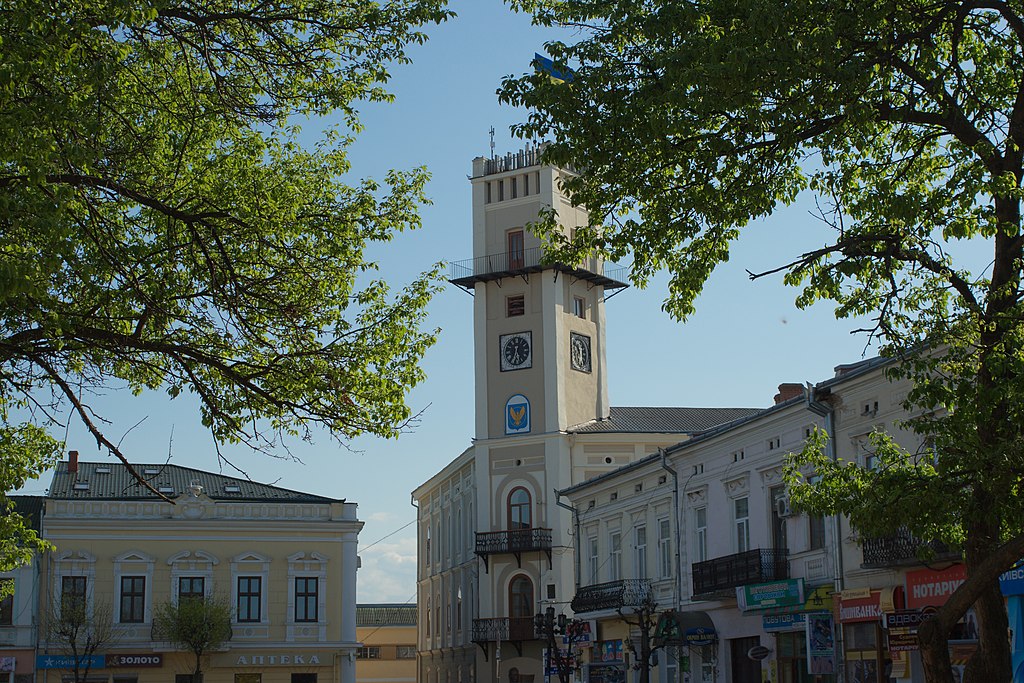
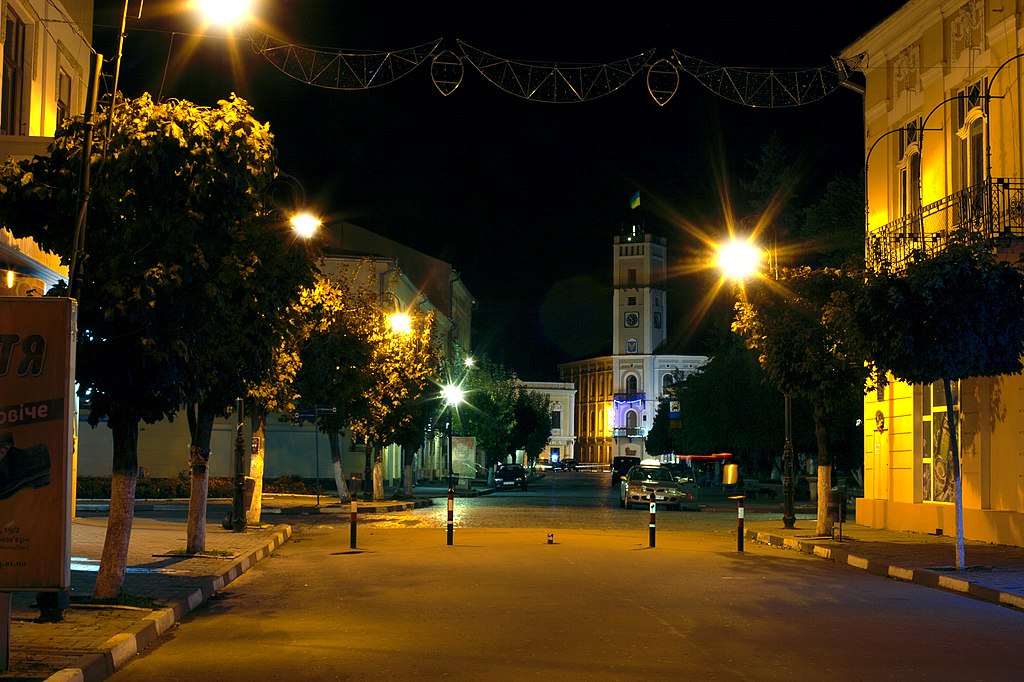
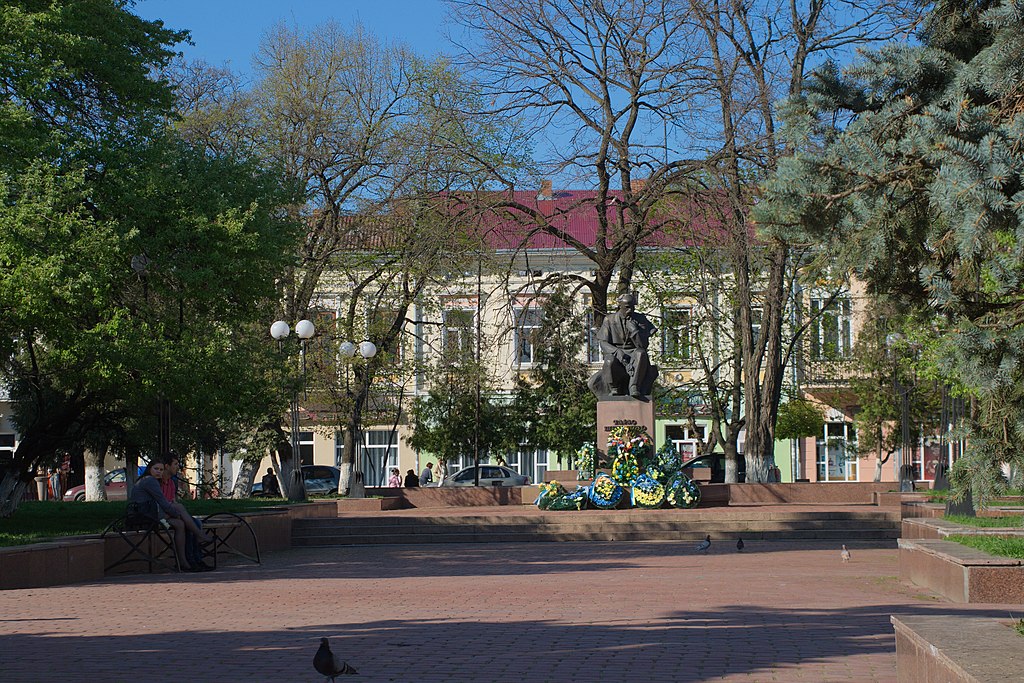
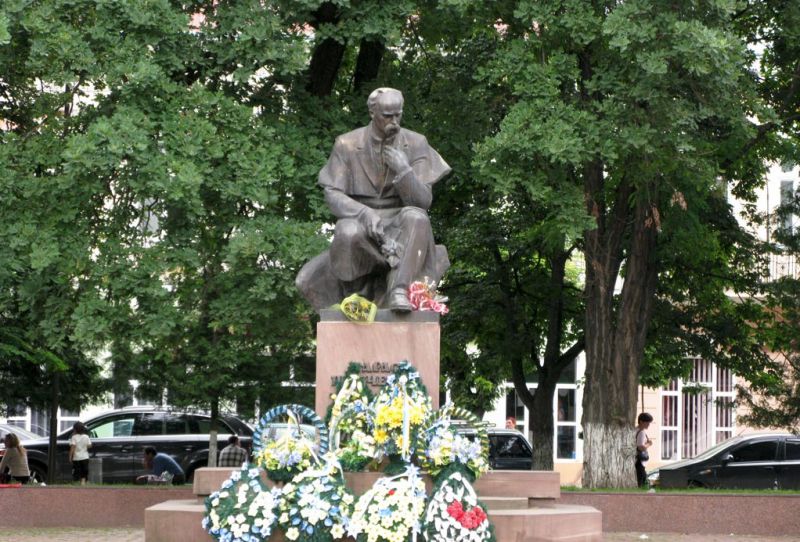
Renaissance Square is the main square of Kolomyia. It is located opposite the town hall; it borders Taras Shevchenko Square and M. Hrushevsky Avenue; from it, I. Mukhy Street, Theater Street, and Chornovola Street begin. Former names include: pl. Karpinsky (1880-1927), pl. Pilsudski (1927-39); pl. Lenin (1939-41, 1944-90), pl. E. Konovalets (1941). The original name was pl. Rynok. Since 1990, by the decision of the city executive committee, the square has been named Renaissance.
The city has been destroyed and burned many times throughout its history, which later became the main reason for the displacement of its central part to the north, within the current city center. From the preserved reports, we can assume that the main city square emerged in the mid-17th century. Following traditional European patterns, the square formed a large rectangle with its contours.
Starting from Theater Street, where a bookstore was located for a long time, its northern edge ran east along the "Kolomyanka" shopping complex, crossing Renaissance Avenue (now Chornovola Street – DM), went past the so-called city halls to Rynok Street (near the building of the former household combine) and, turning south along Rynok Street, where today the main entrance to the central food market is located, reached the intersection at Hetman Mazepa Street (near the children's church of St. Josaphat). Further, its boundaries stretched to Shevchenko Square to the west to the town hall and then, to close the rectangle of the square, turned back to Theater Street.
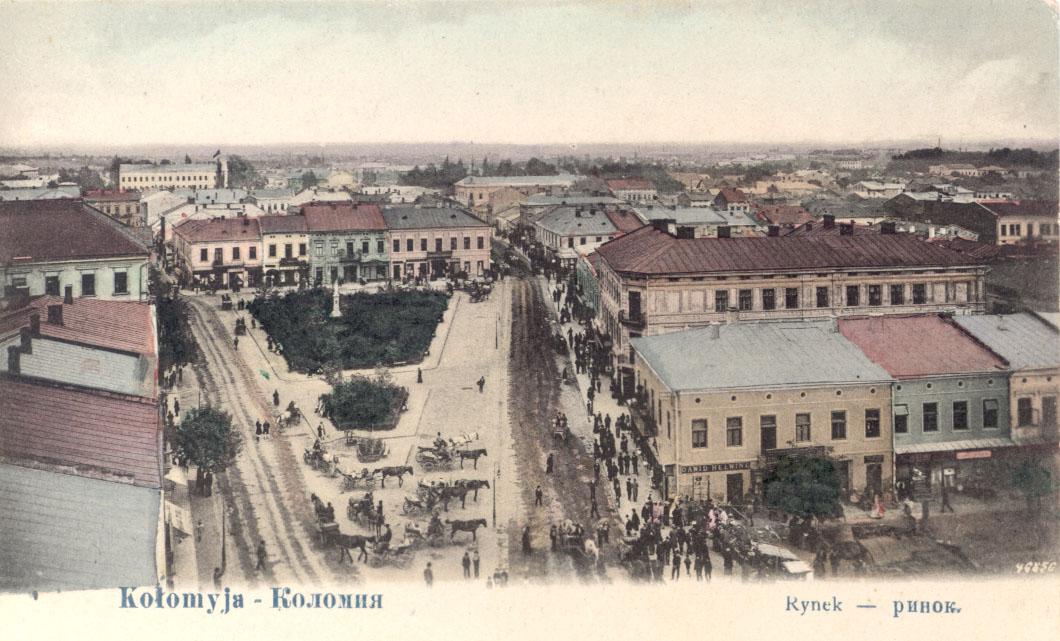
This entire area was for a long time the main market square of Kolomyia, and in the middle of it, following the customs of the Middle Ages, a wooden town hall with a tower and a number of service premises for the needs of the then magistrate was built in the first half of the 17th century, while traditional fairs took place in the remaining area.
Most of the two-story buildings that make up the modern Renaissance and Shevchenko squares were likely built in the 1870s. Kolomyia researcher Leopold Weigel noted in his "Essay on the City of Kolomyia" (1877) that "now around the vast market, as well as inside it, there are brick two-story stone houses."
Of course, the buildings of Kolomyia's city center have not retained their original appearance, as they have been repeatedly destroyed during wars and fires, repaired, and rebuilt with some changes. Significant changes occurred during the Soviet period, where the first floors housed large state stores instead of small private ones. The buildings on the western side (No. 1-11) have been best preserved.
- In buildings No. 1-2 (second floor), there was the "Grand" hotel since the late 19th century, owned at different times by Rifka Bagr (1913), Blitz Sender (1925), and I. Vitenko from the village of Zhukotyn (1941-1944). For decades, the hotel hosted guests of our city, including notable figures: Mykola Lysenko (December 16-17, 1903), who visited Kolomyia on the occasion of the 35th anniversary of his creative activity; Marshal of the Red Army of the USSR Georgy Zhukov with his headquarters (early April 1944), but due to the bombing of the city by Hungarian artillery, he did not stay long. During the Soviet period, it initially housed the district department of the NKVD, and from 1952 - the city prosecutor's office. The first floor was rented to entrepreneurs: at the beginning of the 20th century, building No. 1 housed the largest commodity warehouse and clothing store of Isidor Horn, which offered "everything needed for wedding ceremonies." After World War II, a city hairdresser was located here, which still operates today. The first floor of building No. 2 at the beginning of the 20th century housed a store of "fashionable goods and haberdashery" of Yakob Nadler and K. Ramler, in the 1920s - a fur warehouse and furrier workshop of H. Kesten and Y. Eisner. In 1925, it housed a warehouse for optical goods and jewelry. In the 1990s - a liquor store of the "Ivano-Frankivskspirt" combine.
- Building No. 4. In the first decades of the 20th century, it housed a branch of the pharmacy of Yevstakhiy Turyansky "Divine Providence." In 1913, it also housed a fabric warehouse of Symon Chayz, in the 1920s - a store of Leopold Baran, the law office of Dr. Yoakhim Ashkenazi, as well as a large warehouse of confectionery products. Since the 1990s - a store "Klavdiya" (first floor). On the second floor - residential premises.
- Building No. 5. From the beginning of the 20th century until 1939, there was a fabric and cloth store of Yevhen Zelenecky. At the same time, in the 1930s, there was a restaurant "Unionka" of Petro Kvasnyuk, as well as a liquor store of the Avner Brothers. In the 1970s-90s, it was a photographic studio.
- Building No. 6. In the 1910s - a tailor's supplies store of Hevyurza and Gottlieb, in the 1920s - locksmith workshops of Ihnatiy Vuytsik and Efroim Kornblit, a pharmacy warehouse "Golden Lion" of A. Hirnly, the office of the owner of the brewery Brettler. In the 1930s - a meat products store of Franciszek Zaremba. In the 1970s-90s, there was a cafe "Snihynka" (now - "Barvinok"). On the second floor - residential premises.
- Building No. 8. Built in 1910. In the 1910s, there was a musical instruments store and a pharmacy of Antoniy Sydorovych. In the 1920s, a pharmacy of Wilhelm Neyder and a sausage products store of Vizekanyuk. In the 1970s, a store "Notes and Subscription Editions," from the 1990s - a branded mini-bar "Halka," MP "Knyha."
- Building No. 9. In the first half of the 20th century, the second floor was occupied by a credit and discount bank. At the same time, in the 1910s - a spice store of Henryk Ilnytsky, a haberdashery store, and men's clothing trade of Leon Rozengeka. In the 1920s-30s - offices of merchant Yuda Firshtain and mill owner Yakob Baydaf, and a jewelry store of Y. Feyershtein. In the 1970s-90s, it was the largest bookstore in Kolomyia, now MP "Knyha."
- Building No. 10. Until 1939, it housed "breakfast rooms" and a pharmacy of Yan Chorny, in the 1940s - a watchmaker's workshop, a buffet, and a bookstore. In the 1970s-90s - a bookstore, now MP "Knyha."
- Building No. 11. From 1900 to 1939 - a restaurant and wine cellar, a fabric store of Reyna Gersh, a shoe and haberdashery warehouse of Solomon Harlig, a haberdashery store of Samson Bank, and a large shoe store of the German firm "Del-Ka." In the 1970s-90s - a bookstore, now MP "Knyha."
- Building No. 12. At the beginning of the 20th century, there was an optical and engraving store of liquor goods, a store of the economic trading cooperative "Pokutskyi hospodar," which sold iron tools, seeds, and grain, later renamed "Tsentrosoyuz."
- Building No. 13. The owner of the building at the beginning of the 20th century was Hayes, who rented the first-floor premises to the Czech merchants Bato and Ya. Shuster.
- Building No. 14. In the 1910s-20s, it housed the foreign exchange office of Moises Hammer, a furniture warehouse; in the 1920s, "breakfast rooms" were opened by Gitziya Teitler, and a dentist A. Neybauer received patients.
- Building No. 15. At the beginning of the 20th century, there was a spice store of A. and M. Shmerz. In the 1920s, the store of Shimon Zukerman offered customers gold, silver, watches; there were a hairdresser "Regina," a watchmaker's workshop of Kerker Haskel, and a branded shoe store.
- Building No. 17. In the 1910s, there was a confectionery firm of Samuel Stolzberg, a vegetable store "Palermo," and a store of Abraham Soychek, which organized exhibitions of Ukrainian embroidery. In the 1970s, there was a cafe "Bulyonna" (now - cafe "Voloshka," pharmacy "Yuriks").
- Building No. 18. During the Soviet period, there was a store "Technical Book," later "Gifts." Now it is a financial company and a trade and commercial center "Yuriks."
- Building No. 19. In the 1920s, there was a liquor store of Lika Ungar, in the 1930s, a meat products store of Stanislav Pikora. From 1942 to 1944, it housed classrooms of the Kolomyia gymnasium. During the Soviet era, there were stores "Jewelry," "Bread," "Fabrics." Now it is a jewelry store and the city-district company "Prosvita."
Renaissance Square has been used multiple times as a place of execution: in 1878, the last opryshok M. Drahiryuk was executed here; in 1945, on the territory opposite the stores "Yablunka" and "Chervona Kalyna" (now the entrance to the dairy pavilion – "DM"), the NKVD publicly hanged several citizens, including a UPA "Spartan" fighter - Ivan Maidan'sky from the town of Pechenizhyn, after whom one of the streets in Kolomyia is now named, and in honor of whom a memorial plaque has been opened.
Renaissance Square is a witness to many historical events: on September 15, 1880, Kolomyia ceremoniously welcomed here the Emperor of the Austro-Hungarian Empire Franz Joseph with his son - Archduke Rudolf and Empress Elizabeth, who came to open the Ethnographic Exhibition; on September 16, 1880, there were festivities on the occasion of the opening of the monument to F. Karpinsky; on November 15, 1886, near the town hall, there was a ceremonial meeting of the first train of the famous Kolomyia "local train," which connected Kolomyia processing plants with oil deposits in the village of Sloboda Rungurska; in April 1894, on the occasion of the 100th anniversary of the victory of Polish insurgents under Kosciuszko over Russian troops in the battle near the village of Ratslavitsy, a memorial plaque was ceremoniously opened at the town hall; on June 5, 1898, a ceremonial procession of Kolomyia Poles, Ukrainians, and Jews took place in the city center on the occasion of the 100th anniversary of the birth of A. Mickiewicz and the opening of his monument in the city park. Three times: on June 6, 1902, June 28, 1903, and July 12, 1906, K. Tryliovsky officially held grand Sitch festivals in Kolomyia, during which thousands of columns with music, in colorful Ukrainian costumes, with emblems and flags, with Sich songs marched through the city park through the city center towards the zarink over the Prut to conduct their main competitions.
Video
 Коломия в 4K, мандрівка з висоти пташиного польоту4K.if.ua
Location on the map
Comments
Places to stay nearby
All stays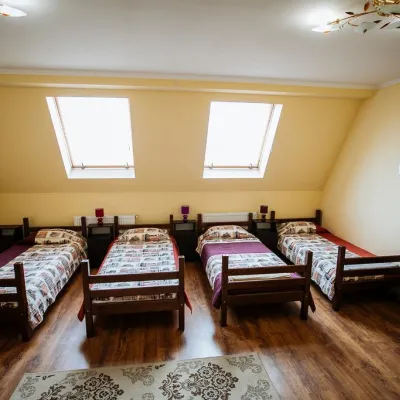 HostelHostel "Hetman"Kolomyiaunder 1 km from Renaissance Square and the Kobzar Monument, KolomyiaKitchenTransferNearby: Pysanka Museum in Kolomyia 200 mCity lake in Kolomyia 1.1 km
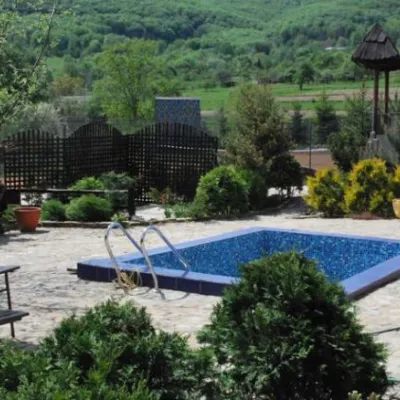 HotelPrivate Homestead "Marko"Kolomyiaunder 1 km from Renaissance Square and the Kobzar Monument, KolomyiaPoolSaunaKitchenNearby: Pysanka Museum in Kolomyia 200 mCity lake in Kolomyia 1.0 km
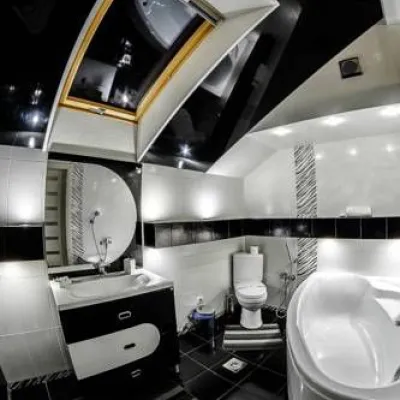 HotelHotel "Diamond De Luxe" MykulychynKolomyiaunder 1 km from Renaissance Square and the Kobzar Monument, KolomyiaParkingWi‑FiPetsNearby: Pysanka Museum in Kolomyia 300 mCity lake in Kolomyia 1.1 km
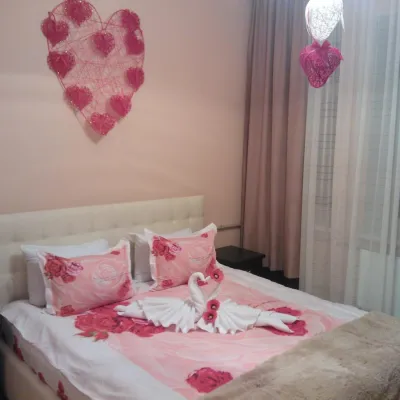 HotelHotel "Pysanka" KolomyiaKolomyiaunder 1 km from Renaissance Square and the Kobzar Monument, KolomyiaParkingWi‑FiTransferNearby: Pysanka Museum in Kolomyia 100 mCity lake in Kolomyia 900 m
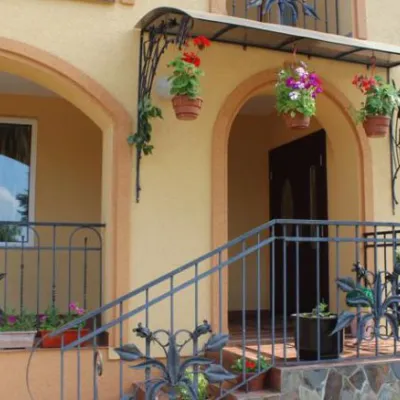 HotelHotel "Vorota Karpat"Kolomyia2.1 km from Renaissance Square and the Kobzar Monument, KolomyiaSaunaBBQKitchenNearby: Pysanka Museum in Kolomyia 2.5 kmCity lake in Kolomyia 3.4 km
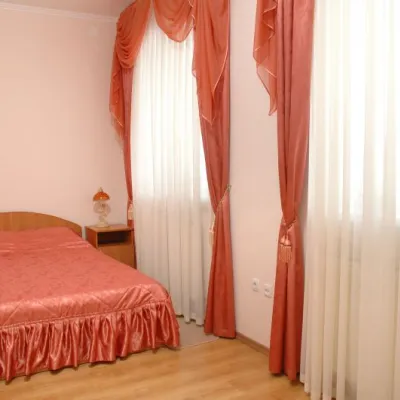 HotelHotel Complex "Verbizh"Verkhnyi Verbizh4 km from Renaissance Square and the Kobzar Monument, KolomyiaPoolSaunaParkingNearby: Pysanka Museum in Kolomyia 4.3 kmCity lake in Kolomyia 5.0 km
Trails nearby
All trails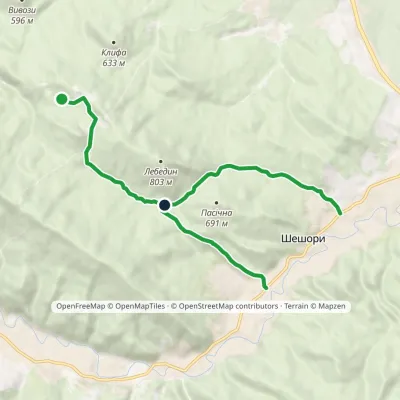 EasyOne-dayMarkedNature trail «To Lake Lebedyn»Elevation profile414–706 m9.2 kmascent 245 m≈ 3 h walking19 km from Renaissance Square and the Kobzar Monument, Kolomyia
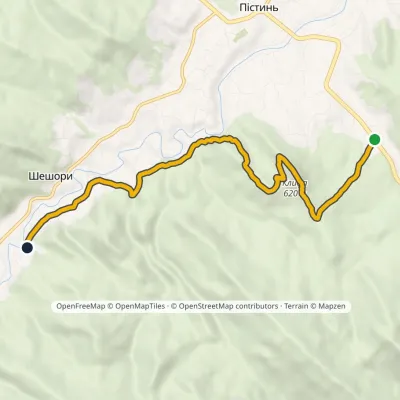 EasyOne-dayMarkedSt Nicholas Estate Malyi Huk Waterfall (Sheshory)Elevation profile407–627 m7.2 kmascent 233 m≈ 2.5 h walking20 km from Renaissance Square and the Kobzar Monument, Kolomyia
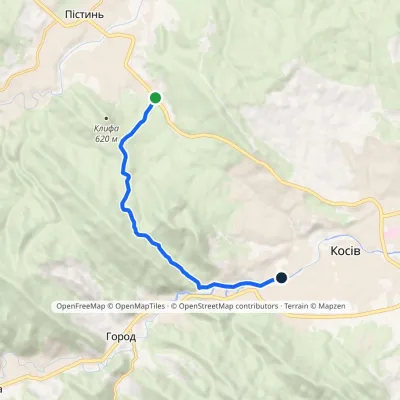 EasyOne-dayMarkedSt Nicholas Estate Huk Kosivskyi WaterfallElevation profile368–637 m6.9 kmascent 203 m≈ 2 h walking20 km from Renaissance Square and the Kobzar Monument, Kolomyia
Nearby attractions
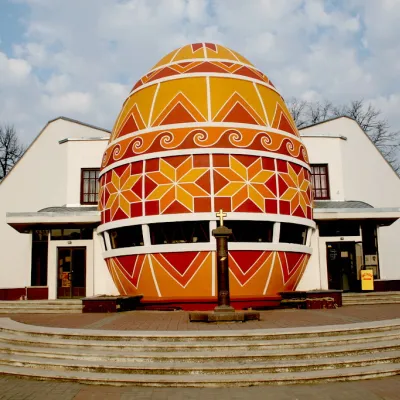 MuseumPysanka Museum in KolomyiaKolomyiaunder 1 km from Renaissance Square and the Kobzar Monument, KolomyiaThe collection of Easter eggs in the Kolomyia Museum of Hutsul Folk Art has been formed for many decades, and gradually the idea to create a separate department - the...
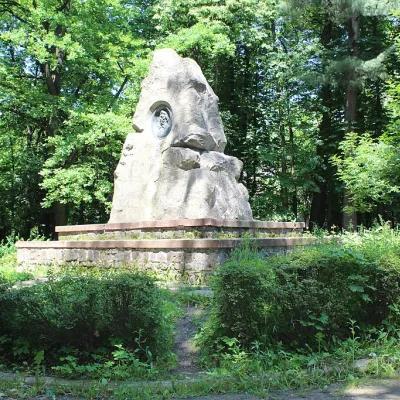 NatureCity Park of Culture and Recreation named after Kyrylo Tryliovskyi, KolomyiaKolomyiaunder 1 km from Renaissance Square and the Kobzar Monument, KolomyiaThe Park (Kyrylo Trillivskyi Park) is a park-monument of landscape art of local importance in Ukraine.
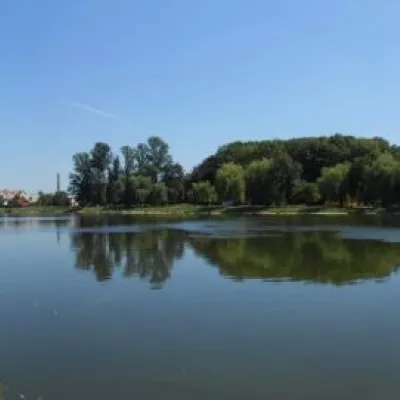 LakeCity lake in KolomyiaKolomyia1.3 km from Renaissance Square and the Kobzar Monument, KolomyiaAfter touring the city, it's a good idea to relax and unwind by the water. The city lake is a good place for this.
Craft nearby
All craft places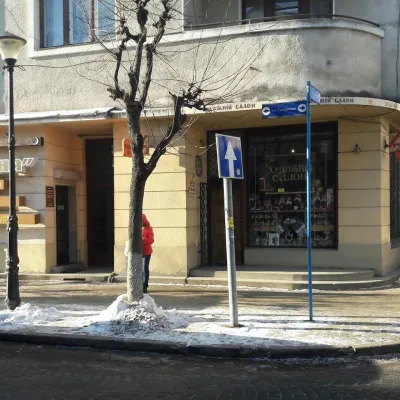 Craft shopsSkrynia antique and souvenir shop, KolomyiaKolomyiaunder 1 km from Renaissance Square and the Kobzar Monument, KolomyiaSkrynia (“The Chest”) is an antique and souvenir shop in the historic centre of Kolomyia, at 23 Teatralna Street.
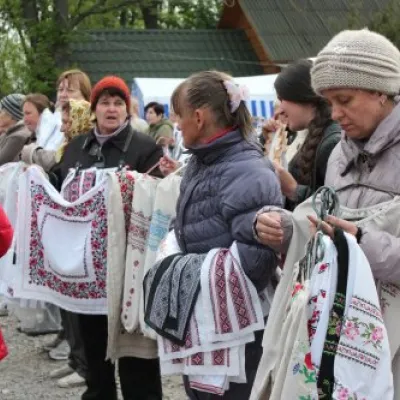 Markets & fairsKolomyia embroidery marketKolomyia1.2 km from Renaissance Square and the Kobzar Monument, KolomyiaIt is one of the most unique and inimitable night markets in Ukraine andthe largest in Prykarpattia. The night market of embroidered shirts in Kolomyia is incomparable...
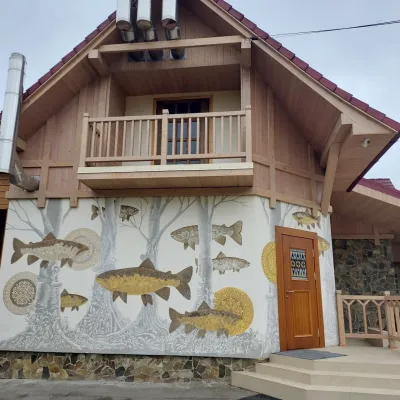 Koliby & Hutsul cuisineArkan Restaurant, SheshorySheshory22 km from Renaissance Square and the Kobzar Monument, KolomyiaThe Arkan restaurant in Sheshory is one of the best-known places for Hutsul food in the Kosiv area. It sits right in the centre of the village on a ledge above the...
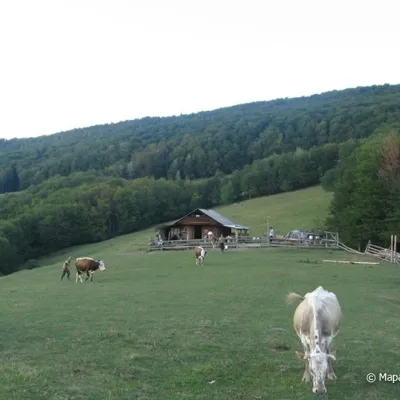 Mountain meadowPolonyna Rosokhata (Sheshory)Sheshoryaltitude 860 m23 km from Renaissance Square and the Kobzar Monument, KolomyiaWhy is the meadow called "Rosokhata"? The two parts of the field that form the branches look like dewdrops.
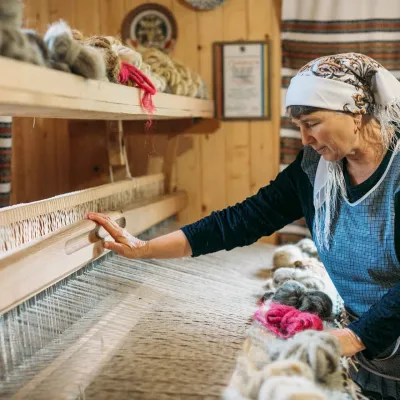 Crafts & workshopsLizhnyk Weaving Masterclass, KosivKosiv23 km from Renaissance Square and the Kobzar Monument, KolomyiaA lizhnyk of your own: what the masterclass is The Kosiv area is one of the main centres of Hutsul lizhnyk weaving, and the best way to understand the craft is to sit...
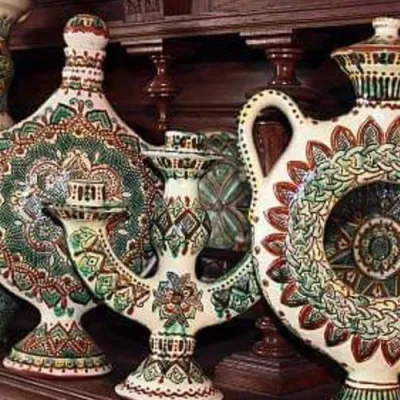 Crafts & workshopsKosiv Painted Ceramics Masterclass, KosivKosiv23 km from Renaissance Square and the Kobzar Monument, KolomyiaYellow deer, green birds, riders and flowers on a warm white background — Kosiv painted ceramics are recognisable at a glance.