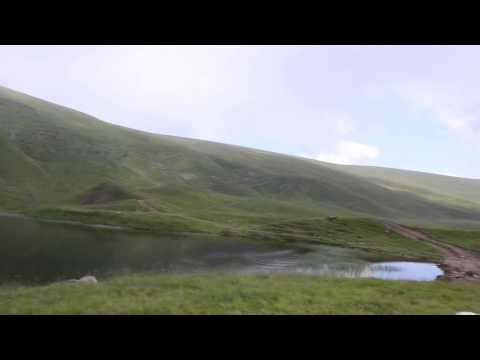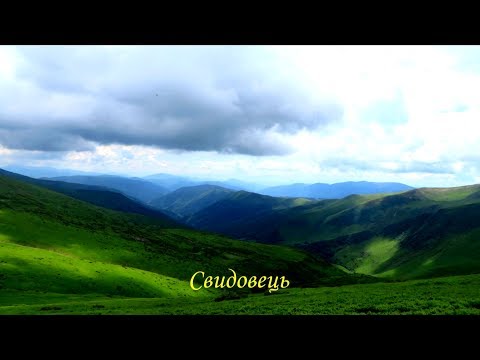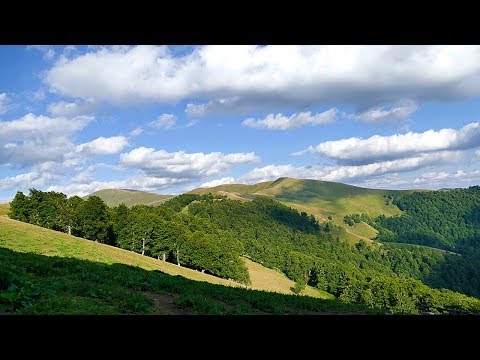
The Svydovets range is the third highest after Chornohora and Marmaros and one of the most picturesque mountain ranges in the Ukrainian Carpathians. The incredibly beautiful expanses of Svydovets are located next to the rocky Horgan Mountains in the southeast of the Carpathian highlands.
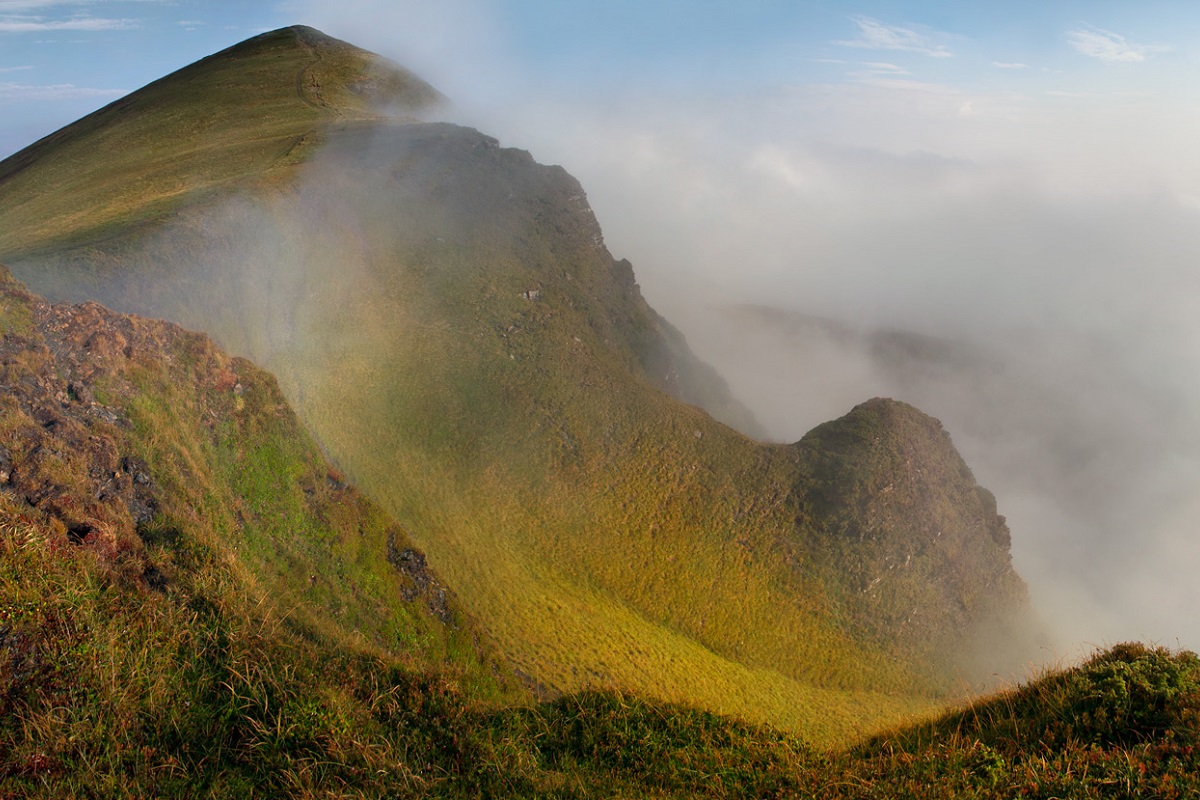
The Svydovets mountain range is a very popular cycling and hiking destination, and there are many reasons for this. What do you like best - waterfalls, crystal clear alpine lakes, or picturesque landscapes? Svydovets has it all!
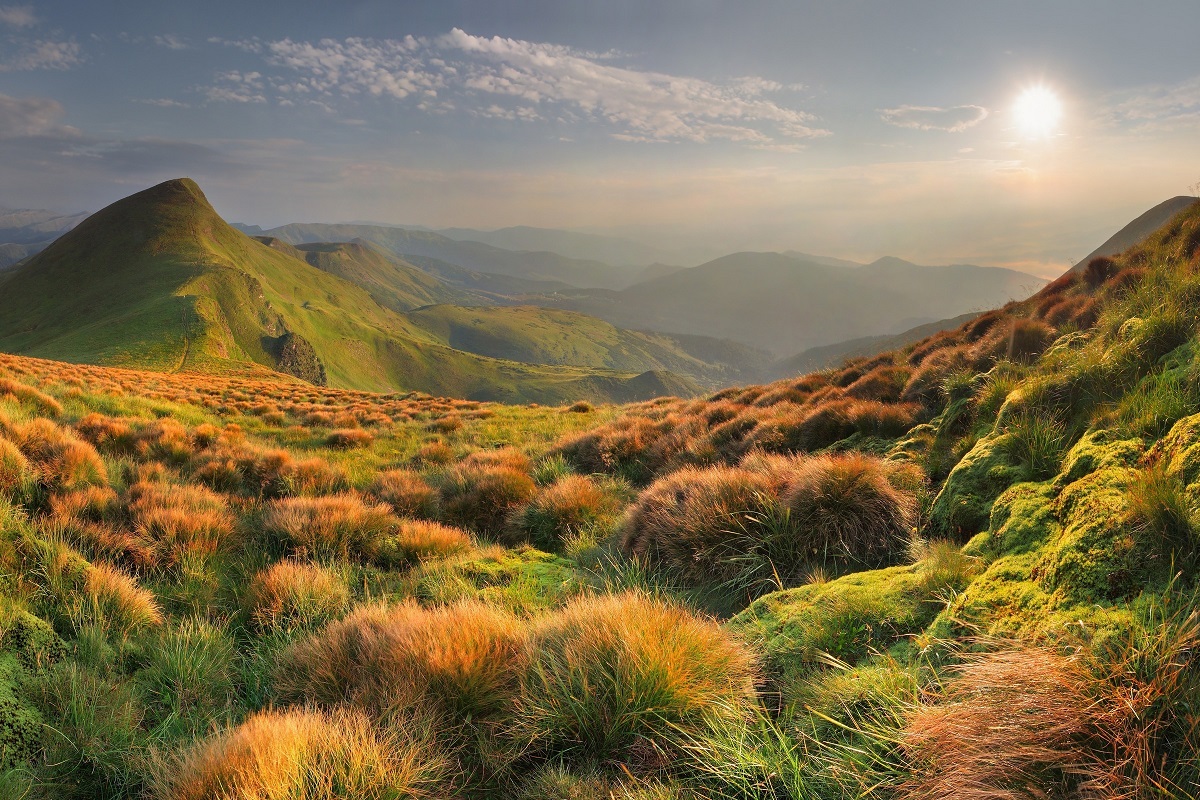
The magic of the Svydovets mountain range
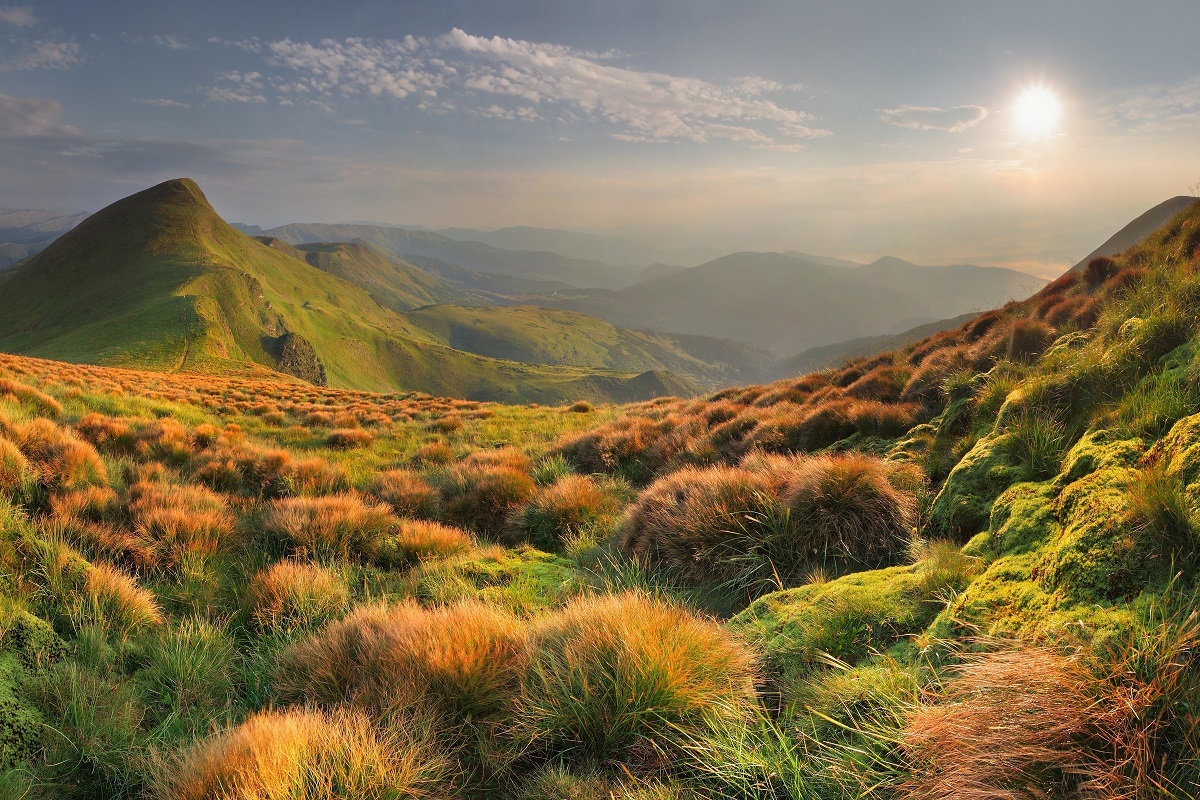
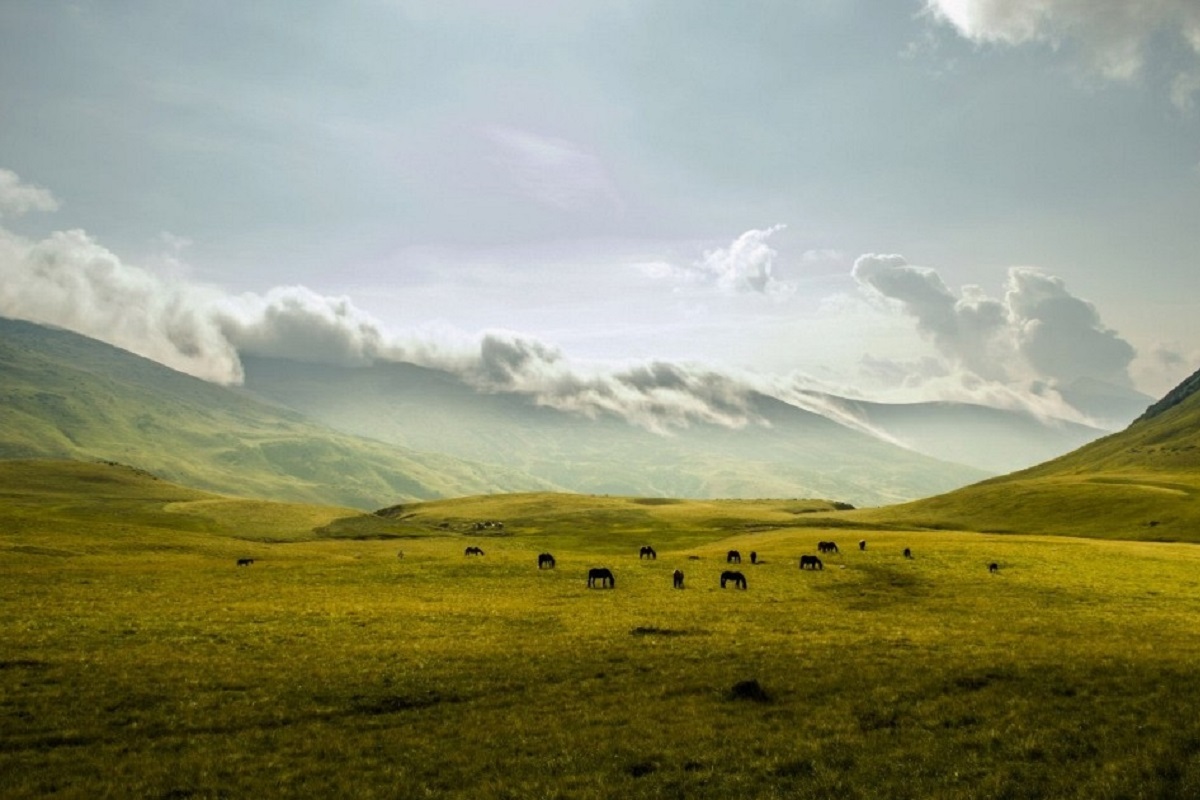
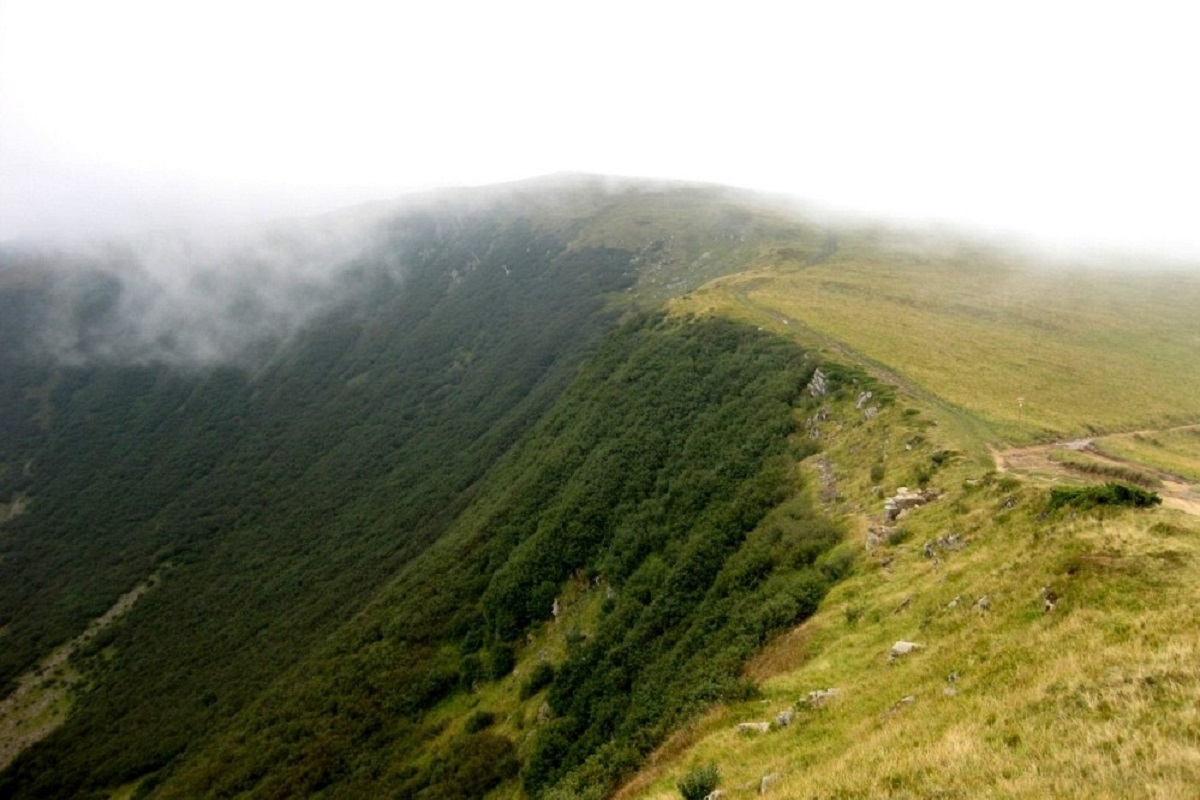
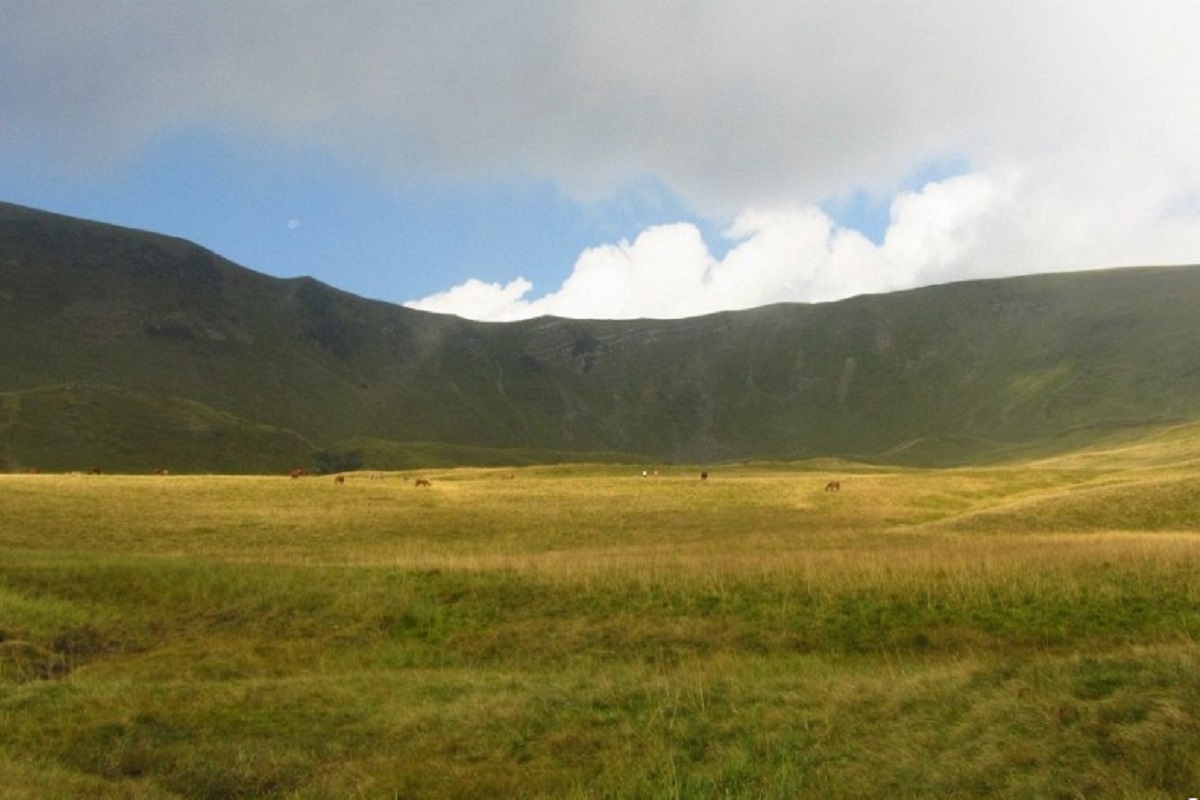
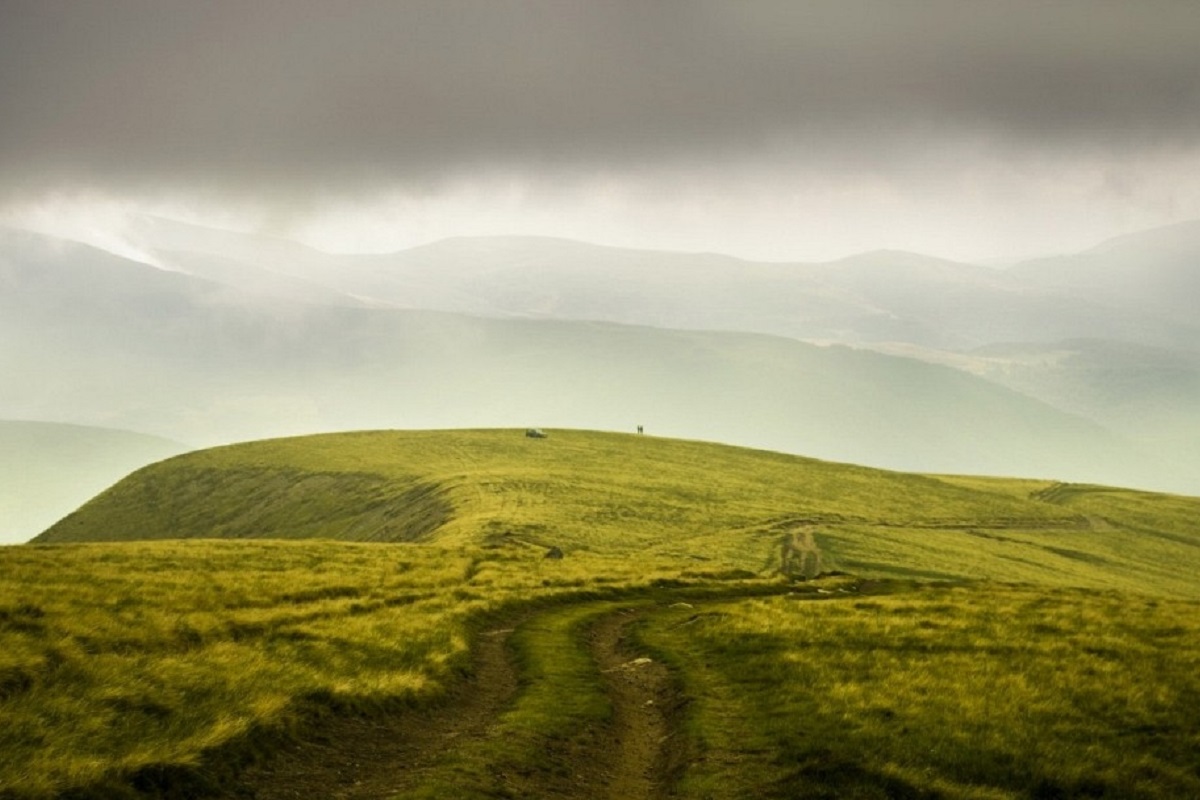
The rounded shapes of the Svydovets mountain range and the special world of flora create beautiful landscapes, especially in summer, when heavy gray rain clouds float over the ridge, and the sun only peeks out here and there and releases its bright rays on the velvety grass slopes.
In the off-season, hurricane winds come into their own, so at this time Svydovets is very uneasy, and that is why, most likely, the ridge is almost completely "bald". This feature of the mountain range creates incomparable landscapes, as well as, as noted by photographers and artists, amazing sunrises and sunsets.
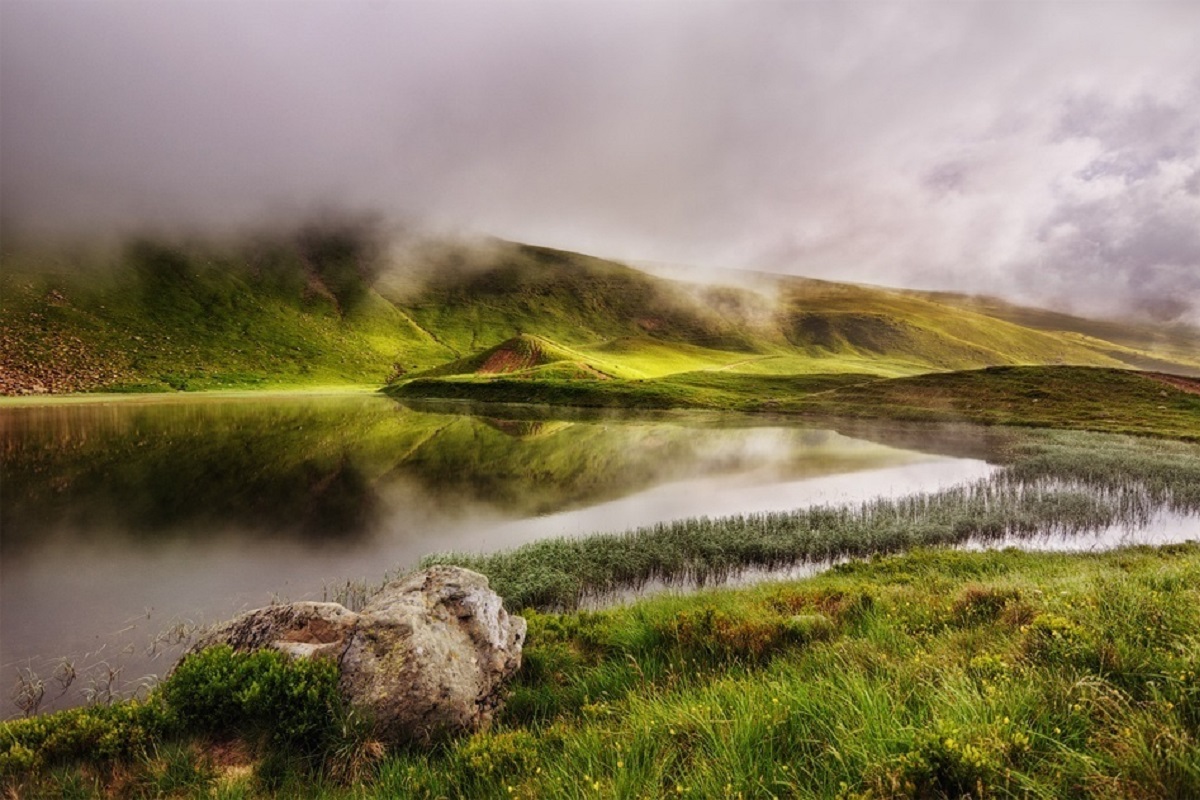
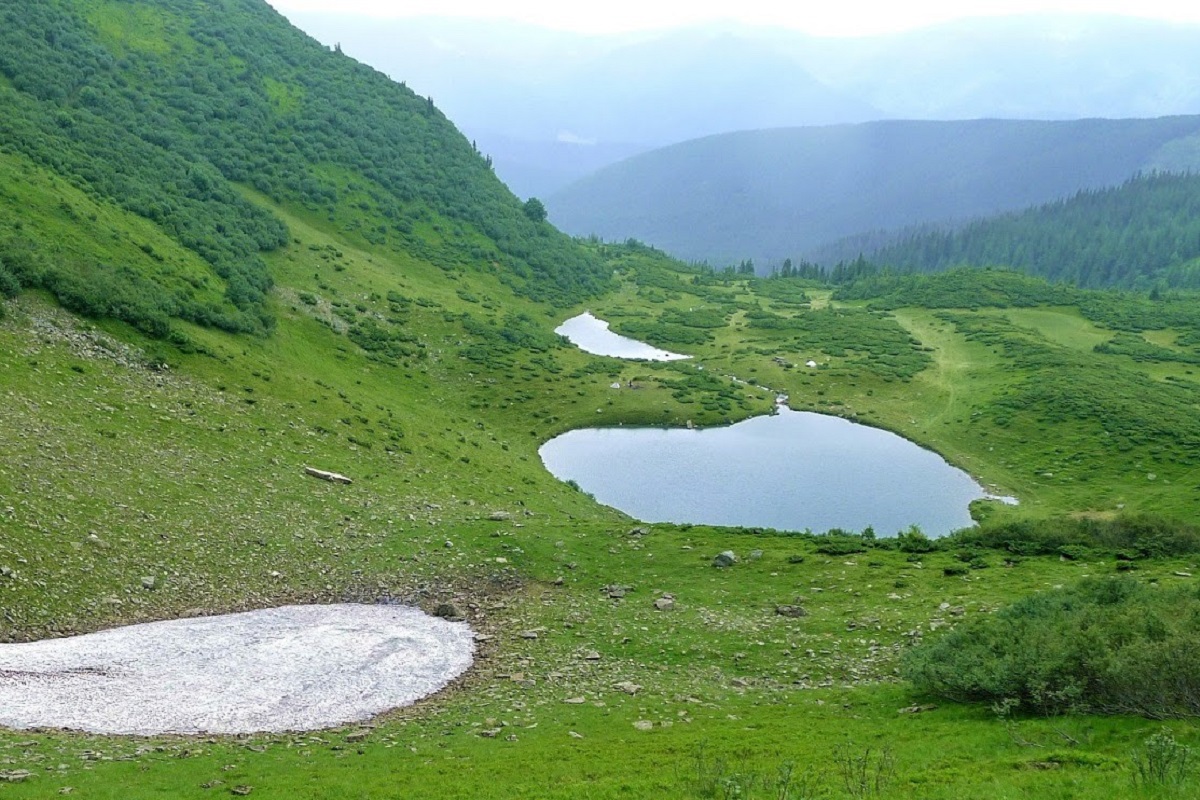
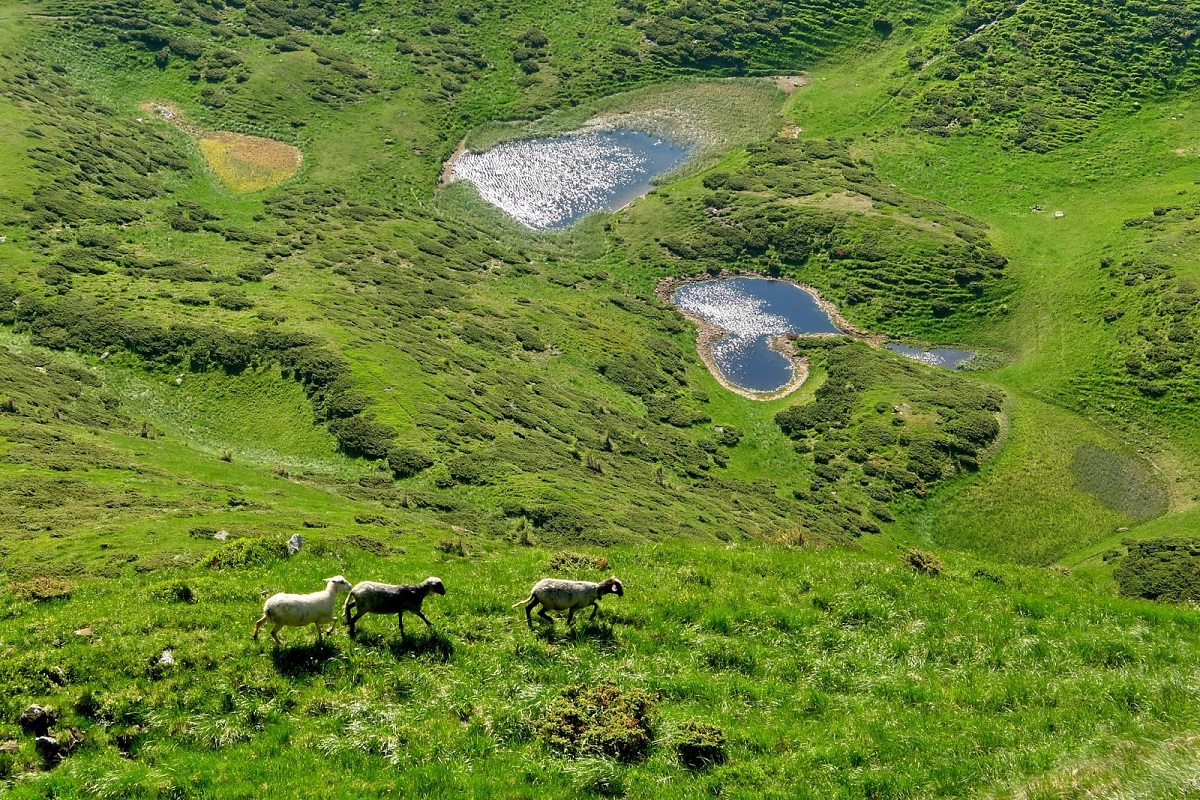
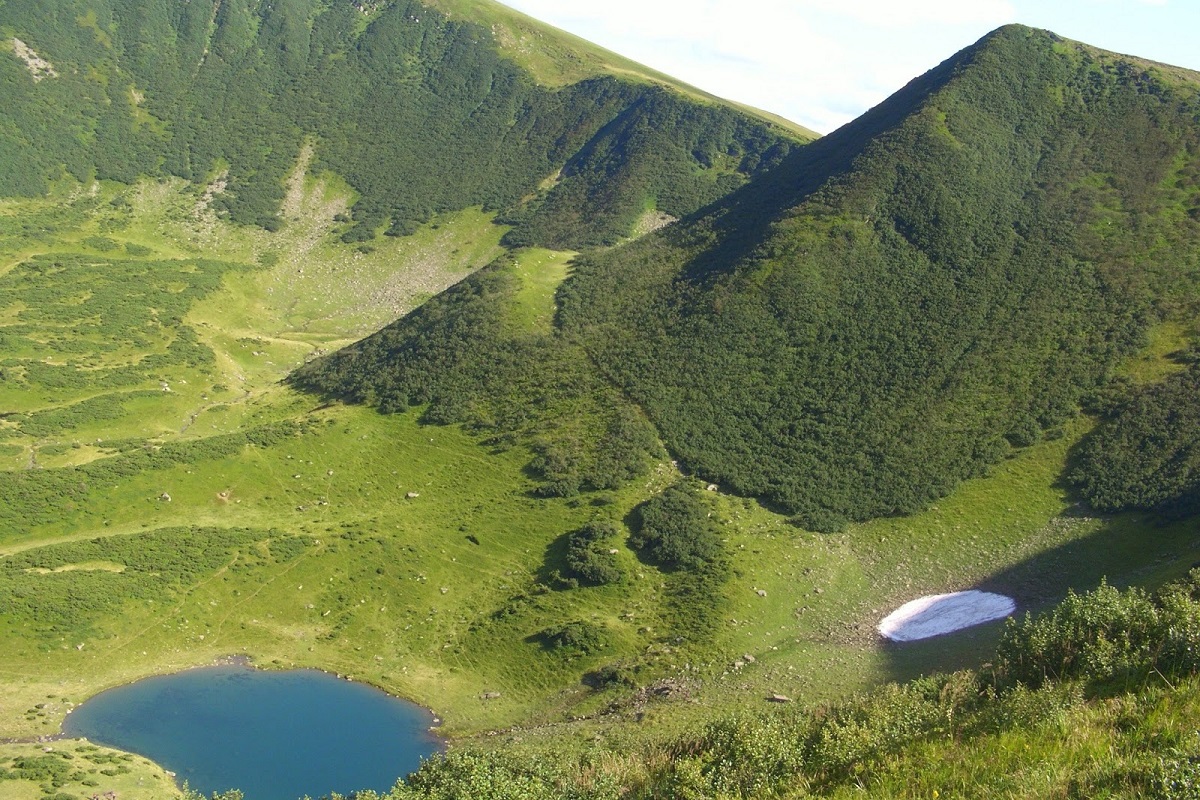
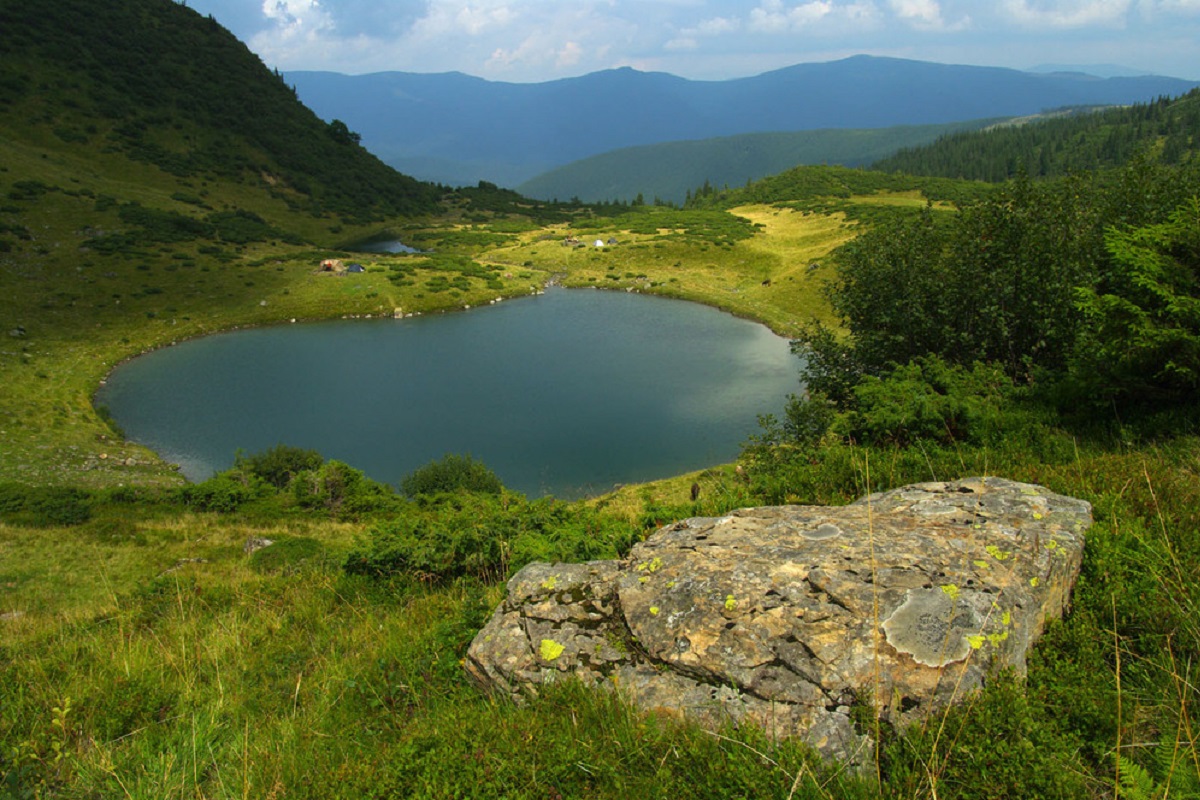
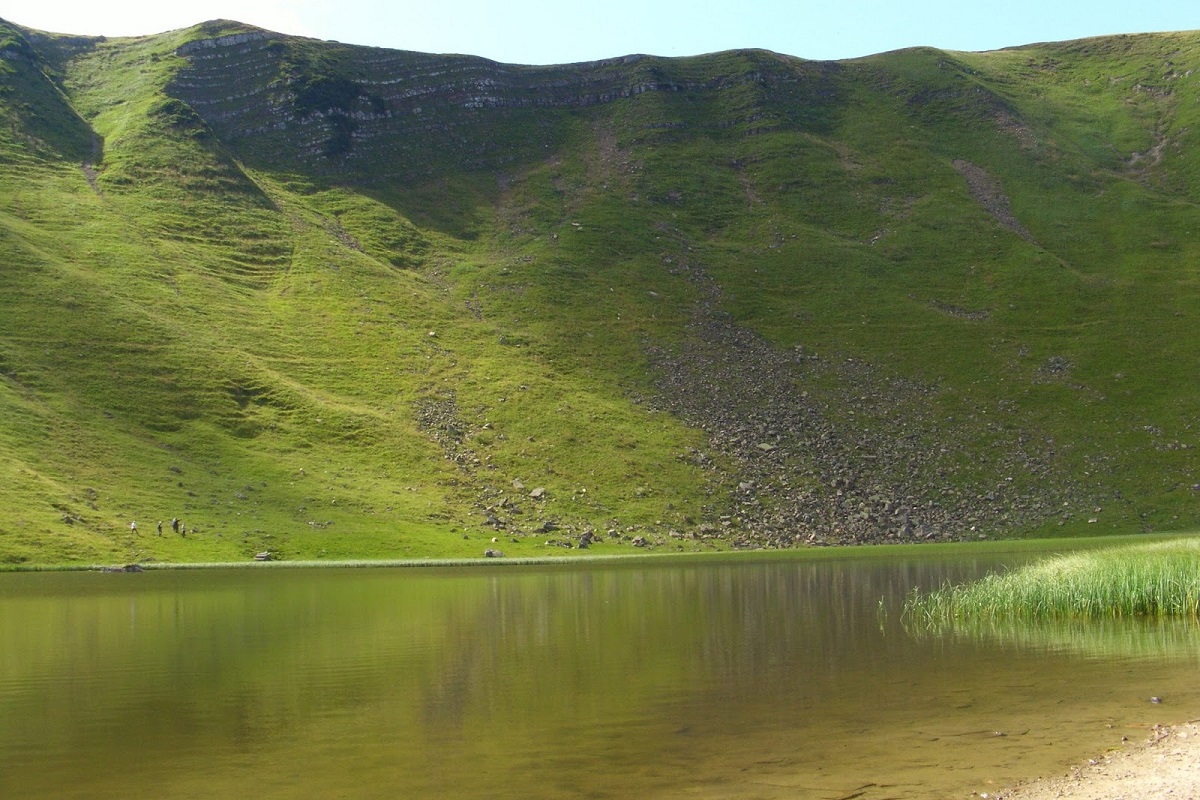
Another distinctive feature of Svydovets is the presence of several picturesque alpine lakes of glacial origin. This fact adds even more attractiveness to the ridge and makes it special in the Carpathians.
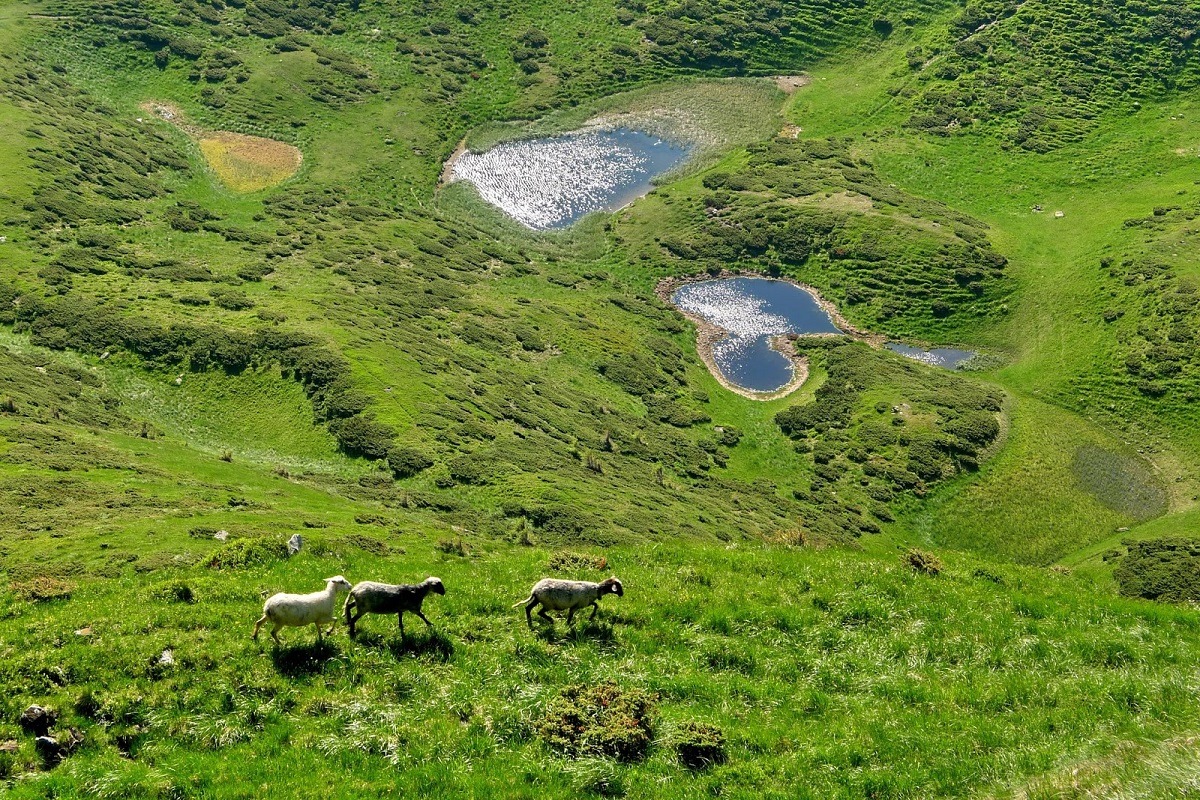
The Svydovets massif is a truly unique region of the Ukrainian Carpathians with incomparable landscapes and its own special magic, which, without a doubt, is worth experiencing for everyone who is in love with the mountains at least once!
Peaks of the Svydovets mountain range
The most famous and highest peaks of the Svydovets mountain range are Mount Blyznytsia, which is 1883 m high, Mount Velykyi Kotel - 1771 m, and Mount Dogyaska - 1761 m. Slightly lower, but no less picturesque are Mount Tataruk (1707 m), Mount Ungaryaska (1707 m), Mount Stig (1704 m), Mount Trojaska (1702 m), Mount Tempa (1634 m), Mount Pidpula (1634 m), Mount Berlyaska (1555 m), and others.
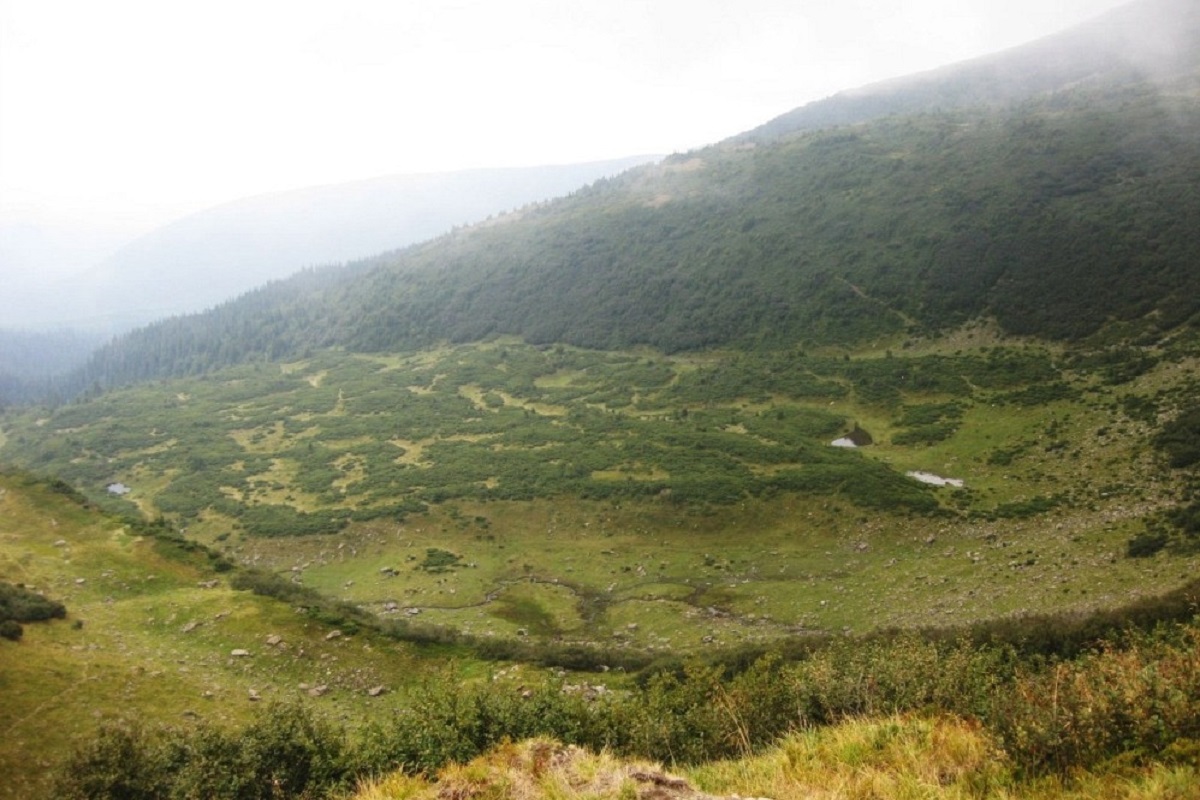
Blyznytsia (or Twins) are two mountains located in the eastern part of the Svydovets Range. The peaks of Blyznytsia are located next to each other and are very similar in shape (not for nothing that they are so named). They are very popular objects of hiking tourism and there are two main reasons for this: the first is that they are the highest on the ridge, and the second is that they have very convenient transportation. Mount Velykyi Kotel, Mount Stih, and Mount Zhandarmy also meet similar criteria in the Svydovets massif.
Lakes and waterfalls of Svydovets
Svydovets is a real lake paradise. It is here, along the ridge, that several alpine lakes are located - Ivor, Apshynets, Vorozheska and Dogyaska (or Gereshaska). You can go down to almost any of them and camp nearby with a tent for the night.
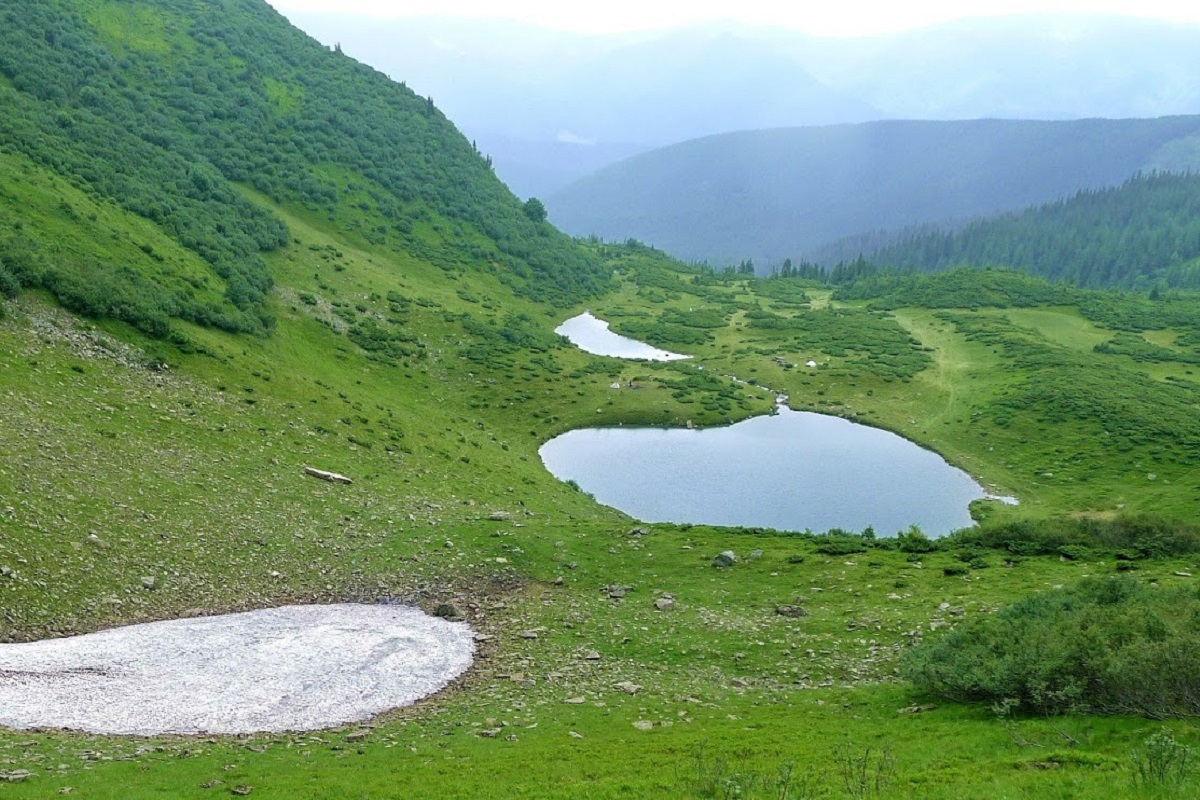
Some of the lakes in Svydovets are small and shallow, but Lake Dogyaska is quite large, considering that it is of glacial origin: its diagonal length is 125 m, width is 110 m, and depth is no more than 1.2 m. However, it is worth noting that the lake is fed exclusively by precipitation, is located at an altitude of 1577 m, and the water temperature is no higher than +11°C even in summer, so you should not dream of comfortable water procedures.
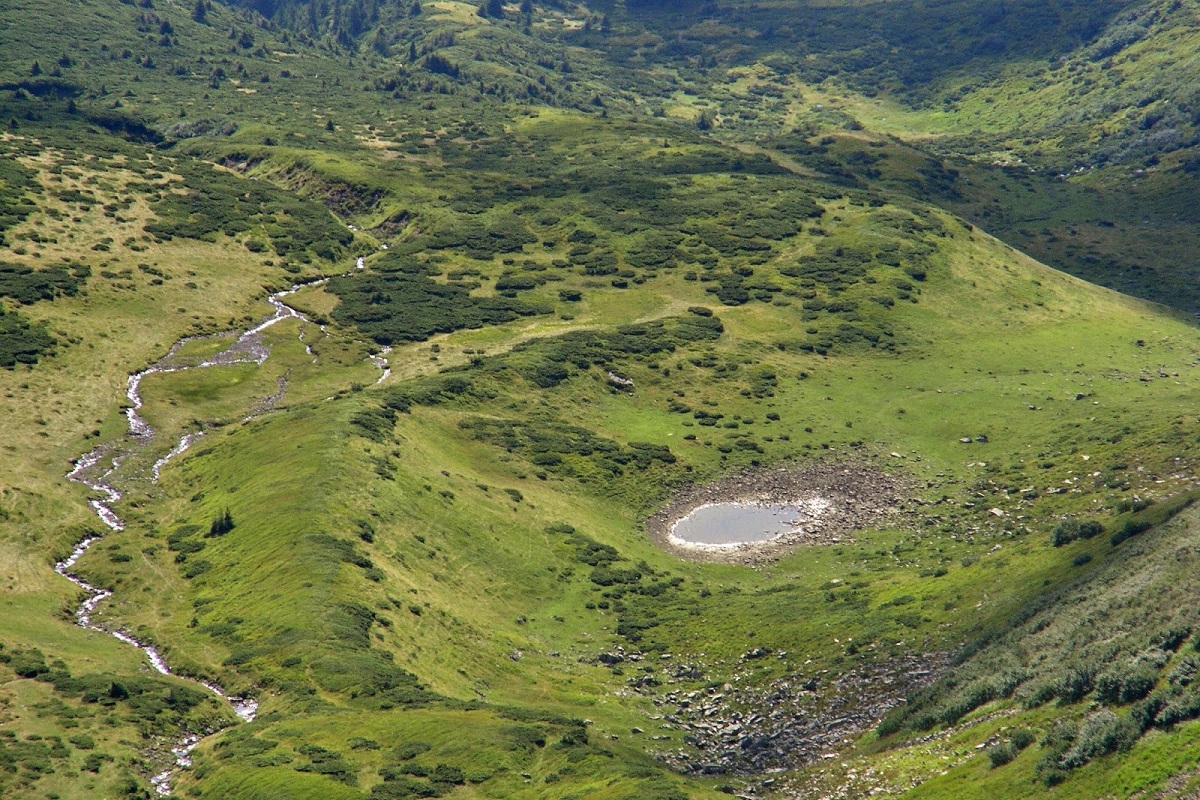
Not far from Dogyaska is a small Dragobrat waterfall. Another waterfall - Trufanets - is located between the villages of Kvasy and Yasinya, from which people often hike to Svydovets.
Hiking on Svydovets
There are a lot ofroutes on Svydovets, so to speak - for all tastes and preferences. You can hike the entire ridge, or you can just walk to the lakes (so to speak) from the Dragobrat ski resort.
Climbing the Svydovets massif can be started in the villages of Yasinya, Kvasy, Ust-Chorna and Trostyanets, as well as from the Dragobrat ski resort. These settlements are the most convenient for starting and finishing all hikes to Svydovets.
Advice to tourists
It is worth remembering that in the highland part of Svydovets, to make a fire, you need to try very hard, because here the ridge is almost completely "bald". In other words, you should not count on firewood or even small brushwood to cook on. The best option is to take a burner and spare tourist cylinders with you, and you'll be lucky))).
Follow the updates on the blog and subscribe to our Facebook page.