Schneider
About
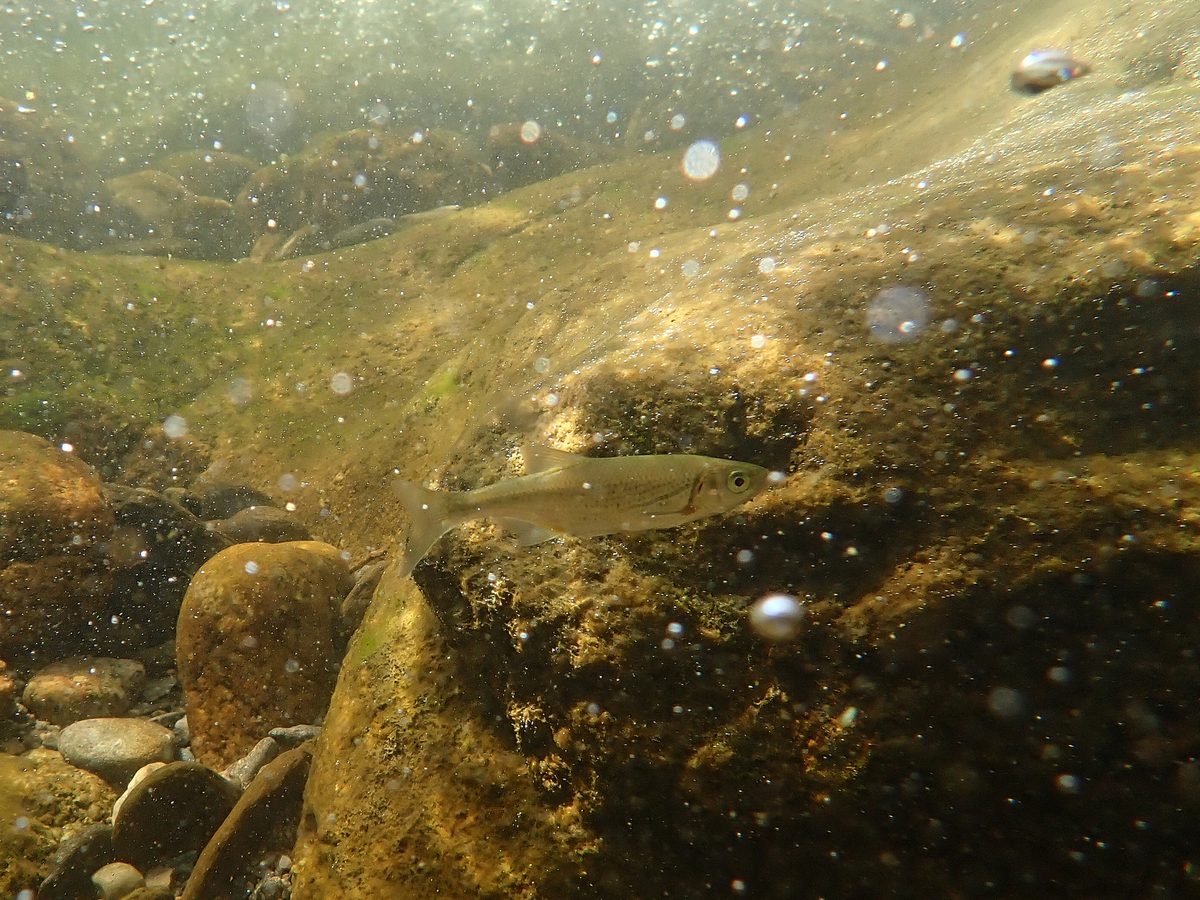
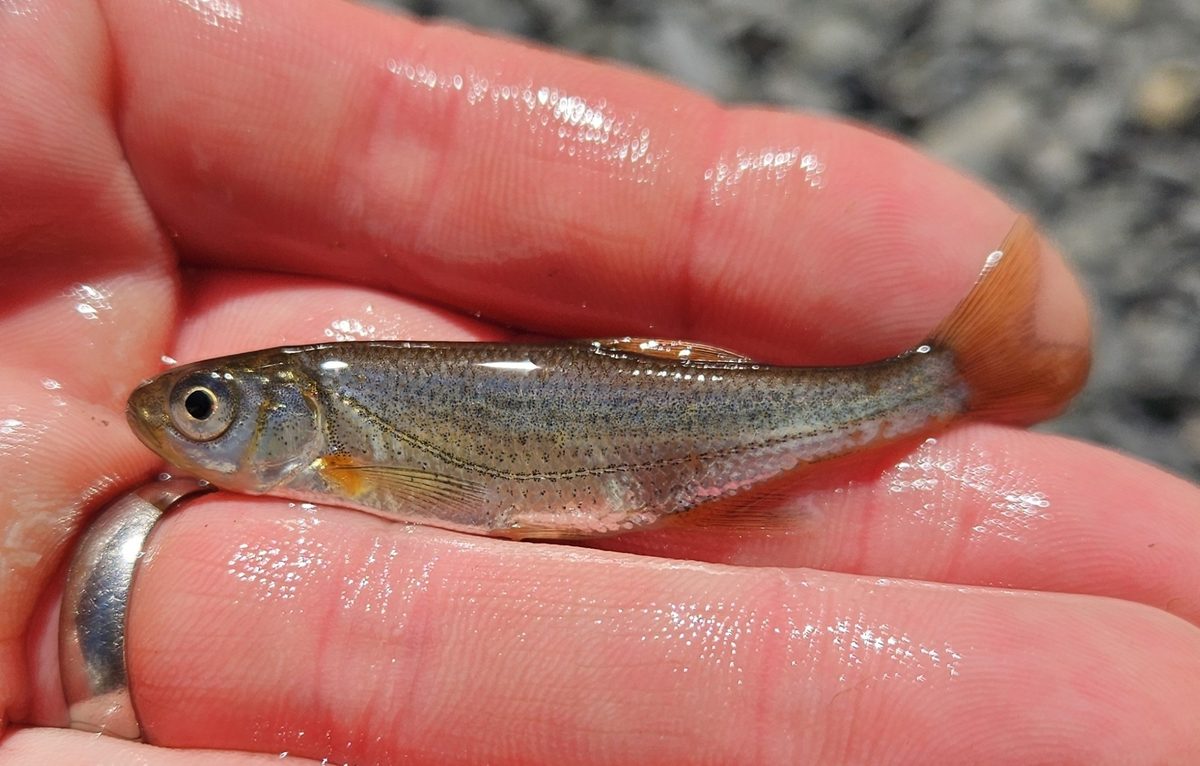
The Schneider is a small schooling fish that lives only in rivers, in areas with moderate or fast currents and clean, oxygen-rich water. It tends to stay closer to the bottom, often in riffles. It usually measures about 9 cm, occasionally up to 12–13 cm, and weighs up to 30 g. It lives no more than 5–6 years.
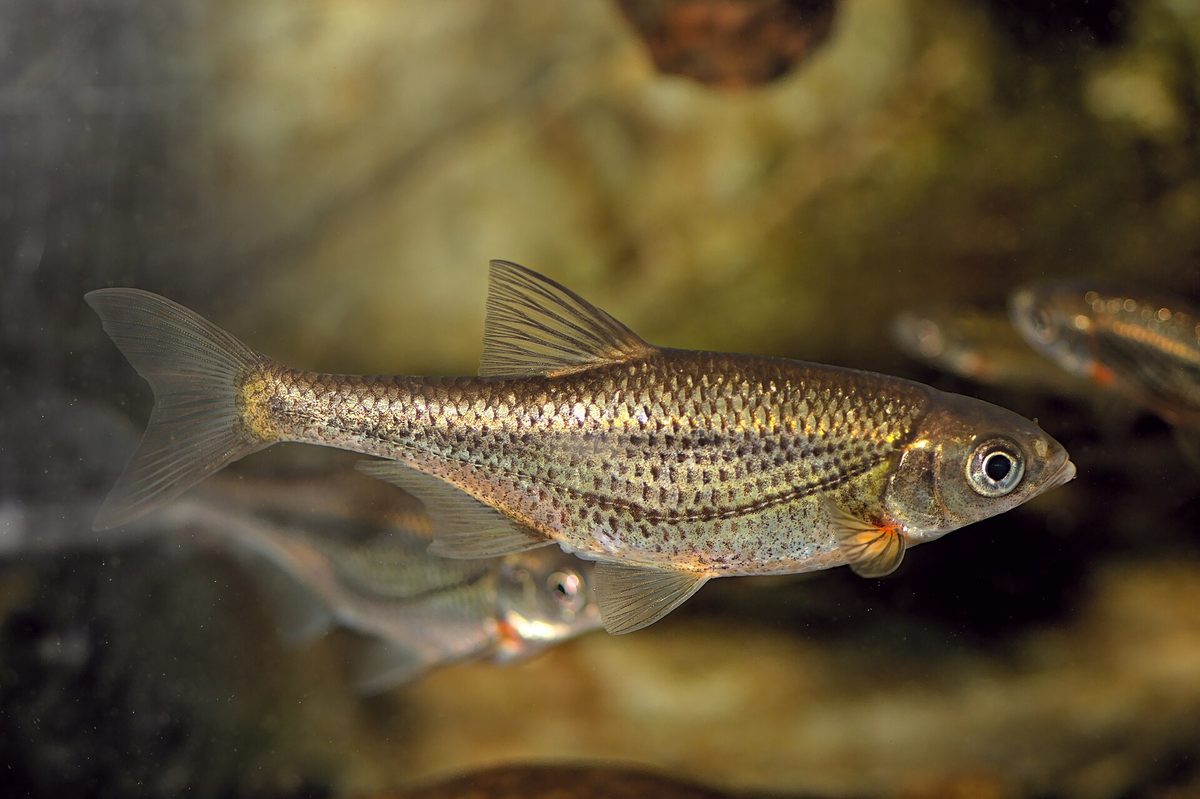
The Schneider can be easily distinguished from other small fish by the double row of dark spots-stripes along its lateral line — like a double stripe. The back is dark, almost black, with a greenish or bluish tint, the sides are silvery, the belly is white, and the pelvic and anal fins are yellowish or reddish at the base. The similar bleak does not have such a 'stripe'.
Spawning occurs from May to July, in shallow areas with fast currents and gravel or rocky bottoms; the female lays eggs in several batches, up to 8 thousand eggs per season. The Schneider reaches sexual maturity at two years. It feeds on small planktonic organisms and benthic invertebrates, insects that fall into the water, algae, and the eggs of other fish.
The systematics of the Scheniders is complex. Fish from the basins of the Dniester, Southern Bug, and Dnieper are currently considered a separate species — the Russian Schneider (Alburnoides rossicus). It is listed in the Red Data Book of Ukraine as a vulnerable species, and it is prohibited to catch it. Therefore, in the Carpathian rivers of the Dniester basin, catching the Schneider is not allowed. Fish from the Tisza and Prut, which belong to the Danube basin, are still classified as the common Schneider, but here, according to genetic data, different parts of the basin have their own lines. Scheniders are very sensitive to water pollution and channel straightening; it is best to simply release them.
Where in the Carpathians

The map shows where naturalists recorded the species (GBIF, CC0 and CC BY records), not every place it lives. The Ukrainian Carpathians are less studied, so a blank area does not mean the species is absent.
- Countries
- Ukraine · Serbia · Czechia · Romania · Slovakia
- Mountain ranges
- Vihorlat-Gutin Volcanic Ridge, Polonynian Ridge, Krasna Polonyna, Kučaj Mountains and Beljanica, Maramureș Mountains, Pokuttia-Bukovina Carpathians, Skole Beskids, Watershed Ridge, Rivna Polonyna, Chornohora
- Altitude belts
- Foothills (below 600 m)
When to see it
| Jan | Feb | Mar | Apr | May | Jun | Jul | Aug | Sep | Oct | Nov | Dec | |
|---|---|---|---|---|---|---|---|---|---|---|---|---|
| Sightings |
From naturalists’ observations in the Carpathians (iNaturalist, research grade): the darker the cell, the more often the species is seen that month.
Protection and rules
The common Schneider is not listed in the Red Data Book of Ukraine, but the Russian Schneider (Alburnoides rossicus) from the Dniester basin is a vulnerable species: it is prohibited to catch it.
Where to fish in the Carpathians
This species is not marked on our water pages yet.
FAQ
Is it allowed to catch Schneider in the Carpathians?
In the Dniester basin — no: the local fish is classified as the Russian Schneider, which is listed in the Red Data Book of Ukraine. Scheniders are sensitive to pollution, so it is better to release them.
How to distinguish Schneider from bleak?
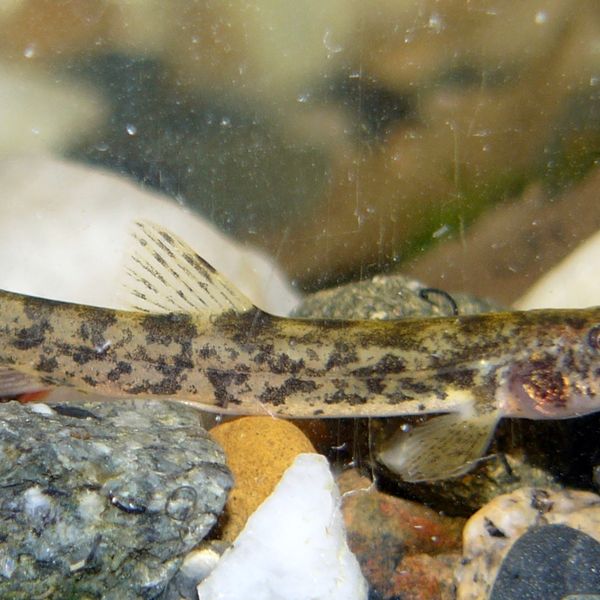
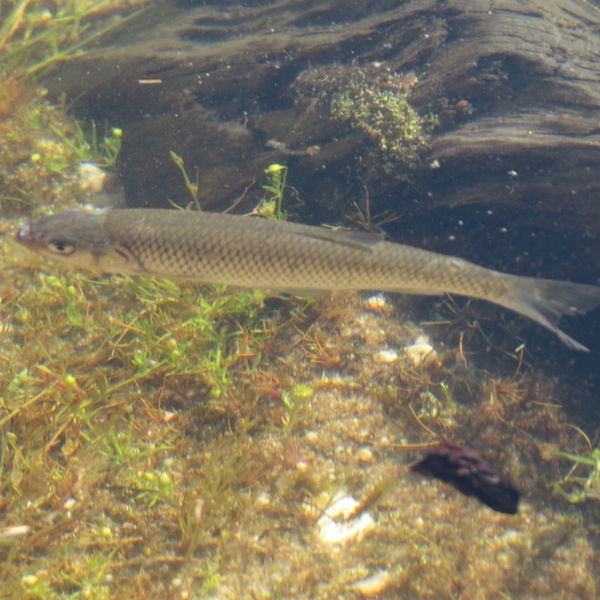
The Schneider has a double row of dark spots-stripes along its lateral line, like a double stripe; the bleak does not have this.
Similar species
Sources
- Вікіпедія: Бистрянка звичайна
- Wikipedia (en): Alburnoides bipunctatus
- Wikipedia (en): Alburnoides rossicus
- Wikipedia (pl): Piekielnica
- Перелік видів тварин, що заносяться до Червоної книги України (наказ Міндовкілля від 19.01.2021 № 29, зареєстровано в Мін'юсті 01.03.2021 за № 260/35882)
- Міндовкілля: текст переліку видів тварин Червоної книги України (PDF)
- GBIF: таксон і категорія МСОП
GBIF · iNaturalist · Wikidata · Distribution data: GBIF.org (CC0 and CC BY records), iNaturalist; names and identifiers: Wikidata (CC0). Text: Karpaty.rocks, checked 09.11.2026.
