Northern chamois
About
The Northern chamois, or serna, is a true symbol of the high Carpathians, but to be honest, it is no longer found in the Ukrainian Carpathians. Until the 19th century, Northern chamois lived in the territories of Ukraine, particularly in Bukovina; hunting trophies from there are preserved in museums, including in Chernivtsi. Now, to see a Northern chamois in the wild, one must travel to neighboring countries — Poland, Slovakia, or Romania.
In the Tatras, on the Polish and Slovak sides, a separate Tatra subspecies lives. It is protected by the Tatra National Park (TANAP) in Slovakia and the Tatra National Park (TPN) in Poland. Another Carpathian subspecies, described from Romania, lives on the rocky ridges of the Southern and Eastern Carpathians — in the Făgăraș, Retezat, Piatra Craiului, and Rodna mountains.
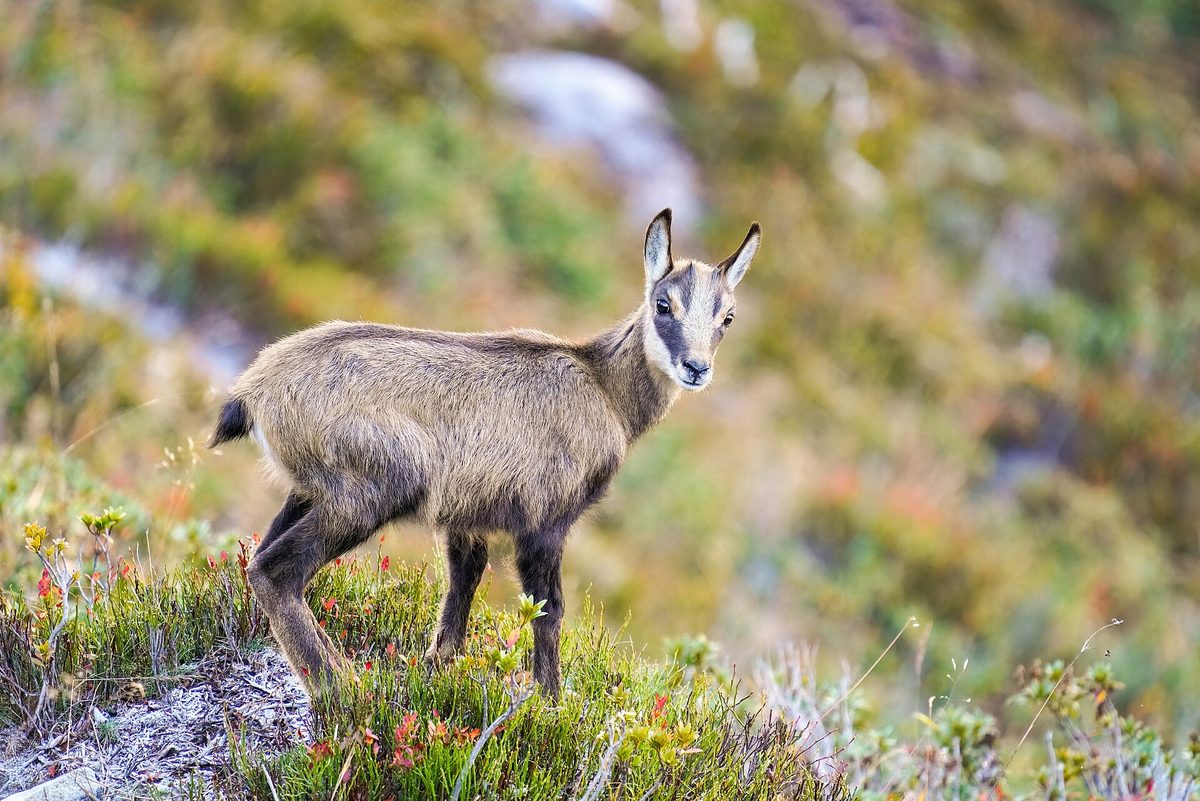
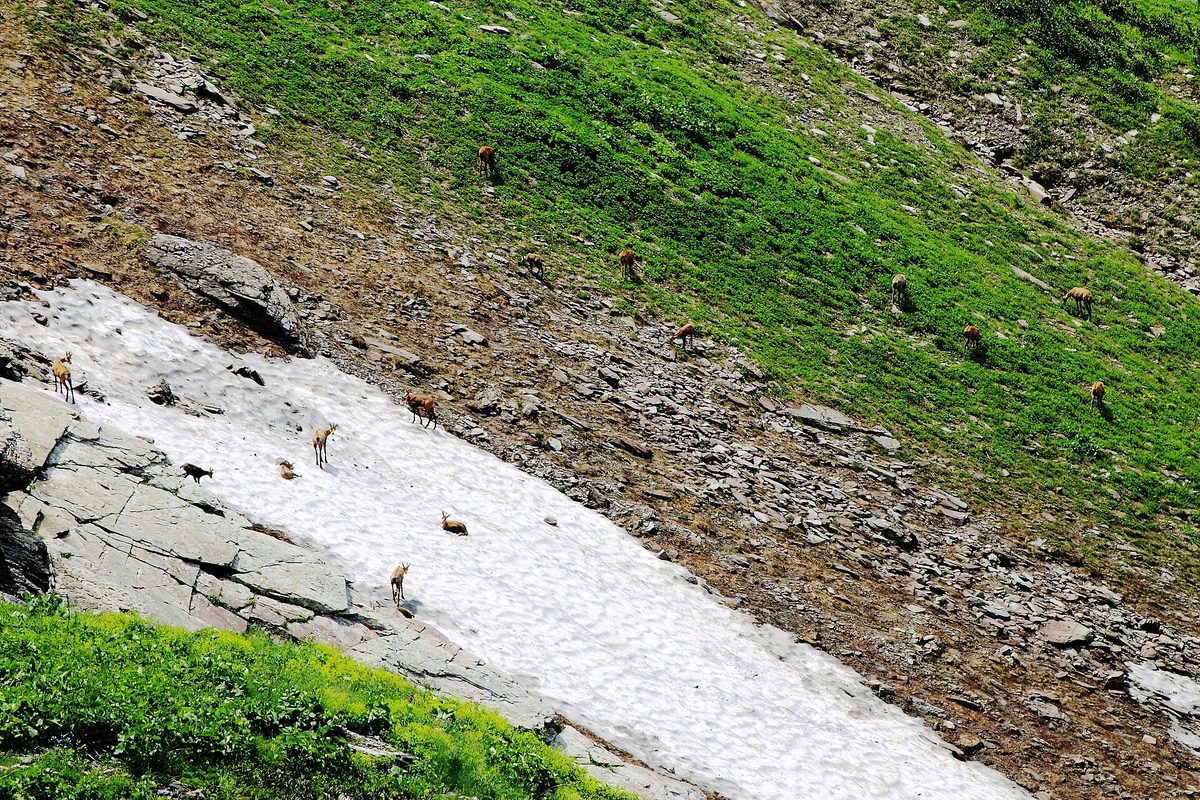
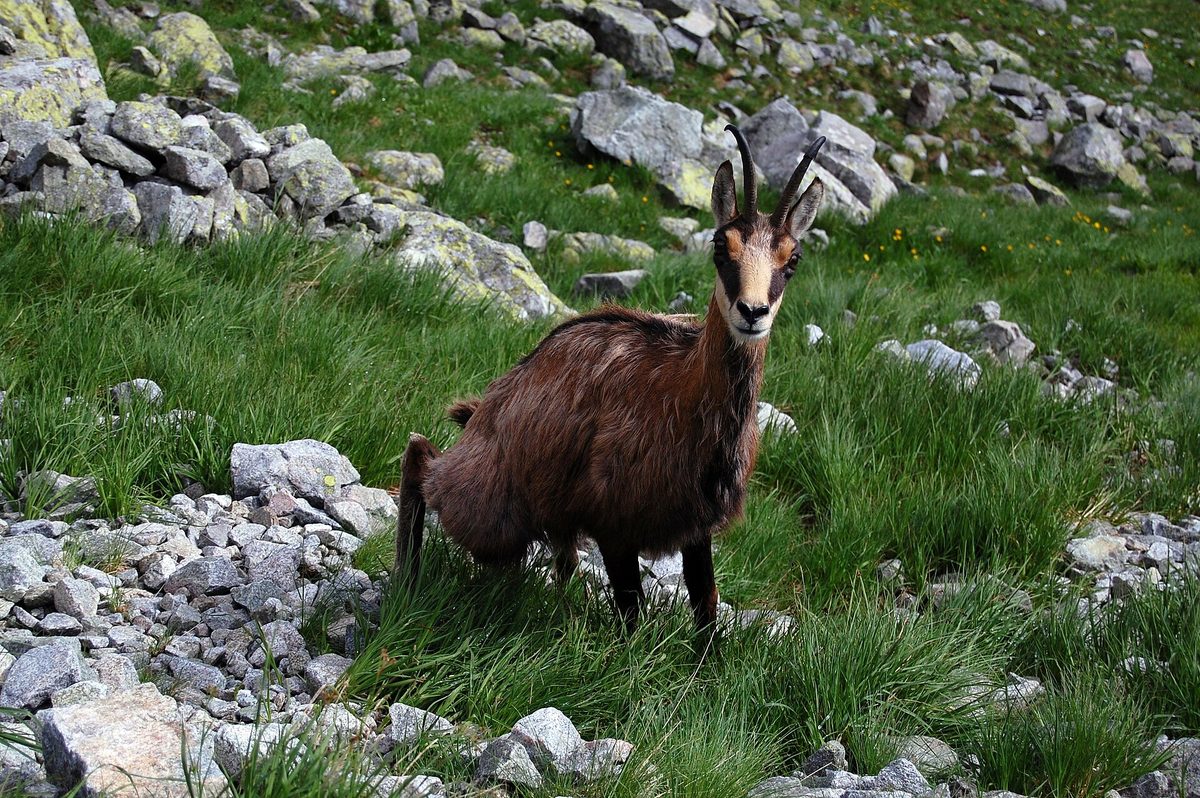
This is a small, slender animal: body length 102–140 cm, height at the withers 65–86 cm, weight 15–45 kg. Both sexes have black horns that curve at the tips. In summer, the fur is reddish-brown, in winter — dark brown, almost black, with a dark stripe running through the eye on each side of the light face. During the rut, males have scent glands that swell behind their horns. Northern chamois live in small herds and feel great on cliffs where humans can barely hold on.
In the Tatras and Romanian Carpathians, Northern chamois are most often seen early in the morning on rocky slopes and screes above the upper forest line. It is best to observe them with binoculars from the trail: do not leave the route, do not approach closer, and do not chase the animals uphill — they already live on the edge of possibility. The rut in Northern chamois occurs late in autumn when the slopes are already covered with snow, and the young, usually one, appear at the end of spring. Just a few hours after birth, the kid confidently follows its mother over rocky ledges. Sensing danger, the Northern chamois emits a sharp whistle through its nose, and the entire herd immediately takes off. In winter, herds descend lower to the forest edge, where it is easier to find food under the snow.
The Tatra subspecies is strictly protected in the EU (Annexes II and IV of the Habitats Directive, a priority species), while the species as a whole is included in Annex V. In Ukraine, the Northern chamois is absent, so it is not listed in the current Red Book of Ukraine.
This species does not live in the Ukrainian Carpathians today — you can see it in other Carpathian countries.
Where in the Carpathians

The map shows where naturalists recorded the species (GBIF, CC0 and CC BY records), not every place it lives. The Ukrainian Carpathians are less studied, so a blank area does not mean the species is absent.
- Countries
- Slovakia · Romania · Poland
- Mountain ranges
- Low Tatras, High Tatras, Western Tatras, Făgăraș Mountains, Godeanu and Țarcu Mountains, Bucegi Mountains
- Altitude belts
- Subalpine belt (1600–1900 m) · Alpine belt (above 1900 m)
When to see it
| Jan | Feb | Mar | Apr | May | Jun | Jul | Aug | Sep | Oct | Nov | Dec | |
|---|---|---|---|---|---|---|---|---|---|---|---|---|
| Sightings |
From naturalists’ observations in the Carpathians (iNaturalist, research grade): the darker the cell, the more often the species is seen that month.
Protection and rules
In Ukraine, the species is absent. The Tatra subspecies is under strict protection in Poland and Slovakia (Annexes II and IV of the Habitats Directive, priority species).
FAQ
Is the Northern chamois found in the Ukrainian Carpathians?
No. Northern chamois lived in the territories of Ukraine, particularly in Bukovina, only until the 19th century. Now they can be seen in the Tatras (Poland, Slovakia) and in the Romanian Carpathians.
Where in the Carpathians can I see the Northern chamois?
In the Tatras — in the national parks TANAP (Slovakia) and TPN (Poland), as well as on the rocky ridges of Romania: Făgăraș, Retezat, Piatra Craiului, Rodna. Watch with binoculars from the trail and do not approach closer.
Similar species
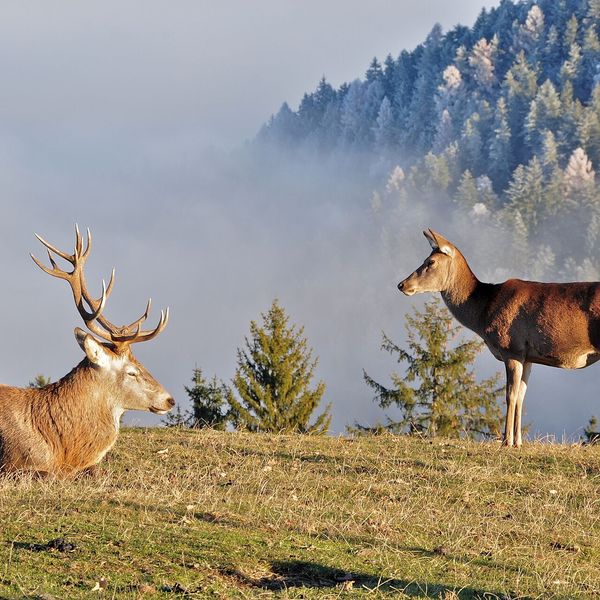
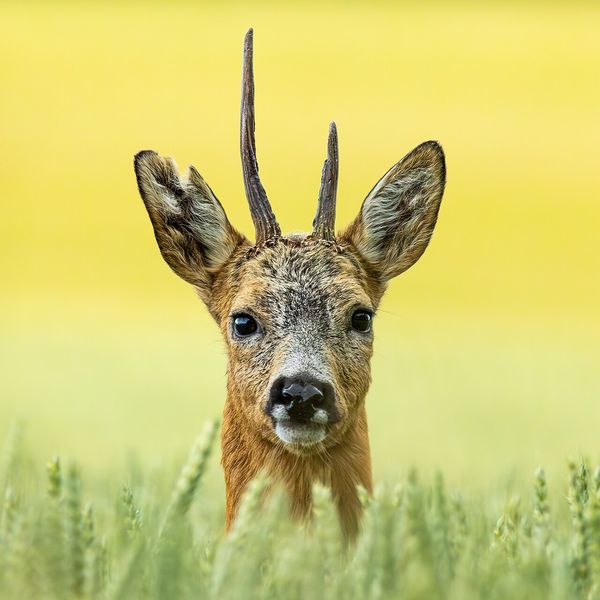
Where to meet it
Mountain ranges: In other countries: 🇸🇰 Low Tatras, 🇸🇰 High Tatras, 🇸🇰 Western Tatras, 🇷🇴 Făgăraș Mountains, 🇷🇴 Godeanu and Țarcu Mountains, 🇷🇴 Bucegi Mountains
Trails and peaks near which naturalists recorded the species (GBIF, iNaturalist), matched by altitude and habitat. Sightings are not guaranteed.
Sources
- Вікіпедія: Козиця звичайна
- Wikipedia (en): Chamois
- Wikipedia (pl): Kozica północna
- GBIF: Rupicapra rupicapra tatrica
- Перелік видів тварин, що заносяться до Червоної книги України (наказ Міндовкілля від 19.01.2021 № 29, зареєстровано в Мін'юсті 01.03.2021 за № 260/35882)
- Міндовкілля: текст переліку видів тварин Червоної книги України (PDF)
- GBIF: таксон і категорія МСОП
- Директива Ради 92/43/ЄЕС про збереження природних оселищ (консолідована редакція)
GBIF · iNaturalist · Wikidata · Distribution data: GBIF.org (CC0 and CC BY records), iNaturalist; names and identifiers: Wikidata (CC0). Text: Karpaty.rocks, checked 09.11.2026.
