Alpine marmot
About
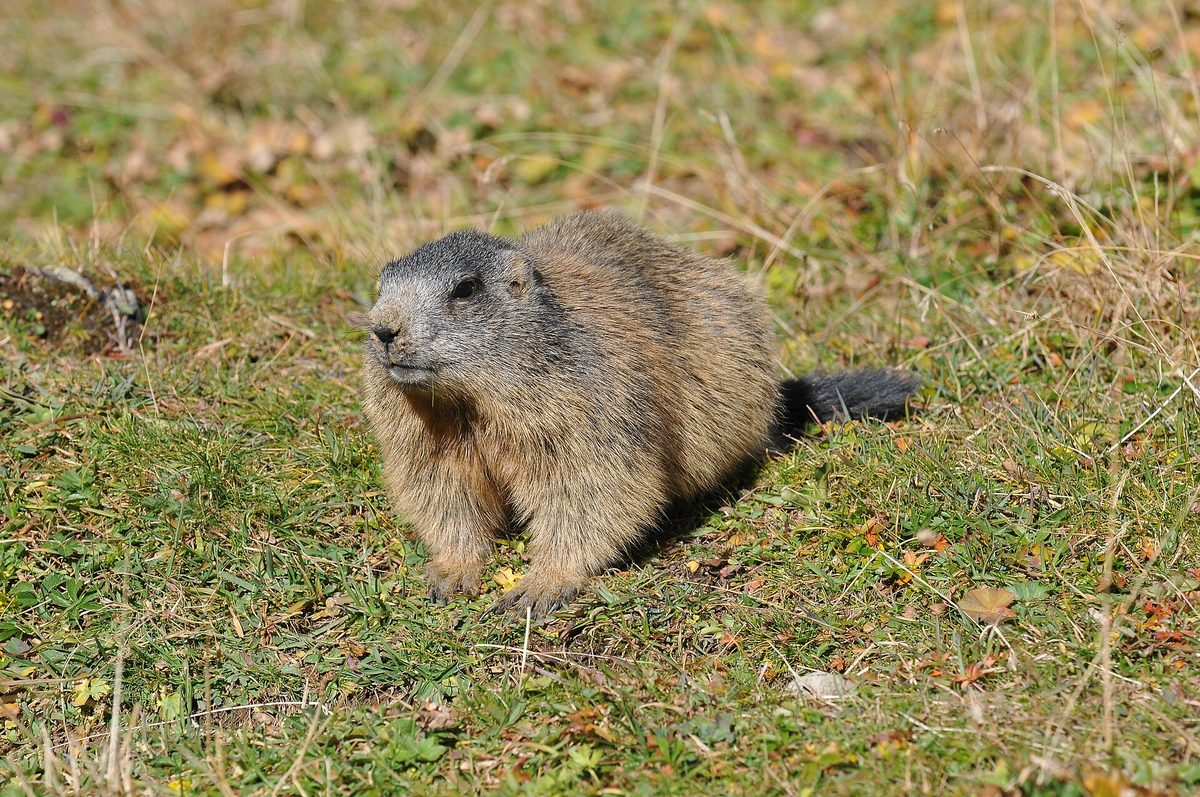
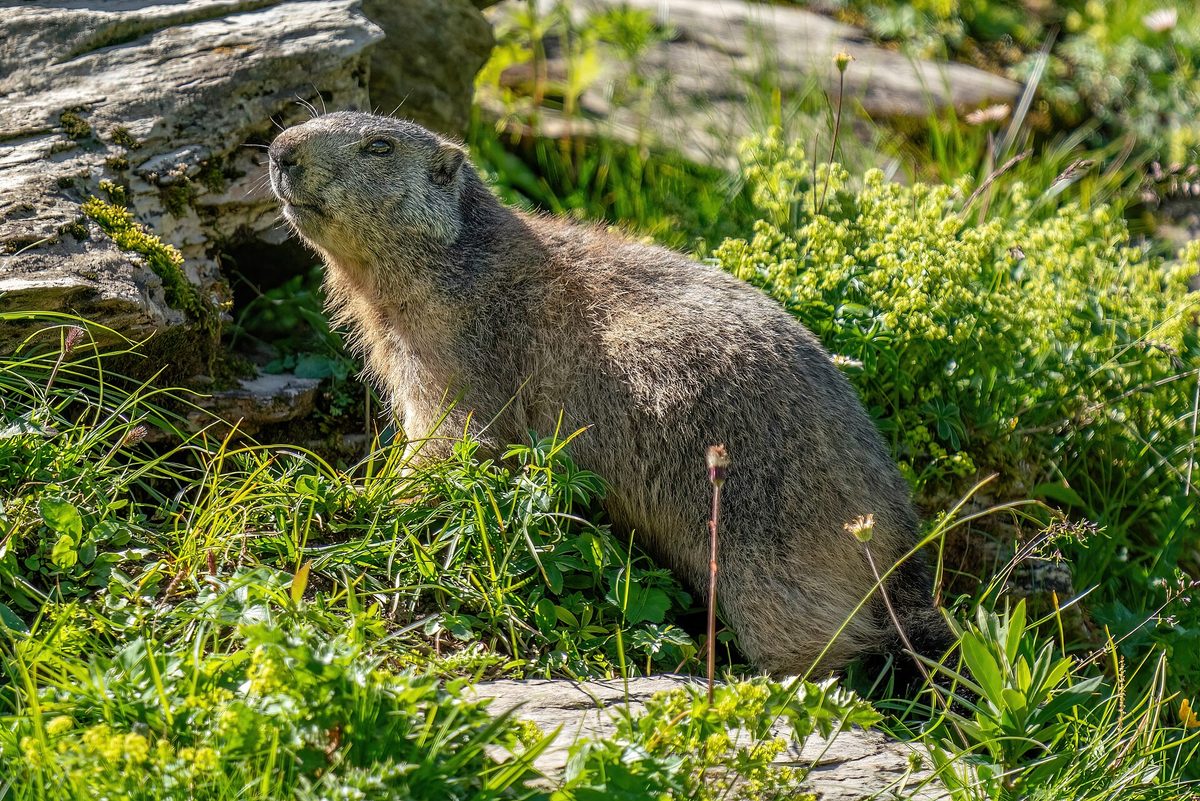
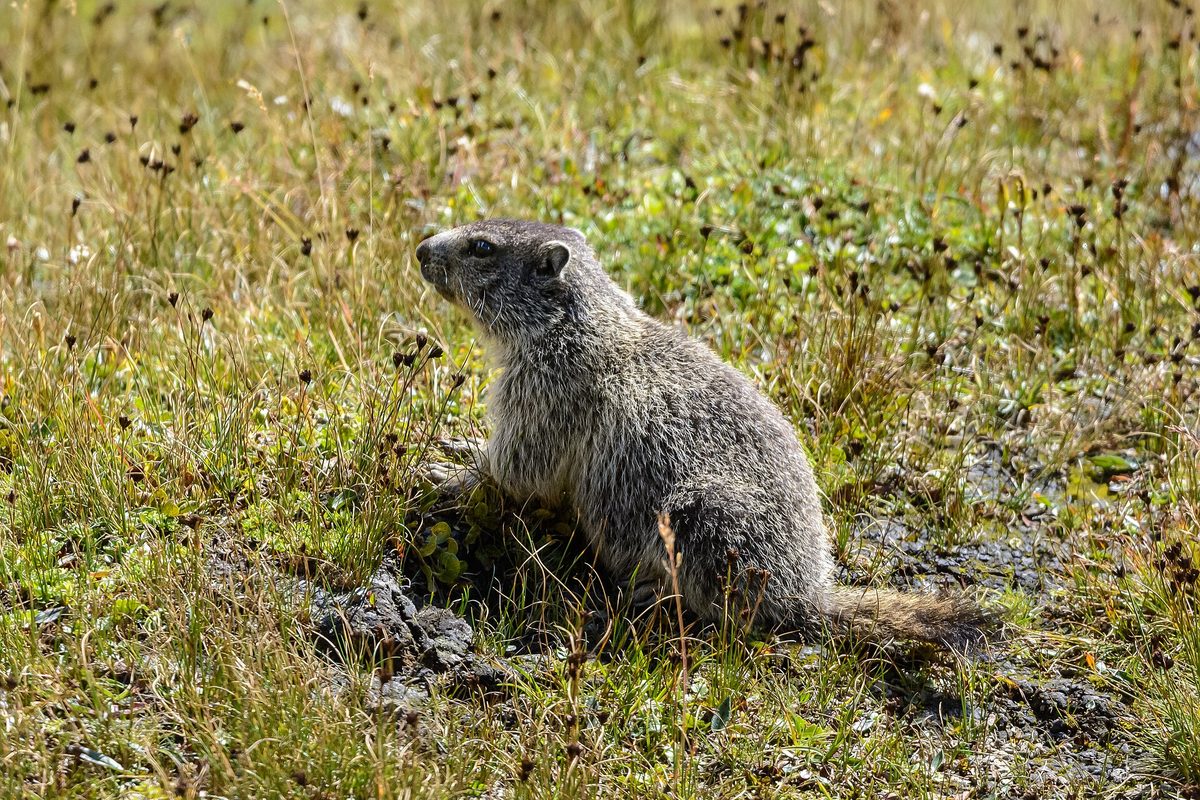
In the Carpathians, the Alpine marmot is represented by a separate subspecies — the Tatra marmot (Marmota marmota latirostris). It is endemic to the Tatras and lives only on the Polish and Slovak sides of the ridge. There is no natural population of marmots in the Ukrainian Carpathians, so if you see a 'marmot' in a photo from a polonyna, you should be skeptical: most likely, the photo was taken in the Tatras or the Alps.
Marmots settle in colonies on alpine meadows and rocky slopes, mainly at altitudes of 1500–2000 m; the lowest burrow was found at an altitude of about 1350 m. Above 2300 m, the soil is too thin for digging. A small separate group also lives in the Low Tatras, but its origin is debated: alpine marmots were released there in the 19th century.
This stout rodent measures 45–65 cm in length with a tail of 13–17 cm. In spring, adult animals weigh about three kilograms, and by autumn, they gain over 6 kg, of which more than two are fat. This fat is necessary for a very long hibernation: marmots hide in burrows at the end of September to early October and wake up only at the end of April or in May, having slept for an average of 215 days. Mating occurs in May, and the young, usually two to three, are born in the burrow in June. The colony is always on guard: upon noticing a predator or a human, a marmot gives a piercing whistle, and all immediately hide underground. The marmots' biggest enemies are the golden eagle and the fox. The colony consists of several families that winter together in a communal chamber, keeping each other warm: this makes it easier to survive the long winter without food.
In summer, marmots are active during the day: in the morning, they come out on rocks to warm up, then graze, eating grass, flowers, and roots. There are summer burrows, which are shallow, and winter burrows, which are deeper, with an insulated chamber, the entrance to which the animals block with grass and soil for the winter. At the entrances, trampled areas and piles of fresh soil are often visible.
The Tatra marmot is one of the rarest mammals in Poland: there are only 150–200 of them there, and less than a thousand in all the Tatras. It is under strict protection, listed in the EU in Annexes II (priority subspecies) and IV of the Habitats Directive. Observe marmots only from the trails in national parks and do not feed them: human food harms the animals, and the habit of begging makes them easy prey.
This species does not live in the Ukrainian Carpathians today — you can see it in other Carpathian countries.
Where in the Carpathians

The map shows where naturalists recorded the species (GBIF, CC0 and CC BY records), not every place it lives. The Ukrainian Carpathians are less studied, so a blank area does not mean the species is absent.
- Countries
- Slovakia · Poland · Romania · Hungary
- Mountain ranges
- Low Tatras, High Tatras, Western Tatras, Făgăraș Mountains
- Altitude belts
- Subalpine belt (1600–1900 m) · Alpine belt (above 1900 m)
When to see it
| Jan | Feb | Mar | Apr | May | Jun | Jul | Aug | Sep | Oct | Nov | Dec | |
|---|---|---|---|---|---|---|---|---|---|---|---|---|
| Sightings |
From naturalists’ observations in the Carpathians (iNaturalist, research grade): the darker the cell, the more often the species is seen that month.
Protection and rules
There is no natural population in Ukraine. The Tatra subspecies is under strict protection in Poland and Slovakia; in the EU, it is listed in Annexes II (priority) and IV of the Habitats Directive.
FAQ
Are there marmots in the Ukrainian Carpathians?
There is no natural population of the Alpine marmot in the Ukrainian Carpathians. The Tatra marmot is endemic to the Tatras and lives on the Polish and Slovak sides of the ridge.
Where can I see marmots in the Carpathians?
In the Tatras — on alpine meadows in the Tatra National Parks (TPN in Poland and TANAP in Slovakia), mostly at altitudes of 1500–2000 m. Observe from the trail and do not feed the animals.
Similar species
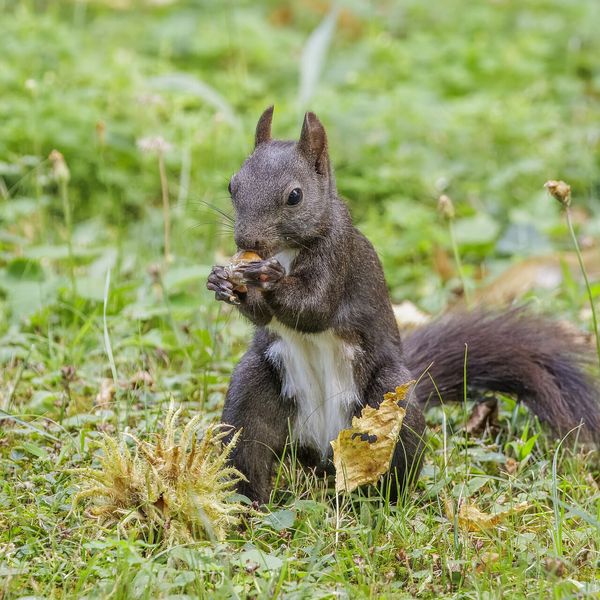
Where to meet it
Mountain ranges: In other countries: 🇸🇰 Low Tatras, 🇸🇰 High Tatras, 🇸🇰 Western Tatras, 🇷🇴 Făgăraș Mountains
Trails and peaks near which naturalists recorded the species (GBIF, iNaturalist), matched by altitude and habitat. Sightings are not guaranteed.
Sources
- Wikipedia (pl): Świstak tatrzański
- Wikipedia (en): Alpine marmot
- Перелік видів тварин, що заносяться до Червоної книги України (наказ Міндовкілля від 19.01.2021 № 29, зареєстровано в Мін'юсті 01.03.2021 за № 260/35882)
- Міндовкілля: текст переліку видів тварин Червоної книги України (PDF)
- GBIF: таксон і категорія МСОП
- Директива Ради 92/43/ЄЕС про збереження природних оселищ (консолідована редакція)
GBIF · iNaturalist · Wikidata · Distribution data: GBIF.org (CC0 and CC BY records), iNaturalist; names and identifiers: Wikidata (CC0). Text: Karpaty.rocks, checked 09.11.2026.
