Lesser horseshoe bat
About
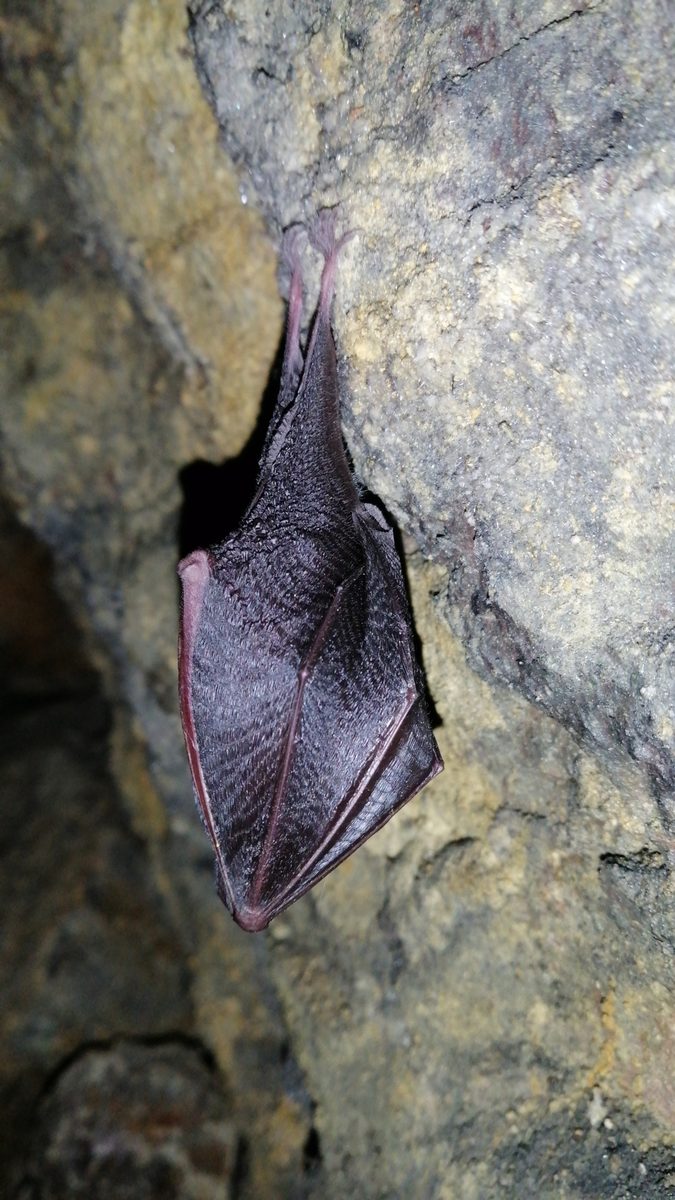
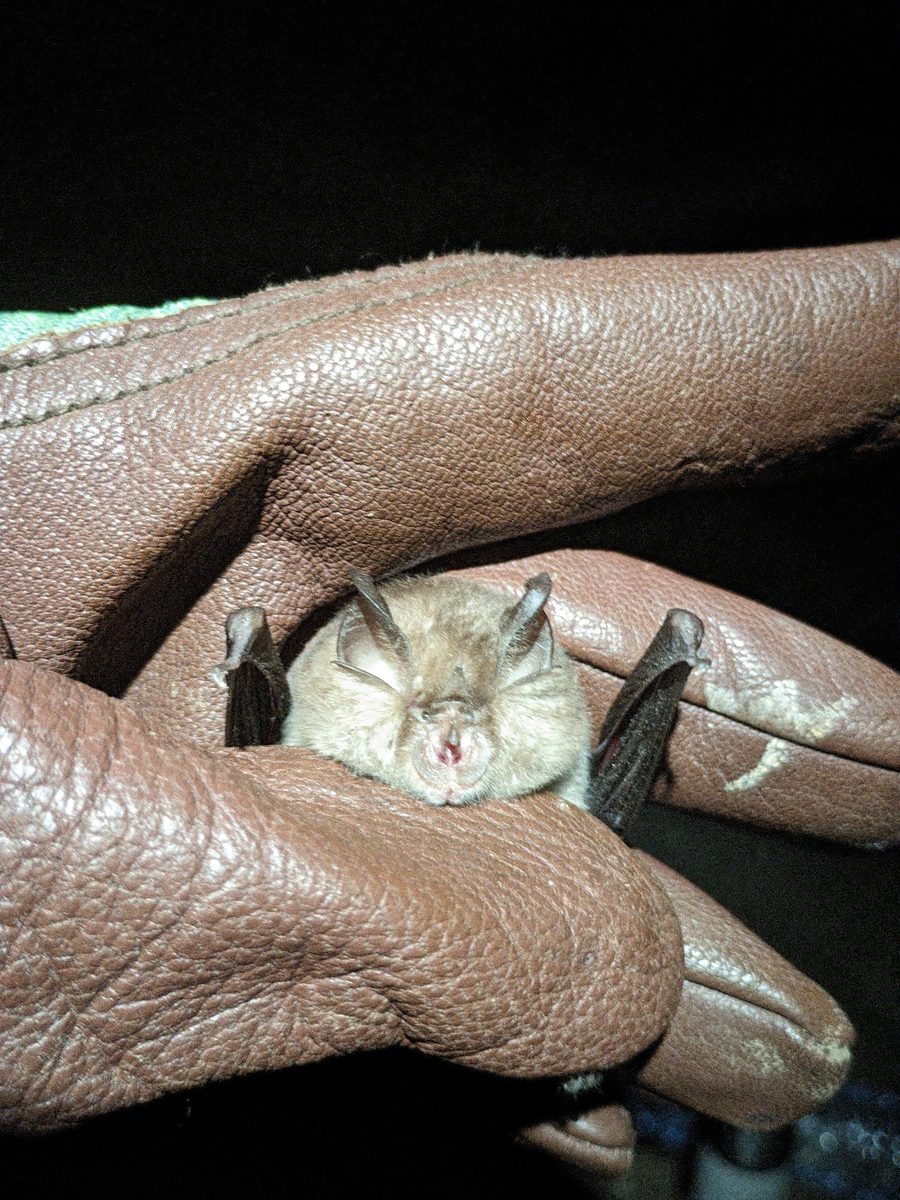
The Lesser horseshoe bat is one of the smallest bats in the world: it weighs only 4–9 g, and its wingspan is about 19–25 cm. The name comes from the leathery growth around the nostrils in the shape of a horseshoe. Like other bats, it navigates and hunts using ultrasound - echolocation, and its wings are very broad, short, and rounded.
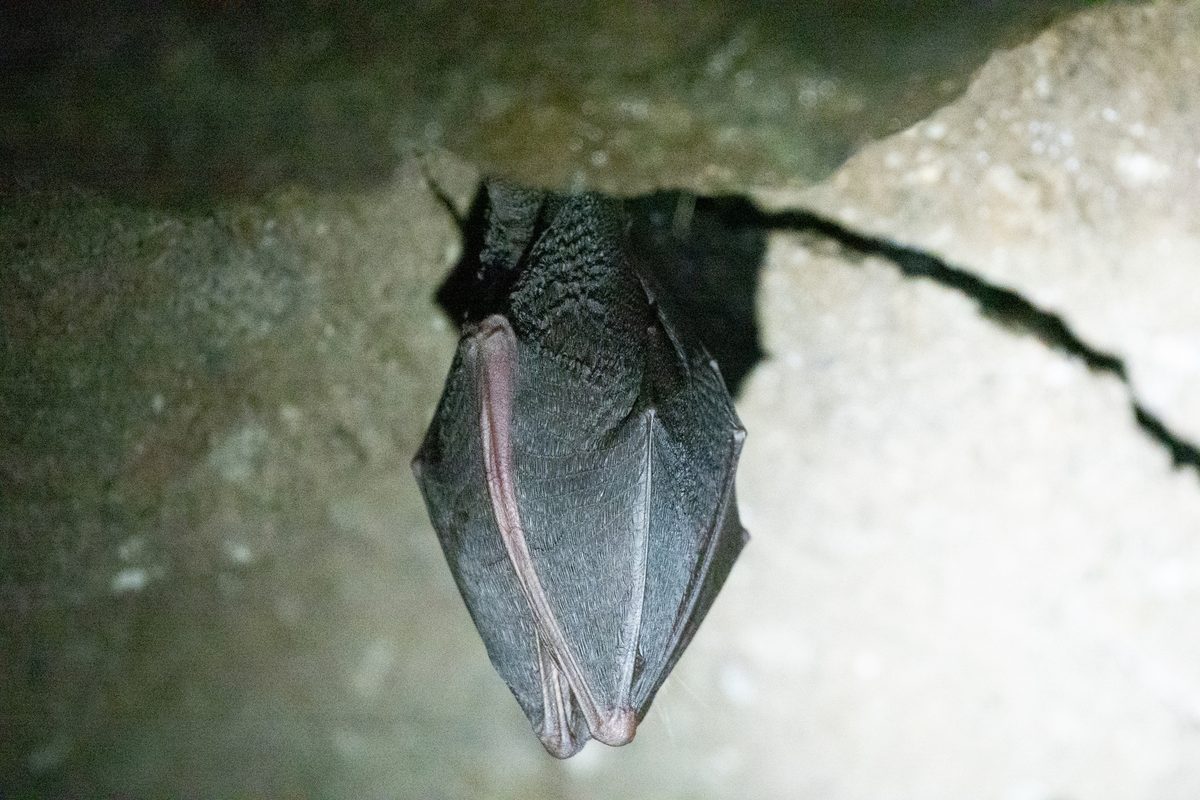
In Ukraine, the northern limit of its distribution runs through the country. It is mainly found in the foothills and low mountains, particularly in Zakarpattia, Ivano-Frankivsk, and Lviv regions. It hibernates in underground cavities - caves, adits, tunnels, grottos, and in summer, females gather in maternity colonies in attics, bell towers, shaded places under bridges over mountain streams, and even in tree hollows. Young are born at the end of June - beginning of July, and the bat can live up to 17.5 years.
The bat flies out to hunt at dusk, 20–25 minutes after sunset, and quickly and skillfully flies low over the ground, avoiding bushes. It mainly feeds on small dipterans and moths. It does not leave its roost in strong winds and rain.
The main threats to the species are disturbance and destruction of roosts, particularly underground cavities and old buildings, as well as pesticides, which reduce insect populations. Therefore, the locations of hibernation and maternity colonies of Lesser horseshoe bats are not disclosed, and bats in caves and attics should not be disturbed, illuminated, or photographed up close. The Lesser horseshoe bat is listed in the Red Data Book of Ukraine as a vulnerable species, and in the EU, it is included in Annexes II and IV of the Habitats Directive.
Where in the Carpathians

The map shows where naturalists recorded the species (GBIF, CC0 and CC BY records), not every place it lives. The Ukrainian Carpathians are less studied, so a blank area does not mean the species is absent. For rare and vulnerable species the map is deliberately coarse (hexagons of ~250 km² or more) so that it never points to dens, nests or growing sites.
- Countries
- Ukraine · Romania · Slovakia · Hungary · Poland
- Mountain ranges
- Pădurea Craiului, Skole Beskids, Rivna Polonyna, Călimani and Bârgău Mountains, Maramureș Mountains, Pokuttia-Bukovina Carpathians, Bieszczady, Bükk, Bihor-Vlădeasa Mountains, Slovak Central Mountains
- Altitude belts
- Foothills (below 600 m) · Beech forests (600–1200 m)
When to see it
| Jan | Feb | Mar | Apr | May | Jun | Jul | Aug | Sep | Oct | Nov | Dec | |
|---|---|---|---|---|---|---|---|---|---|---|---|---|
| Sightings |
From naturalists’ observations in the Carpathians (iNaturalist, research grade): the darker the cell, the more often the species is seen that month.
Safety
Bats should not be handled with bare hands: if you find a helpless bat, contact chiropterologists or the nearest nature conservation facility. Do not disturb or illuminate sleeping bats in caves and attics.
Protection and rules
A species in the Red Data Book of Ukraine; also protected by the Habitats Directive and the Agreement on the Conservation of Populations of European Bats (EUROBATS), of which Ukraine is a participant. Do not disturb or disclose roosts.
FAQ
Why does the bat have a horseshoe on its nose?
This is a leathery growth around the nostrils in the shape of a horseshoe - a characteristic feature of all horseshoe bats that navigate and hunt using ultrasound.
What should I do if bats are sleeping in a cave or attic?
Quietly leave, do not shine a flashlight, and do not touch. Disturbance in roosts is one of the main threats to bats.
Similar species
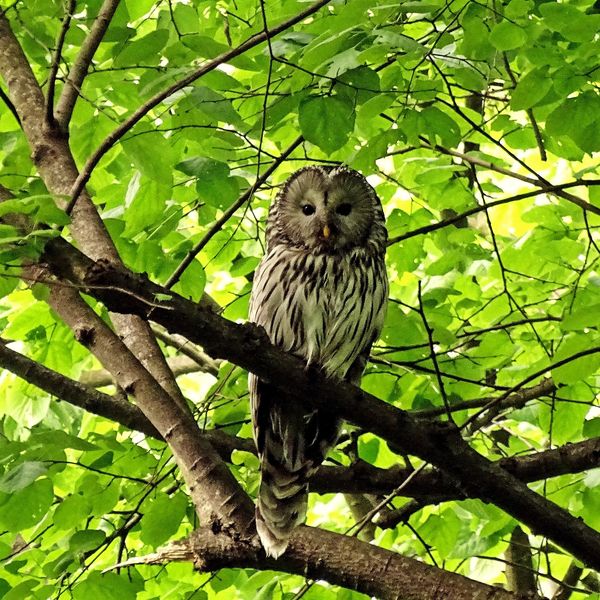
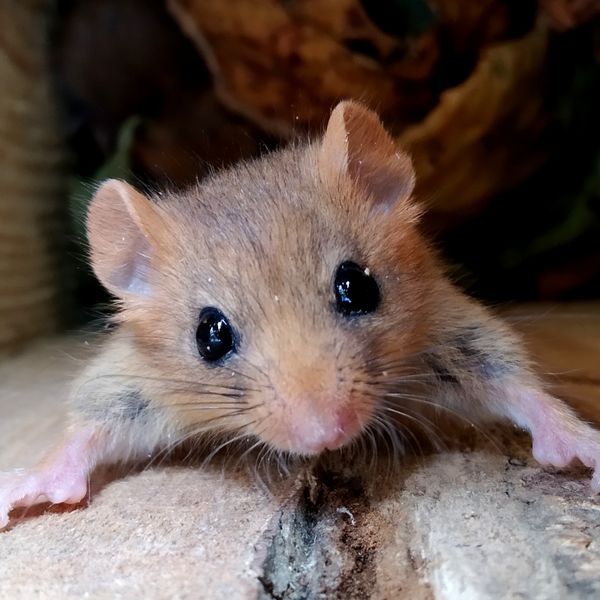
Where to meet it
Ranges where it occurs: Skole Beskids, Rivna Polonyna, Maramureș Mountains, Pokuttia-Bukovina Carpathians, Bieszczady, Upper Dniester Beskids. In other countries: 🇷🇴 Pădurea Craiului, 🇷🇴 Călimani and Bârgău Mountains, 🇭🇺 Bükk, 🇷🇴 Bihor-Vlădeasa Mountains, 🇸🇰 Slovak Central Mountains, 🇸🇰 Low Tatras
Trails and peaks near which naturalists recorded the species (GBIF, iNaturalist), matched by altitude and habitat. Sightings are not guaranteed.
Sources
- Вікіпедія: Підковик малий
- Wikipedia (en): Lesser horseshoe bat
- Wikipedia (pl): Podkowiec mały
- CMS: Україна — учасниця угоди EUROBATS (статус: приєдналася 30.09.1999)
- Перелік видів тварин, що заносяться до Червоної книги України (наказ Міндовкілля від 19.01.2021 № 29, зареєстровано в Мін'юсті 01.03.2021 за № 260/35882)
- Міндовкілля: текст переліку видів тварин Червоної книги України (PDF)
- GBIF: таксон і категорія МСОП
- Директива Ради 92/43/ЄЕС про збереження природних оселищ (консолідована редакція)
GBIF · iNaturalist · Wikidata · Distribution data: GBIF.org (CC0 and CC BY records), iNaturalist; names and identifiers: Wikidata (CC0). Text: Karpaty.rocks, checked 09.11.2026.
