Horn of plenty (black trumpet)
Never identify a mushroom from a photo alone. If in doubt, leave it. In case of poisoning call 112 (103 in Ukraine) at once.
About
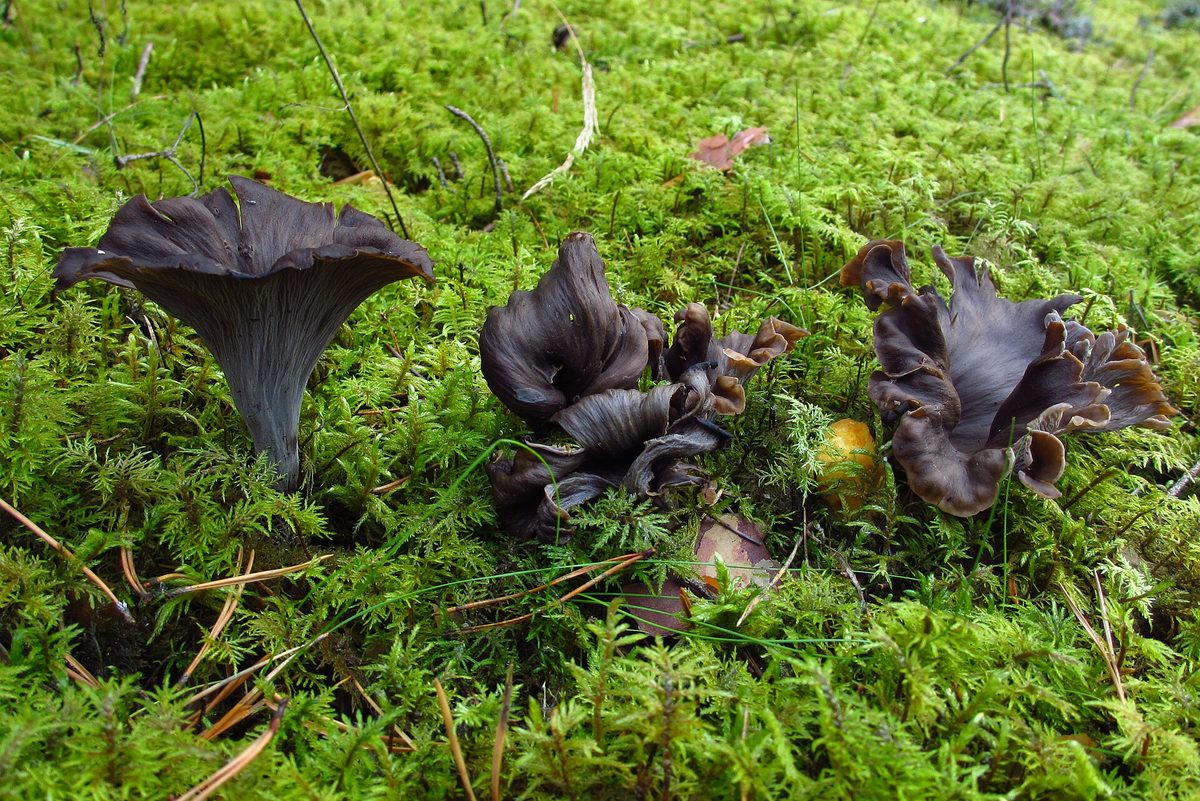
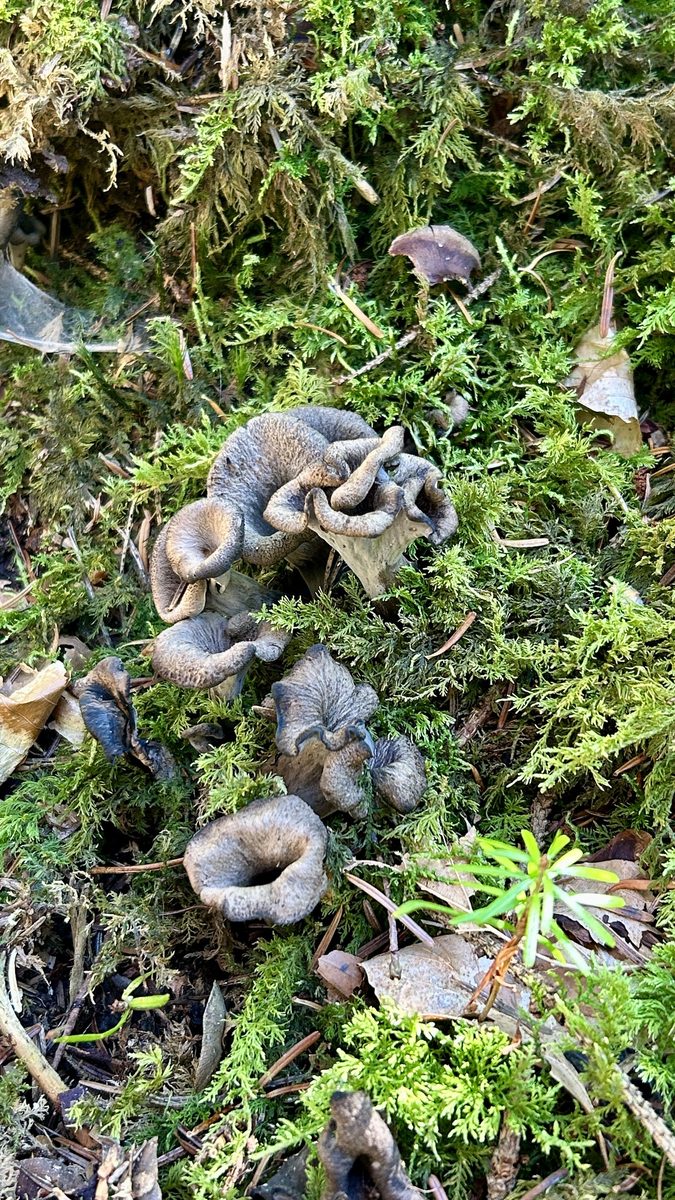
The Horn of plenty (black trumpet) is a mushroom that is easily missed: dark gray and almost black funnels blend in with last year's leaves. It grows in large groups, less often singly, in deciduous and mixed forests, most often under beeches, oaks, and hornbeams, and less frequently under conifers. Fruiting bodies appear from July to the end of November. It is also found in the Carpathian beech forests.
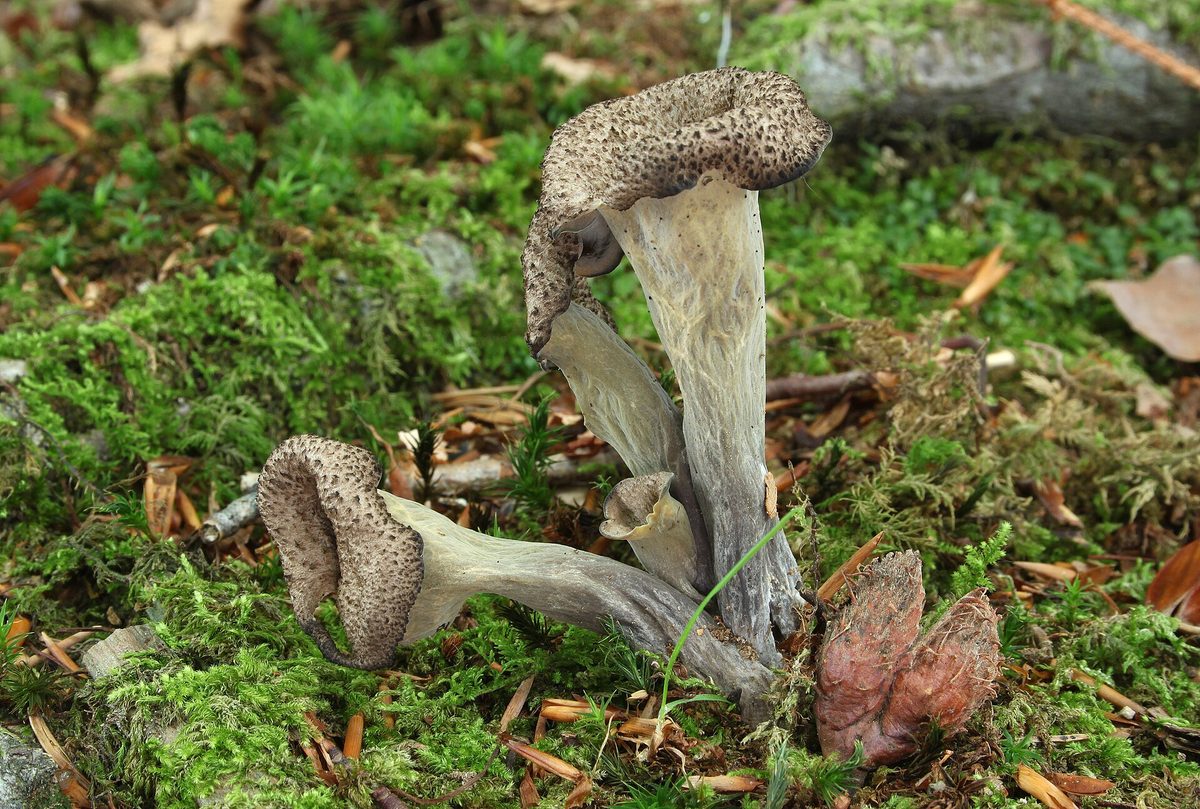
The fruiting body is 5–12 cm tall, hollow from the top to the base, resembling a tube or horn. The cap is funnel-shaped, 2–5 cm in diameter, sometimes up to 10 cm, with a thin, wavy, outwardly turned edge. The inner side is grayish-brown, almost black in wet weather, while the outer side is gray, smooth or with shallow wrinkles, without gills. The flesh is thin, brittle, with a pleasant aroma.
Despite its 'gloomy' appearance, the Horn of plenty is a good edible mushroom. It is included in the Polish list of mushrooms permitted for sale, and guides describe it as a very tasty mushroom. Since the mushroom is hollow, it often collects sand and leaves inside, so each funnel should be cut lengthwise and washed.
There are almost no dangerous lookalikes for the Horn of plenty due to its unusual shape. The similar Craterellus foetidus has well-defined ribbed wrinkles, grows in clusters, and has a strong sweet smell; it is also considered edible. Do not confuse it with gray gilled mushrooms: the Horn of plenty never has true gills under its cap.
Where in the Carpathians

Orange — where naturalists recorded the species (GBIF, CC0/CC BY). It occurs only locally, so we draw no approximate range; a blank area does not mean it is absent.
- Countries
- Ukraine · Poland · Romania · Slovakia · Czechia · Hungary
- Mountain ranges
- In other countries: 🇸🇰 Low Tatras, 🇵🇱 Silesian Beskids, 🇷🇴 Poiana Ruscă Mountains, 🇷🇴 Iezer-Păpușa Mountains, 🇵🇱 Sądecki Beskids, 🇵🇱 Gorce, 🇸🇰 Štiavnica Mountains, 🇷🇴 Trascău and Metaliferi Mountains, 🇸🇰 Slovak Central Mountains
- Altitude belts
- Foothills (below 600 m) · Beech forests (600–1200 m)
When to see it
| Jan | Feb | Mar | Apr | May | Jun | Jul | Aug | Sep | Oct | Nov | Dec | |
|---|---|---|---|---|---|---|---|---|---|---|---|---|
| Sightings |
From naturalists’ observations in the Carpathians (iNaturalist, research grade): the darker the cell, the more often the species is seen that month.
Safety
Collect only those mushrooms that you can confidently identify; there should be no gills under the cap. Mushroom dishes should not be given to children under 12 years old.
Look-alikes — how to tell them apart
The outer side has well-defined ribbed wrinkles, grows in clusters, and has a strong sweet smell.
Protection and rules
Not protected.
FAQ
Is the Horn of plenty edible?
Yes, the Horn of plenty (black trumpet) is a good edible mushroom. Due to its hollow shape, each funnel should be cut and washed to remove sand and leaves.
Where to look for Horn of plenty?
In deciduous forests, most often under beeches, oaks, and hornbeams, from July to November. They grow in groups and almost blend in with fallen leaves.
Comments
Travellers’ experience: reports, tips, questions.
No one has written here yet. Be the first — your experience helps others.
Similar species
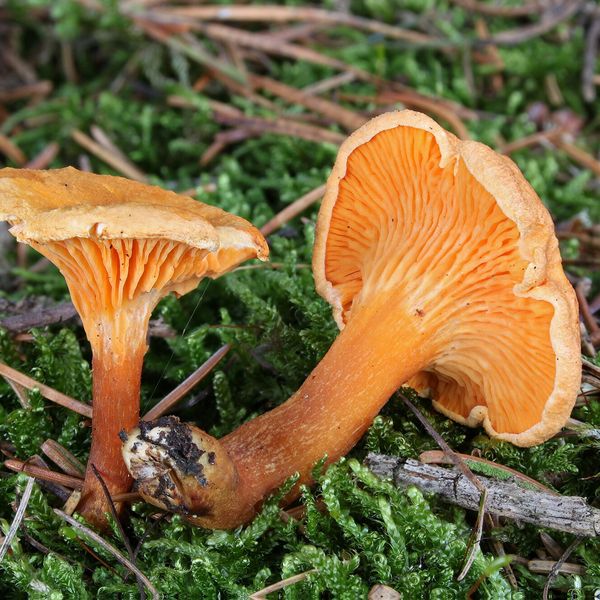
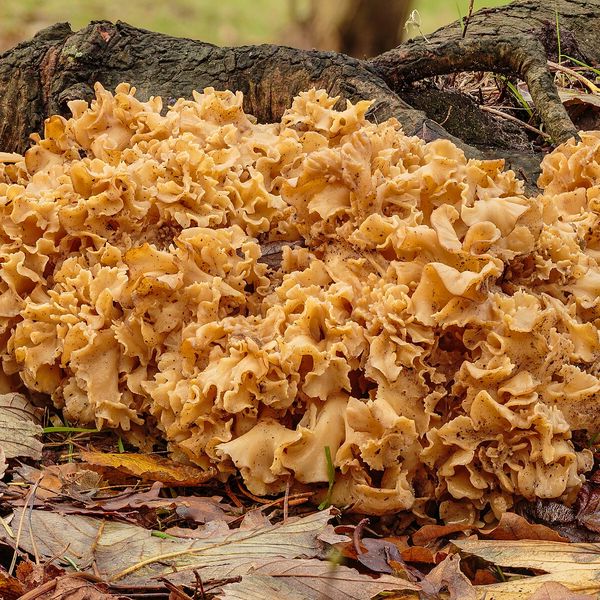
Where to meet it
Mountain ranges: In other countries: 🇸🇰 Low Tatras, 🇵🇱 Silesian Beskids, 🇷🇴 Poiana Ruscă Mountains, 🇷🇴 Iezer-Păpușa Mountains, 🇵🇱 Sądecki Beskids, 🇵🇱 Gorce, 🇸🇰 Štiavnica Mountains, 🇷🇴 Trascău and Metaliferi Mountains, 🇸🇰 Slovak Central Mountains
Trails and peaks near which naturalists recorded the species (GBIF, iNaturalist), matched by altitude and habitat. Sightings are not guaranteed.
Sources
- Вікіпедія: Лійочник ріжковидний
- Wikipedia (en): Craterellus cornucopioides
- Rozporządzenie Ministra Zdrowia z 17.05.2011, t.j. Dz.U. 2023 poz. 2237: wykaz grzybów dopuszczonych do obrotu (Польща)
- iNaturalist: Craterellus cornucopioides (спостереження в Карпатах)
GBIF · iNaturalist · Wikidata · Distribution data: GBIF.org (CC0 and CC BY records), iNaturalist; names and identifiers: Wikidata (CC0). Text: Karpaty.rocks, checked 09.11.2026.
