Proziaki
What it is
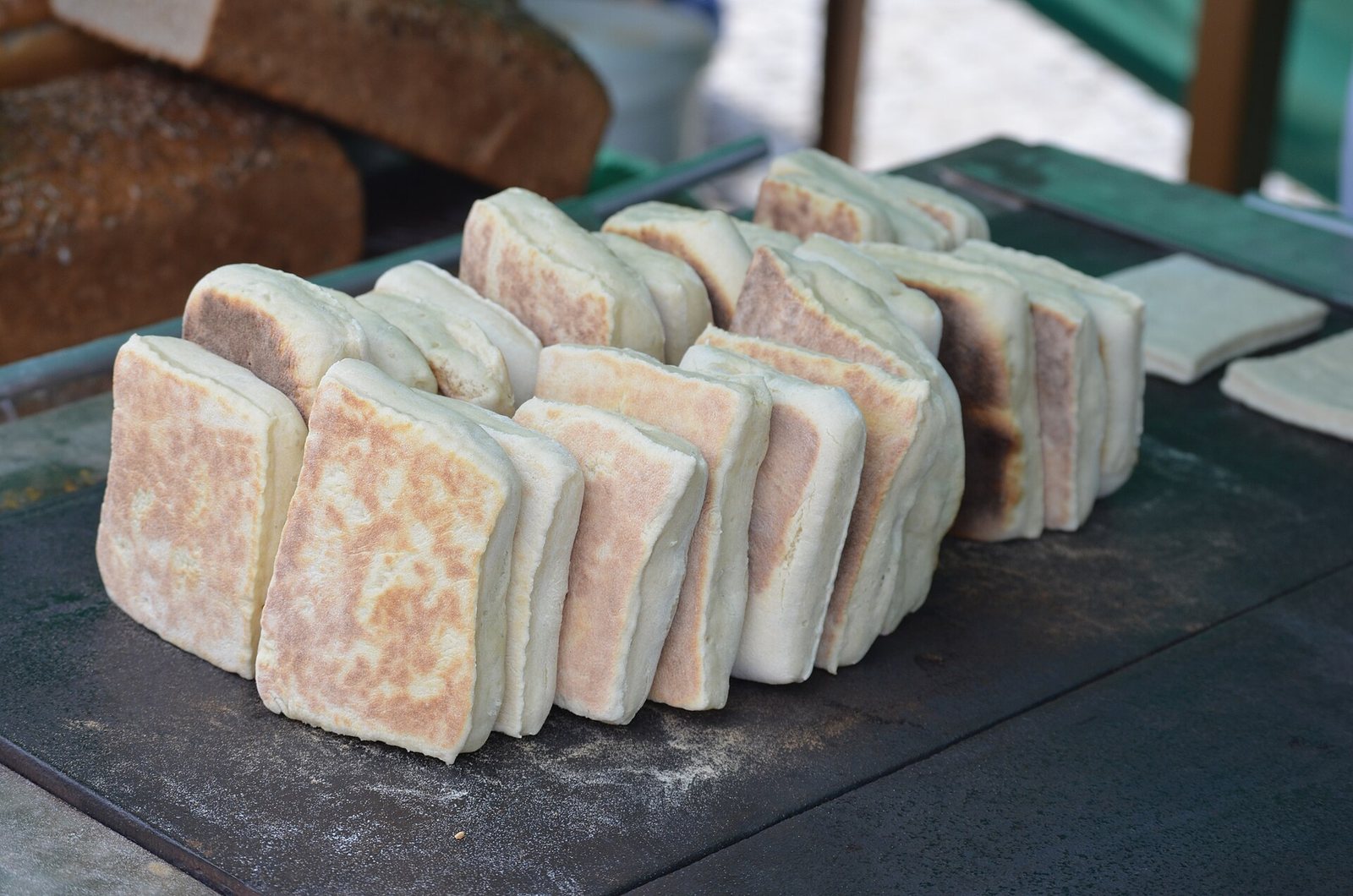
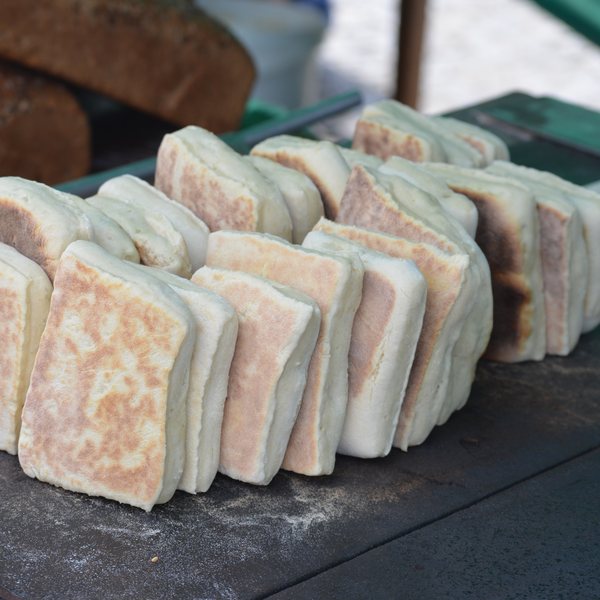
Proziaki are small thick cakes made from wheat or wheat-rye flour, sour cream, eggs, and soda. Soda is called "proza" in the local dialect, hence the name.
They were baked on a cast-iron stove of a tiled oven, without fat. The cake has a diameter of 6–10 cm and is up to one and a half centimeters thick, round or square, with dark browned spots. Now, when such ovens are almost gone, proziaki are baked on a frying pan.
They are served with fresh butter, garlic butter, white cheese, or jam and washed down with cold milk. This is the cuisine of the Poguzhany — residents of the Carpathian foothills — and the Liasovians from the lowland part of Subcarpathia.
In restaurants and at fairs in Subcarpathia, proziaki are served warm, in a basket, wrapped in a towel, along with garlic butter. They taste like something between bread and a pancake: fluffy, slightly sour from the sour cream.
History and name
Proziaki were a quick substitute for bread: the soda dough does not need to be fermented, and the stove in the house is already hot. Housewives added buttermilk, cheese, or more butter to the dough — each village has its own way.
Ingredients and allergens
Also: butter (to serve), baking soda (1 tsp.), salt
Contains allergens: gluten, milk, eggs
Diet: vegetarian
Ingredients of the traditional recipe; every cook and every place may do it differently — please ask when ordering. We cannot guarantee the absence of allergens or traces.
How it is traditionally made
Serves: 10–12 cakes
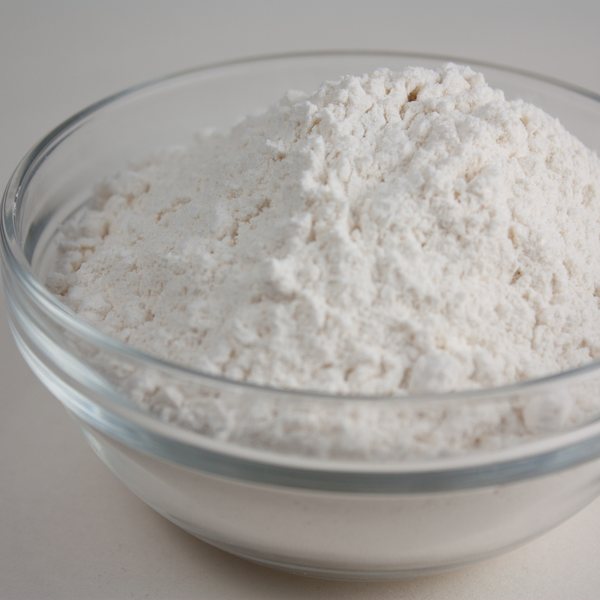
- Wheat flour — 500 g
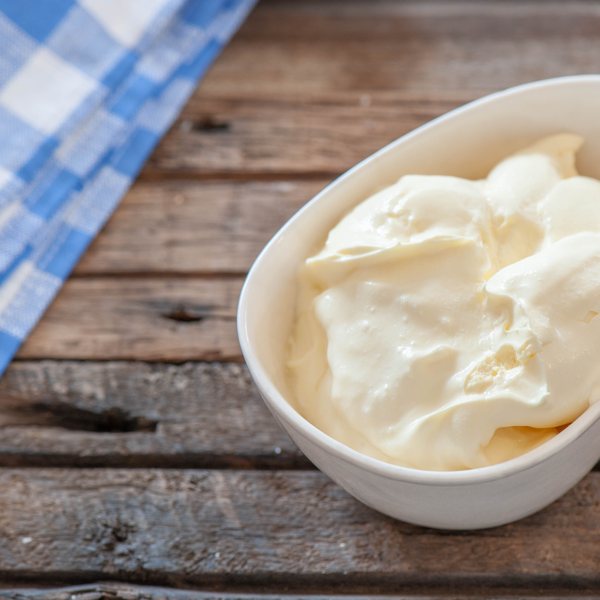
- Sour cream — 1 cup, or sour milk
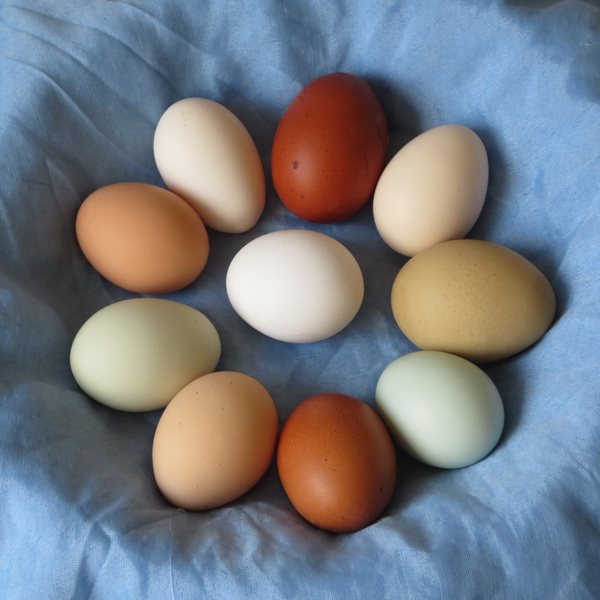
- Eggs — 1 pc.
- Baking soda — 1 tsp.
- Salt
- Butter
- Sift the flour, mix it with soda and salt.
- Add the egg and sour cream or sour milk. Quickly knead a soft dough: do not knead for too long, otherwise the cakes will be hard.
- Roll out a layer 1–1.5 cm thick. Cut out circles with a glass or cut squares with a knife.
- Bake on a dry stove or frying pan with a thick bottom over moderate heat, for 4–6 minutes on each side, until the cakes rise and take on browned spots.
How it is served
Warm, cut in half, with butter, garlic butter, cheese, or jam; serve with cold milk.
Variants
Sweet proziaki are made by adding sugar to the dough.
The traditional method as described by our sources; every family does it its own way. We have not tested this recipe in a professional kitchen.
Where it is eaten

The area is approximate and based on the sources below. The dish is cooked outside it too, and ethnographic borders are blurred.
Polish Subcarpathia: the Carpathian foothills (Poguzhany) and the plain to the north of it (Liasovians). On the map — only the foothill counties; the area is approximate.
When it is eaten
| Jan | Feb | Mar | Apr | May | Jun | Jul | Aug | Sep | Oct | Nov | Dec |
|---|---|---|---|---|---|---|---|---|---|---|---|
Occasions: Everyday food
FAQ
Why are they called proziaki?
From the word "proza" — this is how baking soda was called in Subcarpathia.
Is this a mountain dish?
Rather foothill: proziaki are baked in the Carpathian foothills and on the plains of Subcarpathia, so we designate them as foothill cuisine.
Comments
Travellers’ experience: reports, tips, questions.
No one has written here yet. Be the first — your experience helps others.
Similar dishes and products

Relatives in the Carpathians and nearby
- adzimka · Ukraine
a close tradition of unleavened cakes with soda - moskoli · Poland
Goral cakes from the stove
Sources
Written by the Karpaty.rocks editors from the sources above. Checked 11.11.2026.
