Fuchky (sauerkraut pancakes)
What it is
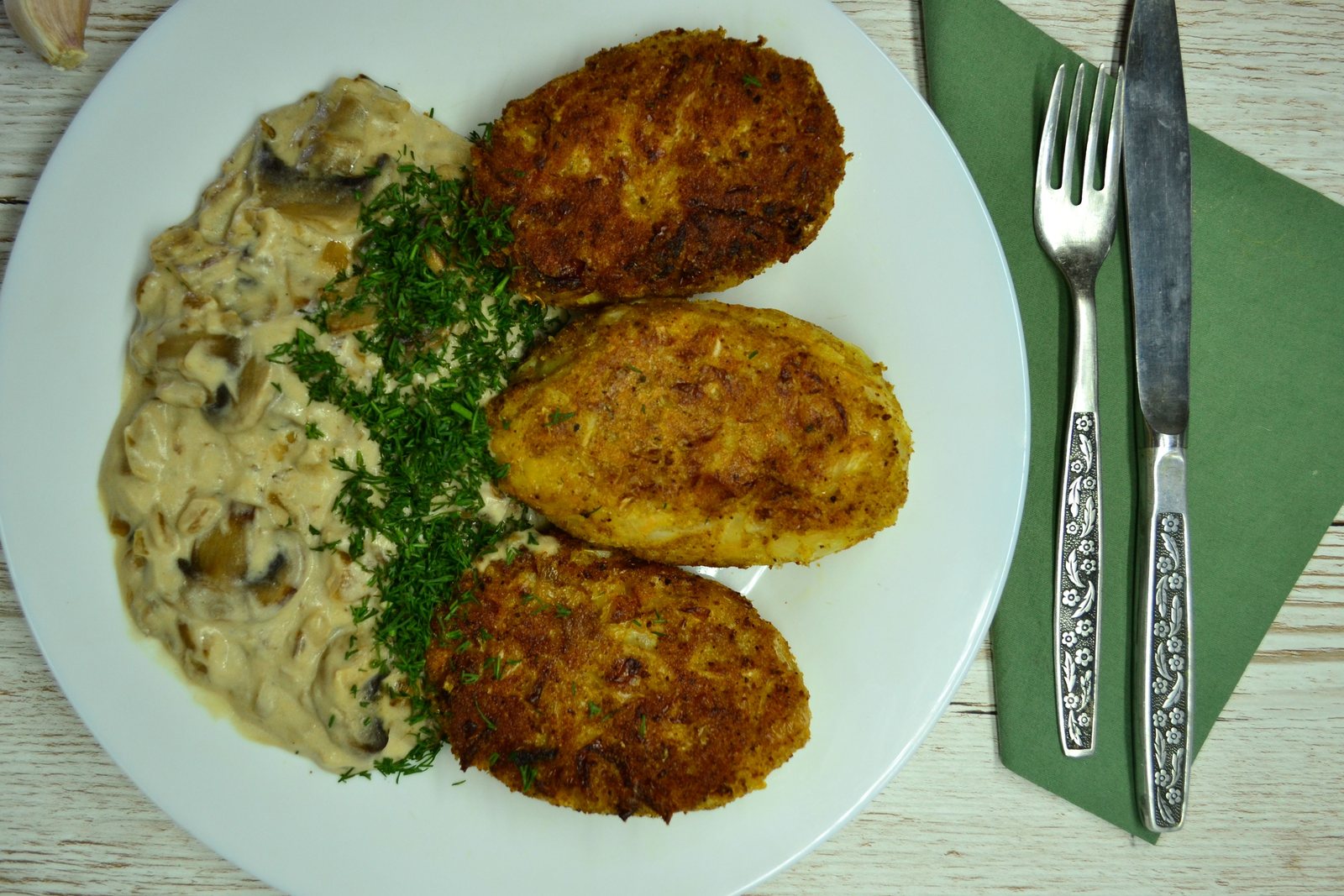
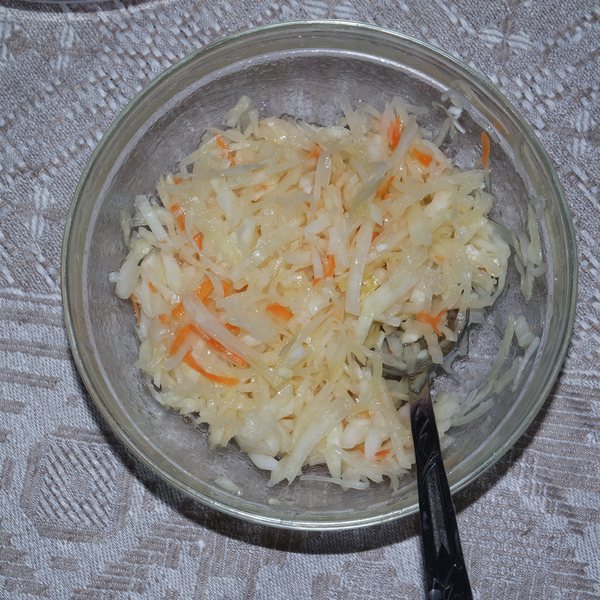
Fuchky are pancakes made from liquid batter and sauerkraut, fried in a pan like deruny. The cabbage is squeezed, finely chopped, and mixed into a batter made of flour and water or milk; seasoned with caraway, marjoram, and pepper.
The book 'Boyko Cuisine', compiled by Ukrainian and Polish researchers of Boyko traditions, describes fuchky as a regional Bieszczady dish and mentions another name — 'cudaki'. Its recipe does not include eggs: the batter is bound with flax seeds soaked in hot water, making these fuchky lean.
On the Polish side of the Carpathians, fuchky are considered a dish of Lemko cuisine. There, they were once made with oat flour, but now more often with wheat flour, including eggs and onions, and served with sour cream or garlic sauce.
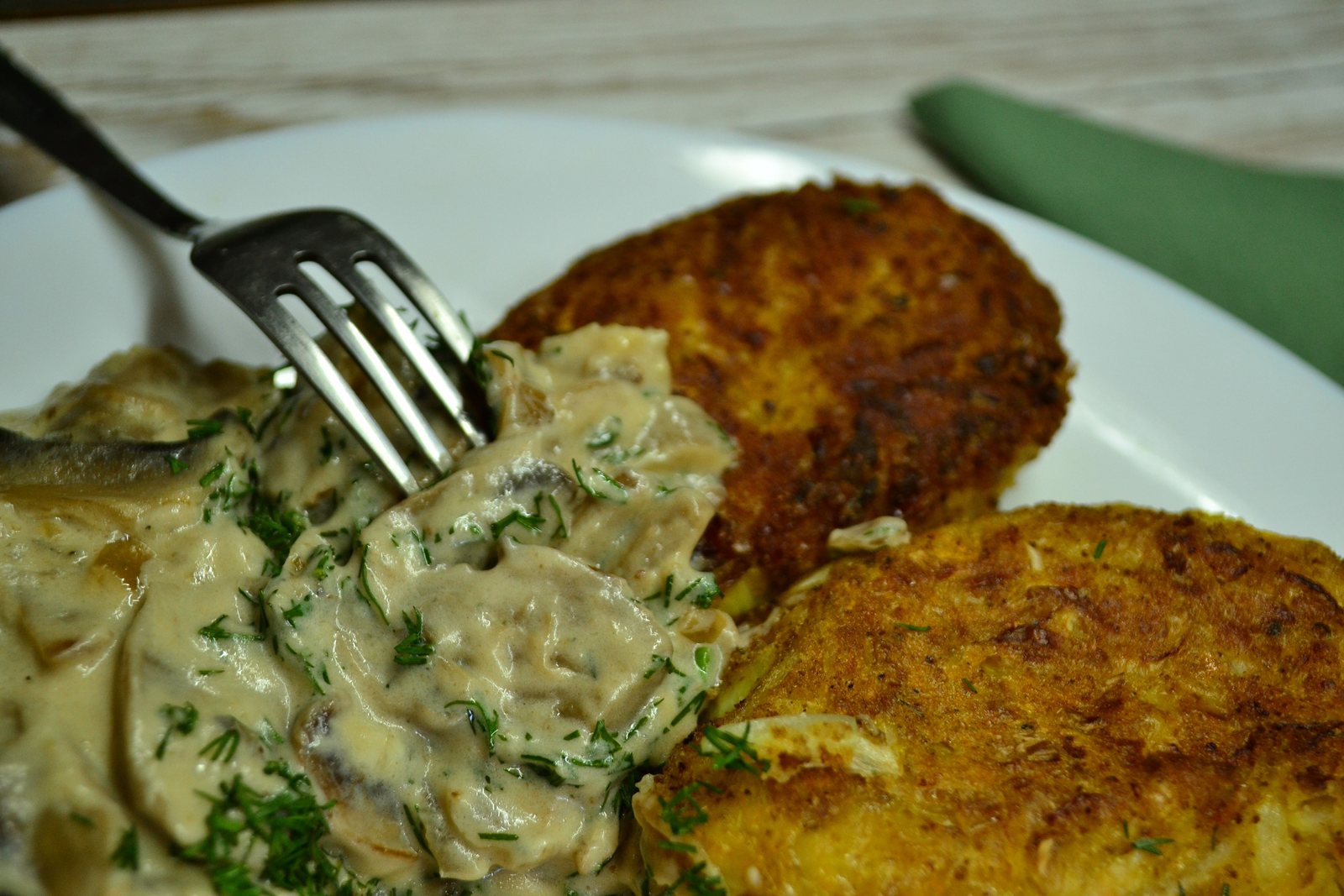
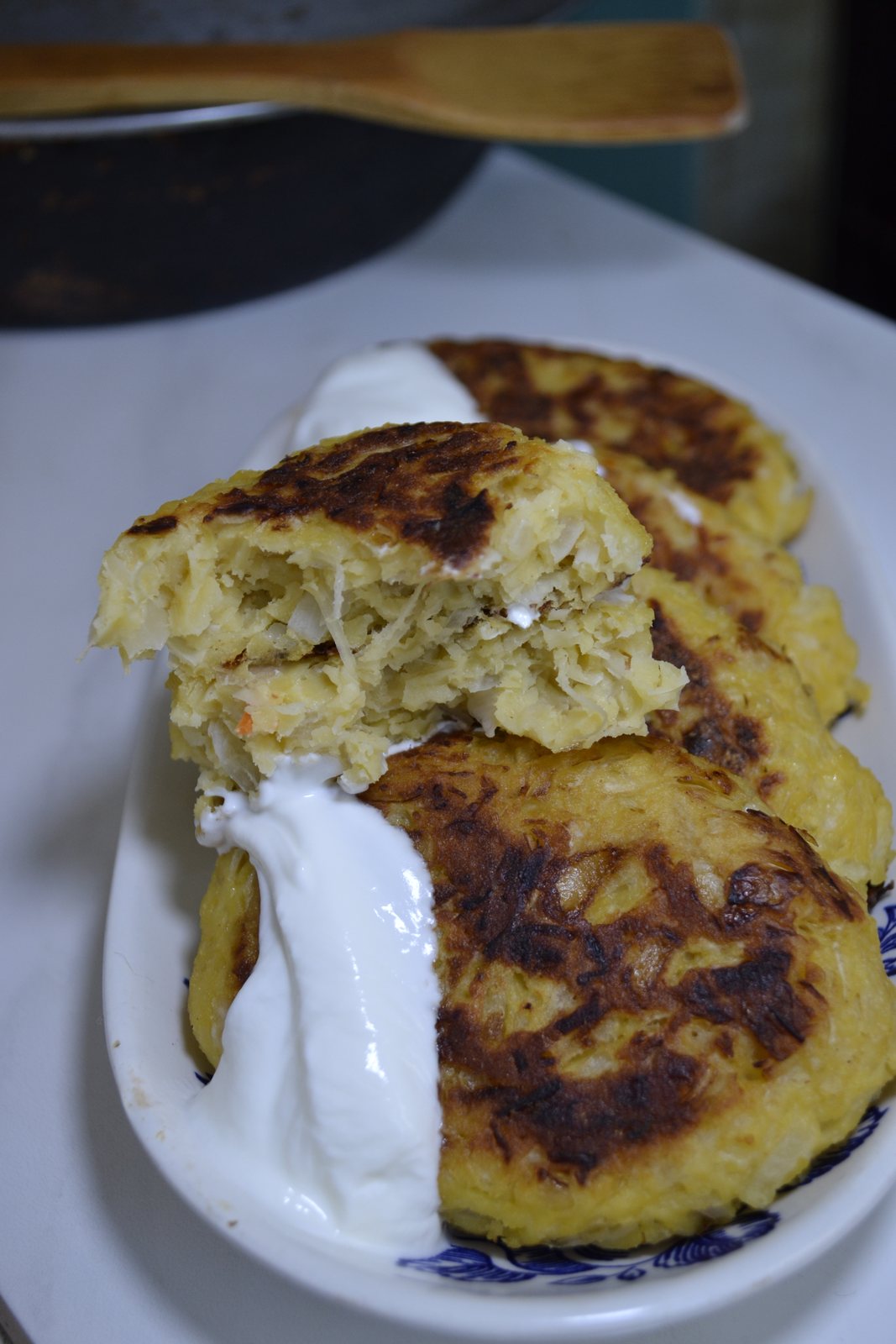
Fuchky are served with sour cream or garlic sauce, and in the lean version — with fresh herbs and vegetable salad; they also complement meat or fish.
In the Polish Bieszczady and Low Beskids, fuchky are on the menus of restaurants and mountain lodges — as a hot appetizer or a side dish to meat. Good fuchky are thin and crispy at the edges, while the sauerkraut adds a sourness that is absent in regular deruny.
History and name
Oat flour and sauerkraut were everyday products in mountain villages: a Lemko family would prepare several large barrels of cabbage for winter. Fuchky are one way to quickly make a hot dish from these supplies.
The origin of the name is not explained by the sources. The Polish spelling is fuczki; today, fuchky are one of the dishes that welcome guests in the Polish Bieszczady.
Ingredients and allergens
Variant: lean, with flax seeds
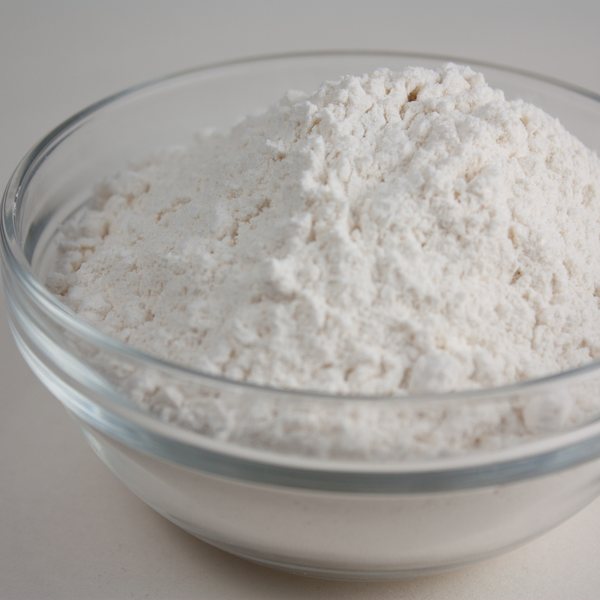
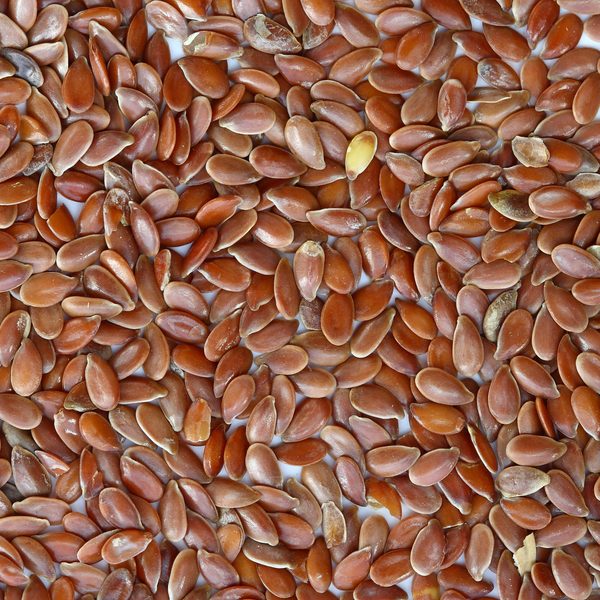
Also: marjoram (a pinch), wild thyme (a pinch, optional), water (400–500 ml), caraway (1.5 tsp), salt (to taste), black pepper (to taste), sunflower oil (for frying)
Contains allergens: gluten
Diet: lenten · vegan
Variant: with milk and egg
sauerkraut, wheat flour, milk, eggs, onion, caraway, salt, black pepper, sunflower oil, sour cream
Contains allergens: gluten, milk, eggs
Diet: vegetarian
Variant: old, with oat flour
sauerkraut, oat flour, milk, eggs, onion, salt, black pepper, sunflower oil
Contains allergens: gluten, milk, eggs
Diet: vegetarian
Ingredients of the traditional recipe; every cook and every place may do it differently — please ask when ordering. We cannot guarantee the absence of allergens or traces.
How it is traditionally made
- Sauerkraut — 350 g
- Wheat flour — 200 g
- Water — 400–500 ml
- Flax seeds — 2 tbsp
- Caraway — 1.5 tsp
- Marjoram — a pinch
- Wild thyme — a pinch
- Salt — to taste
- Black pepper — to taste
- Sunflower oil — for frying
- Pour 100 ml of hot water over the flax seeds and let them steep and cool.
- In a large bowl, mix flour with water (or milk) to the consistency of liquid sour cream, then add the flax along with its infusion.
- Squeeze the sauerkraut, finely chop it, and mix it into the batter.
- Season with salt, pepper, caraway, and crushed marjoram.
- Heat oil in a pan, spoon the batter into the pan, and fry on both sides until golden brown, like deruny.
- Serve hot.
How it is served
With sour cream or garlic sauce; in lean times — with fresh herbs and vegetable salad.
Variants
In the lean Boyko recipe, the batter is bound with soaked flax seeds; in Polish Lemko recipes, eggs, milk, and onions are added, and previously oat flour was used instead of wheat flour.
The traditional method as described by our sources; every family does it its own way. We have not tested this recipe in a professional kitchen.
Where it is eaten

The area is approximate and based on the sources below. The dish is cooked outside it too, and ethnographic borders are blurred.
Boykivshchyna and Lemkivshchyna on either side of the Ukrainian-Polish border; the most famous fuchky are in the Polish Bieszczady. In Ukraine, the dish is recorded in the book 'Boyko Cuisine'. The area is approximate. In Poland, the map shows the counties of the Low Beskids and Bieszczady — the historical Lemkivshchyna; the area is approximate.
When it is eaten
| Jan | Feb | Mar | Apr | May | Jun | Jul | Aug | Sep | Oct | Nov | Dec |
|---|---|---|---|---|---|---|---|---|---|---|---|
Occasions: Everyday food · Lent
In tradition
A common dish in the cold season when there is sauerkraut in the barrel. The lean version without eggs and milk is suitable for fasting.
FAQ
What are fuchky?
Fried pancakes made from sauerkraut in a liquid batter of flour and water or milk. This is a dish of Boyko and Lemko cuisine, similar to deruny, but made with cabbage.
Are fuchky lean?
The Boyko recipe is lean: it contains no eggs or milk, and the batter is bound with soaked flax seeds. The more common Polish recipe includes eggs and milk, and fuchky are served with sour cream.
What do you eat fuchky with?
With sour cream or garlic sauce; they are also served as a side dish to meat or fish, and in lean times — with fresh herbs and vegetable salad.
Where can I taste fuchky in Poland?
In restaurants and mountain lodges in the Bieszczady and Low Beskids in southeastern Poland — this is the historical Lemkivshchyna.
Comments
Travellers’ experience: reports, tips, questions.
No one has written here yet. Be the first — your experience helps others.
Similar dishes and products
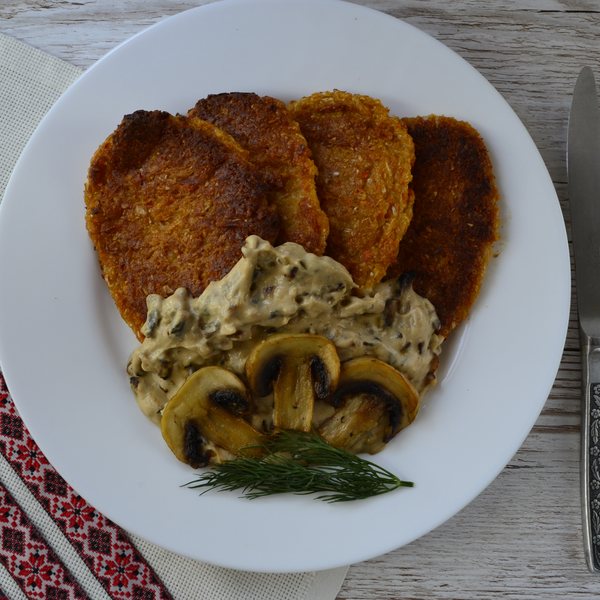
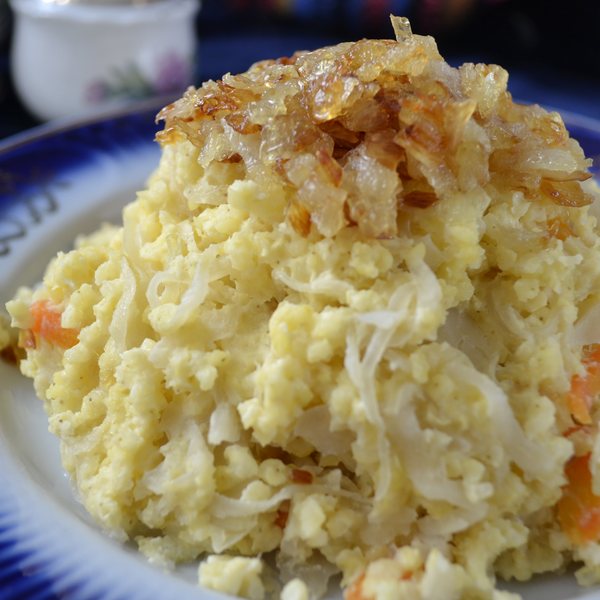
Relatives in the Carpathians and nearby
- fuczki · Poland
the same dish under the Polish name; a signature dish in establishments in the Bieszczady and Podkarpacie
Sources
- «Бойківська кухня / Kuchnia Bojkowska» (Львів, 2020): книжка рецептів українсько-польського проєкту ГО «Асоціація гірських провідників “Ровінь”» (програма ЄС Польща–Білорусь–Україна)
- Wikipedia (пол.): Fuczki — страва лемківської й підкарпатської кухні
- WP Kuchnia: Fuczki z kiszoną kapustą. Przysmak łemkowskiej kuchni (K. Gileta, 25.09.2018)
- Вікіпедія: Лемківська кухня
- Вікіпедія: Фучки
Written by the Karpaty.rocks editors from the sources above. Checked 11.11.2026.
