Zasypana kapusta
What it is
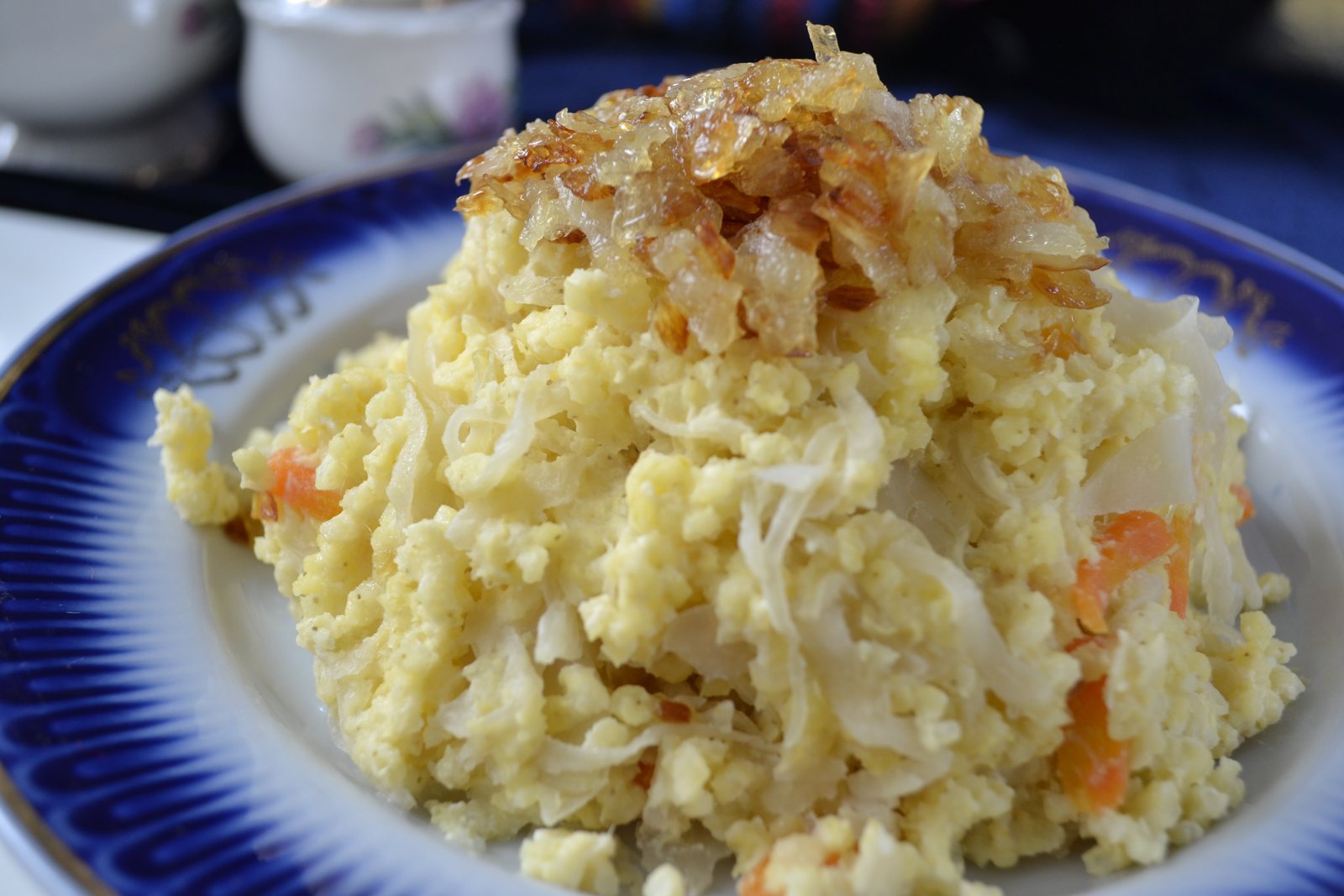
Zasypana kapusta is a dish made from fermented cabbage and millet. The cabbage is first stewed until soft, and then 'zasypana' with steamed millet on top without stirring until the grain is cooked. Hence the name.
Finally, the dish is mixed with sour cream whipped with an egg and a tablespoon of flour, fried onions are added, and it is served with cracklings. Some housewives mix fermented cabbage with fresh cabbage to soften the taste.
This is not a mountain dish but a foothill one: its carriers live in the Striy district of Lviv region, at the border of Prykarpattia and Opillia. We included it in the 'Carpathian Cuisine' as a neighboring tradition marked 'foothills'.
Zasypana kapusta is prepared for weddings, holidays, and memorials, as well as on weekdays. The one that has been simmered in the oven is considered the most delicious. Cracklings and mushroom sauce are served separately with it.
History and name
In 2024, the culture of preparing and consuming 'Zasypana kapusta' was included in the National Register of Intangible Cultural Heritage of Ukraine (099n.k.s., order No. 513 dated 24.07.2024). According to the description of the element, the tradition exists in the villages of Ruda, Hnizdychiv, Oblaznytsia, Livchytsi, Hanivtsi, Pokrivtsi, and the towns of Striy, Zhydachiv, Zhuravno, and Khodoriv; similar dishes are also found in other parts of Ukraine.
Zasypana kapusta is often referred to as the favorite dish of Ivan Franko, who was born in the village of Nahuievychi in the Drohobych region. Culinary publications often mention this, but we have not found any primary evidence, so we present it as a legend.
Intangible heritage of Ukraine. Element of the National Inventory of the Intangible Cultural Heritage of Ukraine: Культура приготування та споживання «Засипаної капусти» (No. 099н.к.с., наказ Мінкульту № 513 від 24.07.2024). Sources
Legend: Zasypana kapusta is the favorite dish of Ivan Franko.
In fact: Culinary publications and Wikipedia often mention this, but we have not found any primary document (letter or memoir). It is known for sure that the tradition comes from the villages of Striy region, not far from the writer's native lands.
Ingredients and allergens
Variant: with cracklings and sour cream
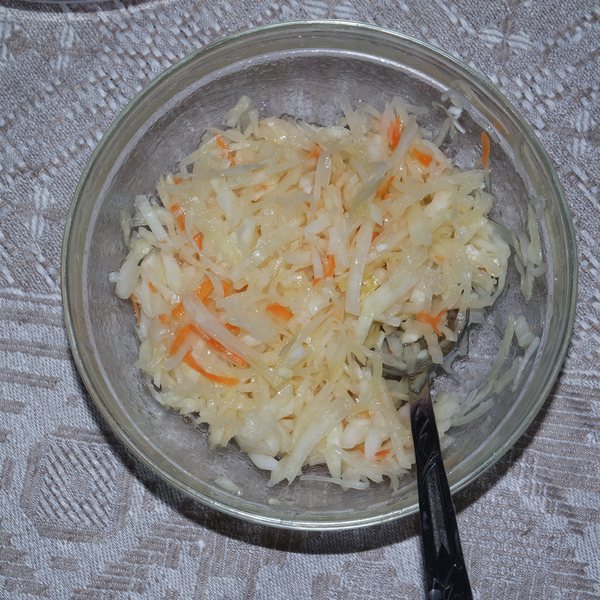
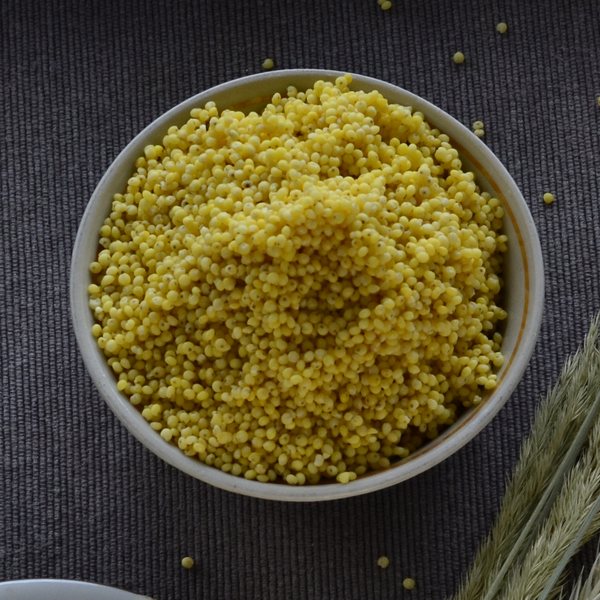
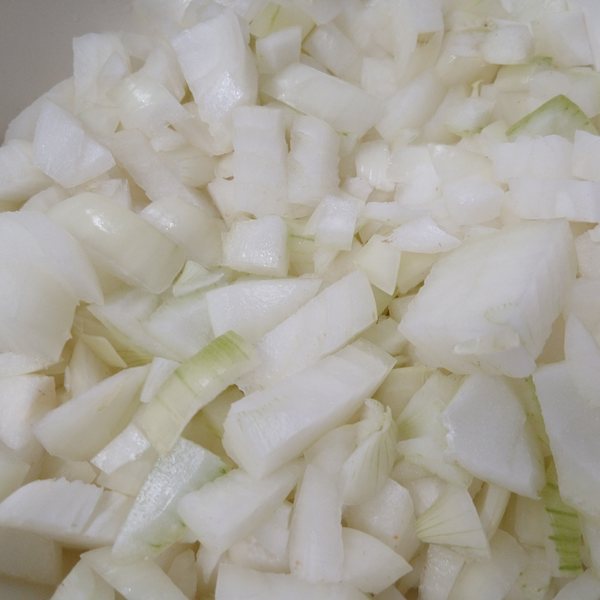
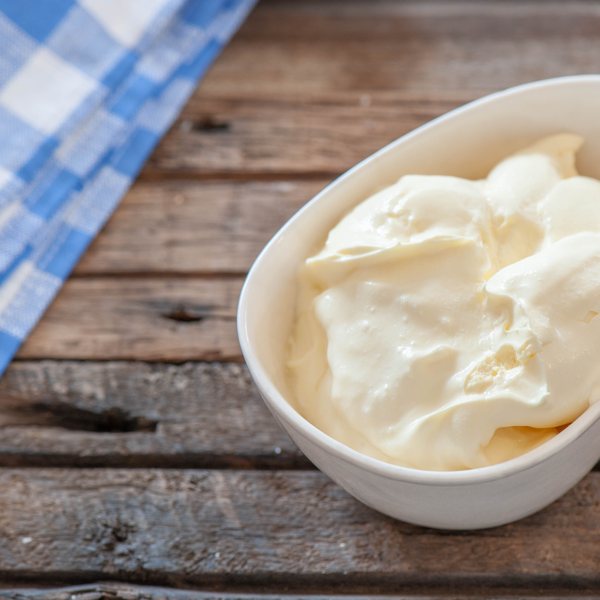
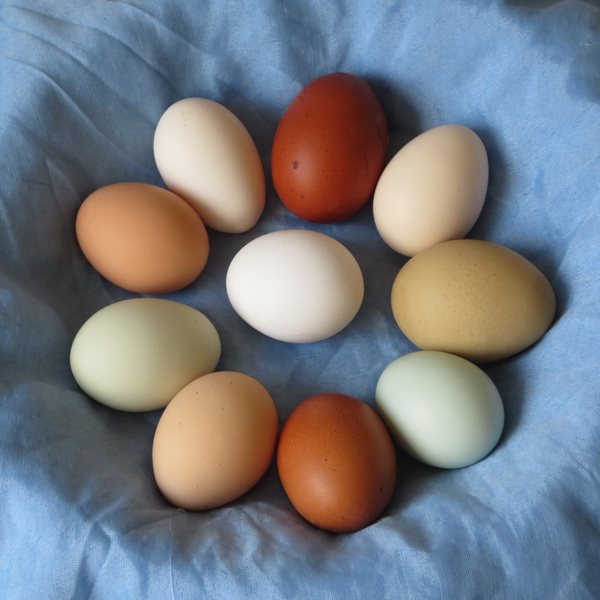
Also: white cabbage (fresh leaves) (200–300 g, optional), wheat flour (1 tbsp, optional), salt (to taste), black pepper (to taste, optional)
Contains allergens: milk, eggs
Depending on how it is served, may contain: gluten
Diet: gluten-free
Variant: lenten, with oil
sauerkraut, millet, onion, carrot, sunflower oil, salt
Contains allergens: none of the 14 major allergens in the traditional recipe
Diet: lenten · vegan · gluten-free
Ingredients of the traditional recipe; every cook and every place may do it differently — please ask when ordering. We cannot guarantee the absence of allergens or traces.
How it is traditionally made
Serves: 4–6 servings
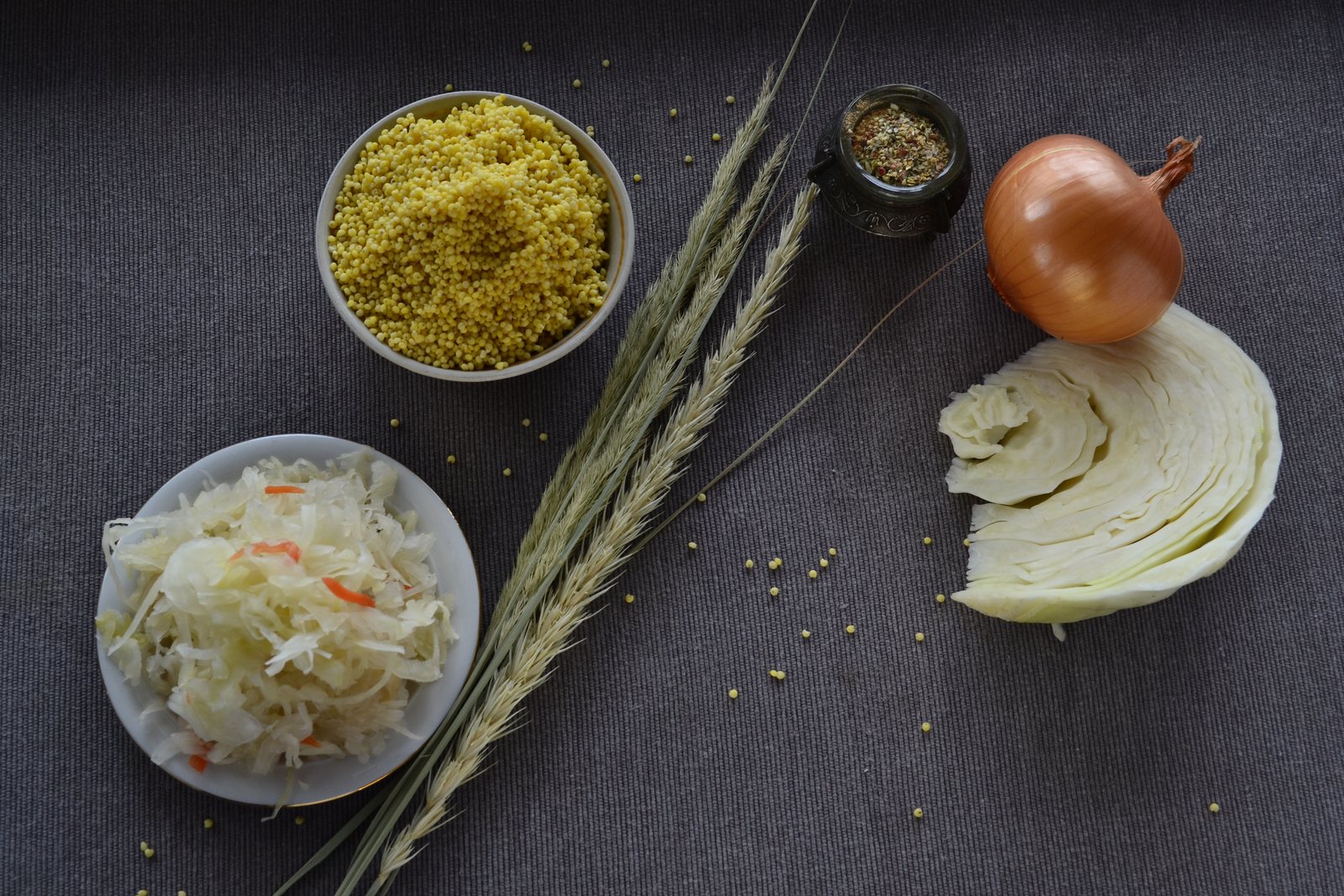
- Sauerkraut — 700–900 g
- Millet — 150–200 g (5–8 tbsp)
- White cabbage (fresh leaves) — 200–300 g
- Onion — 1–3 pcs.
- Sour cream — 250–350 g
- Eggs — 1 pc.
- Wheat flour — 1 tbsp
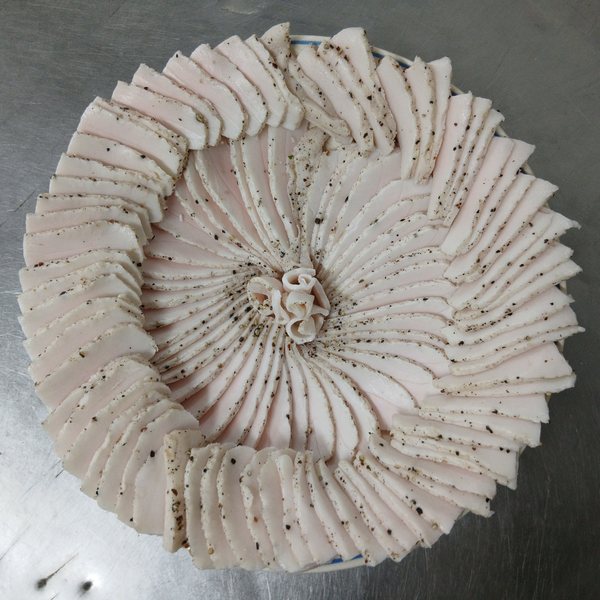
- Pork fat (salo) — 400–500 g pork belly
- Salt — to taste
- Black pepper — to taste
- Drain the fermented cabbage; if it is too sour, rinse or soak it. Optionally, add some finely shredded fresh cabbage.
- Cover the cabbage with cold water just enough to barely cover it, and stew it under a lid until soft — 40–90 minutes.
- Rinse the millet and steam it with boiling water for 5–20 minutes, then drain the water.
- Spread the millet evenly on top of the cabbage without mixing. There should be about 1 cm of liquid above the grain; stew under a lid for 25–30 minutes until the millet is cooked.
- Meanwhile, cut the pork belly into cubes and render the cracklings; in some of the fat, fry the onions until golden.
- Beat the egg with a tablespoon of flour and sour cream, pour it into the cabbage along with the onions, season with salt and pepper, mix, and stew for another 5 minutes over low heat.
How it is served
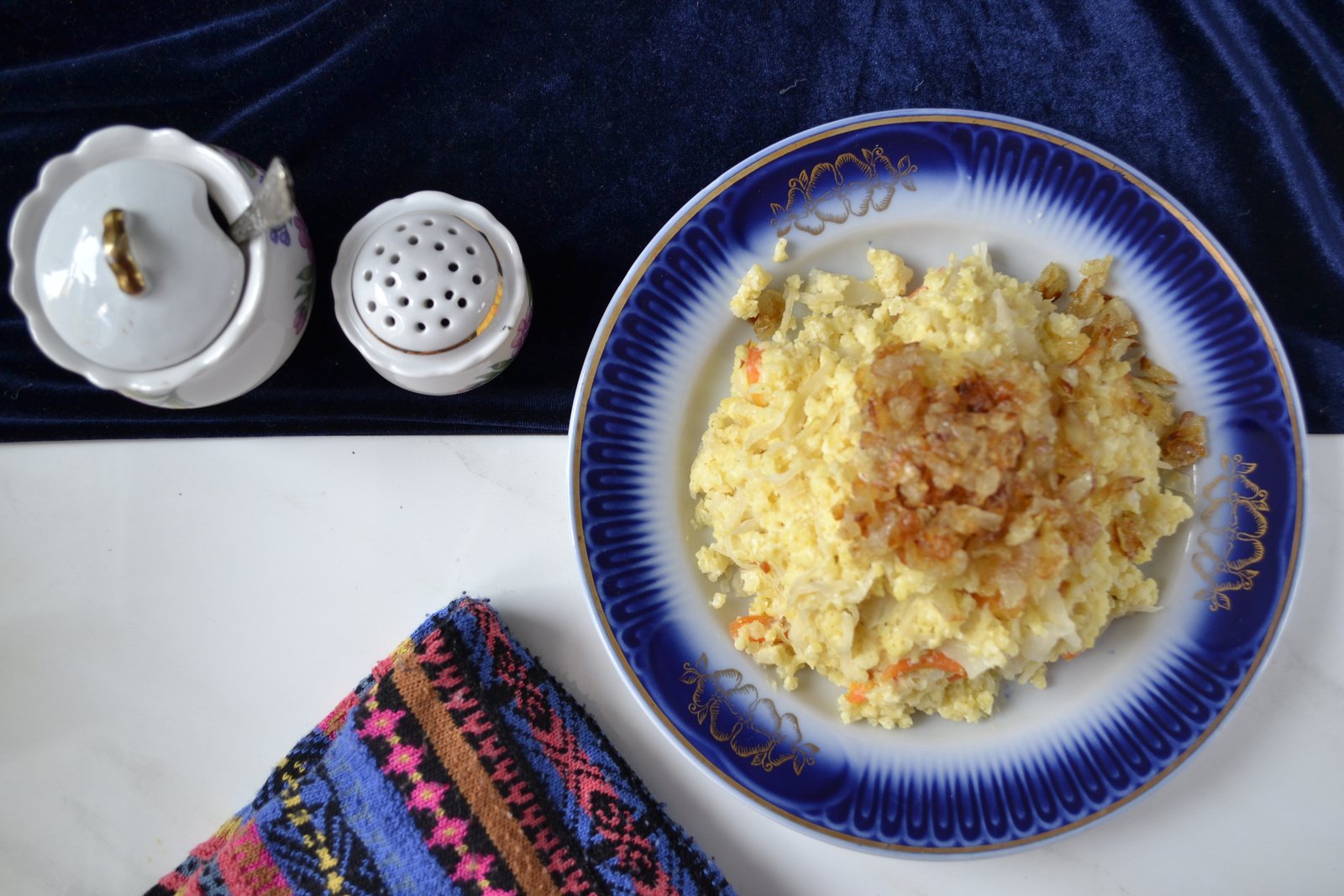
Hot, in a deep bowl, topped with cracklings and onions. Sometimes served with mushroom sauce.
Variants
During Lent, zasypana kapusta is prepared without sour cream, egg, and cracklings — with oil and fried onions. Some families add carrots to it.
The traditional method as described by our sources; every family does it its own way. We have not tested this recipe in a professional kitchen.
Video 2
 ЗАСИПАНА КАПУСТА ПО-РОГАТИНСЬКИОксана САВЧУК

Where it is eaten

The area is approximate and based on the sources below. The dish is cooked outside it too, and ethnographic borders are blurred.
Striy district of Lviv Oblast: villages and towns named in the description of the element of the National Register 099. This is the foothills of the Carpathians and Opillia, not mountain communities.
When it is eaten
| Jan | Feb | Mar | Apr | May | Jun | Jul | Aug | Sep | Oct | Nov | Dec |
|---|---|---|---|---|---|---|---|---|---|---|---|
Occasions: Weddings · Everyday food
In tradition
It is also called 'wedding cabbage': the dish was necessarily placed on the wedding table and also prepared for church holidays and memorial dinners. Cabbage was fermented in barrels in autumn, so the dish was a winter and spring staple.
FAQ
Why is the cabbage 'zasypana'?
Because millet is sprinkled on top of the cooked fermented cabbage and not stirred until it is cooked. Then the dish is mixed with sour cream and egg.
Where does zasypana kapusta come from?
The element of the National Register is recorded in the Striy region of Lviv Oblast — in the villages of Ruda, Hnizdychiv, Oblaznytsia, Livchytsi, Hanivtsi, Pokrivtsi, and the towns of Striy, Zhydachiv, Zhuravno, Khodoriv. This is the foothills, not the mountains.
Can zasypana kapusta be prepared during Lent?
Yes: without sour cream, egg, and cracklings, with oil and fried onions.
Where to try and buy
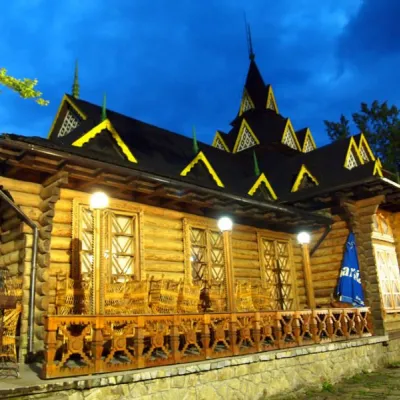
Craft places and restaurants whose menu or description mentions this dish. Menus change — please check availability.
Similar dishes and products
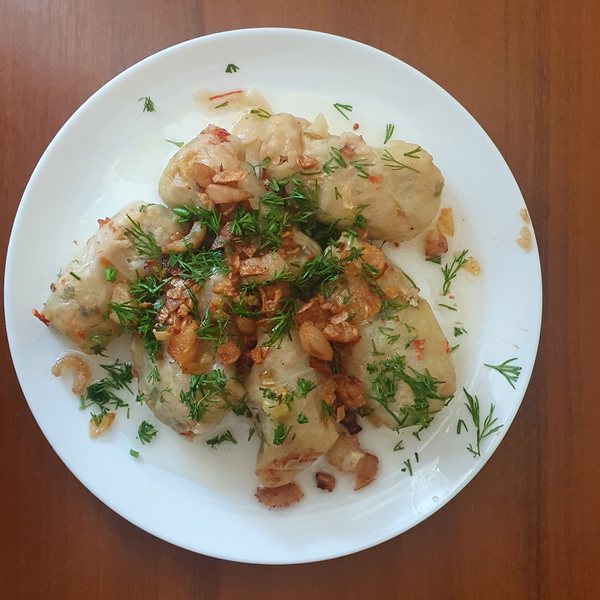
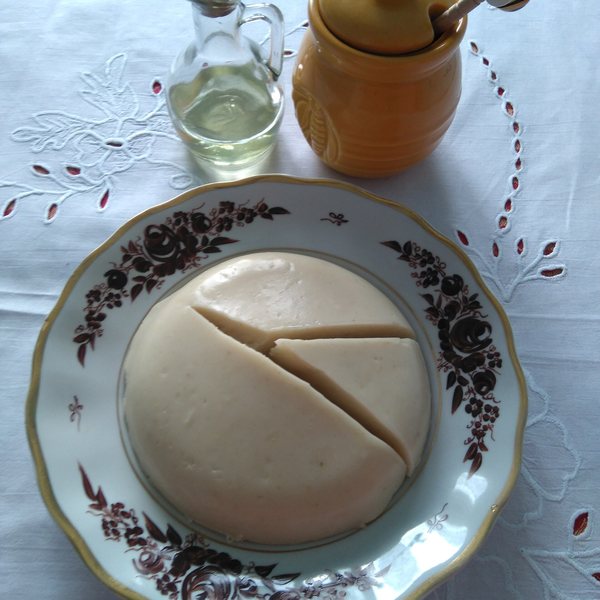
Relatives in the Carpathians and nearby
- cabbage with millet in Podillia and the Dnieper region · Ukraine
a close tradition; the description of the element of the National Register directly mentions similar dishes in other parts of Ukraine - kapusta z grochem · Poland
a related dish made from fermented cabbage, but with peas instead of millet
Sources
- Національний перелік елементів НКС України (099н.к.с.)
- Вікіпедія: Засипана капуста
- ZAXID.NET: Засипана капуста зі шкварками. Рецепт дня (2024)
- Главред: рецепт засипаної капусти від учасниці «МайстерШефа» (2023)
Written by the Karpaty.rocks editors from the sources above. Checked 10.11.2026.
