Bukovynian bryndza
What it is
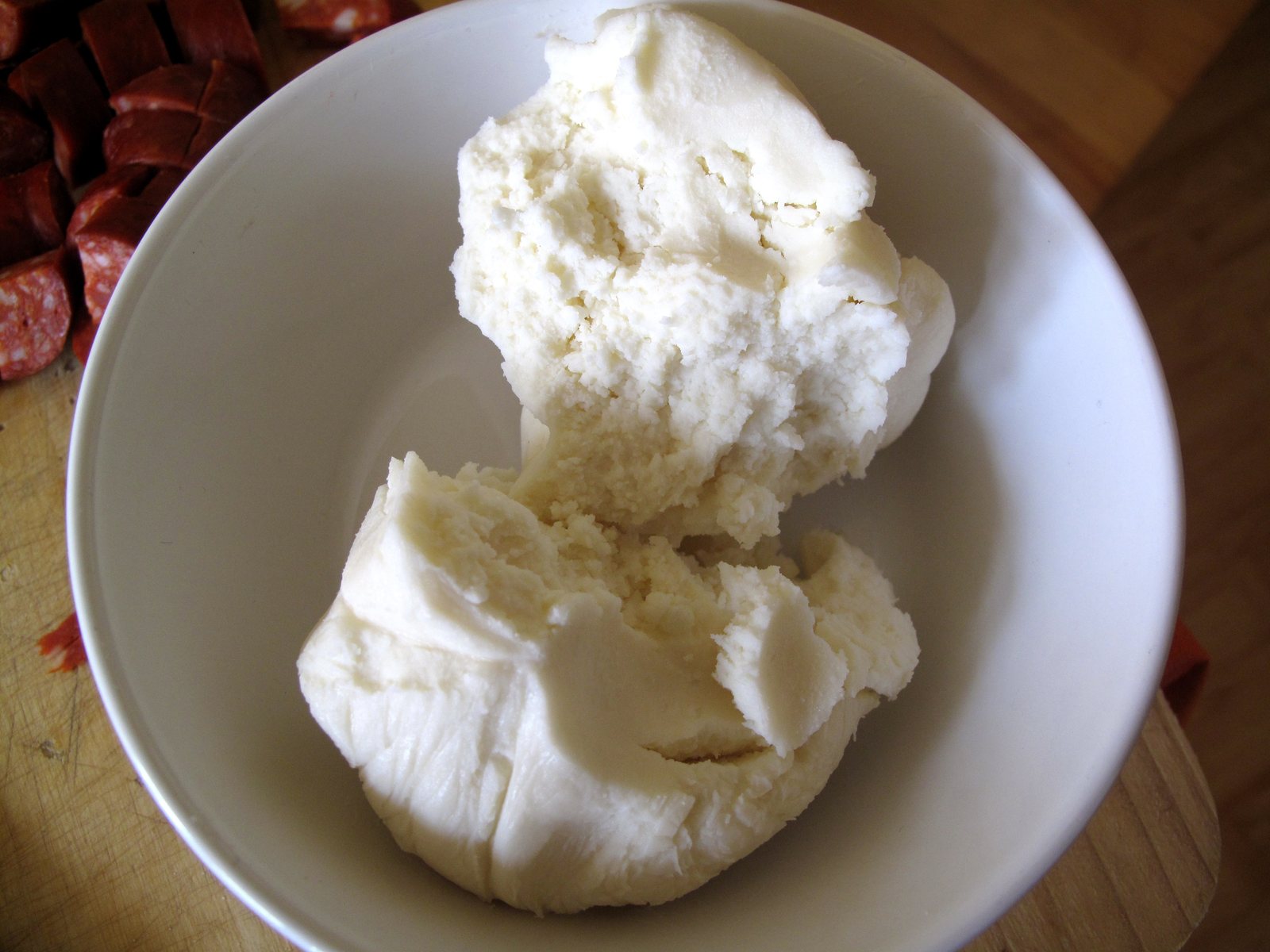
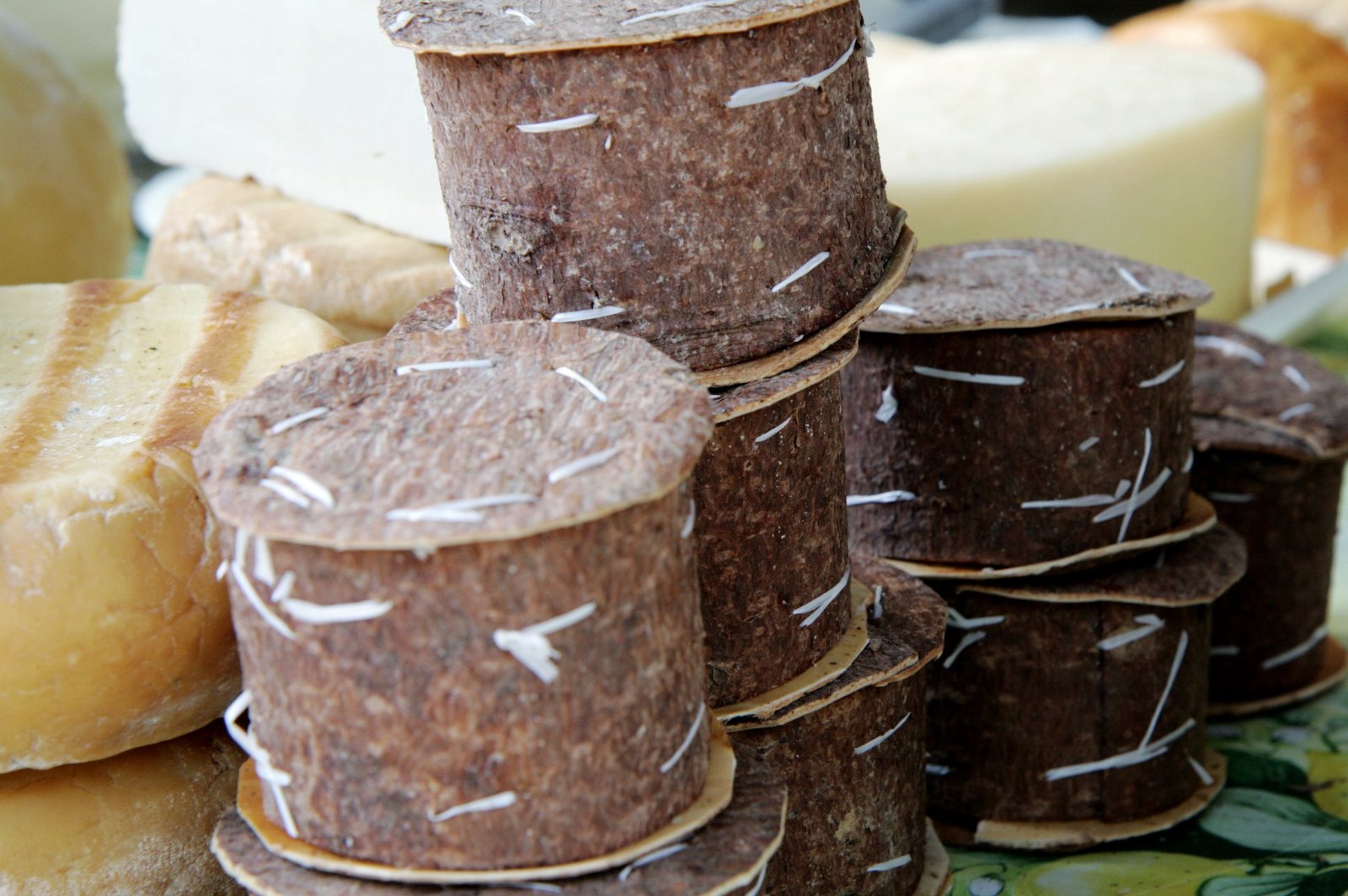
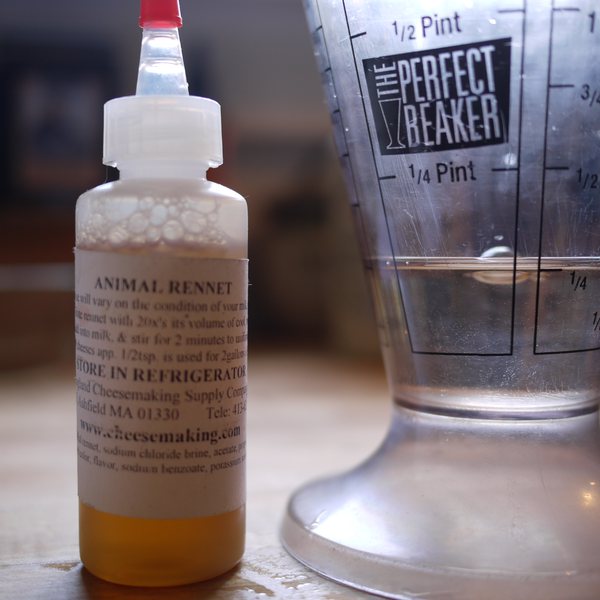
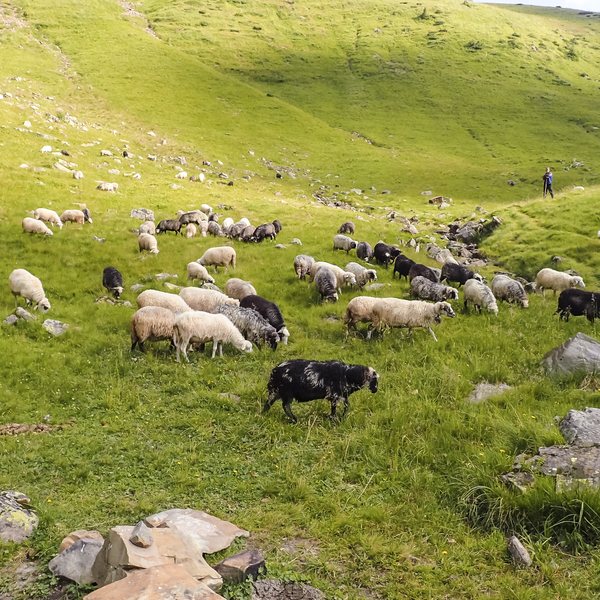
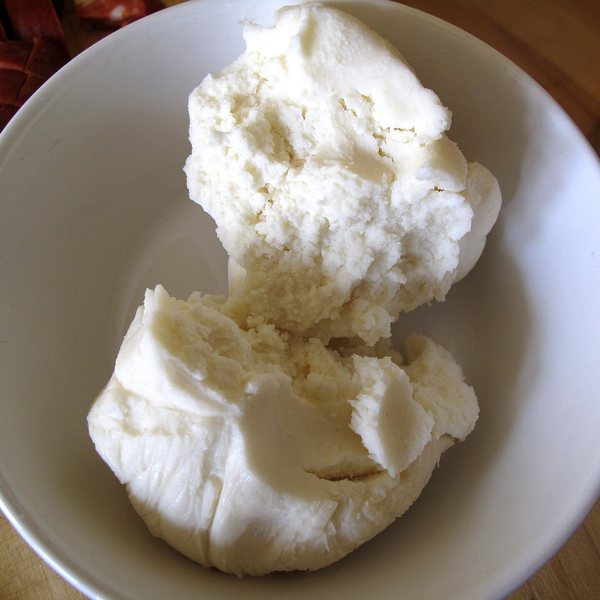
In the pastures of Bukovynian Hutsul region — Putyl and Vyzhnytsia — Bryndza is made in the same way as in other Hutsul mountains: milk is curdled with natural rennet (klyah, hlyah), fresh cheese — Budz — is hung to drain and mature, then crushed, mixed with salt, and tightly packed into wooden berbenytsia. A feature of the region is the raw material: alongside sheep's milk, a lot of cow's Bryndza is produced here.
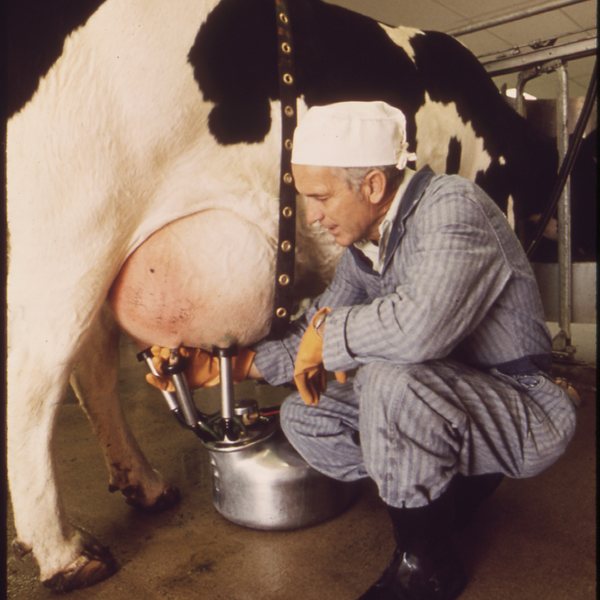
The geographical indication 'Hutsul Cow Bryndza' (2020) covers the pastures of Ivano-Frankivsk, Transcarpathia, and three former districts of Chernivtsi — Putyl, Vyzhnytsia, and Storozhynets. This cheese is made from at least 70% milk of local mountain cows, with a mixture of sheep or goat milk up to 30%, from pastures above 700 m, where livestock grazes from mid-May to the end of September. The taste is milky and slightly salty, becoming sharper over time, with a smoky aroma.
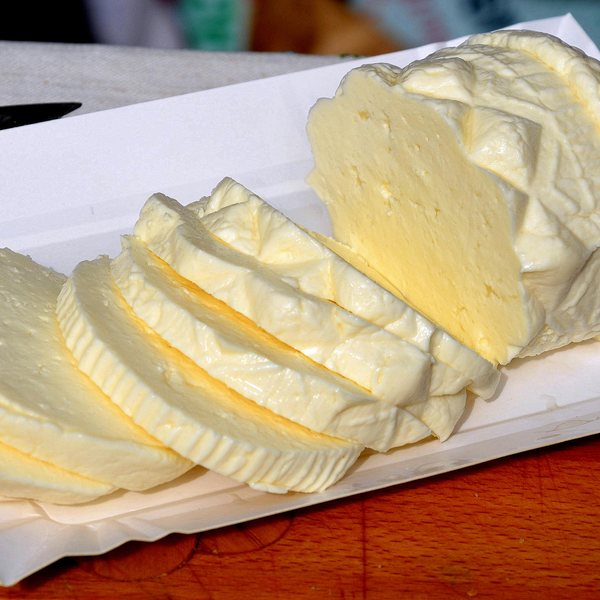
Do not confuse it with Hutsul sheep Bryndza, which is made only from sheep's milk, and with the Bryndza of lowland Bessarabia: in Kelemen, the cheese is salted in brine in whole pieces weighing 1.5–2 kg, and it is hard, while Hutsul Bryndza is crumbly.
History and name
The pasture farming of Chernivtsi was included in the National Register of NCS in 2025 as 'The Tradition of Grazing Livestock on Bukovynian Pastures and Bessarabian Stigmas' (No. 108n.k.s.); according to the description of the element, pasture summering is widespread in Vyzhnytsia, Chernivtsi, and Dniester districts, and among its components, traditional cuisine is mentioned. Shepherds are sent to the pastures on the last Sunday of May: in Putyl since the 1960s, this has been a common holiday for the whole region, while before that, each village sent off the shepherds separately. They return with the first snow — with Bryndza, Huslianka, and wool.
According to a report from 2010, about 2,000 heads of cattle and 3,500 sheep summered on 28 pastures of the then Putyl district, and during the season, about 22 tons of sheep and 19 tons of cow Bryndza were expected. The word 'Bryndza' (also 'brynza', 'brynzi' in the mountains) is related to the Romanian brânză — 'cheese'.
Intangible heritage of Ukraine. Element of the National Inventory of the Intangible Cultural Heritage of Ukraine: Традиція випасання худоби на буковинських полонинах та бессарабських стигнах Чернівецької області (серед галузей елемента — традиційна кухня) (No. 108н.к.с., наказ Мінкульту № 268 від 24.04.2025). Sources
ГЗ України (назва місця походження): «Гуцульська коров'яча бриндза — межі охоплюють і Путильський, Вижницький та Сторожинецький райони Чернівецької області» (2020). Sources
Legend: Bryndza is any salty cheese in brine.
In fact: In the mountains, Bryndza refers to aged Budz, crushed with salt and packed into berbenytsia. Brine Bryndza is made in lowland Bessarabia — it is a different cheese with a different technology.
Ingredients and allergens
Variant: cow's, with a mixture of sheep's milk
Also: salt (according to technology)
Contains allergens: milk
Diet: gluten-free · no cooking
Variant: sheep
sheep's milk, rennet (klyag), salt
Contains allergens: milk
Diet: gluten-free · no cooking
Ingredients of the traditional recipe; every cook and every place may do it differently — please ask when ordering. We cannot guarantee the absence of allergens or traces.
How it is made
Milk is strained and curdled with klyah — natural rennet from the stomach of a lamb or calf. The curd is collected into Budz and hung in cloth: the whey drains, and Budz matures in the fresh mountain air, often near a fire, where it is slightly smoked. The utensils and tools are made of spruce, and the work is manual.
Aged Budz is crushed, mixed with salt, and tightly packed into spruce berbenytsia. The longer Bryndza is stored, the sharper and more piquant its taste becomes: the description of the GI even warns consumers that over time the taste becomes sharper and the smell more intense.
For comparison: in the Bessarabian villages of Kelemen, Budz is kept in salt for one to two days, and then poured with cold brine in pieces weighing 1.5–2 kg. The strength of the brine is checked by old housewives with an egg: salt is added until the egg floats 'like five kopecks.'
Video
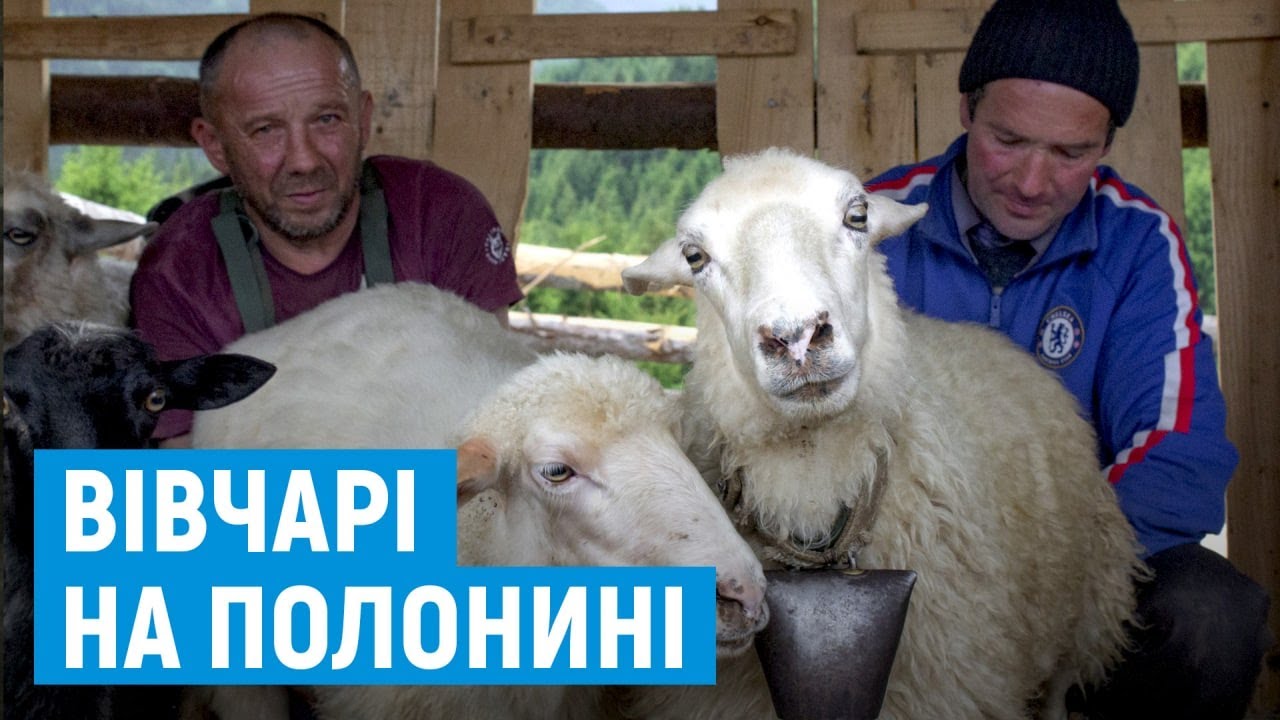 Доїння овець та сонячні панелі: як сучасні вівчарі Путильщини продовжують багатовікову традиціюСуспільне Чернівці
Where it is eaten

The area is approximate and based on the sources below. The dish is cooked outside it too, and ethnographic borders are blurred.
The pastures of Bukovynian Hutsul region: the former Putyl and Vyzhnytsia districts (now Vyzhnytsia district); the boundaries of the GI also cover the former Storozhynets district. The area is approximate.
When it is eaten
| Jan | Feb | Mar | Apr | May | Jun | Jul | Aug | Sep | Oct | Nov | Dec |
|---|---|---|---|---|---|---|---|---|---|---|---|
Occasions: Polonyna (May — September) · Everyday food
In tradition
Bryndza is made throughout the pasture season — from the send-off of shepherds to the mountains on the last Sunday of May to their return with the first snow. At the send-off holiday in Putyl, the group lights a bonfire, guests taste Kulesha, and artisans sell Budz and Bryndza.
Safety
Pasture Bryndza is often made from unpasteurized milk. Pregnant women, small children, and people with weak immune systems should choose cheese made from pasteurized milk or eat Bryndza in hot dishes.
FAQ
How does Bukovynian Bryndza differ from Hutsul Bryndza from Rakhiv?
The technology is the same — aged Budz, mixed with salt. However, in Bukovynian Hutsul region, a lot of Bryndza is made from cow's milk with a mixture of sheep's, while 'Hutsul Sheep Bryndza' is made only from sheep's milk.
What is 'Hutsul Cow Bryndza'?
A geographical indication registered in 2020: cheese made from at least 70% cow's milk of local mountain breeds from pastures above 700 m. Its boundaries cover Ivano-Frankivsk, Transcarpathia, and Putyl, Vyzhnytsia, and Storozhynets.
Can Bryndza be consumed by pregnant women?
Cheese made from unpasteurized milk is not recommended for pregnant women. Choose Bryndza made from pasteurized milk or add it to hot dishes.
Similar dishes and products
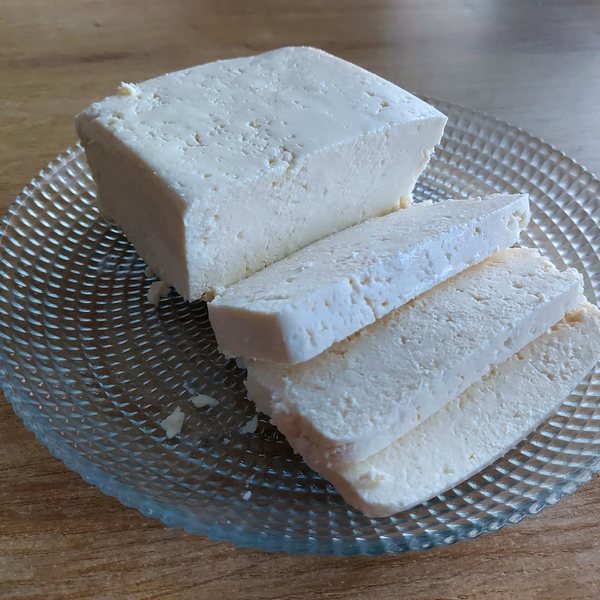
Relatives in the Carpathians and nearby
- Hutsul Sheep Bryndza · Ukraine
close tradition; separate GI 'Hutsul Sheep Bryndza' (2019) - Bessarabian Bryndza (Kelemen) · Ukraine
different technology: brine cheese in pieces - brânză de burduf · Romania
close tradition
Sources
- Укрпатент: ГЗ № 3118 «Гуцульська коров'яча бриндза» (12.10.2020; межі, опис, технологія)
- Національний перелік елементів НКС України (станом на 16.07.2025), № 108н.к.с.
- Буковинський центр культури і мистецтва: Вигодовані під молочними хмарами — пастуші традиції Північної Бессарабії (бринза гуцульська й бессарабська)
- Castles.com.ua: Путила — проводи вівчарів на полонини (репортаж 2010)
- ichernivchanyn.com: Гастрономічна культура — буковинська кухня (бринза з коров'ячого й овечого молока)
Written by the Karpaty.rocks editors from the sources above. Checked 10.11.2026.
