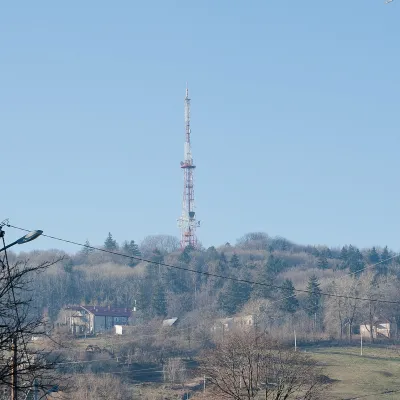
Moshanets
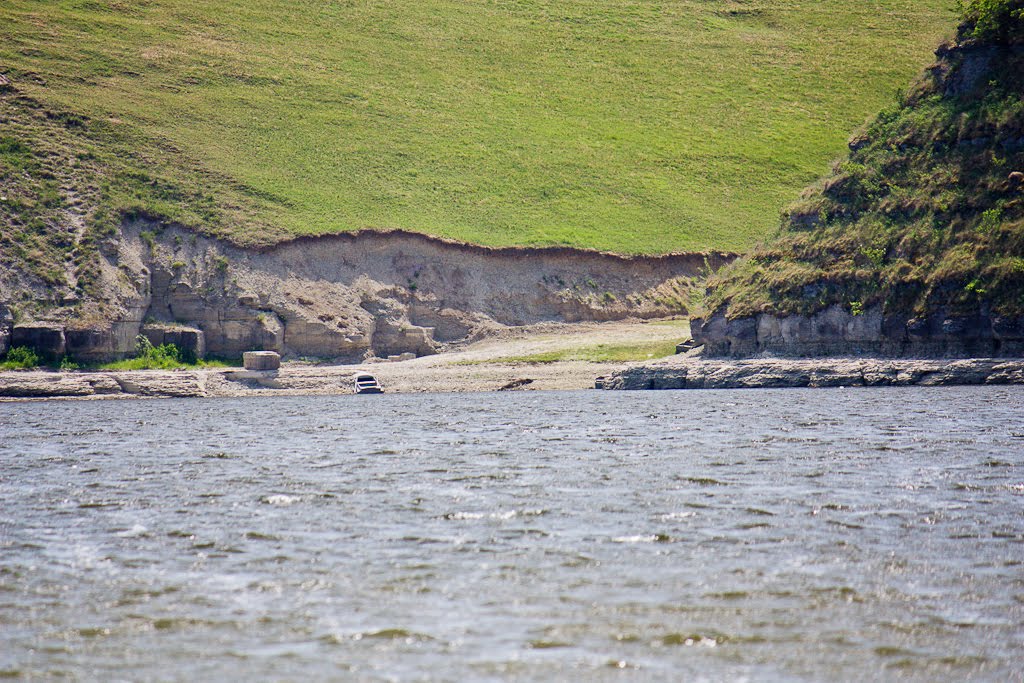
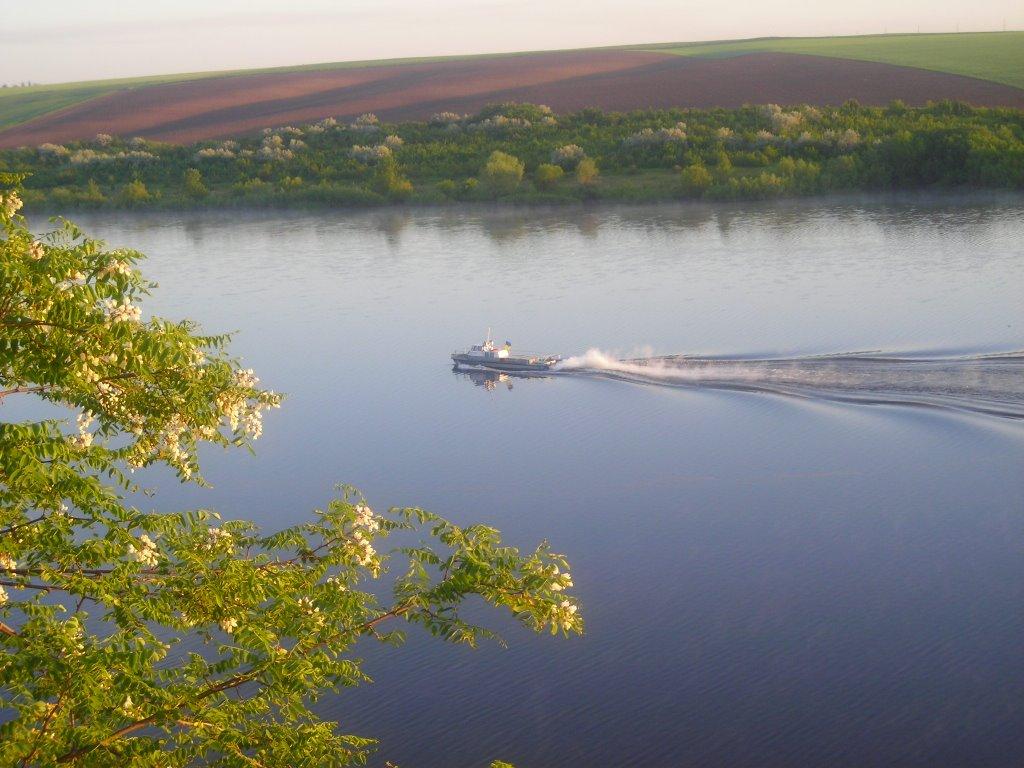
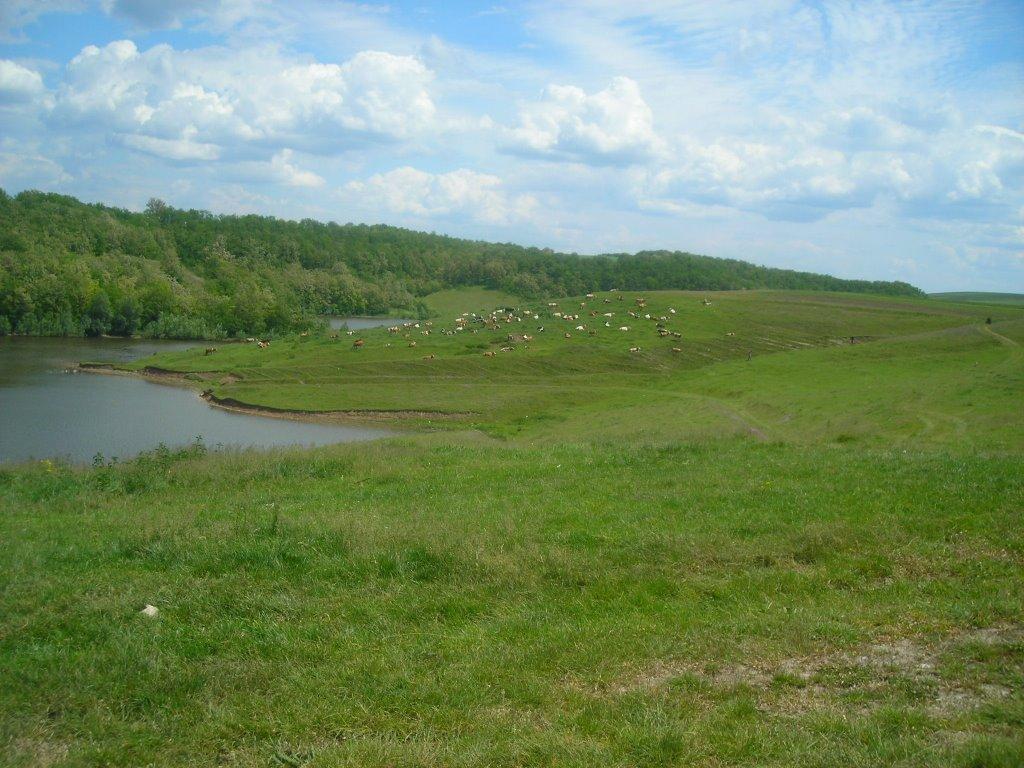
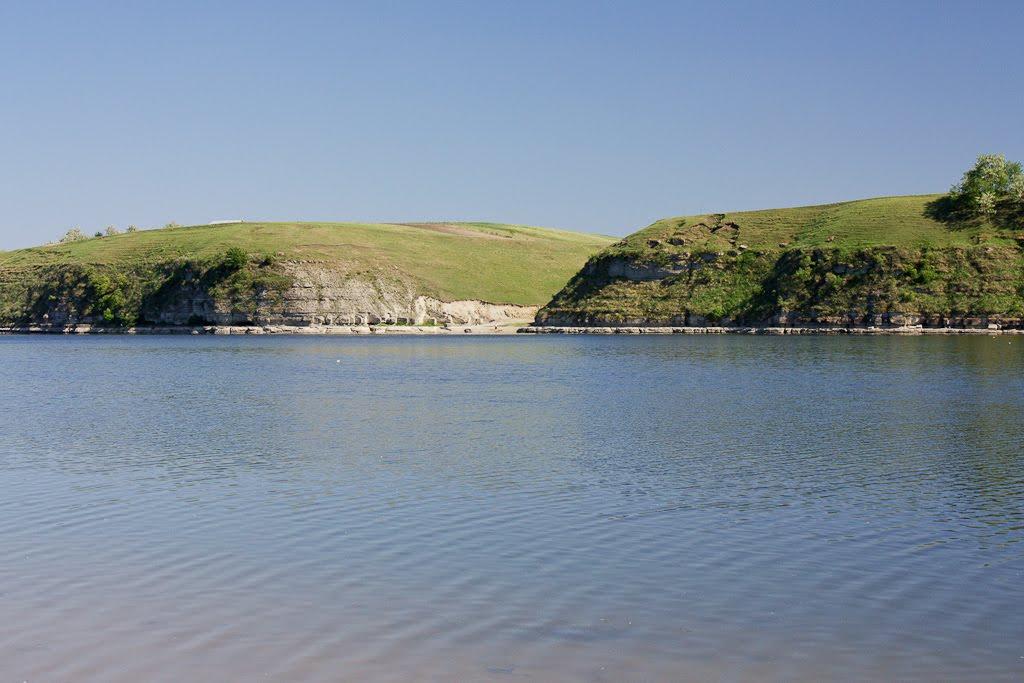
Moshanets is a village in Ukraine, in the Chernivtsi region, Kelmenets district. The area of the present-day village has been inhabited since ancient times. In the Early Iron Age, the area was part of the Scythian lands. Sometime in the second century, Germanic tribes of Spolii and Goths passed through these lands, probably displacing the Scythians (but this is not known for certain). The Spolii lived for some time in the Transnistrian region, and later they, followed by the Goths, moved down to the Danube. This is around the third to fifth centuries A.D. In the sixth century, Northern Bessarabia was part of the habitat of the Western Antes.
In the tenth and twelfth centuries, the territory where the village stands was part of Kyivan Rus. In the middle of the twelfth century, the area between the Dniester and Prut rivers was cut off from Rus by the Polovtsians. The Rusychs who lived along the Dniester (descendants of Ulichs and Tivertsi) went to the forests of the coded zone of Moldova and the Khotyn forest zone. In the twelfth and thirteenth centuries the territory of the present village was almost on the very border of the Galicia-Volyn principality. The border passed by the village of Halychyna (now Sokyryany district) and it is not known whether the territory currently occupied by the village was part of the Galicia-Volyn principality, nor is it known whether a settlement existed at that time on the site of Romankivtsi. The Galicia-Volhynia principality later fell under the rule of the Golden Horde. In 1345, when Hungarian troops defeated the Tatars and expelled them from the right bank of the Dniester, the territory was ceded to Hungary, and from the mid-14th century it became part of the Moldovan state.
In 1768, another Russian-Turkish war broke out, lasting until 1774. In 1769, the territory was liberated from the Turks by the Russian army under the command of Field Marshal Prince A. A. Prozorovsky. The fighting took place on the territory of the modern Kelmenets district. It is known for certain that on April 16, 1769, a significant part of the army, together with the prince, stopped for a rest in the village of Romankivtsi. On April 17, the army moved to a camp near the village of Novoselytsia, and in the evening it moved to the village of Nelipivtsi.
After the end of the Russo-Turkish war, Moshanets (as well as all of Bessarabia) became part of the Russian Empire. More precisely, formally at that time it was a neutral territory that was not subject to settlement by either the Turkish or Russian sides, but in fact it was under Russian control.
According to the Treaty of Bucharest of 1812, signed between Turkey and Russia, this territory was finally annexed to Russia. The village became the volost center of the Khotyn district of the Bessarabian province. The administrative center of the province was Chisinau, a former monastery.
After the October Revolution of 1917, namely at the end of February 1918, Austro-German troops captured Moshanets. After the collapse of Austria-Hungary in November 1918, the village was seized by Boyarist Romania. Bloody terror, ruthless robbery, and forced requisitions began. The Khotyn uprising broke out.
For a long time, from the beginning of the Romanian occupation, the Haidamak group of Polishchuk and Buda operated in the Khotyn district, brazenly robbing landowners, representatives of the Romanian authorities, and Jews who served the occupiers. Polishchuk and Buda distributed almost all of the loot to the peasants. People composed legends about them, and even a song in Moldovan. Polishchuk was a former non-commissioned officer in the tsarist army, a literate man. Buda was an illiterate peasant, but no less desperate. The authorities managed to arrest the Haidamaks several times, but they always escaped and continued their struggle. However, after some time, the gendarmes caught Polischuk once again and, in order to get rid of him, provoked him to escape, but he was shot dead during this attempt. Buda was imprisoned, released by Soviet troops, fought and died heroically at the front.
The struggle of the working peasantry against the Romanian nobleman's oppression and for reunification with Soviet Ukraine did not stop until June 28, 1940. The workers of Moshants greeted their liberators-brothers with great joy.
Comments
Travellers’ experience: reports, tips, questions.
No one has written here yet. Be the first — your experience helps others.
What's nearby
Video

What to visit
Landmarks, museums and places of interest near Moshanets.
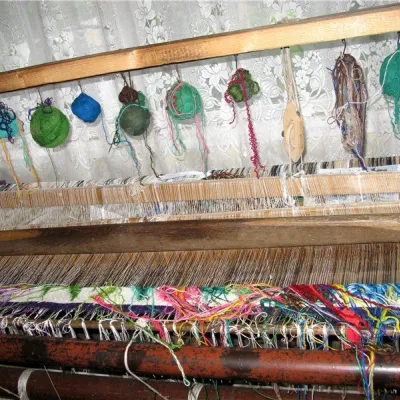 MuseumMuseum of carpet weavingNahoryany11 km from the centreIn the small village of Nahoryany on the banks of the Dniester, there is a unique carpet weaving museum for Bukovyna.
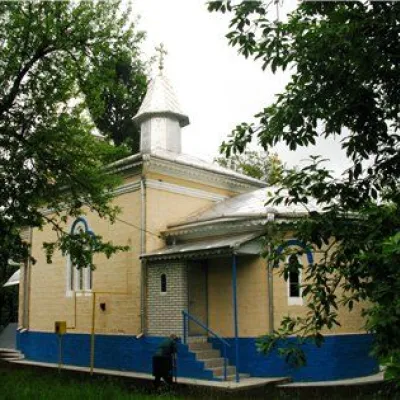 ChurchChurch of the Nativity of the Blessed Virgin MaryNahoryany11 km from the centreThe small church is located in the village of Nahoryany and belongs to the Hrushevske village council of the Kelmenets district.
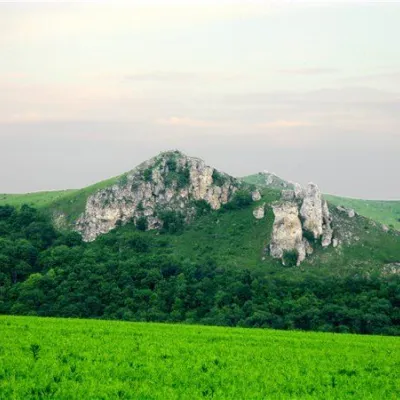 ArchaeologyCone hillsNahoryany11 km from the centreOn the bank of the Dniester, conical hills with picturesque rock formations rise on the bank of the river - this is the Govdy or Shyshkovi Hory (Cone Hills) tract.
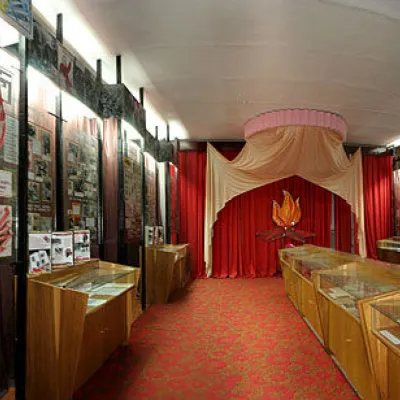 MuseumMuseum of military gloryKelmentsi11 km from the centreThe Museum of Military Glory is located in the premises of the Kelmentsi Lyceum. Its exposition covers the events of World War II that affected the villages and towns...
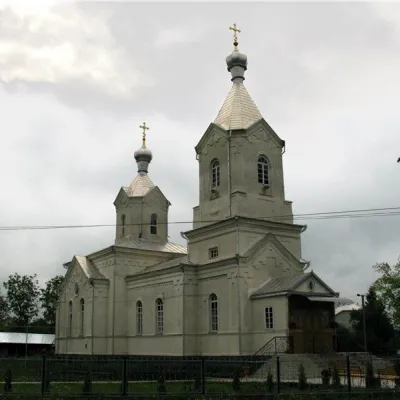 ChurchSt. Michael's ChurchKelmentsi11 km from the centreMichael's Church of 1892, an architectural monument of the Kelmentsi district, a park area with three ponds, cozy pedestrian alleys and wooden sculptures.
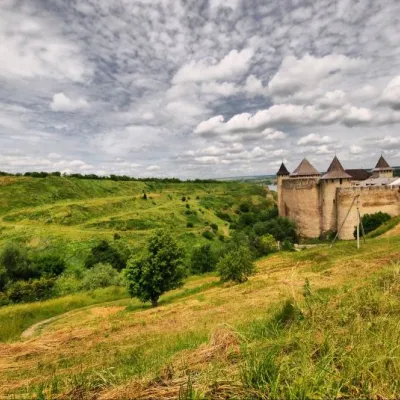 CastleKhotyn Fortress KhotynKhotyn15 km from the centreThe history of the ancient Bukovinian city of Khotyn is a story of fierce wars, great uprisings, glorious victories and terrible defeats, a story of fierce battles for...
Where to stay
Hotels, sadybas and cottages in and around Moshanets.
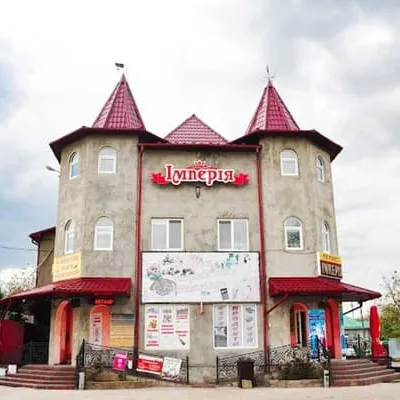 HotelImperiyaKhotyn17 km from the centreParkingWi‑FiPetsNearby: Khotyn Fortress Khotyn 2.6 kmfrom 1 100 UAH per night
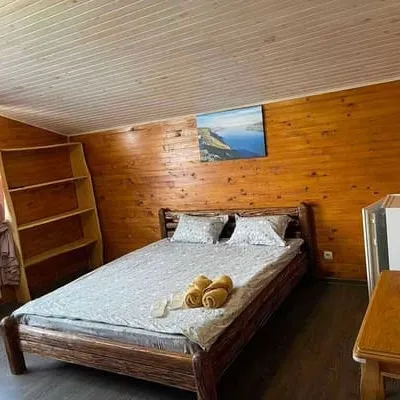 HotelParadise HouseKelmentsi24 km from the centrePoolSaunaBreakfastNearby: Church of the Intercession 6.1 kmfrom 1 200 UAH per night
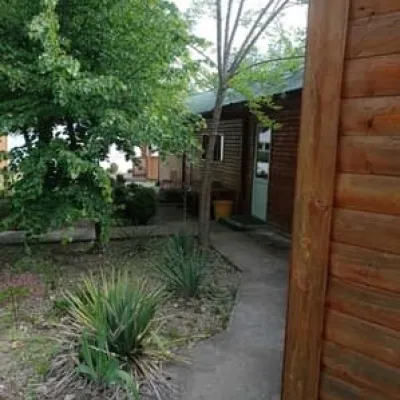 CottageBerizkaSokyryany46 km from the centreBBQParkingWi‑Fifrom 700 UAH per night
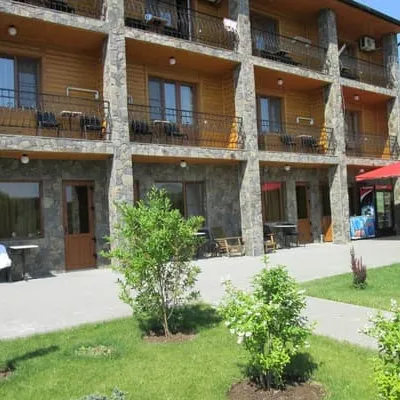 HotelPerlyna DnistraSokyryany46 km from the centreBBQParkingWi‑Fifrom 3 800 UAH per night
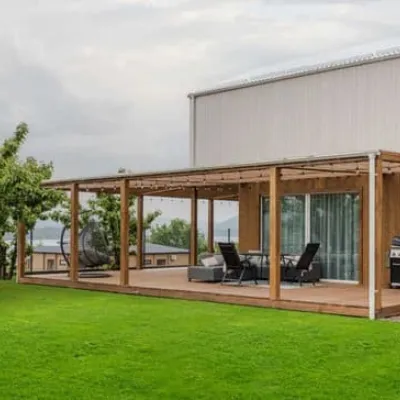 HotelMarveli HillSokyryany47 km from the centrePoolBBQParkingfrom 17 800 UAH per night
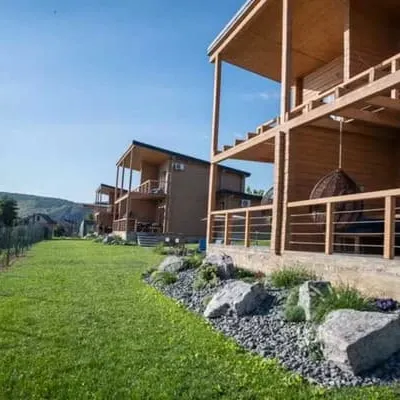 HotelRuteniaSokyryany47 km from the centreBBQParkingWi‑Fifrom 6 000 UAH per night