Sokyryany district
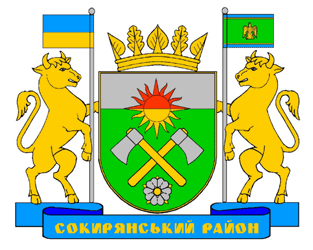
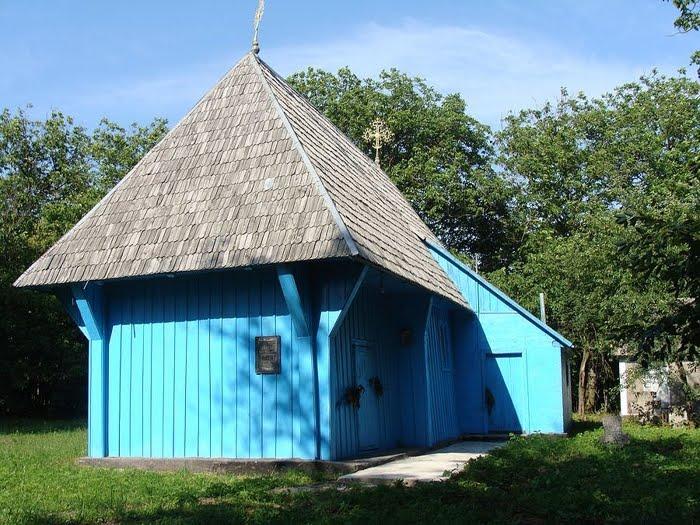
Sokyryany district is located in the east of Chernivtsi region in the forest-steppe zone, occupying the southeastern part of the Prut-Dniester interfluve. The area is 670 square kilometers. The distance to Chernivtsi is 156 km by road and dirt roads and 163 km by rail. The district is bordered by Kelmenets district in the west, Khmelnytskyi region in the north, Vinnytsia region in the east, and the Republic of Moldova in the south. The length of the controlled Ukrainian-Moldovan border is almost 70 kilometers. The district includes the city of Novodnistrovsk, which was founded in 1973 and received the status of a city of regional significance on July 13, 2000. There are three railway stations in the district: Sokyryany, Romankivtsi, and Vaskautsi. Trains from Moscow, Kyiv, Chisinau, Odesa, Ivano-Frankivsk, and Chernivtsi pass through Sokyryany railway station.
The district center is the town of Sokyryany. The Sokyryany district was formed in 1940, and since 1965 it has included 29 settlements, the main ones being: Lopativ, Kulishivka, Korman, Kobolchyn, Ozheve, Mikhalkove, and Neporotovo. The area of the district is 661 km². The population is 44,533 people (as of February 1, 2012), with an urban population of 9.6 thousand people and a rural population of 36.1 thousand people. Housing in the Sokyryansky district is provided by the private and hotel sectors.
There are 50,000 hectares of hunting grounds in the Sokyryansky district. Dozens of game species are found here: wild boar, fox, hare, roe deer, deer and others.
There are 5 industrial enterprises in the district, 4 of which produce consumer goods. The district has 45646 hectares of agricultural land, 35838 hectares of plowed land, 4060 hectares of gardens, and 13937 hectares of forests. There are 34 agricultural organizations operating in the district. They grow cereals, legumes, sugar beets, sunflower, produce milk and meat.
There are 36 preschools, 28 secondary schools, and 1 vocational school in the district. Healthcare is represented by 4 hospitals, 4 polyclinics, 24 paramedic and obstetric stations. There are 27 clubs and 29 libraries in the district.
Include in sightseeing tours:
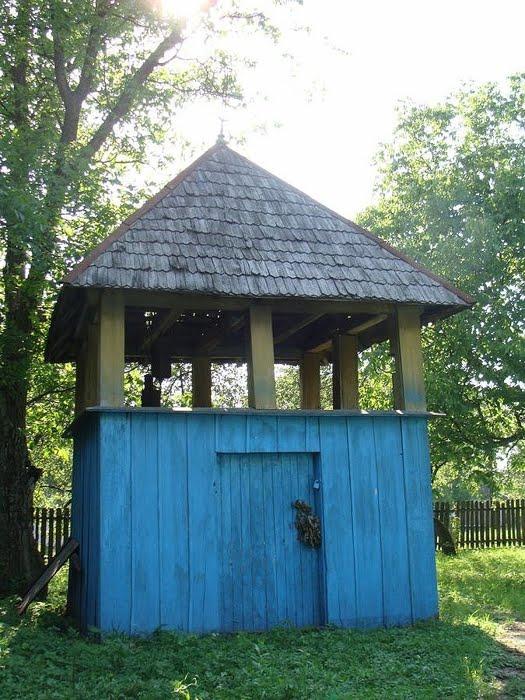
- St. Dmitry's Church (1794) with a bell tower (late nineteenth century) in the village of Bilousivka;
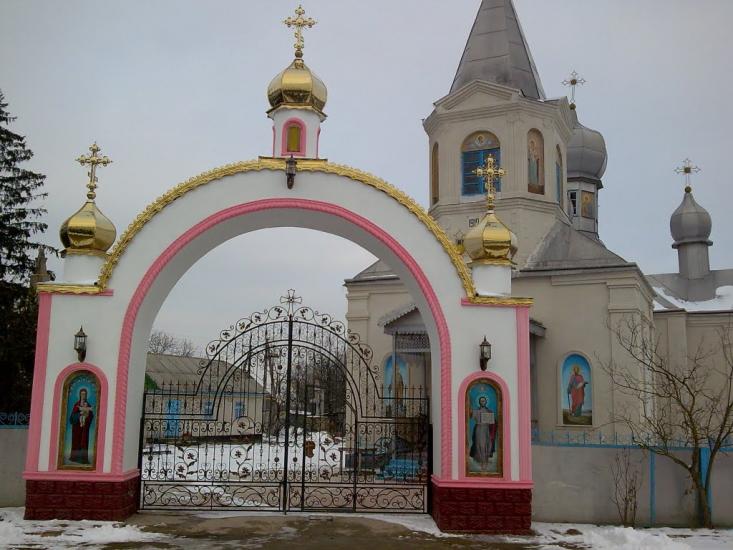
- The Church of St. Demetrius of Thessalonica (1911) in the village of Bilousivka;
- Dniester hydroelectric power plant with a reservoir in Novodnistrovsk.
The district's subsoil is rich in brick and tile raw materials, limestone, sand, and gravel-sand mixture. And in the village of Ozheve, there is a powerful mineral water spring.
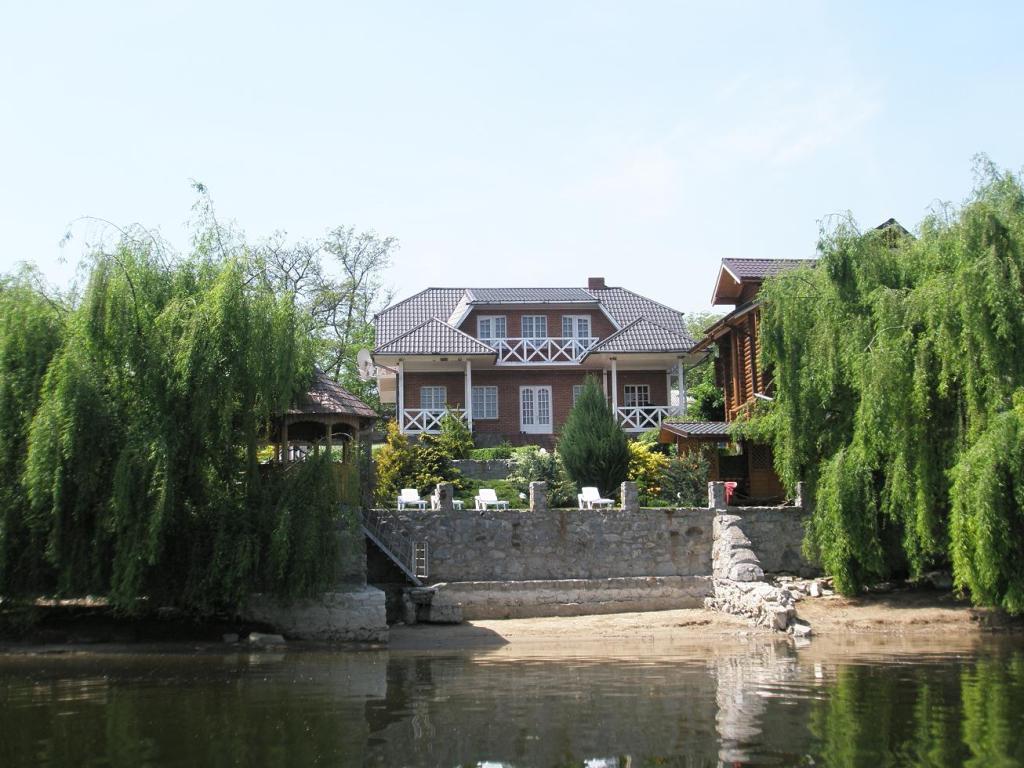
TheSokyryansky district is a magical corner of Bukovyna, attracted primarily by the magnificent views of the Dniester steep slopes, green forests with lush spring blooms and abundant autumn gardens.
The first mention of the Sokyrian region dates back to the 16th century, when Ottoman troops invaded Moldova and Bukovyna. Peasants fled to escape Turkish enslavement. The fugitives were attracted by impenetrable forests rich in mushrooms, berries, game, spring water, and stone caves. The district center of Sokyryany lies in the valley of the small Sokyryanka river, which flows into the Dniester, the pride and jewel of the region. The earliest written mention of Sokyryany dates back to 1666. The name Sokyryany is found in documents of the seventeenth century, apparently derived from the word "axe," because the pioneer settlers had to work hard with it to win a place to live in the forest. Not far from Sokyryany there is a field called Sokyra. The main occupation of the population was farming and cattle breeding. Part of the population was engaged in crafts and trade. In 1770. Sokyryany became a center of trade.
In the second half of the XIX century, local industry began to develop. A small butter factory, two enterprises producing mineral fruit waters, and woodworking began to develop in Sokyryany.
In January 1918, Soviet power was proclaimed in the Sokyryany region, and the confiscation of landowners' lands began. In 1918, Bessarabia, including Sokyryanska oblast, was occupied by Austro-German troops, and later by Royal Romania. After liberation in 1940, Sokyryany district was formed, and since 1965 it has included 29 settlements.
Tourist attractions
There are landscape reserves of local importance in the Sokyryanskyi district.
- The Shebutynetskyi ravine is a typical landscape complex in the Transnistrian part of the North Bessarabian physiographic region with forests on the steep slopes of a deep ravine with valuable geological and geomorphological formations.
- The Galician Wall is a valuable natural complex of the slopes of the Dniester River canyon and its tributaries with forest vegetation, picturesque geomorphic and valuable geological formations (caves, rocks, geological outcrops).
- Vasylivsky Yar is a typical landscape complex in the Transnistrian part of the North Bessarabian physiographic region with forests on the steep slopes of a deep ravine with valuable geological formations.
The decoration of our region is certainly the large, beautiful and charming Dniester. The Dniester is the largest river of the Ukrainian Carpathians, which originates on the northwestern slope of Mount Rozluch in Lviv region, 760 meters above sea level. The river flows along the northern border of the region from west to east for 272 km (total length 1360 km, basin area 72.1 thousand square kilometers). A characteristic feature of the Dniester's regime is frequent flooding throughout the year. The large tortuosity of the riverbed in the middle reaches of the Dniester causes congestion during spring ice drift and flooding of adjacent areas. Therefore, in 1972, a decision was made to start construction work on the Dniester Integrated Hydroelectric Power Plant. The beginning of the history of the Dniester reservoir is 1973, the year the construction of the Dniester HPP-1 began.
The Dniester Reservoir was created on a territory peculiar in its natural and economic conditions, which included mainly areas of the river floodplain and adjacent terraces. These complexes, being artificial in origin, are increasingly acquiring the features of natural objects and becoming an integral part of natural landscapes. The main reservoir of the Dniester Integrated Hydroelectric Complex is located in the middle part of the Dniester River in Chernivtsi, Khmelnytskyi, Vinnytsia, and Ternopil regions. The Dniester River valley, within which the reservoir is located, is a canyon with a bank height of 150 meters.
The picturesque banks of the Dniester River always attract tourists with their beautiful scenery and the opportunity to relax and improve their health. One of the most beautiful parts of the reservoir is the Vyshneva tract in the villages of Lomachyntsi, Neporotove, Mikhalkove, Korman, and Bratanivka. But the Dniester not only provides beauty and relaxation, it also works tirelessly in Sokyryany district, turning the turbines of the Dniester HPP-1. A little lower down, HPP-2 was built, and work continues on the construction of a pumped storage power plant, the largest PSPP in Europe.
What to visit
Landmarks, museums and places of interest near Sokyryany district.
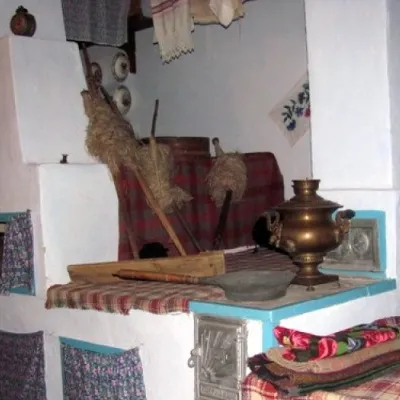 MuseumPottery MuseumKobolchyn14 km from the centreThevillage of Kobolchyn in the Sokyryany district has long been famous for its pottery traditions. Entire dynasties have been practicing this craft here since ancient...
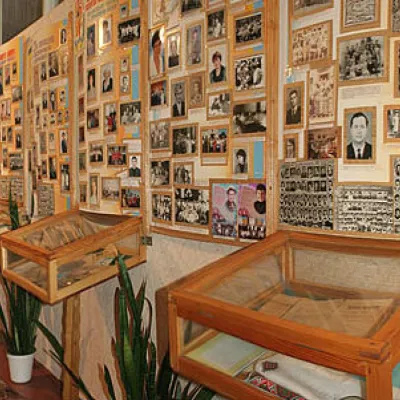 MuseumSokyryany Museum of School HistorySokyryany18 km from the centreIts exposition occupies one room in the building of school No. 1 and includes almost 500 exhibits. The documents and materials on display cover the history of the...
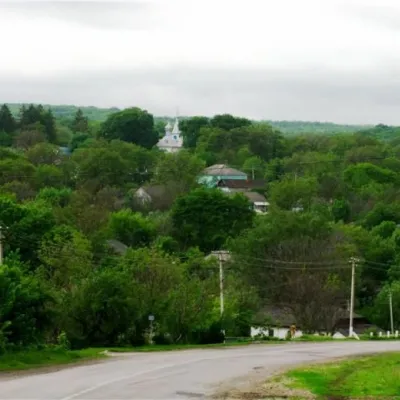 ChurchChurch of the IntercessionDnistrivka20 km from the centreIn 1756, Princess Maria Hickey and the local community built the first wooden church in the village of Dnistrovka, which burned down in 1883.
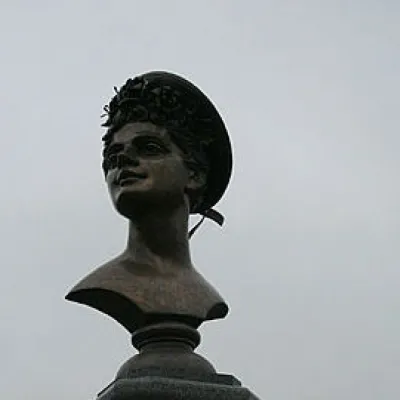 MuseumRoom-museum of Lidia Lypkivska (Lipkovska)Babyn24 km from the centreThe museum was opened in 2007 and is located in the library of the village of Babyn. The museum has 303 exhibits, 30 of which are original.
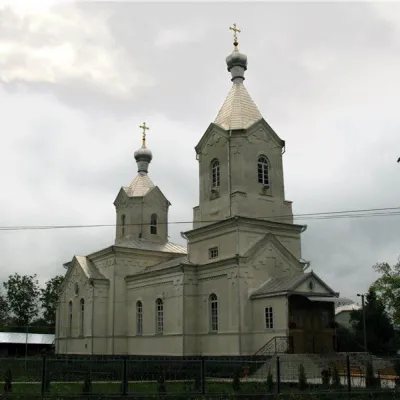 ChurchSt. Michael's ChurchKelmentsi26 km from the centreMichael's Church of 1892, an architectural monument of the Kelmentsi district, a park area with three ponds, cozy pedestrian alleys and wooden sculptures.
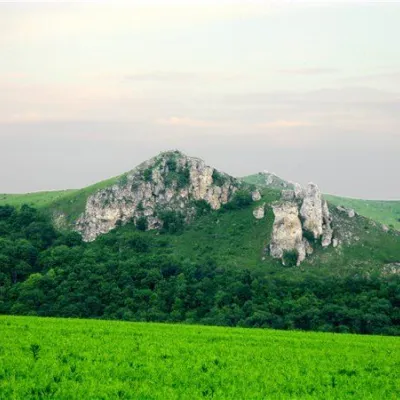 ArchaeologyCone hillsNahoryany29 km from the centreOn the bank of the Dniester, conical hills with picturesque rock formations rise on the bank of the river - this is the Govdy or Shyshkovi Hory (Cone Hills) tract.
What's nearby
Video