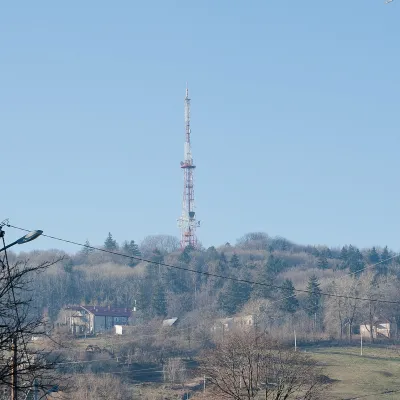
Kelmentsi


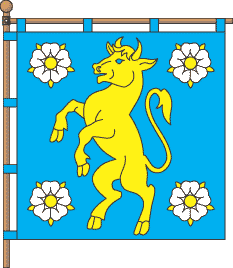
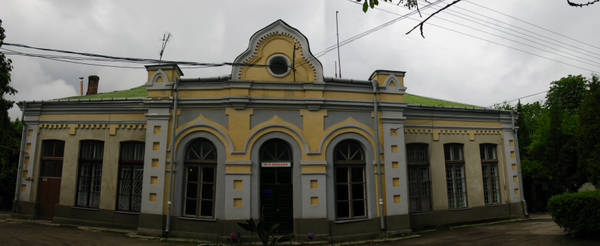
The urban-type settlement of Kelmentsi is the center of the district of Chernivtsi region. It is located on the Chernivtsi - Sokyryany highway, 4 km north of the Larga railway station. There is a control point across the state border with Moldova in the village of Kelmentsi - Larga. The population is about 8 thousand people. The real decoration of the town is the St. Michael's Church (1892), a park area with three ponds, cozy pedestrian alleys and wooden sculptures.
The distance to the regional center is more than 88 km and is reached by the P63 highway, which turns into the H03. The village has a checkpoint across the state border with Moldova, Kelmentsi-Larga. The Sursha River, a right tributary of the Dniester, flows through the village.
In the center of the village, in the Magala tract, there is a settlement of early Slavs of the so-called Cherniakhivska culture (II-V centuries AD). The written sources mention the foundation of Kelmentsi by a moneylender Kelman in 1559 under its modern name. The village was first mentioned in documents in 1559 under the name Kelmentsy. Its name changed several times. In 1642 it was called Kelmeshty, and in 1817 Kelmeschiy.
According to a folk legend, an innkeeper named Kelman was the first to settle on the territory of modern Kelmentsi. Over time, several houses appeared next to the tavern. Travelers called the innkeeper's estate Kelman's yard, and the people who served him were called Kelmentsi. There is evidence that from the middle of the eighteenth century the Kelmentsi population belonged to the category of Tsarans. The land on which they settled belonged to a feudal lord. Their main occupation was farming and cattle breeding. For the use of the land, the Kelmenians worked on the feudal lord's estate and performed various duties. According to the Regulations of 1749, the peasants had to work 24 days a year, give the feudal lord a tithe of the harvest, of the livestock, of bees, etc. In addition, the peasants were forced to pay large taxes to the state: per capita, property, etc. Since 1766, according to G. Gica's rules, the number of school days was reduced to 12. However, the amount of work per day was determined so that it could be completed in only 3-4 working days.
Thus, in fact, the amount of serfdom increased by 2-3 times. According to the "Points" issued by the Moldovan Diet in 1810, each draft farm of the tsar had to cultivate half a fraction of the lord's field, mow a fraction of the hayfield, give the lord tenths of his harvest, bring a cartload of firewood, supply 2 chickens, 100 dairy sheep, a mark of yarn, pay 10 leva annually for the so-called lord's days, etc. In fact, the landlord did not comply with these points, but constantly increased the duties and mistreated the population. In addition, the tsarists had to pay state taxes.
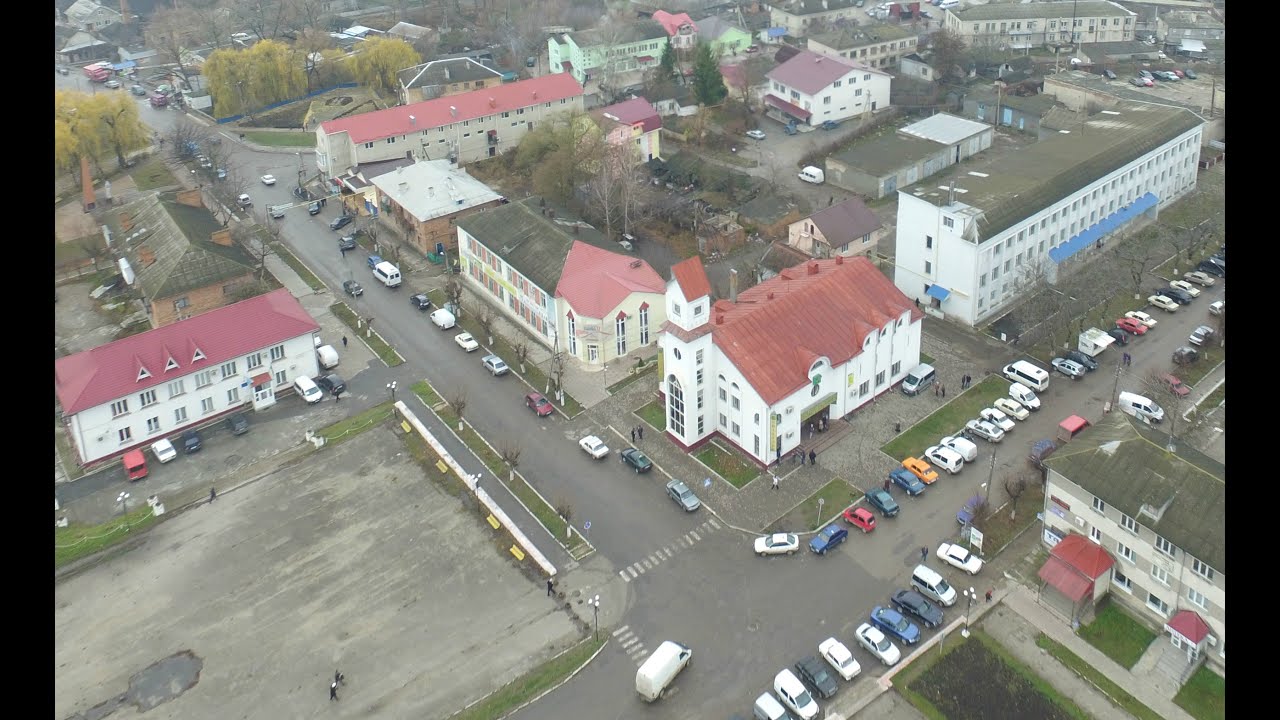
In 1898, the first school was opened in Kelmentsi. Kelmentsi received the status of an urban-type settlement in 1960. Today, Kelmentsi is a quite modern, albeit a bit sleepy, district center with proper infrastructure. It seems to have everything for a full life: modern shopping and sports complexes, a system of cultural and educational institutions, industrial and other enterprises.
Among the religious buildings of Kelmentsi, the St. Michael's Church of 1892, a local architectural monument, and a newly built prayer house stand out. There are several monuments in the center: a monument to Kelmentsi soldiers, a memorial sign in honor of the liberation of Kelmentsi, and a large mass grave on the square of the same name. But the real decoration of the town is the park area with three ponds, cozy pedestrian alleys and wooden sculptures.
Comments
Travellers’ experience: reports, tips, questions.
No one has written here yet. Be the first — your experience helps others.
What's nearby
Video 2

What to visit
Landmarks, museums and places of interest near Kelmentsi.
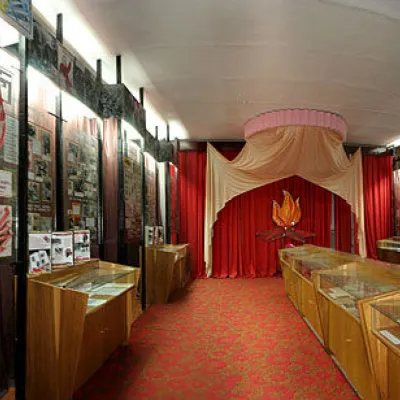 MuseumMuseum of military gloryKelmentsiunder 1 km from the centreThe Museum of Military Glory is located in the premises of the Kelmentsi Lyceum. Its exposition covers the events of World War II that affected the villages and towns...
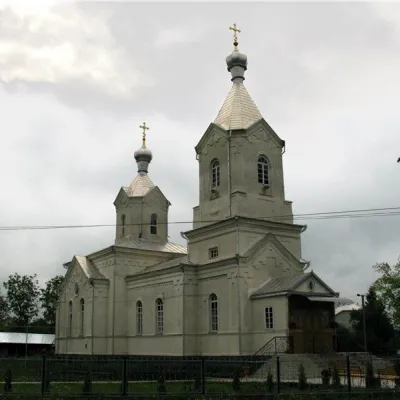 ChurchSt. Michael's ChurchKelmentsiunder 1 km from the centreMichael's Church of 1892, an architectural monument of the Kelmentsi district, a park area with three ponds, cozy pedestrian alleys and wooden sculptures.
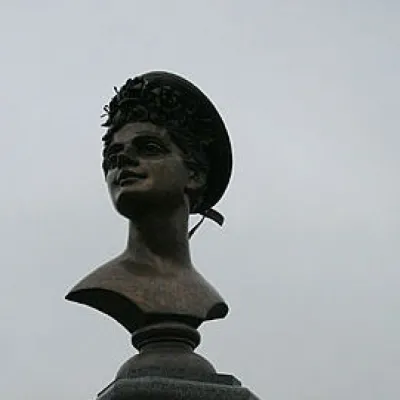 MuseumRoom-museum of Lidia Lypkivska (Lipkovska)Babyn8.9 km from the centreThe museum was opened in 2007 and is located in the library of the village of Babyn. The museum has 303 exhibits, 30 of which are original.
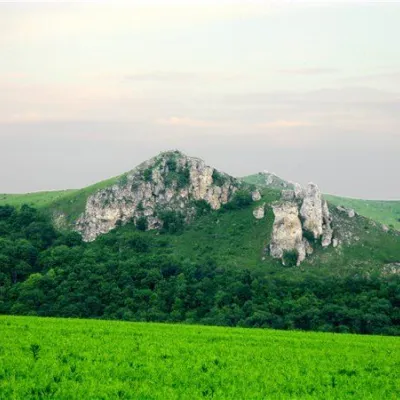 ArchaeologyCone hillsNahoryany12 km from the centreOn the bank of the Dniester, conical hills with picturesque rock formations rise on the bank of the river - this is the Govdy or Shyshkovi Hory (Cone Hills) tract.
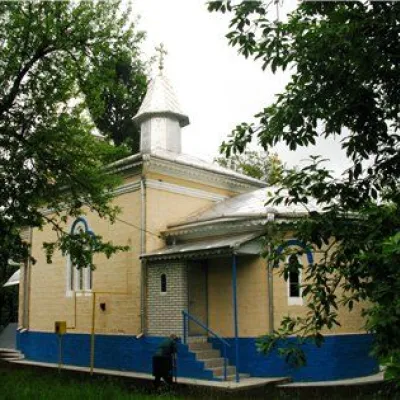 ChurchChurch of the Nativity of the Blessed Virgin MaryNahoryany12 km from the centreThe small church is located in the village of Nahoryany and belongs to the Hrushevske village council of the Kelmenets district.
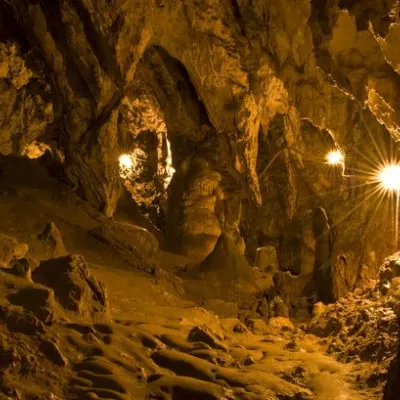 SightCinderella CaveDnistrovskyi district24 km from the centreOften caves are overgrown with mystical stories. Often, these are just fables that are invented to create a romantic or magical halo over the cave.
Where to stay
Hotels, sadybas and cottages in and around Kelmentsi.
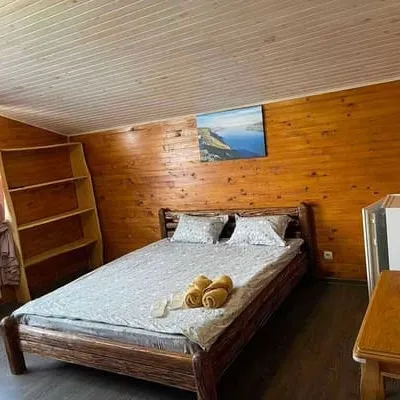 HotelParadise HouseKelmentsi17 km from the centrePoolSaunaBreakfastNearby: Church of the Intercession 6.1 kmfrom 1 200 UAH per night
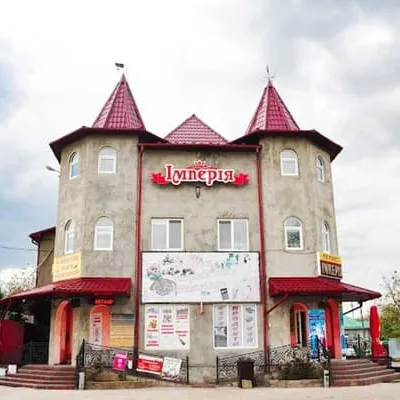 HotelImperiyaKhotyn29 km from the centreParkingWi‑FiPetsNearby: Khotyn Fortress Khotyn 2.6 kmfrom 1 100 UAH per night
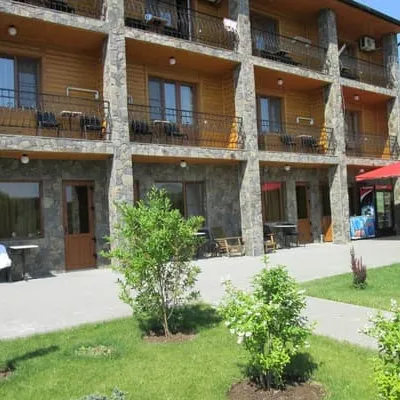 HotelPerlyna DnistraSokyryany37 km from the centreBBQParkingWi‑Fifrom 3 800 UAH per night
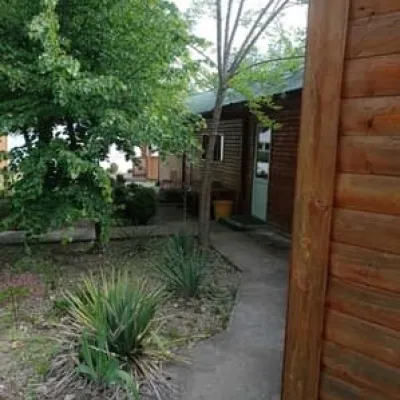 CottageBerizkaSokyryany37 km from the centreBBQParkingWi‑Fifrom 700 UAH per night
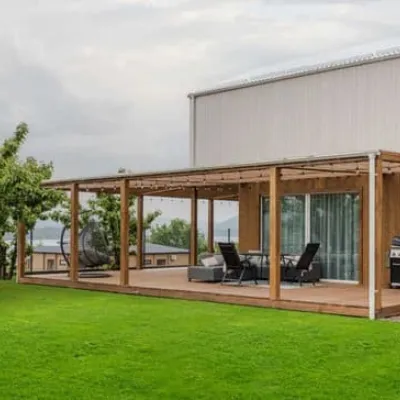 HotelMarveli HillSokyryany38 km from the centrePoolBBQParkingfrom 17 800 UAH per night
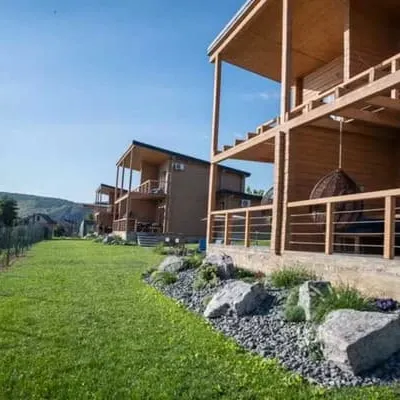 HotelRuteniaSokyryany38 km from the centreBBQParkingWi‑Fifrom 6 000 UAH per night