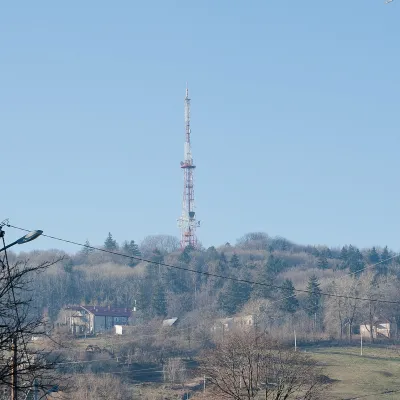
Babyn


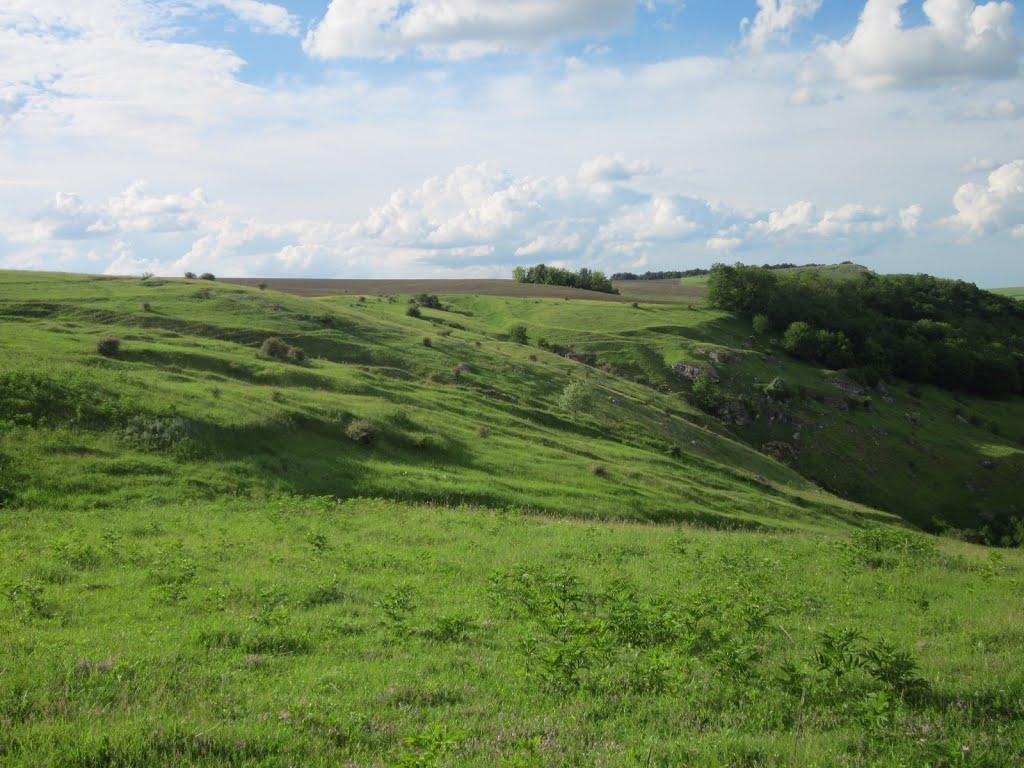
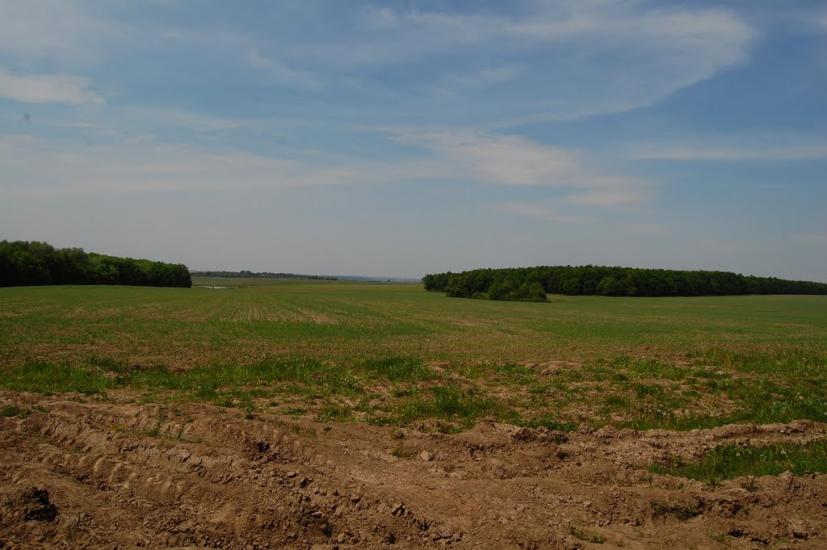
Babyn village is the center of the village council. The population is 2143 people (2007). The famous opera singer Lidia Yakivna Lipkivska (Lipkovska) was born in the village. Today, the village school is home to the "Lukash" creative collective, a group of pipers that has been awarded many diplomas and honors.
The village is located in the Kelmentsi district of Chernivtsi region, on the right bank of the Dniester, 8 km from the district center of Kelmentsi and 3 km from the Bur-dyuh railway station. The Bur-dyuh-Hrushevtsi highway passes through the village.
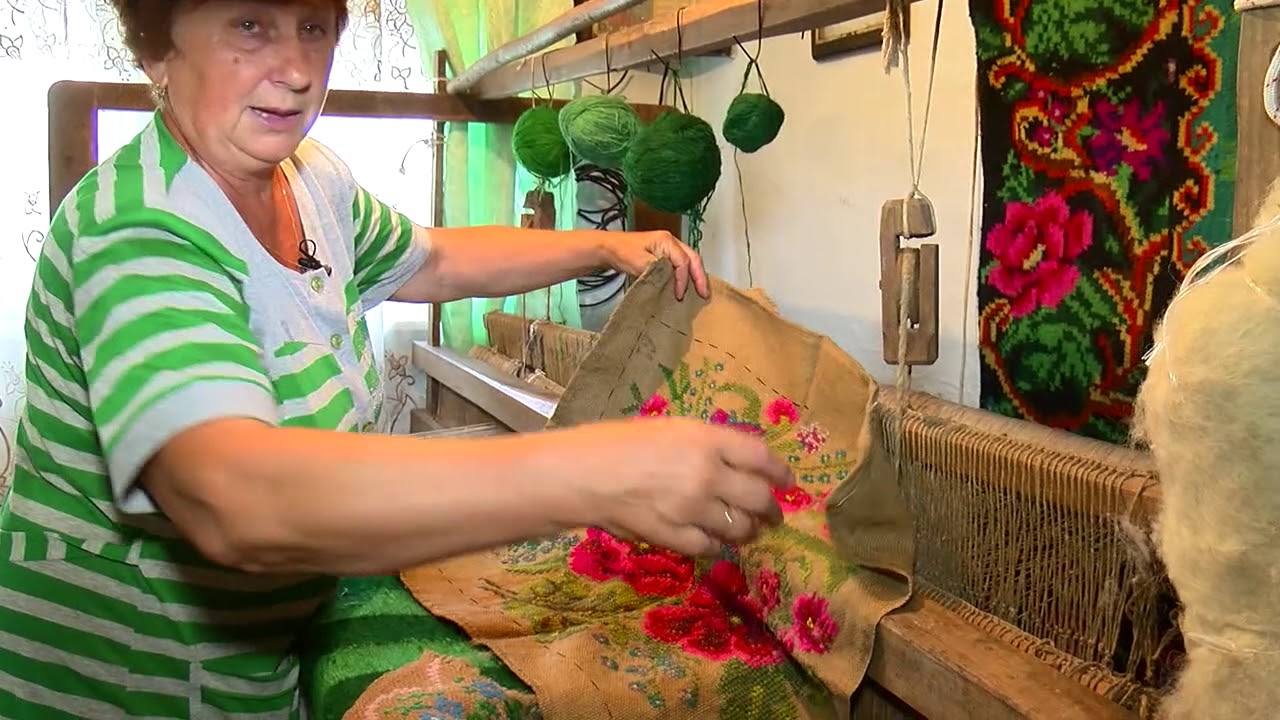
The village is famous for its carpet weavers, whose works have been exhibited at exhibitions in Kyiv.
Babyn is one of the most prosperous villages in the Kelmenets region. The village is conveniently located three kilometers from the state highway, and the road to the villages of Hrushevtsi and Nahoryany runs along the outskirts of the village, and the village is surrounded by forests to the north and east - all this gives the village a kind of coziness and attracts visitors. And the village is not far from the railway stations.
Already in a document dated May 20, 1601, we learn about the existence of the village of Babyn. It says that the voivode Jeremiah Movila gave half of the village of Babyn Khotyn in price to his brothers and sisters Anton and Petrashko, Medvynicharel and Vestenicharel. Ten Poleolithic sites were discovered on the outskirts of the village. The remains of a human dwelling were found in the Yama tract. There are settlements of the third and first millennia, of the Cherniakhivska culture, of the second and fourth centuries, and of the Slavs of the ninth and eleventh centuries. The Baba settlement is classified as an archaeological monument, and the Stinka forest area has become a protected area. A chapel and the remains of a cemetery have been preserved at the site of the village's foundation.
The current Holy Ascension Church of the Orthodox Church was built in 1886 and had 774 parishioners at that time. Our village of Babyn has a very long history of formation. The full-flowing Dniester River with its high banks, rocks and hills that stretched all the way to the Black Sea was the border that divided the lands of different landowners. Poor people lived and worked in bondage to the lords. They were forbidden to move from one lord to another, and were severely punished for it. Young men were taken into the army for many years. Hard labor and service in the tsarist army led people to death. In one family, the father was severely beaten by gendarmes for disobedience. He died soon after. A woman with young children remained. The eldest son was soon to serve in the army. The woman was very worried. She decided to run away, thus freeing herself from the slavery of the lord. She waited for a long time for the right moment. And then one day the lord went to a party far away from his estate. In the meantime, the woman with her eldest son and two younger children ran away from the lord across the Dniester. There was peace there. Around them was a wide, free steppe covered with grasses, shrubs, and forest. The woman chose a place near water. There was a spring river flowing here. There she built a house and settled down with her children. Years passed, people fled from their lords and settled in free lands. After decades, the free steppe inhabited by the fugitives turned into a village. It was already called Babyn Khutor. The settlement expanded. And soon the small hamlet turned into a village. No one knew the name of the woman who first settled on these lands. That is why the village retained the name of the first woman (baba, as people called women) - Babyn.
Some local landscapes of the village have also become legendary. Thus, there are legends about "Hupalo", "Doors", "Red Grave", and "Devil's Stone". These legends can be found in the village library.
What's nearby
Video 2

What to visit
Landmarks, museums and places of interest near Babyn.
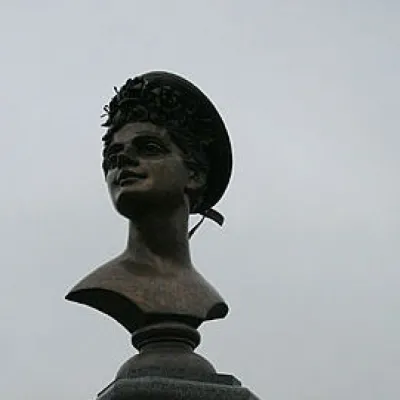 MuseumRoom-museum of Lidia Lypkivska (Lipkovska)Babynunder 1 km from the centreThe museum was opened in 2007 and is located in the library of the village of Babyn. The museum has 303 exhibits, 30 of which are original.
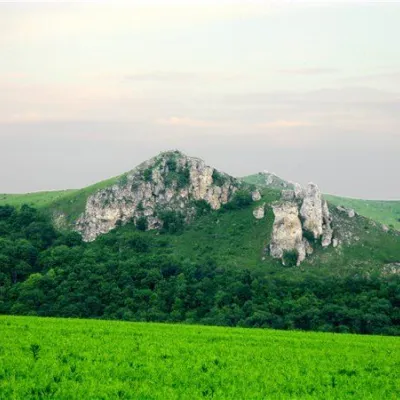 ArchaeologyCone hillsNahoryany4.8 km from the centreOn the bank of the Dniester, conical hills with picturesque rock formations rise on the bank of the river - this is the Govdy or Shyshkovi Hory (Cone Hills) tract.
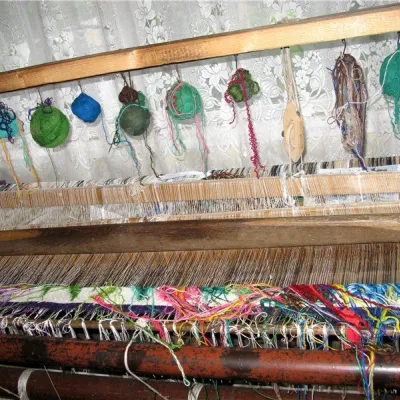 MuseumMuseum of carpet weavingNahoryany4.8 km from the centreIn the small village of Nahoryany on the banks of the Dniester, there is a unique carpet weaving museum for Bukovyna.
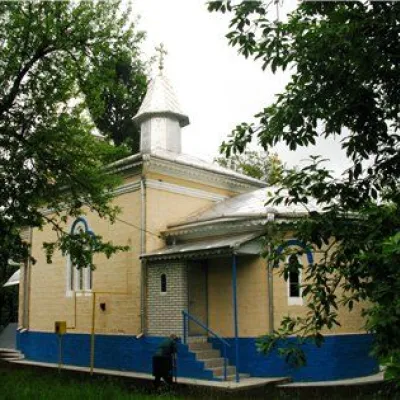 ChurchChurch of the Nativity of the Blessed Virgin MaryNahoryany4.8 km from the centreThe small church is located in the village of Nahoryany and belongs to the Hrushevske village council of the Kelmenets district.
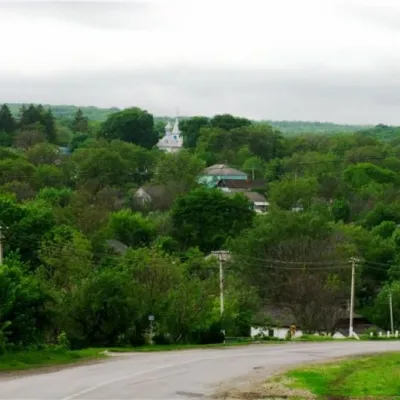 ChurchChurch of the IntercessionDnistrivka4.8 km from the centreIn 1756, Princess Maria Hickey and the local community built the first wooden church in the village of Dnistrovka, which burned down in 1883.
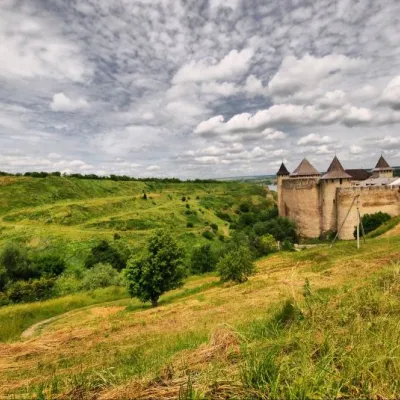 CastleKhotyn Fortress KhotynKhotyn26 km from the centreThe history of the ancient Bukovinian city of Khotyn is a story of fierce wars, great uprisings, glorious victories and terrible defeats, a story of fierce battles for...
Where to stay
Hotels, sadybas and cottages in and around Babyn.
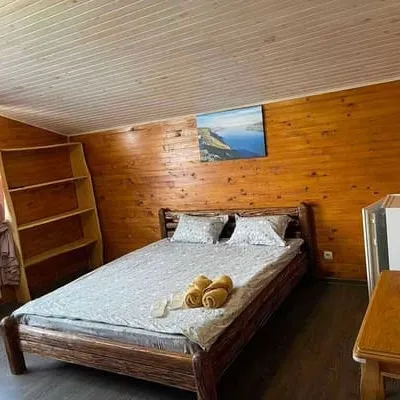 HotelParadise HouseKelmentsi11 km from the centrePoolSaunaBreakfastNearby: Church of the Intercession 6.1 kmfrom 1 200 UAH per night
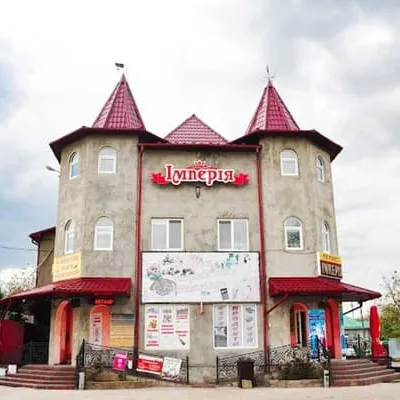 HotelImperiyaKhotyn28 km from the centreParkingWi‑FiPetsNearby: Khotyn Fortress Khotyn 2.6 kmfrom 1 100 UAH per night
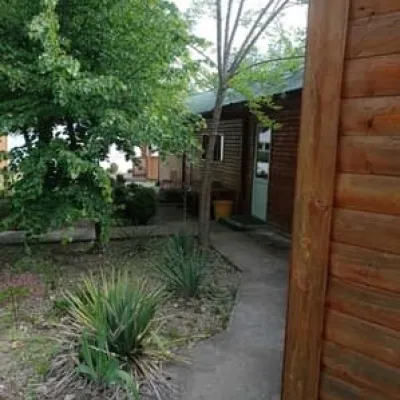 CottageBerizkaSokyryany33 km from the centreBBQParkingWi‑Fifrom 700 UAH per night
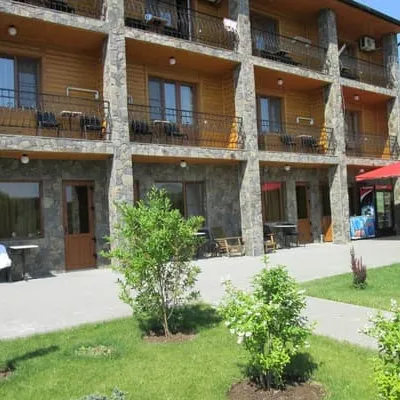 HotelPerlyna DnistraSokyryany33 km from the centreBBQParkingWi‑Fifrom 3 800 UAH per night
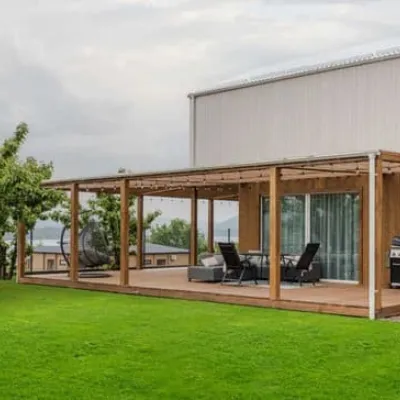 HotelMarveli HillSokyryany33 km from the centrePoolBBQParkingfrom 17 800 UAH per night
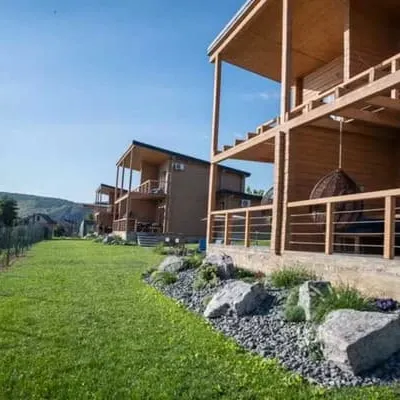 HotelRuteniaSokyryany33 km from the centreBBQParkingWi‑Fifrom 6 000 UAH per night