Slatina Monastery: the burial place of Prince Alexandru Lăpușneanu
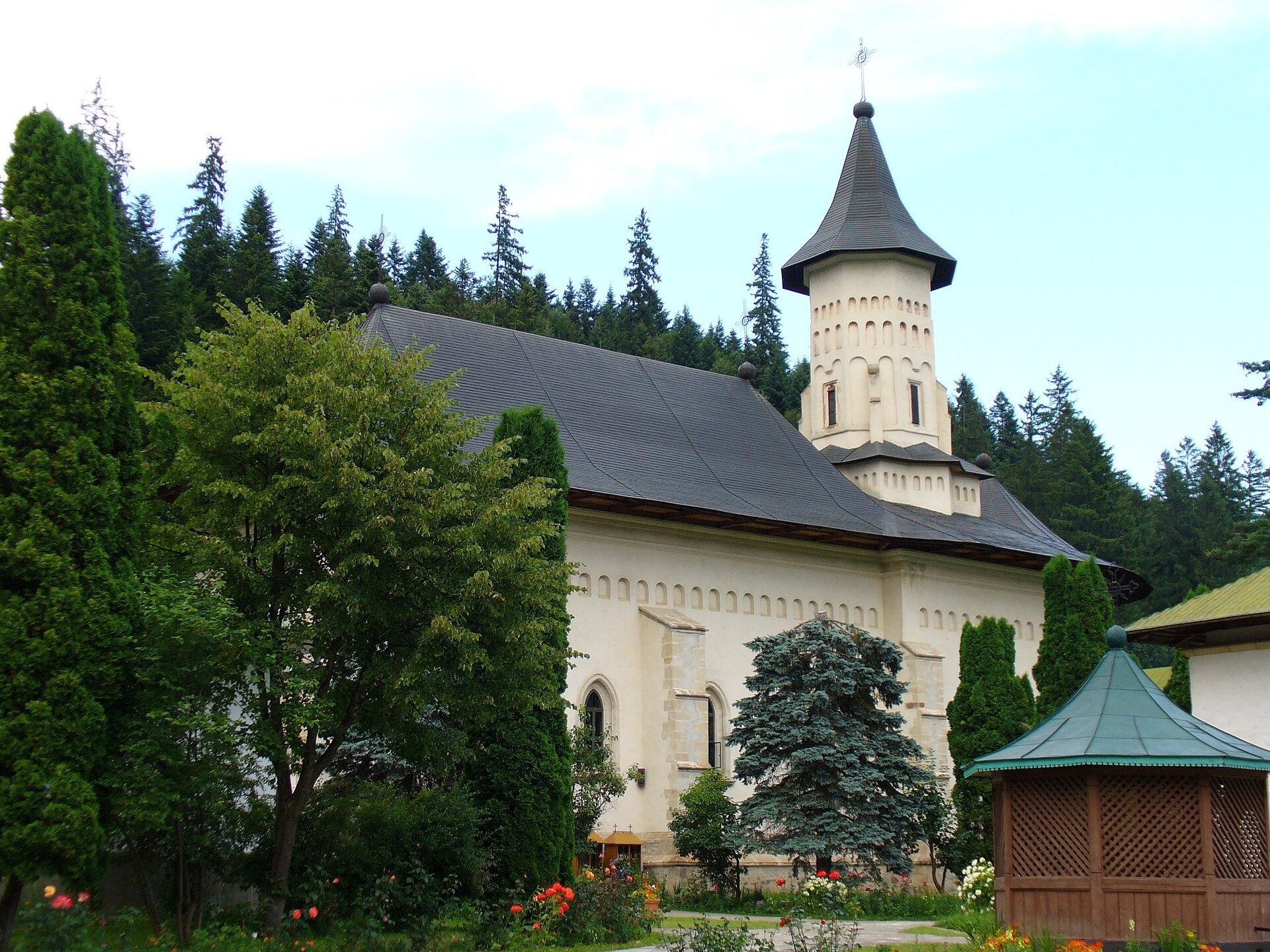
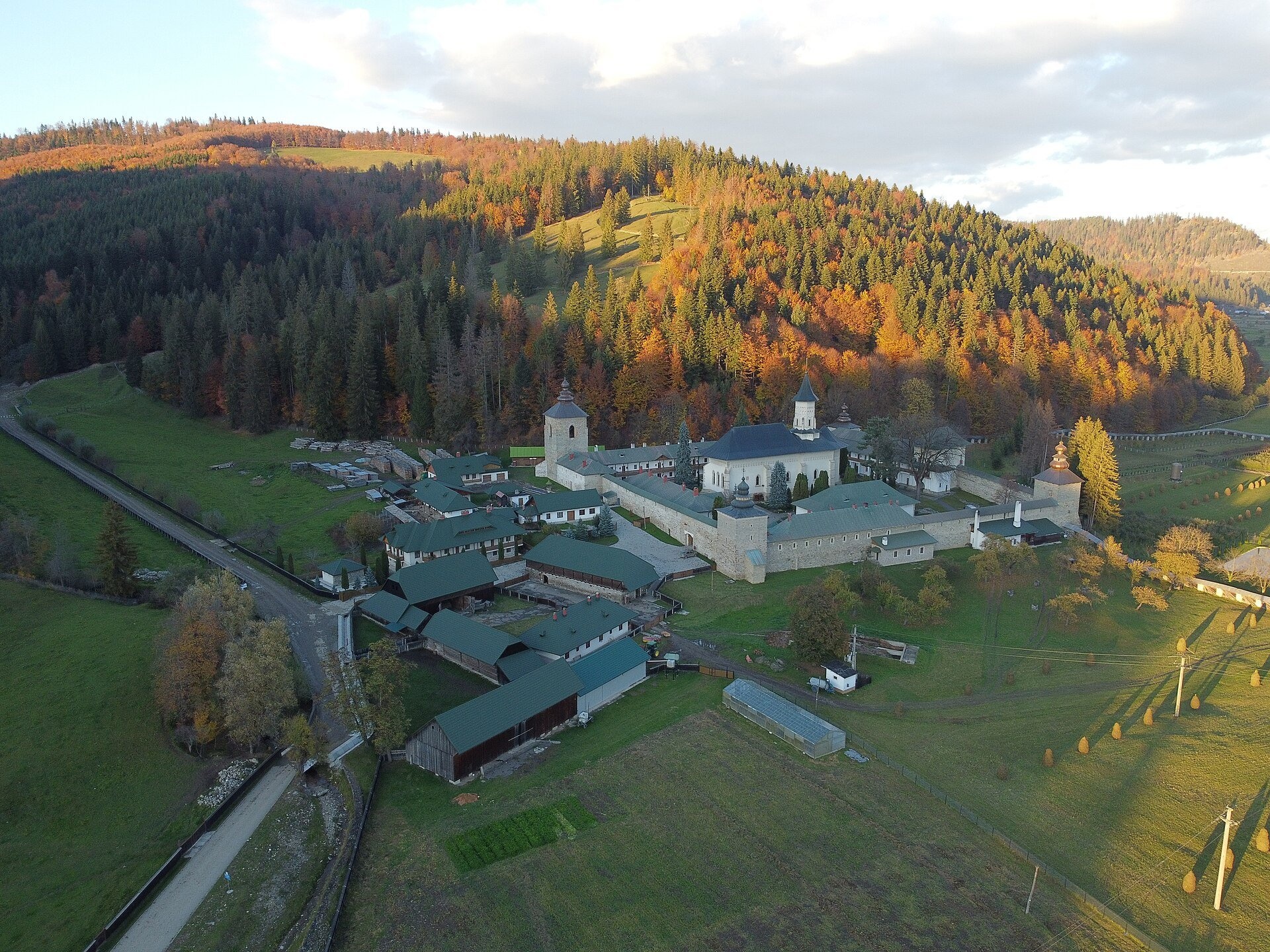
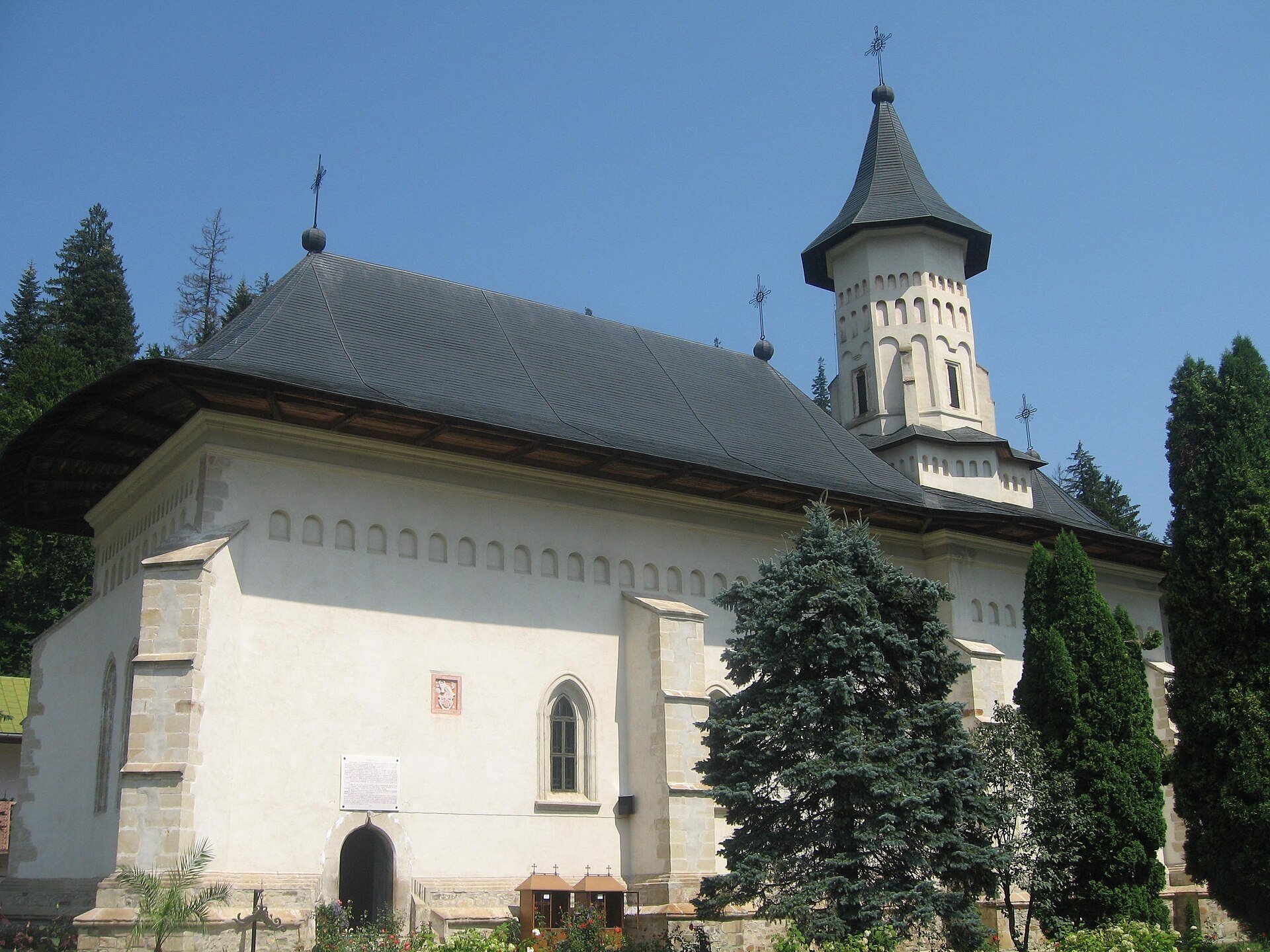
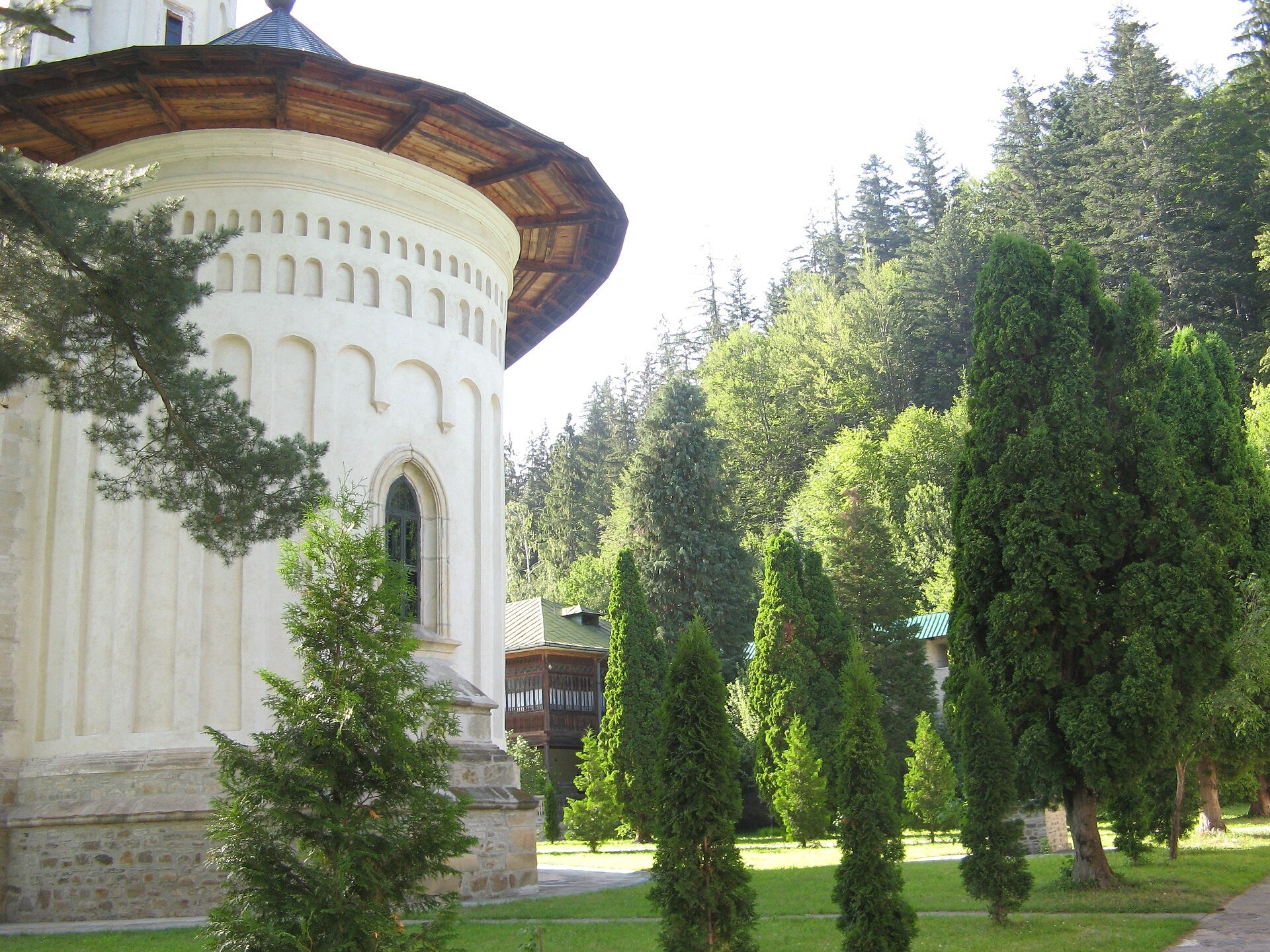
Slatina Monastery (Mănăstirea Slatina) stands in the wooded valley of the Suha Mică stream at the foot of the Stânișoara Mountains, in the village of Slatina in southern Bucovina. It is an active Orthodox convent of the Romanian Orthodox Church and one of the most interesting princely foundations of the 16th century: it was built by the Moldavian prince Alexandru Lăpușneanu, who is also buried here. The name comes from a salt-water spring, a "slatina", that once flowed nearby.
Alexandru Lăpușneanu's foundation
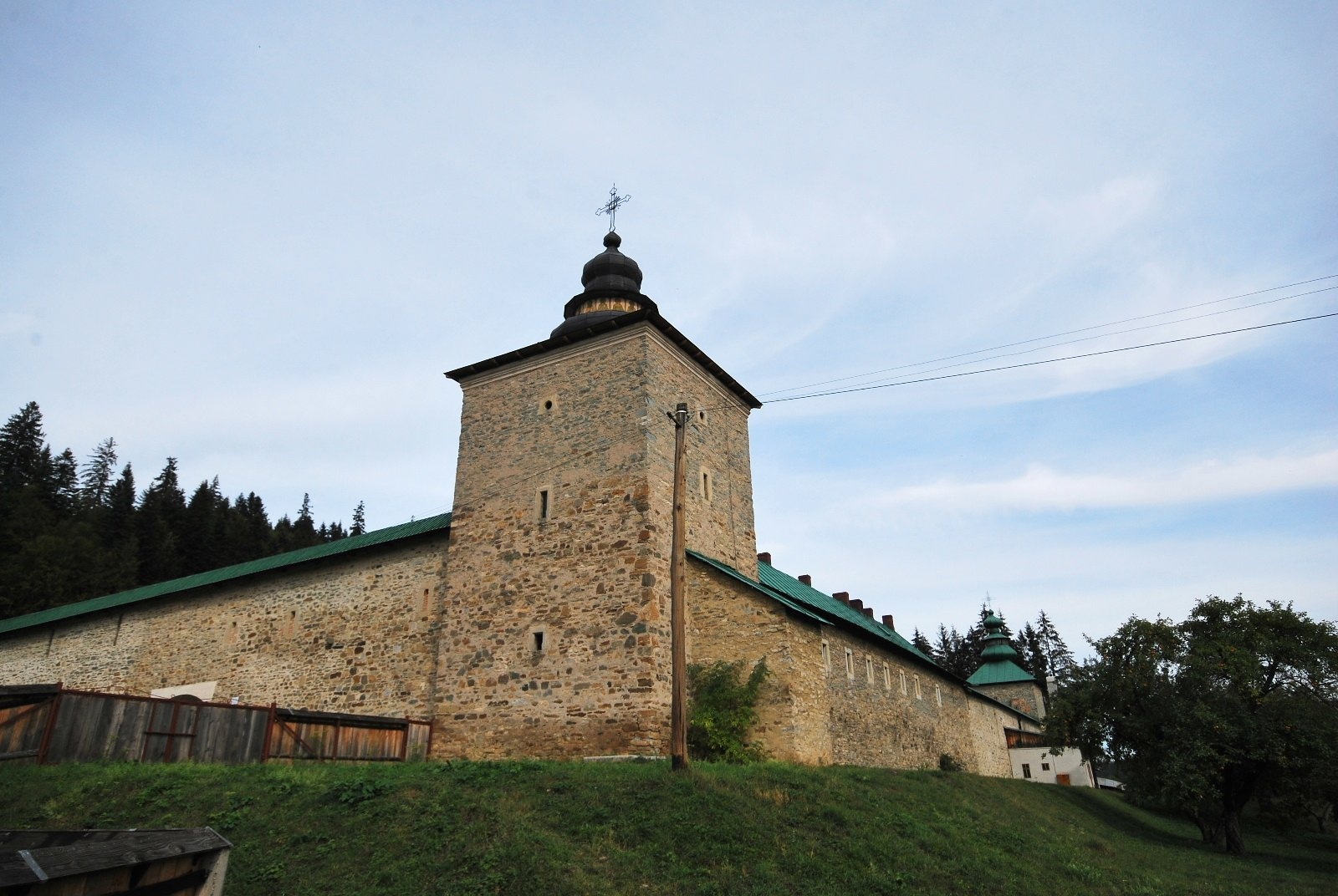
According to the legend, which the monastery itself retells, the hermit Pahomie saw lights in a great sycamore maple in a clearing and heard angelic singing, and the Mother of God told him in a dream to go to the prince and ask him to build a monastery here. Construction began in 1553, and on 14 October 1558 Metropolitan Grigorie Roșca consecrated the Church of the Transfiguration in the presence of 116 priests and deacons, as the chronicler Grigore Ureche records. The altar is said to stand exactly where the maple grew. Marble from Hațeg was brought for the decoration and lead from Poland for the roof. Later the monastery was surrounded by walls with bastions. In 1568 Lăpușneanu, gravely ill, took monastic vows under the name Pahomie and was buried in his church; beside him rest his wife Ruxandra, daughter of Petru Rareș, and their two daughters. The monastery survived plunder in 1691, a siege and fire in 1821, rebuilding in 1823–1834 under Metropolitan Veniamin Costachi, who spent his last years here, closure in 1959 and revival in 1962 as a convent. From 1949 to 1956 its abbot was the well-known spiritual father Cleopa Ilie.
Why go
Slatina is quiet Bucovina, off the coach-tour circuit. There are no exterior frescoes as at the UNESCO painted monasteries; instead you find an austere stone church in the classic Moldavian style, the tombs of the prince and his family, walls with towers and forest right behind the enclosure. It combines well with a trip to the painted churches, which lie a few dozen kilometres away at Humor and Voroneț. Come here if you are interested in the history of the Principality of Moldavia and in living monastic tradition.
What to see
- The Church of the Transfiguration (1553–1564) — a classic Moldavian building with porch, burial chamber, nave and altar, a tower above the nave and wide eaves.
- The princely tombs — tombstones of Alexandru Lăpușneanu, his wife Ruxandra and their daughters, carved from Hațeg marble.
- The stone slab with the Moldavian coat of arms (the aurochs) above the entrance — a Slavonic inscription of 1582, set up under Abbot Nil.
- The 16th-century princely house, used as the refectory since the 1820s, and the stone fountain of 1591.
- The gate tower of 1829–1834, the walls and the cell building with an open gallery on wooden columns.
Practical information
Address: strada Alexandru Lăpușneanu 258, Slatina village, Suceava County. The monastery stands on the edge of the village, about 28 km north-west of Fălticeni; by car from Suceava it is roughly an hour's drive. From Ukraine the most convenient route is via the Porubne – Siret border crossing and then through Suceava. Visiting hours: daily 7:00–21:00; weekday services: 5:30 Matins and Liturgy, 16:00 Vespers, 18:00 Akathist (according to the monastery website, as of November 2026). A guided tour can be arranged on +40 755 348 314; monastery phone +40 230 573 928. The monastery does not state an entrance fee — check before you go. The feast of the monastery is the Transfiguration, 6 August. This is an active convent: wear modest clothing covering shoulders and knees, speak quietly and do not disturb services. Allow 40–60 minutes for the visit.
Nearby
- Humor Monastery — a UNESCO painted church near Gura Humorului.
- Voroneț Monastery — the famous "blue" frescoes, UNESCO.
- The Wooden Art Museum in Câmpulung Moldovenesc.
- Dragomirna Monastery — a fortified stone monastery near Suceava.
Official website: manastireaslatina.ro
Photos: MirNicRai, CC BY-SA 4.0, Wikimedia Commons; Curcan ionel, CC BY-SA 4.0, Wikimedia Commons; Cezar Suceveanu, CC BY 3.0, Wikimedia Commons; Losy, CC BY-SA 3.0 ro, Wikimedia Commons; Sinziana, CC BY-SA 3.0 ro, Wikimedia Commons.
Getting there from Ukraine
Border crossings
- Porubne – Siret — road and pedestrian, 24/7
- Diakivtsi – Racovăț — road and pedestrian, 24/7 No freight traffic.
- Krasnoilsk – Vicovu de Sus — road and pedestrian, 08:00–20:00 Cars up to 3.5 t and pedestrians only; not 24/7.
- Solotvyno – Sighetu Marmației — road and pedestrian, 24/7 Passenger traffic only: vehicles up to 3.5 t with up to 9 seats, pedestrians.
- Diakove – Halmeu — road, 24/7 No pedestrian crossing.
By car
Chernivtsi – Câmpulung Moldovenesc ≈121 km, ≈2 h 12 min (via Krasnoilsk – Vicovu de Sus); Ivano-Frankivsk – Câmpulung Moldovenesc ≈239 km, ≈4 h 12 min (via Krasnoilsk – Vicovu de Sus); Rakhiv – Câmpulung Moldovenesc ≈217 km, ≈4 h 35 min (via Solotvyno – Sighetu Marmației). Times without border queues, our road routing (GraphHopper, OSM).
Checked 03.11.2026; border crossing hours and timetables change — check before you travel.
Comments
Travellers’ experience: reports, tips, questions.
No one has written here yet. Be the first — your experience helps others.
Video 2
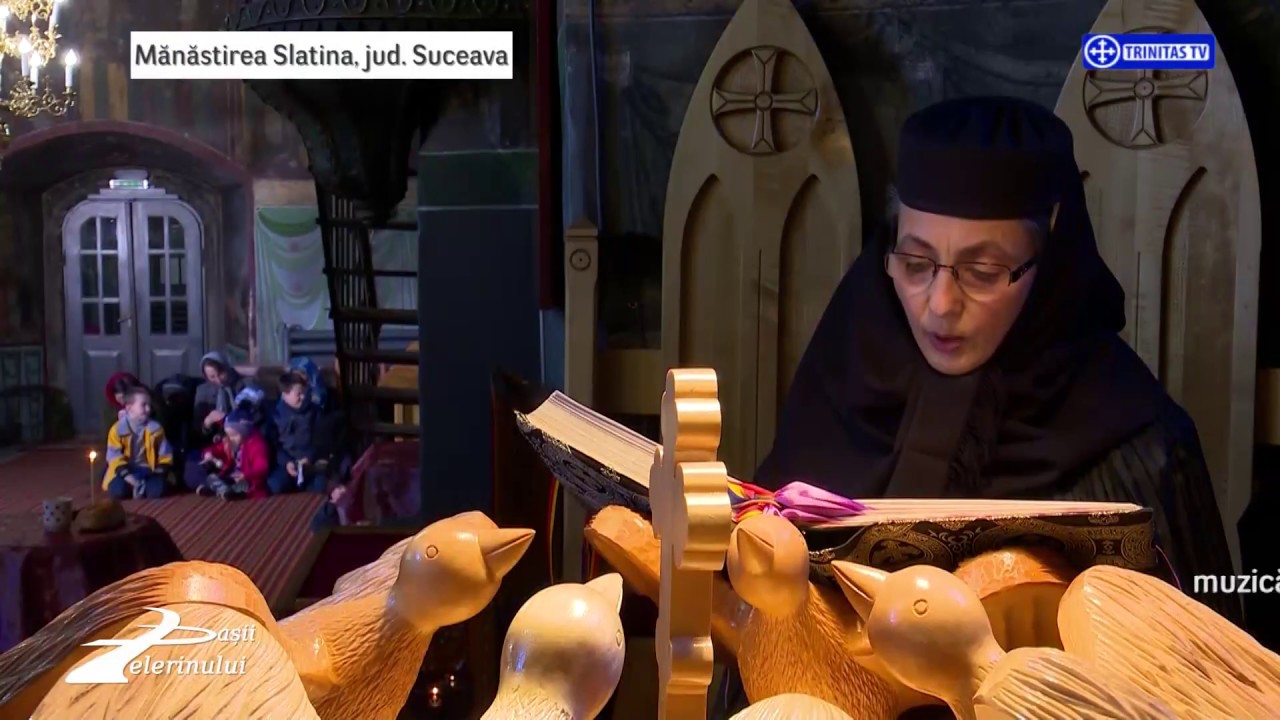 Mănăstirea Slatina, jud. Suceava (Pașii Pelerinului, 22 04 2017)TRINITAS TV

Location on the map
Nearby attractions
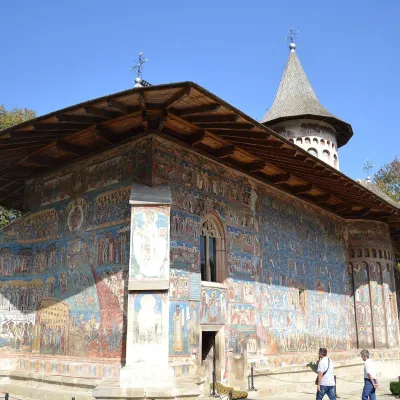 ChurchVoroneț Monastery: UNESCO painted church in BukovinaVoroneț12 km from Slatina Monastery: the burial place of Prince Alexandru LăpușneanuVoroneț Monastery (Mănăstirea Voroneț) stands in the valley of the Voroneț stream on the southern edge of the town of Gura Humorului, in the Romanian part of Bukovina.
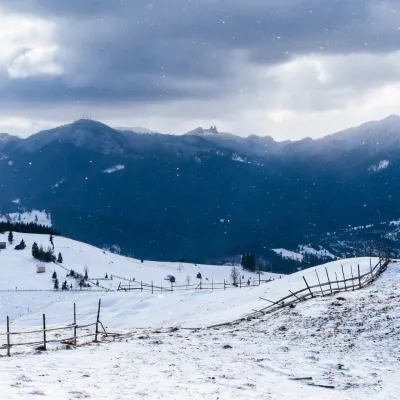 PeakRarăuCâmpulung Moldovenescaltitude 1 651 m29 km from Slatina Monastery: the burial place of Prince Alexandru LăpușneanuRarău (Romanian: Vârful Rarău) is the highest summit of the massif of the same name in the Eastern Carpathians, 1,651 m above sea level.
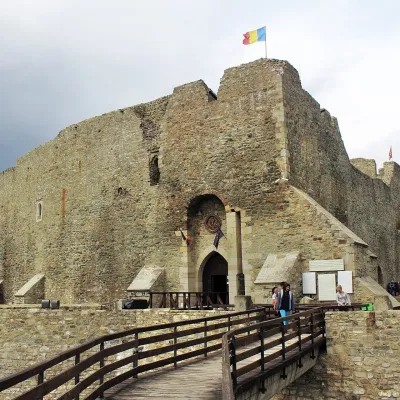 CastleNeamț Citadel: Stephen the Great's fortressTârgu Neamț38 km from Slatina Monastery: the burial place of Prince Alexandru LăpușneanuNeamț Citadel (Cetatea Neamț) is a medieval stone stronghold of the Principality of Moldavia on the north-western edge of the town of Târgu Neamț.
Craft nearby
All craft places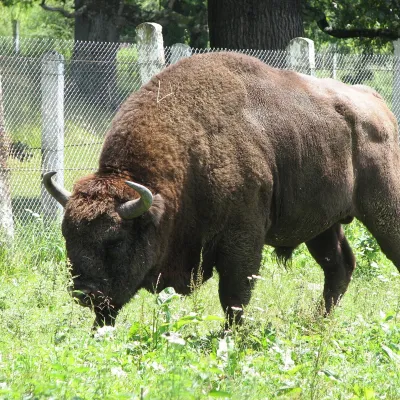 Wildlife parks & animal farmsBison Safari in Vânători-Neamț: a guided walk with a rangerMănăstirea Neamț30 km from Slatina Monastery: the burial place of Prince Alexandru LăpușneanuThe first place in Romania where the bison came back Vânători-Neamț Natural Park lies on the eastern slopes of the Carpathians near the small town of Târgu Neamț, in a...
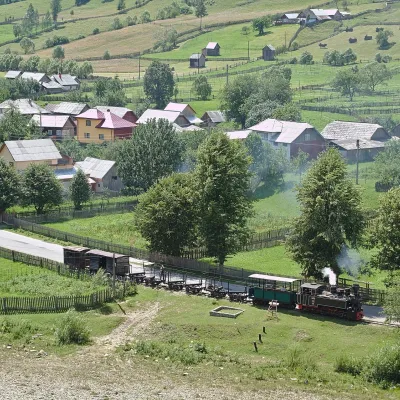 Heritage transportMocănița Huțulca: forest narrow-gauge railway in MoldovițaMoldovița43 km from Slatina Monastery: the burial place of Prince Alexandru LăpușneanuA forest narrow-gauge railway more than 135 years old Moldovița is a mountain village in the valley of the river of the same name, in the very heart of Romanian...
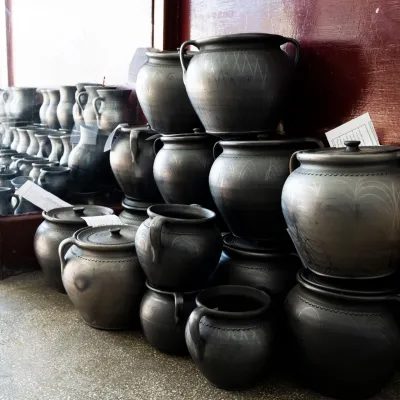 Crafts & workshopsBlack pottery of Marginea: the Magopăț family workshopMarginea43 km from Slatina Monastery: the burial place of Prince Alexandru LăpușneanuBlack pottery of Marginea: the sixth generation of the Magopăț family Marginea is a large village in the Romanian part of Bukovina, between the town of Rădăuți and...
