Pavlovsky Stone
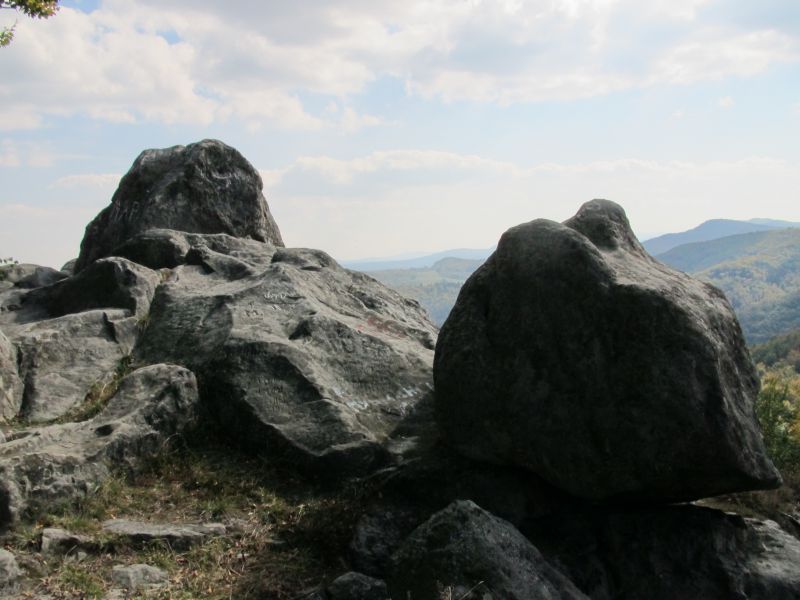


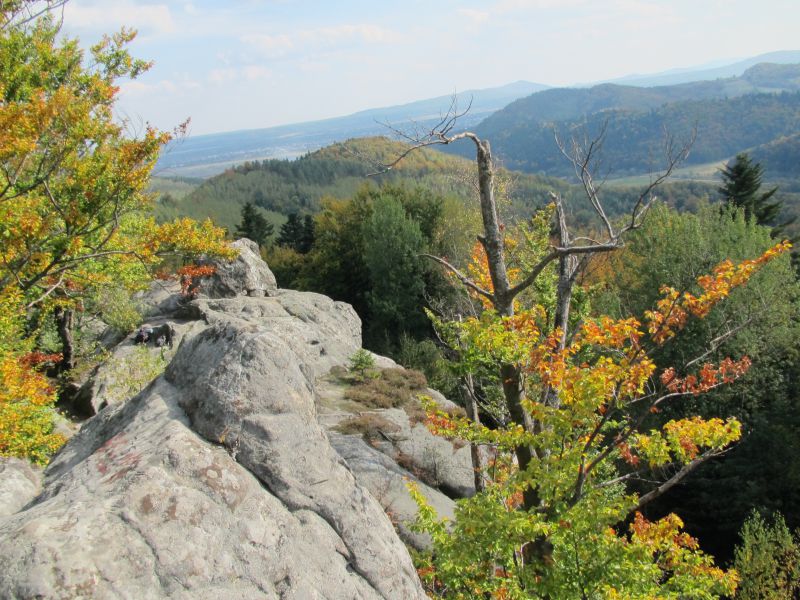
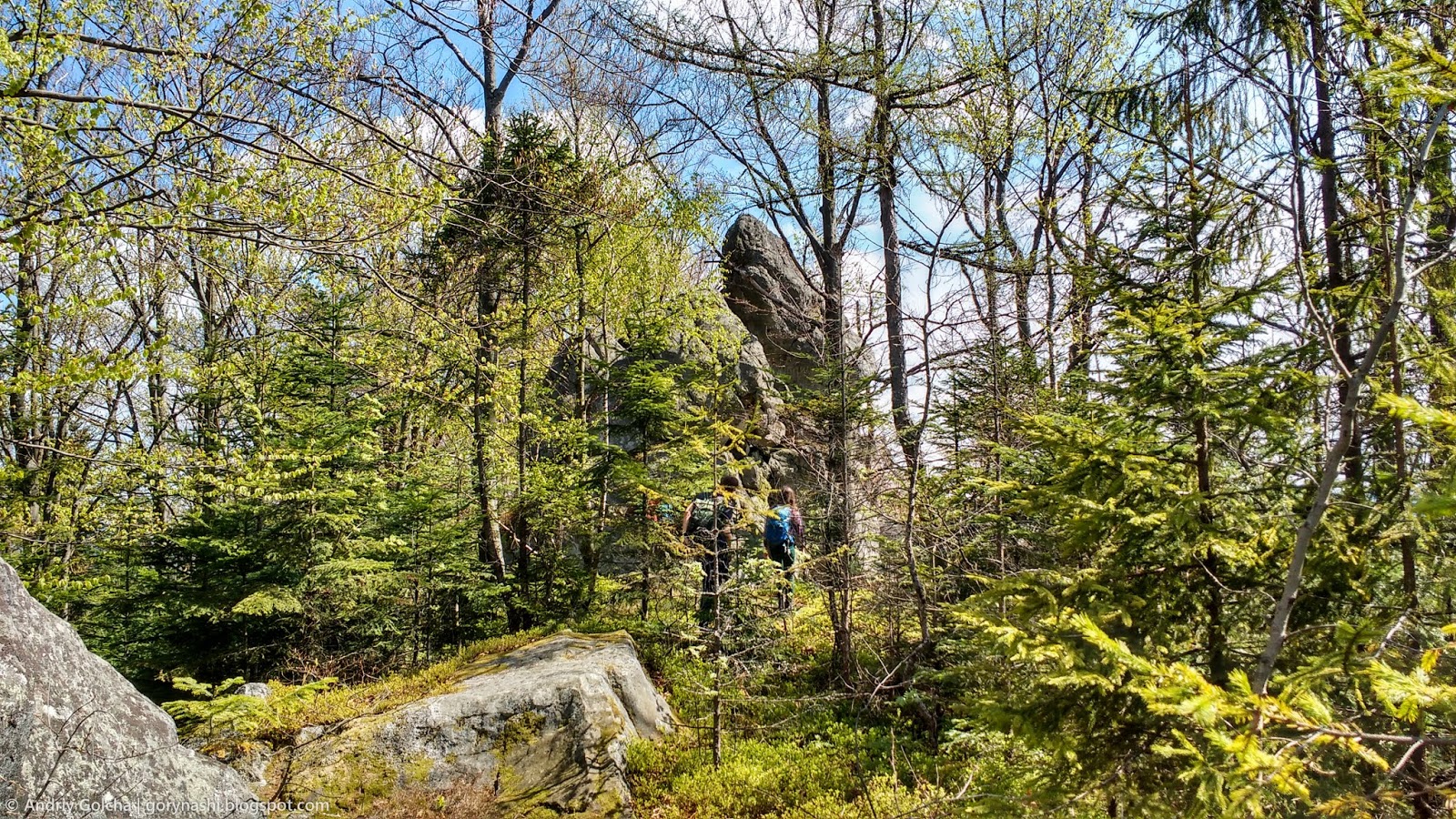
Pavlivskyi Stone is a 30-meter-high geological formation. A group of picturesque rocks in the Ukrainian Carpathians (Gorgany massif). They are located within the Rozhniativ district of Ivano-Frankivsk region, southwest of the village of Kniazivske. It is located in a triangle of forest, at approximately the same distance from three settlements - the villages of Kniazivske, Pidlisia and Duba. The rocks are located in the forest, on the slope of Mount Onezhyvata. They are formed of sandstones and have the shape of a narrow ridge about 30 meters high. From the top of the cliffs, you can enjoy a picturesque panorama of the surrounding mountains.
Its uniqueness is evidenced by the fact that Czech builders changed the direction of the Urengoy-Pomary-Uzhhorod gas pipeline to preserve the amazing rock. According to one of the legends, the name of the rock comes from the name of an opryshok who saved his fellow soldiers from Polish soldiers. On the impregnable rock, Pavlo played the violin all night long, and this allowed the rest of the brave men to descend and escape from the opposite side of the stone. According to another version, in pagan times, the preacher Paul hid here and baptized many local residents. According to historians, in ancient times this stone served as a kind of temple for early Christians. This is evidenced by a bowl-shaped depression for the sacrificial fire on the top of the stone and a series of lines along the side of the rock.
Historical research on the Pavlivskyi Stone based on the book by Pavlina Lytvyn (Vasylyshyn) "Stories about Knyazivske" - Ivano-Frankivsk: Tipovit, 2011. pp. 21-25:
"In the triangle of the forest, at approximately the same distance from the three settlements-the villages of Kniazivske, Pidlisia, and Duba-there is a natural rock formation, popularly called Pavlivskyi Kamen. It is famous for the fact that, according to legend, the introduction of Christianity among the inhabitants of the Carpathians began from this place.
It is said that once a preacher named Paul came here and began to tell people about Jesus Christ, his martyrdom and miraculous resurrection. Of course, at first the pagans did not believe him. An angry crowd wanted to stone Paul, but the elder did not allow them to commit a lynching, saying: "Go from us in peace and never come again."
Soon the highlanders learned that the preacher had settled on a rock. Someone incited the people to kill him, but when they climbed the rock, they saw a man who was starving to death and very thin. Everyone wondered how he could live without food for so many days. Paul answered: "I believe in Jesus Christ, he gives me spiritual food." No one understood what this "spiritual food" was. They began to question the preacher. He explained and gave examples of how the Son of God called to love one's neighbor, do good, and resist evil. And when people heard how Jesus healed the crippled and even brought the dead back to life, they said: "If he, your God, is omnipotent, then let him make water appear on this rock." Paul raised his hands to heaven: "Listen to me, O God, one and only, who is in heaven and on earth, and show your power and might to these unbelievers." And a miracle happened: in one place, the rock began to settle, forming a depression that was filled to the brim with clean and clear water. Everyone began to drink the jelly from that well, but it did not become shallow, but kept filling up. Then the settlers believed the preacher and soon all of them were baptized in the mountain river, which was named Pavlovets as a sign that the river flows from under the Pavlovsky stone.
Thus, according to the first version, published by journalist Ivan Ivanyshyn, the stone is named after the preacher Paul1.
The second version is that the name comes from the name of Jan Yasenovetsky's son, Pavlo, who, galloping on a bass horse, fell into the abyss with him. In memory of the desperate young man and his tragic death, the stone was named Pavlivskyi.
The third version is associated with the legendary leader of the Oprishky, Oleksa Dovbush. According to legend, he loved the water from the rocky well on Pavlivskyi stone: it gave him strength and courage. Dovbush and his brave avengers repeatedly made a halt here on their way to his resting place in Bubnyshche (now known as Dovbush's Rocks). Perhaps Oleksa Dovbush himself named the stone Pavlivskyi in honor of his comrade-in-arms Ivan Pavlivskyi, who was from Kniazivske. The opryshky did not dare to enter the village itself, fearing that the nobility would ambush them.
One day, the nobility did ambush the opryshky when they stopped to rest near Pavlivskyi Kamen. They wanted to destroy Oleksa Dovbush's detachment, but it was night. The Poles surrounded the national avengers and waited for the morning. To lull the enemy's attention and give his comrades the opportunity to escape from the enemy's encirclement, Ivan Pavlivskyi played the violin all night long. During this time, the opryshky led by Oleksa Dovbupii fled, and Ivan was left alone. At the cost of his own life, he saved his comrades.
According to the fourth version, the stone bears the name of the owner who owned this forest land.
The Pavlivskyi stone has various markings on it, possibly of Christian origin. A similar stone, the Watchman, which stood at the entrance to the Carpathian village of Tukhlia, was described by Ivan Franko in his novel The Rising Hawk. There are stones near the villages of Letsivka and Ripne. Probably, they had a religious purpose for our ancient pagan ancestors.
Pavlivskyi stone is located near the forest tract Pohar. During the attacks of the Tatar-Mongol conquerors, residents of the surrounding settlements hid here. But the janissaries found out where the people were and decided to capture them. The highlanders, finding no other way out, set fire to the spruce forest, and the thick acrid smoke and all-consuming flames prevented the enemies from reaching Pavlivskyi Kamen. That burned place was called Pohar.
My father told me that once upon a time there was a cave on Pavlivskyi Kamen that was difficult to access. Perhaps it was destroyed when the stone was used to build a bell tower in the late nineteenth century.
While studying the inscriptions on the crosses, I noticed that the ancient crosses are monolithic - they are carved from huge rock blocks, which in our area are found only in the Pavlovets tract.
In addition, it is known that when the construction of a two-story school began in 1934 in Knyazivske, the stone for the foundation was taken from under Pavlits. And some owners from the village took the stone for the foundation there as well. This means that in ancient times this rock formation was much larger than it is today.
More than twenty years ago, during the construction of the Urengoy-Pomary-Uzhhorod transcontinental gas pipeline, this unique rock was almost destroyed. The project envisaged the passage of pipes right through the place where Pavlivskyi Stone stood. They had even prepared explosives to blow it up and then use a powerful bulldozer to move the multi-ton boulders. They probably would have done so, but fortunately, Czech builders were constructing the gas pipeline on this section of the route. They suggested making changes to the project to get around the natural obstacle. At first, the designers in Moscow objected, but then they agreed to change the direction of the route on the condition that the builders themselves would bear all the additional costs of the "detour". Thus, we have the Czechs to thank for the fact that the rock remained in the same place where it had been for centuries.
Today, at any time of the year, you can meet numerous tourists, local historians, scientists, and nature lovers and admirers at Pavlivskyi Stonewall. On religious holidays, especially on St. John's Day, a bonfire is lit on the top of the rock, and young people have fun around it. It has become a good tradition for boys and girls to come to Pavlivskyi Kamen during the last bell and graduation parties in the schools of the surrounding villages. Here you can breathe easily, think in a special way, feel an invisible connection with your distant ancestors and seem to be charged with their life-giving energy to accomplish good deeds.
The picturesque landscapes of Knyazivske inspired the work of many talented people: village artists Vasyl Shumei, Ivan Pasichnyk, Mykhailo Kulyk, Anatolii Tulchevskyi (school director in 1967-70) painted the landscapes of our village; the picturesque landscapes of Knyazivske were used by many people.) painted landscapes of our village; local poets Kindrat Volodymyr Hryhorovych and Mykhailiv Halyna Mykolaiv lovingly describe the village of their childhood and youth in their poems; poetess Oksana Leonivna Lesiuk expresses her admiration for the wonderful nature of Kniazivske in her poem "Pavlivskyi Kamen".
Honored Artist of Ukraine Volodymyr Kharchenko lived in our village in the 1950s. His wife Agnes Stanislavivna Kharchenko worked here as the chief doctor of the tuberculosis dispensary. It is possible that V. I. Kharchenko's works also included paintings dedicated to Knyazivske. This topic requires special research."
The Carpathian Trails Tourist Association, with the support of the Rozhniativ District State Administration, has completed the development of the Pavlivskyi Kamen bicycle route. The route begins near the museum in Rozhniativ, where a stand with a map and description of the route is installed, and goes to the village of Tsineva, where you can visit the historical and local history museum, which has about 5,000 exhibits that introduce the visitor to the life and way of life of the Boikos. The route continues, passing the village of Kniazivske, to a sandstone rock called Pavlivskyi Kamen.
The total length of the route is 24 km. The initiator and executor of the work is Vasyl Fitsak.
Video 2
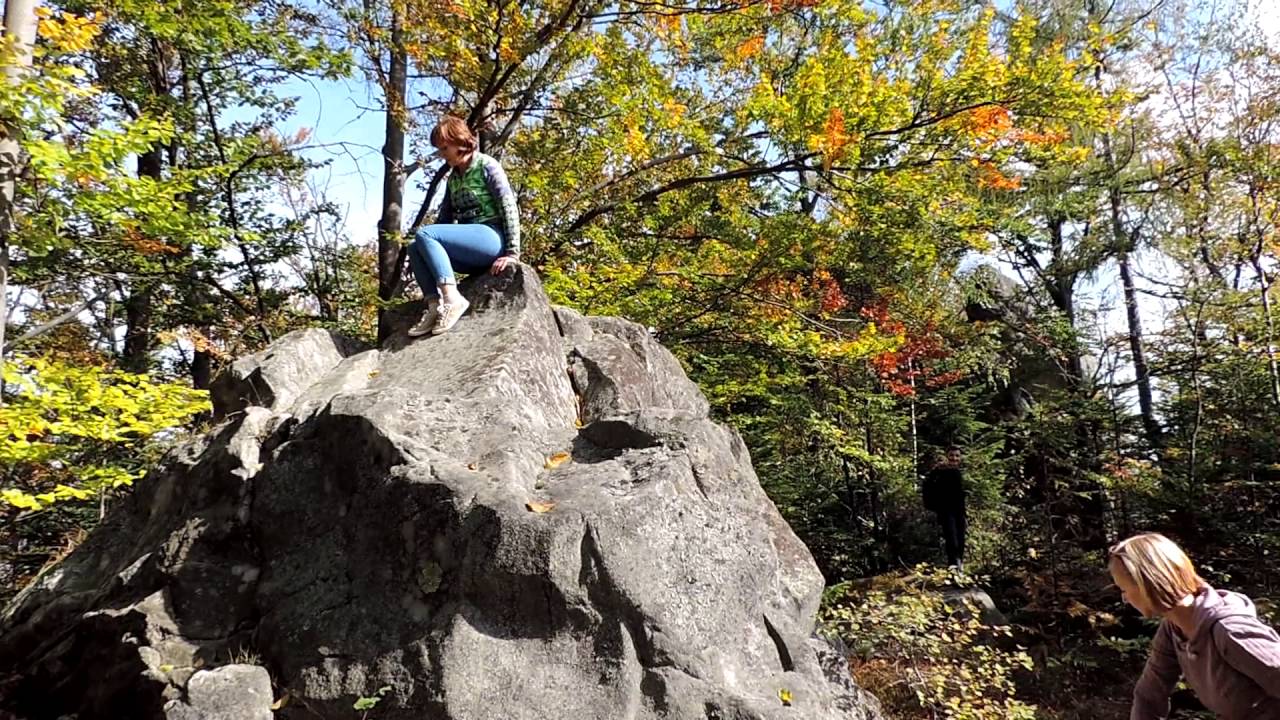 ПАВЛІВСЬКИЙ КАМІНЬ 2 10 2016Гаращук Василь

Location on the map
Comments
Places to stay nearby
All stays HotelNa Babiyiviy HoriDolyna15 km from Pavlovsky StoneSaunaBBQParkingNearby: Synagogue 1.1 kmOksana Hrytsiy Museum 1.4 kmfrom 3 120 UAH per night
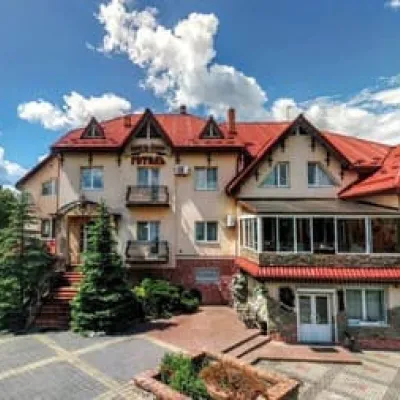 HotelKnyaz OlegDolyna17 km from Pavlovsky StoneParkingWi‑FiPetsNearby: House of the Sokol Society 2.9 kmSynagogue 2.9 kmfrom 880 UAH per night
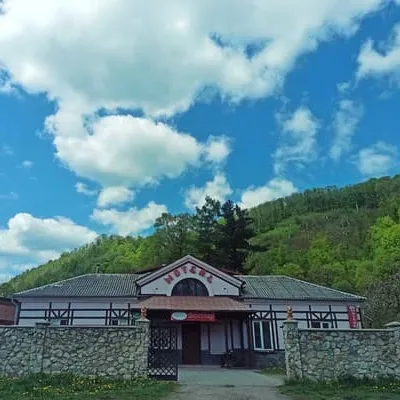 MotelVOLODARDolyna18 km from Pavlovsky StoneBBQParkingWi‑FiNearby: Carpathian Tram 900 mShyrkovets Swamp 6.1 kmfrom 1 000 UAH per night
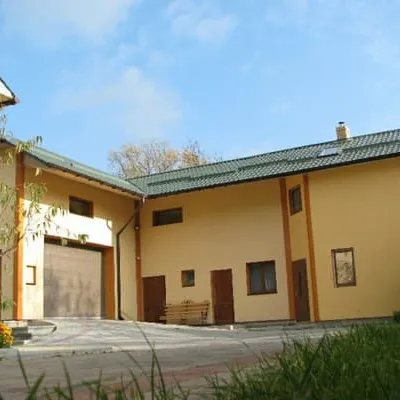 HotelOrtusDolyna18 km from Pavlovsky StoneSaunaParkingWi‑FiNearby: Carpathian Tram 1.5 kmShyrkovets Swamp 6.8 kmfrom 6 000 UAH per night
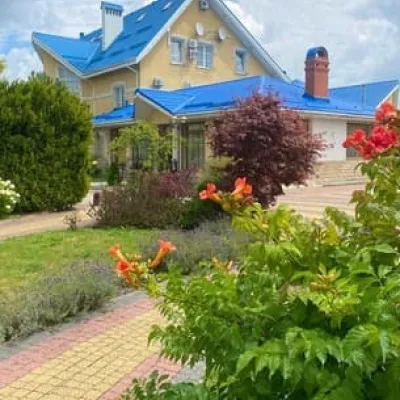 HotelMotelDolyna19 km from Pavlovsky StoneParkingWi‑FiNearby: House of the Sokol Society 3.5 kmSynagogue 3.6 kmfrom 1 300 UAH per night
 MotelRandevuKalush19 km from Pavlovsky StoneSaunaNearby: Chechva Reservoir 9.7 kmSkarbka Castle 9.9 kmfrom 900 UAH per night
Trails nearby
All trails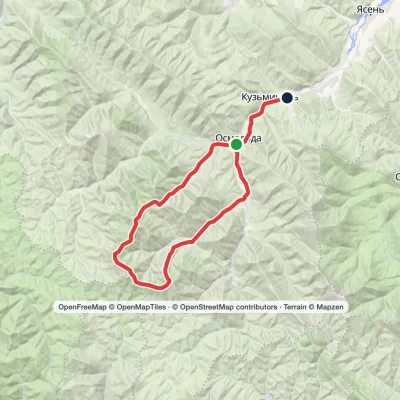 HardMulti-dayMarkedOsmoloda village loopvia Plistse polonyna, Mount Koretvyna +2Elevation profile652–1 740 m42.6 kmascent 1 717 m19 km from Pavlovsky Stone
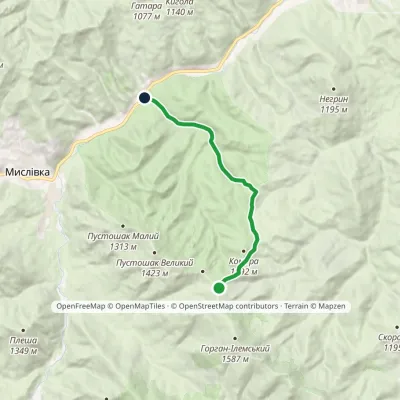 ModerateOne-dayMarkedIlmia forestry Nimetska polonynaElevation profile602–1 256 m10 kmascent 697 m≈ 4 h walking20 km from Pavlovsky Stone
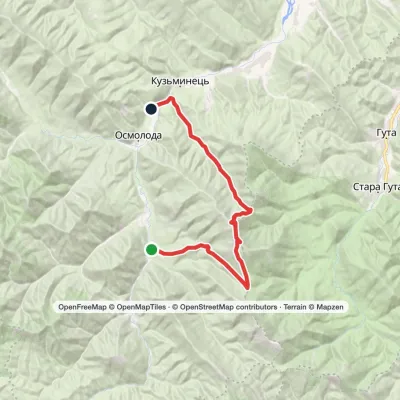 HardTwo-dayMarkedOsmoloda village loopvia Mount Ihrovets, Mount VysokaElevation profile681–1 804 m24.8 kmascent 1 131 m≈ 8.5 h walking21 km from Pavlovsky Stone
Nearby attractions
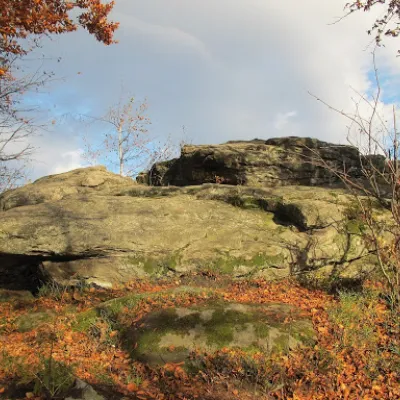 NatureRipnensky StoneRipne3.2 km from Pavlovsky StoneAt a distance of 700 meters from the waterfall, there is another tourist attraction - Ripnenskyi Kamen.
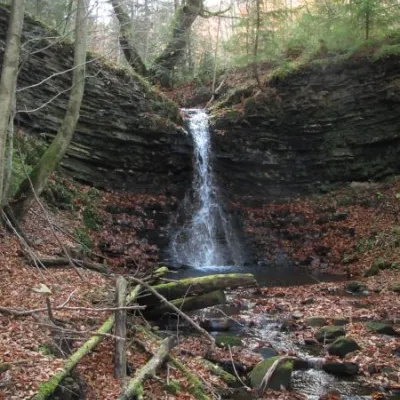 WaterfallPidgurkalo waterfallRipne3.7 km from Pavlovsky StoneThere are also interesting tourist sites that are little known to the general public: Pidhurkalo Waterfall (Ripne village).
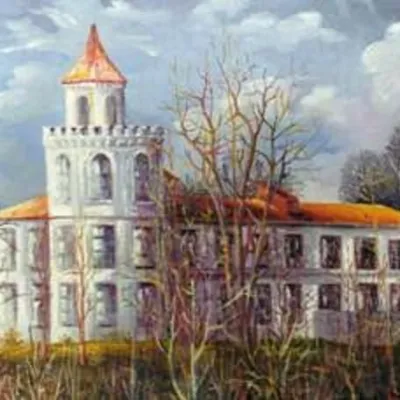 CastleSkarbka CastleRozhniativ9.9 km from Pavlovsky StoneIn the fifteenth century, a well-fortified castle was built on a high hill in Rozhniativ. The castle had two loopholes and two underground passages: to the forest in...
Craft nearby
All craft places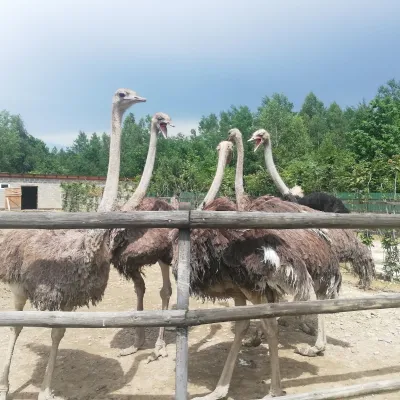 Wildlife parks & animal farmsSavanna Ostrich Farm, LovahyLovahy7.8 km from Pavlovsky StoneSavanna Ostrich Farm is an unexpected find in the Carpathian foothills. It lies in the small Boyko village of Lovahy in the Kalush district, not far from Nebyliv,...
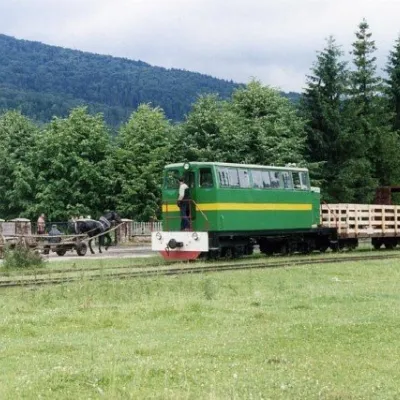 Heritage transportCarpathian TramVyhoda17 km from Pavlovsky StoneIn 1873, Austrian entrepreneur Baron Leopold Popper von Podgari moved the headquarters of his company from Hungary to Galicia.
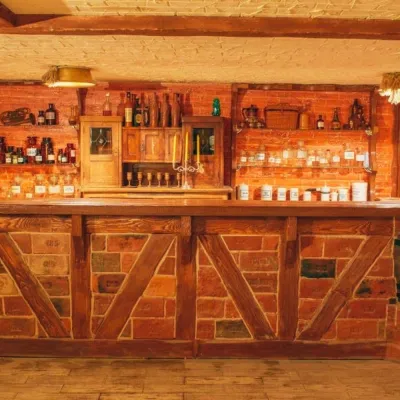 Honey & meaderiesChorna Bdzhola Meadery, VyhodaVyhoda18 km from Pavlovsky StoneChorna Bdzhola (“Black Bee”) in Vyhoda is a small, cosy meadery in the Kalush district of the Ivano-Frankivsk region, where you can learn how drinking mead was...
 Theme parksUnderhill Earth History Park, PidhiriaPidhiria30 km from Pavlovsky StoneUnderhill Earth History Park is a large open-air theme park in the village of Pidhiria near Bohorodchany, about 25 km from Ivano-Frankivsk, right at the foot of the...
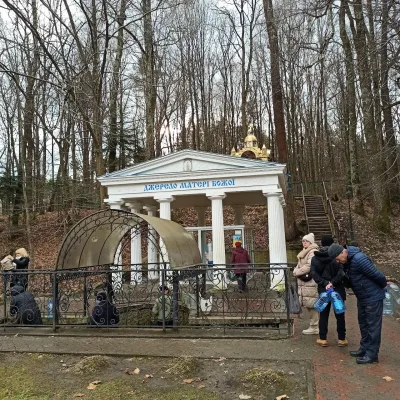 Theme parksSpring No. 4 of the Mother of God, MorshynMorshyn38 km from Pavlovsky StoneSpring No. 4, also known as the Spring of the Mother of God, is Morshyn’s most famous mineral spring and probably the resort’s best-loved spot.
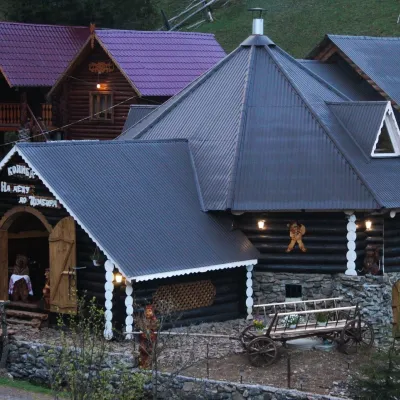 Koliby & Hutsul cuisineKoliba “Na Detsu do Tsimbora”, Synevyrska PolianaSynevyrska Polyana41 km from Pavlovsky StoneNa Detsu do Tsimbora is a large kolyba restaurant in Synevyrska Poliana, right where the road starts climbing to Lake Synevyr.
