Ocna Sibiului spa: salt lakes and healing mud
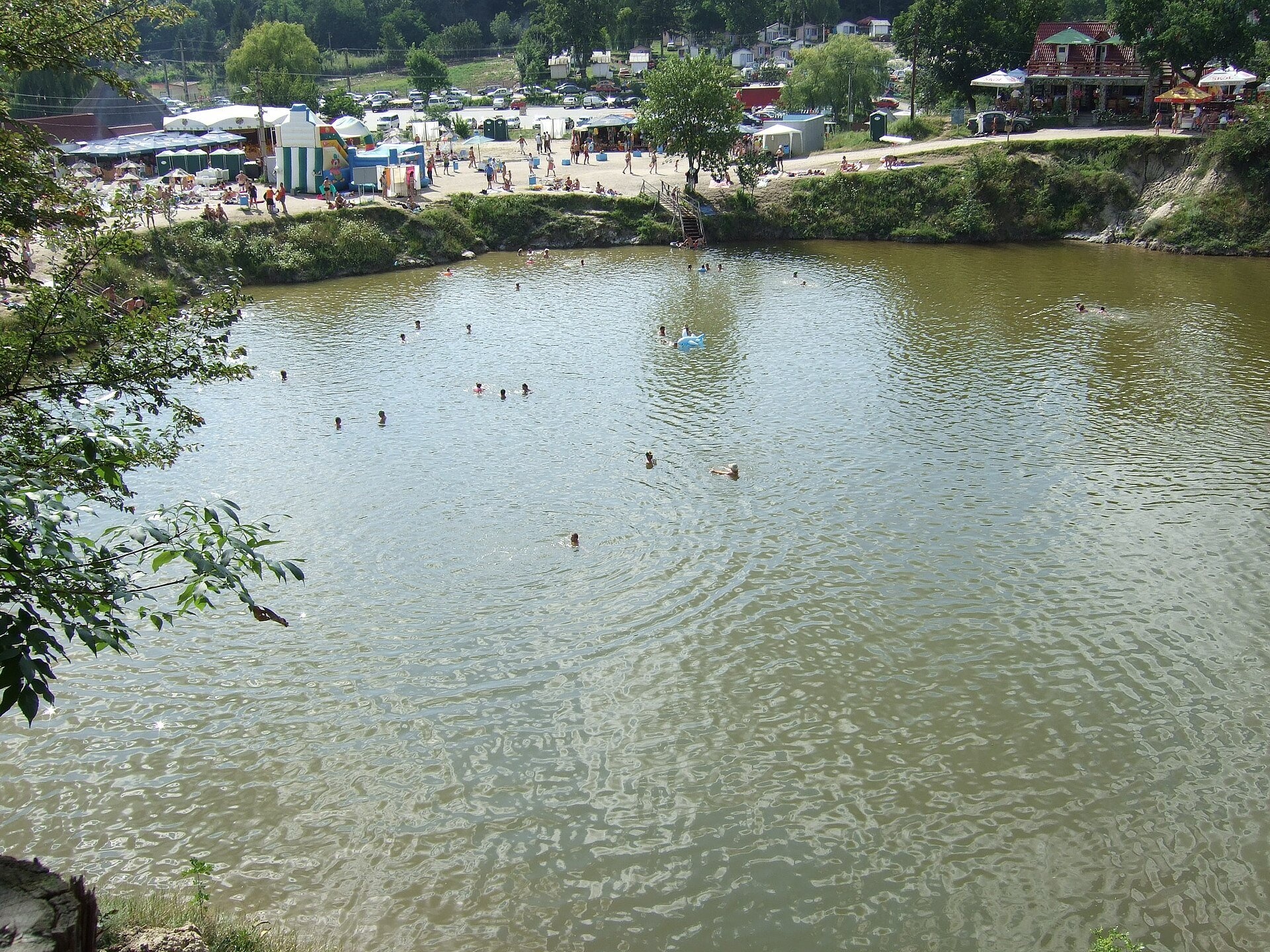
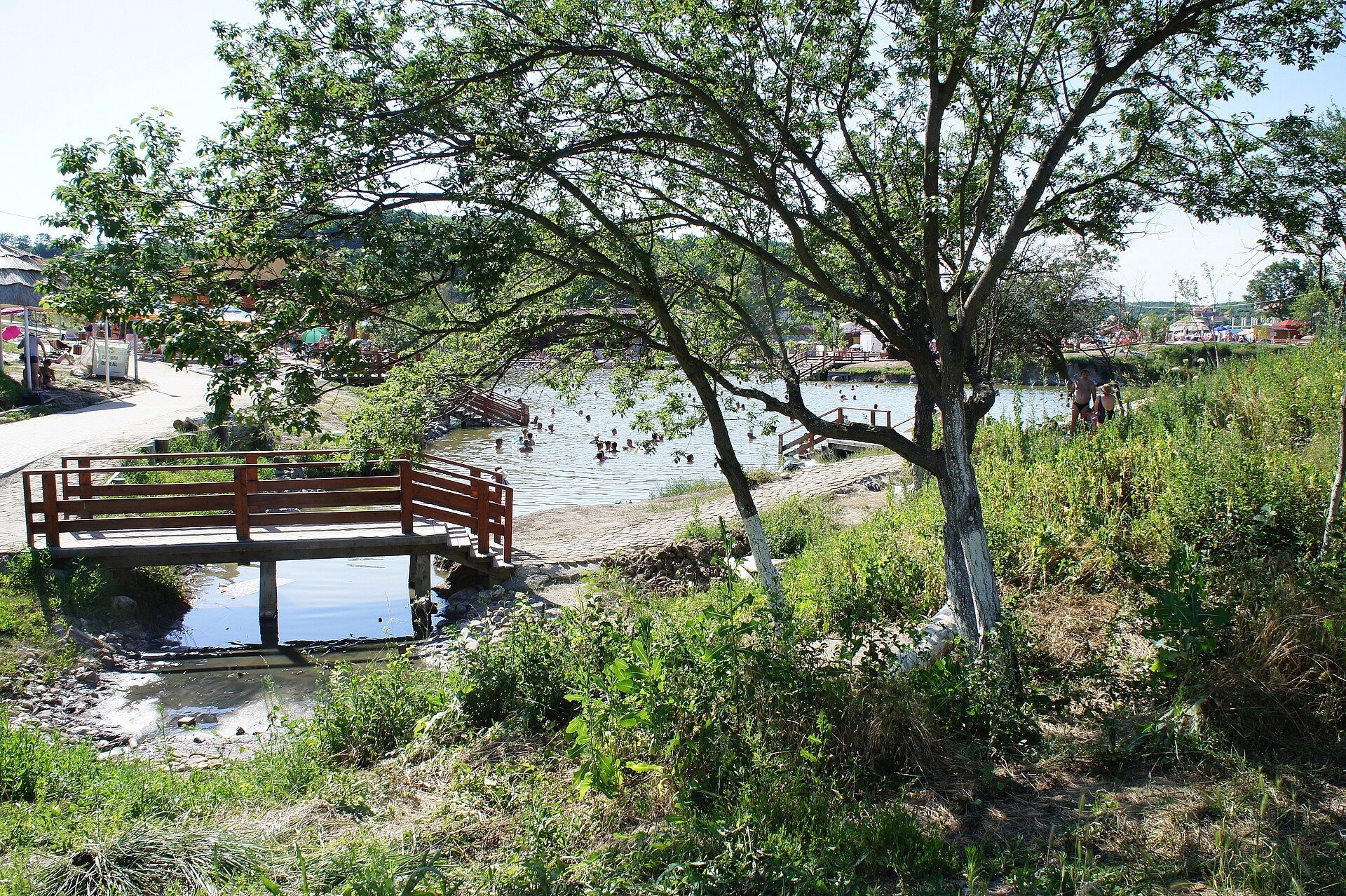
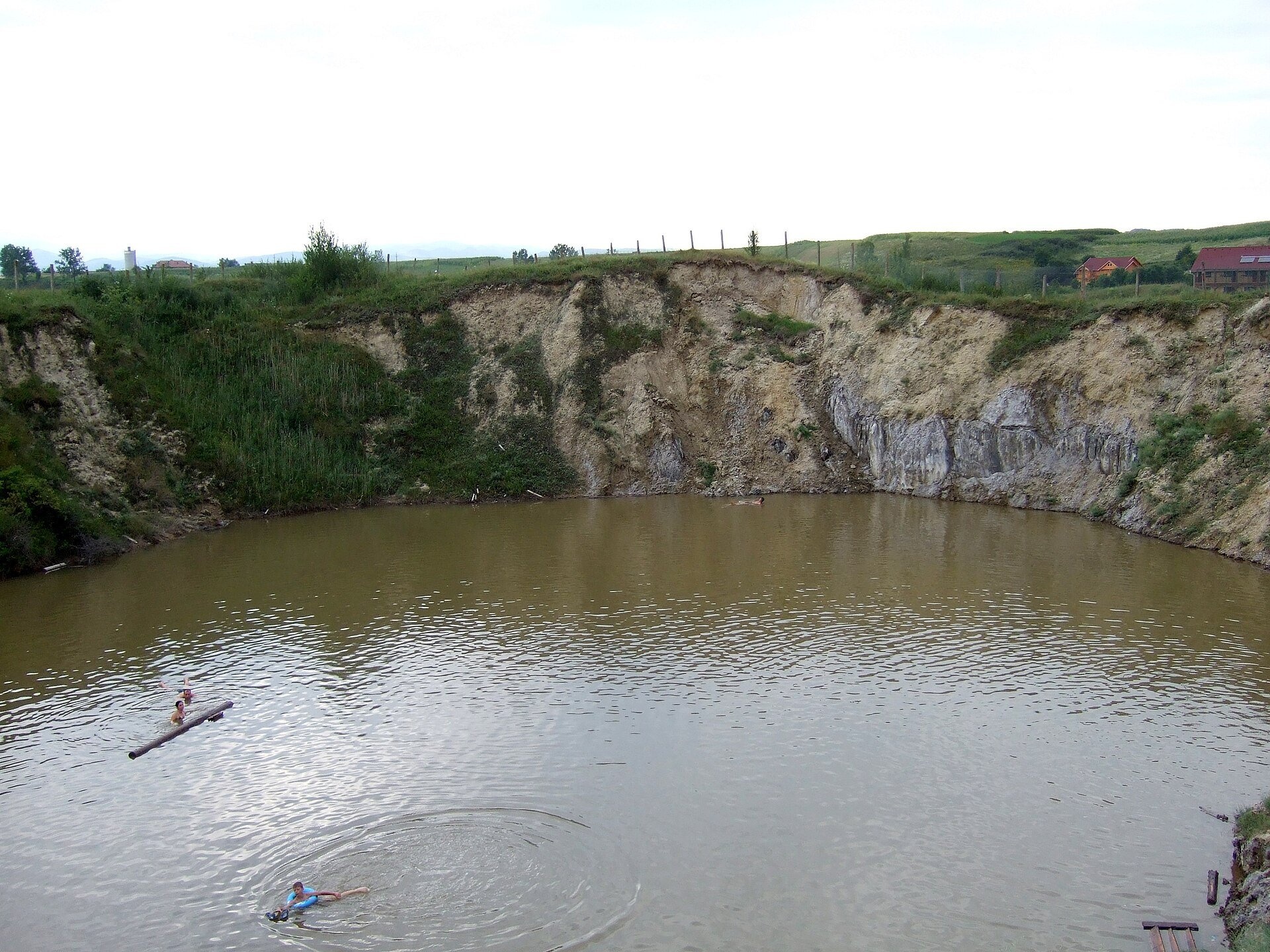
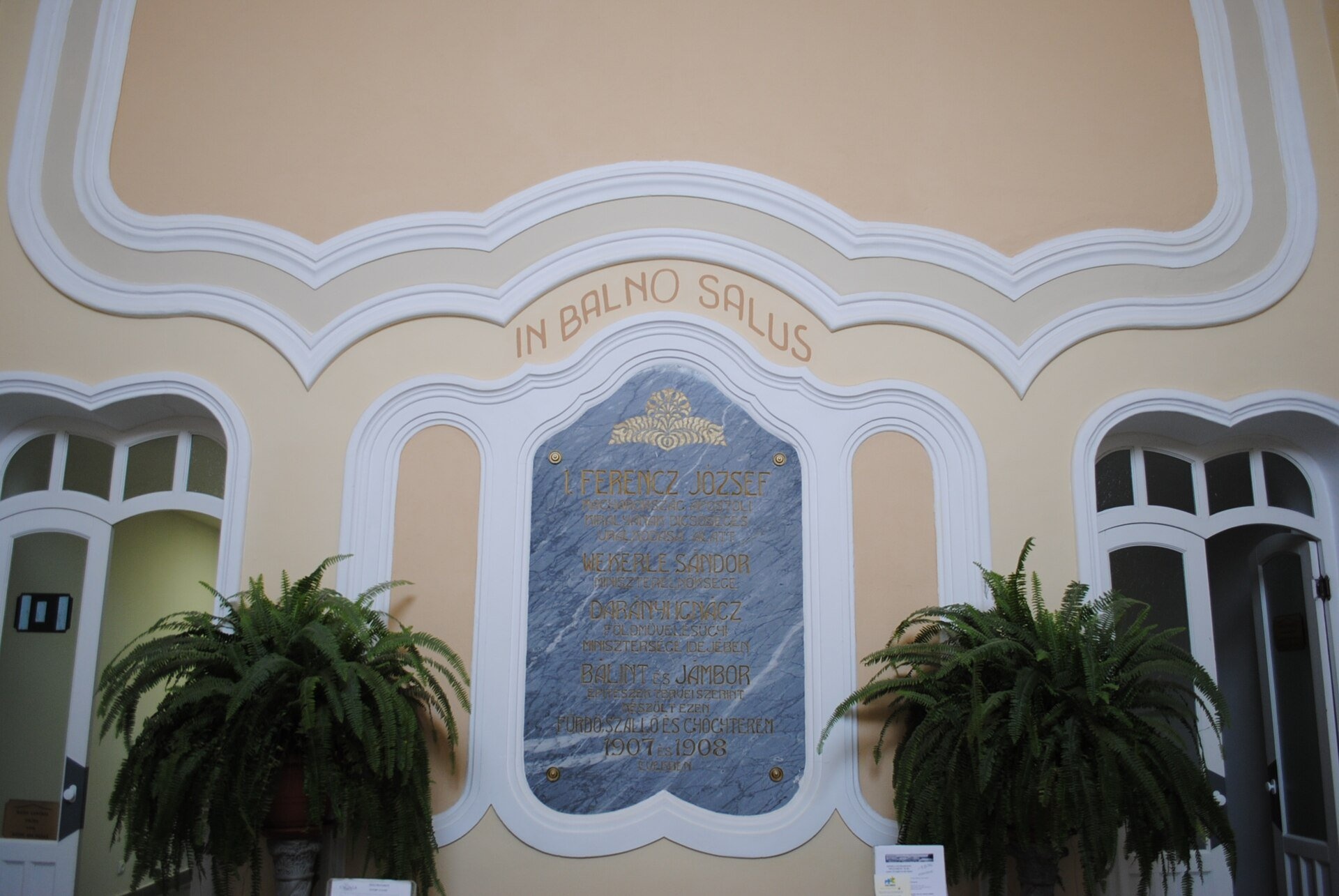
Ocna Sibiului is a small spa town in Sibiu County, 15 km north-west of Sibiu, on the southern edge of the Transylvanian hill basin. The Cindrel Mountains are visible to the south, and right under the town lies a salt massif that was mined from Roman times until 1932. Over time the old salt mines collapsed and filled with water, creating the salt lakes that earned the resort its nickname, the "Transylvanian seaside" (Litoralul Ardealului). Systematic research into the lakes' healing properties began in 1820, the resort officially opened on 20 June 1858, and in 1906–1909 the central pavilion and the bath building that still stand today were built; since 1948 Ocna Sibiului has been a year-round resort. The lakes and the beach are now run by the municipal company Lacurile Naturale Ocna Sibiului S.A.
Natural healing factors
The main factors are salt water and therapeutic mud. The resort's protected hydrological perimeter covers 53 ha and holds 14 lakes formed on the site of mines, plus several smaller natural ones. Many lakes are extremely deep, because salt was extracted here in bell-shaped chambers in antiquity and the Middle Ages.
- Bottomless Lake (Lacul fără fund) – on the site of the Francisc mine, abandoned in 1775; 1,665 m², 34 m deep. A natural monument with the strongest heliothermy in the resort: a thin layer of fresh water on top keeps the sun's heat trapped in the salt water beneath.
- Ocnița Lake – up to 83 m deep, salinity 260 g/l, about 7,500 m² in area; popular for its large expanse of water.
- Avram Iancu Lake (Ocna Pustie) – up to 130 m deep, salinity 180–200 g/l; formed on the site of the Fodina Maior mine, abandoned in 1817 – the deepest man-made salt lake in Romania.
- Brâncoveanu Lake – 567.5 m², 13.6 m deep, surface salinity 310–400 g/l: the saltiest lake in the resort and one of the saltiest in the country.
- Low-salinity lakes – Rândunica (Sf. Ioan, 46.5 m deep) and Verde (Poporului) have only 8–9 g/l at the surface, so swimming there feels almost like ordinary water.
- Balta cu Nămol – a shallow lake with a thick layer of therapeutic mud.
According to Romanian Wikipedia, the temperate climate and aerosol-rich air are further favourable factors.
What is treated
The lakes' operator states that the salt water and mud are used for rheumatic, neuromotor and gynaecological conditions; indications include diseases of the musculoskeletal system, chronic degenerative rheumatism, pre-arthrosis and arthrosis, spondylosis and various gynaecological conditions. The operator publishes no contraindications, so ask a doctor in advance whether, and for how long, you may bathe in very salty water and use mud packs – especially with heart and vascular disease, hypertension or pregnancy. This information is for reference only and is not medical advice: treatment and procedures are prescribed by a doctor after a consultation.
Treatments and bathing
- Salt lakes of the Natural Lakes complex – during the season 12 lakes are open for bathing within the ticketed perimeter. The operator stresses that visitors can use the natural salt water and mud treatments free of charge – access to the mud is included in the entry ticket.
- Pools and facilities – a salt-water pool for children, fresh-water pools, playgrounds, gazebos, hot and cold showers, terraces and two CCTV-monitored car parks.
- Baths in the historic pavilion – the 1906–1909 building with baths, mud-wrap and aerosol rooms is a listed monument; according to Romanian Wikipedia, the Complexul Balnear Ocna Sibiului with a treatment base operates in the resort all year – check its programmes and prices with the facility.
In very salty water the body floats by itself; protect your eyes and do not put your head under, and rinse the salt off in the shower afterwards.
Practical information
The lake complex is entered from Strada Salinelor 7. As of November 2026 (lacuriocnasibiului.ro) the 2026 season ran from 22 May to 30 September, with access to the perimeter daily 7:00–20:00. 2026 prices: 22 May – 6 June and 1–30 September, adult ticket 25 lei, children over 10 – 10 lei; 7 June – 31 August, 35 lei and 20 lei; children under 10 and people with severe or pronounced disabilities free; parking 10 lei. A 7-day pass costs 150 lei for adults (210 lei in peak season) and 60 lei for children (120 lei in peak season); it allows two entries a day 3 hours apart and is valid for 30 days from first use. Prices and dates for the next season are announced by the operator. Ocna Sibiului can also be reached by public transport – by train on the Sibiu – Copșa Mică line (Băile Ocna Sibiului station) or by bus from Sibiu.
Getting there from Ukraine
From Chernivtsi it is 428 km, about 8 h 01 min via the Porubne – Siret border crossing; from Rakhiv 354 km, about 6 h 03 min via Solotvyno – Sighetu Marmației; from Uzhhorod 436 km, about 6 h 54 min via Diakove – Halmeu. Times exclude border queues. Romanian roads require the rovinieta e-vignette.
Nearby
The old town of Sibiu is 15 km away; to the south rise the Cindrel and Lotru mountains with routes to the Cindrel and Șteflești peaks. Other salt resorts in our catalogue are the Turda salt mine and Sovata with the heliothermal Bear Lake. Official information on the lakes and prices is on the Lacurile Naturale Ocna Sibiului website.
Photos: Martin Greslou, CC0, Wikimedia Commons; Andrei kokelburg, CC BY-SA 3.0 ro, Wikimedia Commons.
Getting there from Ukraine
Border crossings
- Porubne – Siret — road and pedestrian, 24/7
- Diakivtsi – Racovăț — road and pedestrian, 24/7 No freight traffic.
- Krasnoilsk – Vicovu de Sus — road and pedestrian, 08:00–20:00 Cars up to 3.5 t and pedestrians only; not 24/7.
- Solotvyno – Sighetu Marmației — road and pedestrian, 24/7 Passenger traffic only: vehicles up to 3.5 t with up to 9 seats, pedestrians.
- Diakove – Halmeu — road, 24/7 No pedestrian crossing.
By car
Rakhiv – Sibiu ≈390 km, ≈5 h 33 min (via Solotvyno – Sighetu Marmației); Ivano-Frankivsk – Sibiu ≈524 km, ≈7 h 52 min (via Solotvyno – Sighetu Marmației); Chernivtsi – Sibiu ≈435 km, ≈8 h 00 min (via Diakivtsi – Racovăț). Times without border queues, our road routing (GraphHopper, OSM).
Checked 03.11.2026; border crossing hours and timetables change — check before you travel.
Comments
Travellers’ experience: reports, tips, questions.
No one has written here yet. Be the first — your experience helps others.
Location on the map
Nearby attractions
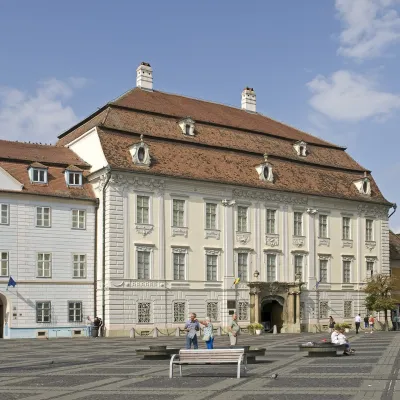 MuseumBrukenthal National Museum, Sibiu: palace and art gallerySibiu11 km from Ocna Sibiului spa: salt lakes and healing mudSibiu (German Hermannstadt) was the chief town of the Transylvanian Saxons, and in the late 18th century it was home to one of the most powerful men in the region —...
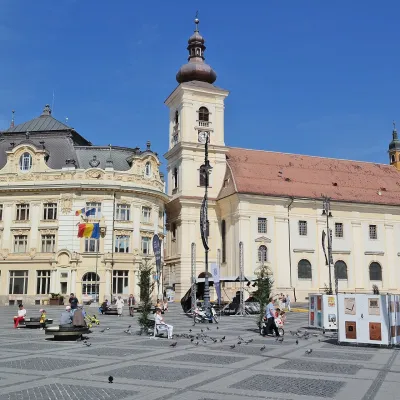 ArchitectureSibiu historic centre: squares, Bridge of Lies and wallsSibiu11 km from Ocna Sibiului spa: salt lakes and healing mudSibiu (German Hermannstadt, Hungarian Nagyszeben) was founded in the 12th century by German settlers invited to southern Transylvania by the kings of Hungary.
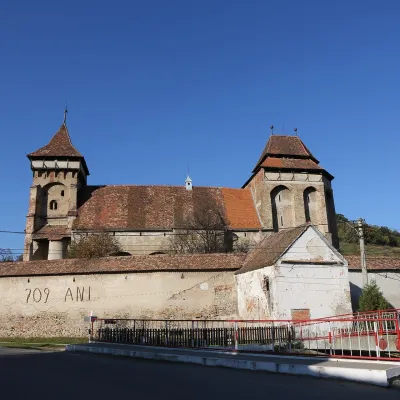 ChurchValea Viilor Fortified Church: UNESCO near MediașValea Viilor28 km from Ocna Sibiului spa: salt lakes and healing mudThe village of Valea Viilor (German: Wurmloch, Hungarian: Nagybaromlaka) lies in a valley of vineyards a few kilometres from the town of Mediaș, in a region settled...
Craft nearby
All craft places Markets & fairsTransylvania Farmers’ Market in Sibiu: Saturday producers’ marketSibiu12 km from Ocna Sibiului spa: salt lakes and healing mudThe Transylvania Farmers’ Market (Piața Țărănească Transilvania) is an open-air Saturday market next to the Transilvania sports hall in Sibiu.
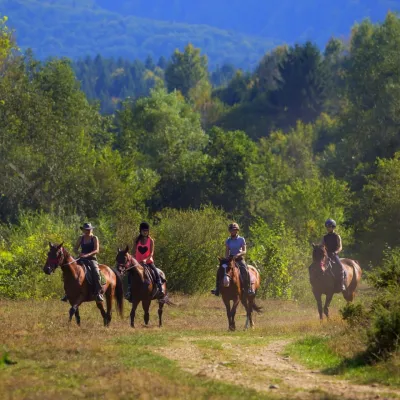 Horse ridingHermannstadt Mountain Horses: horse rides below the FăgărașPorumbacu de Sus37 km from Ocna Sibiului spa: salt lakes and healing mudHorses in the Avrig Valley below the Făgăraș Hermannstadt Mountain Horses (Hermannstadt is the old German name of Sibiu) is a riding stable in the Avrig Valley (Valea...
