Sovata spa: the heliothermal Bear Lake
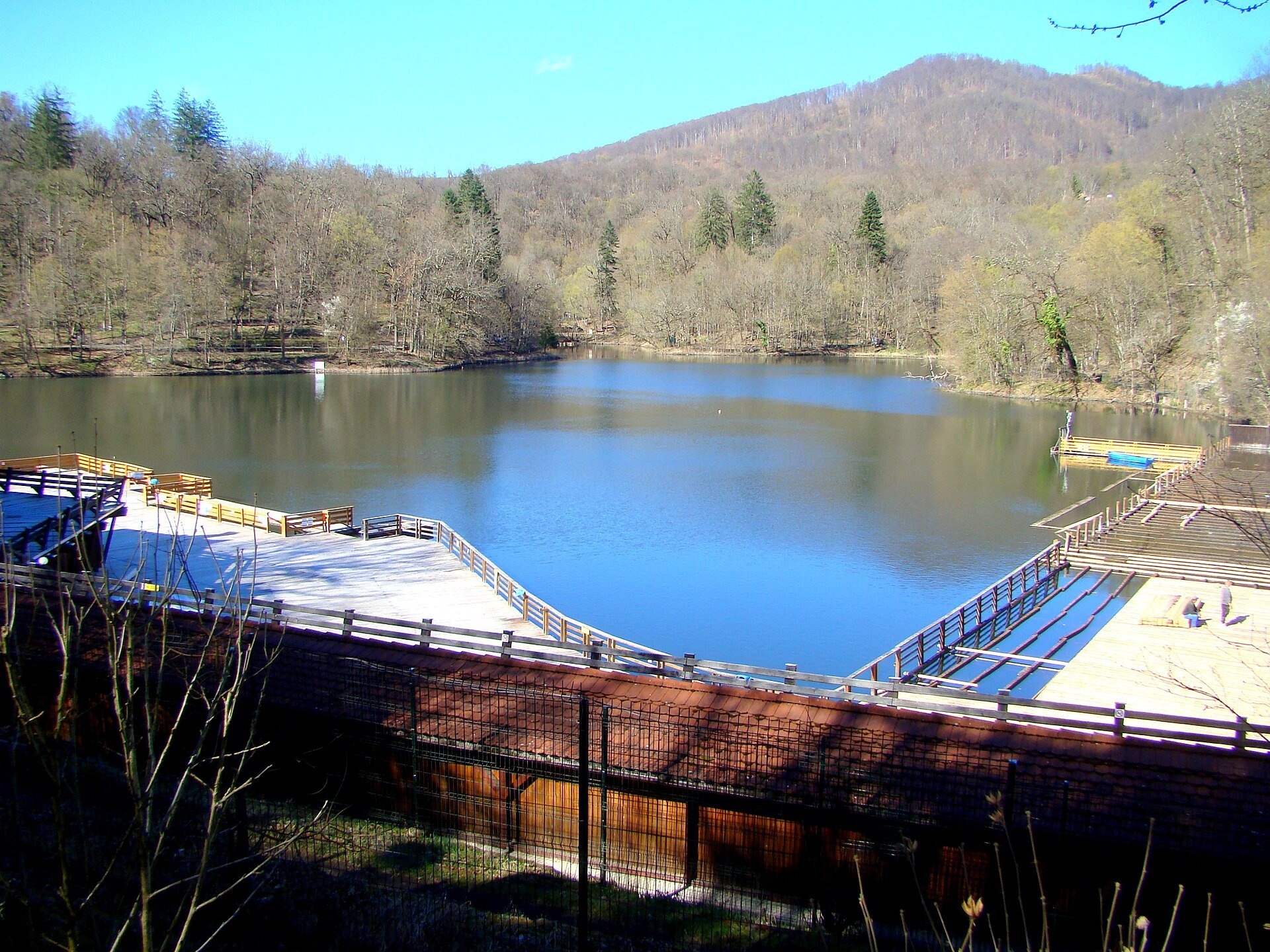
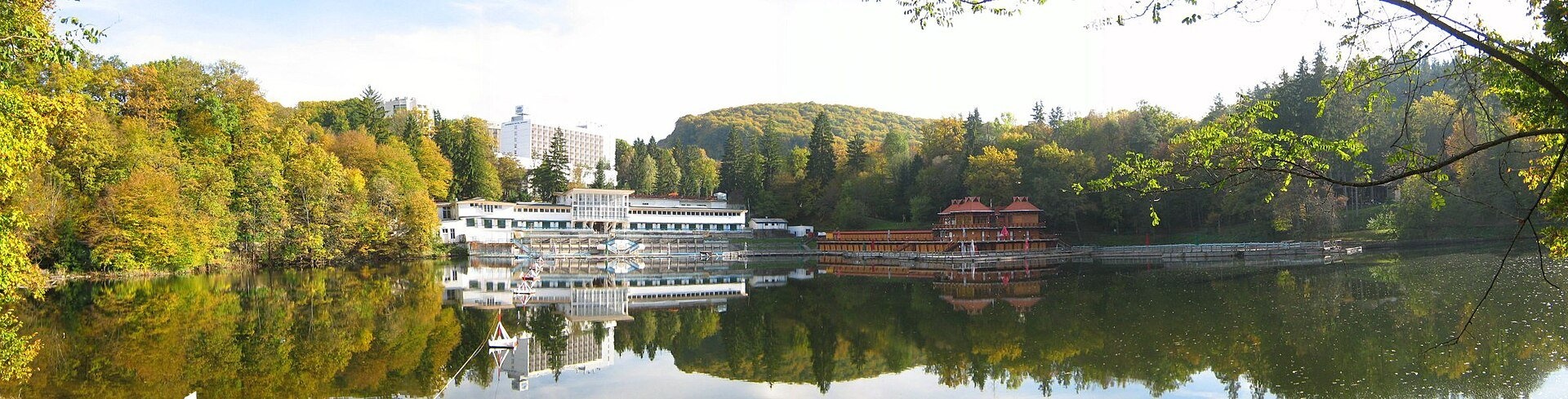
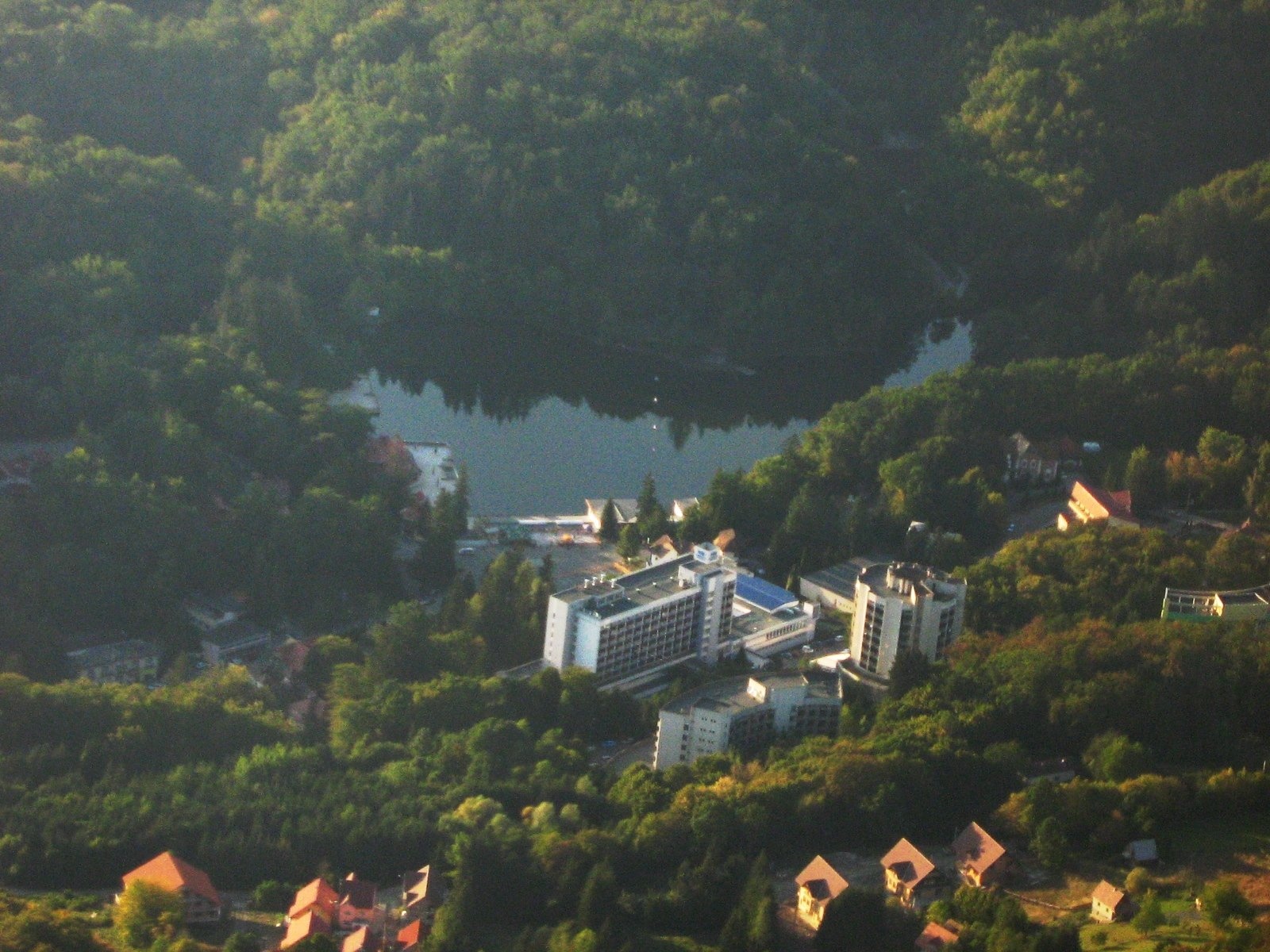
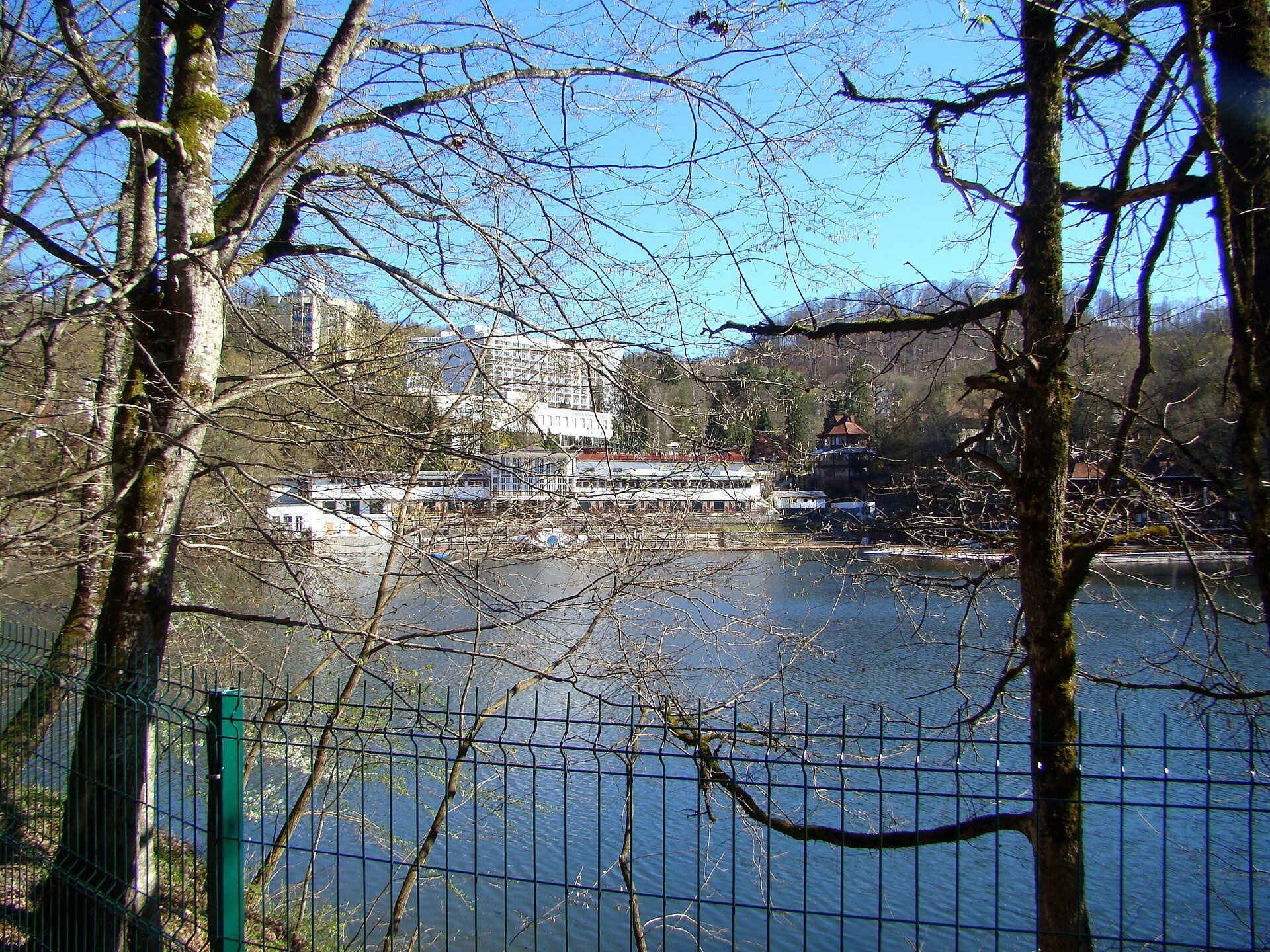
Sovata is a spa and climatic resort in Mureș County, Transylvania, lying at 475–530 m at the south-western foot of the Gurghiu Mountains (Eastern Carpathians). The town sits on the upper Târnava Mică river in the Praid–Sovata basin, surrounded by beech and oak forest and hills with salt massifs. The resort owes its fame to its salt lakes, above all Lacul Ursu (Bear Lake), considered the largest heliothermal lake in Europe. It formed in 1875, when the ground above a salt massif collapsed and streams filled the hollow. Sovata received permission to use the lake water for baths in 1876 and was officially recognised as a spa in 1884. Between the wars the Romanian royal family visited several times.
Natural healing factors
The main factor is the highly mineralised sodium-chloride water of the salt lakes. There are several around the resort: Ursu (about 46,000 m², 18.4 m deep), Aluniș (about 9,000 m²), Verde, Negru, Roșu, Mierlei and Șerpilor; according to Romanian Wikipedia their salt content ranges from 40 to 250 g per litre.
- Heliothermy. The streams flowing into Bear Lake form a thin layer of fresh water on the surface. It does not mix with the heavy salt water and acts like a lid: the sun's heat builds up beneath it and is barely released into the air. In summer the water is about 10–20 °C at the surface, 30–40 °C at 1 m and 40–60 °C at 1.5 m. The phenomenon was described in 1898–1901 by the Hungarian scientist Sándor Kalecsinszky, precisely on this lake.
- Salt water and mud – used for warm baths in tubs and pools and for mud packs.
- Climate – sub-mountain, with cool summers (July average 18.5 °C) and mild winters (January −3.5 °C); annual precipitation is about 750 mm.
Bear Lake and the surrounding salt-soil woodland form a 79-hectare nature reserve; the lake itself is a natural monument.
What is treated
The indications listed by Romanian sources are gynaecological conditions (chronic inflammation, ovarian dysfunction, infertility), degenerative and inflammatory diseases of the joints and spine (spondylosis, arthrosis, polyarthrosis, tendinitis, scapulohumeral periarthritis), conditions after injuries and operations on joints, muscles and bones, diseases of the peripheral nervous system, some endocrine disorders and peripheral vascular disorders. For its salt baths the spa operator Ensana also lists skin conditions, stress and fatigue, and rehabilitation after orthopaedic procedures.
Ensana also lists contraindications for salt baths: acute infectious illness, fever, acute inflammation, uncontrolled hypertension, epilepsy, acute thrombosis and phlebitis, leg ulcers and skin wounds, severe breathlessness, untreated hyperthyroidism, severe cardiovascular disease, malignant tumours and blood disorders, menstruation. This information is for reference only and is not medical advice: treatment and procedures are prescribed by a doctor after a consultation.
Treatments and bathing in the lake
- Bear Lake beach – open to everyone in summer; it is run by Ensana Health Spa Hotels Sovata. The 2026 season opened on 26 June and the beach stays open until mid-September, weather permitting. From 13:00 to 15:00 entering the water is not allowed – the lake is left to "rest". The salt water keeps the body afloat easily; do not put your head under and do not stay in too long – it is best to agree the length of bathing with a doctor.
- Hotel treatment centres – the Ensana spa hotels offer baths with salt lake water (in a shared pool and in individual tubs, 15–20-minute sessions), mud treatments, gynaecological procedures, exercise therapy in pools, electrotherapy and hydrotherapy.
- Walks around the lakes – paths in the reserve lead past the Aluniș, Negru and Verde lakes to the Salt Mountain (Muntele de Sare), where salt comes to the surface; Lake Negru is said locally to be the oldest, formed in 1710.
Practical information
The spa part of town is Băile Sovata around Bear Lake, 60 km east of Târgu Mureș on the DN13A road. Sovata is also served by the Blaj – Târnăveni – Praid railway branch. The lake beach is open only in summer, the hotel treatment centres all year. Beach hours and ticket prices for the season are announced by the operator – check them on the Ensana website before you travel. On the hottest days the water near the bottom is much warmer than at the surface, so take extra care with children.
Getting there from Ukraine
From Chernivtsi it is 298 km, about 5 h 45 min via the Porubne – Siret border crossing; from Rakhiv 269 km, about 5 h 05 min via Solotvyno – Sighetu Marmației; from Uzhhorod 387 km, about 6 h 39 min via Diakove – Halmeu. Times exclude border queues. Romanian roads require the rovinieta e-vignette.
Nearby
Our town page: Sovata. 7 km away, in Harghita County, lies Praid with its famous salt mine – closed to visitors since the 2025 flood; east across the passes lies the resort of Borsec with its carbonated springs. Official information on the treatment centre and the beach is on the Ensana Sovata website.
Photos: Țetcu Mircea Rareș, CC BY-SA 4.0, Wikimedia Commons; Kántor Lajos, Public domain, Wikimedia Commons; Sie, CC BY-SA 3.0, Wikimedia Commons.
Getting there from Ukraine
Border crossings
- Porubne – Siret — road and pedestrian, 24/7
- Diakivtsi – Racovăț — road and pedestrian, 24/7 No freight traffic.
- Krasnoilsk – Vicovu de Sus — road and pedestrian, 08:00–20:00 Cars up to 3.5 t and pedestrians only; not 24/7.
- Solotvyno – Sighetu Marmației — road and pedestrian, 24/7 Passenger traffic only: vehicles up to 3.5 t with up to 9 seats, pedestrians.
- Diakove – Halmeu — road, 24/7 No pedestrian crossing.
By car
Chernivtsi – Vatra Dornei ≈153 km, ≈3 h 00 min (via Krasnoilsk – Vicovu de Sus); Rakhiv – Vatra Dornei ≈204 km, ≈4 h 12 min (via Solotvyno – Sighetu Marmației); Ivano-Frankivsk – Vatra Dornei ≈271 km, ≈5 h 00 min (via Krasnoilsk – Vicovu de Sus). Times without border queues, our road routing (GraphHopper, OSM).
Checked 03.11.2026; border crossing hours and timetables change — check before you travel.
Comments
Travellers’ experience: reports, tips, questions.
No one has written here yet. Be the first — your experience helps others.
Location on the map
Nearby attractions
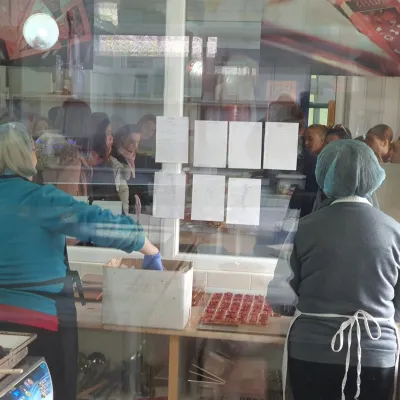 Craft producersGALFFIS chocolate manufactory in Odorheiu SecuiescOdorheiu Secuiesc36 km from Sovata spa: the heliothermal Bear LakeBean-to-bar chocolate in the heart of Székely Land Odorheiu Secuiesc (Hungarian: Székelyudvarhely) is known above all for its history, schools and Székely traditions,...
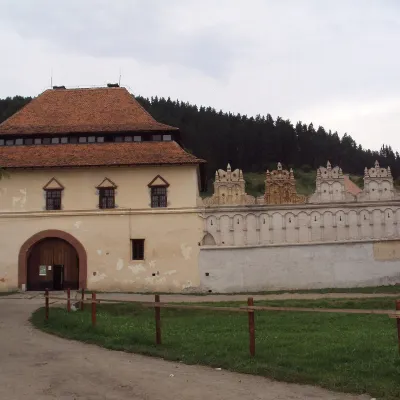 CastleLázár Castle in Lăzarea: a Székely Renaissance fortressLăzarea38 km from Sovata spa: the heliothermal Bear LakeLázár Castle (Castelul Lázár, Hungarian Lázár-kastély) stands in the village of Lăzarea (Hungarian Gyergyószárhegy), about 6 km north-west of the town of Gheorgheni in...
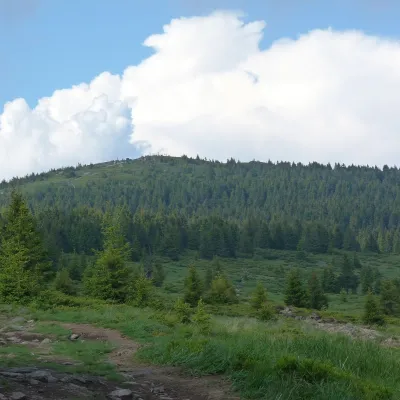 PeakHarghita-Mădărașaltitude 1 801 m42 km from Sovata spa: the heliothermal Bear LakeHarghita-Mădăraș (Romanian Vârful Harghita-Mădăraș, Hungarian Madarasi-Hargita) is the highest summit of the Harghita Mountains, at 1,801 m (some sources give 1,800 m)...
Craft nearby
All craft places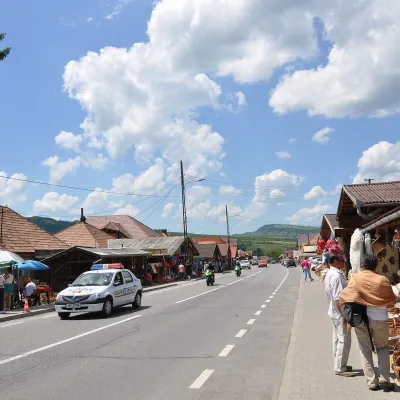 Markets & fairsCorund: pottery bazaar and Székely ceramics workshopsCorund17 km from Sovata spa: the heliothermal Bear LakeA village where almost everyone is a potter Corund (Hungarian: Korond) is a large Székely village in the west of Harghita County, between Odorheiu Secuiesc and the...
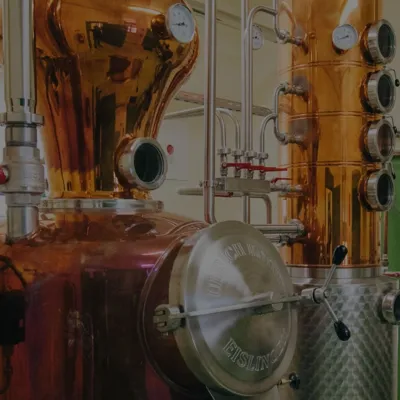 Wine & tastingsPálinka Jamy distillery: fruit pálinka in Odorheiu SecuiescOdorheiu Secuiesc38 km from Sovata spa: the heliothermal Bear LakeOdorheiu Secuiesc (Hungarian: Székelyudvarhely) is a historic town in the Târnava Mare valley in the west of Harghita County, long regarded by the Székelys as their ...
 Water parks & thermal poolsBăile Homorod: the Lobogó and Mária iron springs in the Harghita MountainsBăile Homorod41 km from Sovata spa: the heliothermal Bear LakeBăile Homorod (Hungarian Homoródfürdő) is a small spa village in Harghita County, administratively part of the town of Vlăhița.
