Salina Turda: a lake 112 m underground and speleotherapy
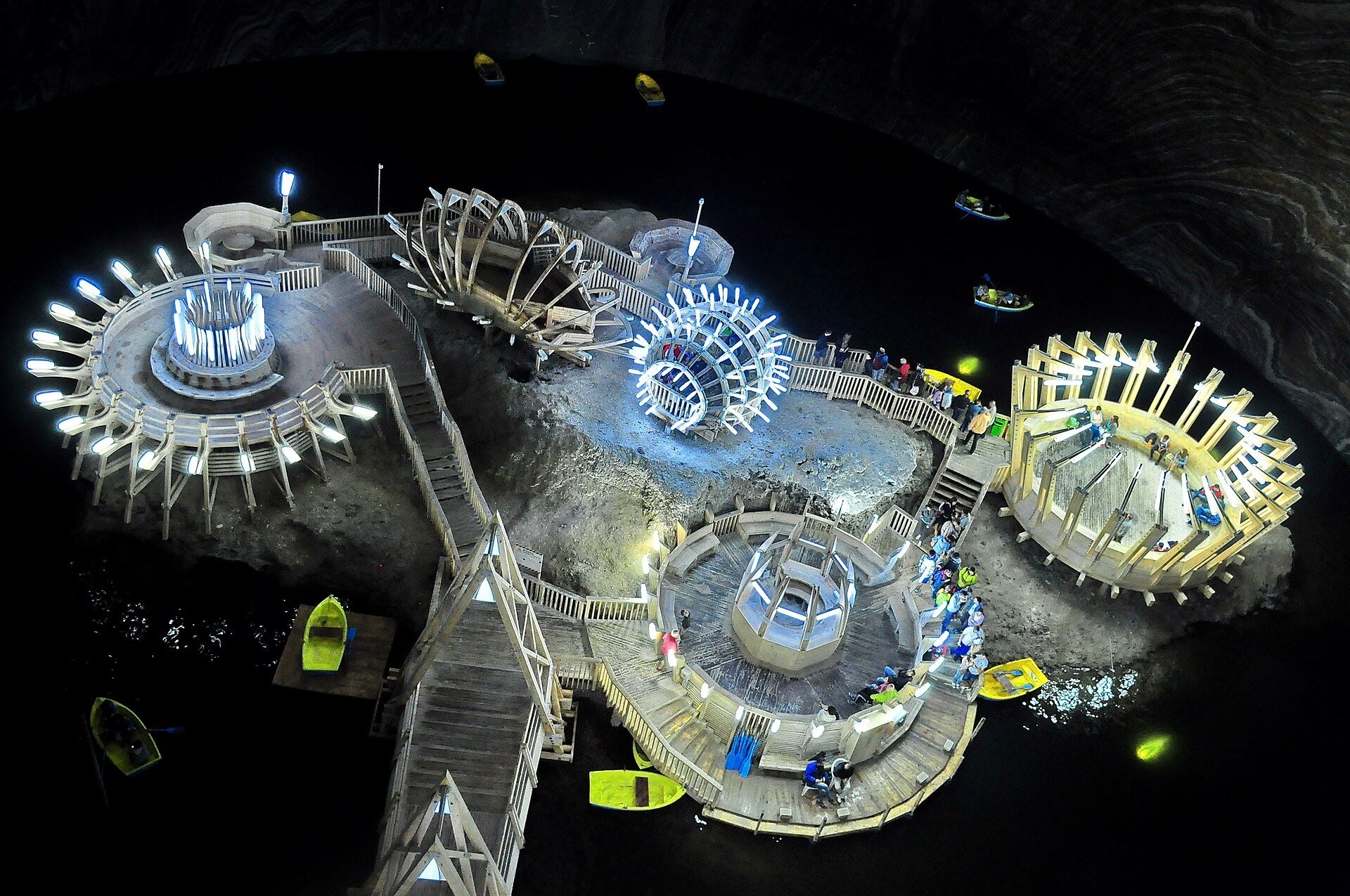
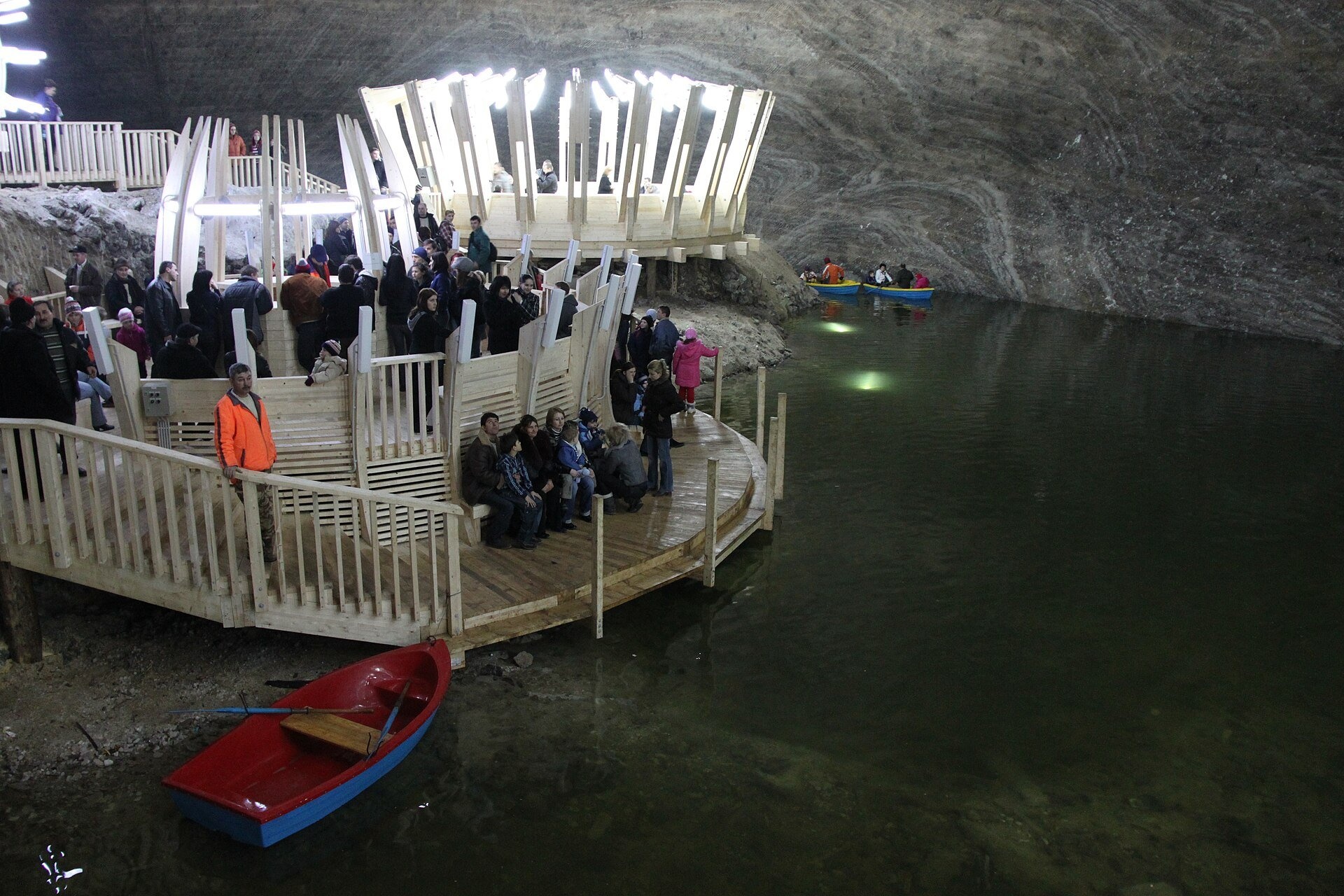
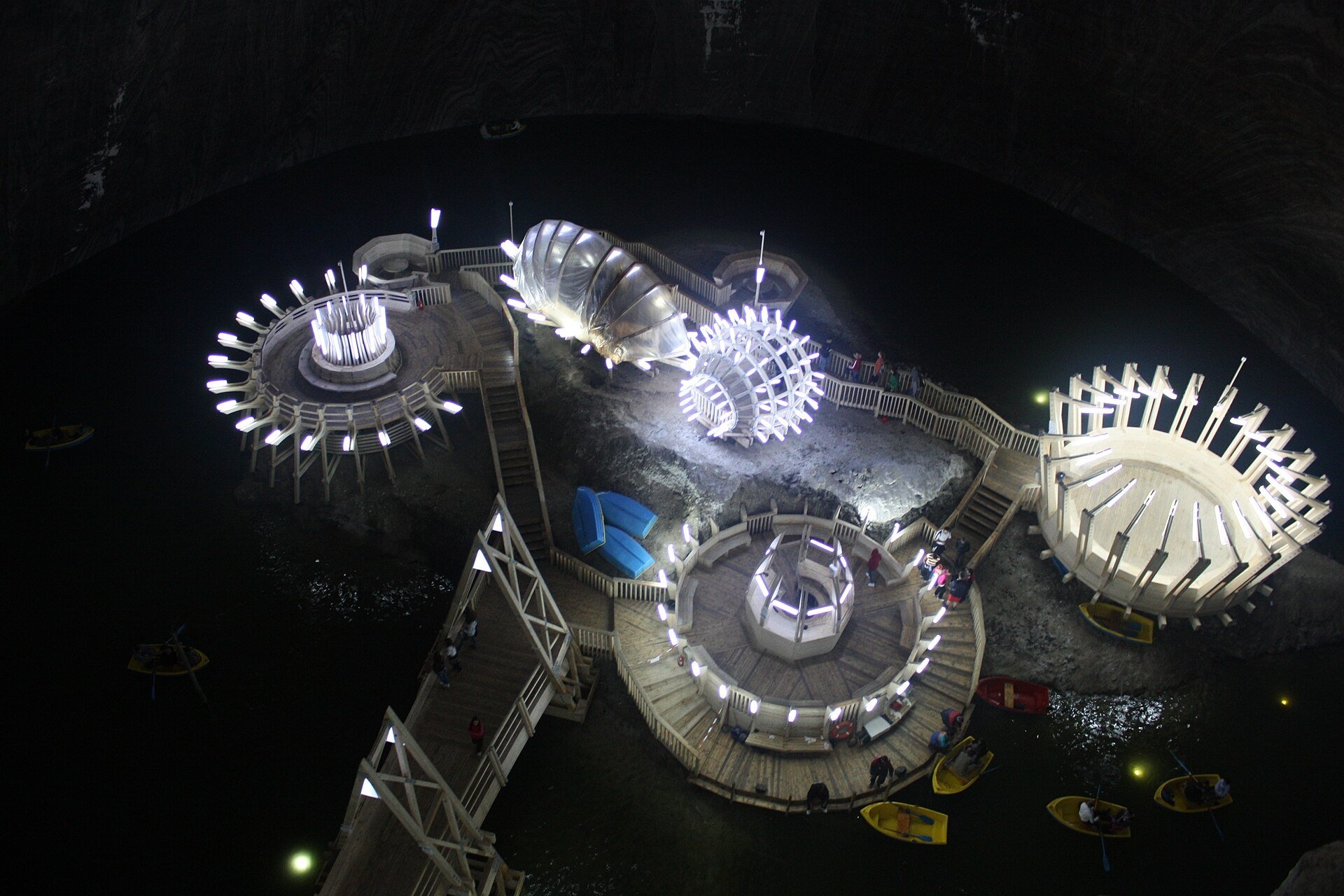
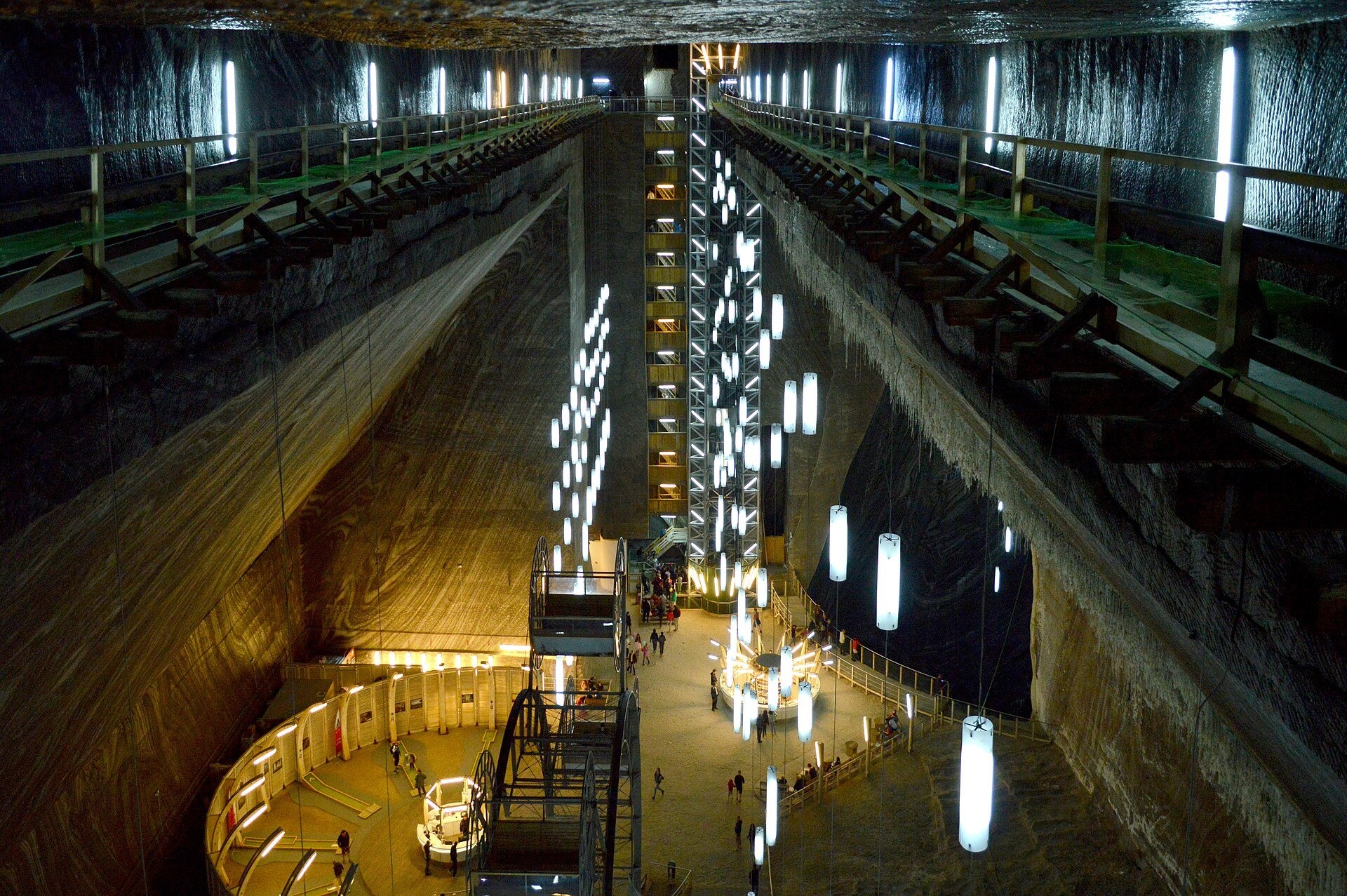
The Turda Salt Mine (Salina Turda) is one of Romania's best-known underground sights, on the edge of the town of Turda in Cluj County, a few dozen kilometres from Cluj-Napoca. Salt was mined here for centuries: the oldest chamber, Terezia, was worked from 1690 to 1880, the 917 m Franz Joseph transport gallery was dug in 1853–1870, and the horse-driven winch (crivac) of 1881 is the only one in Europe preserved in its original place. The mine opened to visitors in 1992, and after modernisation its underground halls with a lake, a Ferris wheel and a lift have become a symbol of Transylvania. The route descends to a depth of about 120 m. The mine is run by Salina Turda SA, which also operates a separate treatment room for speleotherapy.
Natural healing factors
According to the operator, the mine's microclimate is suitable for rehabilitation and prevention:
- a constant air temperature of 11–12 °C in all halls, winter and summer;
- relative humidity of 78–82 % at the entrance and 73–80 % in the Rudolf and Ghizela halls;
- almost still air (0.02 m/s in the Rudolf hall) and solid salt aerosols;
- practically zero allergens, no pollutants or pathogenic microbes, minimal radioactivity (radon-222 below the detection threshold);
- air ionisation at the level of outdoor air, with positive ions prevailing.
What is treated
The official indications for speleotherapy at Turda:
- allergic rhinitis, chronic rhinosinusitis, enlarged tonsils, adenoids;
- recurrent respiratory infections (tonsillitis, pharyngitis, tracheobronchitis, past pneumonia);
- bronchial asthma – allergic and non-allergic, asymptomatic, mild and moderate forms;
- chronic allergic and obstructive bronchitis, chronic obstructive pulmonary disease;
- skin diseases – eczema, atopic dermatitis.
Contraindications according to the mine: age under 3 and over 65 (only with a doctor's approval), severe asthma and status asthmaticus, complications of COPD, tuberculosis, lung tumours, acute ENT diseases, serious cardiovascular disease (stage III hypertension, recent heart attack, frequent angina attacks, grade II–III heart failure), acute digestive and kidney diseases, uncontrolled diabetes, rheumatic diseases in a flare-up, neurological diseases (including stroke, multiple sclerosis, epilepsy), the third trimester of pregnancy, anxiety-depressive disorders and claustrophobia, and 1–2 months after surgery. People with heart conditions are admitted only with a doctor's recommendation.
This information is for reference only and is not medical advice: the course and procedures are prescribed by a doctor after a consultation.
Procedures and the underground route
A speleotherapy course is recommended mainly between 9:00 and 14:00 for 14–18 days (7–10 days for children); children over 2 should stay 2–3 hours a day, and people over 65 with heart disease no more than 2–3 hours a day for 7 days under medical supervision. A session combines time in the Ghizela treatment room – a chamber created in 1992 from two technical rooms – and in the Rudolf hall. According to the operator the effect lasts 2–3 months, so two courses a year are recommended. For a longer course there is a pass from 7 days.
The visitor route includes:
- the Franz Joseph gallery, the Crivac Hall and the extraction shaft museum (87 m);
- the Roll-Call Hall with the "Stairs of the Rich", the oldest wooden structure in the mine;
- the conical Iosif mine (115 m), the "Echo Hall", where sound repeats up to 20 times;
- the Rudolf mine (a 42 m high, 80 m long dome, 172 steps or a panoramic lift) with a Ferris wheel, an amphitheatre, minigolf and a sports ground;
- the Terezia mine at a depth of 112 m with an underground lake (up to 6 m deep), a salt island and rowing boats.
Practical information
As of November 2026 (Salina Turda website) the mine is open daily 9:00–17:00, last entry 16:20. An adult ticket costs 75 lei on weekdays and 90 lei at weekends and on public holidays, over-65s pay 50/60 lei and children aged 3–18 48/59 lei; children under 3 enter free. Passes from 7 days: 65 lei a day for adults, 37 lei for seniors and children. A visit to the Ghizela treatment room costs 32 lei, a boat on the lake 56 lei for 20 minutes and the Ferris wheel 35 lei. Tickets are also sold online. The main entrance A is at Aleea Durgăului 7 with a pavilion and car park (10 lei/h); the old entrance B is at Str. Salinelor 54B in the Turda Nouă district and is suitable for people with reduced mobility. It is cool underground, so bring a jacket; food and pets are not allowed.
Getting there from Ukraine
From Rakhiv it is 238 km, about 4 h 27 min, via the Solotvyno – Sighetu Marmației crossing; from Uzhhorod 319 km, about 5 h 30 min, via the Diakove – Halmeu crossing; from Chernivtsi 347 km, about 6 h 57 min, via Krasnoilsk – Vicovu de Sus. Times are given without border queues. Romanian national roads require the electronic vignette rovinieta (sold online). In Turda itself, city bus no. 17 stops near the mine.
Nearby
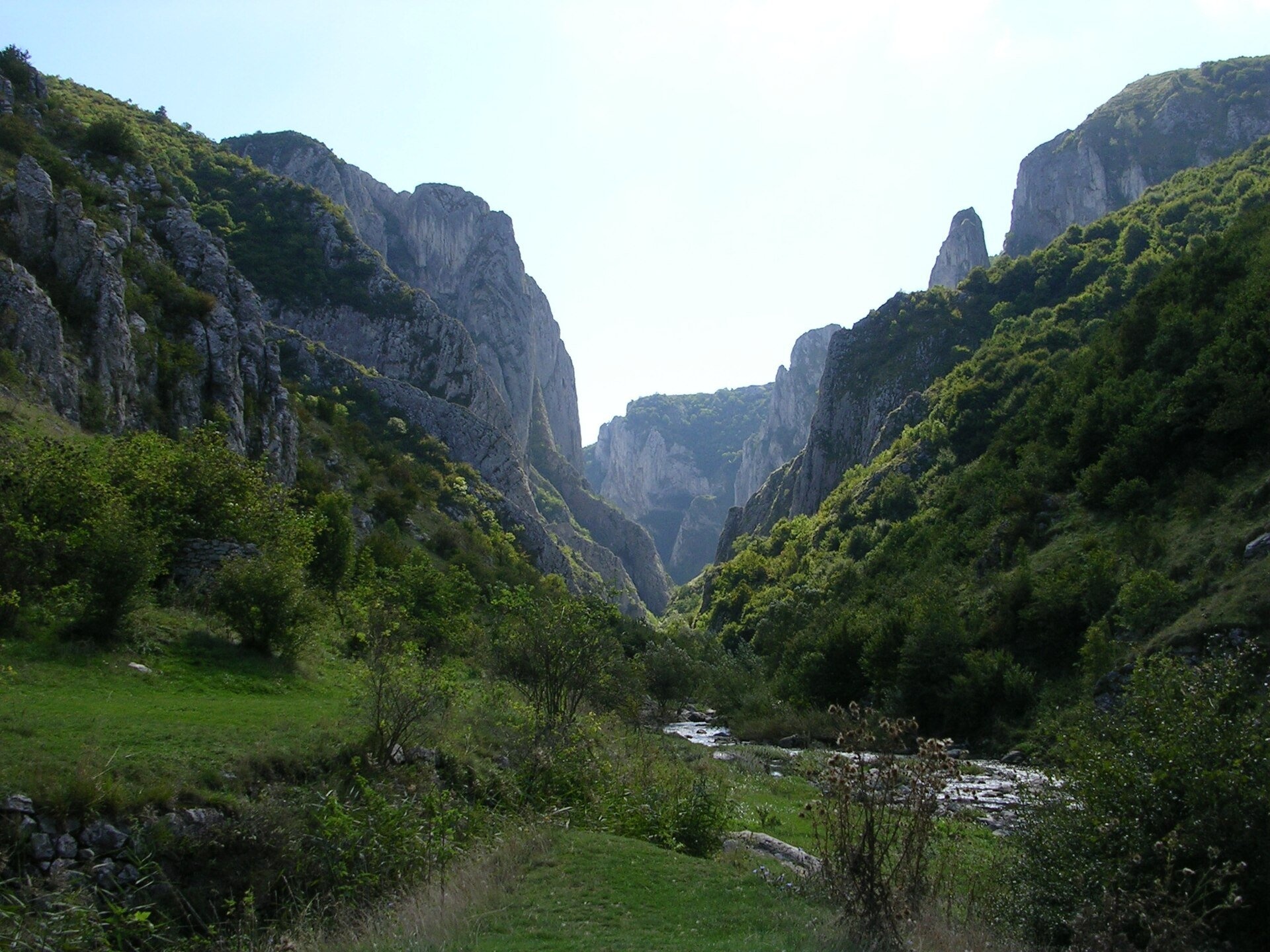
Not far from town is the protected Turda Gorge (Cheile Turzii) with hiking trails, and in Turda it is worth seeing the ruins of the Roman camp of Potaissa and the history museum. Another salt mine of this series is Cacica in Bukovina.
Official website: salinaturda.eu
Photos: Gabriel Tocu, CC BY-SA 4.0, Wikimedia Commons; Cristian Bortes, CC BY 2.0, Wikimedia Commons; Adymark, CC BY-SA 3.0 ro, Wikimedia Commons; DimiTalen, CC0, Wikimedia Commons.
Getting there from Ukraine
Border crossings
- Porubne – Siret — road and pedestrian, 24/7
- Diakivtsi – Racovăț — road and pedestrian, 24/7 No freight traffic.
- Krasnoilsk – Vicovu de Sus — road and pedestrian, 08:00–20:00 Cars up to 3.5 t and pedestrians only; not 24/7.
- Solotvyno – Sighetu Marmației — road and pedestrian, 24/7 Passenger traffic only: vehicles up to 3.5 t with up to 9 seats, pedestrians.
- Diakove – Halmeu — road, 24/7 No pedestrian crossing.
By car
Rakhiv – Cluj-Napoca ≈219 km, ≈3 h 44 min (via Solotvyno – Sighetu Marmației); Ivano-Frankivsk – Cluj-Napoca ≈353 km, ≈6 h 04 min (via Solotvyno – Sighetu Marmației); Chernivtsi – Cluj-Napoca ≈343 km, ≈6 h 28 min (via Krasnoilsk – Vicovu de Sus). Times without border queues, our road routing (GraphHopper, OSM).
Checked 03.11.2026; border crossing hours and timetables change — check before you travel.
Comments
Travellers’ experience: reports, tips, questions.
No one has written here yet. Be the first — your experience helps others.
Location on the map
Trails nearby
All trails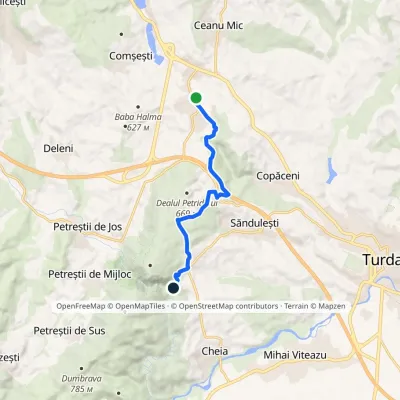 EasyOne-dayMarkedTureni Cheile Turzii HutElevation profile442–672 m9.8 kmascent 235 m≈ 3 h walking5.5 km from Salina Turda: a lake 112 m underground and speleotherapy
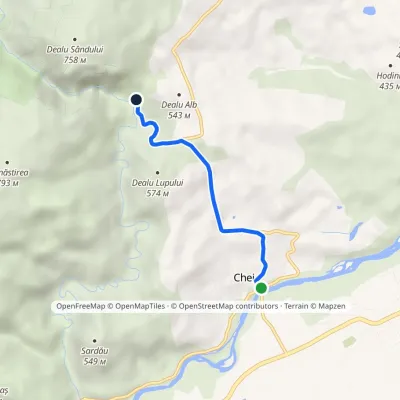 EasyOne-dayMarkedCheia Cheile Turzii HutElevation profile341–516 m3.9 kmascent 187 m≈ 1.5 h walking7.4 km from Salina Turda: a lake 112 m underground and speleotherapy
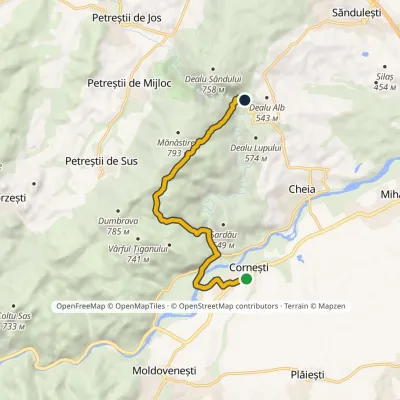 EasyOne-dayMarkedCornești Cheile Turzii HutElevation profile342–726 m9 kmascent 389 m≈ 3 h walking7.9 km from Salina Turda: a lake 112 m underground and speleotherapy
Nearby attractions
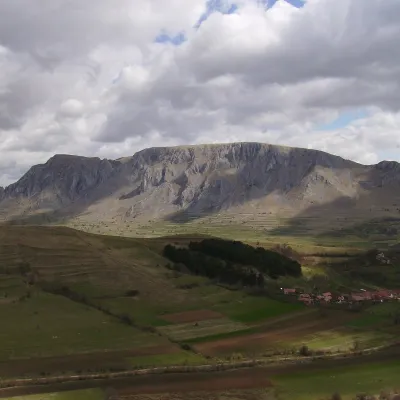 PeakPiatra SecuiuluiRimeteaaltitude 1 129 m22 km from Salina Turda: a lake 112 m underground and speleotherapyPiatra Secuiului (Romanian: Piatra Secuiului, Hungarian: Székelykő, also Colții Trascăului) is a bare limestone peak at 1,129 m in the Trascău and Metaliferi Mountains...
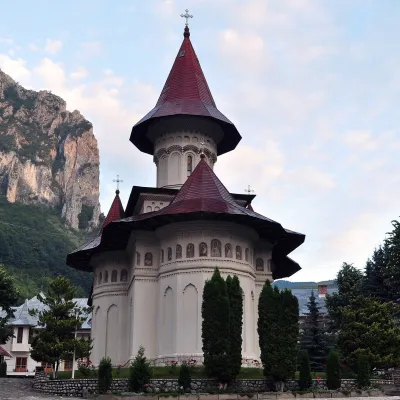 ChurchRâmeț Monastery: 1377 frescoes in the Trascău MountainsValea Mănăstirii38 km from Salina Turda: a lake 112 m underground and speleotherapyRâmeț Monastery (Mănăstirea Râmeț) is one of the oldest monastic settlements in Transylvania. It stands in the Geoagiu valley, known locally as the «Monastery Valley»,...
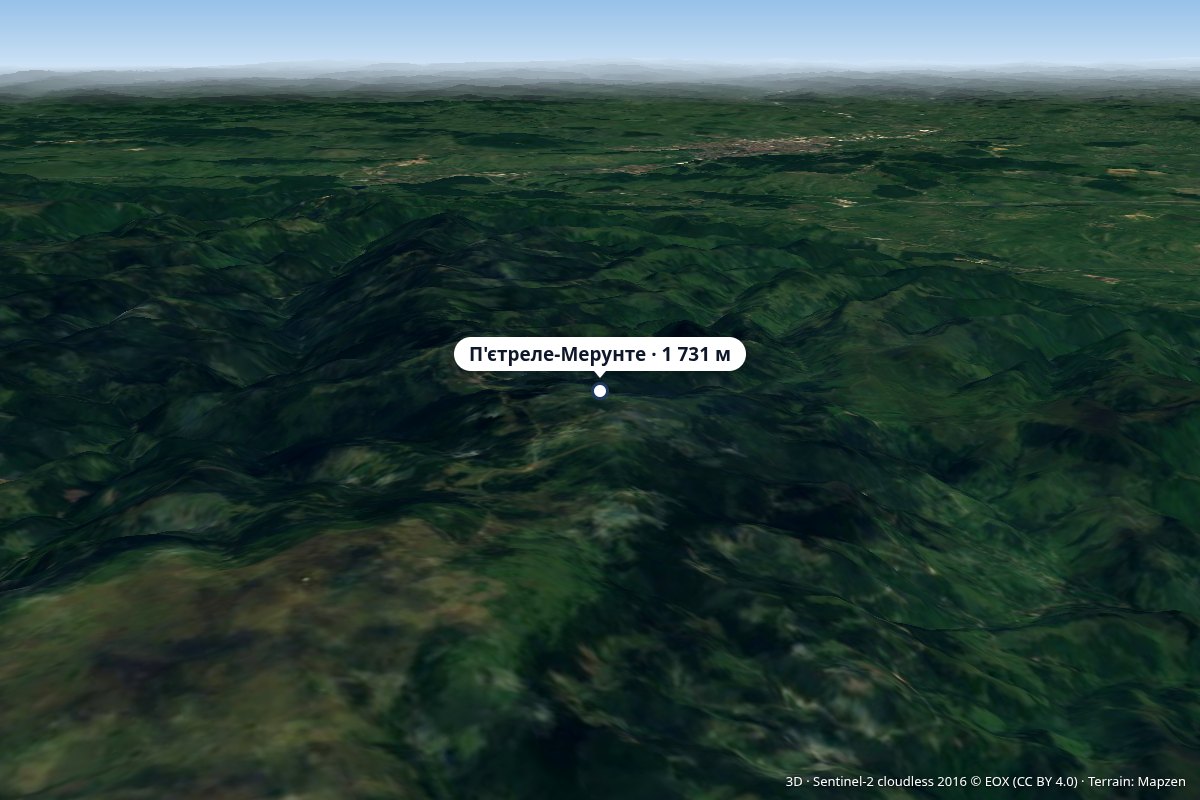 PeakPietrele MărunteMuntele Cacoveialtitude 1 731 m40 km from Salina Turda: a lake 112 m underground and speleotherapyVârful Pietrele Mărunte, “Small Stones”) is a 1,731 m peak in the Gilău – Muntele Mare Mountains (Western Romanian Carpathians), on the border of Alba and Cluj Counties.
