Brukenthal National Museum, Sibiu: palace and art gallery
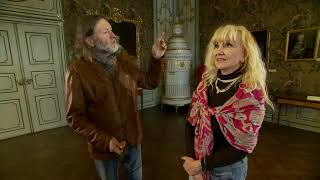
A governor's palace and his collection
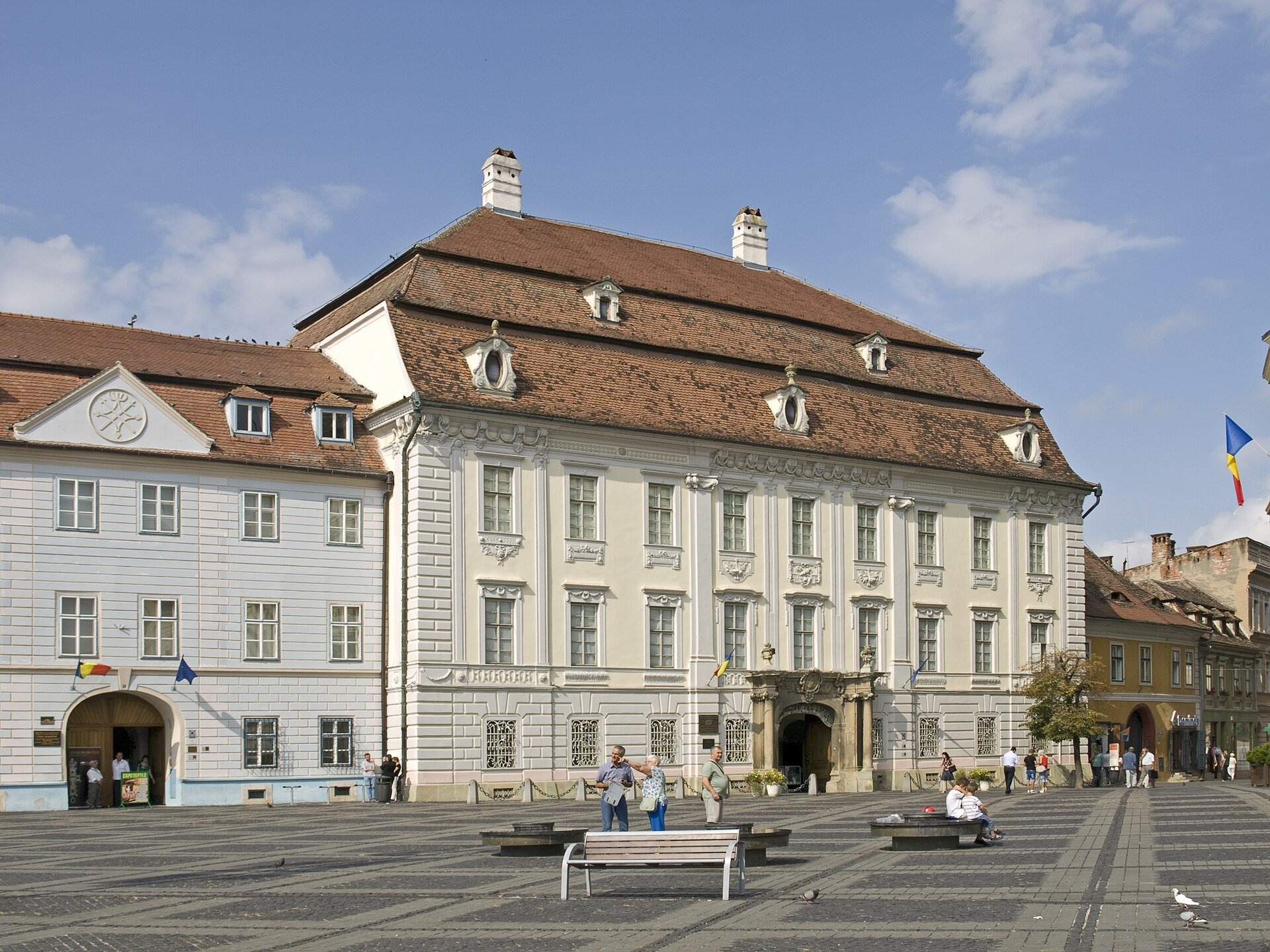
Sibiu (German Hermannstadt) was the chief town of the Transylvanian Saxons, and in the late 18th century it was home to one of the most powerful men in the region — Baron Samuel von Brukenthal (1721–1803), governor of the Grand Principality of Transylvania in 1777–1787. Between 1778 and 1788 he built a town palace on the west side of Piața Mare, modelled on the late Baroque palaces of Vienna. It was meant to be both his residence and the home of his collections of paintings, prints, books, coins and minerals.
The baron opened his collections to visitors as early as around 1790, and in 1817, following his will, the museum officially opened to the public. That is why the Brukenthal is regarded as the oldest museum on the territory of present-day Romania. Today it is the Brukenthal National Museum (Muzeul Național Brukenthal), a complex of several museums in different buildings of the historic centre, but its heart is still the palace itself, which houses the European Art Gallery, the National Art Gallery and the library.
Why go
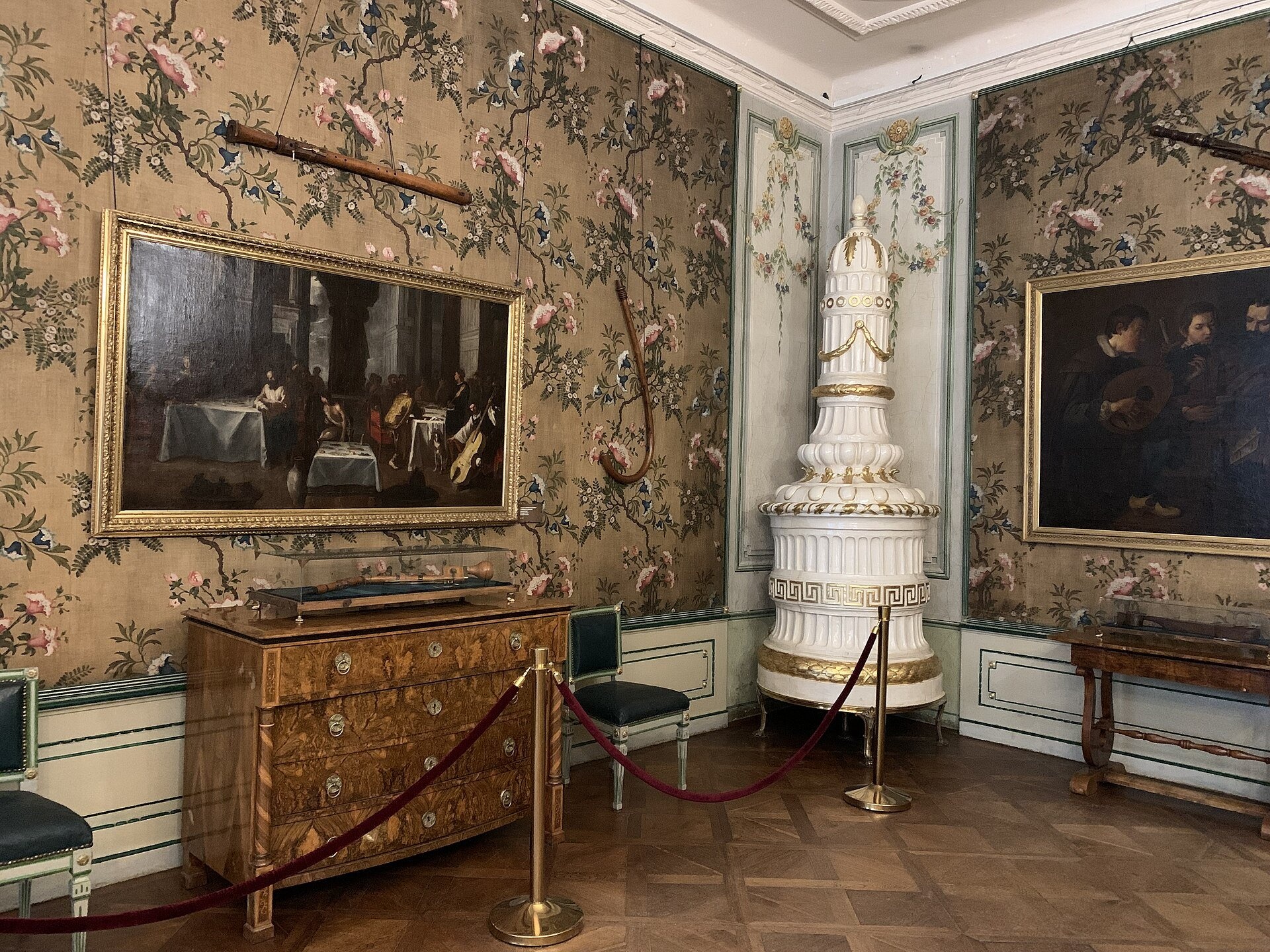
Here you can see masterpieces you would not expect in a Transylvanian town: Jan van Eyck's «Portrait of a Man with a Blue Chaperon» (around 1430), Antonello da Messina's «Crucifixion», and Pieter Bruegel the Younger's version of the «Massacre of the Innocents». The palace itself is just as interesting: a suite of 18th-century state rooms with painted wallpaper, tiled stoves and period furniture shows how the nobility of Habsburg Transylvania lived. The museum stands right on the main square, so it is easy to combine with a walk through the old town.
What to see
- The European Art Gallery: about 1,200 works of the Flemish-Dutch, German, Austrian, Italian, Spanish and French schools of the 15th–18th centuries.
- Works by van Eyck, Antonello da Messina and Bruegel the Younger, plus the Baroque paintings collected by the baron himself.
- The palace's state rooms with wallpaper, tiled stoves, furniture and 18th-century portraits.
- The National Art Gallery with Romanian art and Gothic altarpieces from Transylvanian churches.
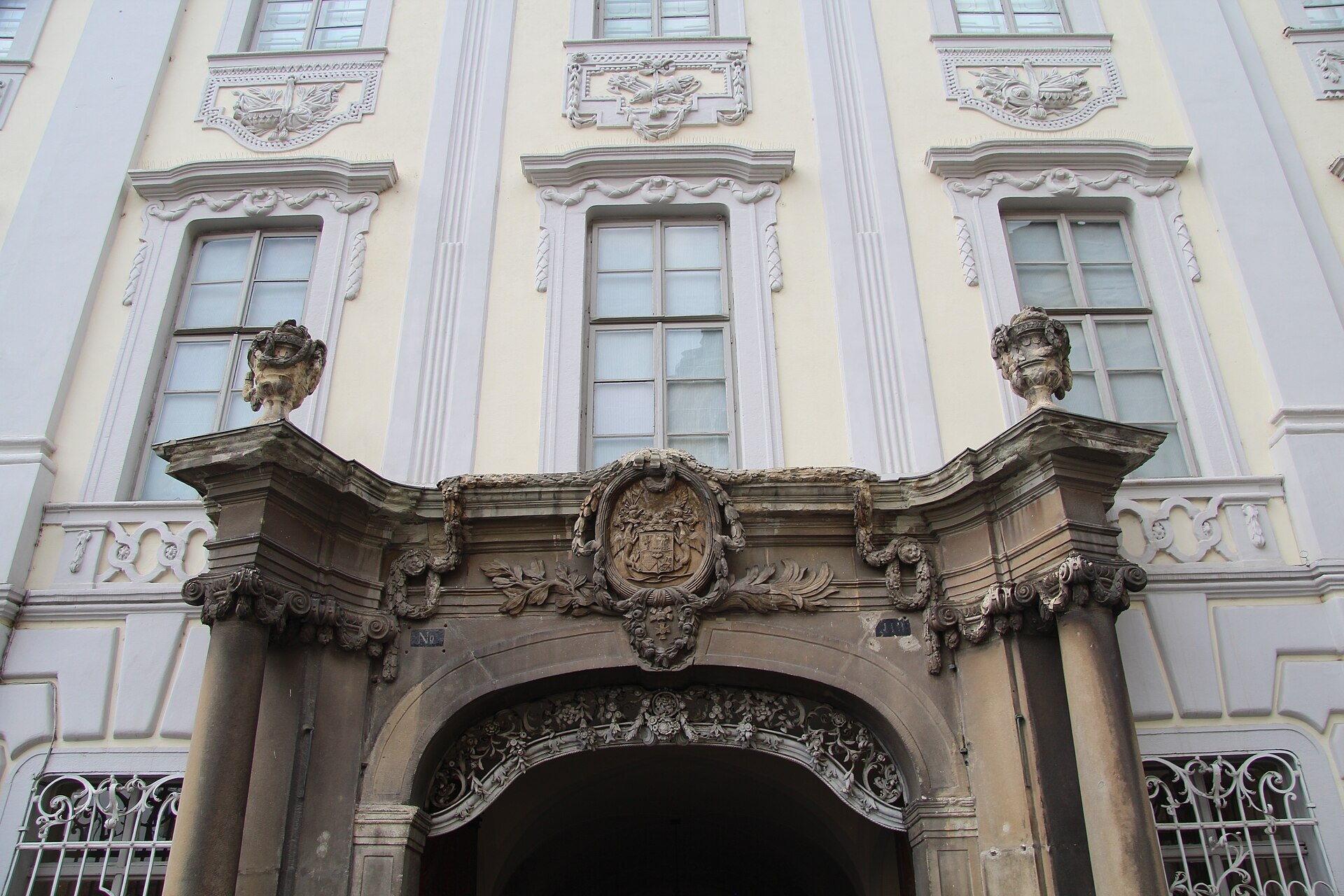
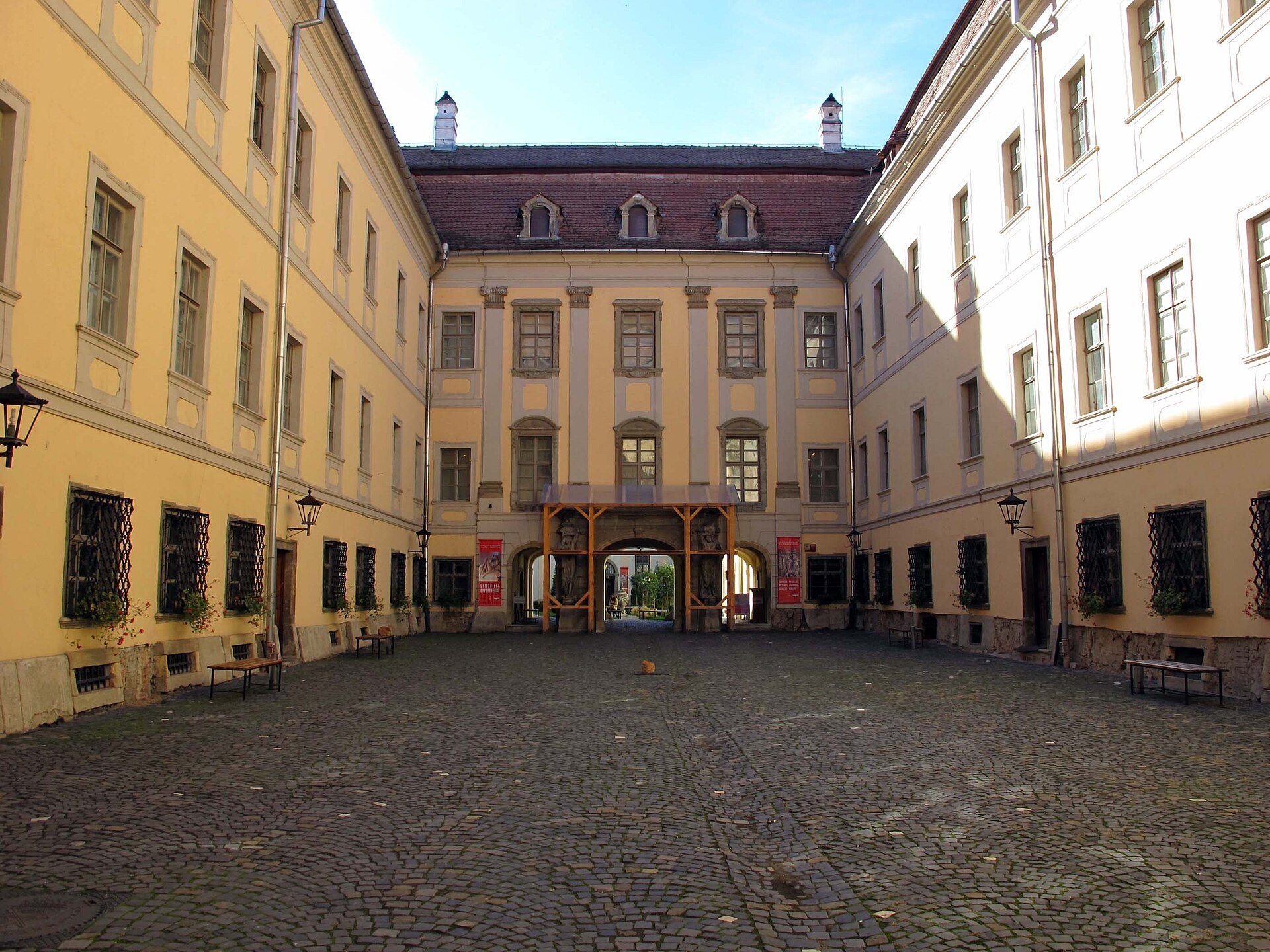
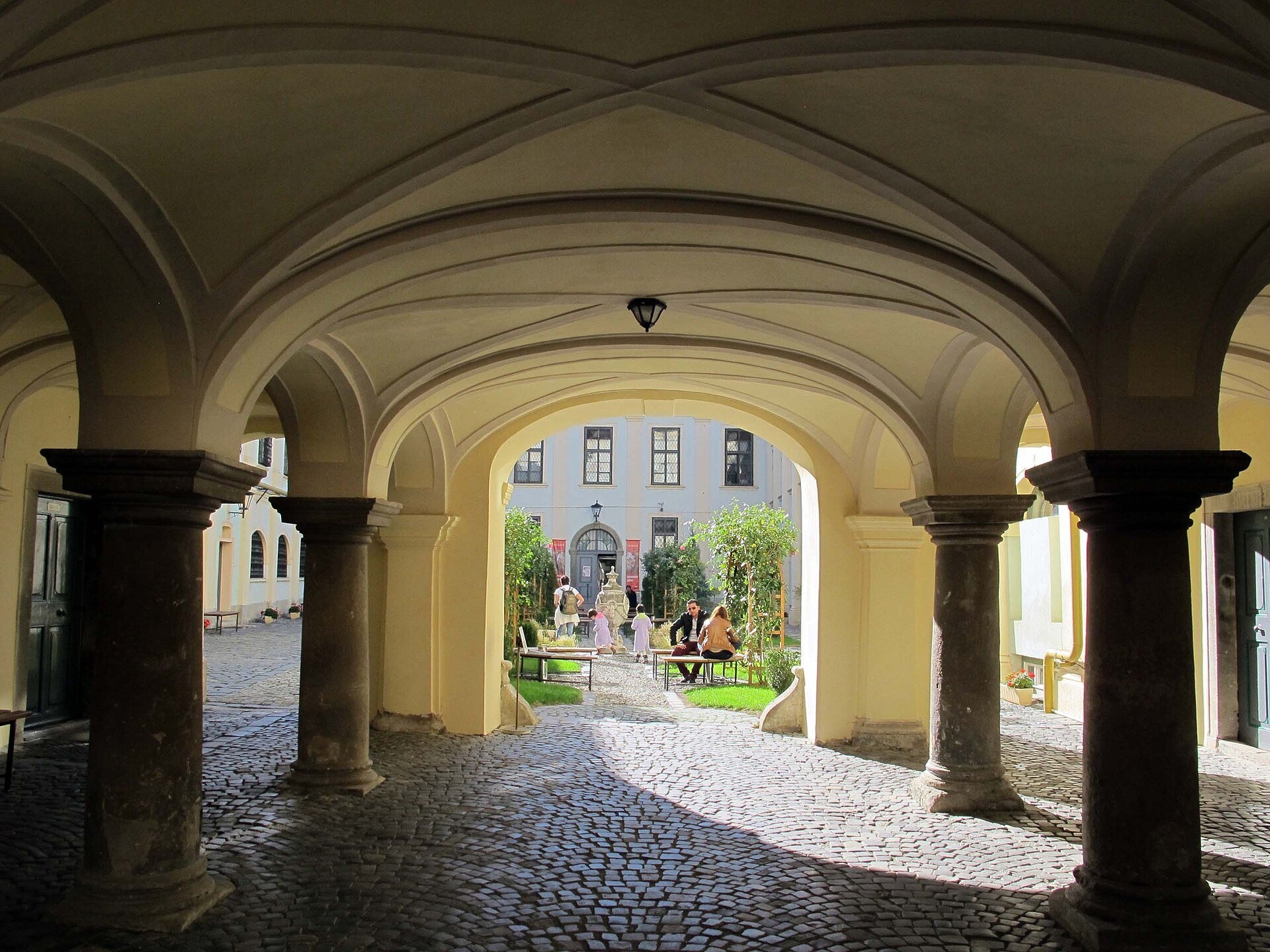
- The Baroque portal with Brukenthal's coat of arms and the palace's two inner courtyards.
- Temporary exhibitions: in November 2026 these include a show on the books and communities of the Transylvanian Saxons in the Middle Ages.
Practical information
Address: Piața Mare nr. 4-5, Sibiu, on the main square of the historic centre. Sibiu lies at the foot of the Făgăraș and Cindrel Mountains; it is about 145 km from Brașov and roughly 390 km from the Solotvyno – Sighetu Marmației border crossing via Baia Mare and Cluj-Napoca. The palace is open Wednesday to Sunday 9:00–17:00 (ticket office until 16:15) and closed on Monday and Tuesday; the other museums of the complex have their own hours. A ticket to the palace costs 50 lei for adults, 25 lei for pensioners and 12.50 lei for pupils and students; a combined ticket to all museums is valid for 48 hours and costs 120 lei (as of November 2026). Tickets can also be bought online on the museum's website. A guided tour in Romanian or English (200 lei per hour) must be booked at least 48 hours ahead: +40 269 217 691, [email protected]. Professional photography is charged. The museum suggests allowing about 1.5 hours for the palace.
Nearby
- Sibiu historic centre with Piața Mare, Piața Mică, Huet Square and the Bridge of Lies.
- ASTRA Museum, the open-air museum in Dumbrava forest on the southern edge of the city.
- «Transilvania» peasant market in Sibiu, a Saturday farmers' market.
- St Michael's Basilica in Cisnădioara, a Romanesque fortress church on a hill.
- Altemberger House (Casa Altemberger) with the History Museum and the Museum of Pharmacy History — other branches of the Brukenthal complex in the centre.
Official website: brukenthalmuseum.ro
Photos: Ymblanter, CC BY-SA 4.0, Wikimedia Commons; GerritR, CC BY-SA 4.0, Wikimedia Commons; sailko, CC BY-SA 3.0, Wikimedia Commons; Chainwit., CC BY 4.0, Wikimedia Commons.
Getting there from Ukraine
Border crossings
- Porubne – Siret — road and pedestrian, 24/7
- Diakivtsi – Racovăț — road and pedestrian, 24/7 No freight traffic.
- Krasnoilsk – Vicovu de Sus — road and pedestrian, 08:00–20:00 Cars up to 3.5 t and pedestrians only; not 24/7.
- Solotvyno – Sighetu Marmației — road and pedestrian, 24/7 Passenger traffic only: vehicles up to 3.5 t with up to 9 seats, pedestrians.
- Diakove – Halmeu — road, 24/7 No pedestrian crossing.
By car
Rakhiv – Sibiu ≈390 km, ≈5 h 33 min (via Solotvyno – Sighetu Marmației); Ivano-Frankivsk – Sibiu ≈524 km, ≈7 h 52 min (via Solotvyno – Sighetu Marmației); Chernivtsi – Sibiu ≈435 km, ≈8 h 00 min (via Diakivtsi – Racovăț). Times without border queues, our road routing (GraphHopper, OSM).
Checked 03.11.2026; border crossing hours and timetables change — check before you travel.
Comments
Travellers’ experience: reports, tips, questions.
No one has written here yet. Be the first — your experience helps others.
Video 2
 Brukenthal National Museum, Sibiu - Romania/presentationBRUKENTHAL MUSEUM
Location on the map
Trails nearby
All trails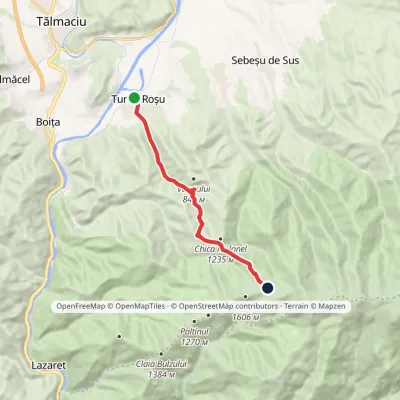 ModerateOne-dayMarkedTurnu Roșu station Corbului SaddleElevation profile369–1 566 m9.5 kmascent 1 197 m≈ 4.5 h walking20 km from Brukenthal National Museum, Sibiu: palace and art gallery
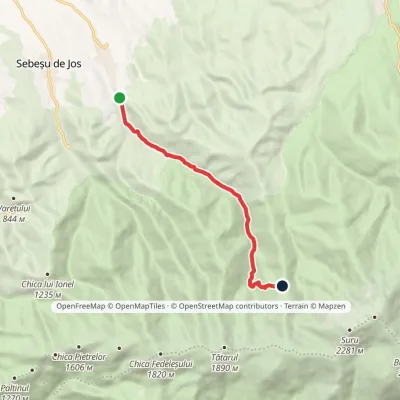 ModerateOne-dayMarkedSebeșu de Sus Suru HutElevation profile494–1 433 m8.2 kmascent 938 m≈ 3.5 h walking23 km from Brukenthal National Museum, Sibiu: palace and art gallery
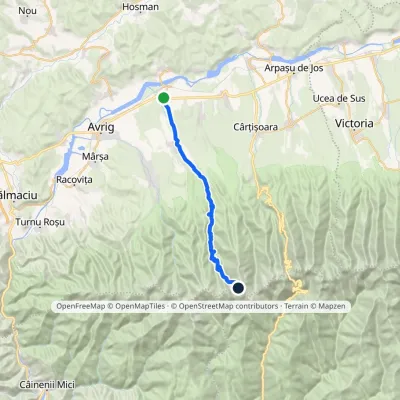 Hard1–2 daysMarkedPorumbacu de Jos Cleopatra SaddleElevation profile398–2 361 m26 kmascent 1 962 m≈ 10 h walking24 km from Brukenthal National Museum, Sibiu: palace and art gallery
Nearby attractions
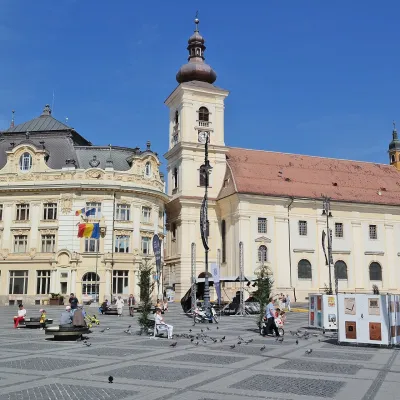 ArchitectureSibiu historic centre: squares, Bridge of Lies and wallsSibiuunder 1 km from Brukenthal National Museum, Sibiu: palace and art gallerySibiu (German Hermannstadt, Hungarian Nagyszeben) was founded in the 12th century by German settlers invited to southern Transylvania by the kings of Hungary.
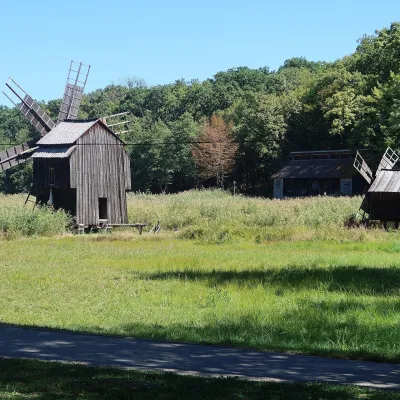 MuseumASTRA Museum, Sibiu: open-air museum in Dumbrava forestSibiu5.6 km from Brukenthal National Museum, Sibiu: palace and art galleryThe ASTRA Museum of Traditional Folk Civilization occupies part of the Dumbrava forest (Dumbrava Sibiului) about 3 km south of the centre of Sibiu, on the road to...
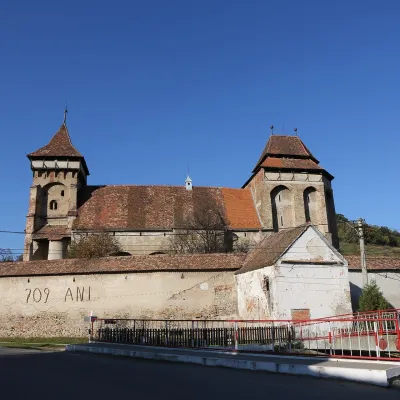 ChurchValea Viilor Fortified Church: UNESCO near MediașValea Viilor33 km from Brukenthal National Museum, Sibiu: palace and art galleryThe village of Valea Viilor (German: Wurmloch, Hungarian: Nagybaromlaka) lies in a valley of vineyards a few kilometres from the town of Mediaș, in a region settled...
Craft nearby
All craft places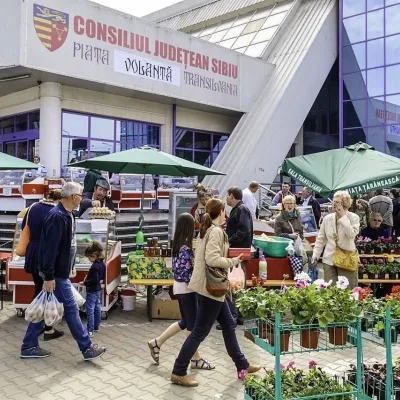 Markets & fairsTransylvania Farmers’ Market in Sibiu: Saturday producers’ marketSibiu1.6 km from Brukenthal National Museum, Sibiu: palace and art galleryThe Transylvania Farmers’ Market (Piața Țărănească Transilvania) is an open-air Saturday market next to the Transilvania sports hall in Sibiu.
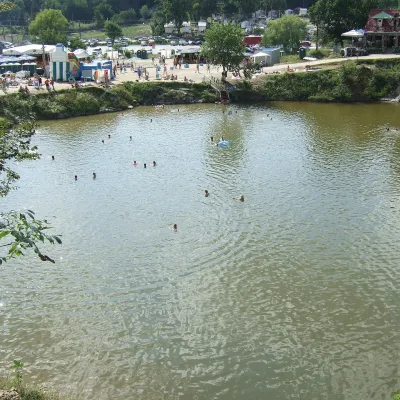 Water parks & thermal poolsOcna Sibiului spa: salt lakes and healing mudOcna Sibiului11 km from Brukenthal National Museum, Sibiu: palace and art galleryOcna Sibiului is a small spa town in Sibiu County, 15 km north-west of Sibiu, on the southern edge of the Transylvanian hill basin.
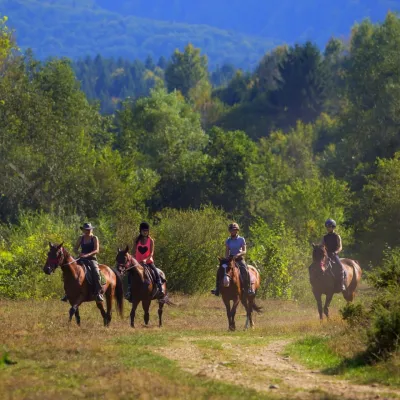 Horse ridingHermannstadt Mountain Horses: horse rides below the FăgărașPorumbacu de Sus27 km from Brukenthal National Museum, Sibiu: palace and art galleryHorses in the Avrig Valley below the Făgăraș Hermannstadt Mountain Horses (Hermannstadt is the old German name of Sibiu) is a riding stable in the Avrig Valley (Valea...
