Clusius' gentian
About
Clusius' gentian is a mountain plant of the Alps and Carpathians, named after the botanist Charles de l'Écluse (Clusius). In Poland, it grows only in the Tatras, where it is quite common; in Slovakia, our data show it in the Greater and Lesser Fatra, Low and Western Tatras, and the Strážov Mountains. There are records from Romania as well. This species is absent in the Ukrainian Carpathians, where its relative, the stemless gentian, grows.
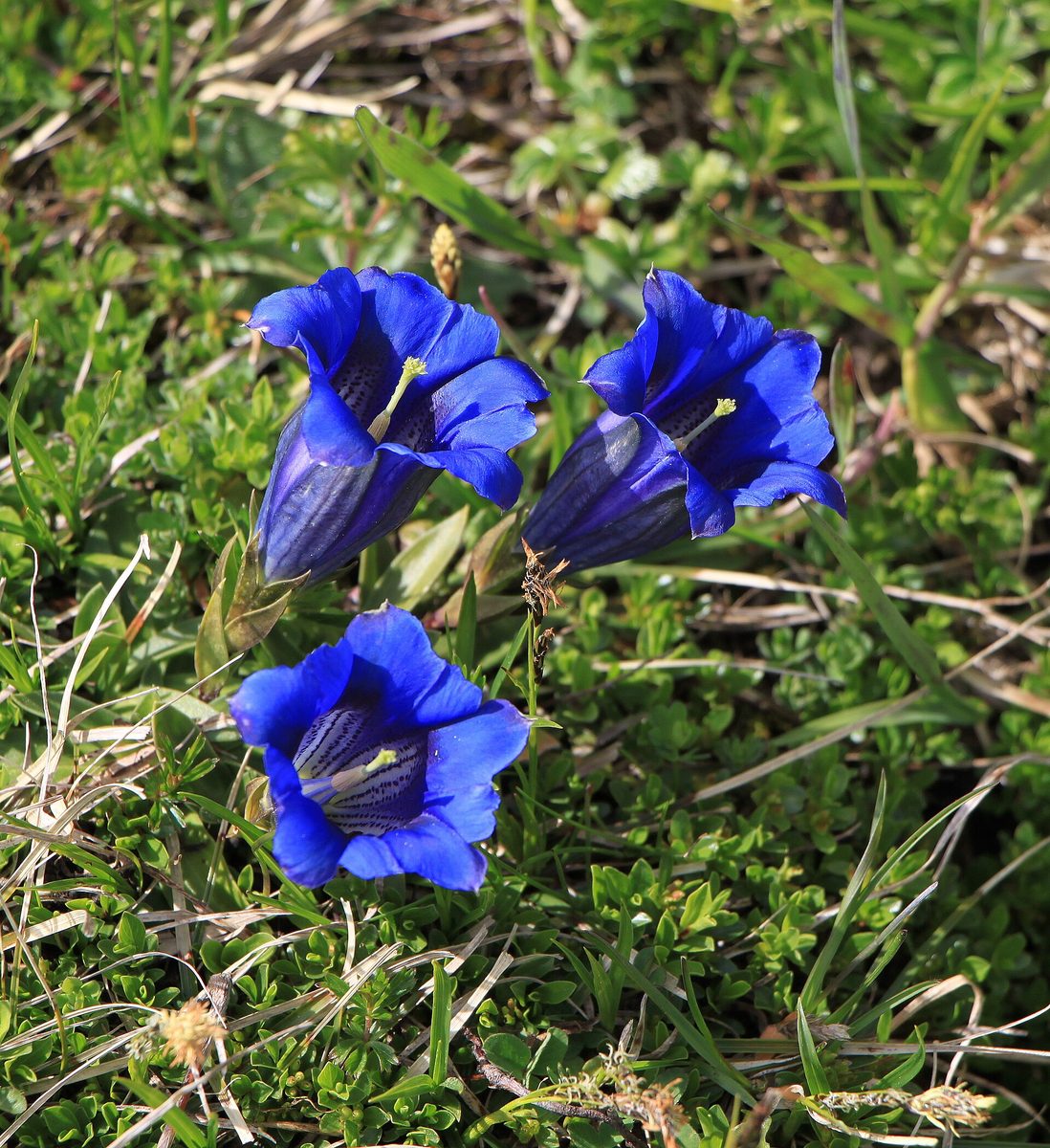
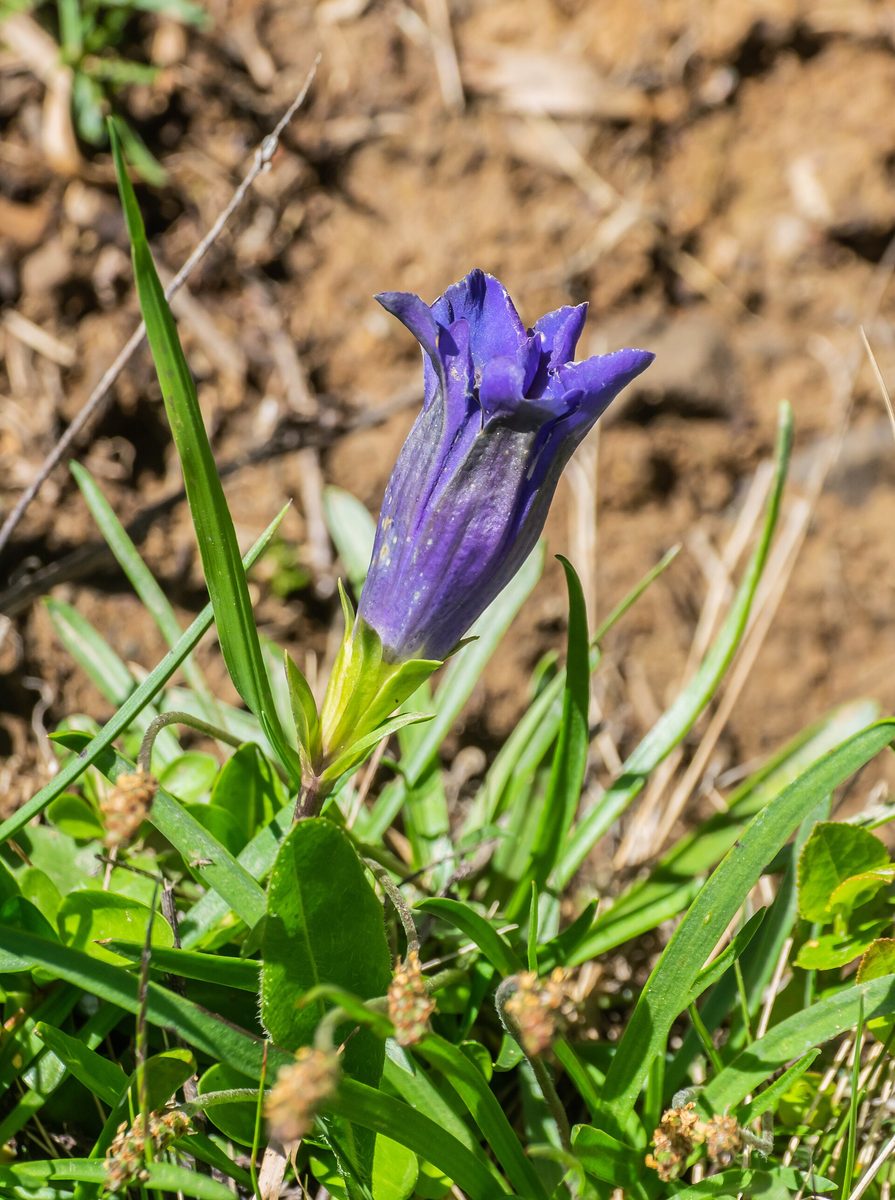
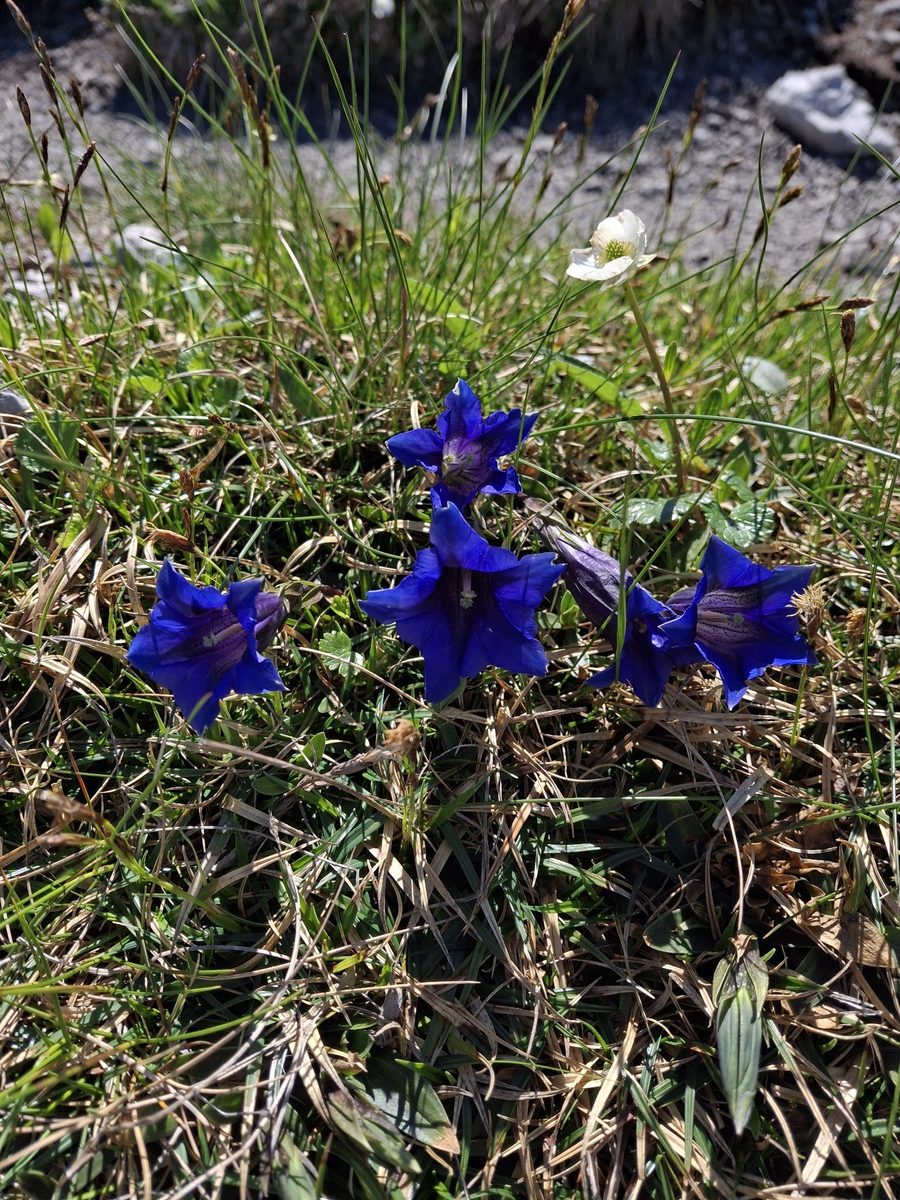
The plant itself is small, 5–15 cm, but the flower is huge for such a height—up to 6 cm long. It has one flower at the top of a short stem, bell-shaped, and a rich sapphire-blue color. The leaves are leathery, lanceolate, pointed, and gathered in an evergreen rosette at the base. In rain and bad weather, the flower closes into a bud.
This is a limestone plant: it grows only on limestone soils, in sunny places—on mountain meadows, in rocky crevices, and on pastures. In the Tatras, it occurs from 935 to 2000 m. It blooms from April to June; the flowers are pollinated by butterflies, bees, and bumblebees.
In Poland, Clusius' gentian is under strict protection, and all its natural habitats lie within the Tatra National Park. The main threat is tourists who pick the flowers: according to Polish Wikipedia, limestone rocks near the trails can be stripped of this plant up to two meters high. Enjoy and photograph it, but do not pick.
This species does not live in the Ukrainian Carpathians today — you can see it in other Carpathian countries.
Where in the Carpathians

Orange — where naturalists recorded the species (GBIF, CC0/CC BY); a blank area does not mean it is absent.
- Countries
- Slovakia · Poland · Romania
- Mountain ranges
- In other countries: 🇸🇰 Greater Fatra, 🇸🇰 Lesser Fatra, 🇸🇰 Low Tatras, 🇸🇰 Strážov Mountains, 🇸🇰 Western Tatras, 🇸🇰 Slovak Ore Mountains, 🇸🇰 Choč Mountains, 🇸🇰 Belianske Tatras, 🇷🇴 Bihor-Vlădeasa Mountains
- Altitude belts
- Beech forests (600–1200 m) · Conifer forests (1200–1600 m)
When to see it
| Jan | Feb | Mar | Apr | May | Jun | Jul | Aug | Sep | Oct | Nov | Dec | |
|---|---|---|---|---|---|---|---|---|---|---|---|---|
| Flowering |
From naturalists’ observations in the Carpathians (iNaturalist, research grade): the darker the cell, the more often the species is seen that month.
Look-alikes — how to tell them apart
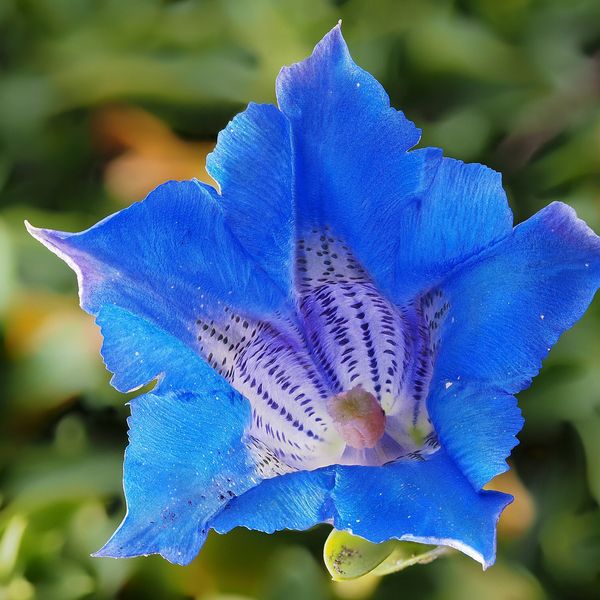
A very similar close species; this is the one that grows in the Ukrainian Carpathians.
Protection and rules
The species is absent in the Ukrainian Carpathians. In Poland, it is under strict protection and is also protected in Slovakia. Picking is prohibited.
FAQ
Where in the Carpathians does Clusius' gentian grow?
On limestone in the Western Carpathians: in the Polish and Slovak Tatras, in the Greater and Lesser Fatra, and the Low Tatras. There are records from Romania. It is absent in Ukraine.
When does Clusius' gentian bloom?
From April to June. In rain, the flower closes, so it is best to look for it on sunny days.
Comments
Travellers’ experience: reports, tips, questions.
No one has written here yet. Be the first — your experience helps others.
Similar species
Where to meet it
Mountain ranges: In other countries: 🇸🇰 Greater Fatra, 🇸🇰 Lesser Fatra, 🇸🇰 Low Tatras, 🇸🇰 Strážov Mountains, 🇸🇰 Western Tatras, 🇸🇰 Slovak Ore Mountains, 🇸🇰 Choč Mountains, 🇸🇰 Belianske Tatras, 🇷🇴 Bihor-Vlădeasa Mountains
Trails and peaks near which naturalists recorded the species (GBIF, iNaturalist), matched by altitude and habitat. Sightings are not guaranteed.
Sources
GBIF · iNaturalist · Wikidata · Distribution data: GBIF.org (CC0 and CC BY records), iNaturalist; names and identifiers: Wikidata (CC0). Text: Karpaty.rocks, checked 11.11.2026.
