Carpathian scorpion
About
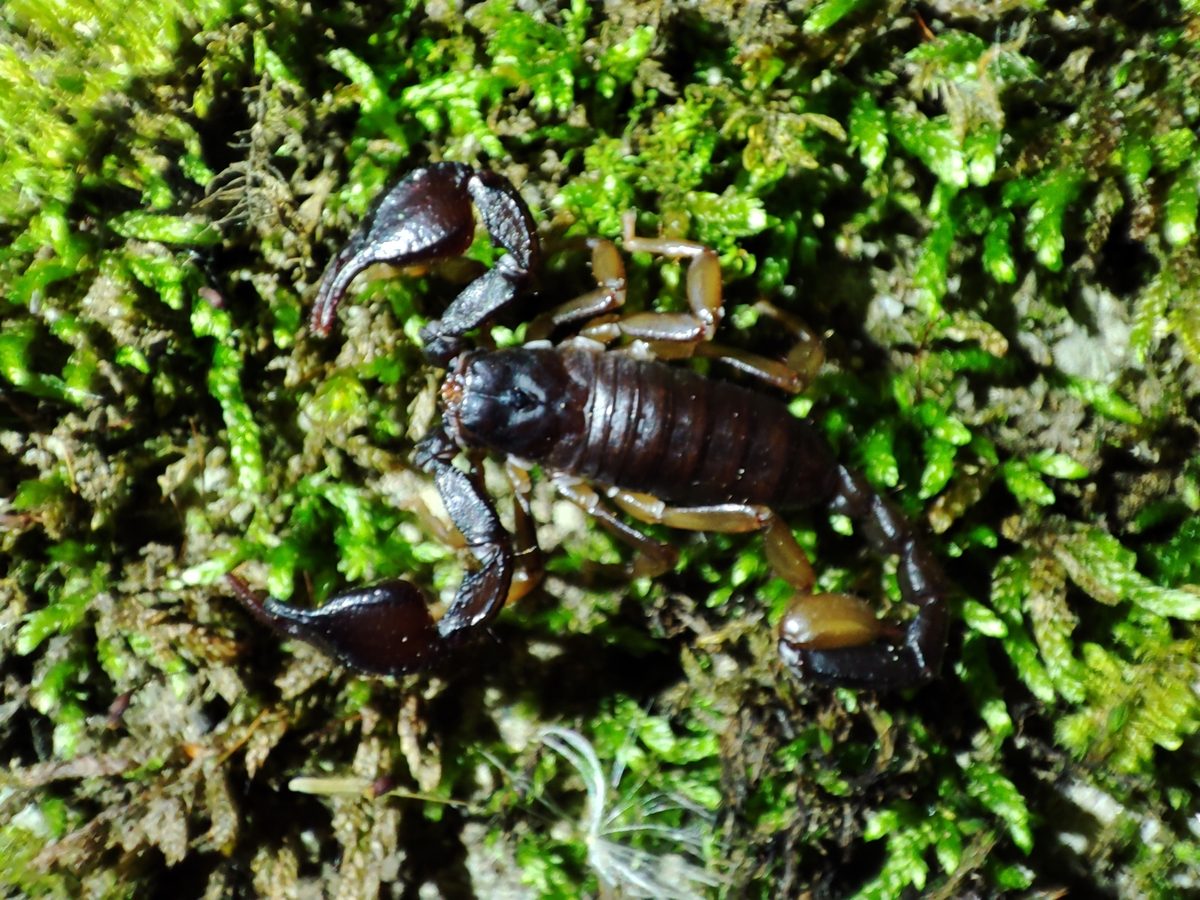
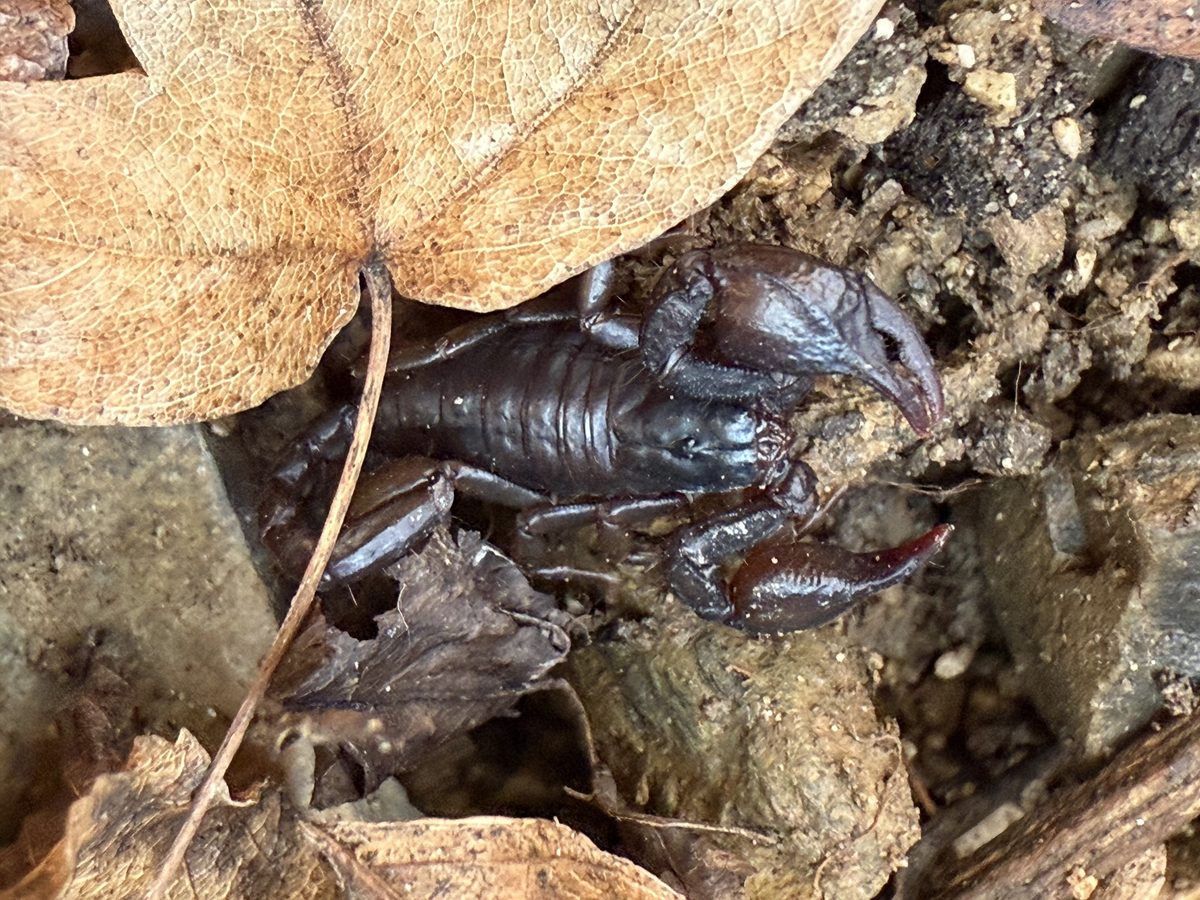
The Carpathian scorpion is an endemic species of the Romanian Carpathians. Previously, many scorpions from Southern Europe were grouped under this name, but genetic studies in 2003 showed that they are different species, and the range of the true Carpathian scorpion has narrowed to the Romanian Carpathians.
Its range consists of three isolated areas: the western part of the Southern Carpathians (Banat Mountains), the gorge of the Olt River in Cozia National Park, and the Buzău Mountains. The scorpion does not rise above approximately 450 m above sea level. Our data show it in the Mehedinți Mountains and in the Iron Gates on the Danube; several observations identified as this species are also on the Serbian bank of the Danube, although reference sources call it endemic to Romania. This species is absent in Ukraine, Poland, and Slovakia.
It is a small animal measuring 27–40 mm in length. During the day, the scorpion hides in crevices and under stones, while at night it hunts for insects. In winter, it burrows into cracks and burrows in clay soil near rivers or stays in bushes where the microclimate is warmer. The female carries the young on her back.
The venom of the Carpathian scorpion does not threaten human life; however, individuals allergic to its components may experience severe reactions, including anaphylactic shock. Therefore, do not handle the scorpion, and in the warm valleys of southern Romania, shake out your shoes in the morning before putting them on. If severe swelling, rash, or difficulty breathing occurs after a sting, call 112.
This species does not live in the Ukrainian Carpathians today — you can see it in other Carpathian countries.
Where in the Carpathians

Orange — where naturalists recorded the species (GBIF, CC0/CC BY); a blank area does not mean it is absent.
- Countries
- Romania · Serbia
- Mountain ranges
- In other countries: 🇷🇴 Mehedinți and Cerna Mountains, 🇷🇸 Đerdap and Miroč
- Altitude belts
- Foothills (below 600 m)
When to see it
| Jan | Feb | Mar | Apr | May | Jun | Jul | Aug | Sep | Oct | Nov | Dec | |
|---|---|---|---|---|---|---|---|---|---|---|---|---|
| Sightings |
From naturalists’ observations in the Carpathians (iNaturalist, research grade): the darker the cell, the more often the species is seen that month.
Safety
Do not handle the scorpion. The venom is not life-threatening, but if severe swelling, rash, or difficulty breathing occurs after a sting, call 112 immediately.
Protection and rules
The species is absent in Ukraine. It is endemic to the Romanian Carpathians with a fragmented range.
FAQ
Are there scorpions in the Carpathians?
Yes, but only in Romania: the Carpathian scorpion lives in the warm valleys of the western Southern Carpathians, in the Olt Gorge (Cozia National Park), and in the Buzău Mountains. There are no scorpions in the Ukrainian Carpathians.
Is the Carpathian scorpion dangerous?
Its venom is not life-threatening, but individuals with allergies may experience severe reactions. Do not handle the scorpion; if you feel unwell after a sting, call 112.
Comments
Travellers’ experience: reports, tips, questions.
No one has written here yet. Be the first — your experience helps others.
Similar species
Where to meet it
Mountain ranges: In other countries: 🇷🇴 Mehedinți and Cerna Mountains, 🇷🇸 Đerdap and Miroč
Trails and peaks near which naturalists recorded the species (GBIF, iNaturalist), matched by altitude and habitat. Sightings are not guaranteed.
Sources
GBIF · iNaturalist · Wikidata · Distribution data: GBIF.org (CC0 and CC BY records), iNaturalist; names and identifiers: Wikidata (CC0). Text: Karpaty.rocks, checked 11.11.2026.
