Ethnographic Museum of the Slovak National Museum, Martin
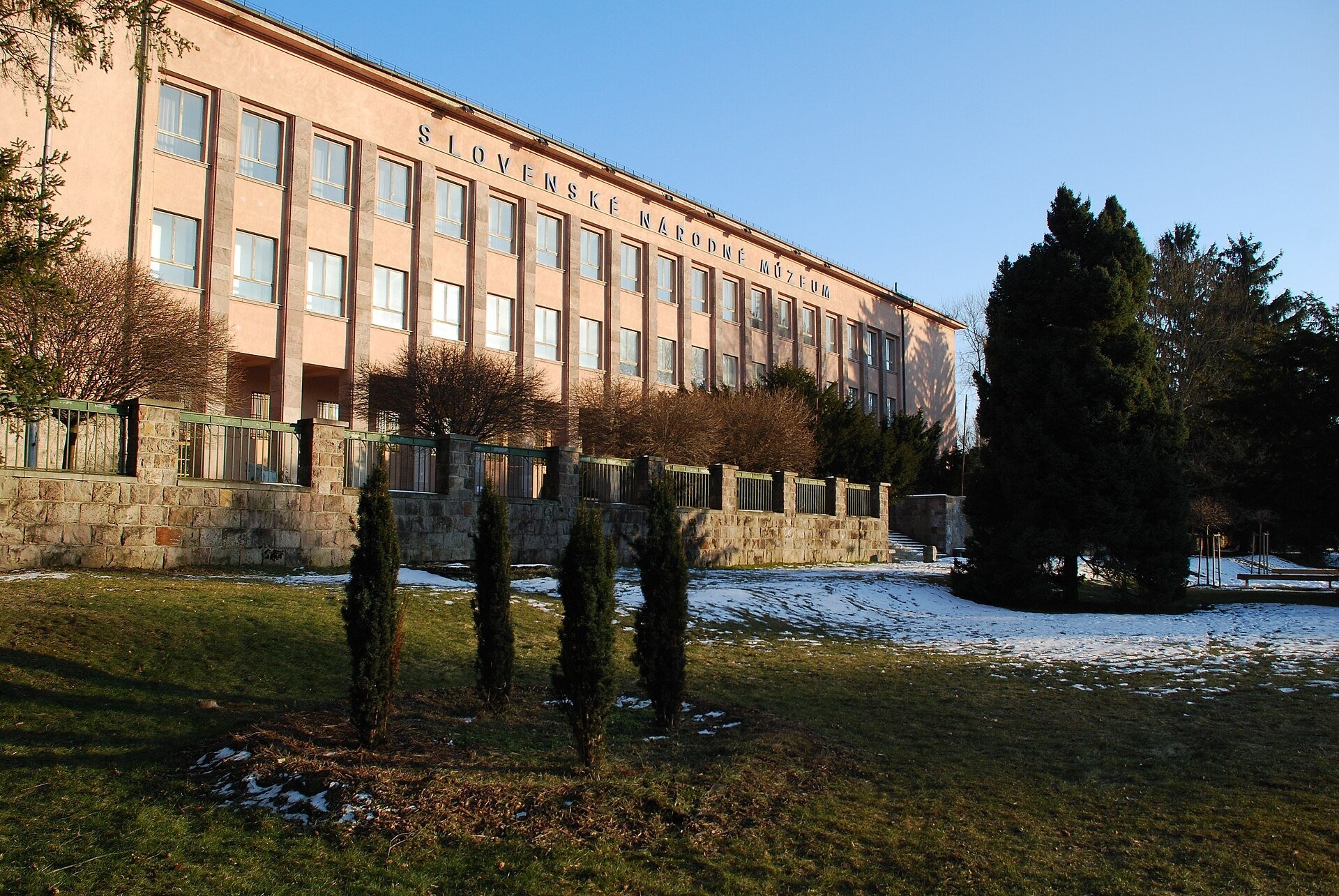
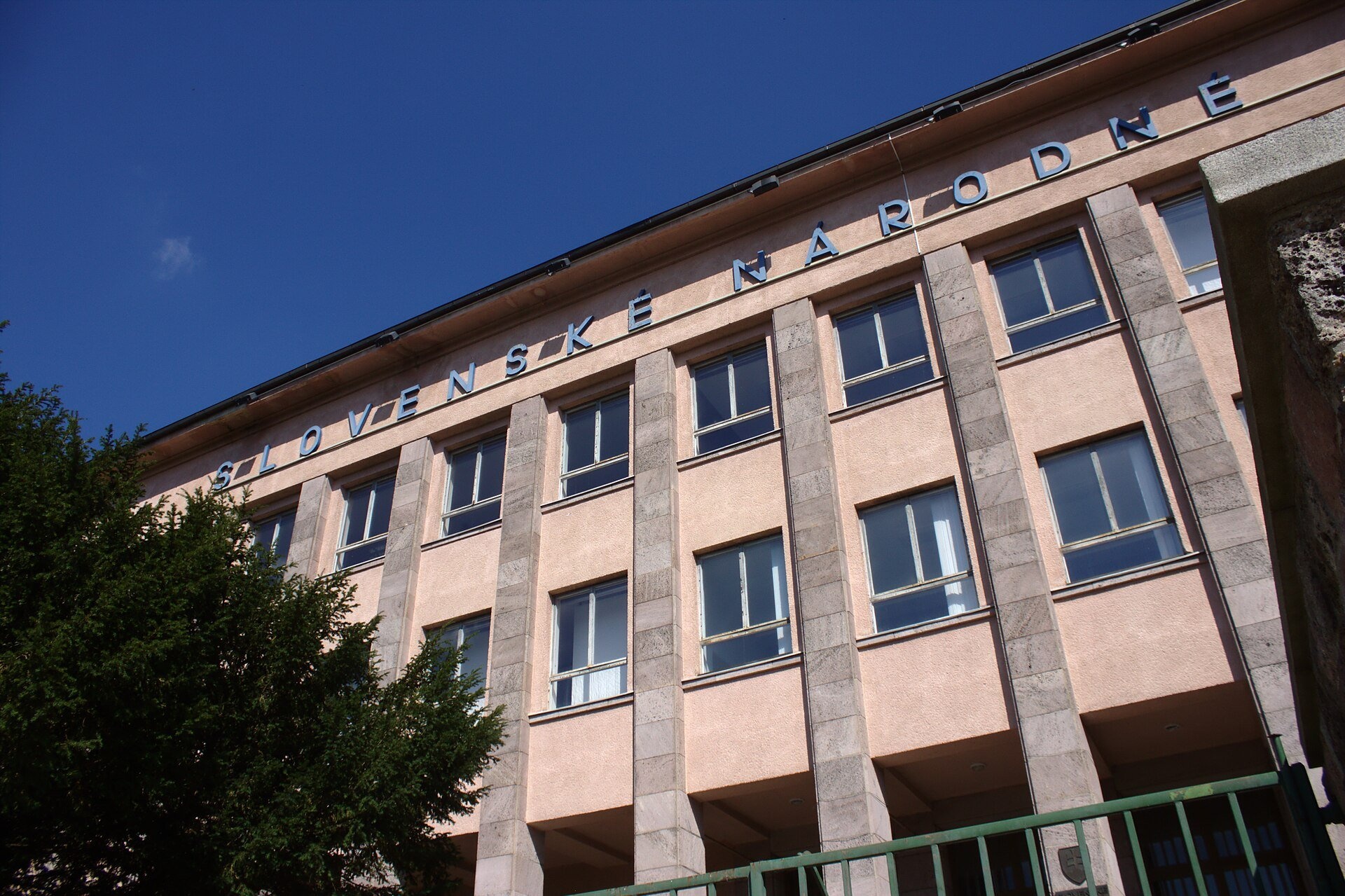
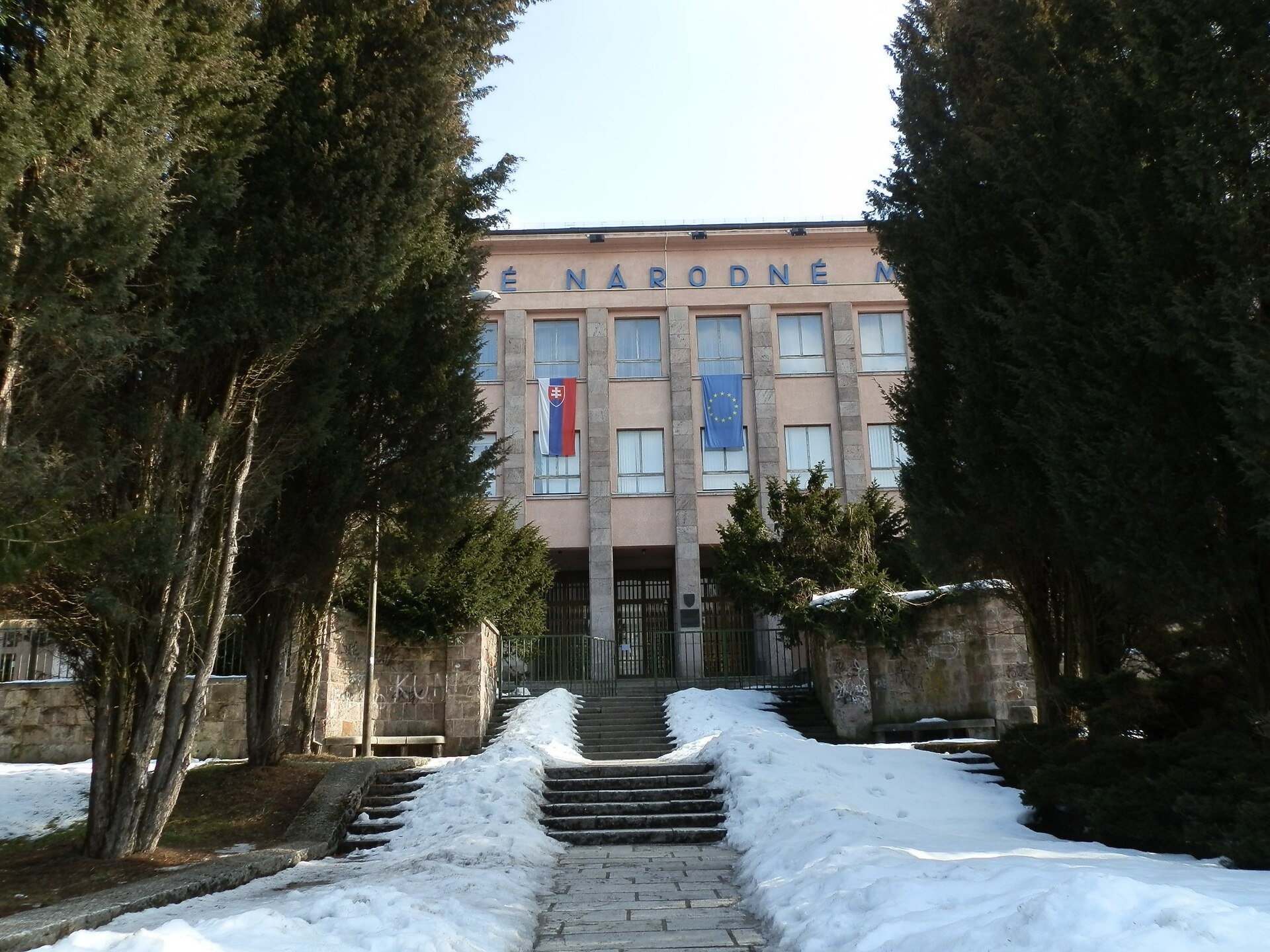
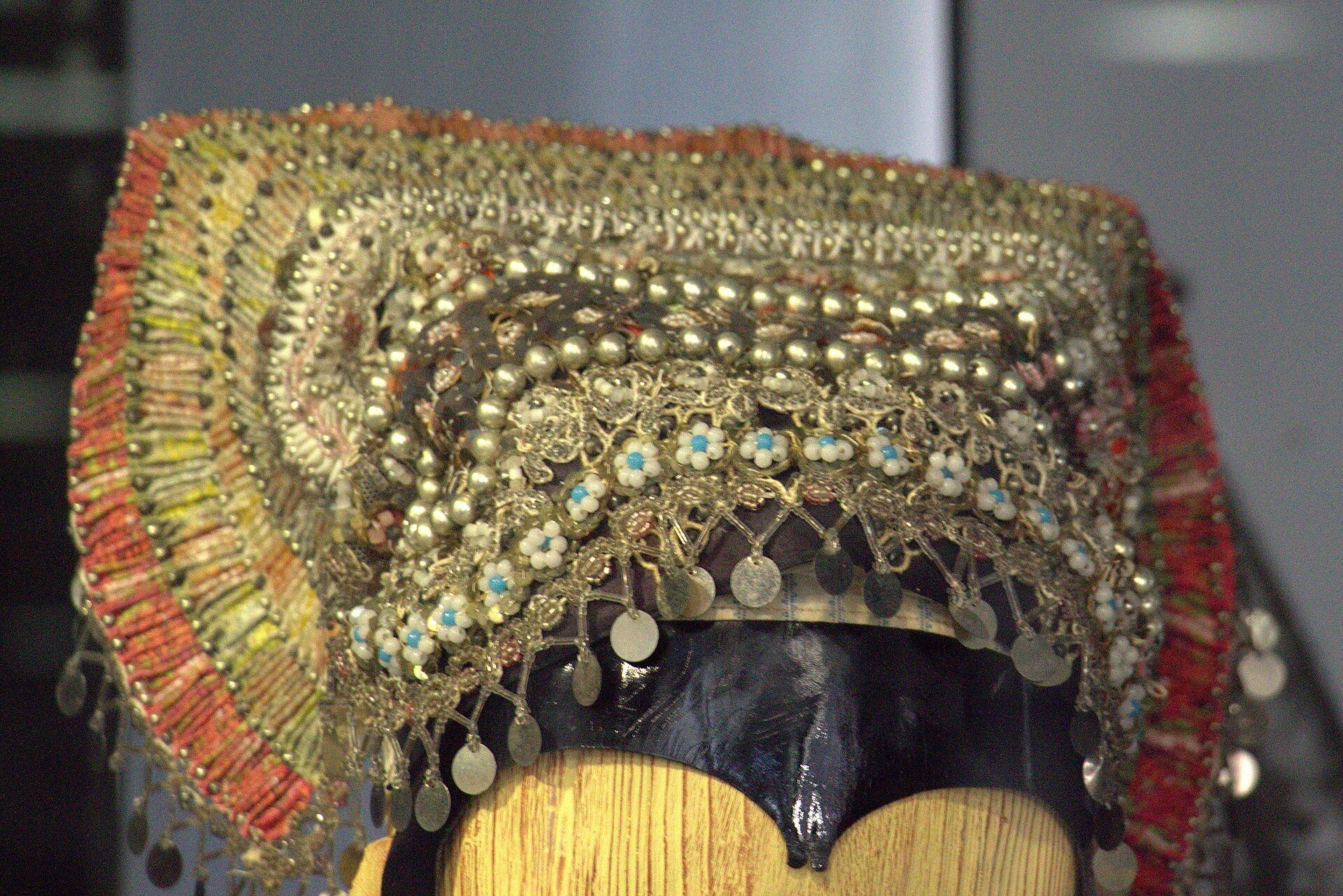
The Ethnographic Museum of the Slovak National Museum in Martin (SNM – Etnografické múzeum) is the main building of SNM – Museums in Martin and holds the most complete collection of folk culture in Slovakia. The museum stands in the centre of Martin, on Malá hora street, in a monumental functionalist building with "Slovenské národné múzeum" written across the façade. It is a good starting point for understanding how Slovak villages lived before heading to the open-air museum on the edge of town or into the Malá Fatra mountains.
The museum's history is closely tied to the Slovak national movement of the late 19th century. On the initiative of the priest and scholar Andrej Kmeť, the Slovak Museum Society was founded in Martin in April 1893 with the aim of creating a national museum. The first building was erected in 1906–1907 to a design by the architect Milan Michal Harminc, and the first exhibitions opened there in 1908. The collections grew fast, and with money raised in 1928–1932 by what was essentially a nationwide collection, Harminc designed a second, functionalist building. It opened in 1933, and the exhibitions installed by 1938 covered 4,620 m² — at the time one of the most modern museums in Europe. The museum was nationalised in 1948 and since 1961 has served as the national ethnographic museum; from 1964 it began building the open-air Museum of the Slovak Village, Martin.
What to see
The permanent ethnographic exhibition, opened in 1974–1975, consists of three thematic parts: "Man and the Land", "Man and Material" and "Man and Clothing".
- Man and the Land — traditional occupations: ploughing, harvesting with sickles and scythes, the harvest festival with a wreath for the farmer, storing crops, as well as livestock and sheep farming. On show are shepherds' vessels — ladles, moulds for oštiepok cheese — shepherds' axes, bells, leather belts and moccasins, and shepherds' instruments, including the fujara, inscribed on UNESCO's intangible heritage list in 2005.
- Man and Material — how villagers worked wood (a boat hollowed out of a single trunk, oil presses, a beehive, moulds for gingerbread and butter), wove baskets from willow, straw and maize husks, and wove and knitted textiles; pottery from dozens of Slovak centres, Habán faience, smithwork, folk jewellery, glass and stone gravestones.
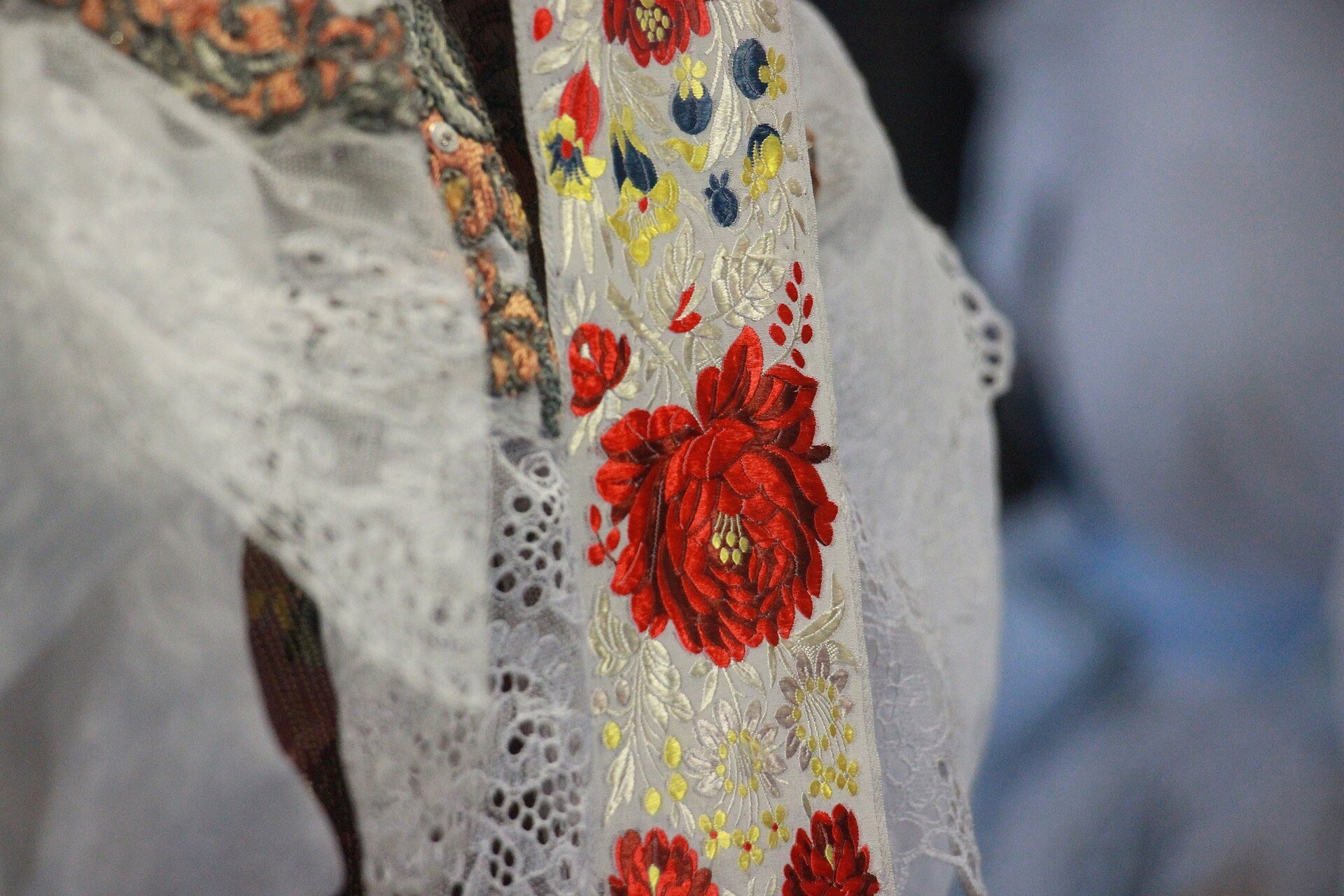
- Man and Clothing — folk costumes from mountain and southern regions, work and festive dress, headwear of girls and married women, wedding costumes from western, central and eastern Slovakia, and widows' dress.
The objects are complemented by large photographs by the classics of Slovak photography Karol Plicka and Pavol Socháň, as well as proverbs and sayings. The museum also holds temporary exhibitions, and from April to October the museum garden next to the building is open.
Practical information
Martin lies in the Turiec basin between the Malá Fatra and Veľká Fatra; the museum is in the town centre and easy to reach on foot. The exhibitions are open Tuesday to Sunday and closed on Mondays. An adult ticket costs €5; children over 6, students and seniors 62+ pay €3, and there are family tickets; details are in the "At a glance" box. You can pay by cash or card.
Allow 1–2 hours for the permanent exhibition. A guided tour must be booked in advance for an extra fee, and organised groups of more than 10 people should book at least two working days ahead. With a museum ticket, entry to the garden is free. The museum is easy to combine with the Museum of the Slovak Village in one day, as both belong to the same institution.
Nearby: trails and peaks
Above Martin rises the Martinské hole massif of the Malá Fatra. From the Stráne district the Martin, Stráne – Krížava, transmitter trail climbs to Krížava summit with its TV tower, and from neighbouring Bystrička there is the Bystrička – Martinské hole, cottages trail. A few kilometres from the centre, in the Jahodnícke háje woods, lies the Museum of the Slovak Village, Martin, an open-air museum of folk architecture from all regions of Slovakia.
Official website: snm.sk
Photos: Kamil Korecz, CC BY-SA 4.0, Wikimedia Commons; I would appreciate being notified if you use my work outside Wikimedia. More..., CC BY-SA 4.0, Wikimedia Commons; Michal Jakubský, CC BY 3.0, Wikimedia Commons; Mariusz Raniszewski, CC BY-SA 3.0, Wikimedia Commons; Ing.Mgr.Jozef Kotulič, CC BY-SA 4.0, Wikimedia Commons.
Getting there from Ukraine
Border crossings
- Uzhhorod – Vyšné Nemecké — road, 24/7
- Malyi Bereznyi – Ubľa — road, 24/7 For cars and buses; pedestrians not confirmed by the Ukrainian border service, lorries up to 3.5 t.
- Mali Selmentsi – Veľké Slemence (pedestrian) — pedestrian, 09:00–21:00 Kyiv time Pedestrians and cyclists only; inconvenient for the Tatras without onward transport.
- Chop – Čierna nad Tisou (rail) — rail, 24/7
By car
From Uzhhorod to Žilina ≈330 km, ≈4 h 20 min without queues: Uzhhorod – Vyšné Nemecké → I/19 to Košice → D1 via Prešov, Poprad, Liptovský Mikuláš and Ružomberok (≈17 km on I/18 between D1 sections) → Žilina. To Terchová ≈314 km, ≈4 h 15 min: from the D1 onto I/70 and II/583. From Lviv through Poland: M-10 → Krakovets – Korczowa → A4 to Kraków → S7/DK7 to Chyżne – Trstená → R3, I/59 to Dolný Kubín → II/583 via Terchová to Žilina: to Terchová ≈493 km (≈6 h 30 min), to Žilina ≈518 km (≈7 h). Via the tolled A4 Kraków – Katowice, S1 and D3: ≈533 km, ≈6 h 35 min. The D1 requires an e-vignette (eznamka.sk).
Checked 23.10.2026; border crossing hours and timetables change — check before you travel.
Location on the map
Comments
Trails nearby
All trails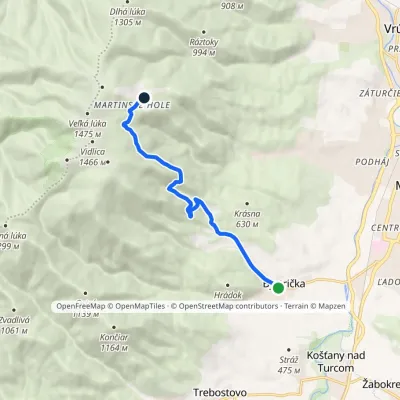 ModerateOne-dayMarkedBystrička Martinské hole, cottagesElevation profile452–1 287 m8.7 kmascent 835 m≈ 4 h walking3.7 km from Ethnographic Museum of the Slovak National Museum, Martin
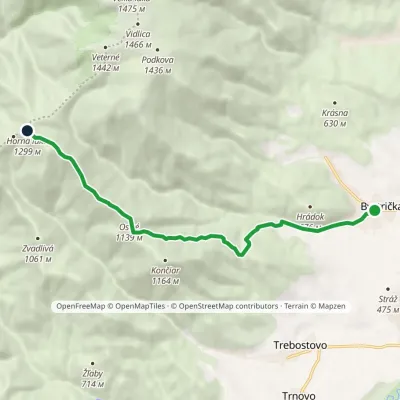 ModerateOne-dayMarkedBystrička Horná lúkaElevation profile451–1 300 m9.1 kmascent 854 m≈ 4 h walking3.7 km from Ethnographic Museum of the Slovak National Museum, Martin
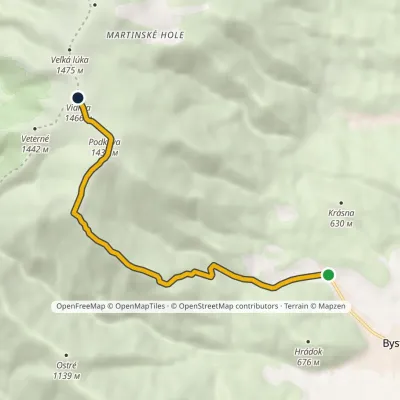 ModerateOne-dayMarkedBystrička, Lázky VidlicaElevation profile524–1 466 m6.9 kmascent 942 m≈ 3.5 h walking4.4 km from Ethnographic Museum of the Slovak National Museum, Martin
Nearby attractions
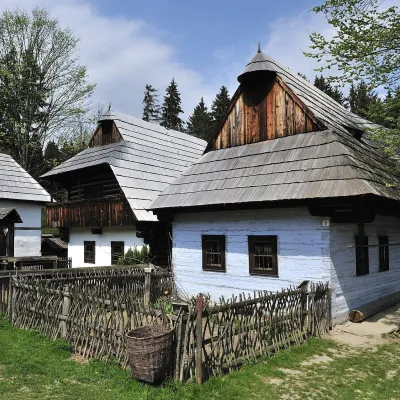 MuseumMuseum of the Slovak Village, MartinMartin2.8 km from Ethnographic Museum of the Slovak National Museum, MartinThe Museum of the Slovak Village (Múzeum slovenskej dediny) is the largest ethnographic open-air exhibition in Slovakia.
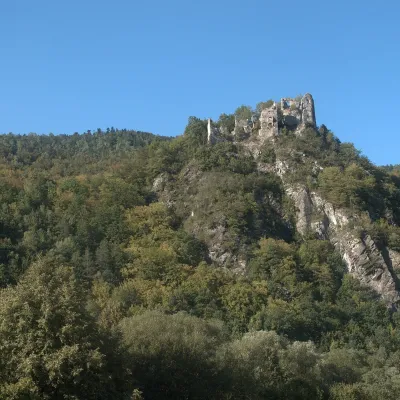 CastleStarý hrad (Old Castle)Nezbudská Lúčka13 km from Ethnographic Museum of the Slovak National Museum, MartinStarý hrad (Old Castle), known locally as Starhrad and in the past as Varín (Warna), is the ruin of a medieval castle on a granite crag on the right bank of the Váh,...
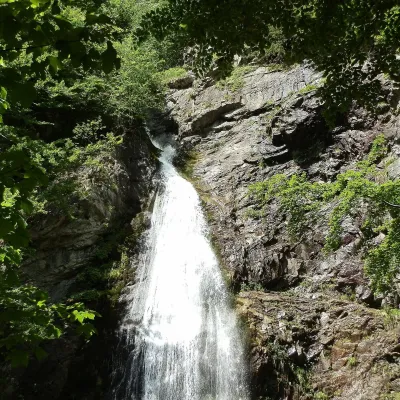 WaterfallŠútovo WaterfallŠútovo18 km from Ethnographic Museum of the Slovak National Museum, MartinThe Šútovo Waterfall (Šútovský vodopád) is the highest waterfall in the Malá Fatra mountains and one of the highest in Slovakia: the water drops 38 m.
Craft nearby
All craft places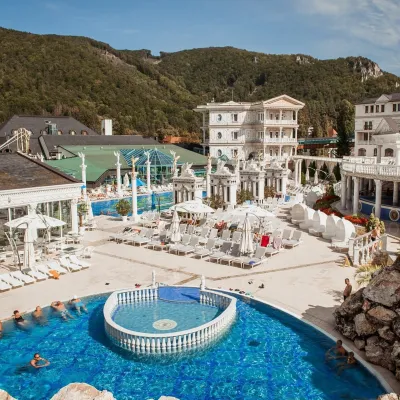 Water parks & thermal poolsSpa Aphrodite thermal pools, Rajecké TepliceRajecké Teplice19 km from Ethnographic Museum of the Slovak National Museum, MartinHot mineral water rises here, and it feeds the Spa Aphrodite resort, whose thermal pools, saunas and Natural Spa zone are open not only to patients but to anyone with...
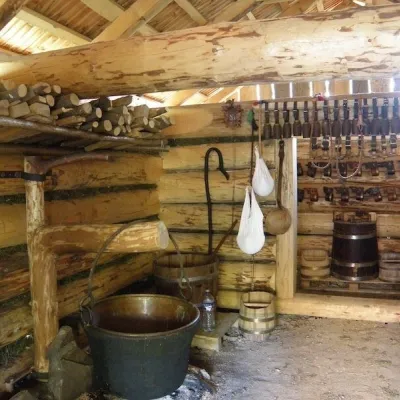 Cheese dairies & pasturesSalaš Krajinka near RužomberokRužomberok23 km from Ethnographic Museum of the Slovak National Museum, MartinSalaš Krajinka is a genuine sheep farm on the edge of Ružomberok in lower Liptov. It was founded in 1983 to keep a thousand sheep, and the owners have deliberately...
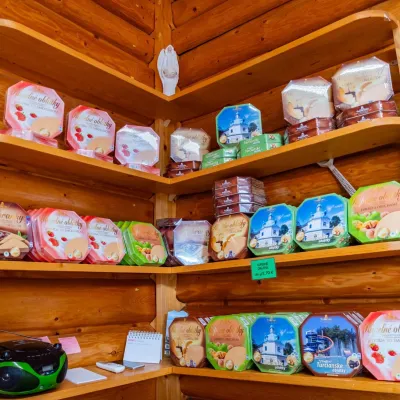 Cheese dairies & pasturesTuriec bryndza dairy, Turčianske Teplice: bryndza since 1917Turčianske Teplice23 km from Ethnographic Museum of the Slovak National Museum, MartinMore than a hundred years of Turiec bryndza Turiec is a wide basin between the ridges of the Veľká and Malá Fatra, a land of pastures and old sheep farming.
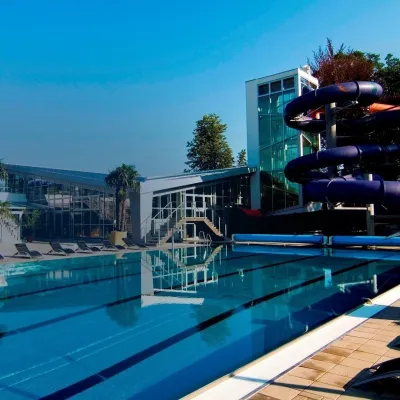 Water parks & thermal poolsSpa & Aquapark Turčianske TepliceTurčianske Teplice23 km from Ethnographic Museum of the Slovak National Museum, MartinTurčianske Teplice is one of Slovakia’s oldest spa towns. Its warm springs were first mentioned in 1281 in a deed of gift by King Ladislaus IV, and from 1533 they...
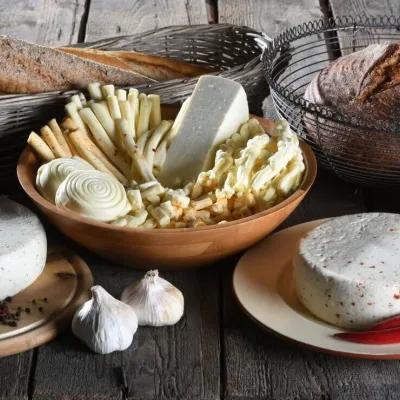 Cheese dairies & pasturesFarma Brezany near Žilina: hand-stretched cheese and a distilleryBrezany24 km from Ethnographic Museum of the Slovak National Museum, MartinBrezany is a village a few kilometres south of Žilina, on the edge of the Žilina basin and the foothills leading towards the Rajec valley and the Strážov Hills.
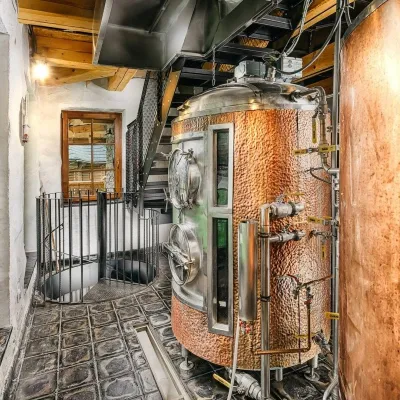 Craft beer & breweriesURSUS craft brewery, Čutkovská valleyRužomberok24 km from Ethnographic Museum of the Slovak National Museum, MartinURSUS craft brewery (Remeselný pivovar URSUS) is the first brewery of the town of Ružomberok, tucked away in the picturesque Čutkovská valley in lower Liptov.
