Tsvikli (beetroot with horseradish)
What it is
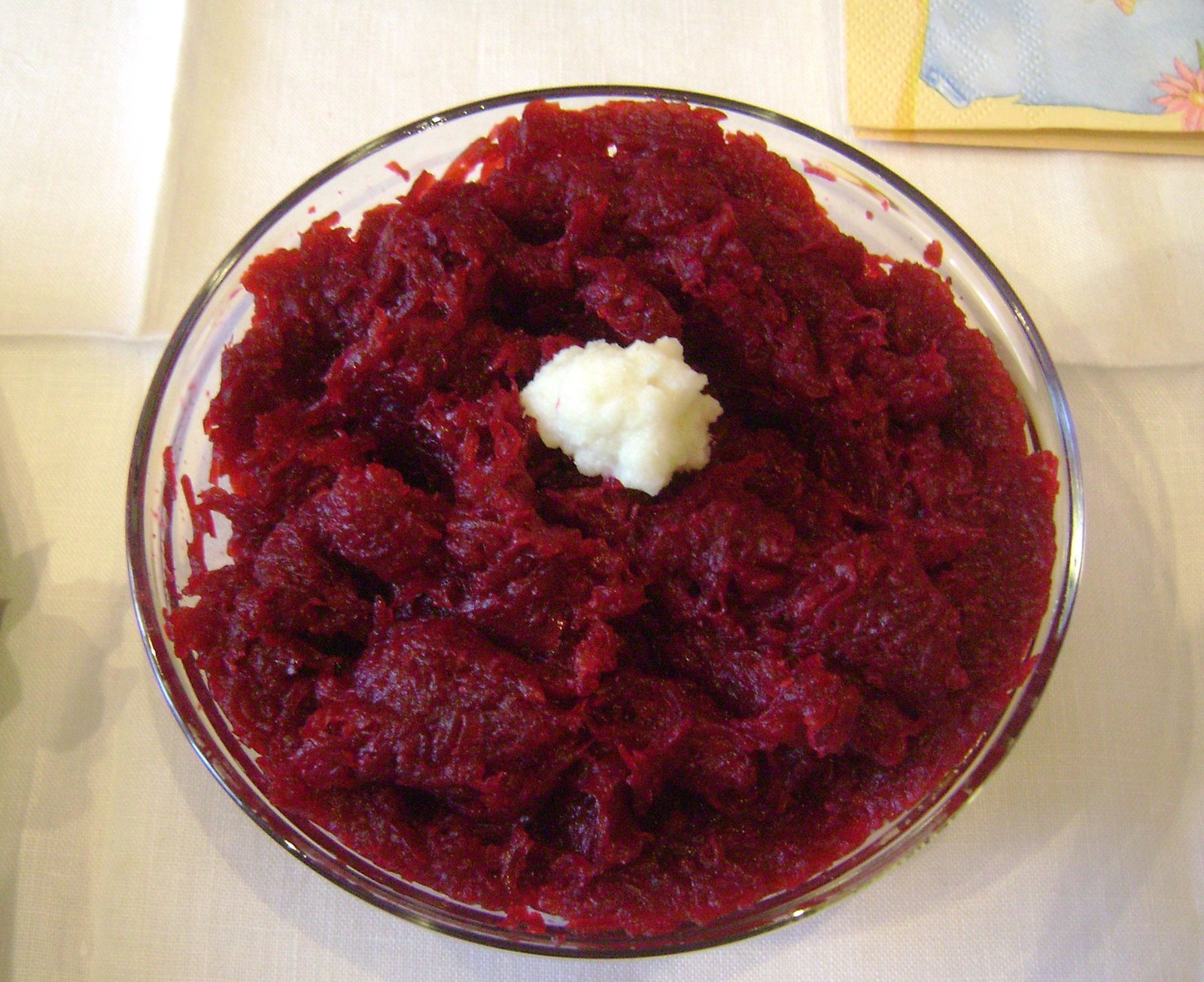
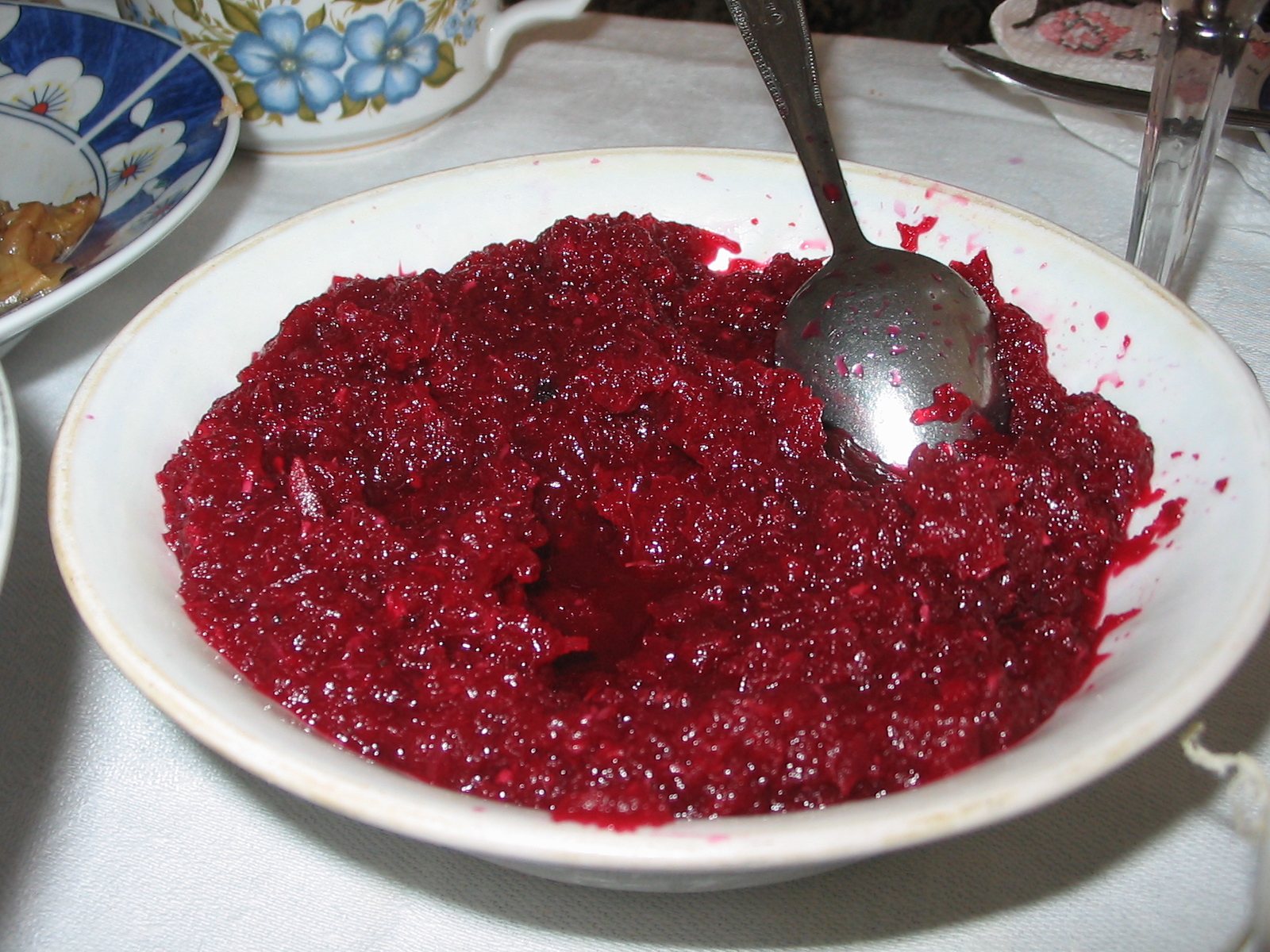
Tsvikli are boiled or baked red beetroot, grated and mixed with grated horseradish, salt, sugar, and vinegar. The result is a bright, sharp, and slightly sweet condiment served in small bowls with meat dishes. It is hard to imagine a festive table in Galicia without tsvikli accompanying aspic (holodets), ham, or sausages. They were also served with potato or porridge for lean dishes.
Each housewife determines the proportions herself: for four to five parts of beetroot, one part of horseradish is used, and those who prefer it spicier can add more. Horseradish is grated last, as it quickly loses its potency, and the prepared tsvikli should be kept in tightly closed jars in a cool place.
In Boyko villages, tsvikli (beetroot) were also served with lean dishes, and beetroot sliced into rounds, sprinkled with horseradish, caraway, and sugar, and soaked in water with vinegar and salt, was called tsvikla.
History and name
The name is related to the Polish ćwikła. The recipe for beetroot with horseradish, sprinkled with vinegar, was recorded by the Polish writer Mikołaj Rej in his book 'Życie porządnej osoby' (1567). Tsvikli are widespread in the western regions of Ukraine, where in Bukovina they are called tsviklia.
Galician authors of the magazine 'Ї' (2013) associate the custom of serving horseradish colored with beetroot with the influence of Ashkenazi (Jewish) cuisine on Galician: horseradish with beetroot was a cheap and spicy condiment for meat.
Ingredients and allergens
Variant: grated, with horseradish and vinegar
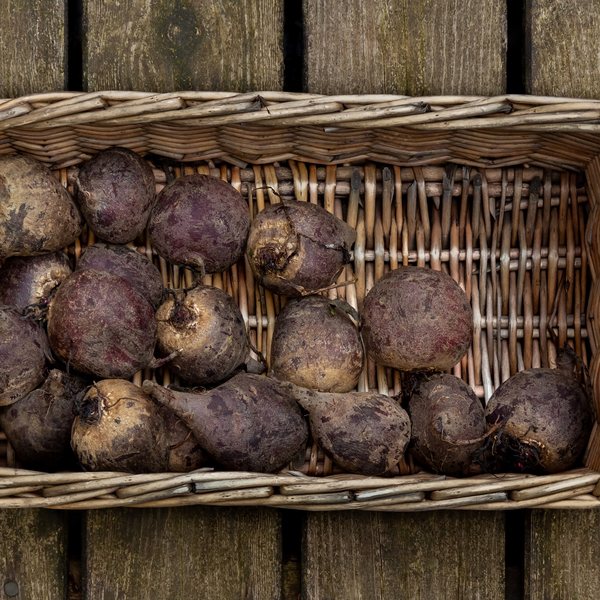
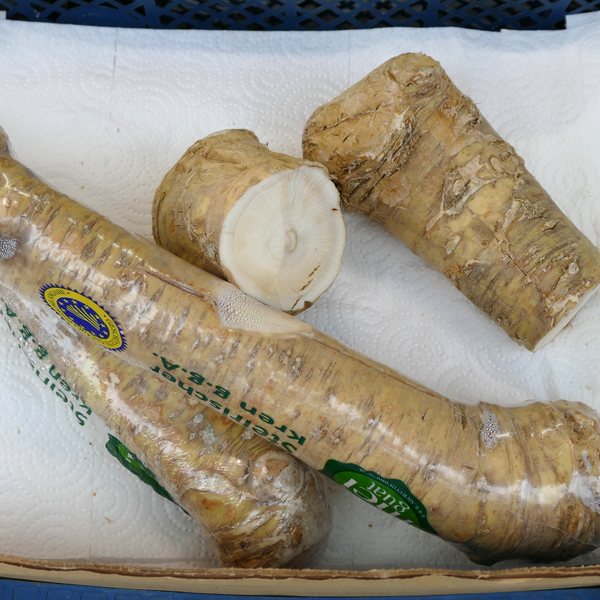
Also: vinegar (2–4 tbsp, to taste), sugar (1–2 tsp), salt (to taste), caraway (½ tsp crushed, optional)
Contains allergens: none of the 14 major allergens in the traditional recipe
Diet: lenten · vegan · gluten-free · no cooking
Variant: tsvikla — sliced, with caraway
beetroot, horseradish, caraway, sugar, vinegar, water, salt
Contains allergens: none of the 14 major allergens in the traditional recipe
Diet: lenten · vegan · gluten-free · no cooking
Ingredients of the traditional recipe; every cook and every place may do it differently — please ask when ordering. We cannot guarantee the absence of allergens or traces.
How it is traditionally made
Serves: about 1 kg · Preparation: 20 min
- Beetroot — 1 kg
- Horseradish — 150–250 g
- Vinegar — 2–4 tbsp, to taste
- Sugar — 1–2 tsp
- Salt — to taste
- Caraway — ½ tsp crushed
- Wash the beetroot without trimming the tail, and bake in the oven or boil until tender — this helps retain the color better. Cool and peel.
- Grate the beetroot on a fine grater.
- Peel the horseradish and grate it on the finest grater, working near an open window: it is very pungent.
- Mix the beetroot with horseradish in a ratio of about 5:1 (for a spicier taste 4:1), add salt, sugar, vinegar, and optionally crushed caraway.
- Pack tightly into jars, seal, and place in a cool place; tsvikli taste better after sitting for a few hours.
How it is served
In small bowls with aspic (holodets), ham, sausages, and baked dishes; for lean meals — with potato or porridge.
Variants
An older method — tsvikla: boiled beetroot sliced into rounds sprinkled with horseradish, caraway, and sugar, and soaked in boiled water with vinegar and salt. According to an old Galician book by L. Luchakivska, beetroot was also served hot — stewed with sour cream, with baked dishes.
The traditional method as described by our sources; every family does it its own way. We have not tested this recipe in a professional kitchen.
Video 2
 ЦВІКЛІ🍜 або червоний бурячок із хроном🔥 (закарпатська пряна закуска до холодцю та м'ясних страв)Таня Скрипник. Жити в балансі.

Where it is eaten

The area is approximate and based on the sources below. The dish is cooked outside it too, and ethnographic borders are blurred.
Lviv region and all of Galicia, Bukovina (tsviklia); in Boyko region — tsvikli and tsvikla. The area is approximate.
When it is eaten
| Jan | Feb | Mar | Apr | May | Jun | Jul | Aug | Sep | Oct | Nov | Dec |
|---|---|---|---|---|---|---|---|---|---|---|---|
Occasions: Christmas Eve · Christmas · Easter
In tradition
Tsvikli are usually prepared before the Holy Evening, Christmas, and Easter when aspic, ham, and sausages are served.
FAQ
What are tsvikli?
Grated boiled or baked beetroot with grated horseradish, vinegar, salt, and a pinch of sugar. It is a spicy condiment for aspic, ham, sausages, and baked dishes.
Which is correct: tsvikli or tsvikly?
Both forms occur, as well as 'tsvikly' in Boyko regions and 'tsviklia' in Bukovina. All are related to the Polish ćwikła.
What is the ratio of beetroot to horseradish?
Usually about 5:1, and for a spicier taste — 4:1. Sugar, vinegar, and salt are added to taste.
Where to try and buy
Craft places and restaurants whose menu or description mentions this dish. Menus change — please check availability.
Similar dishes and products
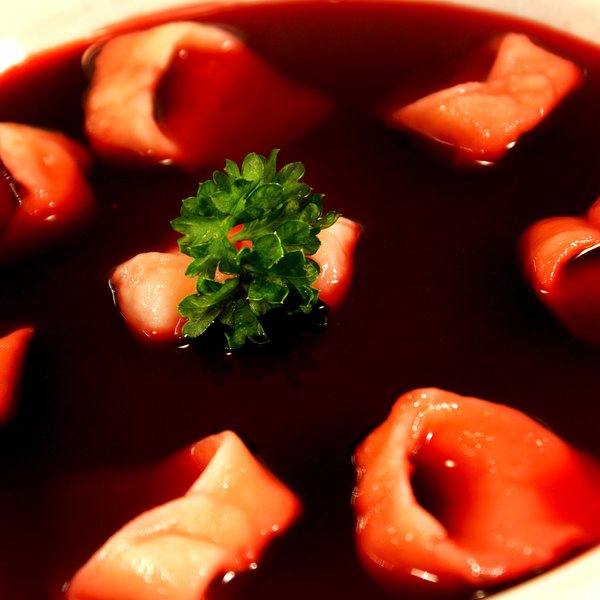
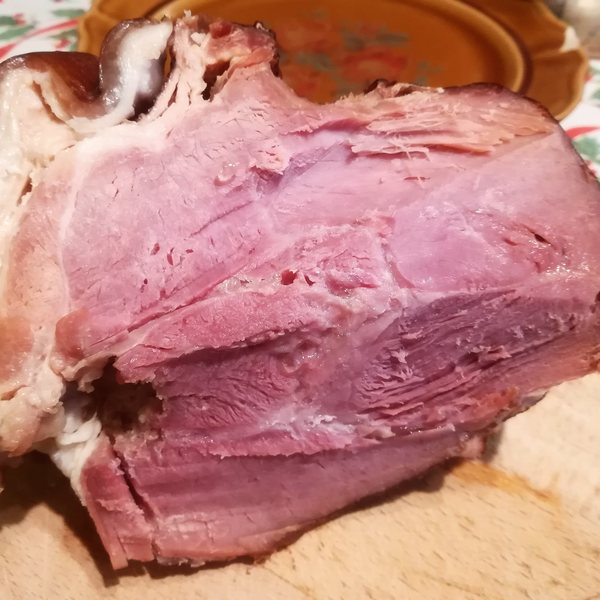

Relatives in the Carpathians and nearby
- ćwikła · Poland
related name and similar tradition - хрейн · Ukraine
similar tradition of Ashkenazi cuisine in Galicia: horseradish with beetroot
Sources
- Вікіпедія: Цвіклі
- «Бойківська кухня / Kuchnia Bojkowska» (Львів, 2020): книжка рецептів українсько-польського проєкту ГО «Асоціація гірських провідників “Ровінь”»
- Причинки до історії та філософії галицької кухні // журнал «Ї», ч. 73 (2013)
- Формування єврейської ашкеназької кухні // журнал «Ї», ч. 73 (2013)
- Галицька кухня в словах // журнал «Ї», ч. 73 «Галицька кухня» (2013)
Written by the Karpaty.rocks editors from the sources above. Checked 10.11.2026.
