Terchani halushky
What it is
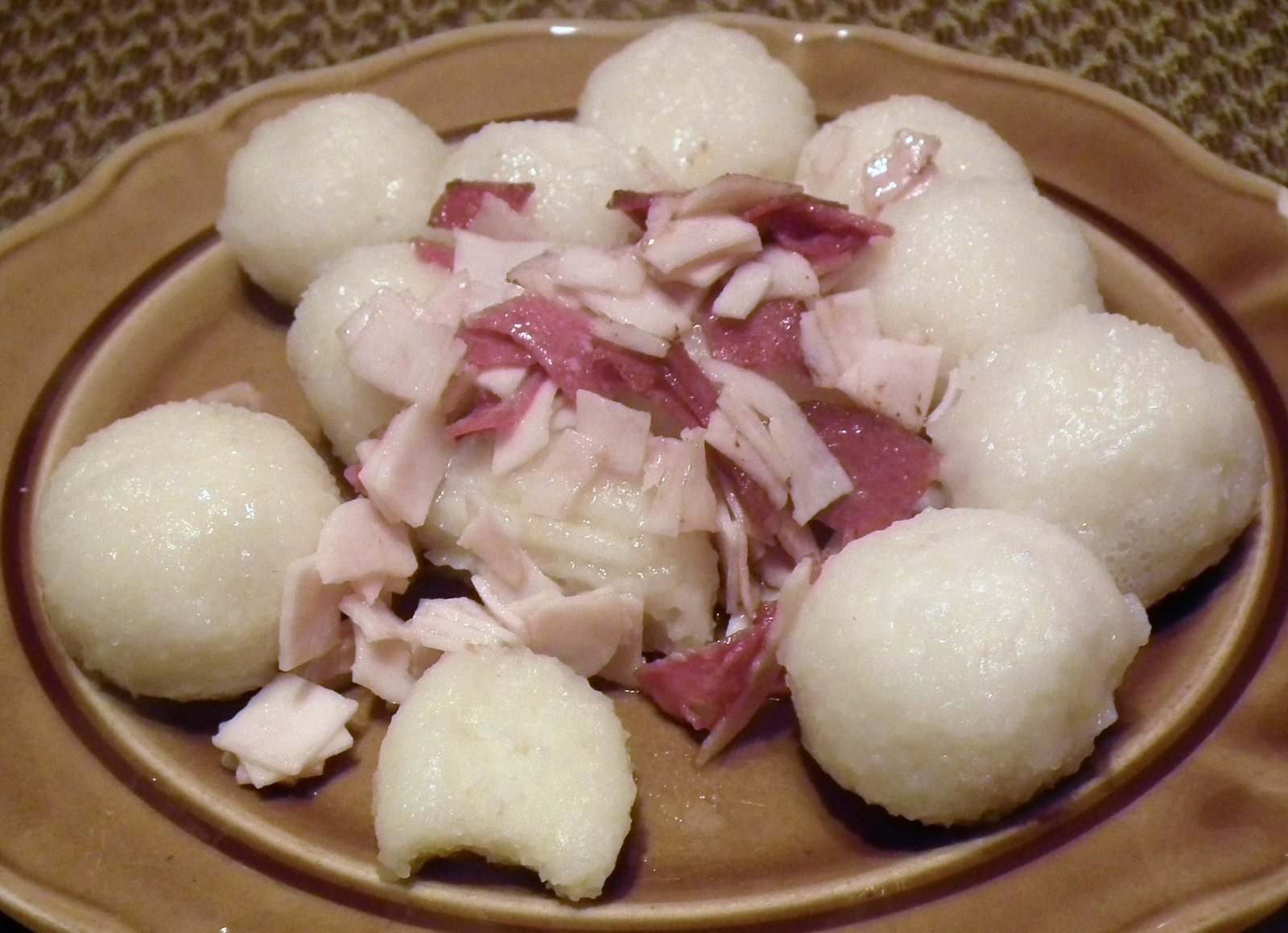
Terchani halushky, or terchinky, are one of the Boyko dishes made from potatoes. 'Terchani' means 'grated': the base is raw potatoes, grated on a fine grater and well squeezed of juice. To help the dumplings hold together, boiled mashed potatoes, a bit of flour, or starch that settles from the same potato juice are added.
From the mixture, small balls or elongated patties are formed and dropped into a large pot of boiling water. At first, they sink to the bottom, but once cooked, they float. The finished dumplings are dense, elastic, and light gray in color.
Terchinky were eaten in various ways: with the broth in which they were cooked, with steamed milk, sour cream, or butter, sprinkled with cheese, bryndza, or grated poppy seeds, and drizzled with lard. When boiled directly in milk, these same dumplings become the base for iron borscht.
Terchani halushky are similar to other Carpathian dishes made from grated potatoes — tertiukhy, terchaniky, bulbiaky, and deruny. The difference is that halushky are boiled, not fried or baked.
History and name
Potatoes — bulba, buli, baraboly — have been a staple food in the Boyko mountains since the 18th century. Ethnographer Petro Lehoida notes the special variety of Boyko dishes made from grated potatoes: baked bulbiaky, treniky, deruny, pies, and halushky.
The recipe for terchani halushky was recreated by housewives from Drohobych for the book 'Boyko Cuisine' (2020), and terchinky were shaped during culinary workshops on Boyko cuisine in the village of Dovhe-Hirske.
Ingredients and allergens
Variant: with milk and fried onions

Also: onion (1 pc., to serve), sunflower oil (2–3 tbsp), salt (to taste), black pepper (to taste, optional)
Contains allergens: milk
Diet: vegetarian · gluten-free
Variant: with bryndza and cracklings
potato, wheat flour, bryndza (sheep cheese), pork cracklings, sour cream, salt
Contains allergens: milk
Depending on how it is served, may contain: gluten
Diet: gluten-free
Variant: lenten, with onions in oil
potato, potato starch, onion, sunflower oil, salt
Contains allergens: none of the 14 major allergens in the traditional recipe
Diet: lenten · vegan · gluten-free
Ingredients of the traditional recipe; every cook and every place may do it differently — please ask when ordering. We cannot guarantee the absence of allergens or traces.
How it is traditionally made
Serves: 3–4 servings · Preparation: 25 min · Cooking: 15 min
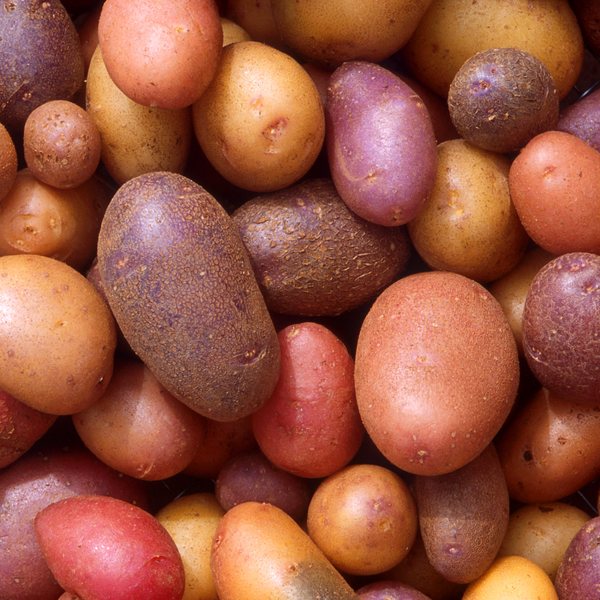
- Potato — about 1 kg (¾ raw, ¼ boiled)
- Potato starch — ½–1 tbsp
- Milk — 0.5–1 l, hot
- Onion — 1 pc.
- Sunflower oil — 2–3 tbsp
- Salt — to taste
- Black pepper — to taste
- Boil part of the potatoes (from a quarter to half) in their skins, peel, and mash into a puree. Grate the remaining raw potatoes on a fine grater.
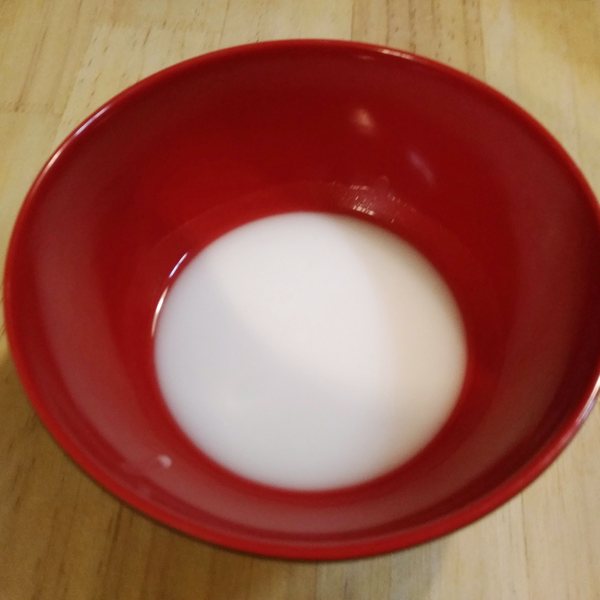
- Drain the grated mass in a colander or cheesecloth and squeeze the juice into a bowl. Let the juice sit for 10–15 minutes, carefully pour off the liquid, and return the white starch from the bottom to the mixture.
- Combine the grated potatoes with the puree, season with salt and pepper, and knead well. If the mixture is too liquid, add a tablespoon of starch or flour.
- With wet hands, form small balls or elongated dumplings.
- Drop them into a large pot of salted boiling water (you can add a spoonful of diluted starch to prevent the dumplings from falling apart). Boil for about 15 minutes: at first, the dumplings will sink to the bottom, and then they will float.
- While the dumplings are boiling, fry the onions in oil or lard.
- Drain the dumplings, pour hot milk over them for a few minutes, place them on plates, and drizzle with onions.
How it is served
Hot: in steamed milk or with sour cream, drizzled with fried onions; heartier — with bryndza, cracklings, or grated poppy seeds.
Variants
The ratio of raw to boiled potatoes varies among families — from 1:1 to 3:1; some add an egg or a bit of flour. Lenten terchinky are served with onions in oil and the broth in which they were cooked.
The traditional method as described by our sources; every family does it its own way. We have not tested this recipe in a professional kitchen.
Video
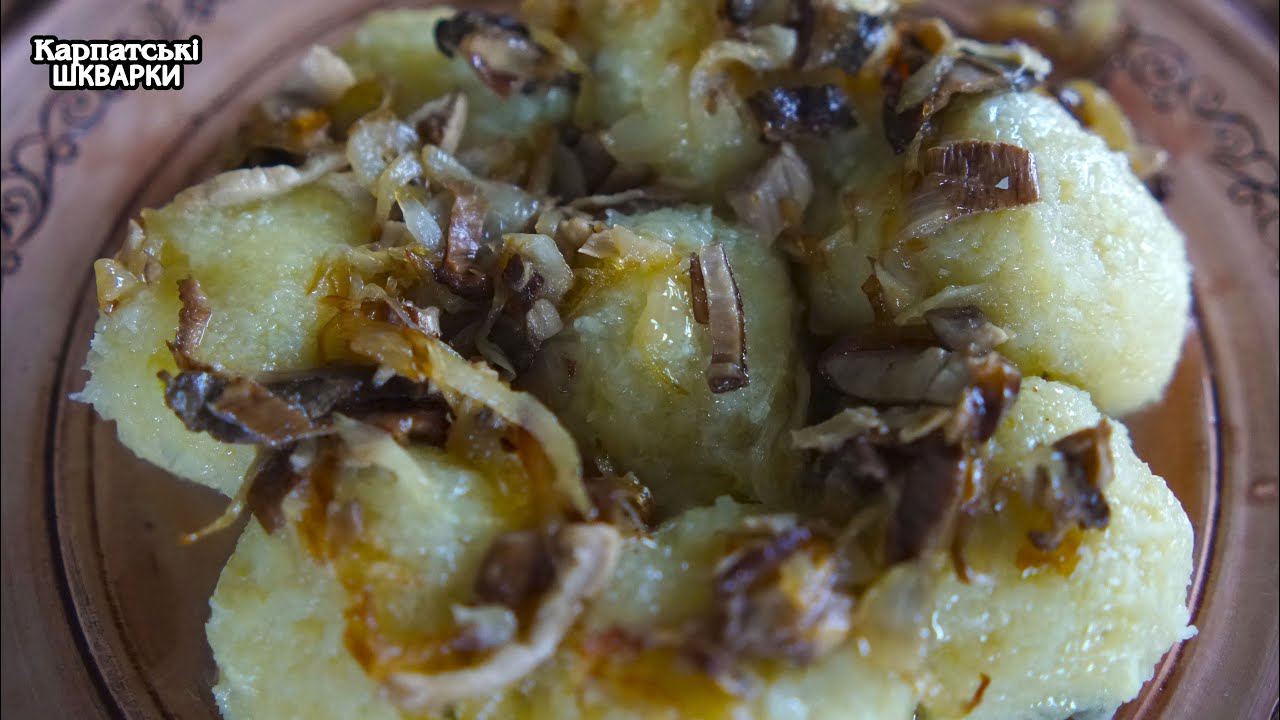 БУЛЬБЯНІ ПИРОГИ (Терчані, Трині) КНИДЛІ АБО БАЗАРІКАРПАТСЬКІ ШКВАРКИ
Where it is eaten

The area is approximate and based on the sources below. The dish is cooked outside it too, and ethnographic borders are blurred.
Boykivshchyna, primarily the mountain villages of Drohobych; dishes made from grated potatoes are known throughout the Ukrainian Carpathians. The area is approximate.
When it is eaten
| Jan | Feb | Mar | Apr | May | Jun | Jul | Aug | Sep | Oct | Nov | Dec |
|---|---|---|---|---|---|---|---|---|---|---|---|
Occasions: Everyday food · Lent
In tradition
Everyday dish: potatoes were on the Boyko table daily, and grated dishes diversified it. Today, terchinky are prepared at Boyko gatherings and culinary workshops in Drohobych.
FAQ
What are terchani halushky?
Boyko dumplings made from grated raw potatoes mixed with boiled ones and starch. They are boiled in water and served with milk, fried onions, sour cream, or bryndza.
How do terchani halushky differ from palushyky?
Palushyky are Galician dumplings made from boiled potatoes and flour, cut into 'fingers'. Terchani are primarily made from grated raw potatoes with the addition of boiled ones and shaped into balls.
How to prevent the dumplings from falling apart?
Well squeeze the grated potatoes, return the starch that settled from the juice to the mixture, and boil in a large amount of water with a spoonful of diluted starch added.
Similar dishes and products
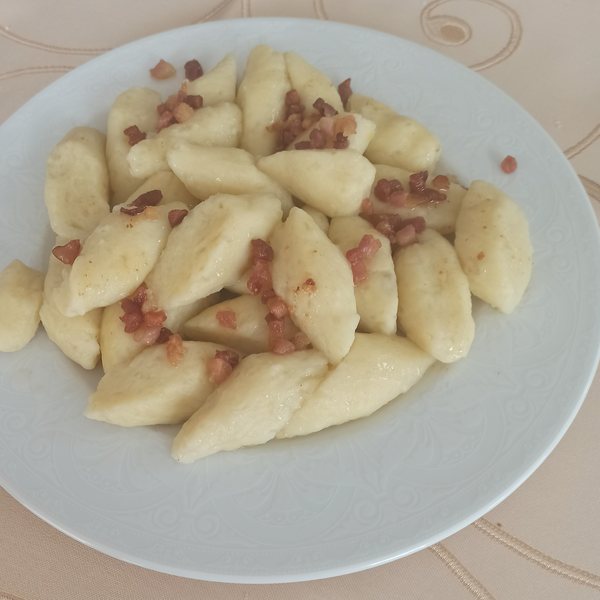
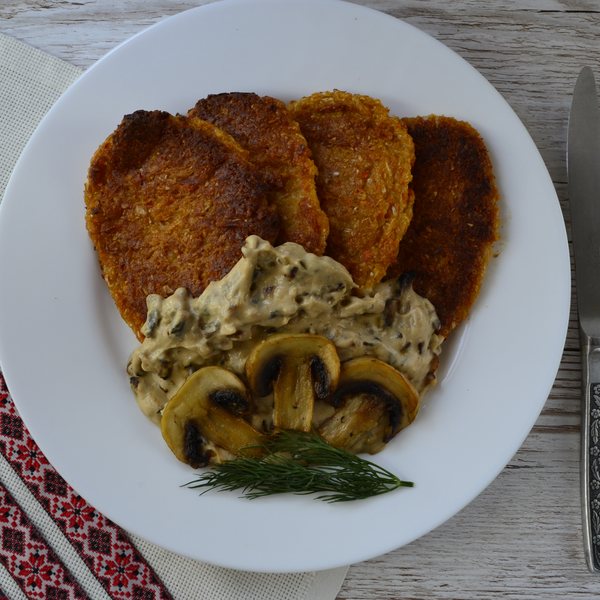
Relatives in the Carpathians and nearby
- kluski śląskie · Poland
a close tradition: potato dumplings with starch - palushyky · Ukraine
a close tradition of Galician cuisine: dumplings made from boiled potatoes and flour
Sources
- «Бойківська кухня / Kuchnia Bojkowska» (Львів, 2020): книжка рецептів українсько-польського проєкту ГО «Асоціація гірських провідників “Ровінь”» (програма ЄС Польща–Білорусь–Україна)
- П. Легойда. Реґіональні кухні українських Карпат // журнал «Ї», ч. 73 «Галицька кухня» (2013)
- Євген Клопотенко: Відроджуючи українські смаки — залізний борщ
- Еспресо.Захід / Суспільне: Книші, бульбаники та «чорні» вареники — у селі Довге-Гірське вчили готувати бойківські страви (11.10.2020)
Written by the Karpaty.rocks editors from the sources above. Checked 10.11.2026.
