Zakarpattia shovdar
What it is
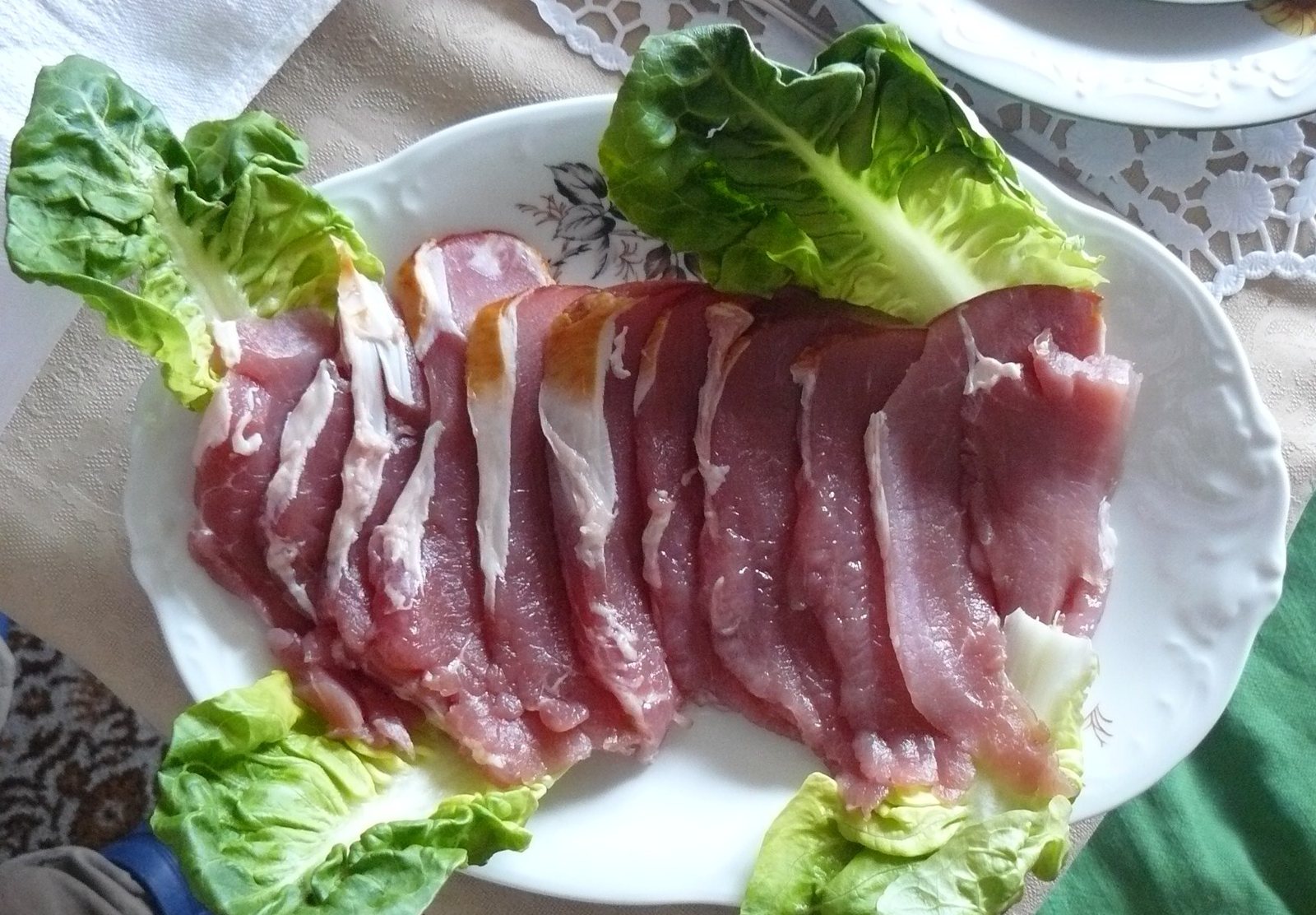
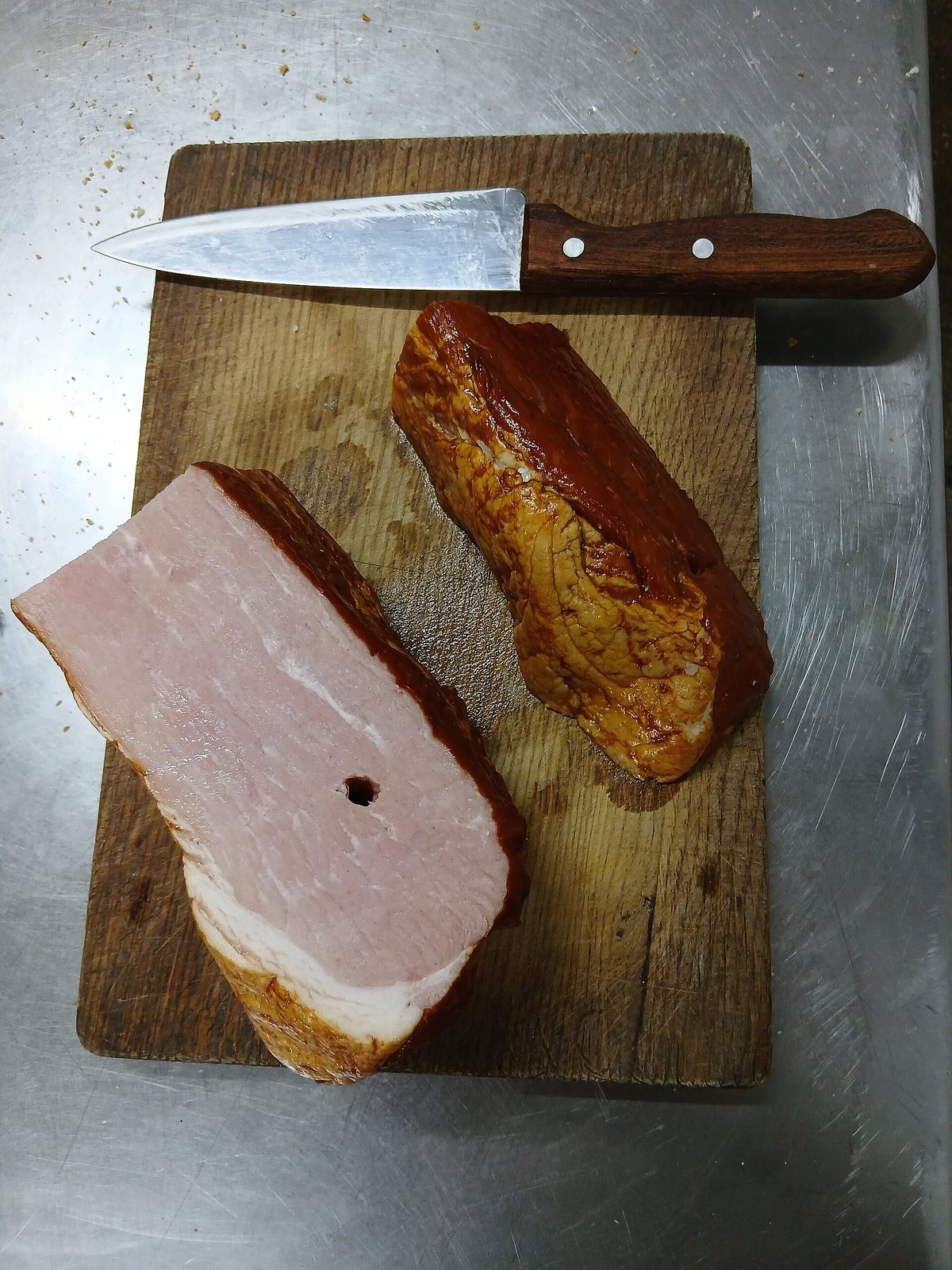
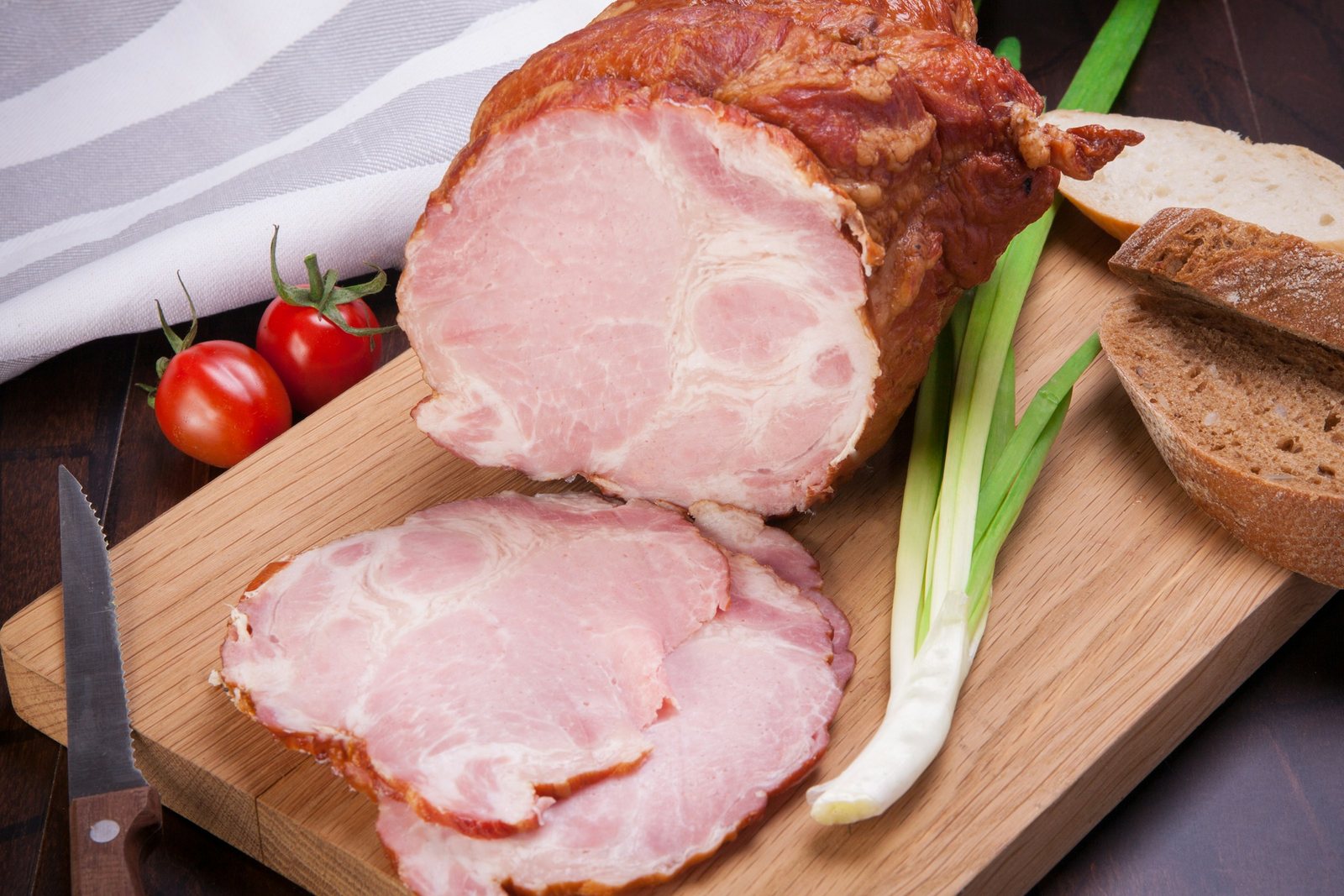
Shovdar is what they call pork ham (the hind leg) in Transcarpathia, salted, cold-smoked, and aged for several months. The hind leg is considered the best, and traditionally, the meat from the Mangalitsa breed — an ancient breed of pigs — was used.
Unlike prosciutto or jamón, shovdar is not always eaten raw. It can be consumed immediately after smoking and aging, but more often, it is boiled before the holiday and served cold, thinly sliced.
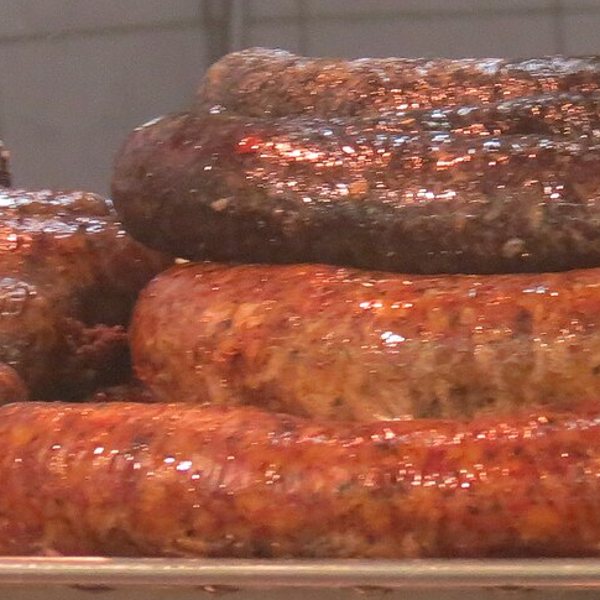
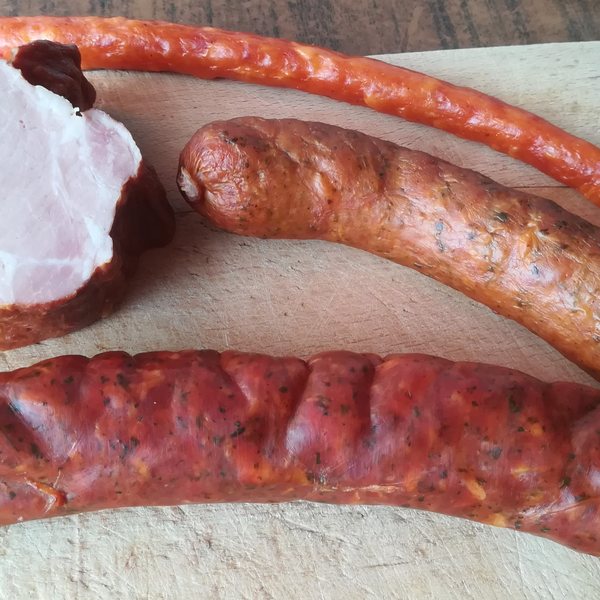
The broth from shovdar is not discarded: it is used to make dzjama — a festive soup of the Transcarpathians. On the Easter table, shovdar is accompanied by salty Transcarpathian paskha, pyknitsa (spicy sausage), and cheese.
Shovdar is an element of the regional list of intangible cultural heritage of the Transcarpathian region. The tradition is alive, but it is threatened by the decreasing population of Mangalitsa pigs and industrial 'smoked meats' made with liquid smoke.
History and name
According to the description from the Regional Organizational and Methodological Center for Culture, shovdar was originally a ritual food: the ham was prepared in winter, during winter holidays and Lent, and was first cut on Easter. It was placed in the Easter basket as a sign of the family's prosperity, blessed in church, and then boiled and sliced thinly at home.
In the article by Halyna Shchuka 'Gastronomic Brand of Transcarpathia', shovdar is listed among the first dishes of the regional NCS list, as well as among the Transcarpathian products in the book 'Ark of Taste. Ukraine', compiled by Renata Soukand and Andrea Pieroni.
Regional intangible heritage. Element of a regional intangible heritage list: Закарпатський шовдар — елемент регіонального переліку НКС Закарпатської області (регіональний перелік НКС Закарпатської області (дату й номер рішення не звірено)). Sources
Ingredients and allergens
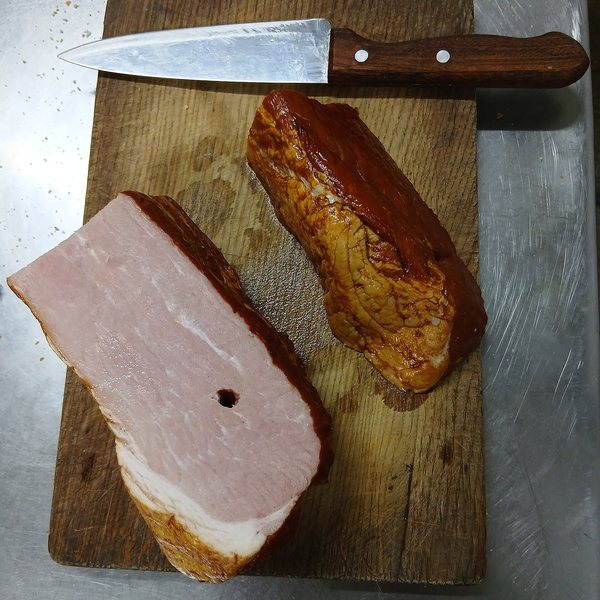
Also: salt (for salting)
Contains allergens: none of the 14 major allergens in the traditional recipe
Diet: gluten-free · no cooking
Ingredients of the traditional recipe; every cook and every place may do it differently — please ask when ordering. We cannot guarantee the absence of allergens or traces.
How it is made
The pork ham is salted, then cold-smoked and left to hang and mature for several months. The exact time, salting mixtures, and type of wood for smoking are determined differently by each family; the description of the NCS element provides only a general scheme.
Before the holiday, shovdar is usually soaked, boiled, and cooled in the broth. The broth is used for dzjama, and the meat is sliced thinly.
Video
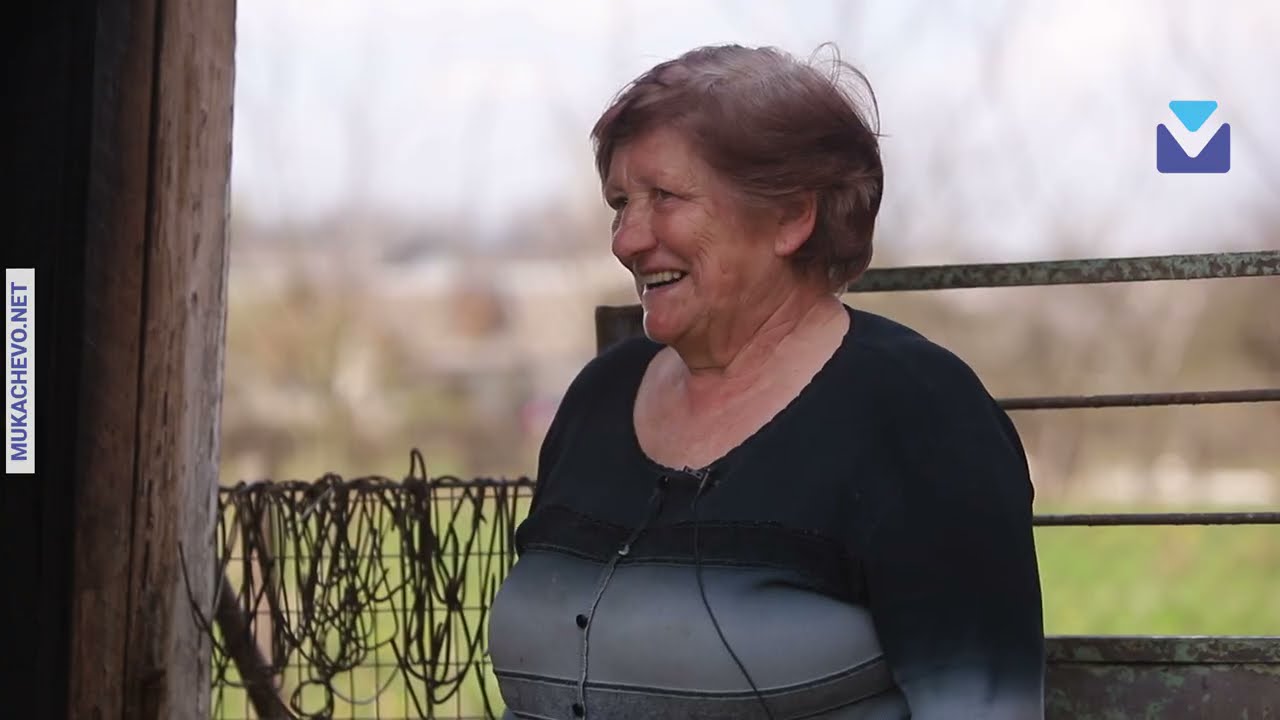 Як готують шовдарь на Закарпатті - секрети гарячого коптіння м'яса до Великодня.Mukachevo Net
Where it is eaten

The area is approximate and based on the sources below. The dish is cooked outside it too, and ethnographic borders are blurred.
The Transcarpathian region is generally home to Rusyn, Ukrainian, and Hungarian families. The description of the element does not specify particular villages.
When it is eaten
| Jan | Feb | Mar | Apr | May | Jun | Jul | Aug | Sep | Oct | Nov | Dec |
|---|---|---|---|---|---|---|---|---|---|---|---|
Occasions: Easter · Winter pig slaughter
In tradition
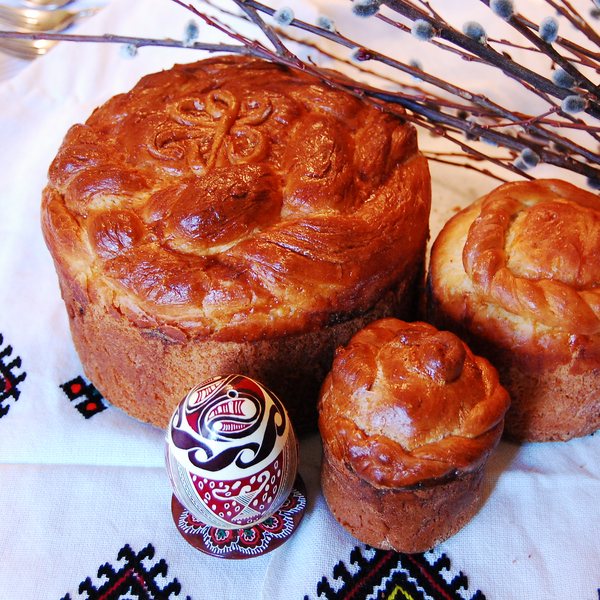
On Easter, shovdar is placed in the basket along with salty paskha, pyknitsa (spicy sausage with paprika), cheese, butter shaped like a lamb, and decorated eggs. After the blessing, it is shared. The broth from shovdar is used to make dzjama, a soup for major holidays.
Safety
Raw cold-smoked shovdar is meat without thermal processing: pregnant women, small children, and people with weakened immune systems are better off eating it boiled. Buy from trusted producers.
FAQ
What is shovdar?
Cold-smoked pork ham, aged for several months. This is how it is called in Transcarpathia.
Is shovdar eaten raw or cooked?
It can be eaten both ways, but traditionally it is boiled before Easter and served cold, thinly sliced. The broth is used to make dzjama.
Is shovdar an intangible heritage?
Yes, 'Transcarpathian shovdar' is included in the regional NCS list of the Transcarpathian region. It has not yet been included in the National list of Ukraine.
Similar dishes and products
Relatives in the Carpathians and nearby
- füstölt sonka · Hungary
a similar tradition: Hungarian smoked ham for the Easter table - гуцульська буженина · Ukraine
a similar tradition of smoked pork in the mountains - prosciutto, jamón
a related name for cured hams; shovdar differs by being smoked and often boiled
Sources
- Обласний організаційно-методичний центр культури Закарпаття: Закарпатський шовдар (регіональний перелік НКС)
- Г. Щука. Гастрономічний бренд Закарпаття (2025)
- Укрінформ: Навіщо крейда у великодньому кошику? (закарпатський кошик із шовдарем, 2025)
Written by the Karpaty.rocks editors from the sources above. Checked 10.11.2026.
