Bilberry jam (afyny)
What it is
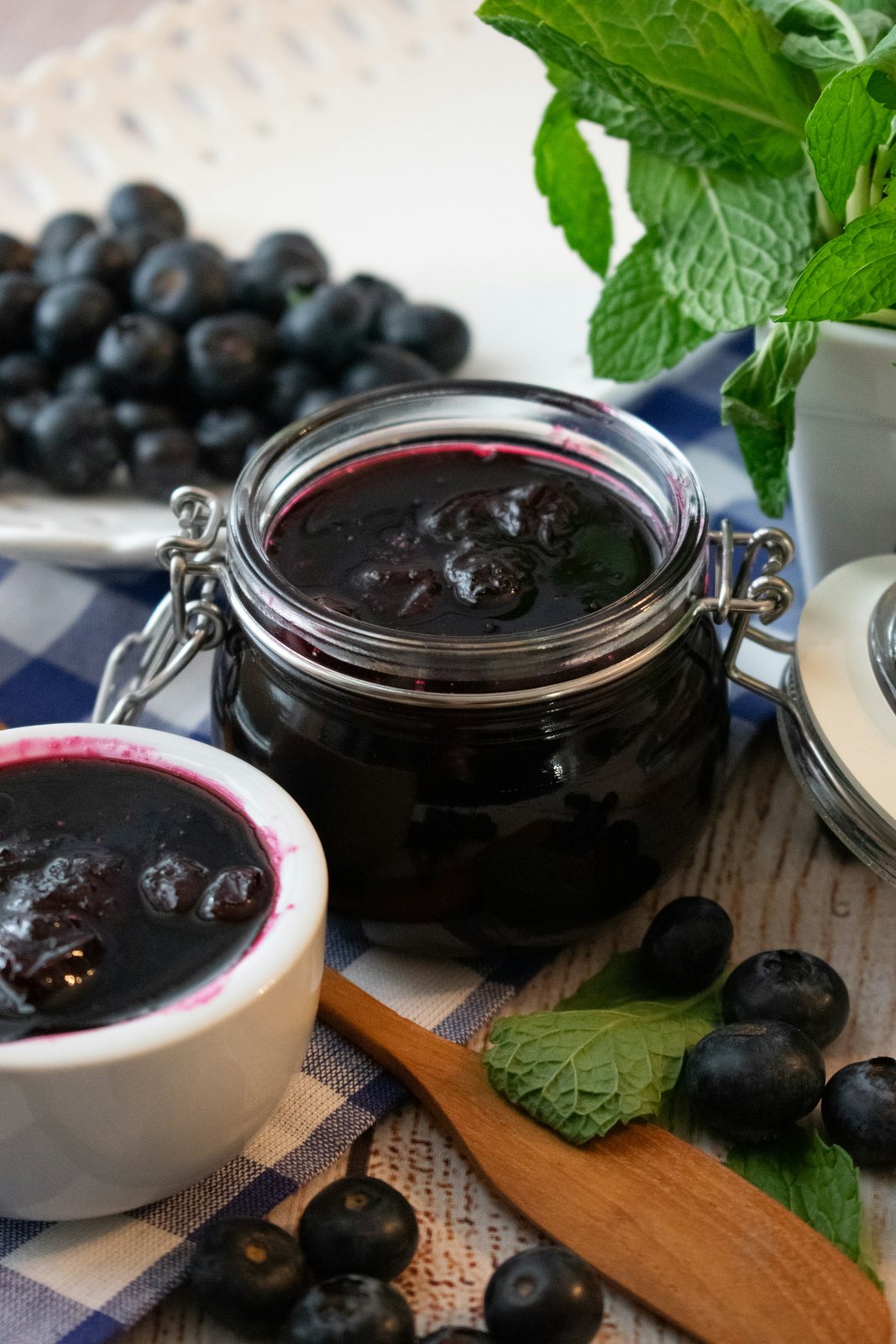
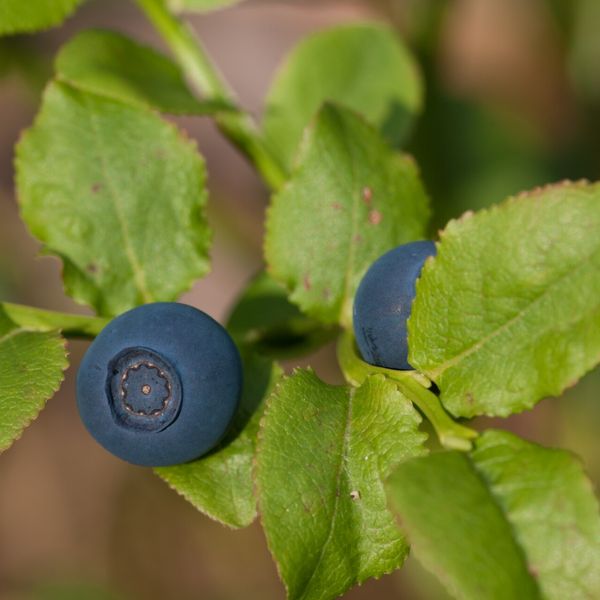
Bilberries, or yafyny, is the name used in the Carpathians for the common blueberry, a low bush that covers the slopes under spruces and on the polonynas. The berries ripen in July and August, and in higher altitudes, until September.
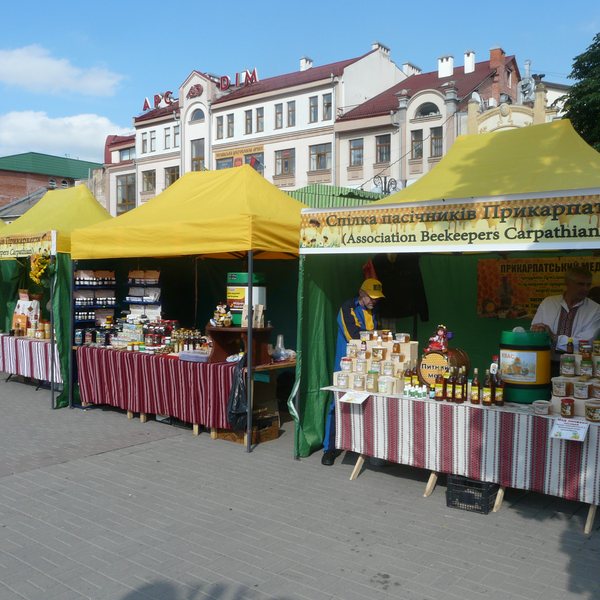
For mountain villages, the collection of bilberries has been a traditional summer income. As early as the late 19th century, Volodymyr Shukhevych wrote that Hutsuls would go out to pick blueberries as entire families and sell the berries to middlemen, while women would use the earnings to buy themselves or their children a scarf or glass beads. Today, the berries are still collected with combs, sold to collectors, or sold at markets and along roads. It is prohibited to collect them with rakes, as they damage the bushes; only hand combs are allowed.
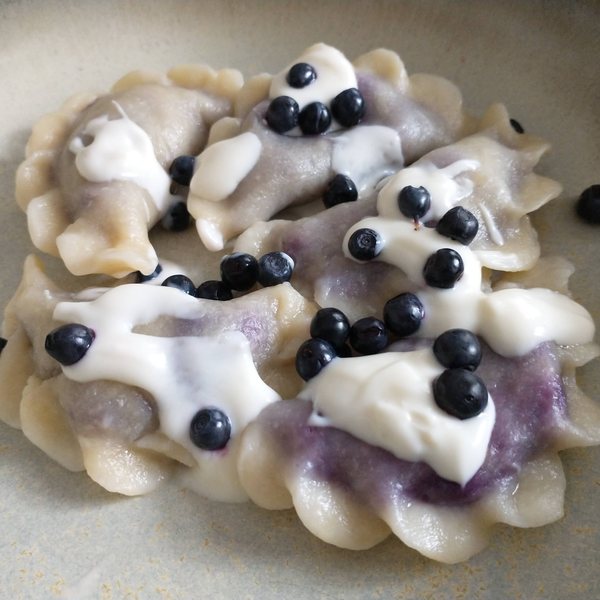
Ethnobotanists, who in 2022 surveyed residents of Verkhovyna together with scientists from the National Park 'Hutsulshchyna', named blueberries as one of the most important wild plants in the region: they are sold the most and eaten the most at home — fresh, in juices, jams, and dumplings. The jam is dark, almost black, and aromatic; it is eaten with tea and pancakes.
This is not a ceremonial dish, but an ordinary homemade preparation; what makes it Carpathian is the berry itself, harvested in the mountains.
History and name
The word 'afyna' comes from Romanian (afină — blueberry) and is widespread throughout the Ukrainian Carpathians. Shukhevych described an ancient tool: bilberries were picked with a 'comb' — a wooden comb with a handle and a hoop — and poured into small wooden barrels. In 1898, the Hutsuls of the village of Brustury, as he recorded, earned 2000 ryns from the sale of blueberries.
Jam or berries mashed with sugar are known to neighbors: the Romanians of Bukovina told researchers about blueberries preserved with sugar and about compotes made from them. Journalists from LB.ua in 2016 described the season for collecting yafyny on Mount Pikuy: collectors from the villages of Bilasovitsa, Shcherbovets, and Lyhivory climb the slopes, and the berries are bought and taken for processing — including for jam and preserves.
Ingredients and allergens
Variant: cooked, with sugar
Also: sugar (700 g–1 kg)
Contains allergens: none of the 14 major allergens in the traditional recipe
Diet: lenten · vegan · gluten-free · no cooking
Variant: mashed with sugar, without cooking
bilberries (afyny), sugar
Contains allergens: none of the 14 major allergens in the traditional recipe
Diet: lenten · vegan · gluten-free · no cooking
Ingredients of the traditional recipe; every cook and every place may do it differently — please ask when ordering. We cannot guarantee the absence of allergens or traces.
How it is made
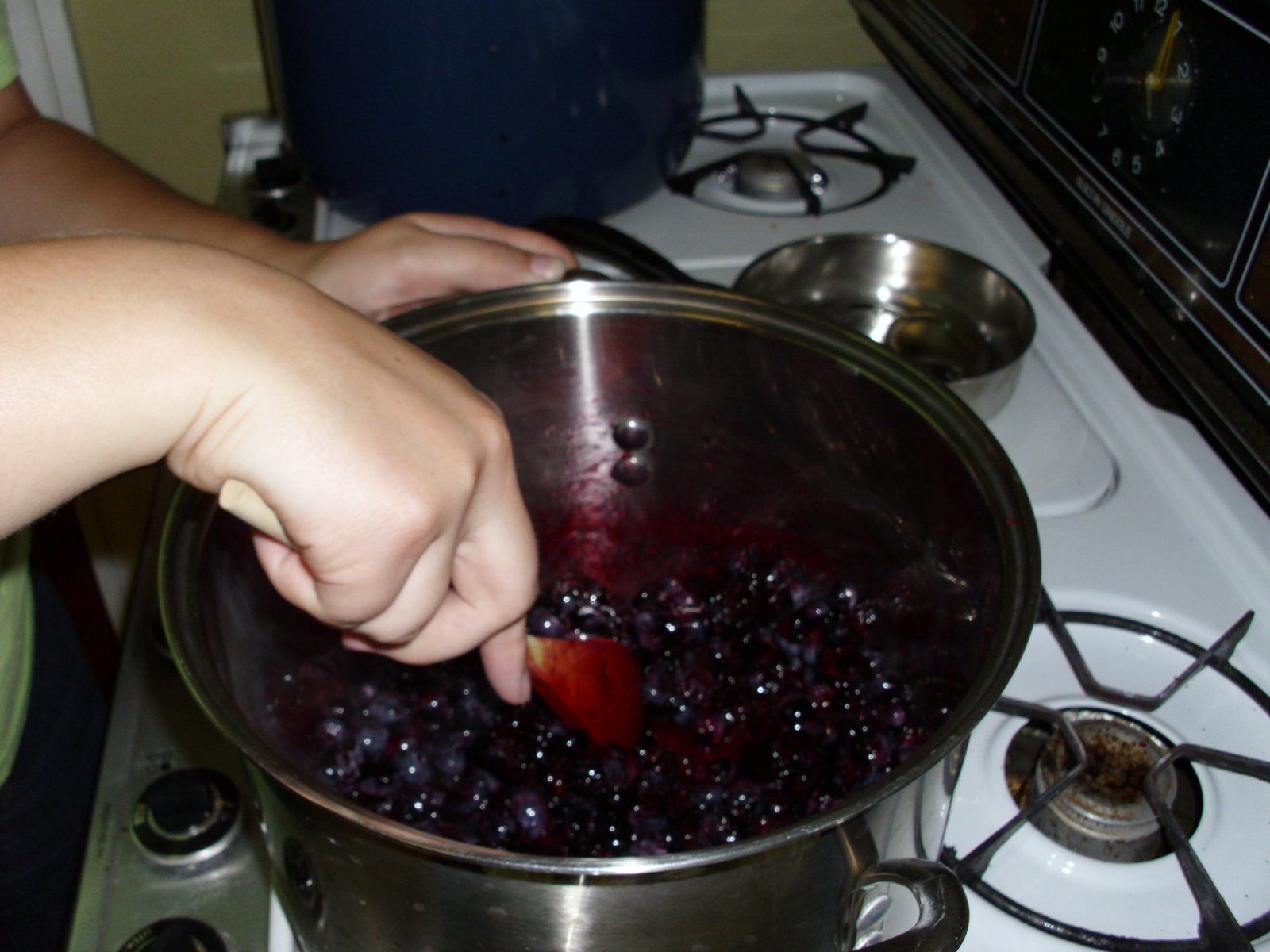
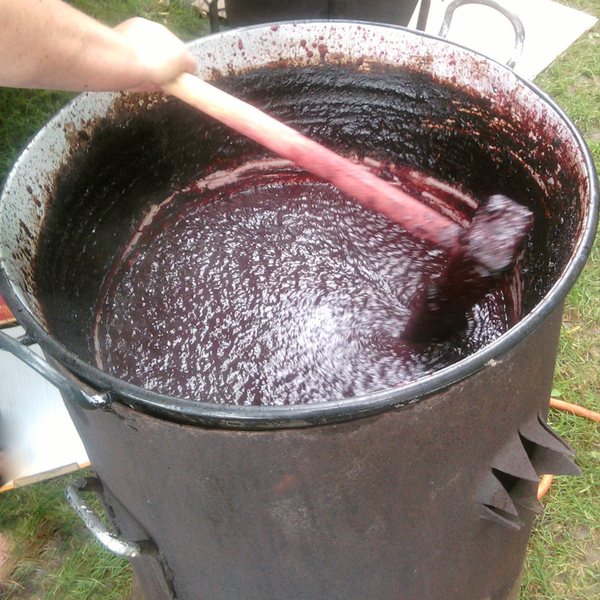
The berries are sorted, washed, and dried. They are sprinkled with sugar for several hours to release juice, and then cooked over low heat, skimming off the foam until the syrup thickens — either in one go or in two to three short boilings. The hot jam is poured into clean, pre-warmed jars and sealed.
Another homemade method is to mash fresh berries with sugar without cooking and keep them in the cold. Bilberries are also dried: the dried ones are used in tea, uzvar, and kissel.
Video 2
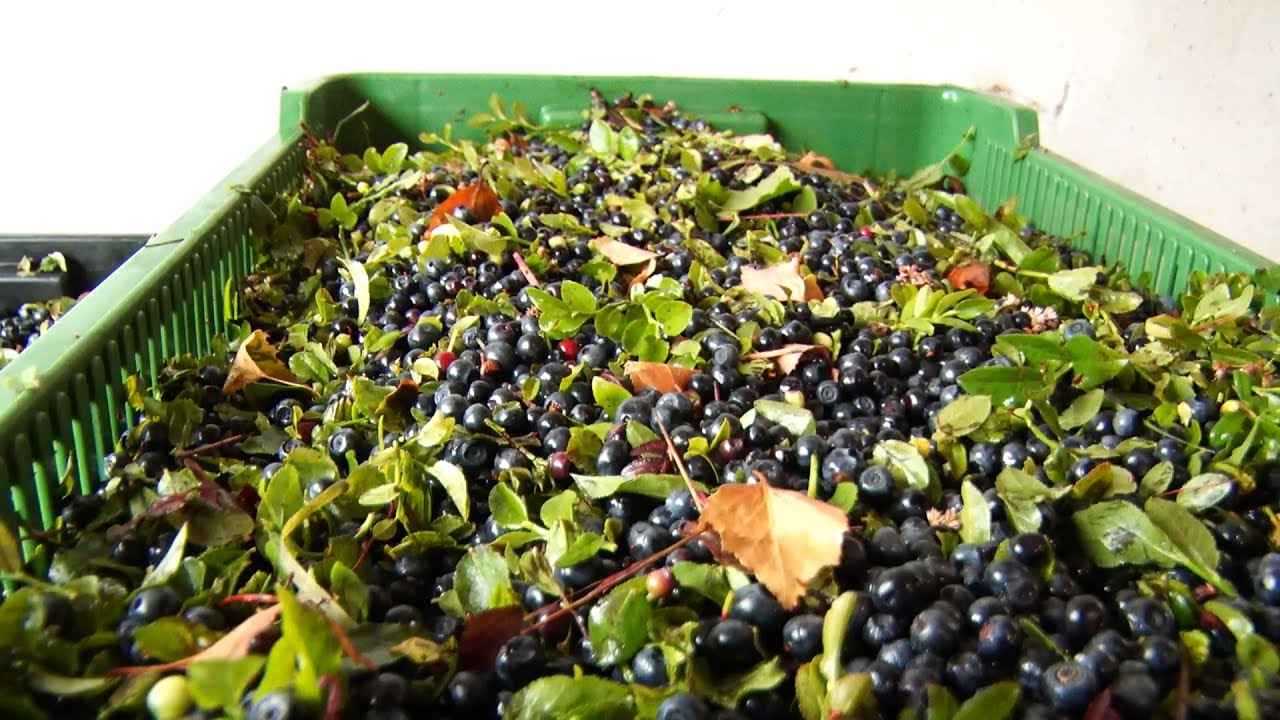 "Чорничний підробіток": у Керецьківській ТГ стартував сезон збору яфиниПерший Закарпатський

Where it is eaten

The area is approximate and based on the sources below. The dish is cooked outside it too, and ethnographic borders are blurred.
Blueberries grow throughout the Ukrainian Carpathians; they are most commonly harvested in Transcarpathia (Pikuy, Borzhava, Svidovec, Chornohora) and in the Ivano-Frankivsk, Lviv, and Chernivtsi regions. Jam is made in families throughout the region. The area is approximate.
When it is eaten
| Jan | Feb | Mar | Apr | May | Jun | Jul | Aug | Sep | Oct | Nov | Dec |
|---|---|---|---|---|---|---|---|---|---|---|---|
Occasions: Berry season
In tradition
The blueberry season is a significant summer event for mountain villages: the sale of bilberries provides families with money for the autumn, and the jam made from them is a homemade stock for winter.
Safety
Buy berries and jam from trusted sellers. Blueberries from radiation-contaminated areas of Polissia (parts of Volyn, Rivne, and Zhytomyr regions) are always checked radiologically, so it is important to know the origin of the berries.
FAQ
What are afyny?
The Carpathian name for the common blueberry. They are also called 'yafyny'. The word comes from Romanian.
When are afyny harvested in the Carpathians?
Mostly in July and early August; at higher altitudes, the berries can be found in September.
How does blueberry differ from huckleberry?
Wild blueberry (afyna) is small, with dark flesh that stains the lips. Huckleberry is a different plant with larger berries and light flesh.
Similar dishes and products
Relatives in the Carpathians and nearby
- dulceață de afine · Romania
a similar tradition: jam made from bilberries in the Romanian Carpathians - konfitura z borówek · Poland
a similar tradition
Sources
- Szuchiewicz W. Huculszczyzna. T. 1 (Lwów: Muzeum im. Dzieduszyckich, 1902) — В. Шухевич, «Гуцульщина», т. 1
- Fontana N. M., Pasailiuk M. V., Pohribnyi O. Traditional ecological knowledge to traditional foods: the path to maintaining food sovereignty in Hutsulshchyna (Frontiers in Sustainable Food Systems, 2022; співавтори — НПП «Гуцульщина»)
- Stryamets N. et al. Dining Tables Divided by a Border: Local Ecological Knowledge of Romanians Living in Ukrainian and Romanian Bukovina (Foods, 2021)
- Вікіпедія: Чорниця звичайна (назви афина, яфина; райони заготівлі)
- LB.ua: Чорнична ніч (збір яфин на Пікую, 2016)
Written by the Karpaty.rocks editors from the sources above. Checked 10.11.2026.
