Tismana Monastery: Wallachia's oldest monastery on a crag
The monastery of St Nicodemus
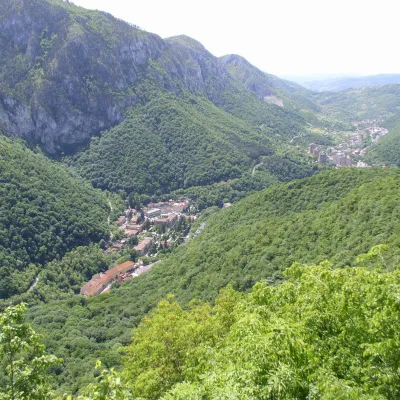
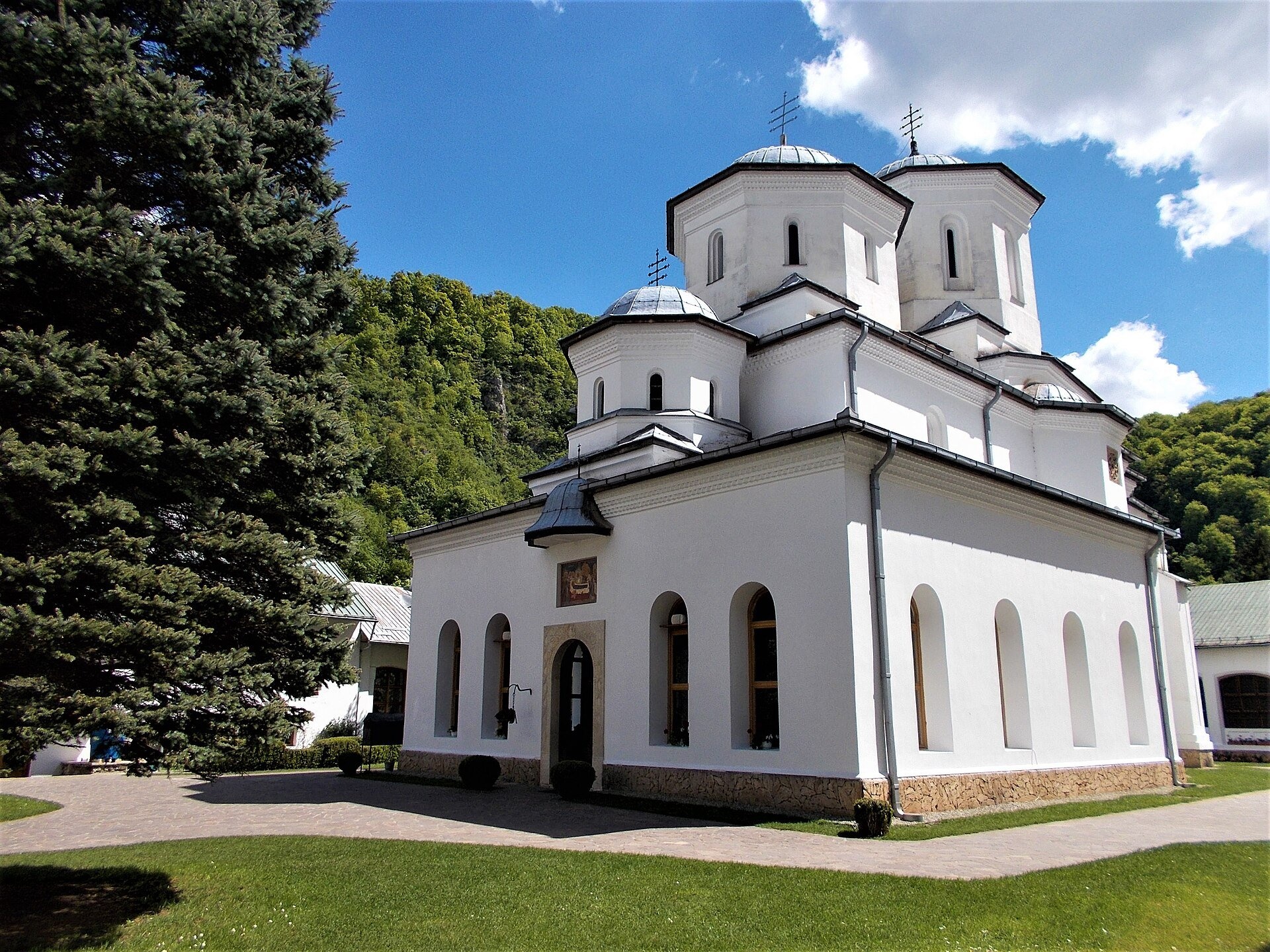
Tismana Monastery (Mănăstirea Tismana) stands on a rocky spur of Mount Stârmina above the Tismana river valley, on the edge of the small town of Tismana in Gorj County, 36 km from Târgu Jiu. It is the oldest monastery in Wallachia to have functioned without interruption since the Middle Ages. It was founded by St Nicodemus the Sanctified (c. 1310–1406), a monk who came from Mount Athos and whom the Romanian Orthodox Church honours as one of the organisers of monastic life in Wallachia. The stone church was built with the support of the Basarab princes Radu I, Dan I and Mircea the Elder and consecrated on 15 August 1378 to the Dormition of the Mother of God.
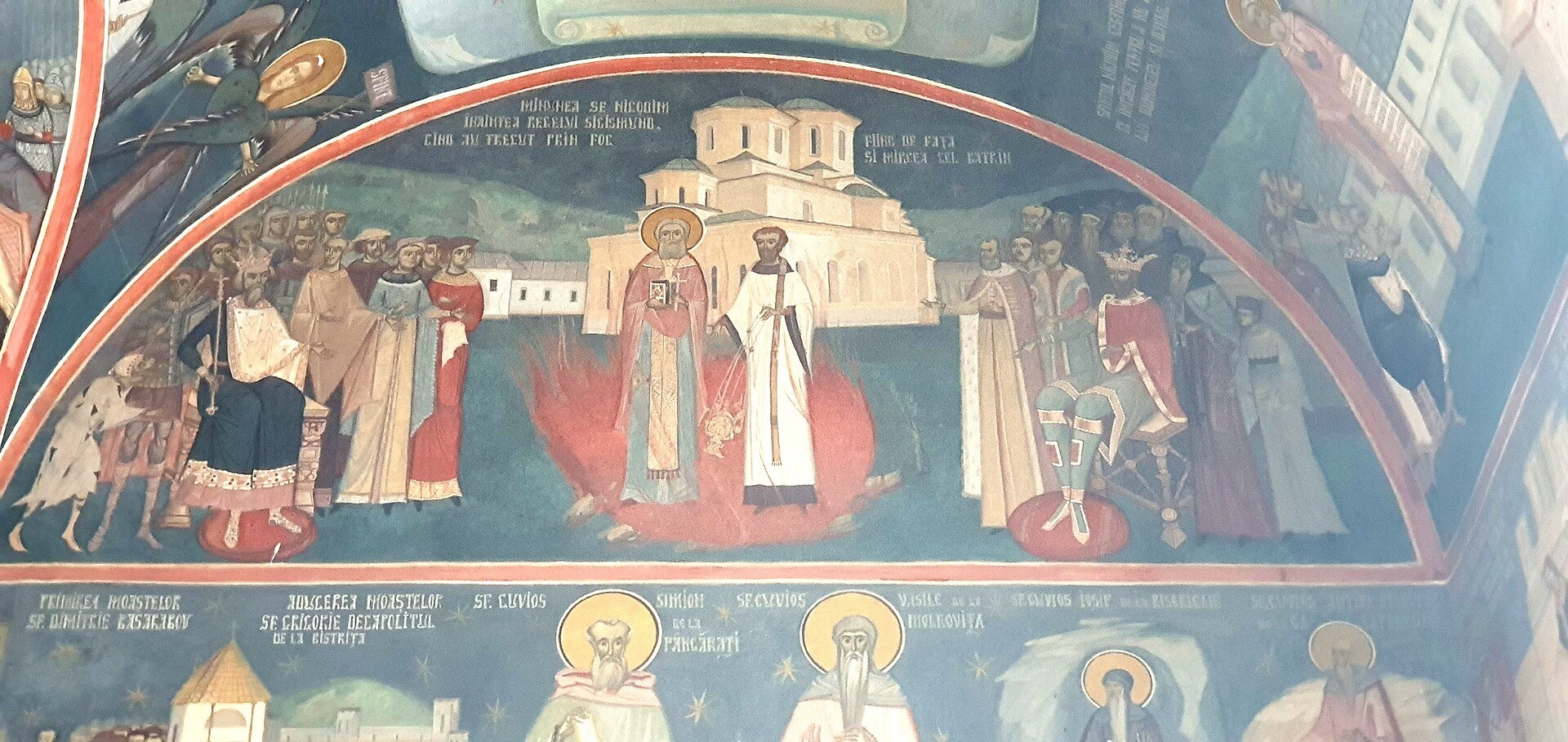
Nicodemus founded a school of calligraphers and copyists here, and in 1405 he himself copied and illuminated a Gospel book on parchment. The monastery was destroyed and rebuilt several times; in 1406 Mircea the Elder met King Sigismund of Luxembourg here, later the monastery sheltered Vlad the Impaler and Neagoe Basarab, and in 1821 Tudor Vladimirescu made it a stronghold of his uprising. In the 19th century the ensemble was rebuilt by the architect Carol Benesch. Its most dramatic chapter came in 1944, when the gold reserve of the National Bank of Romania and part of Poland's gold were secretly kept in the cellars and in a cave next to the monastery. Today it is an active convent of nuns of the Metropolis of Oltenia.
Why go
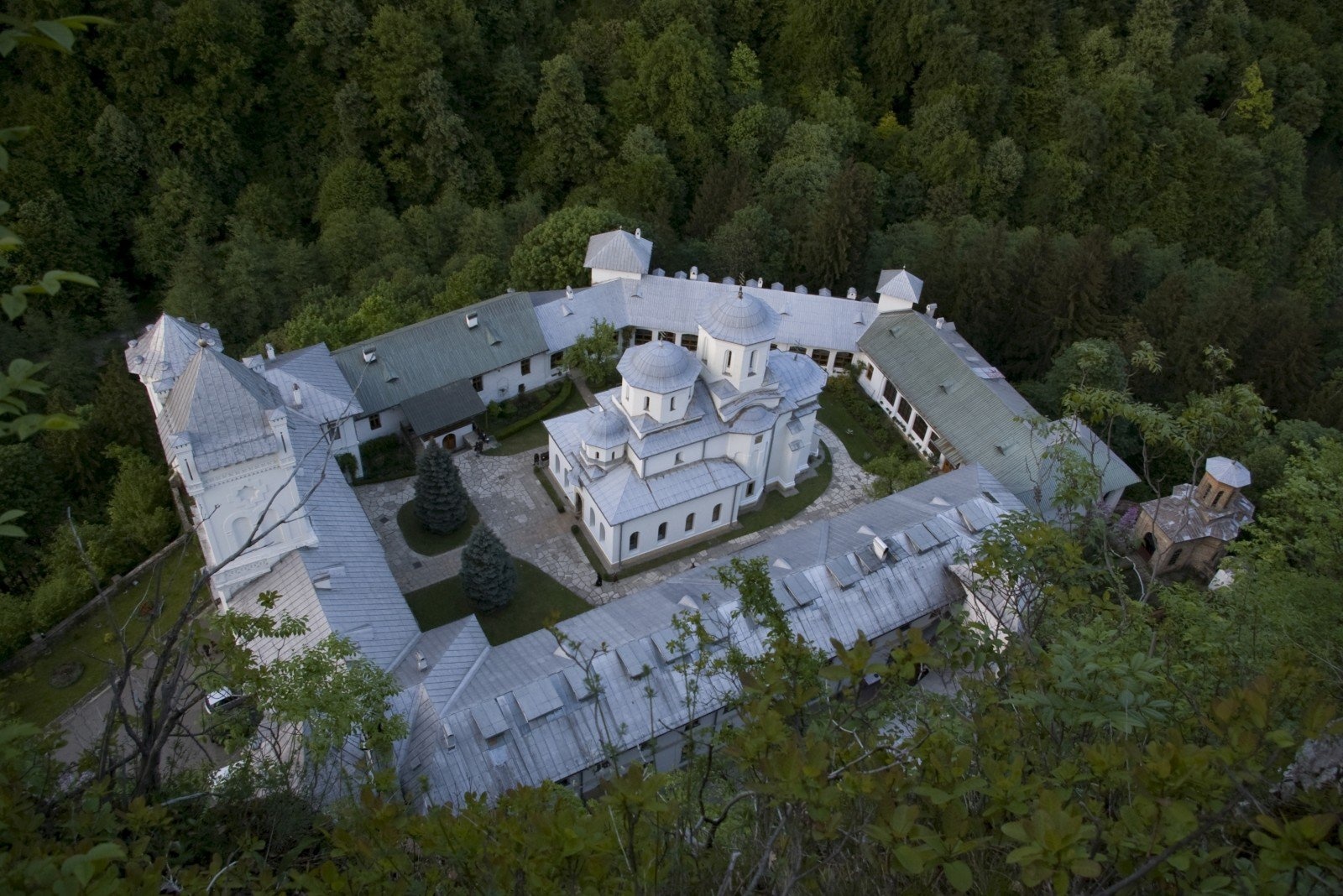
Tismana combines deep history with a very picturesque setting: a fortress-like monastery with white cell wings on a crag, forest all around and a stream that bursts out from under the walls and drops as a waterfall about 40 metres high. It is one of the oldest centres of Orthodox monasticism in Romania and a fine stop on the road along the foot of the Vâlcan Mountains between Oltenia and the Banat.
What to see
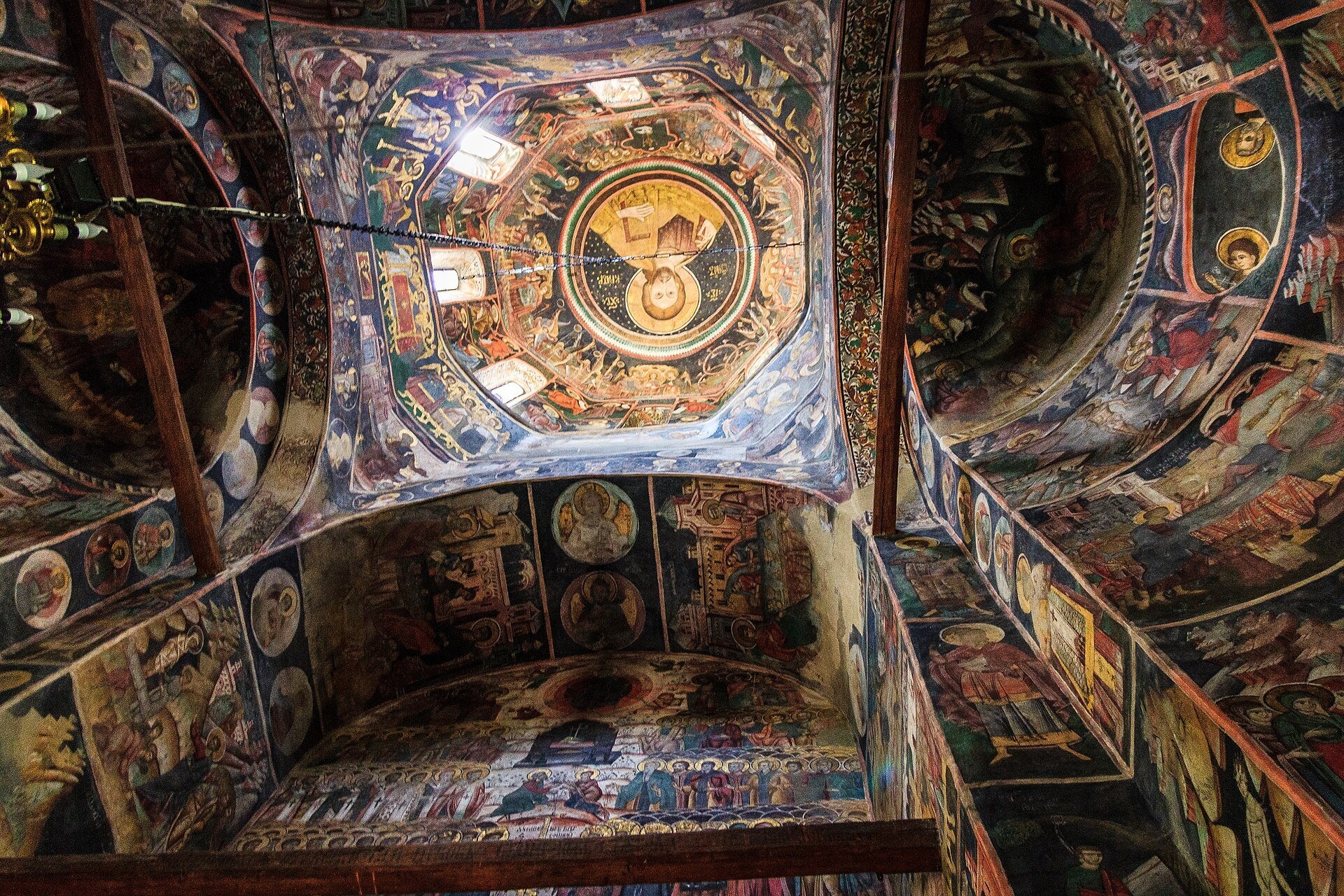
- The Church of the Dormition, on a trefoil plan with thick stone walls, three domes and a porch wrapping around the narthex.
- The frescoes of 1564 by Dobromir the Younger of Târgoviște in the narthex and the nave paintings of 1732, renewed in 1766.
- The silver reliquary with relics of St Nicodemus.
- The cave of St Nicodemus on the rock beside the monastery, where he prayed, and the waterfall dropping from under the walls into the Tismana river.
- The monastery museum in the cell wing: medieval art, old books and manuscripts, icons on wood, frescoes of 1732 and liturgical embroidery from the late 14th century.
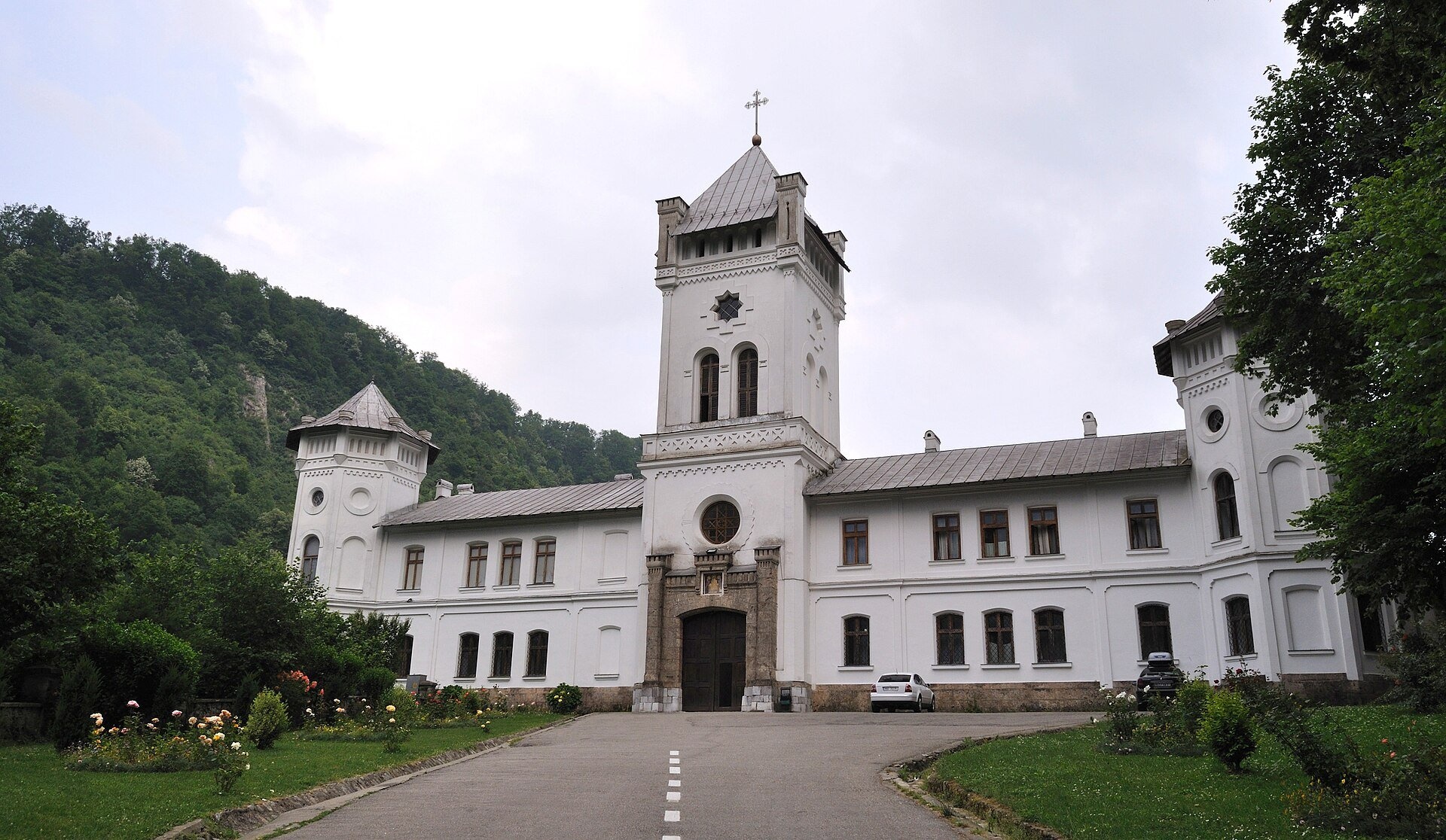
- The bell tower and the walls with their gate, which give the monastery the look of a fortress.
Practical information
Address: Strada Mănăstirii, Tismana town, Gorj County. The monastery lies a few kilometres north of the centre of Tismana; from Târgu Jiu it is about 36 km along the DN67D towards Baia de Aramă. Horezu Monastery is about 110 km to the east. From Ukraine it is a long journey: via the Porubne – Siret or Diakivtsi – Racovăț crossing and through Transylvania (Sibiu, the Olt valley), or via Solotvyno – Sighetu Marmației and Deva.
The monastery is open daily. According to the museum database of the National Heritage Institute (cIMeC), the monastery museum collection is open 9:00–17:00; phone +40 253 374 317. Official sources do not state an admission fee. Information as of November 2026 — check before you go. The biggest crowds of pilgrims come for the patronal feast on 15 August. This is an active convent: dress modestly (shoulders and knees covered; women may find a headscarf useful), speak quietly and take photographs in the church only with permission. The path to the cave involves steep steps. Allow 1–1.5 hours.
Nearby
- Godeanu — the summit of the Godeanu massif above the headwaters of the Tismana.
- Polovragi Monastery below the Oltețu gorge — further east along the mountains.
- Horezu Monastery — a UNESCO site in Vâlcea County.
- The Sohodol Gorge (Cheile Sohodolului) near Runcu — limestone cliffs above the road.
- Târgu Jiu with Constantin Brâncuși's sculptural ensemble — about 36 km east.
Photos: Nicu Farcaș, CC BY-SA 4.0, Wikimedia Commons; Alexandru Ene, CC BY-SA 3.0 ro, Wikimedia Commons; Utilizator:Țetcu Mircea Rareș at ro.wikipedia, CC BY-SA 2.5, Wikimedia Commons; Valyemil81, CC BY-SA 4.0, Wikimedia Commons; Alin2808, CC BY-SA 4.0, Wikimedia Commons; Leontin l, CC BY-SA 4.0, Wikimedia Commons.
Getting there from Ukraine
Border crossings
- Porubne – Siret — road and pedestrian, 24/7
- Diakivtsi – Racovăț — road and pedestrian, 24/7 No freight traffic.
- Krasnoilsk – Vicovu de Sus — road and pedestrian, 08:00–20:00 Cars up to 3.5 t and pedestrians only; not 24/7.
- Solotvyno – Sighetu Marmației — road and pedestrian, 24/7 Passenger traffic only: vehicles up to 3.5 t with up to 9 seats, pedestrians.
- Diakove – Halmeu — road, 24/7 No pedestrian crossing.
By car
Rakhiv – Petroșani ≈450 km, ≈6 h 36 min (via Solotvyno – Sighetu Marmației); Ivano-Frankivsk – Petroșani ≈584 km, ≈8 h 55 min (via Solotvyno – Sighetu Marmației); Chernivtsi – Petroșani ≈539 km, ≈9 h 19 min (via Krasnoilsk – Vicovu de Sus). Times without border queues, our road routing (GraphHopper, OSM).
Checked 03.11.2026; border crossing hours and timetables change — check before you travel.
Comments
Travellers’ experience: reports, tips, questions.
No one has written here yet. Be the first — your experience helps others.
Video
 Mănăstirea TismanaCălătorim de plăcere
Location on the map
Trails nearby
All trails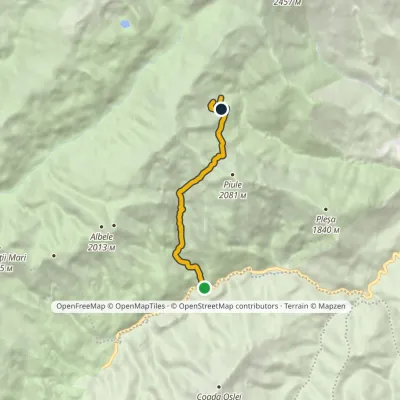 ModerateOne-dayMarkedDN66A road Buta Hutvia Scorota ValleyElevation profile1 112–1 934 m7.6 kmascent 850 m≈ 3.5 h walking22 km from Tismana Monastery: Wallachia's oldest monastery on a crag
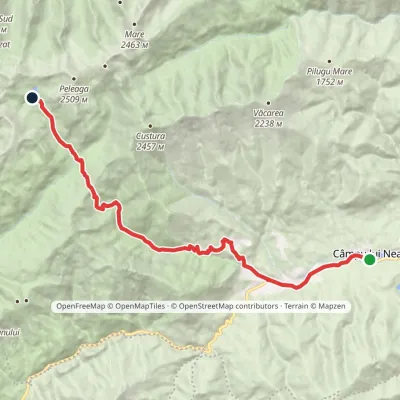 HardOne-dayMarkedCâmpu lui Neag Lake Bucuravia Buta HutElevation profile798–2 052 m20.5 kmascent 1 579 m≈ 8 h walking24 km from Tismana Monastery: Wallachia's oldest monastery on a crag
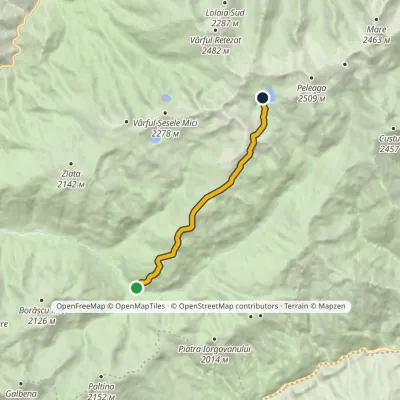 HardOne-dayMarkedLunca Berhina Lake BucuraElevation profile1 237–2 230 m9.7 kmascent 1 099 m≈ 4.5 h walking26 km from Tismana Monastery: Wallachia's oldest monastery on a crag
Nearby attractions
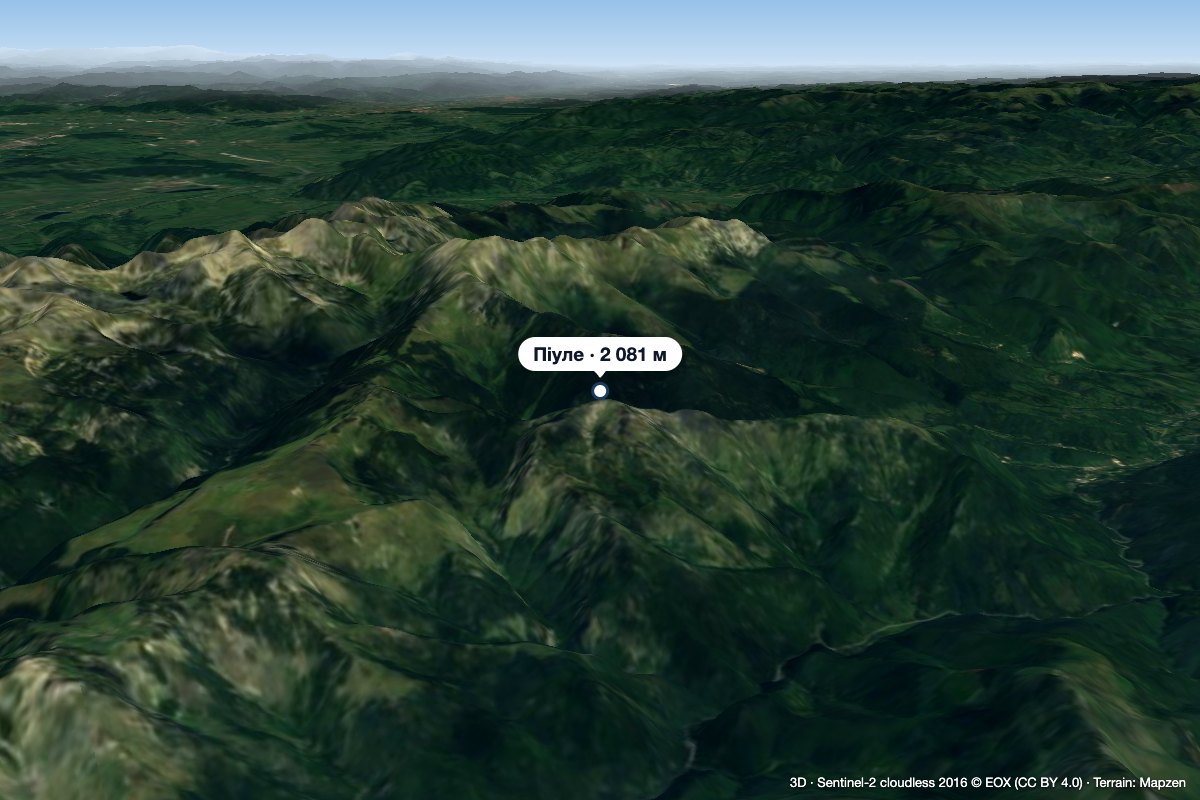 PeakPiuleCâmpu lui Neagaltitude 2 081 m25 km from Tismana Monastery: Wallachia's oldest monastery on a cragPiule (Romanian Vârful Piule) is the highest summit of the Piule-Iorgovanu Mountains, at 2,081 m. In hiking literature the massif is usually called Retezatul Mic, the ...
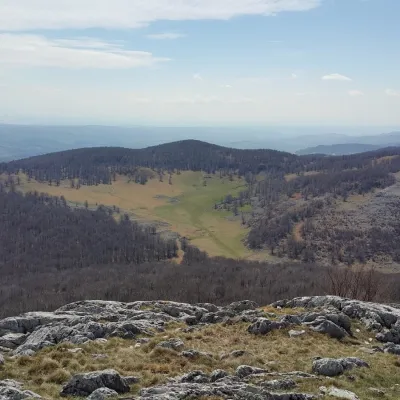 Mountain meadowPoiana BeletinaIsvernaaltitude 1 193 m27 km from Tismana Monastery: Wallachia's oldest monastery on a cragPoiana Beletina (locals also say Bilitin or Belentina) is a closed karst depression on the crest of the Mehedinți Mountains, in the south-west of the Romanian...
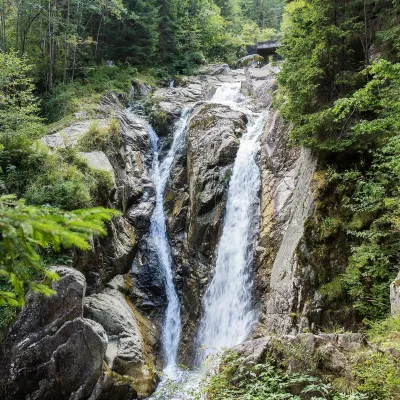 WaterfallLolaia Waterfall (Cascada Lolaia)Nucșoara · Retezat Mountains38 km from Tismana Monastery: Wallachia's oldest monastery on a cragheight 15 m1 085 m above sea levelLolaia Waterfall (Cascada Lolaia) lies in the northern part of Retezat National Park, in Hunedoara County, on one of the park's busiest routes — the road from the...