St Paraskeva's Church, Poienile Izei: UNESCO wooden church
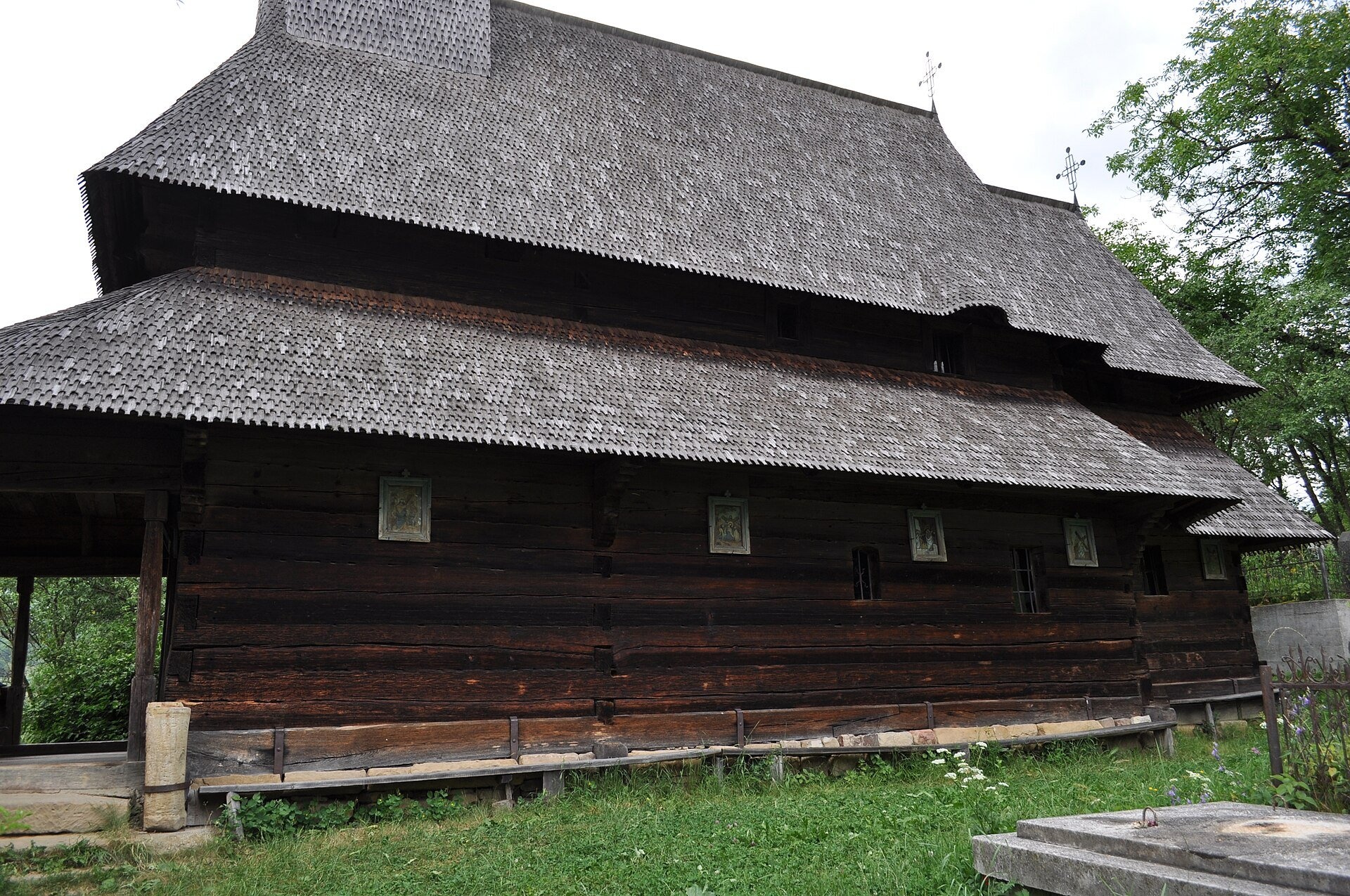
A church in the glades above the Iza
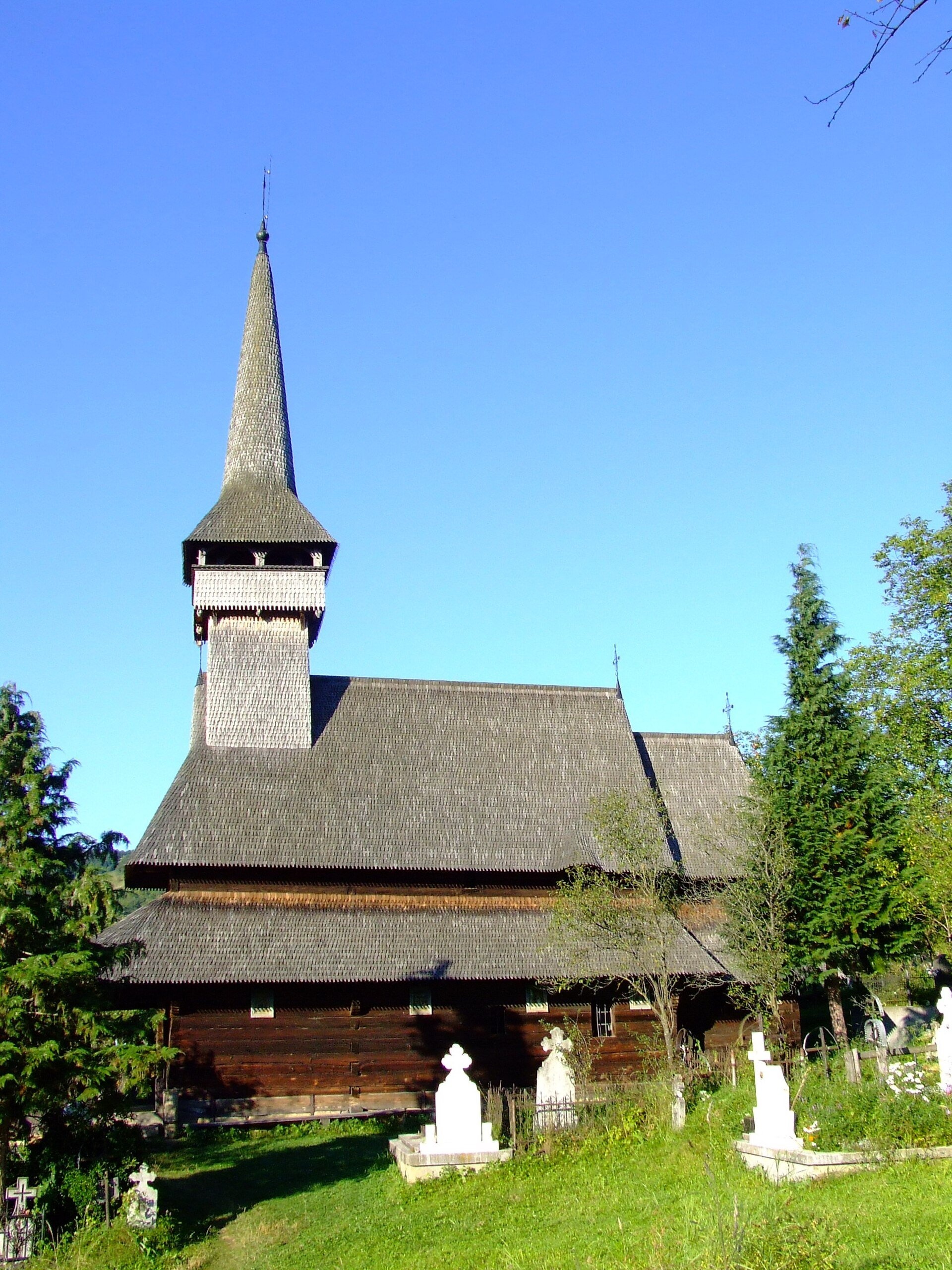
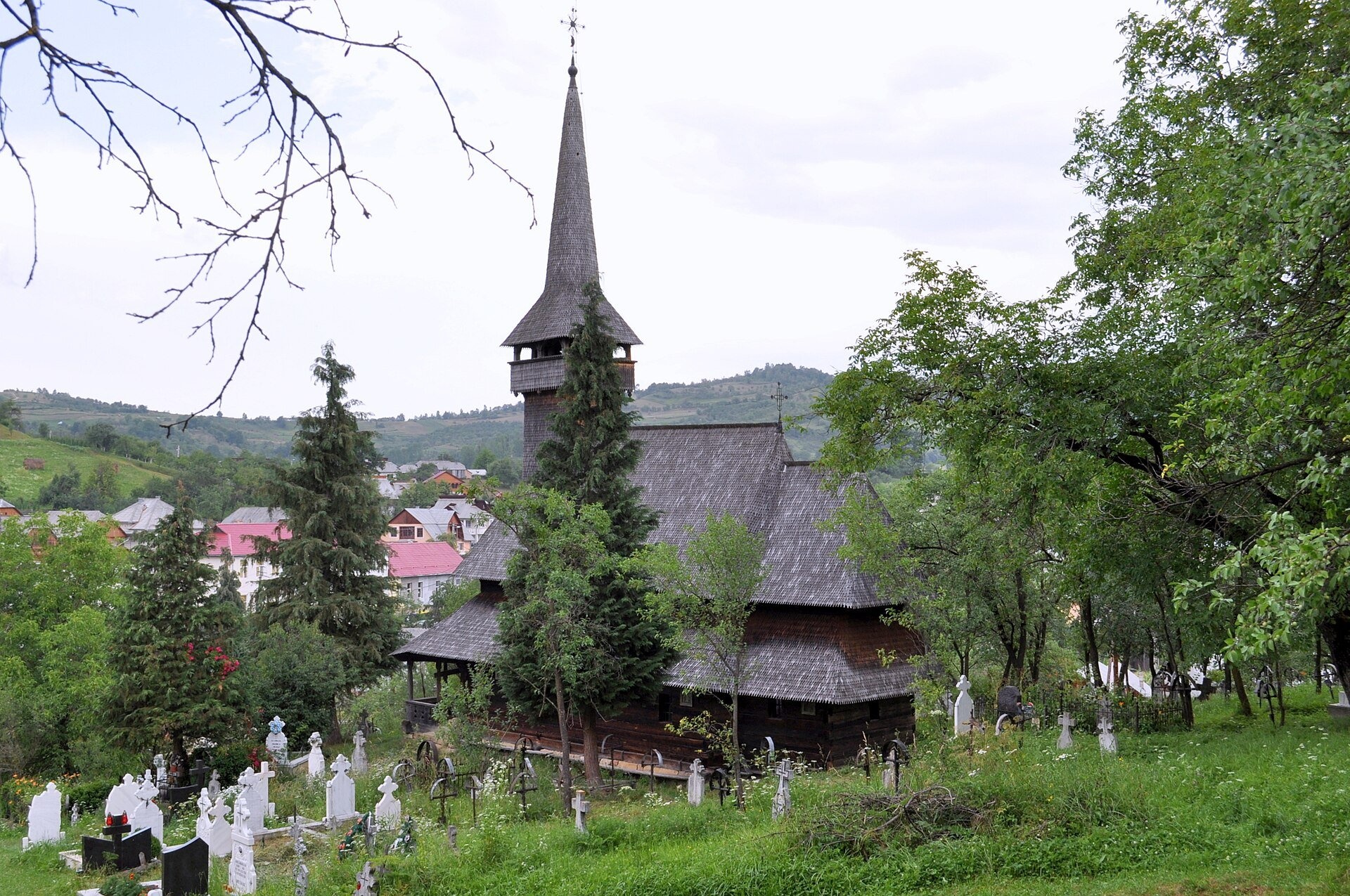
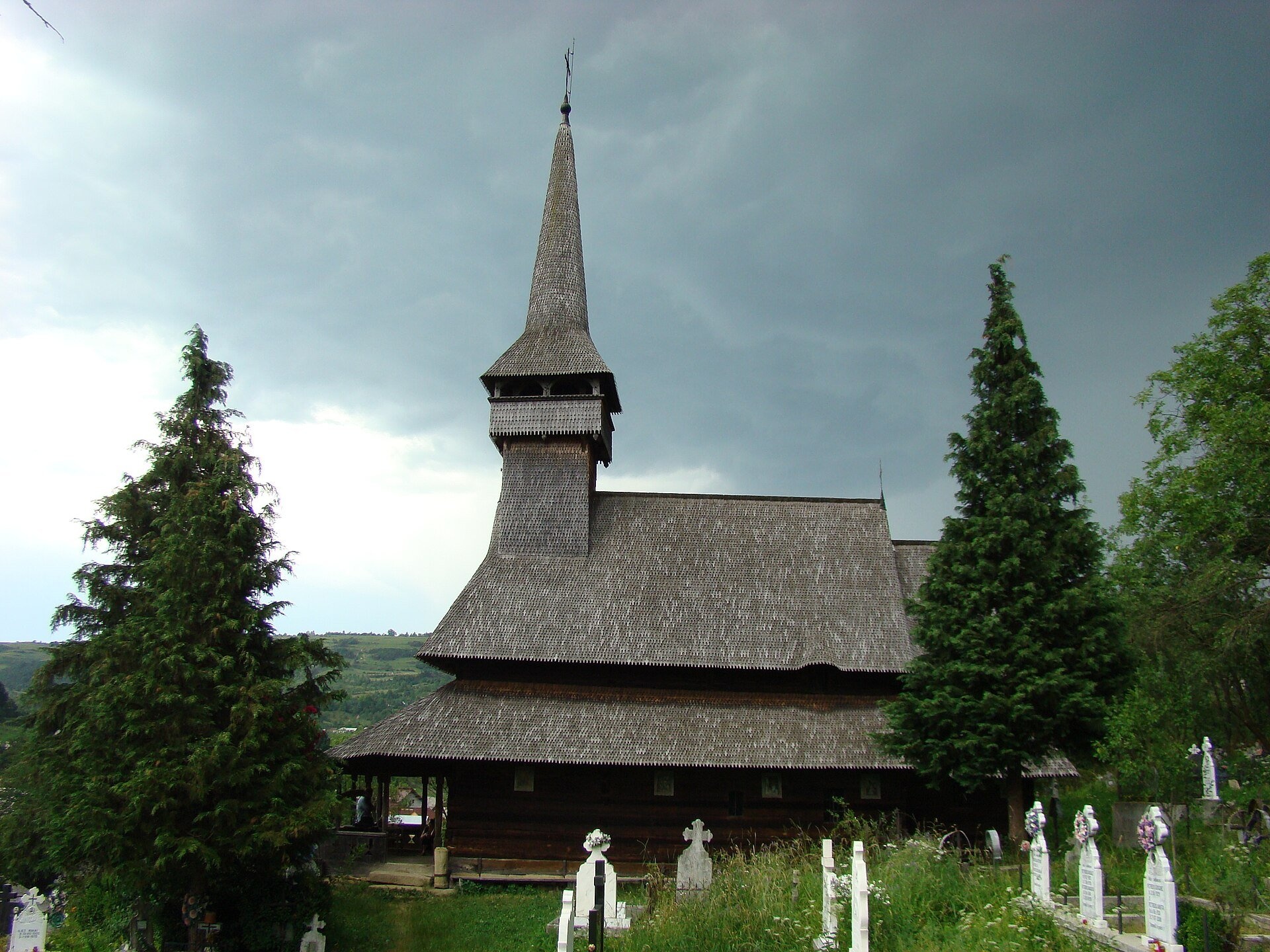
The village of Poienile Izei — the name means "the glades of the Iza" — lies in a side valley above the Iza river in historic Maramureș. It was first mentioned in a charter of 1430 and has had other names over the centuries; the church itself is sometimes called the church of Poienile Glodului. In 1999 the wooden church of St Paraskeva was inscribed on the UNESCO World Heritage List as one of the eight "Wooden Churches of Maramureș".
The church was built by the village community; according to Romanian sources it was completed in 1632 (county materials give the range 1604–1632). In the first half of the 18th century the walls were raised, in 1785 the painter Radu Munteanu decorated the prothesis, and in 1793–1794 a local master painted the rest of the interior. The porch was added in the first half of the 19th century. During the 1962–1964 restoration the church's charter and an antimension were found in the base of the altar table; the antimension is now kept in the eparchial museum in Cluj-Napoca and is considered the oldest exhibit of its kind there. A metal crescent is fixed under the cross on the tower — according to tradition, to protect the church from raiders.
Why go
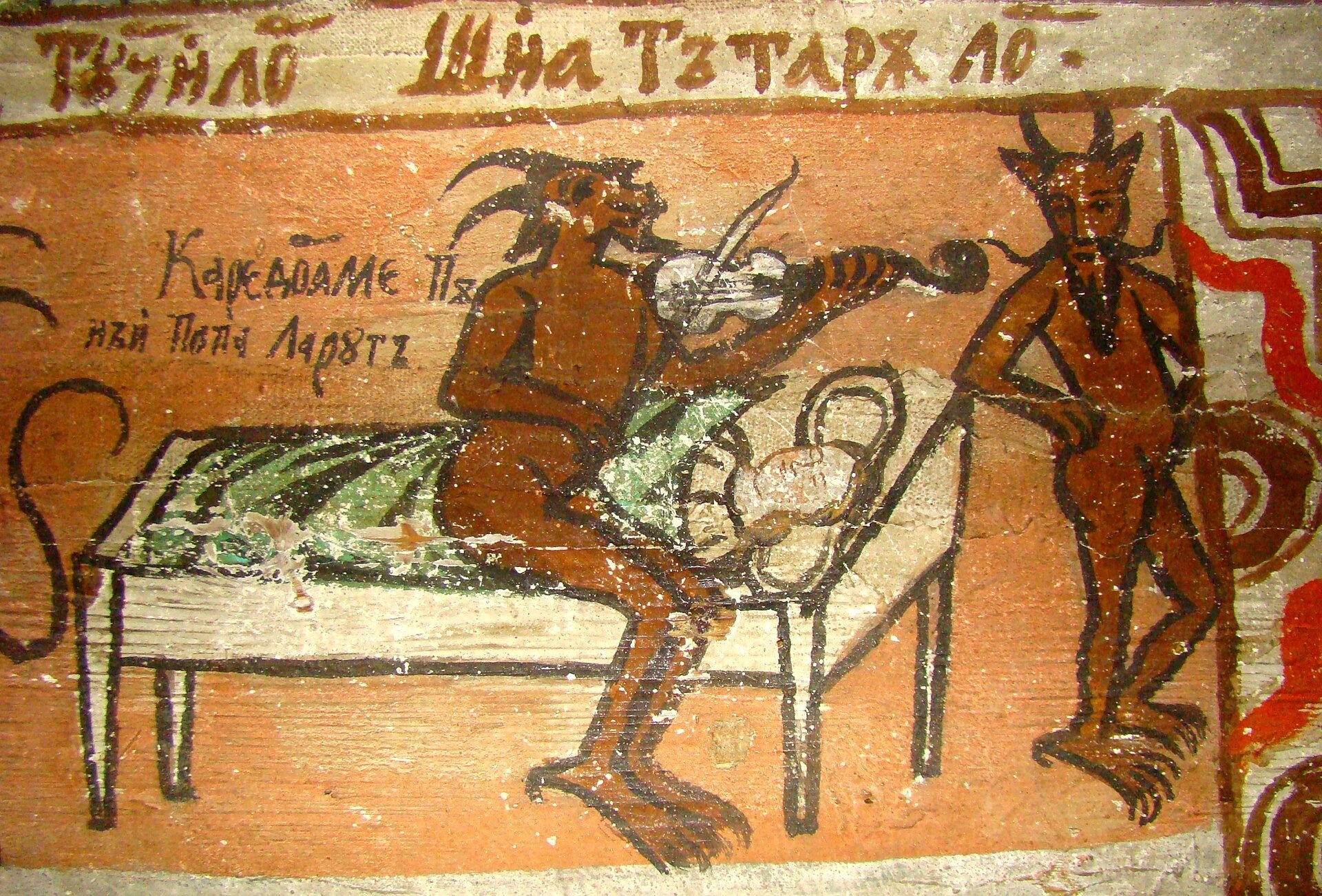
The Maramureș County Council calls this church one of the most beautiful and best-preserved monuments in the region. The most striking thing is the Last Judgement in the narthex: the village painter showed the punishments for very everyday wrongdoings so vividly that the scenes still read as a moral lesson for the community. The church itself stands in the middle of a cemetery in a quiet village, far from the main roads.
What to see
- The Last Judgement on the narthex walls: the liar is hanged by his tongue, the woman who "stole the milk" of other people's cows is gored by her victims, the peasant who seized his neighbour's land is ploughed by two devils, and those who slept during the sermon are laid on a burning bed and made to listen to the devil's fiddle.
- The paintings of the nave and sanctuary of 1794, in an eclectic style combining traditional images with motifs new for the period, and inscriptions in Cyrillic script.
- The prothesis of 1785, signed and dated by Radu Munteanu, with cherubim, the sun and the moon.
- Icons of the 17th–18th centuries: a Deesis by an anonymous Maramureș master of the first half of the 17th century, and icons of St Nicholas and the Dormition by painters of Moisei Monastery.
- The exterior: a rectangular log body with windows on two levels, a double-eaved roof and a tower with an open belfry; the old bells are dated 1673.
Practical information
From the main Iza valley road near the village of Șieu, turn off following the sign for Poienile Izei. From Sighetu Marmației it is about 40 km via Bârsana and Rozavlea, and about the same from the Solotvyno – Sighetu Marmației border crossing. There is no fixed timetable: to see the interior, phone the keyholder Mirela Pop in advance, +40 726 387 120 (contact from the Maramureș County Council brochure, as of March 2026). The village's new masonry church stands nearby, so do not confuse the two. The old church is consecrated: dress modestly, keep quiet and ask the keyholder before taking photos inside. The Last Judgement scenes are very explicit, so prepare children for what they will see. Allow 30–45 minutes.
Nearby
- The village of Botiza, known for weaving woollen blankets, with a wooden church moved here at the end of the 19th century.
- The Hill Church of Ieud, one of the oldest in Maramureș.
- The old wooden church of Bârsana, further down the Iza valley.
- The wooden church of Bogdan Vodă.
- The old wooden church in Rozavlea, built around 1717–1720.
Photos: The original uploader was Bogdan salaj at Romanian Wikipedia., CC BY 2.5, Wikimedia Commons; Țetcu Mircea Rareș, CC BY-SA 3.0 ro, Wikimedia Commons; Țetcu Mircea Rareș, CC BY-SA 4.0, Wikimedia Commons.
Getting there from Ukraine
Border crossings
- Porubne – Siret — road and pedestrian, 24/7
- Diakivtsi – Racovăț — road and pedestrian, 24/7 No freight traffic.
- Krasnoilsk – Vicovu de Sus — road and pedestrian, 08:00–20:00 Cars up to 3.5 t and pedestrians only; not 24/7.
- Solotvyno – Sighetu Marmației — road and pedestrian, 24/7 Passenger traffic only: vehicles up to 3.5 t with up to 9 seats, pedestrians.
- Diakove – Halmeu — road, 24/7 No pedestrian crossing.
By car
Rakhiv – Sighetu Marmației ≈45 km, ≈56 min (via Solotvyno – Sighetu Marmației); Uzhhorod – Sighetu Marmației ≈162 km, ≈2 h 53 min (via Solotvyno – Sighetu Marmației); Ivano-Frankivsk – Sighetu Marmației ≈179 km, ≈3 h 16 min (via Solotvyno – Sighetu Marmației). Times without border queues, our road routing (GraphHopper, OSM).
Checked 03.11.2026; border crossing hours and timetables change — check before you travel.
Comments
Travellers’ experience: reports, tips, questions.
No one has written here yet. Be the first — your experience helps others.
Video 2
 Biserica de lemn „Cuvioasa Paraschiva” din POIENILE IZEI (Maramureș, România)Lucian Ionescu

Location on the map
Trails nearby
All trails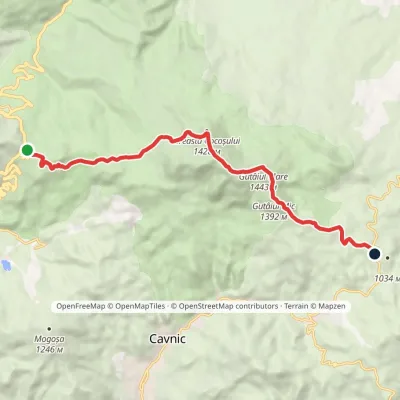 ModerateOne-dayMarkedGutâi Pass Neteda PassElevation profile983–1 443 m12.6 kmascent 559 m≈ 4 h walking16 km from St Paraskeva's Church, Poienile Izei: UNESCO wooden church
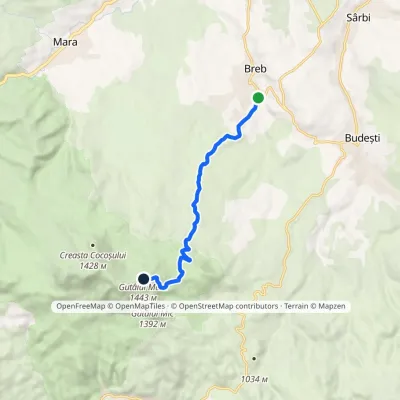 ModerateOne-dayMarkedBreb Gutâiul MareElevation profile515–1 443 m8.7 kmascent 928 m≈ 3.5 h walking16 km from St Paraskeva's Church, Poienile Izei: UNESCO wooden church
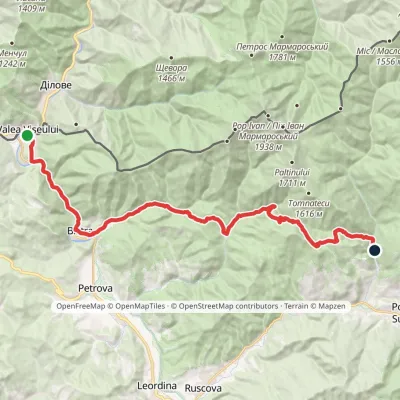 Hard1–2 daysMarkedValea Vișeului Repedea forest lodgeElevation profile339–1 167 m30.6 kmascent 1 180 m≈ 9.5 h walking20 km from St Paraskeva's Church, Poienile Izei: UNESCO wooden church
Nearby attractions
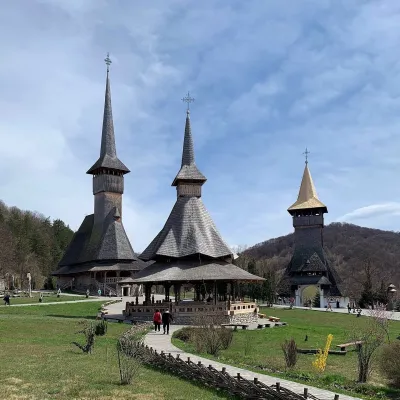 ChurchBârsana Monastery: a wooden ensemble in the Iza valleyBârsana11 km from St Paraskeva's Church, Poienile Izei: UNESCO wooden churchThe Monastery of the Synaxis of the Twelve Apostles in Bârsana is an Orthodox convent of the Diocese of Maramureș and Sătmar of the Romanian Orthodox Church.
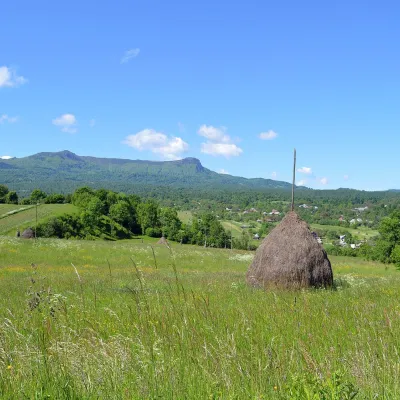 Ethno tours & guidesEco Maramureș: craft tours to Breb, Sârbi and CălineștiOcna Șugatag16 km from St Paraskeva's Church, Poienile Izei: UNESCO wooden churchEco Maramureș is an officially recognised ecotourism destination in the Mara and Cosău valleys and the Gutâi Mountains, between Sighetu Marmației and Baia Mare.
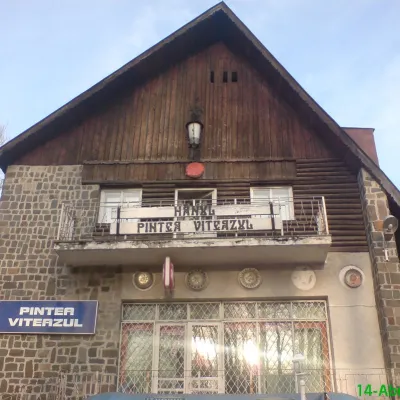 PeakGutâiul MareCavnicaltitude 1 443 m · Volcanic Carpathians range19 km from St Paraskeva's Church, Poienile Izei: UNESCO wooden churchGutâiul Mare (Romanian: Vârful Gutâiul Mare, also simply Gutâi) is the highest summit of the volcanic Gutâi Mountains in Maramureș County, 1,443 m above sea level.