Reșița Steam Locomotive Museum: an open-air collection
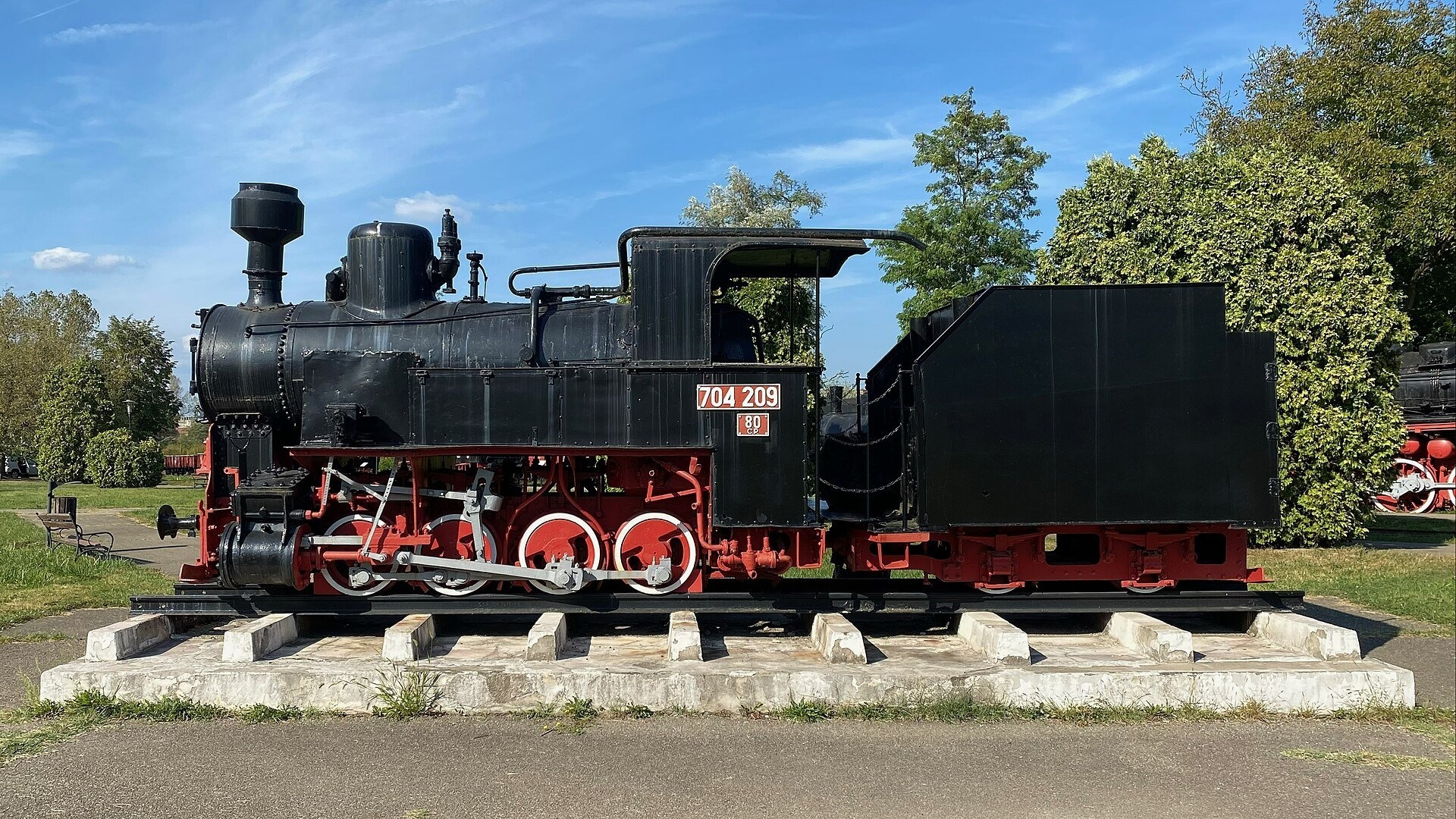
Steam engines from a steel town
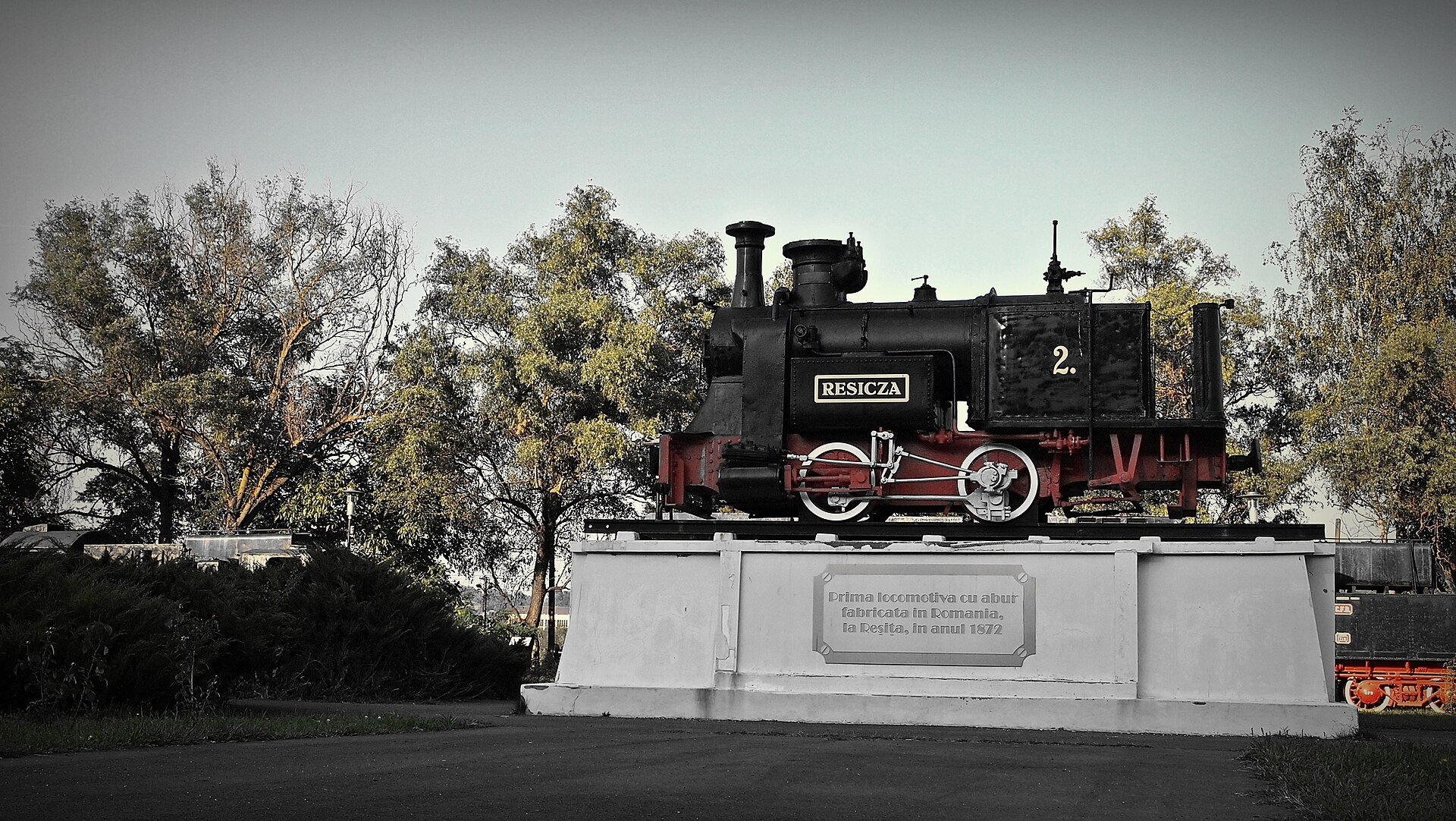
Reșița, the capital of Caraș-Severin County in the Banat Mountains, has lived from metallurgy and engineering for more than two and a half centuries. Its first blast furnaces were fired in 1771, and in the second half of the 19th century the local works began building steam locomotives. The first, «Resicza», left the workshops in 1872: it was built after a prototype made in Vienna to a design by engineer John Haswell, for the mountain line from Reșița to Secu. Locomotive building in Reșița continued until 1964, when the works switched to diesel and later electric locomotives.
The Steam Locomotive Museum (Muzeul Locomotivelor cu Abur) was founded in 1972 in the Triaj district, next to the railway marshalling yard. It is an open-air display: the locomotives stand on short sections of track among the lawns and paths of a city park. Today there are 16 steam locomotives from different eras, 14 of them built in Reșița. The oldest is that very «Resicza» of 1872, which greets visitors at the entrance on a plinth with a memorial plaque; the youngest is the narrow-gauge CFR 764.001 of 1958. Together they show almost a century of steam locomotive development — from small works engines to the heavy main-line locomotives of the Romanian railways (CFR).
Why go
This is one of the largest open-air collections of steam locomotives in Central and Eastern Europe and perhaps the easiest way to understand the industrial history of the Banat. No ticket is needed, there are no queues and no time limits: you can walk around every engine at your own pace, look at the wheels, cylinders and number plates, and take photos beside them. Children love it, and railway enthusiasts will find rare classes that cannot be seen anywhere else.
The museum is a good addition to a trip through the Banat Mountains: Reșița lies on the way to the Nera gorge, the Semenic plateau and the old Oravița – Anina mountain railway, so a stop here takes little time yet tells you more about the region than any guidebook. Remember that the city is still industrial, and the locomotives here are not abstract history but part of the family memory of many local people.
What to see
- «Resicza» (1872) — the first locomotive built in Reșița, on a plinth by the entrance.
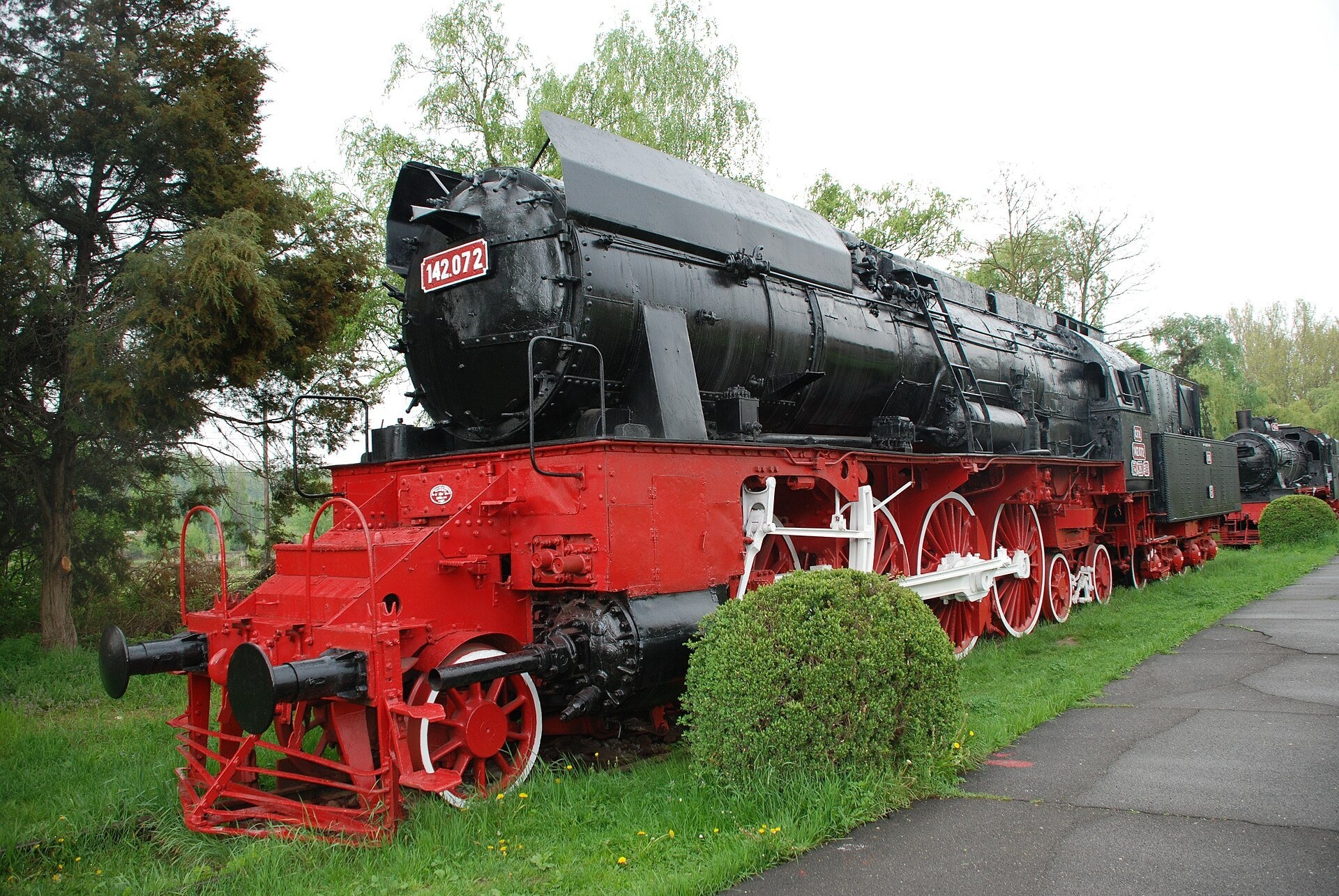
- CFR 142.072 — a massive passenger locomotive with red running gear.
- CFR 230.128 and CFR 50.025 — main-line engines of the Romanian railways.
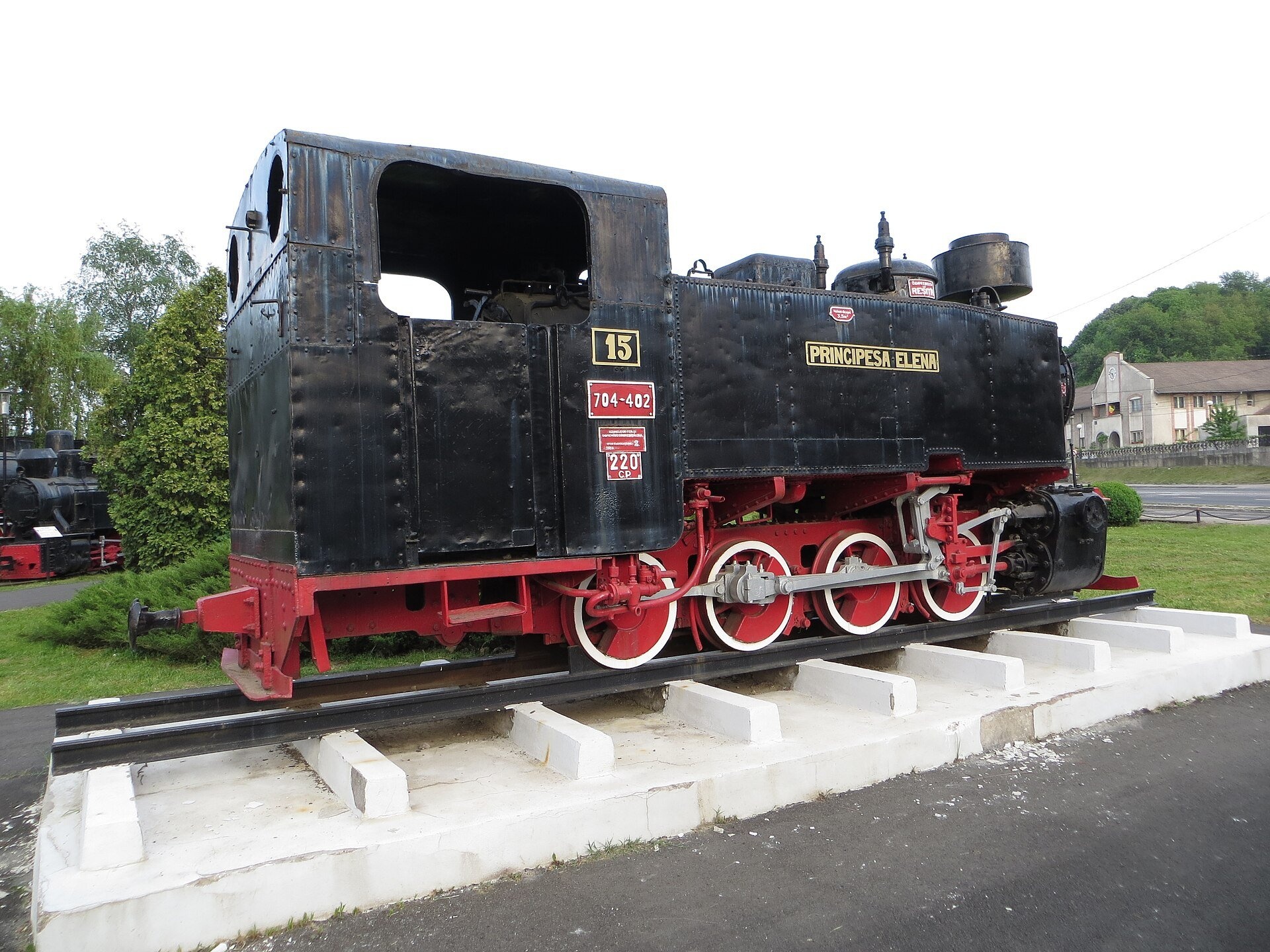
- «Principesa Elena» and other small tank engines from works and local lines.
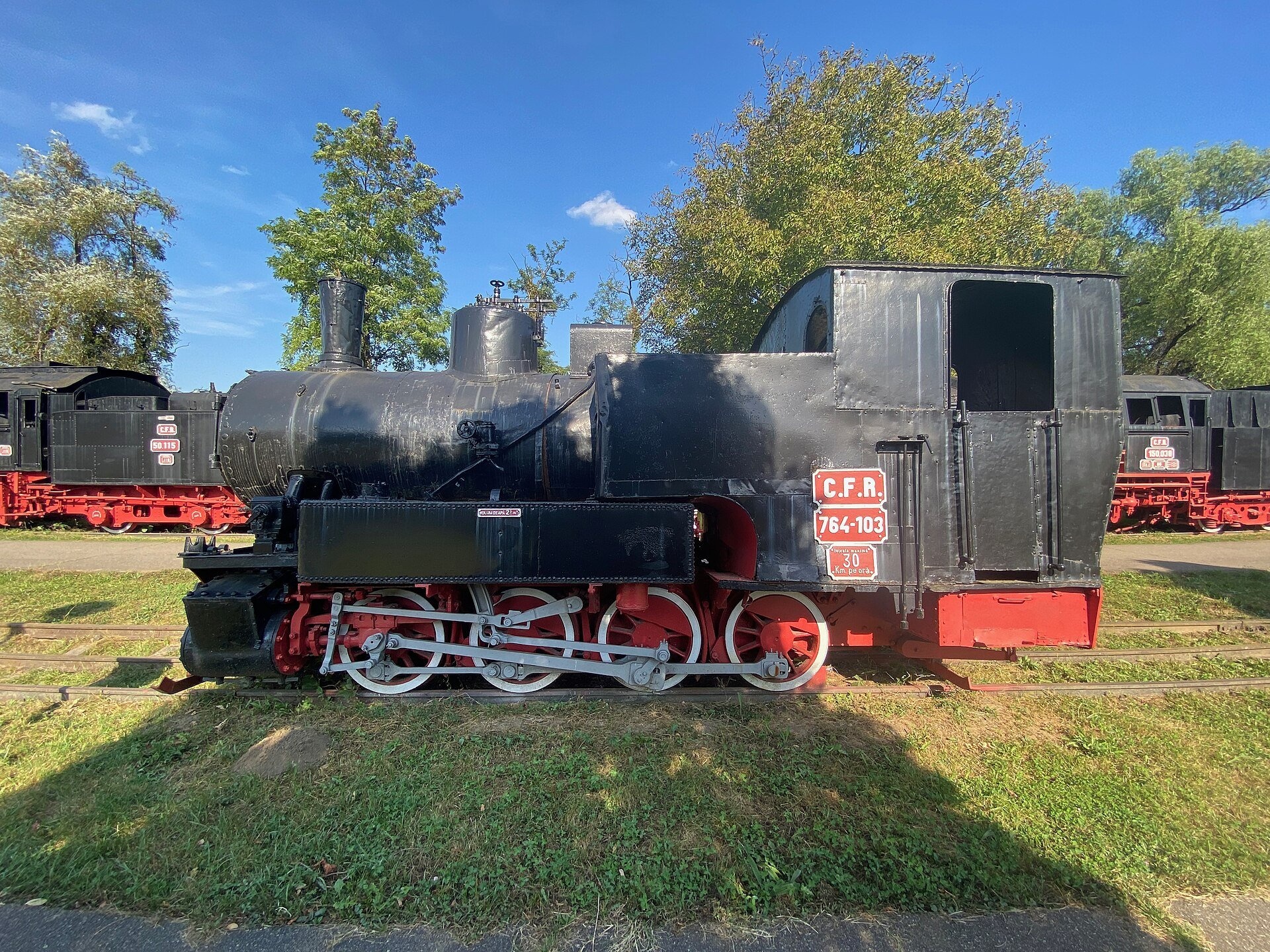
- Narrow-gauge engines of the 704 and 764 classes — including CFR 764.001 (1958), the youngest exhibit.
Practical information
The museum lies on Calea Timișoarei in the Triaj district, at the entrance to the city from the Timișoara side. There is a city tram stop named «Muzeul de Locomotive» right next to it. Timișoara is about 100 km away, Caransebeș about 40 km. From Ukraine the simplest routes lead through Hungary (Szeged – Timișoara) or through the Solotvyno – Sighetu Marmației crossing and on across Transylvania.
The display is in the open air, entry is free and there are no official opening hours — come in daylight. Allow 30–60 minutes. The site is flat with paved paths, so it is easy with a pushchair. Do not climb on the locomotives: they are museum exhibits. Information about the museum's condition changes from time to time, so check before you travel.
Nearby
- Oravița – Anina railway — the «Banat Semmering», one of the oldest mountain railways in the region.
- Rudăria water mills in Eftimie Murgu — more than twenty working mills.
- Beușnița waterfalls in the Nera gorge.
- La Văioaga waterfall on the Nera river.
Photos: Coco13cos, CC BY-SA 3.0, Wikimedia Commons; Petronela Adelina, CC BY-SA 3.0 ro, Wikimedia Commons; Eddy Renard, CC BY-SA 4.0, Wikimedia Commons; Strainu, CC BY-SA 3.0 ro, Wikimedia Commons.
Getting there from Ukraine
Border crossings
- Porubne – Siret — road and pedestrian, 24/7
- Diakivtsi – Racovăț — road and pedestrian, 24/7 No freight traffic.
- Krasnoilsk – Vicovu de Sus — road and pedestrian, 08:00–20:00 Cars up to 3.5 t and pedestrians only; not 24/7.
- Solotvyno – Sighetu Marmației — road and pedestrian, 24/7 Passenger traffic only: vehicles up to 3.5 t with up to 9 seats, pedestrians.
- Diakove – Halmeu — road, 24/7 No pedestrian crossing.
By car
Rakhiv – Petroșani ≈450 km, ≈6 h 36 min (via Solotvyno – Sighetu Marmației); Ivano-Frankivsk – Petroșani ≈584 km, ≈8 h 55 min (via Solotvyno – Sighetu Marmației); Chernivtsi – Petroșani ≈539 km, ≈9 h 19 min (via Krasnoilsk – Vicovu de Sus). Times without border queues, our road routing (GraphHopper, OSM).
Checked 03.11.2026; border crossing hours and timetables change — check before you travel.
Comments
Travellers’ experience: reports, tips, questions.
No one has written here yet. Be the first — your experience helps others.
Video 2
 Reșița: Muzeul Locomotivelor este o adevărată colecție de povești #DrumuriAproape @TVRTMTVR Timişoara

Location on the map
Nearby attractions
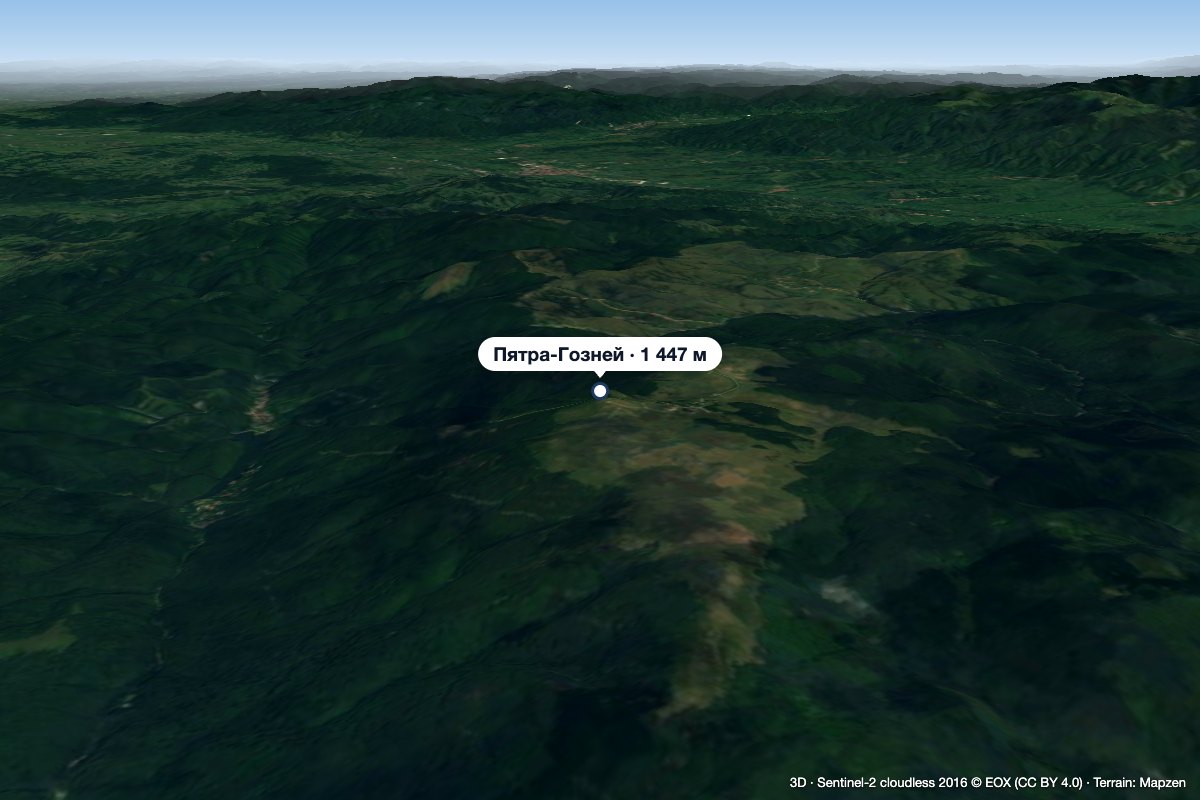 PeakPiatra GozneiVăliugaltitude 1 447 m20 km from Reșița Steam Locomotive Museum: an open-air collectionPiatra Goznei (Romanian Vârful Piatra Goznei, also Piatra Gozna or simply Gozna) is the highest summit of the Semenic Mountains, at 1,447 m, in Caraș-Severin County in...
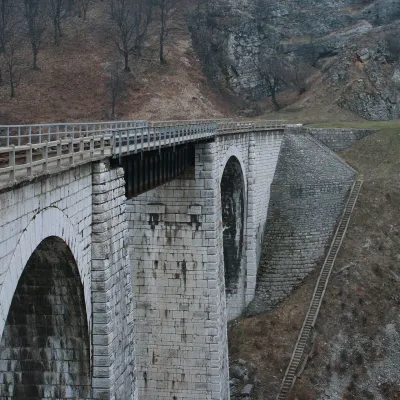 Heritage transportOravița–Anina Railway: the «Banat Semmering» mountain lineOravița34 km from Reșița Steam Locomotive Museum: an open-air collectionThe line between the small towns of Oravița and Anina in western Romania, in the Banat mountains, was built in 1860–1863.
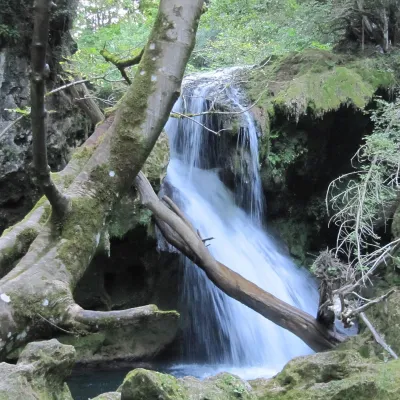 WaterfallBeușnița Waterfalls (Cascadele Beușniței)Socolari · Banat Mountains42 km from Reșița Steam Locomotive Museum: an open-air collectionheight 5–15 m358 m above sea levelThe Beușnița Waterfalls (Cascadele Beușniței) are a chain of cascades on the Beu river, a tributary of the Nera, above Ochiul Beiului lake in the southern Anina...
