Ulpia Traiana Sarmizegetusa: capital of Roman Dacia
The first capital of Roman Dacia
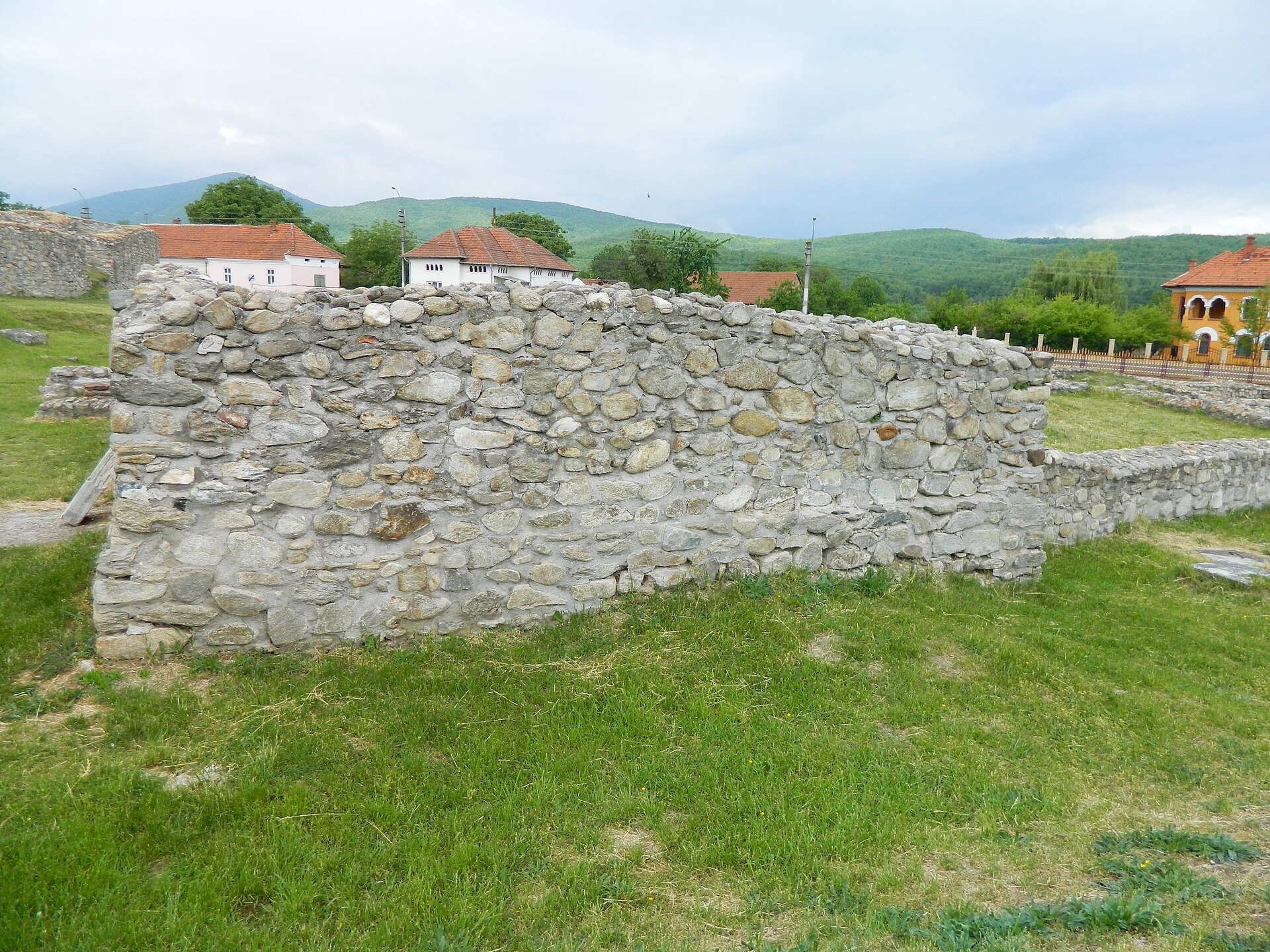
Ulpia Traiana Sarmizegetusa is the ruin of the first and largest city of the Roman province of Dacia. It lies in the Hațeg valley at the foot of the Retezat Mountains, in today's village of Sarmizegetusa in Hunedoara County; part of the ancient city is hidden under village gardens. The city took its name from the Dacian capital Sarmizegetusa Regia, some tens of kilometres away in the Orăștie Mountains.
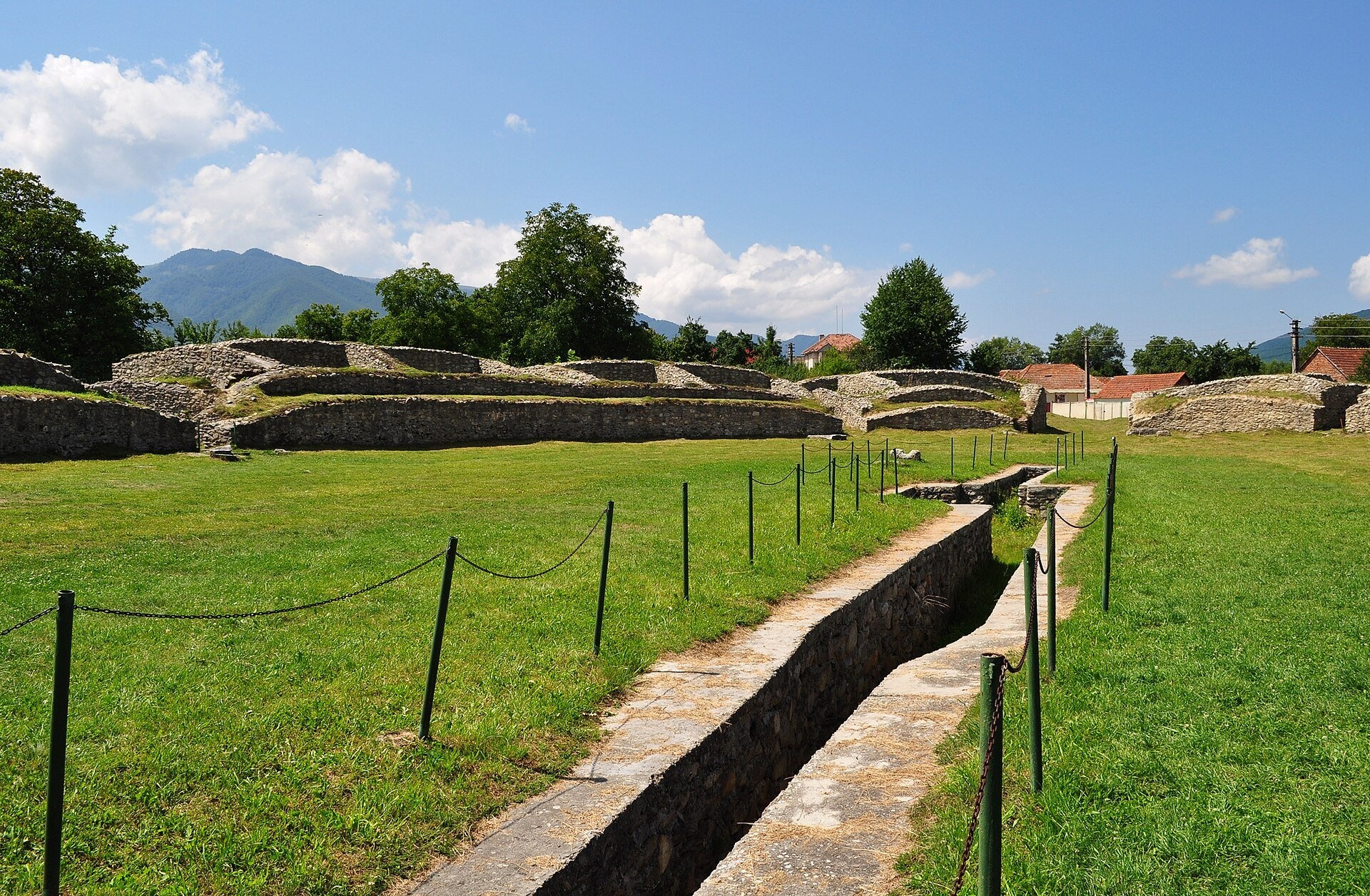
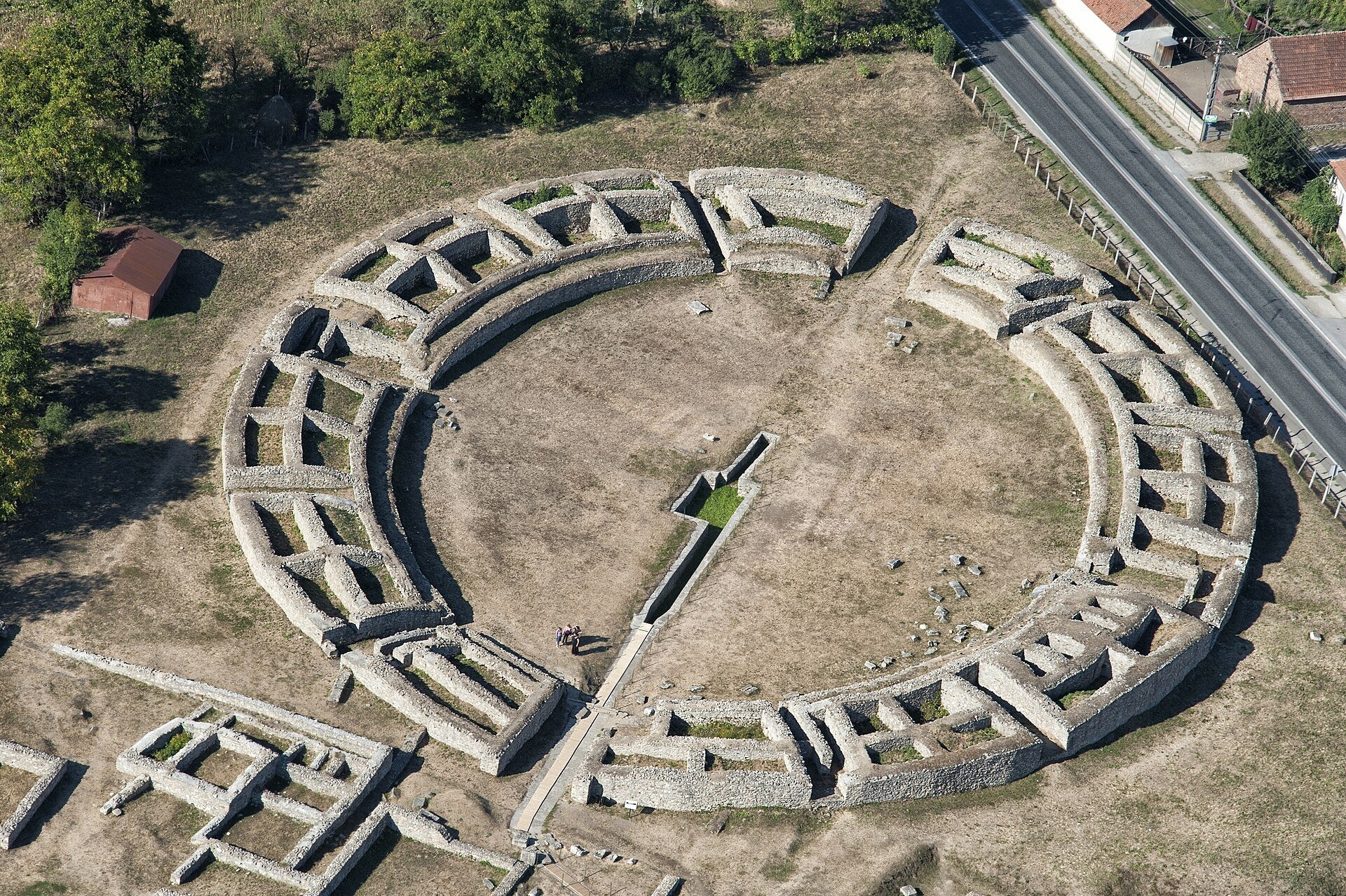
The colony was founded shortly after the conquest of Dacia in 106: an inscription found in a neighbouring village records that it was established on Emperor Trajan's orders by the governor Decimus Terentius Scaurianus. Its first inhabitants were veterans of the legions that fought in the Dacian wars. Under Hadrian the city received the full name Colonia Ulpia Traiana Augusta Dacica Sarmizegetusa, and in 222–235 the honorary status of metropolis. The provincial governor resided here, and the city became the religious centre of Dacia. At the end of the 2nd century 11,000 to 15,000 people lived in the walled city and its suburbs. After the Romans left the province, a small community lived inside the amphitheatre until the end of the 4th century, walling up its entrances. Excavations continue today, and the site is cared for by the Museum of Dacian and Roman Civilisation in the town of Deva. On 8 August 2025, after EU-funded restoration, the amphitheatre reopened — with restored tiers and a stage.
Why go
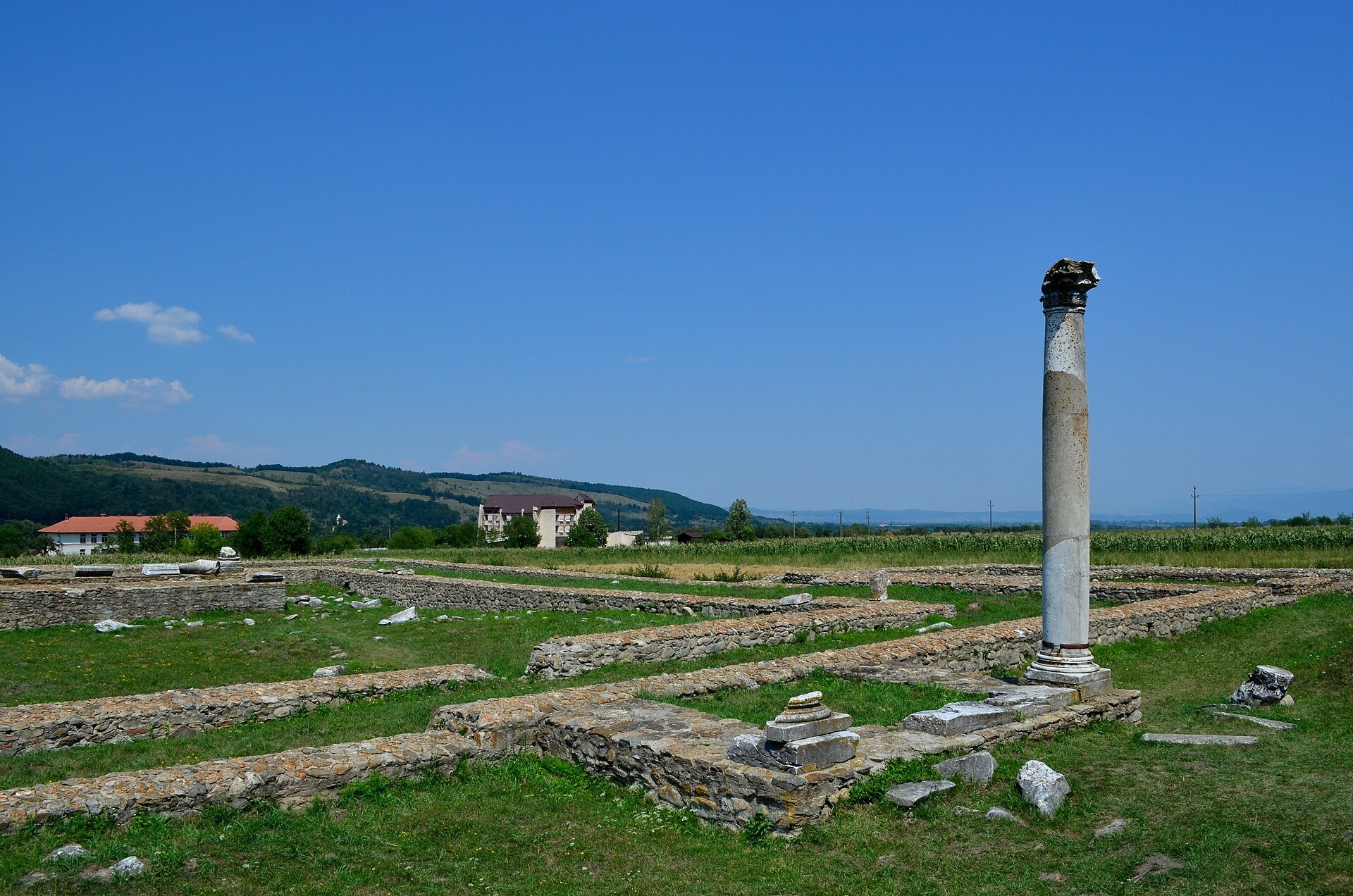
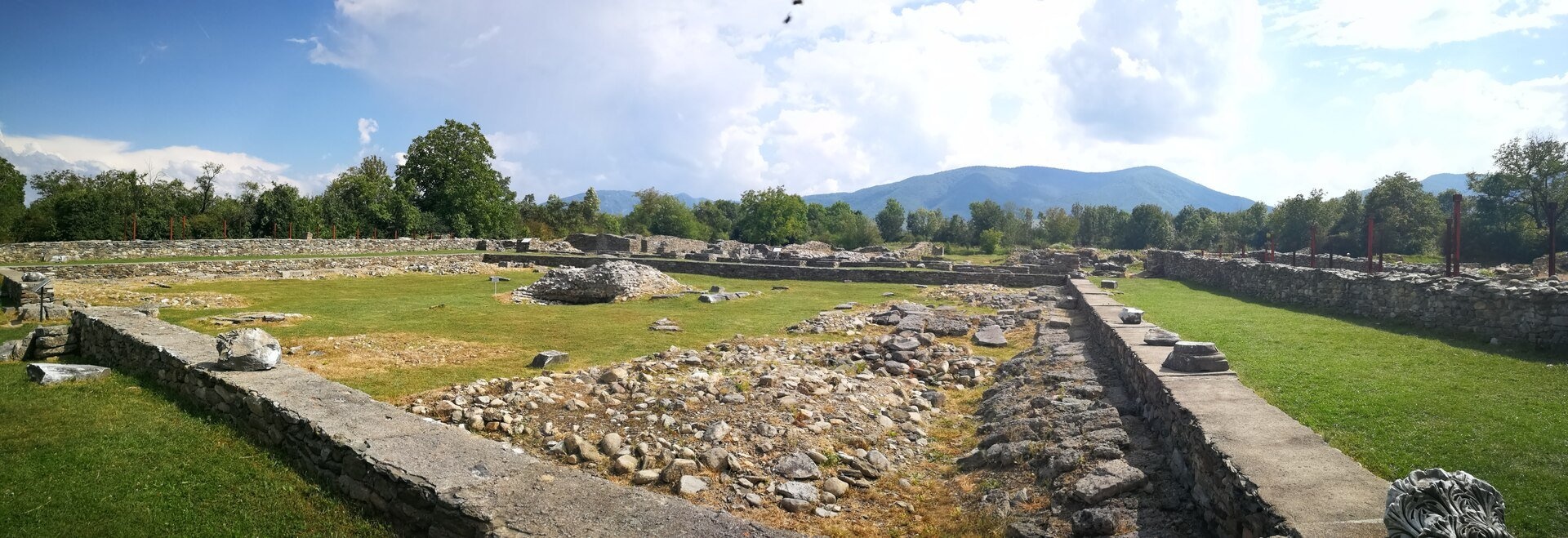
This is the best place in the Carpathians to imagine life in a Roman province: a wide field with the ruins of the forum, temples and baths, and above it the peaks of Retezat. After its restoration the amphitheatre hosts performances and festivals again, and a small museum displays finds from the excavations. Ulpia Traiana is also close to other sights of the Hațeg Country.
What to see
- The amphitheatre — first built of wood, rebuilt in stone in the second half of the 2nd century; today with restored tiers.
- The forum with columns and pedestals, and the Capitolium — the temple of the Capitoline Triad.
- Temples of Nemesis, Liber Pater, Aesculapius and Hygieia, Mithras, the Palmyrene gods and Silvanus.
- The financial procurator's building, baths, granary (horreum) and glass-blowers' workshops.
- The archaeology museum with inscriptions, sculpture, coins and everyday objects.
Practical information
The complex lies along road DN68 between the town of Hațeg (about 17 km) and the Iron Gates of Transylvania pass; the town of Deva is about 60 km away and Hunedoara about 50 km. Buses between Hațeg and Caransebeș are infrequent, so a car is more convenient. From Ukraine: via Solotvyno — Sighetu Marmației, then via Cluj-Napoca, Deva and Hațeg, about 430 km.
In summer the archaeological complex and museum are open Tuesday to Sunday 10:00–18:00, in winter 9:00–17:00, closed on Mondays; check the changeover dates. A 2026 ticket costs 30 lei for adults and 10 lei for pupils, students and pensioners; photography costs 15 lei. There is a 7-day ticket for all the museum's sites (150 lei). The site is large and open, so bring a hat and water in summer; paths are mostly level but grassy. Allow 1.5–2 hours.
Nearby
- Densuș Church, built of stones from Ulpia Traiana — about 8 km.
- Prislop Monastery near the town of Hațeg, about 25 km.
- Sarmizegetusa Regia — the Dacian capital in the Orăștie Mountains.
- The Retezat massif: the Lolaia waterfall, Peleaga and Retezat peaks.
Official website: mcdr.ro
Photos: Grigroibu, CC BY-SA 3.0 ro, Wikimedia Commons; Popescu Camelia, CC BY-SA 3.0 ro, Wikimedia Commons; Daria Raducanu, CC BY-SA 3.0 ro, Wikimedia Commons; FoamBubbles, CC BY-SA 4.0, Wikimedia Commons; Munteanu Anca, CC BY-SA 4.0, Wikimedia Commons; Pudelek, CC BY-SA 4.0, Wikimedia Commons.
Getting there from Ukraine
Border crossings
- Porubne – Siret — road and pedestrian, 24/7
- Diakivtsi – Racovăț — road and pedestrian, 24/7 No freight traffic.
- Krasnoilsk – Vicovu de Sus — road and pedestrian, 08:00–20:00 Cars up to 3.5 t and pedestrians only; not 24/7.
- Solotvyno – Sighetu Marmației — road and pedestrian, 24/7 Passenger traffic only: vehicles up to 3.5 t with up to 9 seats, pedestrians.
- Diakove – Halmeu — road, 24/7 No pedestrian crossing.
By car
Rakhiv – Petroșani ≈450 km, ≈6 h 36 min (via Solotvyno – Sighetu Marmației); Ivano-Frankivsk – Petroșani ≈584 km, ≈8 h 55 min (via Solotvyno – Sighetu Marmației); Chernivtsi – Petroșani ≈539 km, ≈9 h 19 min (via Krasnoilsk – Vicovu de Sus). Times without border queues, our road routing (GraphHopper, OSM).
Checked 03.11.2026; border crossing hours and timetables change — check before you travel.
Comments
Travellers’ experience: reports, tips, questions.
No one has written here yet. Be the first — your experience helps others.
Video 2
 Proiectul european de la situl arheologic Ulpia Traiana Sarmizegetusa se apropie de finalizaremcdrtube

Location on the map
Trails nearby
All trails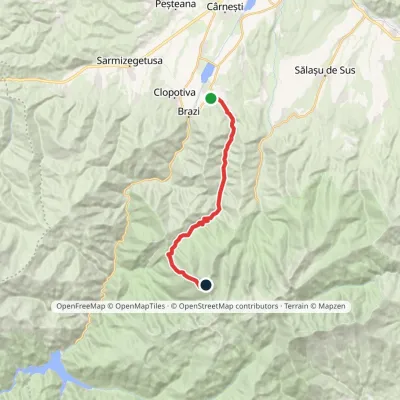 HardOne-dayMarkedRâu de Mori Retezat PeakElevation profile501–2 482 m19.4 kmascent 1 984 m≈ 8 h walking5.7 km from Ulpia Traiana Sarmizegetusa: capital of Roman Dacia
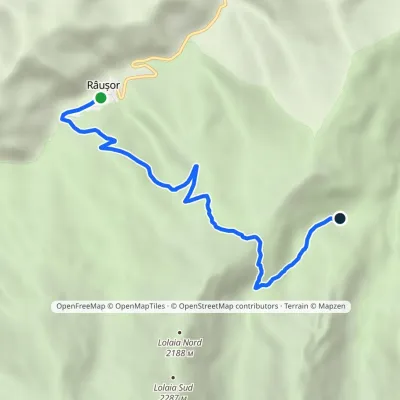 ModerateOne-dayMarkedRâușor Pietrele HutElevation profile1 178–1 825 m6.4 kmascent 647 m≈ 2.5 h walking12 km from Ulpia Traiana Sarmizegetusa: capital of Roman Dacia
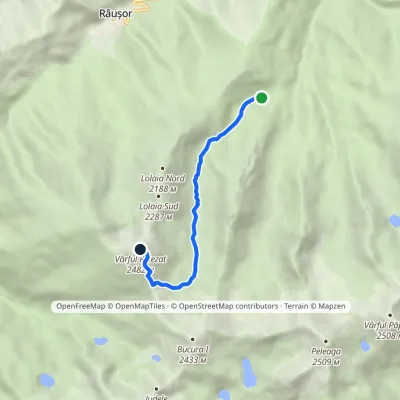 HardOne-dayMarkedPietrele Hut Retezat PeakElevation profile1 489–2 482 m5.9 kmascent 993 m≈ 3 h walking14 km from Ulpia Traiana Sarmizegetusa: capital of Roman Dacia
Nearby attractions
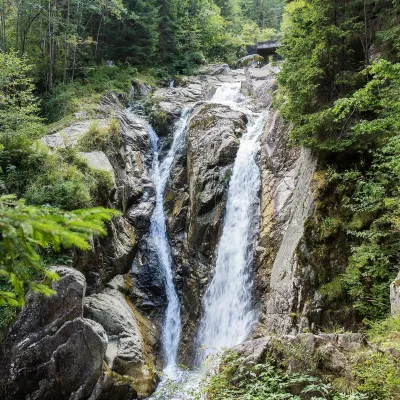 WaterfallLolaia Waterfall (Cascada Lolaia)Nucșoara · Retezat Mountains13 km from Ulpia Traiana Sarmizegetusa: capital of Roman Daciaheight 15 m1 085 m above sea levelLolaia Waterfall (Cascada Lolaia) lies in the northern part of Retezat National Park, in Hunedoara County, on one of the park's busiest routes — the road from the...
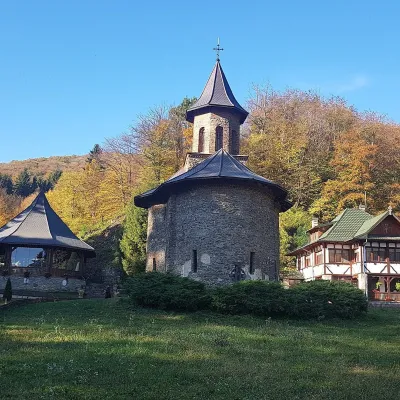 ChurchPrislop Monastery: a 16th-century monastery near HațegSilvașu de Sus14 km from Ulpia Traiana Sarmizegetusa: capital of Roman DaciaPrislop Monastery (Mănăstirea Prislop) lies in a quiet wooded valley near the village of Silvașu de Sus, which belongs to the town of Hațeg, in Hunedoara County.
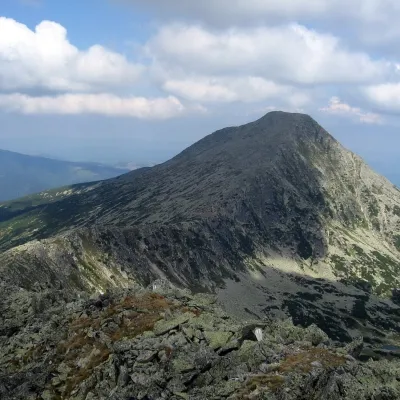 PeakRetezat PeakRâușoraltitude 2 482 m16 km from Ulpia Traiana Sarmizegetusa: capital of Roman Dacia4 trails to the topRetezat Peak (Romanian: Vârful Retezat, Hungarian: Retyezát-csúcs) is a 2,482 m summit in the northern part of the Retezat Mountains in the Southern Carpathians, in...
