Covasna: resort of a thousand springs, mofettes and heart care
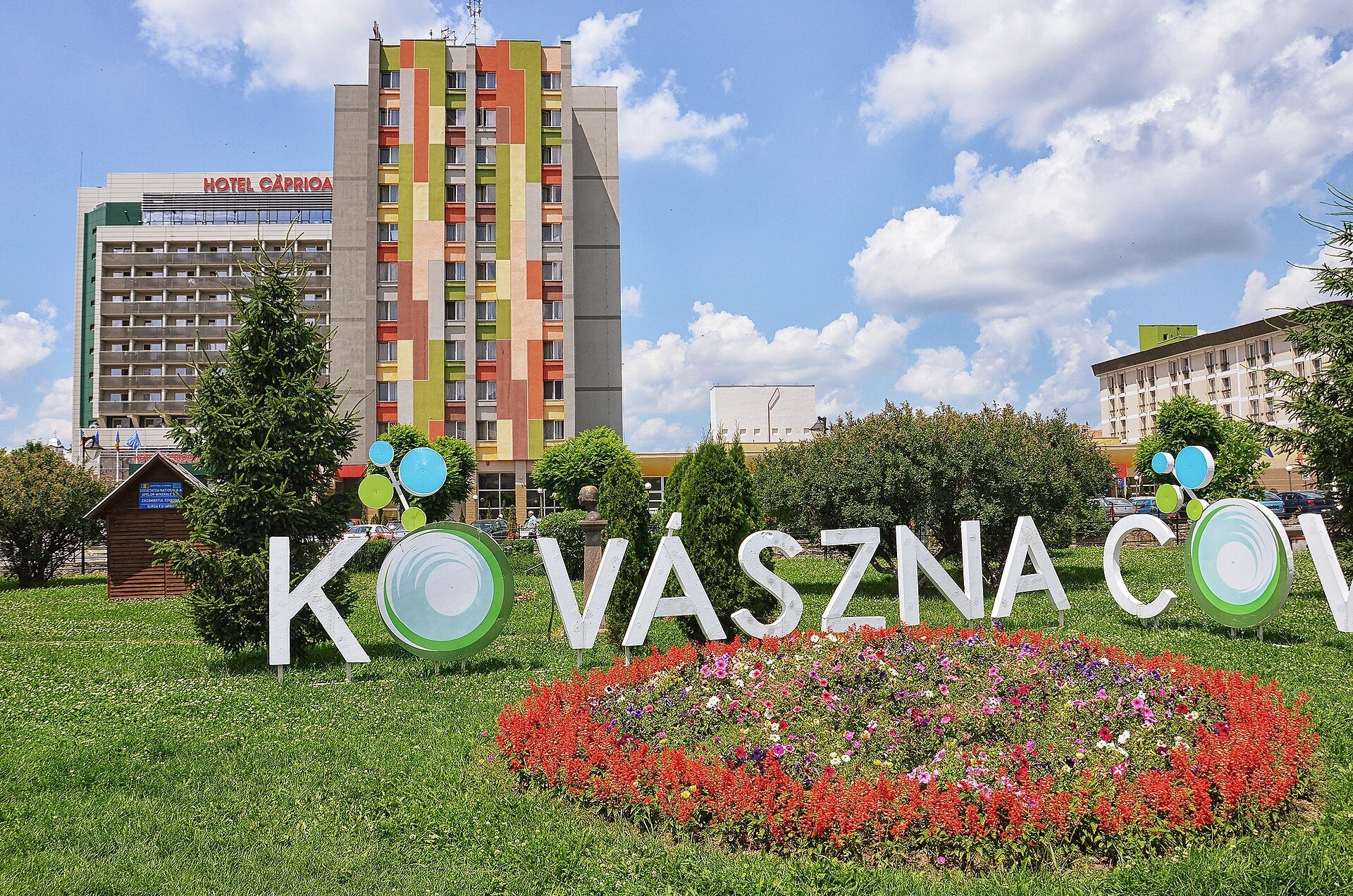
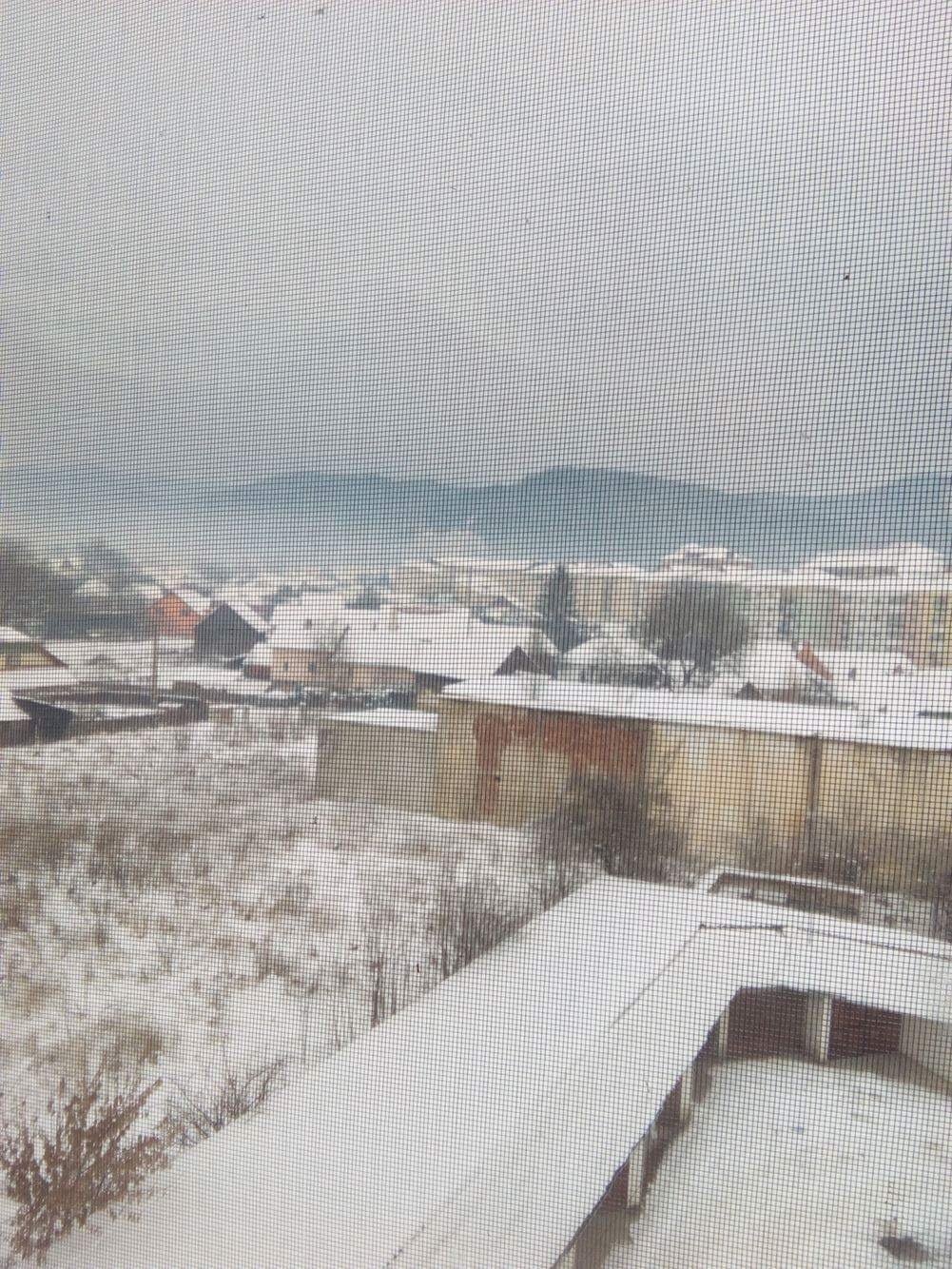
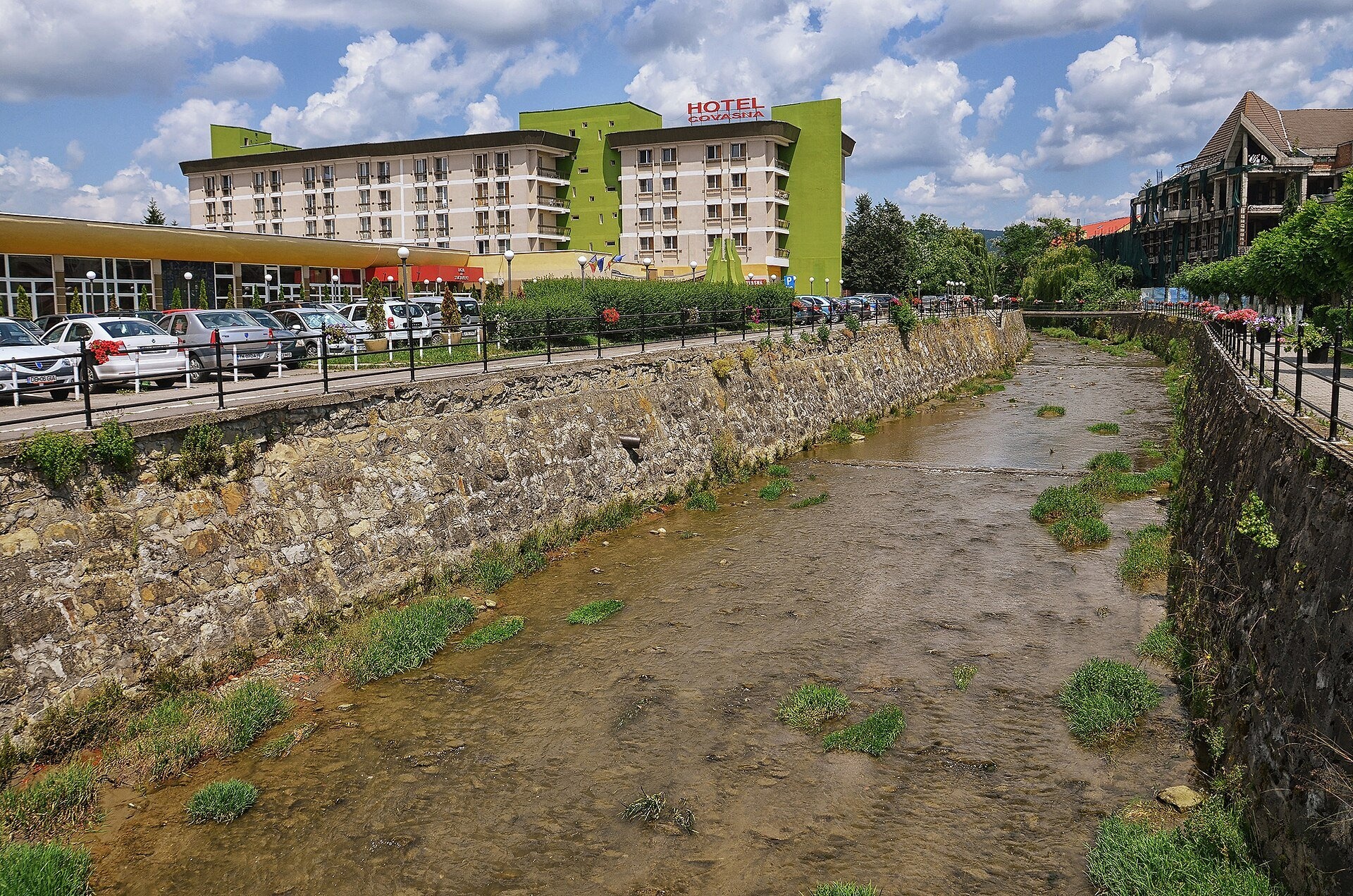
Covasna is a spa town in Covasna County, at the south-eastern edge of the Eastern Carpathians, where the mountains bend round in the Curvature Carpathians. The town lies at 550–600 m at the foot of the Brețcu Mountains (Munții Brețcului), with a stream of the same name running through it. The name is linked to the Slavic word «kvas», after the sourish, fizzy taste of the local water. Covasna is called «the resort of a thousand springs»: according to the Romanian and Hungarian Wikipedia, around 1,500 mineral springs of different composition are counted here. Spa life began in the 1880s: in 1881 a bath house opened next to the Pokolsár mud volcano, in 1889 the first spa company was founded, and mineral water from the Voinești quarter has been bottled since 1891. Today Covasna is Romania's best-known resort for the treatment of cardiovascular disease.
Natural healing factors
The town stands in a former volcanic zone, so carbon dioxide and sparkling mineral waters rise from the ground. The main natural factors are:
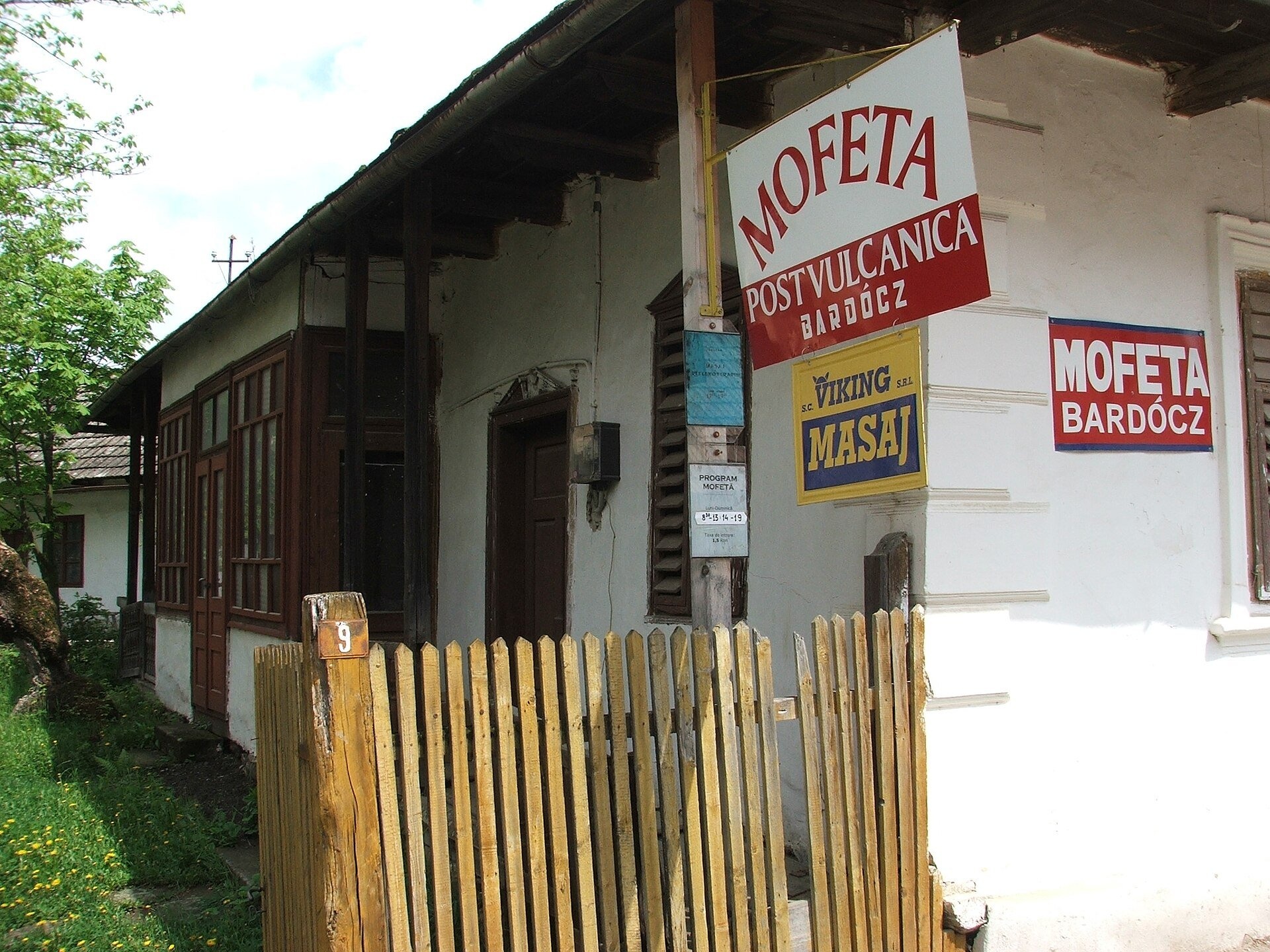
- Mofettes – dry emanations of carbon dioxide. According to the operator Turism Covasna, the gas of its mofette contains 80.7% CO2 and is slightly radioactive (radon about 247 Bq/m³).
- Carbonated mineral waters – ferruginous, bicarbonate, chloride, sodium and calcium waters, both hypotonic and hypertonic. For the water of its treatment base the operator gives a total mineralisation of 1,745.9 mg/l and 2,244 mg/l of free CO2.
- Climate – mountain air rich in negative ions and the scent of conifer forests, with a calming effect.
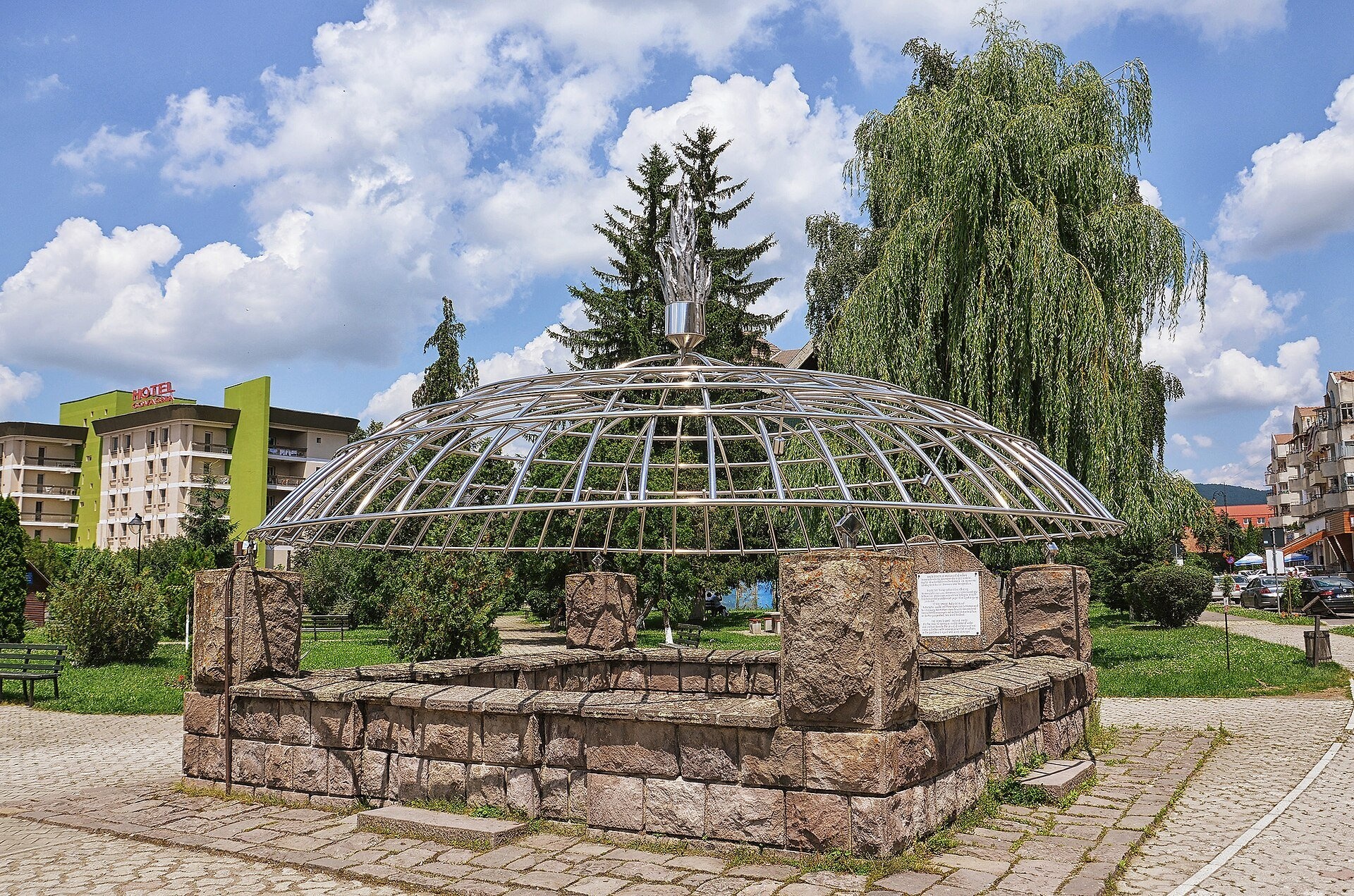
The town's symbol is the Pokolsár, or «Devil's Puddle» (Balta Dracului): a former mud volcano on the eastern side of the main square. Its water, containing iron, potassium and lithium, is constantly stirred by gas rising from below; in 1837, 1856 and 1885 eruptions of water, stones and mud were recorded. Today the spring is enclosed in a stone basin under a wire mesh, and next to it two Elvira springs flow under a single roof.
What is treated
According to the Turism Covasna treatment base, the indications for treatment are:
- cardiovascular diseases – arterial hypertension, ischaemic heart disease, peripheral arteriopathy, venous insufficiency, compensated valve disease;
- after-effects of stroke, neuropathies, radiculopathies;
- rheumatic diseases – osteoarthritis, spondylosis, osteoporosis;
- metabolic and endocrine disorders – compensated diabetes, obesity, gout;
- skin diseases – psoriasis, chronic eczema.
Since 1960 Covasna has been home to the state-run «Dr. Benedek Géza» Cardiovascular Rehabilitation Hospital. It combines cardiac rehabilitation following European guidelines with natural carbon dioxide procedures, and the hospital's 100 m² mofette holds up to 100 people at once. Romanian sources list general contraindications to spa treatment such as acute febrile and infectious diseases, tumours, an acute severe myocardial infarction, ischaemic heart disease with frequent attacks and serious heart rhythm or conduction disorders. This information is for reference only and is not medical advice: the course and the procedures are prescribed by a doctor after a consultation.
Procedures and springs
The largest base open to visitors is the Turism Covasna treatment centre in the middle of the resort, built directly over the primary source of mofette gas and carbonated water. It offers the mofette, mineral water baths, mineral water aerosols, galvanic baths, paraffin, magnetotherapy, ultrasound, diadynamic and interferential currents, TENS, short-wave therapy, MLS laser and kinesiotherapy. During a treatment stay a balneology doctor examines you on arrival and prescribes three procedures a day, two of them with natural factors; extra procedures are also given only on his recommendation. On Saturdays only the mofette and carbonated baths are available.
Without booking you can see the fenced Pokolsár in the town park and fill a bottle with sparkling water at the town's springs, as local people do. There are also small private mofettes in town; the rules are simple: the gas is heavier than air, so your head must stay above its level, you must not bend down, and according to the county tourism portal a single occasional session should not exceed 10 minutes.
Practical information
The Turism Covasna treatment base and hotels stand next to the central park and the Pokolsár. Procedures are sold mainly as treatment packages together with accommodation; as of November 2026 the operator's website does not publish separate procedure prices or opening hours of the base, so check them with reception. Romanian patients are admitted to the Benedek Géza hospital with a referral through the health insurance system; conditions for foreigners should be checked directly with the hospital. The resort is open all year. Above the town lies the Fairies' Valley (Valea Zânelor) with the ruins of a large Dacian fortress and the inclined plane of the Covasna – Comandău narrow-gauge forest railway (1889–1891), a technical monument rare in Europe.
Getting there from Ukraine
The shortest route from Chernivtsi is via the Porubne – Siret border crossing: 347 km, about 6 h 24 min. From Rakhiv via Solotvyno – Sighetu Marmației it is 435 km, about 7 h 44 min; from Uzhhorod via Diakove – Halmeu 553 km, about 9 h 17 min. Times are without border queues. Romanian roads require the electronic vignette (rovinieta).
Nearby
About 30 km to the north as the crow flies, the resort of Balvanyos has a sulphurous mofette cave and the crater lake of Saint Anne, and in the Olt valley lies the resort of Băile Tușnad with a mofette and sparkling springs. In the Vrancea Mountains east of Covasna, the Putna waterfall is worth a visit.
Official website: turismcovasna.ro
Photos: Pasztilla aka Attila Terbócs, CC BY-SA 4.0, Wikimedia Commons; Stipkovits Fülöp, CC BY-SA 3.0, Wikimedia Commons; Zemszo, CC BY-SA 4.0, Wikimedia Commons.
Getting there from Ukraine
Border crossings
- Porubne – Siret — road and pedestrian, 24/7
- Diakivtsi – Racovăț — road and pedestrian, 24/7 No freight traffic.
- Krasnoilsk – Vicovu de Sus — road and pedestrian, 08:00–20:00 Cars up to 3.5 t and pedestrians only; not 24/7.
- Solotvyno – Sighetu Marmației — road and pedestrian, 24/7 Passenger traffic only: vehicles up to 3.5 t with up to 9 seats, pedestrians.
- Diakove – Halmeu — road, 24/7 No pedestrian crossing.
By car
Chernivtsi – Brașov ≈395 km, ≈7 h 03 min (via Diakivtsi – Racovăț); Rakhiv – Brașov ≈419 km, ≈7 h 24 min (via Solotvyno – Sighetu Marmației); Uzhhorod – Brașov ≈522 km, ≈8 h 39 min (via Diakove – Halmeu). Times without border queues, our road routing (GraphHopper, OSM).
Checked 03.11.2026; border crossing hours and timetables change — check before you travel.
Comments
Travellers’ experience: reports, tips, questions.
No one has written here yet. Be the first — your experience helps others.
Location on the map
Nearby attractions
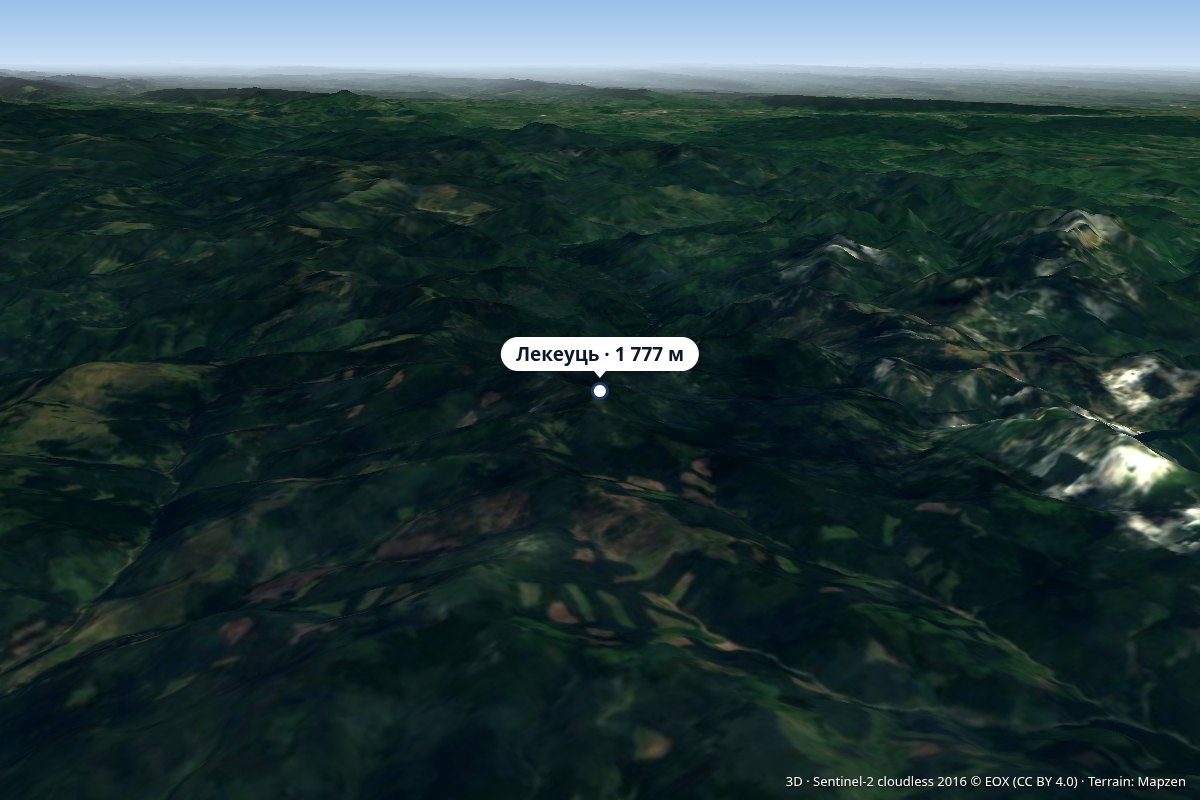 PeakLăcăuțialtitude 1 777 m16 km from Covasna: resort of a thousand springs, mofettes and heart careThere has been a weather station operating on the summit for several decades, and between 1940 and 1945–1947, the state border ran across Lăcăuți.
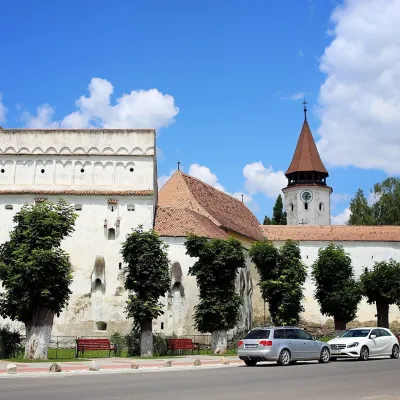 ChurchPrejmer Fortified Church: UNESCO peasant fortressPrejmer34 km from Covasna: resort of a thousand springs, mofettes and heart careThe fortified church in the village of Prejmer (German Tartlau, Hungarian Prázsmár) is the largest and best-preserved peasant fortress in Transylvania.
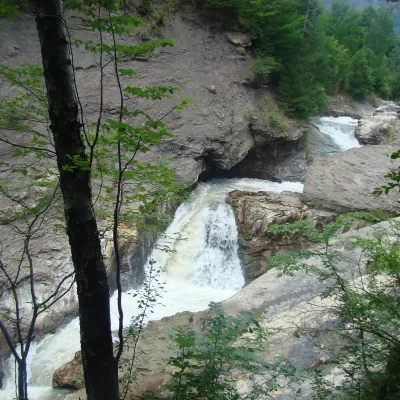 WaterfallPutna Waterfall (Cascada Putnei)Lepșa · Vrancea Mountains34 km from Covasna: resort of a thousand springs, mofettes and heart care546 m above sea levelPutna Waterfall (Cascada Putnei, also called Săritoarea Putnei) is on the Putna river near the village of Lepșa in Tulnici commune, Vrancea County.
Craft nearby
All craft places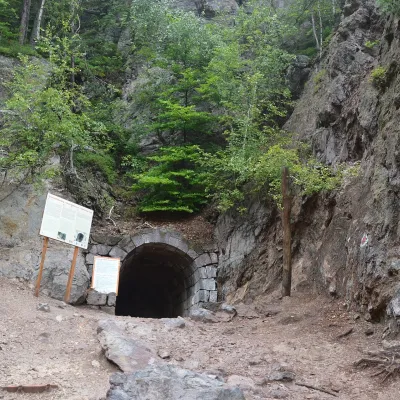 Water parks & thermal poolsBalvanyos: the Stinky Cave, mofettes and iron-rich springsBăile Bálványos35 km from Covasna: resort of a thousand springs, mofettes and heart careBalvanyos (Hungarian Bálványosfürdő) is a small mountain resort in Covasna County, on the land of Turia commune, north-west of the town of Târgu Secuiesc.
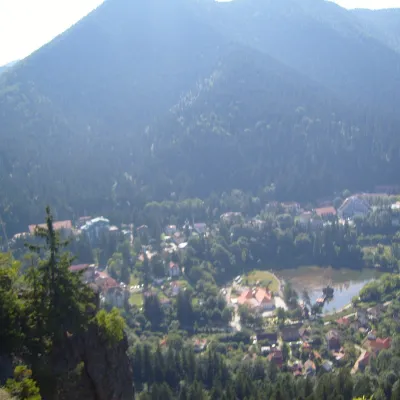 Water parks & thermal poolsBăile Tușnad: mofette, sparkling springs and the Olt valleyBăile Tușnad41 km from Covasna: resort of a thousand springs, mofettes and heart careBăile Tușnad is a small spa town in Harghita County, in the southern part of the Ciuc Depression, where the Olt cuts a gorge between the Harghita and Bodoc mountains.
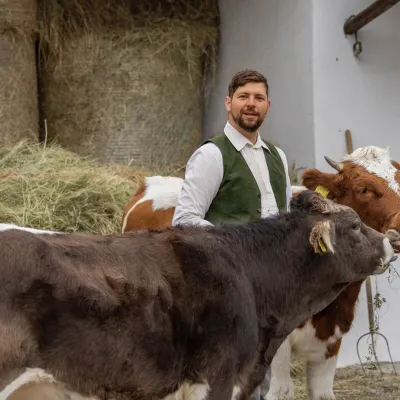 Cheese dairies & pasturesUzOnkA farm in Ozunca-Băi: aged mountain cheesesOzunca-Băi41 km from Covasna: resort of a thousand springs, mofettes and heart careA mountain farm where cheese ripens in a stone cellar Ozunca-Băi (Hungarian: Uzonkafürdő) is a small mountain settlement in Covasna County at about 700 metres above...
