Olari Street, Horezu: the UNESCO potters’ workshops
The street where Horezu pottery lives
Horezu is a small town in northern Oltenia, in Vâlcea County, at the foot of the Southern Carpathians. It is known far beyond Romania for its pottery: in December 2012 the craftsmanship of Horezu ceramics was inscribed on UNESCO’s Intangible Cultural Heritage lists. The heart of the craft is Olari Street (Strada Olari) in the part of town of the same name, about 2 km from the centre. The name says it all: “olari” means “potters” in Romanian.
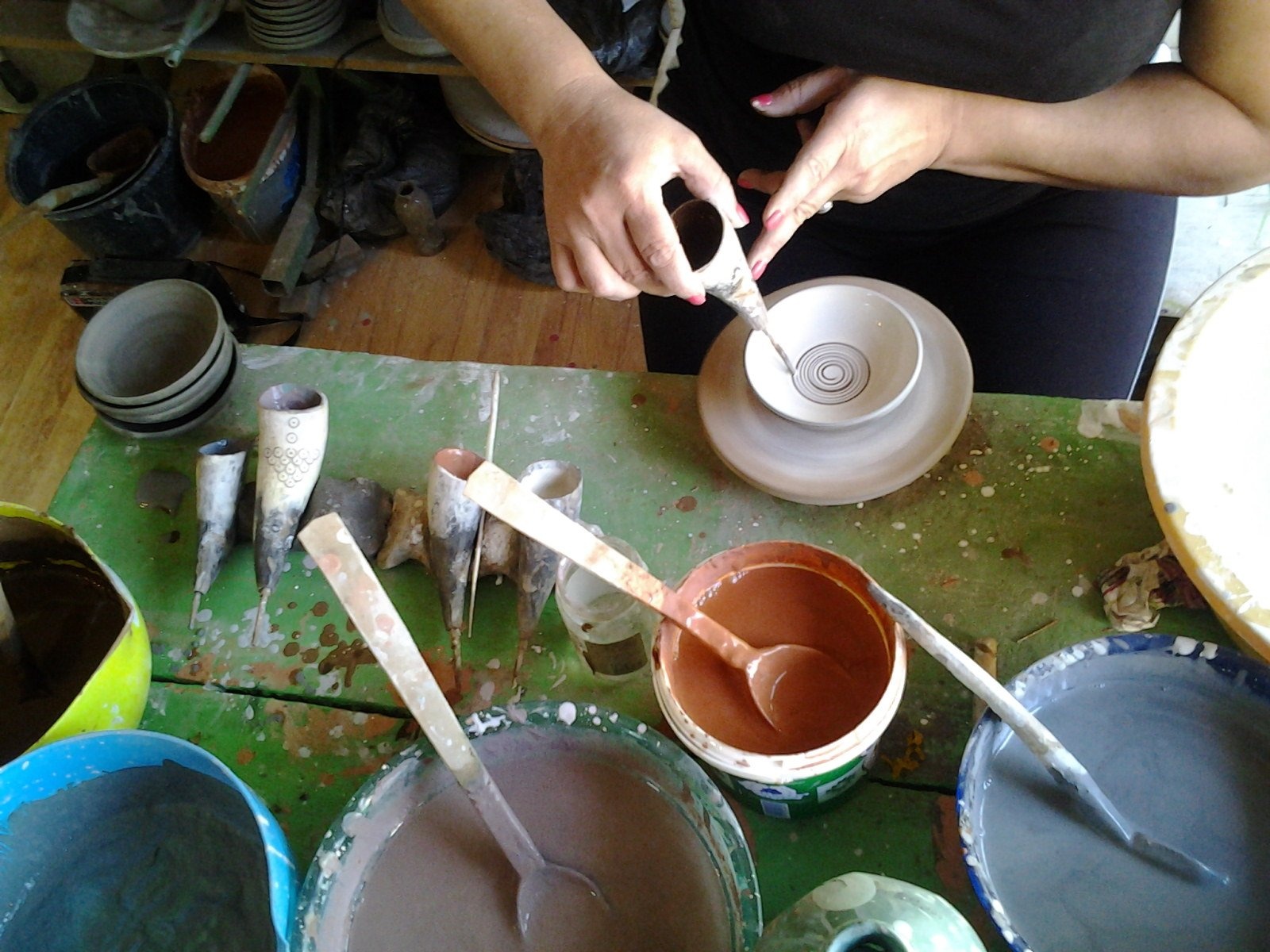
Pottery is still a family business here and the main source of income for many households. Well-known potter families of Horezu include Ogrezeanu, Vicșoreanu, Iorga, Frigură, Mischiu and Popa. The craft is passed on within the family and from master to apprentice. The work is traditionally divided: men extract and prepare the clay — they clean, cut, water, knead and trample it — and then shape the pieces on the potter’s wheel; women decorate them before firing. The decoration is applied with a hollowed-out bull’s horn and a thin wire-tipped stick, and the pieces are fired in wood-burning kilns.
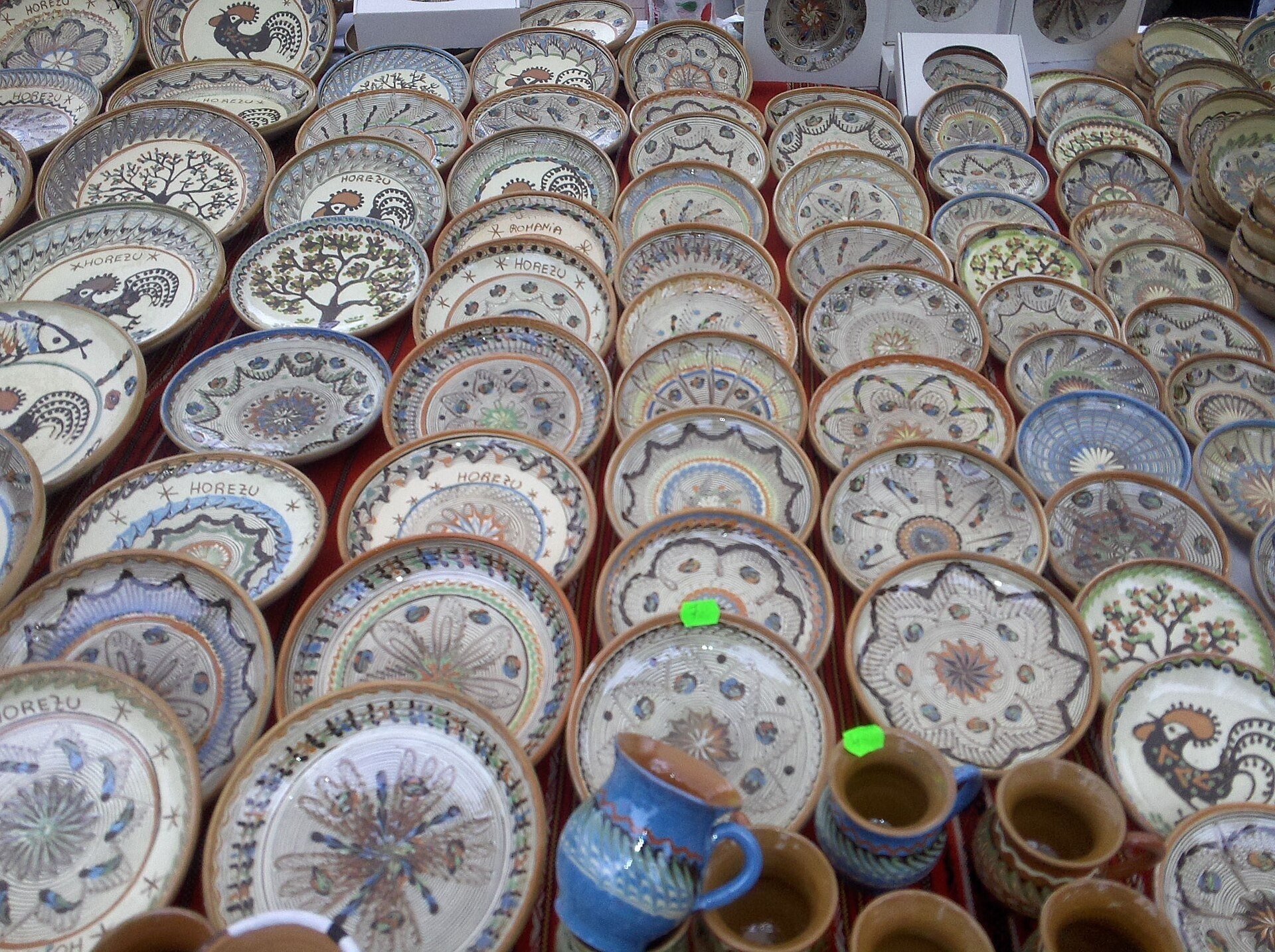
According to the Horezu town hall, the clay comes only from Ulmet Hill near the town. The basic background of Horezu ware is red, complemented by the famous “Horezu yellow”. The patterns are inspired by nature: the Horezu rooster (cocoșul de Hurez), the fir tree, the snake, snowdrops. Key symbols include the double spiral, straight and wavy lines, the star, the leaf, the belt, the sun, the ear of wheat, the tree of life and the peacock feather.
Why go
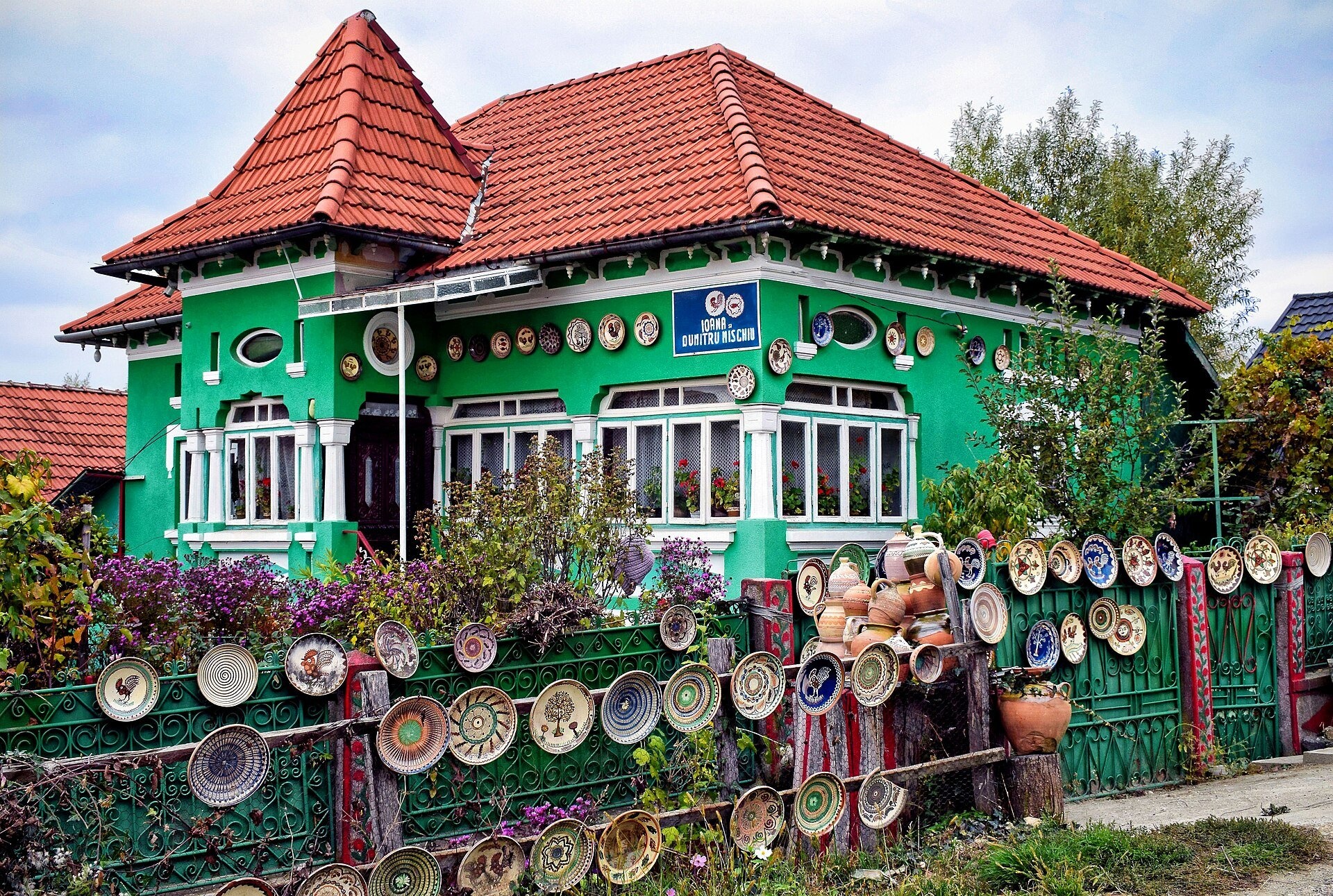
The Horezu town hall says that at the Olari pottery centre you can watch master potters at work all year round, follow the whole process of making clay objects and even shape or paint a bowl or a plate yourself. Pottery is bought directly from the potters, in workshops attached to their homes. Several workshops on the street are mapped on OpenStreetMap: the workshop of Ioana and Dumitru Mischiu, the workshop and exhibition of Maria and Constantin Mischiu, the workshop of potter Gheorghe Țambrea and the shop “Casa Ceramistului”.
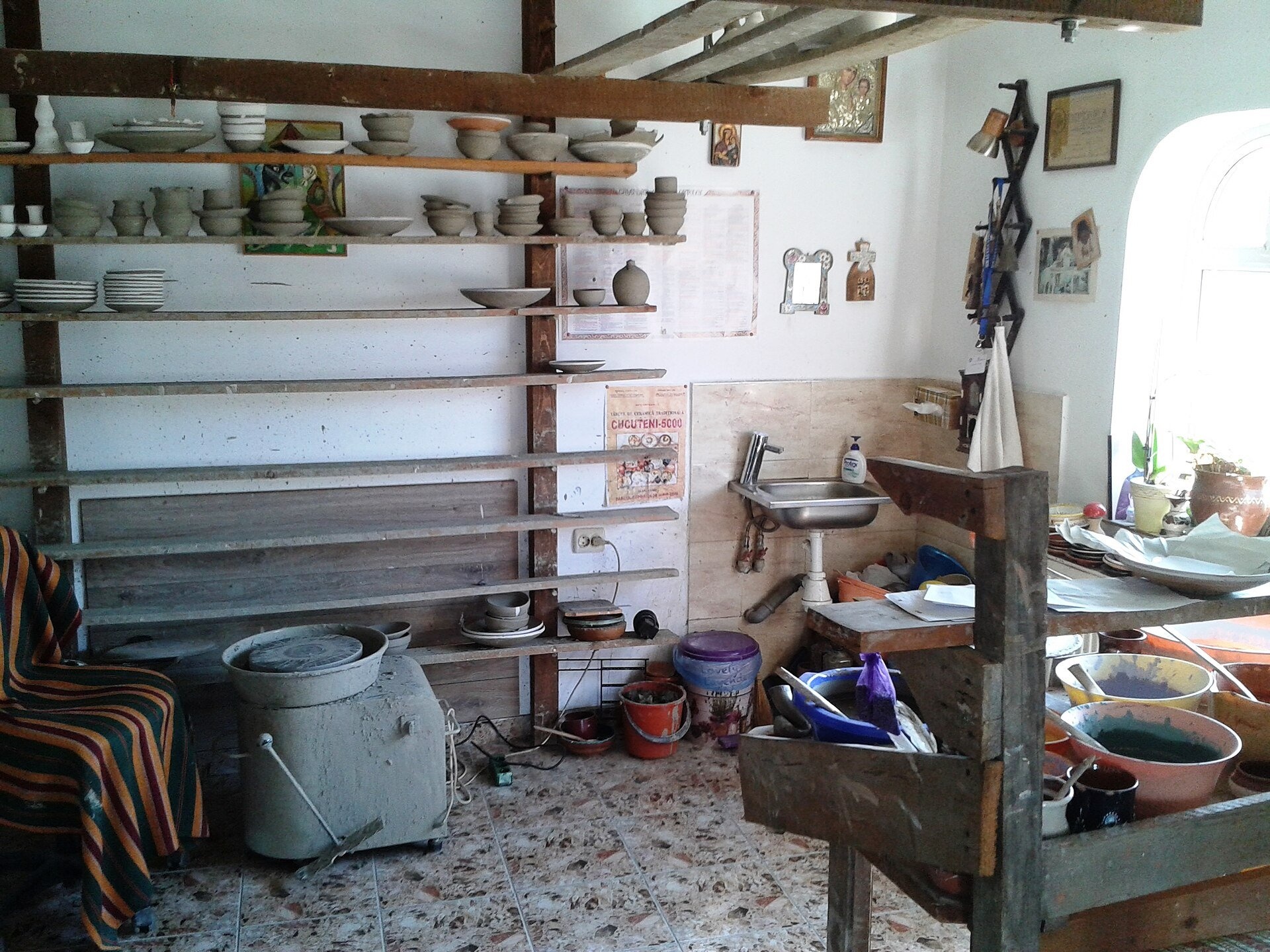
Good to know: the director of the ASTRA Museum in Sibiu has publicly warned that a large share of the goods on the roadside stalls in Horezu is imported. So it is better to look for genuine pottery in the workshops on Olari Street, where you can see the wheel, the drying shelves and the kiln.
What to see and buy
- Plates and bowls with the rooster — the best-known Horezu motif, hung on walls and used every day.
- Jugs, mugs, pots — everyday tableware with red-and-yellow decoration.
- Horn painting — in the workshops you can watch women drawing spirals and waves with a thin stream of slip.
- A workshop session — try the potter’s wheel or paint your own plate; arrange it with the potter on site.
- The “Cocoșul de Hurez” fair — held every year in early June in the town; in 2026 about 50 potters from Romania and abroad were expected.
Practical information
Address: Strada Olari, Olari, 245802 Horezu, Vâlcea County. Olari Street runs north from the town centre, about 2 km. The workshops are in the yards of ordinary houses, easy to spot by their signs and the rows of plates on the fences.
Getting there: from Râmnicu Vâlcea about 45 km on the DN67 towards Târgu Jiu; from Sibiu about 145 km via Râmnicu Vâlcea. From Ukraine the most convenient route is via the Solotvyno – Sighetu Marmației border crossing, then via Cluj-Napoca and Sibiu — about 500 km.
When: the workshops are part of family homesteads and have no common timetable; daytime visits work best. Workshop sessions are by prior arrangement with a particular potter. Check on site or by phone before your trip.
Nearby
- Hurezi Monastery — a UNESCO site on the edge of Horezu, which gave its name to the “Cocoșul de Hurez” fair.
- The Transalpina mountain road starts in Novaci, about 40 km to the west.
- Cozia (Ciuha Mare) — a peak above the Olt valley, about 35 km to the east.
- The Căineni Mici – Plaiul Greblești route in the Lotru Mountains.
Official website: orasul-horezu.ro
Photos: Jocelyn Erskine-Kellie from London, UK, CC BY-SA 4.0, Wikimedia Commons; Stoschmidt, CC BY-SA 4.0, Wikimedia Commons; Bogdan29roman, CC BY-SA 3.0, Wikimedia Commons.
Getting there from Ukraine
Border crossings
- Porubne – Siret — road and pedestrian, 24/7
- Diakivtsi – Racovăț — road and pedestrian, 24/7 No freight traffic.
- Krasnoilsk – Vicovu de Sus — road and pedestrian, 08:00–20:00 Cars up to 3.5 t and pedestrians only; not 24/7.
- Solotvyno – Sighetu Marmației — road and pedestrian, 24/7 Passenger traffic only: vehicles up to 3.5 t with up to 9 seats, pedestrians.
- Diakove – Halmeu — road, 24/7 No pedestrian crossing.
By car
Rakhiv – Petroșani ≈450 km, ≈6 h 36 min (via Solotvyno – Sighetu Marmației); Ivano-Frankivsk – Petroșani ≈584 km, ≈8 h 55 min (via Solotvyno – Sighetu Marmației); Chernivtsi – Petroșani ≈539 km, ≈9 h 19 min (via Krasnoilsk – Vicovu de Sus). Times without border queues, our road routing (GraphHopper, OSM).
Checked 03.11.2026; border crossing hours and timetables change — check before you travel.
Reviews
Travellers’ experience: reports, tips, questions.
No reviews yet. Stayed here? Share your impressions.
Location on the map
Nearby attractions
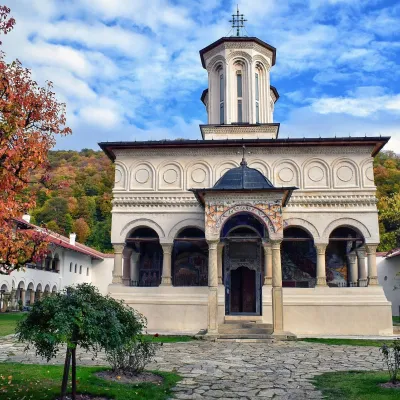 ChurchHorezu Monastery: Brâncovenesc masterpiece, UNESCORomanii de Jos2.2 km from Olari Street, Horezu: the UNESCO potters’ workshopsHorezu Monastery, historically Hurezi (Mănăstirea Hurezi), lies in a quiet valley at the foot of the Căpățânii Mountains, a few kilometres from the town of Horezu in...
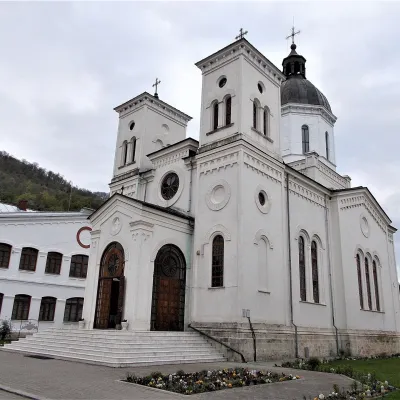 ChurchBistrița Monastery (Vâlcea): relics of St GregoryBistrița5.5 km from Olari Street, Horezu: the UNESCO potters’ workshopsBistrița Monastery (Mănăstirea Bistrița) in Vâlcea County stands in the valley of the river of the same name, at the mouth of the Bistrița gorge, in Bistrița village...
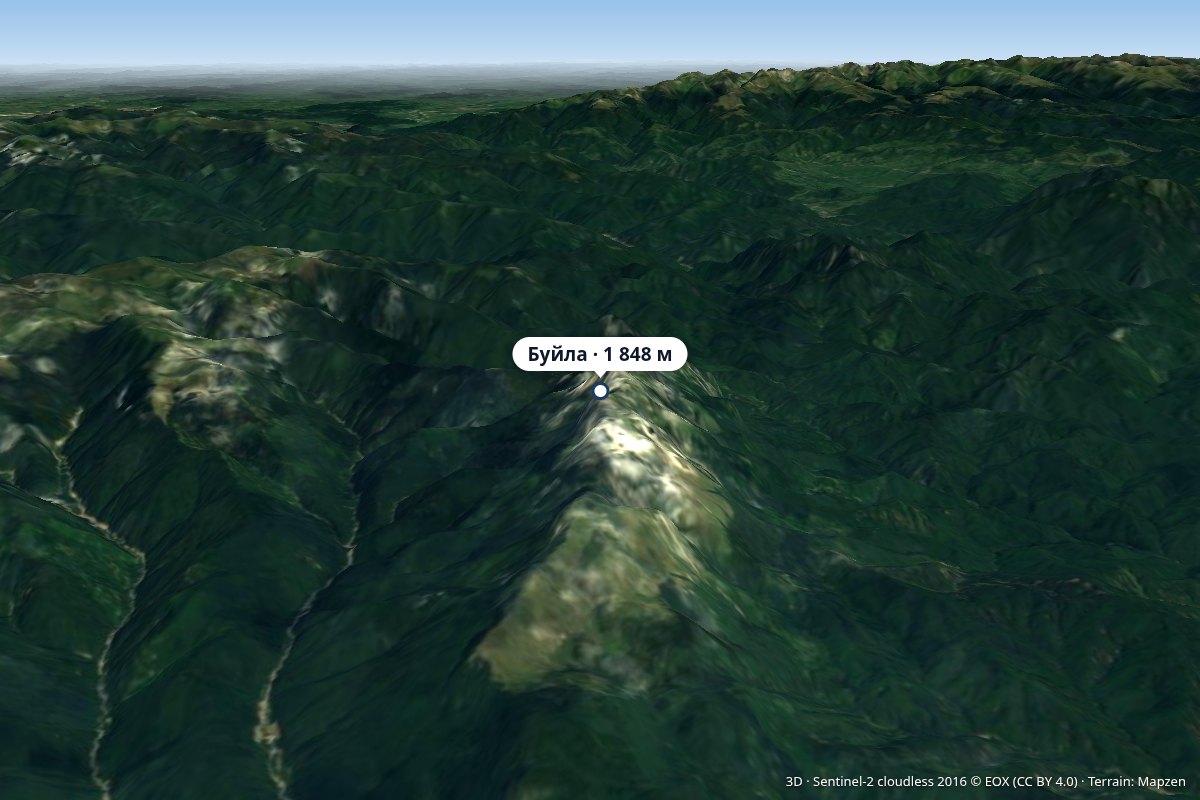 PeakBuila PeakPietrenialtitude 1 848 m13 km from Olari Street, Horezu: the UNESCO potters’ workshopsVârful Buila) is a 1,848 m summit in the limestone Buila-Vânturarița massif, part of the Căpățânii Mountains (Southern Carpathians), in Vâlcea County.
Craft nearby
All craft places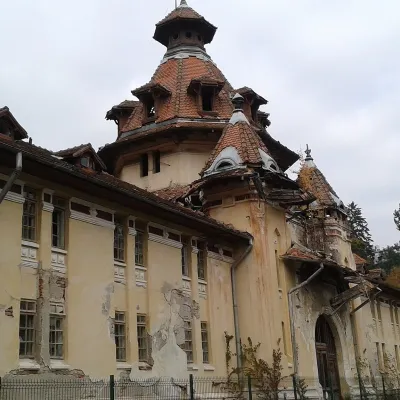 Water parks & thermal poolsBăile Govora: iodine-bromine waters and inhalationsBăile Govora17 km from Olari Street, Horezu: the UNESCO potters’ workshopsBăile Govora is a small spa in Vâlcea County, in a sub-Carpathian depression in the valley of the Hința river, at 360–380 m, south-west of the town of Râmnicu Vâlcea.
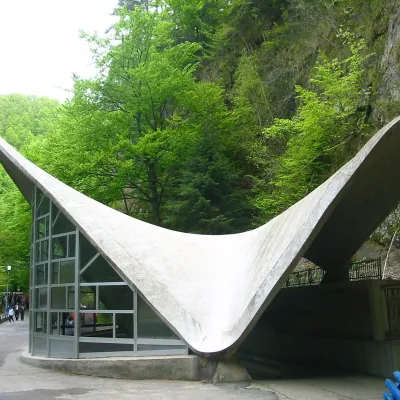 Water parks & thermal poolsBăile Olănești: sulphur and iodine springs of VâlceaBăile Olănești21 km from Olari Street, Horezu: the UNESCO potters’ workshopsBăile Olănești is a mineral-water spa in Vâlcea County, in the valley of the Olănești river, at about 450 m and roughly 20 km north-west of the town of Râmnicu Vâlcea.
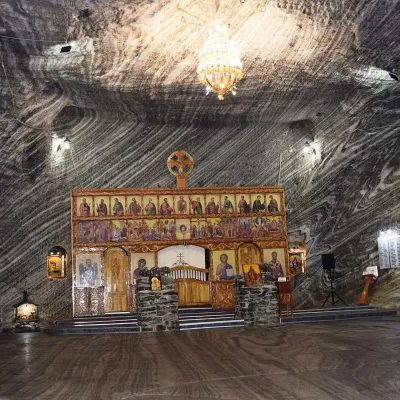 Water parks & thermal poolsOcnele Mari Salt Mine: underground microclimate near VâlceaGura Suhașului27 km from Olari Street, Horezu: the UNESCO potters’ workshopsThe Ocnele Mari Salt Mine is a visitor and wellness area in one of the worked-out levels of an active salt mine in the small town of Ocnele Mari, 8 km from Râmnicu...
