Bistrița Monastery (Vâlcea): relics of St Gregory
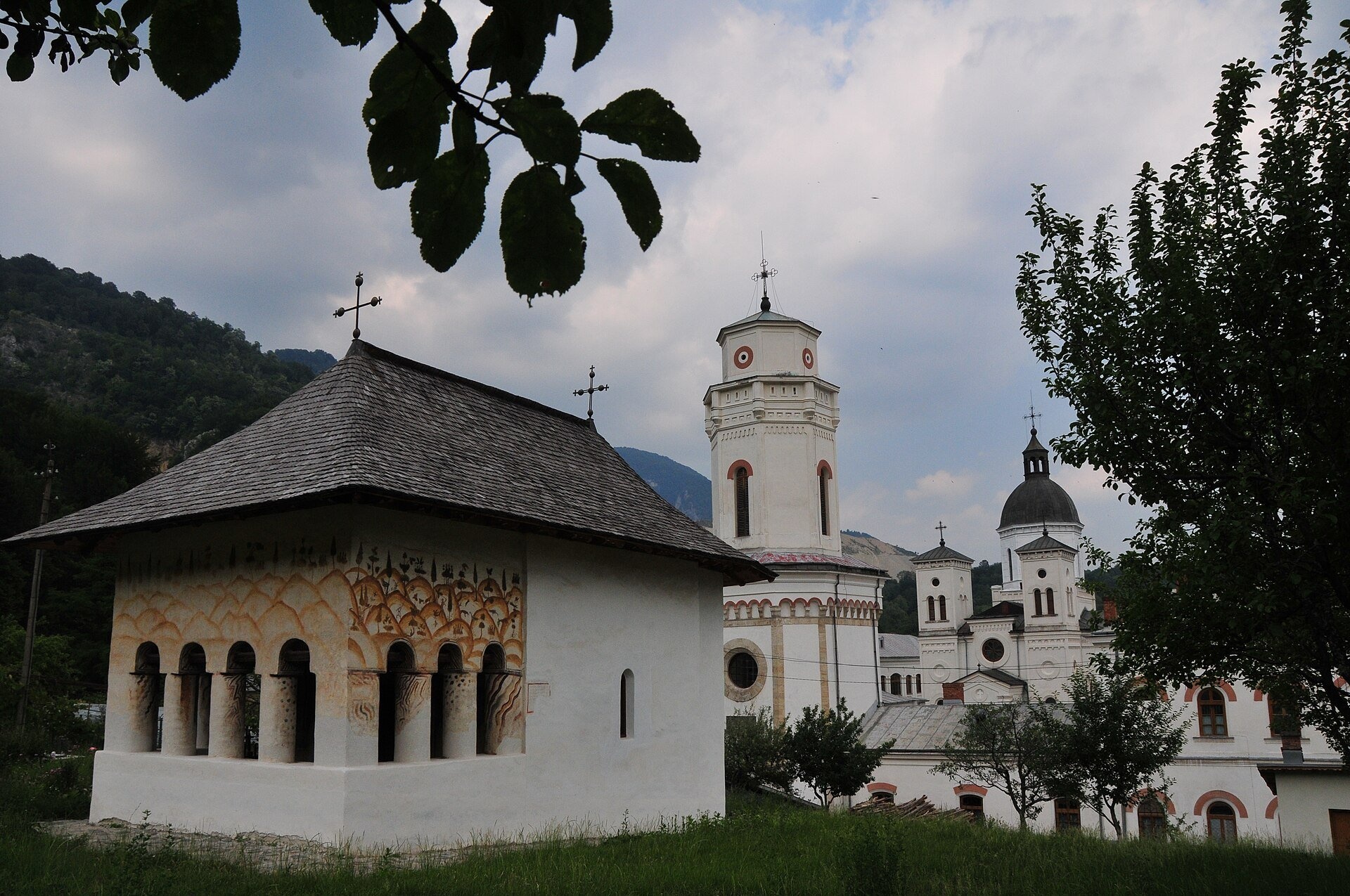
The Craiovești boyars' foundation
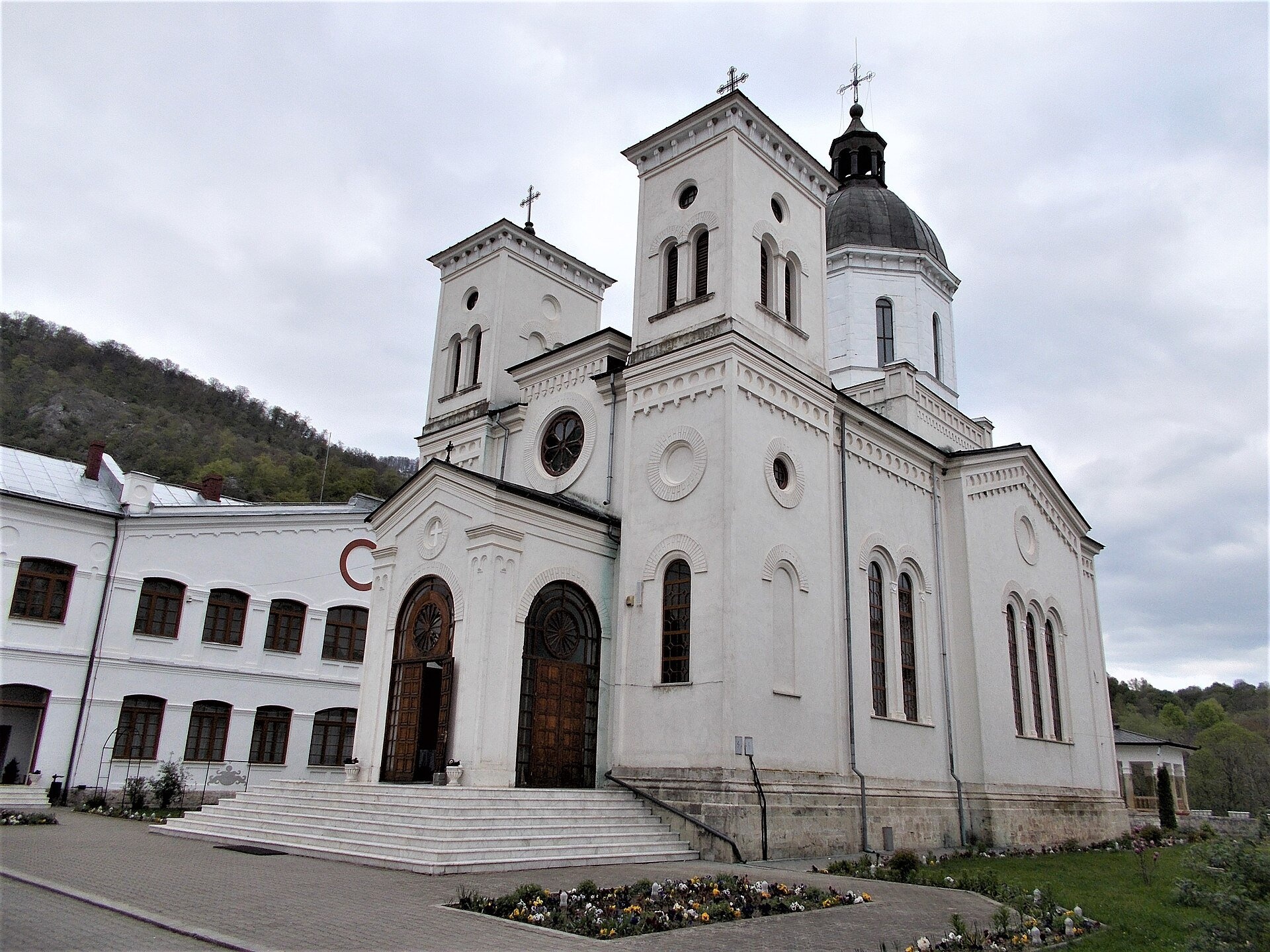
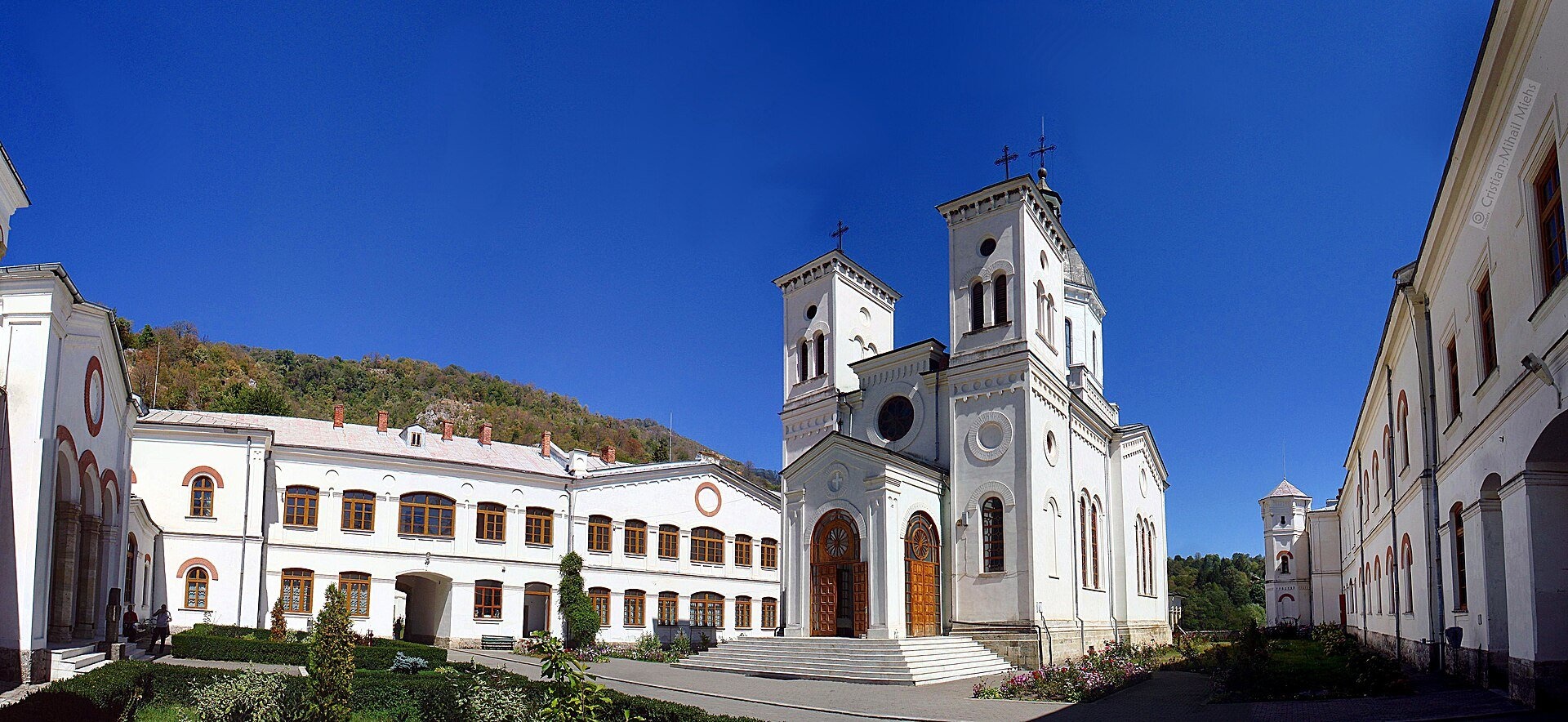
Bistrița Monastery (Mănăstirea Bistrița) in Vâlcea County stands in the valley of the river of the same name, at the mouth of the Bistrița gorge, in Bistrița village of Costești commune. It should not be confused with the Bistrița Monastery near Piatra Neamț in Moldavia. It was built in 1492–1494 by the Craiovești brothers — Ban Barbu, the vornic Pârvu, Danciu and Radu — the most powerful boyar family of Oltenia at the time; it is first documented in a charter of Vlad the Monk of 16 March 1494. Around 1509 Prince Mihnea the Bad, an enemy of the Craiovești, razed it to the ground, but in 1515–1519, under Neagoe Basarab, a relative of the founders, it was rebuilt.
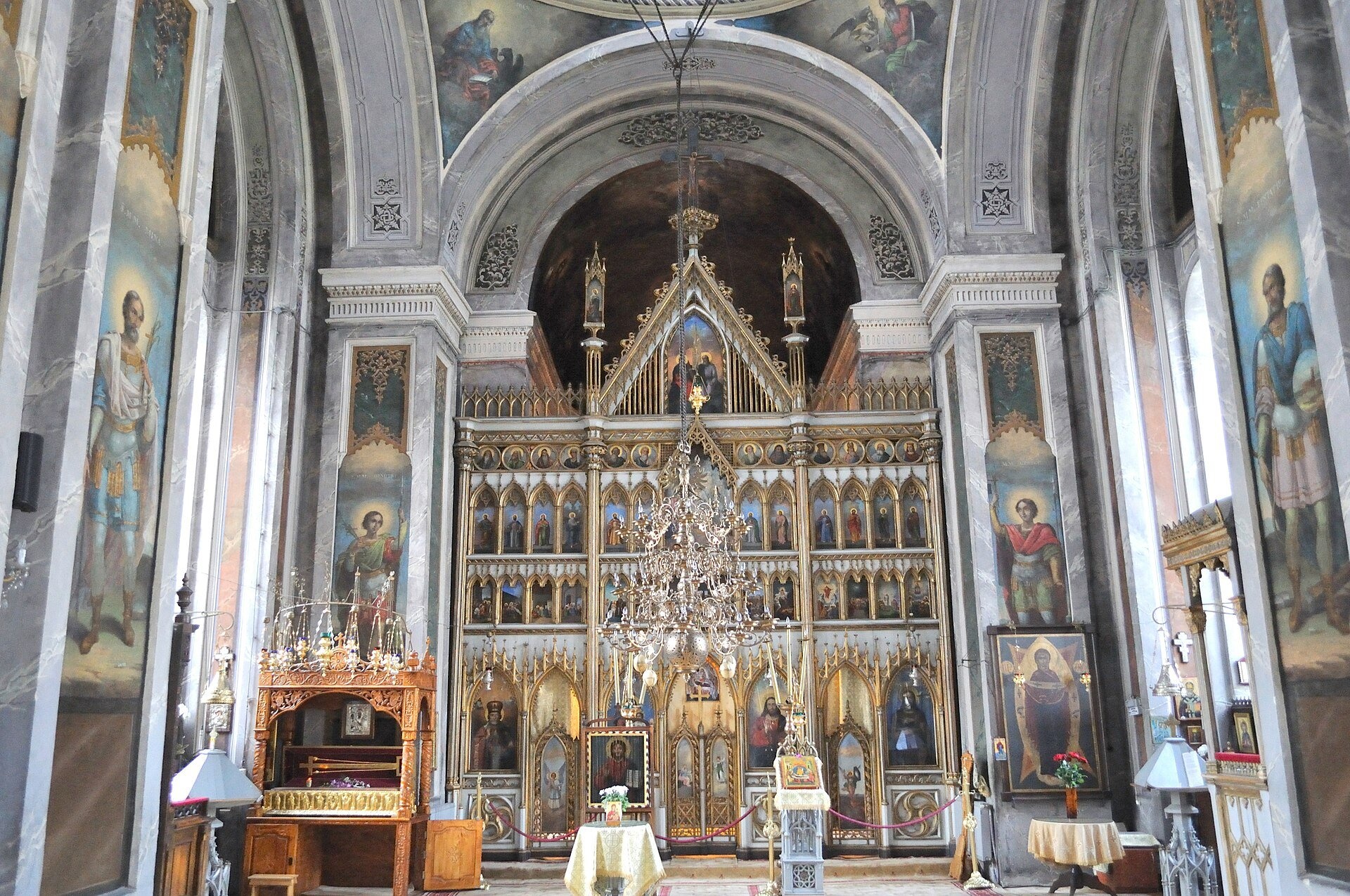
The monastery's chief treasure is the relics of St Gregory the Decapolite, a Byzantine monk of the 8th–9th centuries. According to the monastery, Ban Barbu Craiovescu bought them from a Turkish official and brought them to Wallachia in 1497, and they have been kept here for more than five hundred years. Bistrița was also a centre of learning: manuscripts were copied and a school operated here, and in 1620 the hieromonk Mihail Moxa compiled here a chronicle regarded as the first "universal history" in Romanian. After the earthquake of 1810 the main church was taken down and a new one was built in 1846–1855 under Princes Gheorghe Bibescu and Barbu Știrbei, directed by the architect Carol Benesch; it was fully painted by the well-known painter Gheorghe Tattarescu. Today it is an active convent of nuns of the Archdiocese of Râmnic.
Why go
For pilgrims, Bistrița is one of the most important pilgrimage places in Romania thanks to the relics of St Gregory. For travellers it is a fine ensemble in a narrow mountain valley below the cliffs of the Buila-Vânturarița massif: a large white courtyard, an old 16th-century infirmary church next to the 19th-century church, and a cave in the gorge visited with a guide. The monastery is a few kilometres from Horezu and below the mountain crowned by Arnota Monastery, so all three can easily be seen in one day.
What to see
- The Church of the Dormition (1846–1855) with two façade towers, murals by Gheorghe Tattarescu and a carved iconostasis.
- The relics of St Gregory the Decapolite in a silver reliquary.
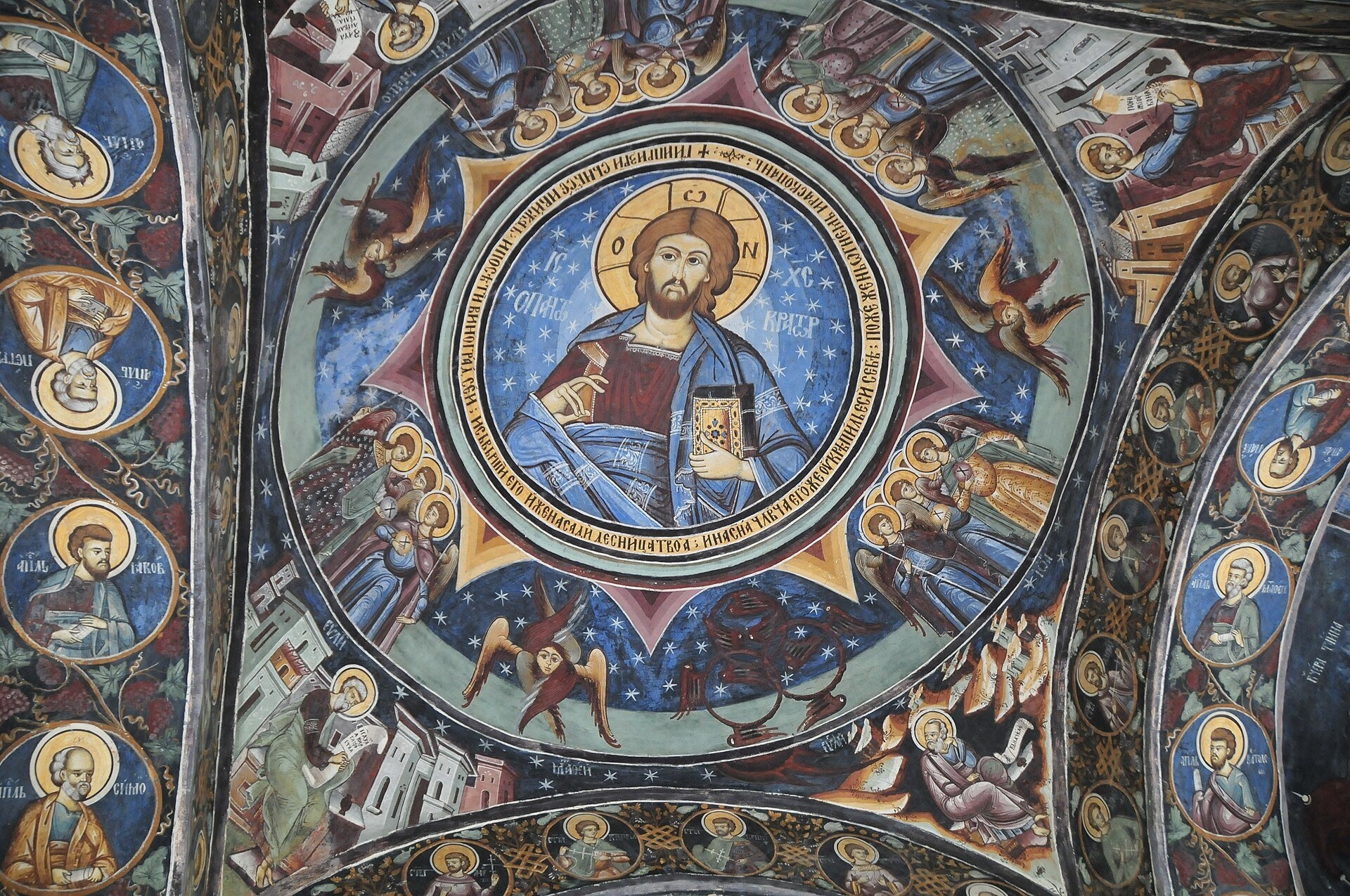
- The infirmary church from the early 16th century, with a porch of 1720 and old paintings on the porch vault.
- The bell tower, the rotunda-like pavilion over the valley and the large cell wings around the courtyard.
- The stone cross and other old stone monuments in the courtyard.
- St Gregory the Decapolite's Cave (the Bat Cave) in the Bistrița gorge, inside Buila-Vânturarița National Park — guided visits only.
Practical information
Address: DJ646, Strada Arnotei nr. 127, Bistrița village, Costești commune, Vâlcea County. The monastery is about 10 km from Horezu and about 40 km from Râmnicu Vâlcea along the DN67. From Ukraine, travel via the Porubne – Siret or Diakivtsi – Racovăț crossing and through Transylvania to Sibiu and the Olt valley.
The monastery is open daily; the schedule of services is published on the official website manastireabistrita.ro, phone +40 745 607 680. According to the National Heritage Institute museum database (cIMeC), the museum collection is open 9:00–18:00. According to the monastery, the cave can be visited Monday to Friday 11:00–15:00 and Saturday–Sunday 11:00–16:00: tell the church shop and ask for a guide. Official sources do not state an admission fee. On Easter night 2026 a fire damaged the roofs of the cell wings, so pilgrim accommodation is temporarily unavailable and some buildings may be under repair. Information as of November 2026 — check before you go. This is an active convent: dress modestly (shoulders and knees covered; women may find a headscarf useful), speak quietly and take photographs in the church only with permission. Allow about an hour for the monastery and as long again for the cave.
Nearby
- Arnota Monastery — Matei Basarab's foundation on the mountain above the valley, a few kilometres of hairpins away.
- Horezu Monastery — a UNESCO site about 10 km west.
- Olari Street in Horezu — potters' workshops whose ceramics are on the UNESCO list.
- Polovragi Monastery — about 30 km west.
- The Bistrița Gorge (Cheile Bistriței) in Buila-Vânturarița National Park — just above the monastery.
Official website: manastireabistrita.ro
Photos: Nicu Farcaș, CC BY-SA 4.0, Wikimedia Commons; Miehs, CC BY-SA 3.0 ro, Wikimedia Commons; Țetcu Mircea Rareș, CC BY-SA 3.0 ro, Wikimedia Commons; ChristianMancas, CC BY-SA 3.0 ro, Wikimedia Commons; Razvan Socol, CC BY-SA 3.0 ro, Wikimedia Commons; Cosmin Campean, CC BY-SA 4.0, Wikimedia Commons.
Getting there from Ukraine
Border crossings
- Porubne – Siret — road and pedestrian, 24/7
- Diakivtsi – Racovăț — road and pedestrian, 24/7 No freight traffic.
- Krasnoilsk – Vicovu de Sus — road and pedestrian, 08:00–20:00 Cars up to 3.5 t and pedestrians only; not 24/7.
- Solotvyno – Sighetu Marmației — road and pedestrian, 24/7 Passenger traffic only: vehicles up to 3.5 t with up to 9 seats, pedestrians.
- Diakove – Halmeu — road, 24/7 No pedestrian crossing.
By car
Rakhiv – Petroșani ≈450 km, ≈6 h 36 min (via Solotvyno – Sighetu Marmației); Ivano-Frankivsk – Petroșani ≈584 km, ≈8 h 55 min (via Solotvyno – Sighetu Marmației); Chernivtsi – Petroșani ≈539 km, ≈9 h 19 min (via Krasnoilsk – Vicovu de Sus). Times without border queues, our road routing (GraphHopper, OSM).
Checked 03.11.2026; border crossing hours and timetables change — check before you travel.
Comments
Travellers’ experience: reports, tips, questions.
No one has written here yet. Be the first — your experience helps others.
Video 2
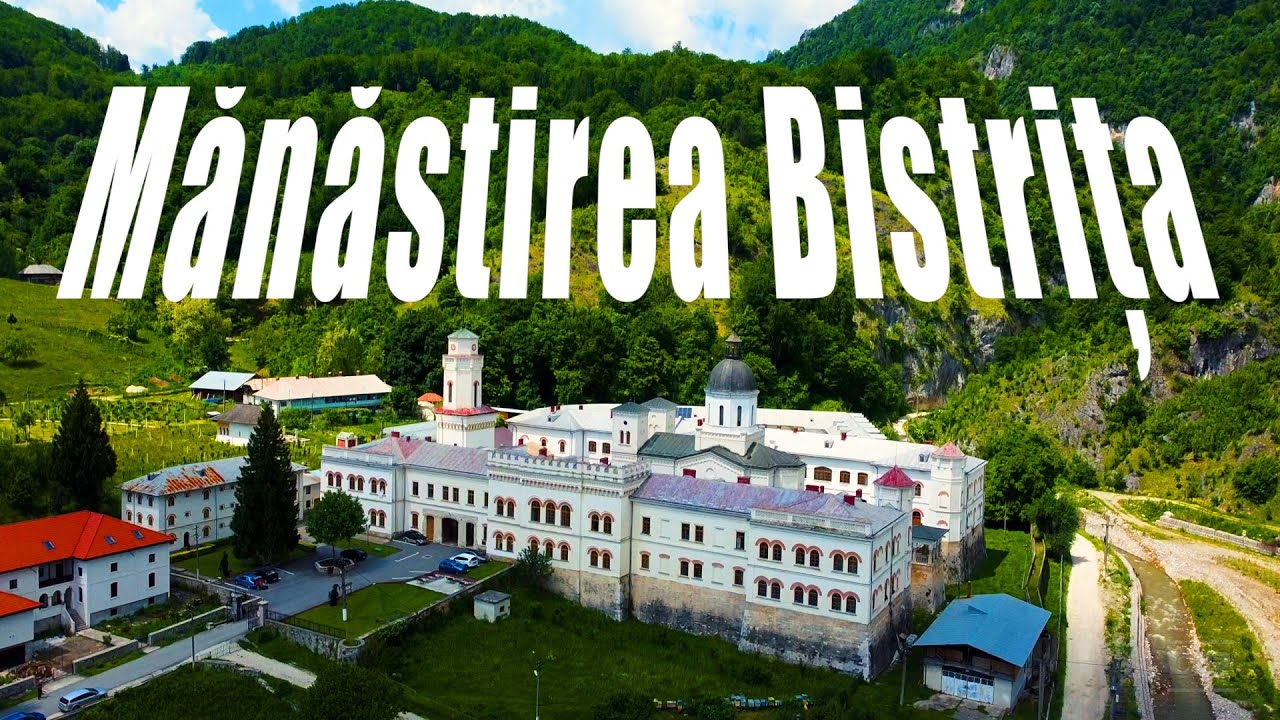 Mănăstirea Bistrița, județul Vâlcea | România | Filmare Aeriană 4K | #visitromania #romaniaRomânia în imagini
Location on the map
Nearby attractions
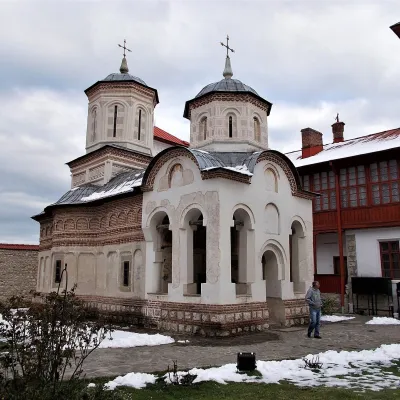 ChurchArnota Monastery: Matei Basarab's mountain mausoleumPietreniunder 1 km from Bistrița Monastery (Vâlcea): relics of St GregoryArnota Monastery (Mănăstirea Arnota) sits on a small plateau of Mount Arnota above the Bistrița river valley, within Bistrița village in Costești commune, Vâlcea County.
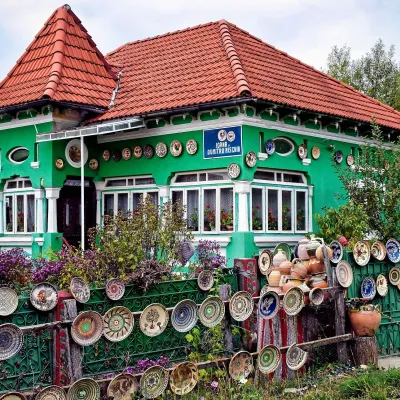 Crafts & workshopsOlari Street, Horezu: the UNESCO potters’ workshopsOlari5.5 km from Bistrița Monastery (Vâlcea): relics of St GregoryThe heart of the craft is Olari Street (Strada Olari) in the part of town of the same name, about 2 km from the centre.
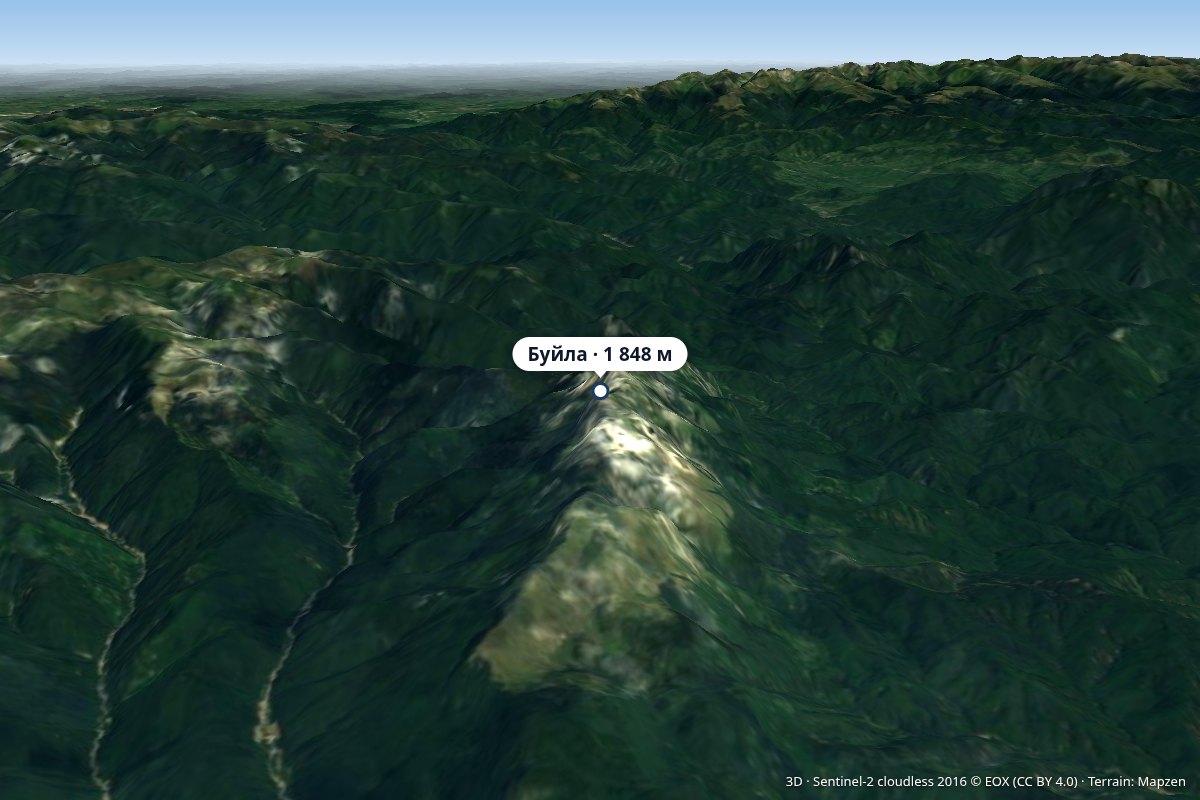 PeakBuila PeakPietrenialtitude 1 848 m7.3 km from Bistrița Monastery (Vâlcea): relics of St GregoryVârful Buila) is a 1,848 m summit in the limestone Buila-Vânturarița massif, part of the Căpățânii Mountains (Southern Carpathians), in Vâlcea County.
Craft nearby
All craft places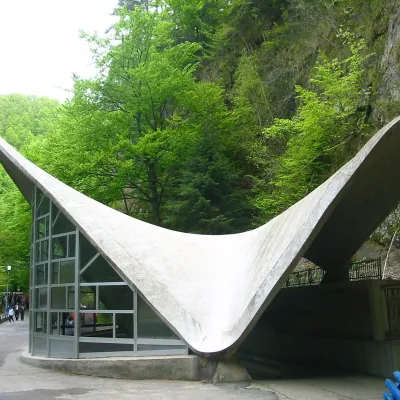 Water parks & thermal poolsBăile Olănești: sulphur and iodine springs of VâlceaBăile Olănești16 km from Bistrița Monastery (Vâlcea): relics of St GregoryBăile Olănești is a mineral-water spa in Vâlcea County, in the valley of the Olănești river, at about 450 m and roughly 20 km north-west of the town of Râmnicu Vâlcea.
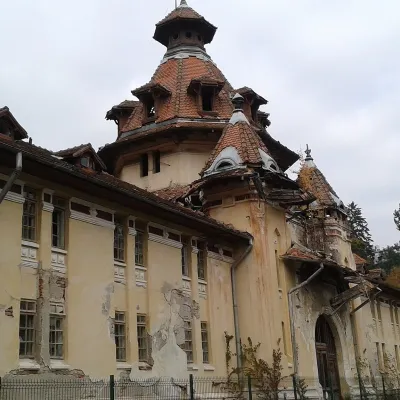 Water parks & thermal poolsBăile Govora: iodine-bromine waters and inhalationsBăile Govora16 km from Bistrița Monastery (Vâlcea): relics of St GregoryBăile Govora is a small spa in Vâlcea County, in a sub-Carpathian depression in the valley of the Hința river, at 360–380 m, south-west of the town of Râmnicu Vâlcea.
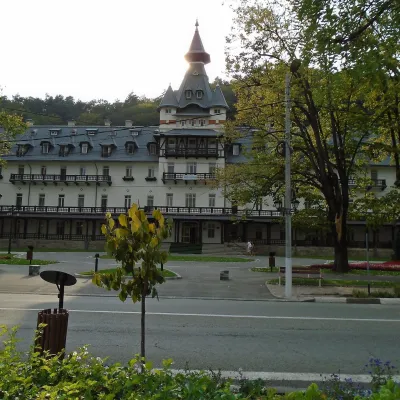 Water parks & thermal poolsCălimănești-Căciulata: thermal pools and springs in the Olt gorgePăușa24 km from Bistrița Monastery (Vâlcea): relics of St GregoryCălimănești-Căciulata is one of Romania's best-known spas, stretching along both banks of the Olt where the river enters its gorge between the Cozia massif and the...
