Boyko Museum in Myczków
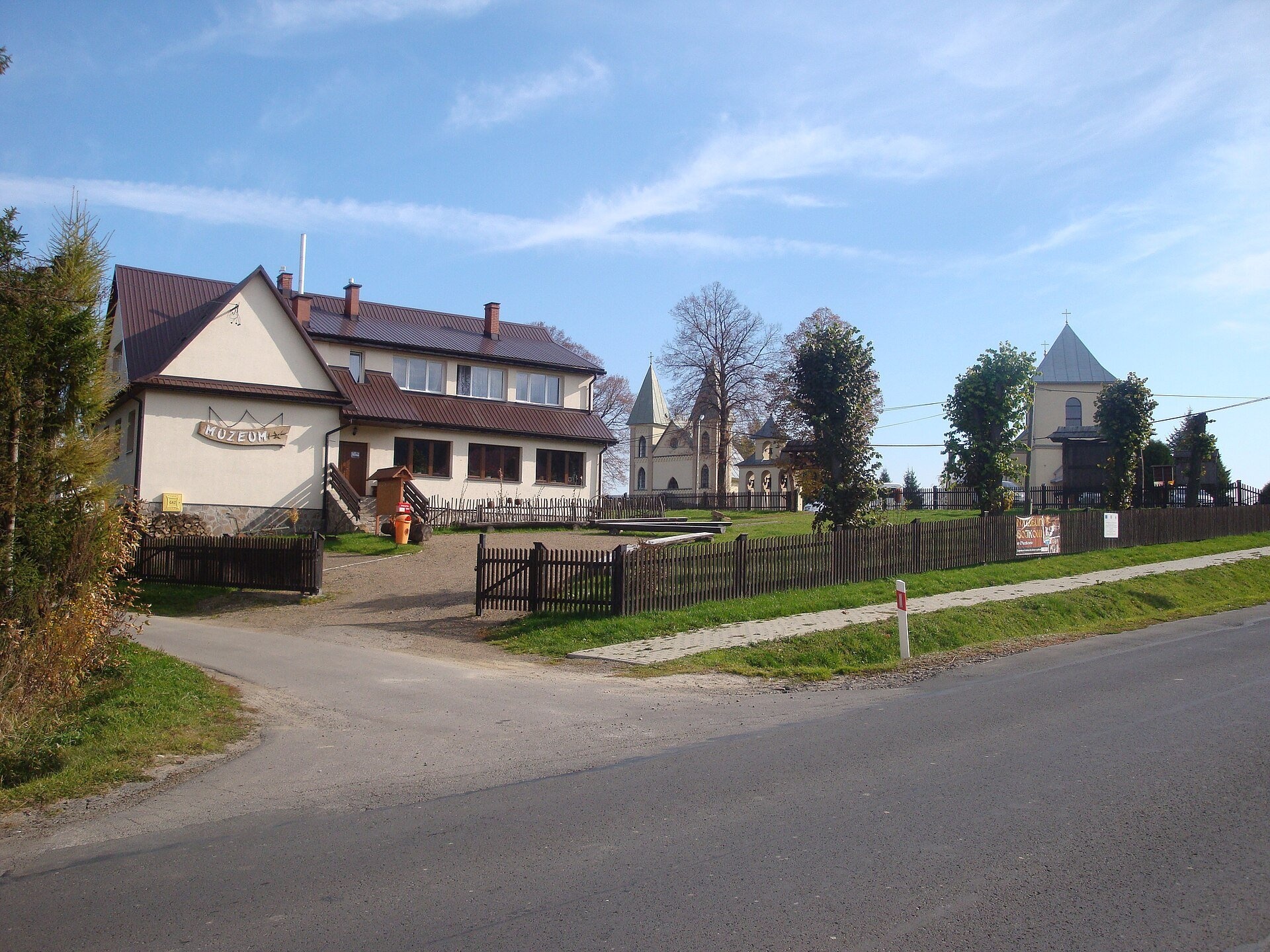
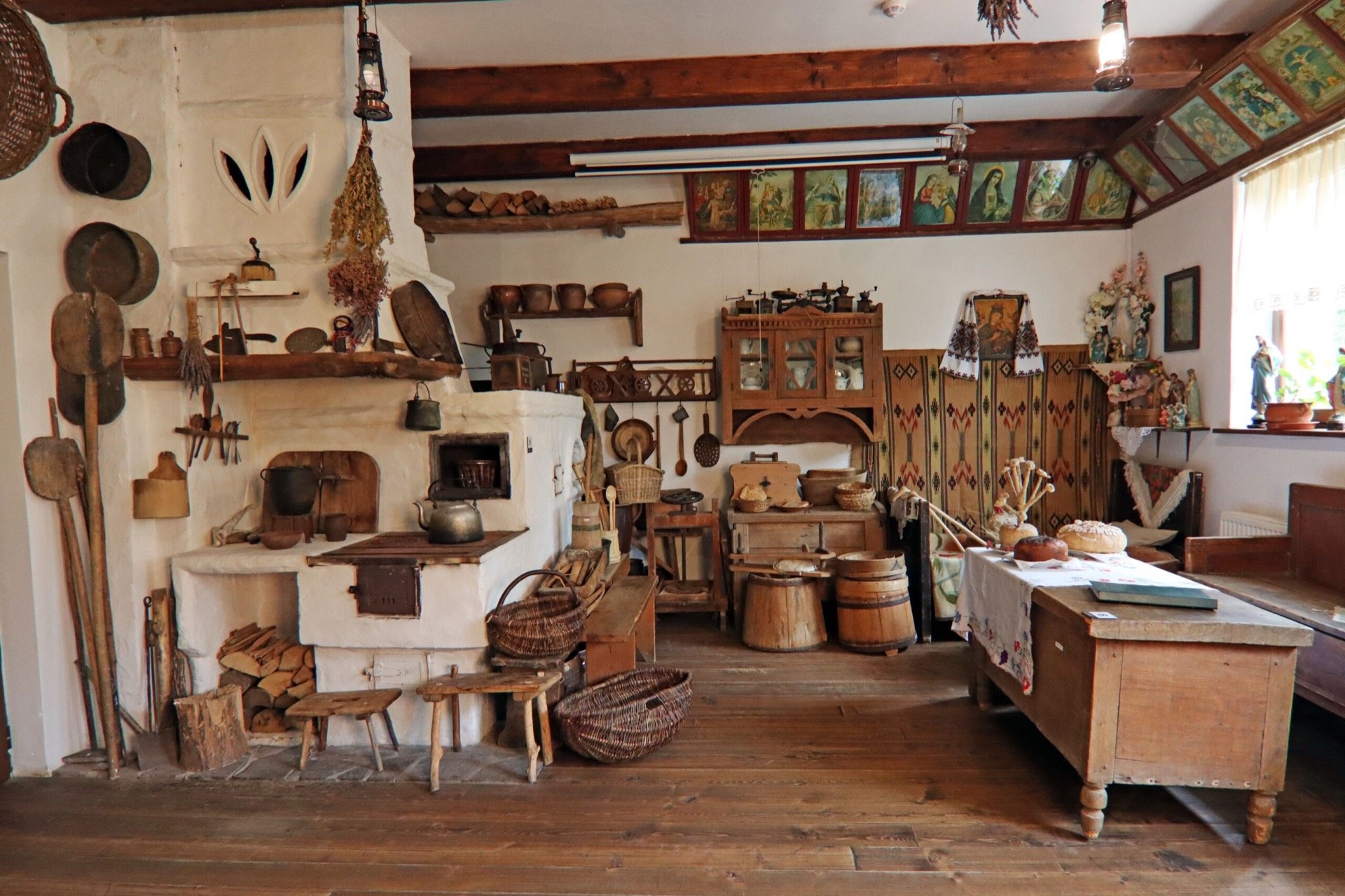
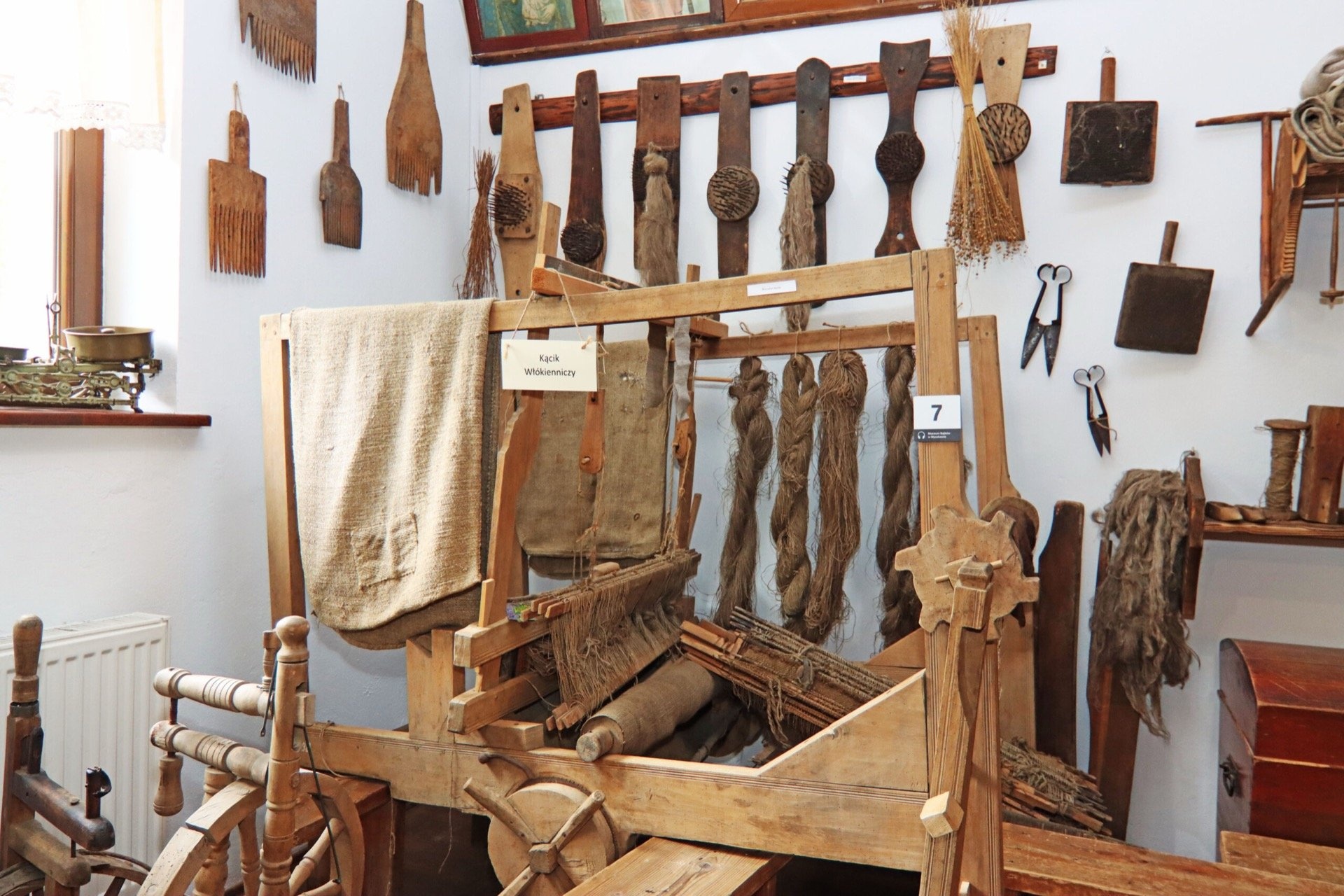
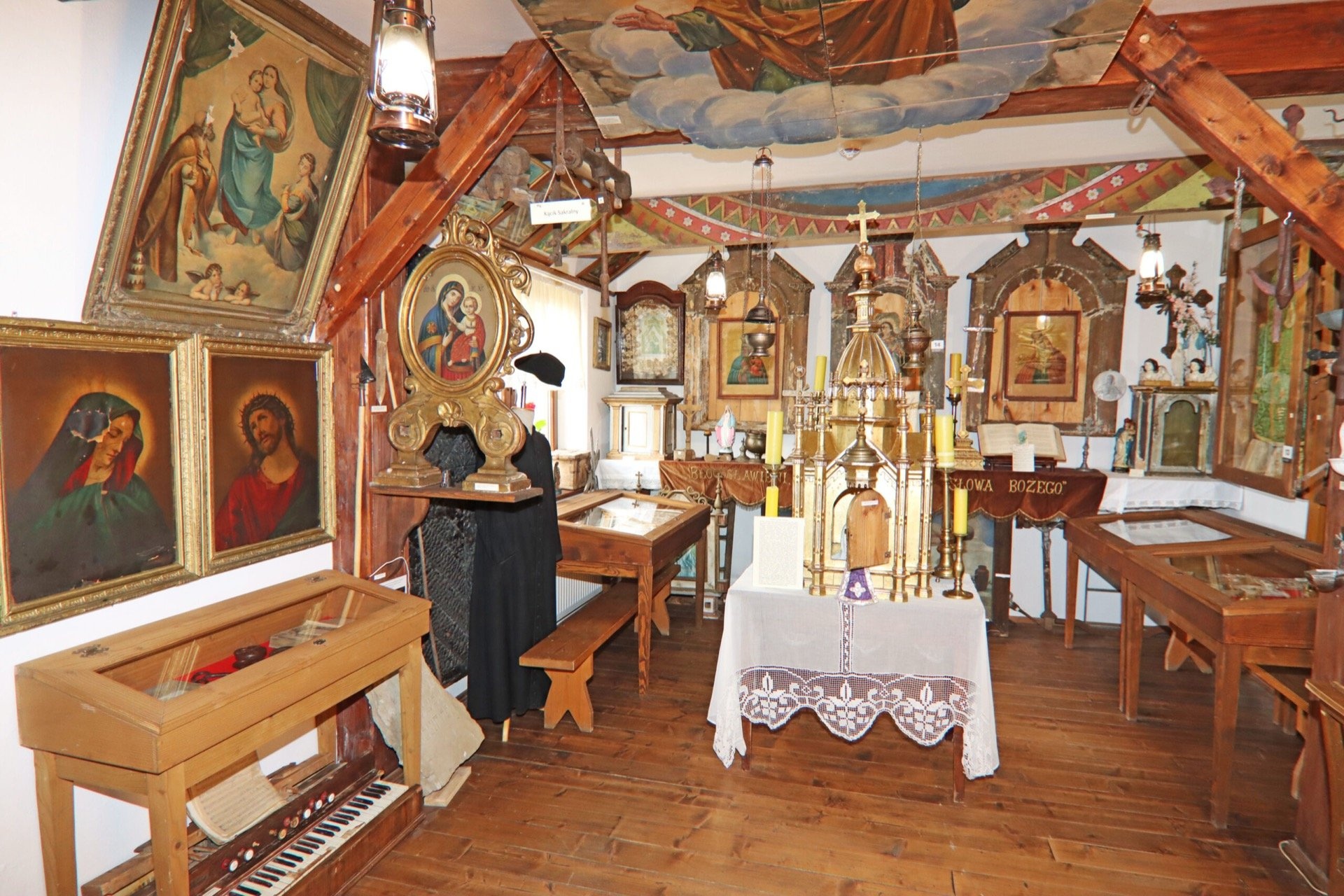
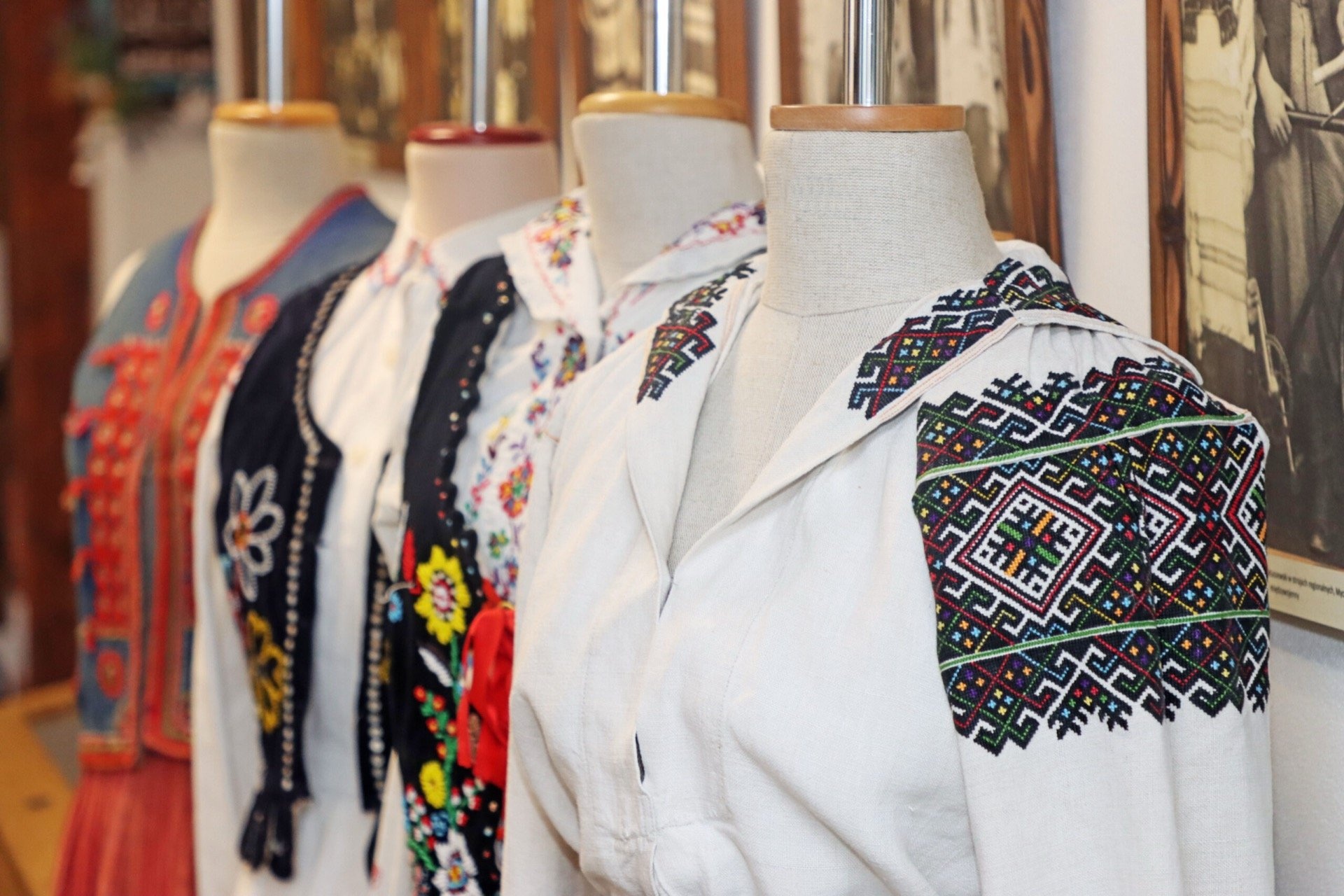
The Municipal Museum of the Spiritual and Material Culture of the Boykos (Gminne Muzeum Kultury Duchowej i Materialnej Bojków) is in the village of Myczków on the San river, between the dams of Lake Solina and the Myczkowce reservoir. It is a small but heartfelt museum devoted to the Boykos – Ukrainian highlanders who lived in the Bieszczady for more than five centuries and whose story here was broken off in the mid-20th century.
The museum was founded by the Solina municipality (council resolution of 2012), and its collection grew out of objects gathered since the 1970s by the local teacher and regional historian Stanisław Drozd. In 2023 the museum celebrated ten years of activity, and the Regional Culture Centre in Myczków, which now houses the new exhibition, five years. It is run by the Solina Municipal Centre for Culture, Sport and Tourism.
The exhibition explains how the Bieszczady were settled: in the 15th and 16th centuries Vlach shepherds came here from the southern Carpathians and gradually merged with the Ruthenian population; from the 19th century their descendants became known as Boykos, although they called themselves "Verkhovyntsi" or "Hyrniaky" (highlanders). The Boykos lived modestly from farming and herding, and their spiritual life centred on the church. After the Second World War most local Ukrainians were resettled to Soviet Ukraine in 1944–1946, and the rest were deported in 1947 during Operation Vistula; the empty villages were mostly burnt, leaving only names, cemeteries and wild orchards.
What to see
- Folk costumes – everyday clothes of home-woven linen and hemp cloth, and festive ones decorated with cross-stitch embroidery; the most valuable part of the collection.
- Sacred objects – liturgical vessels from former churches, tabernacles, fragments of iconostases, crosses, and a collection of oleographs.
- Farming and crafts – agricultural tools, household items, furniture, dishes and textiles from the late 19th to the mid-20th century.
- Archive – manuscripts, documents, photographs and tape-recorded memories of former inhabitants, plus a few family mementoes of the owners of local manor houses.
The museum holds temporary exhibitions (in 2026, for example, one about Ignacy Łukasiewicz and the history of kerosene light, together with the Subcarpathian Museum in Krosno), family workshops, school classes and a quest game for visitors. In the village centre two places of worship stand side by side – a former Greek Catholic church and a Roman Catholic church, both funded by the owner of Myczków, Jan Nepomucen Zatorski: a living example of how Ruthenians and Poles lived as neighbours before the war.
Practical information
Myczków lies a few kilometres from Polańczyk and Solina, by the road from Lesko to Lake Solina, so the museum combines easily with a day by the water. Driving is simplest; in summer buses run from Lesko and Sanok to Solina and Polańczyk. The museum is open all year from Tuesday to Saturday and a standard ticket costs 20 zł (details in the "At a glance" box); the Polish and English audio guide is included. Allow about an hour. Groups must book in advance. For families it is a calm alternative to the beach on a rainy day, and children under 7 go in free.
Nearby: trails and peaks
Our Krysowa – Zagórz route runs right through the village – a long walk across the western Bieszczady that is easy to split into stages with a night by the lake. 3.5 km away is Lake Solina and the Solina Dam, Poland's largest reservoir, and on the way to Sanok it is worth stopping at the Lesko Synagogue and Jewish Cemetery.
Official website: muzeumbojkow.pl
Photos: Ciacho5, CC BY-SA 3.0, Wikimedia Commons; Gminne Muzeum Kultury Duchowej i Materialnej Bojków w Myczkowie, official website.
Getting there from Ukraine
Border crossings
- Krakovets – Korczowa — road, 24/7
- Shehyni – Medyka — road, 24/7 Pedestrian crossing is not confirmed by the Ukrainian border service — check dpsu.gov.ua before the trip.
- Smilnytsia – Krościenko — road, 24/7
- Hrushiv – Budomierz — road, 24/7
- Mostyska – Przemyśl (rail) — rail, 24/7
By car
Lviv – Sanok ≈168 km, ≈3 h 20 min without queues: road to Shehyni → Shehyni – Medyka checkpoint → Przemyśl → DK28 via Bircza to Sanok (≈83 km, ≈1 h 45 min from the border). Alternative via Krakovets – Korczowa: A4 to the Radymno exit, DK77 to Przemyśl and DK28 (≈185 km from Lviv, ≈3 h 25 min). For the Bieszczady proper, Smilnytsia – Krościenko is handier: Lviv – Sambir – Staryi Sambir – border, then DK84 via Ustrzyki Dolne to Sanok (≈203 km, ≈5 h; ≈57 km from the border). From Krościenko to Ustrzyki Górne by DW896 ≈53 km (≈1 h 40 min; ≈200 km and ≈4 h 50 min from Lviv), to Wetlina by DW896 and DW897 ≈69 km (≈216 km and ≈5 h from Lviv). From Sanok: Ustrzyki Górne ≈82 km (DK84 via Lesko, then DW896, ≈1 h 35 min), Wetlina ≈72 km (DK84 to Lesko, DW894 via Baligród and Cisna, DW897, ≈1 h 20 min).
Checked 23.10.2026; border crossing hours and timetables change — check before you travel.
Location on the map
Comments
Trails nearby
All trails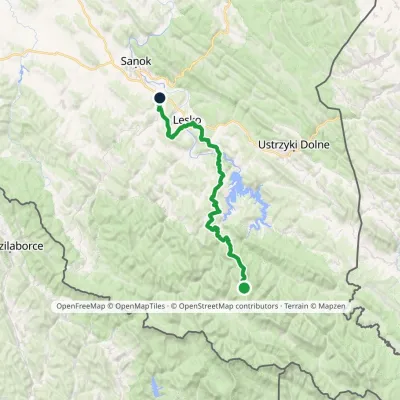 HardMulti-dayMarkedKrysowa ZagórzElevation profile306–924 m60.8 kmascent 1 500 munder 1 km from Boyko Museum in Myczków
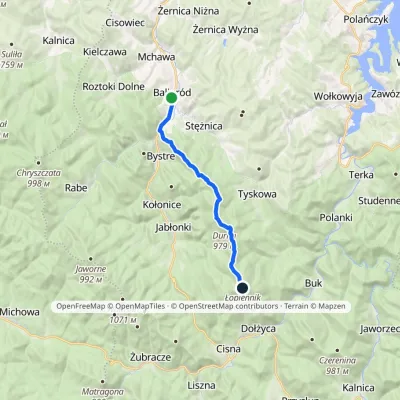 ModerateOne-dayMarkedBaligród ŁopiennikElevation profile445–1 069 m13.2 kmascent 729 m≈ 5 h walking10 km from Boyko Museum in Myczków
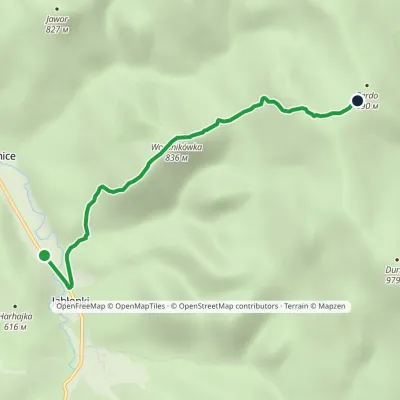 EasyOne-dayMarkedJabłonki BerdoElevation profile541–916 m3.9 kmascent 451 m≈ 2 h walking12 km from Boyko Museum in Myczków
Nearby attractions
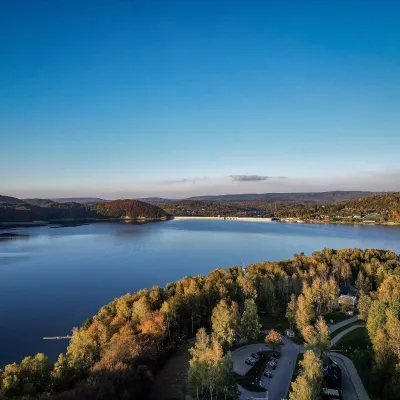 LakeLake Solina and the Solina DamSolina3.4 km from Boyko Museum in MyczkówLake Solina (Jezioro Solińskie) is Poland's largest reservoir by volume and the main summer resort of the Bieszczady.
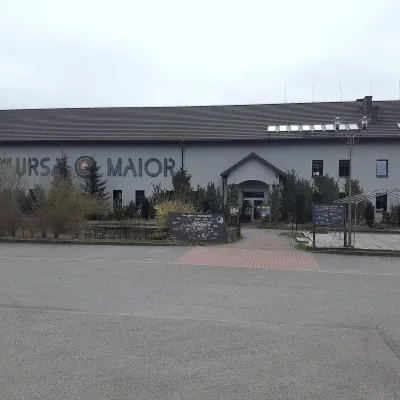 Craft beer & breweriesUrsa Maior Brewery, Uherce MineralneUherce Mineralne10 km from Boyko Museum in MyczkówUrsa Maior, or the Bieszczady Brewery (Bieszczadzka Wytwórnia Piwa), is an independent craft microbrewery in the village of Uherce Mineralne, between Lesko and...
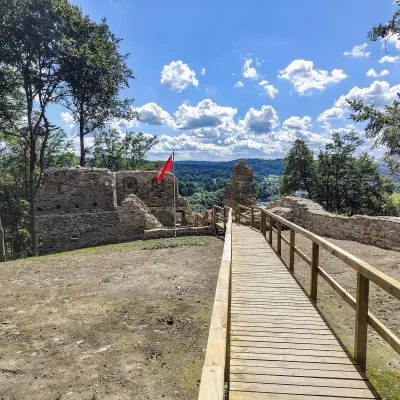 CastleSobień Castle ruinsManasterzec17 km from Boyko Museum in MyczkówSobień is the ruin of a medieval castle on a wooded hill above the San near the village of Manasterzec, a few kilometres north of Lesko.
Craft nearby
All craft places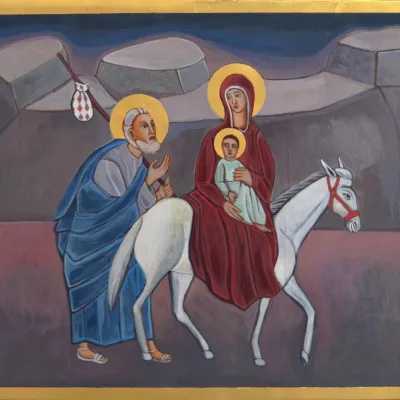 Crafts & workshopsVeraikon Icon Studio, Cisna: Carpathian icons and workshopsCisna19 km from Boyko Museum in MyczkówThe Veraikon Icon Studio (Pracownia Ikon Veraikon) in Cisna is, in its owners' words, the oldest and largest icon studio in the Bieszczady.
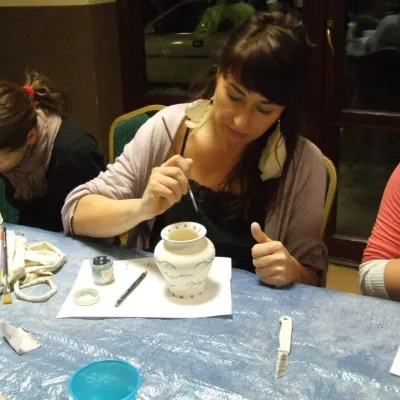 Crafts & workshopsGaleria Barak, Czarna: Bieszczady ceramics and workshopsCzarna Górna19 km from Boyko Museum in MyczkówGaleria Barak in the village of Czarna near Ustrzyki Dolne is the first private art gallery in the Bieszczady, and its story deserves telling.
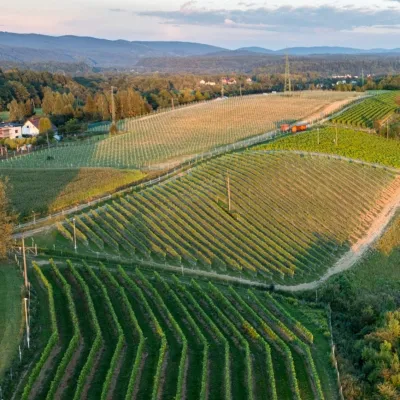 Wine & tastingsWinnica Kmiecia in Zahutyń near Sanok: tastings and eventsZahutyń21 km from Boyko Museum in MyczkówWinnica Kmiecia is a young winery in the village of Zahutyń between Sanok and Zagórz, where the Low Beskids meet the Bieszczady.
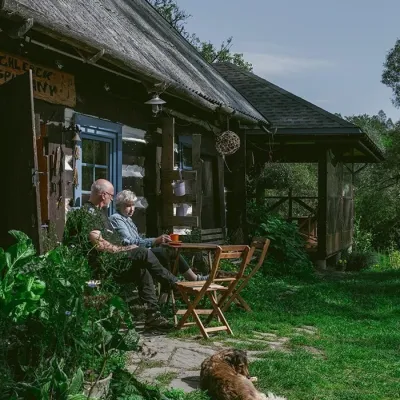 Craft producersBieszczadzkie Smaki, Smolnik: bread, liqueurs, preservesSmolnik26 km from Boyko Museum in MyczkówBieszczadzkie Smaki (“Bieszczady Flavours”) is a family producer of natural foods in the village of Smolnik on the Osława river, Komańcza municipality, on the western...
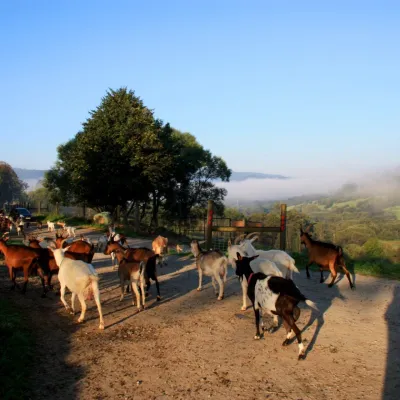 Cheese dairies & pasturesBieszczadzka Koza Goat Cheese Farm, SmolnikSmolnik28 km from Boyko Museum in MyczkówBieszczadzka Koza ("the Bieszczady Goat") is a family goat farm and artisan cheese dairy in the village of Smolnik on the San, in the eastern Polish Bieszczady, right...
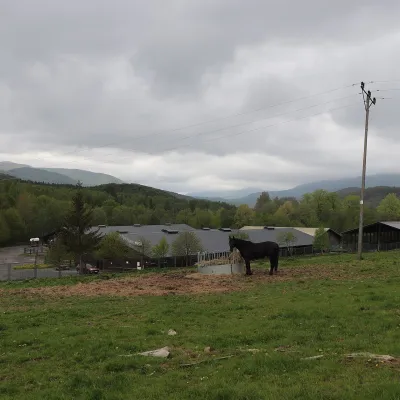 Horse ridingHucul Horse Stud in Wołosate, Bieszczady National ParkWołosate40 km from Boyko Museum in MyczkówWołosate is the southernmost inhabited village in Poland, tucked away in the valley of the Wołosatka stream below Tarnica, the highest peak of the Polish Bieszczady.
