Museum of the history of the city of Kolomyia


Kolomyia is one of the oldest cities in Ukraine with magnificent architecture and rich folk art. Its rich historical heritage is widely represented in the Museum of the City's History. It contains the first chronicle references to the city, documents, items from the everyday life of the townspeople, and photographs. The collected exhibits make it possible to trace the entire diverse history of the city, including the history of German colonies in Kolomyia, the history of city government, Kolomyia and the Habsburgs, the city's economy and trade, the education of citizens, the history of the Jewish community, and much more. There are 18 exhibition halls in total .
In 1997, under the leadership of Ihor Dovhaniuk, the mayor of Kolomyia, and with the help of Olha Rudanets, the head of the Congress of Ukrainian Intellectuals of Kolomyia (then assistant to the mayor), the Museum of the History of Kolomyia received the best building in the city at 80 Roman Shukhevych Street for permanent use.
The house on the corner of today's Roman Shukhevych and Lesia Ukrainka streets has seen and experienced a lot. Here, in the building of the county council, issues of development of the city and surrounding villages were resolved, and important decisions were made here during the ZUNR by Theodore Prymak. The room where Theodore Prymak used to work is now the exhibition "Kolomyia and the Habsburgs." Here, in the interior of the city room, the Austrian Emperor Franz Joseph, who visited Kolomyia twice, and his successor, Archduke (and later the last emperor of Austria-Hungary) Karol Franz Joseph and his wife Zita, who lived in Kolomyia in 1912 and waited for the birth of another heir to the Habsburg family (and now the head of the house), Otto von Habsburg, are prominently displayed.
Today, 18 exhibition halls, as well as fund and office premises, contain photographs, documents, memorabilia, and everyday items of the townspeople, more than 20 thousand items of preservation. From the first chronicle mention in 1241 to the present day.
The journey through the museum's halls is fascinating and does not repeat what you have seen in other museums of this profile in the region. The expositions are created as the collections are replenished with materials that make it possible to fully cover a particular topic. If you visit the museum, you will discover such pages of Kolomyia's history as "German colonies of Kolomyia"; "Education of Kolomyia in the late nineteenth and early twentieth centuries"; "Economy and trade of the city in the nineteenth and twentieth centuries"; "From the history of the Jewish community of the city"; "From the history of Ukrainian ethnic lands of modern Poland until 1944" and others.
To celebrate the International Museum Day this year, two more thematic exhibitions opened their doors to Kolomyia residents and guests. These are "Regional Authorities" and "Kolomyia and the Habsburgs". The opening of a new thematic exposition or art exhibition is an event. It is an event that opens a new page in the history of the chronicled Kolomyia for our contemporaries. Then the museum halls are crowded. As a rule, these are longtime sincere supporters of the museum who have been visiting it for 15 years.
Every year the museum's visitors are getting younger. The museum has already become a home for students of the Kolomyia Polytechnic College (teachers Vasyl Fuchko and Andriy Okhrym). It is both gratifying and sad that Volodymyr Pyhrodska, Emilia Matsiborko, Hryhorii Pryshliak, and Stefania Kadobianska-Pryshliak no longer come to museum meetings. The years that have passed do not let Lidia Biel, Zenovia Hoyaniuk, and Halyna Hrabets leave their homes, and on the eve of holidays, especially Museum Day, their sincere greetings are heard from the phone.
Today, the museum is not just a treasure trove of Kolomyia's time. It is a living organism. The museum and its employees have a rainbow aura, the spectrum of which is well conveyed by exhibitions of works by Marta Tomenko, Andrii Koreniuk, Oksana Bobkova, Serhii Zinets, Iryna Tolmach, Tetiana Obushak, paintings by young artists, students of the Kolomyia Pedagogical College and Institute, Kolomyia Art School and poetic canvases woven from lines written by our poets Dmytro Hrynkiv, Myroslav Lazaruk, Vasyl Riaby.
The artistic range of the museum's activities is successfully complemented by pupils of children's music schools and performers of patriotic songs, veterans of the liberation struggle.
It is impossible not to mention one more Kolomyia's attraction - the Pysanka Museum, which is one of a kind. The appearance of the museum has become the hallmark of the city. No less interesting is the Museum of Folk Art of Hutsul and Pokuttya, which has a unique exhibition of folk art.
Video
 Музею історії міста Коломиї - 25 років!Приватне підприємство Телерадіокомпанія НТК
Location on the map
Comments
Places to stay nearby
All stays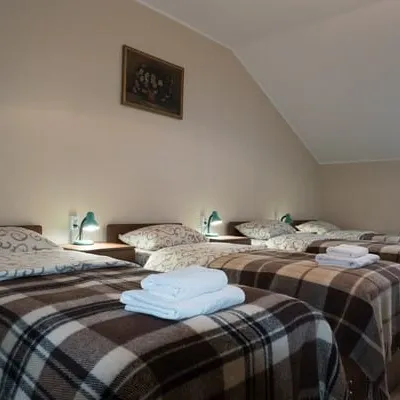 HostelSity HostelKolomyiaunder 1 km from Museum of the history of the city of KolomyiaParkingWi‑FiPetsNearby: Pysanka Museum in Kolomyia 100 mCity lake in Kolomyia 1.0 kmfrom 280 UAH per night
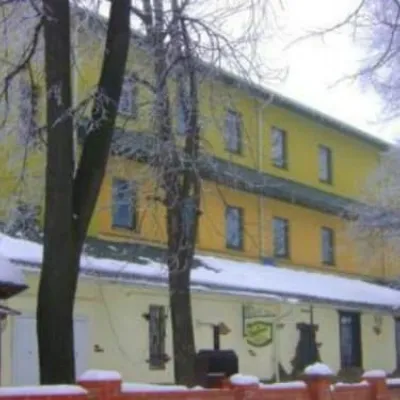 HotelKolomyiaKolomyiaunder 1 km from Museum of the history of the city of KolomyiaParkingWi‑FiPetsNearby: Pysanka Museum in Kolomyia 100 mCity lake in Kolomyia 1000 mfrom 1 050 UAH per night
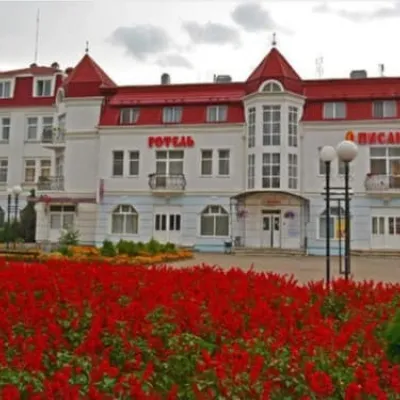 HotelPysankaKolomyiaunder 1 km from Museum of the history of the city of KolomyiaParkingWi‑FiNearby: Pysanka Museum in Kolomyia 100 mCity lake in Kolomyia 900 mfrom 850 UAH per night
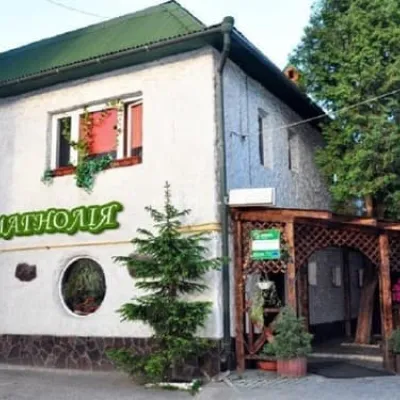 HotelMagnoliyaKolomyiaunder 1 km from Museum of the history of the city of KolomyiaSaunaParkingWi‑FiNearby: Pysanka Museum in Kolomyia 300 mCity lake in Kolomyia 700 mfrom 880 UAH per night
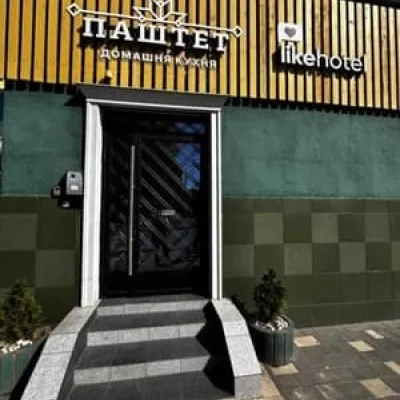 HotelLIKE HOTELKolomyiaunder 1 km from Museum of the history of the city of KolomyiaParkingWi‑FiPetsNearby: City lake in Kolomyia 500 mPysanka Museum in Kolomyia 600 mfrom 700 UAH per night
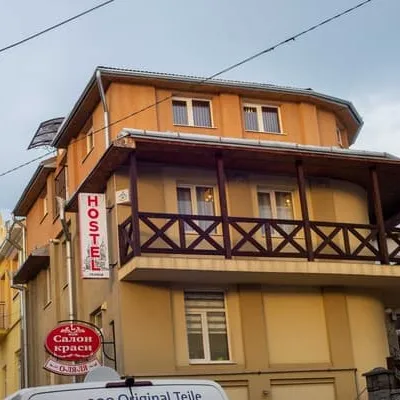 HostelHalitsiyaKolomyiaunder 1 km from Museum of the history of the city of KolomyiaParkingWi‑FiNearby: Pysanka Museum in Kolomyia 300 mCity lake in Kolomyia 1.2 kmfrom 440 UAH per night
Trails nearby
All trails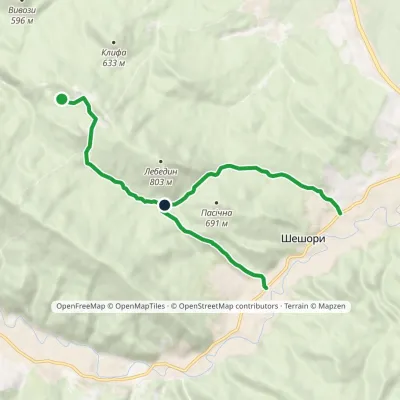 EasyOne-dayMarkedNature trail «To Lake Lebedyn»Elevation profile414–706 m9.2 kmascent 265 m≈ 3 h walking20 km from Museum of the history of the city of Kolomyia
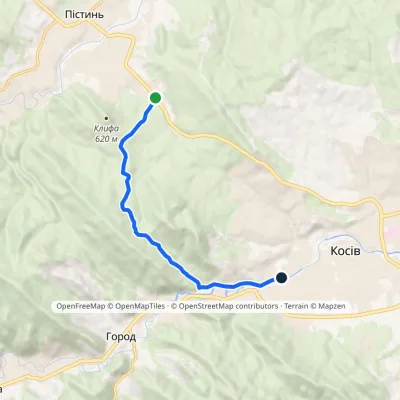 EasyOne-dayMarkedSt Nicholas Estate Huk Kosivskyi WaterfallElevation profile368–637 m6.9 kmascent 209 m≈ 2 h walking20 km from Museum of the history of the city of Kolomyia
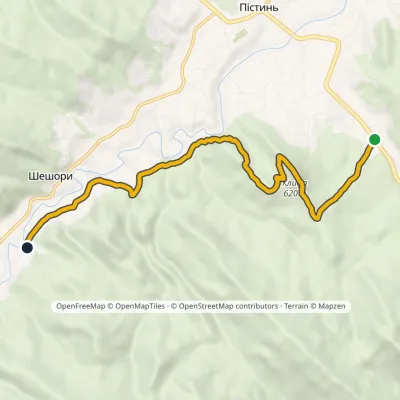 EasyOne-dayMarkedSt Nicholas Estate Malyi Huk Waterfall (Sheshory)Elevation profile407–620 m7.2 kmascent 241 m≈ 2.5 h walking20 km from Museum of the history of the city of Kolomyia
Nearby attractions
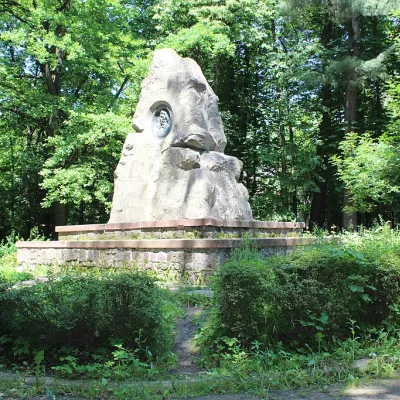 NatureCity Park of Culture and Recreation named after Kyrylo Tryliovskyi, KolomyiaKolomyiaunder 1 km from Museum of the history of the city of KolomyiaThe Park (Kyrylo Trillivskyi Park) is a park-monument of landscape art of local importance in Ukraine.
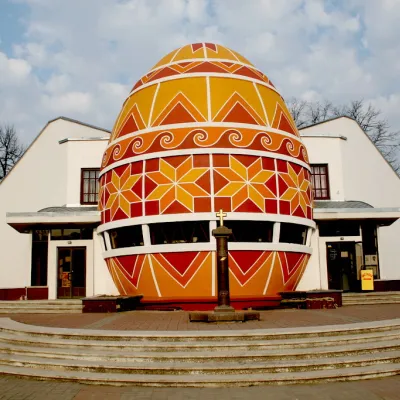 MuseumPysanka Museum in KolomyiaKolomyiaunder 1 km from Museum of the history of the city of KolomyiaThe collection of Easter eggs in the Kolomyia Museum of Hutsul Folk Art has been formed for many decades, and gradually the idea to create a separate department - the...
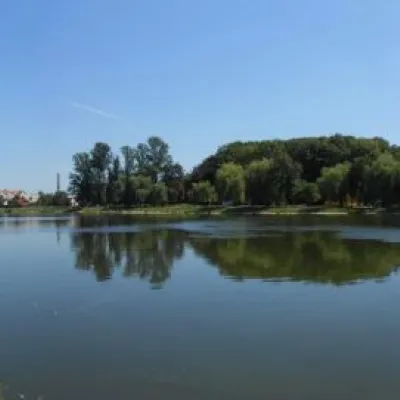 LakeCity lake in KolomyiaKolomyiaunder 1 km from Museum of the history of the city of KolomyiaAfter touring the city, it's a good idea to relax and unwind by the water. The city lake is a good place for this.
Craft nearby
All craft places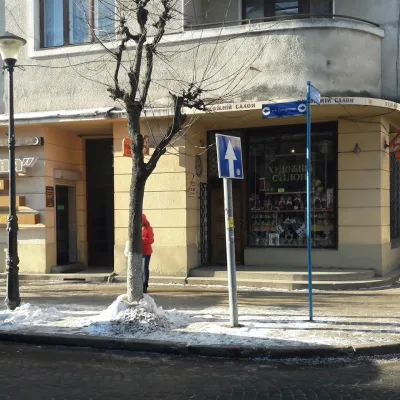 Craft shopsSkrynia antique and souvenir shop, KolomyiaKolomyiaunder 1 km from Museum of the history of the city of KolomyiaSkrynia (“The Chest”) is an antique and souvenir shop in the historic centre of Kolomyia, at 23 Teatralna Street.
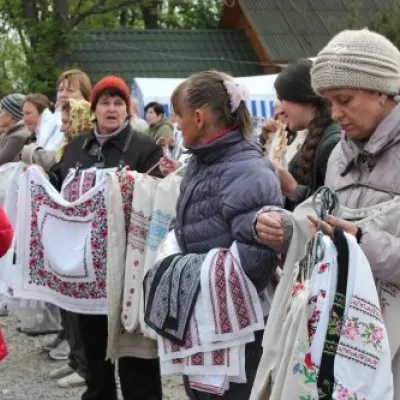 Markets & fairsKolomyia embroidery marketKolomyia1.8 km from Museum of the history of the city of KolomyiaIt is one of the most unique and inimitable night markets in Ukraine andthe largest in Prykarpattia. The night market of embroidered shirts in Kolomyia is incomparable...
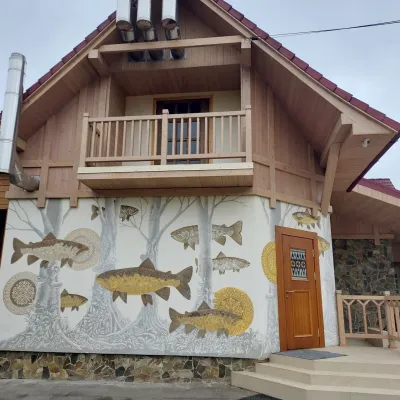 Koliby & Hutsul cuisineArkan Restaurant, SheshorySheshory22 km from Museum of the history of the city of KolomyiaThe Arkan restaurant in Sheshory is one of the best-known places for Hutsul food in the Kosiv area. It sits right in the centre of the village on a ledge above the...
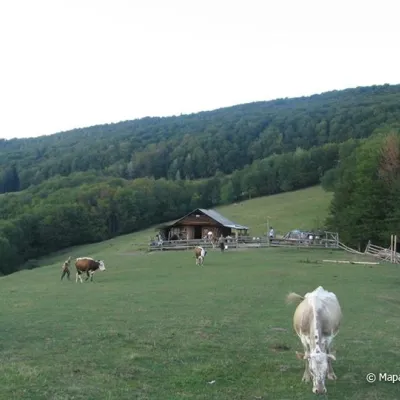 Mountain meadowPolonyna Rosokhata (Sheshory)Sheshoryaltitude 674 m23 km from Museum of the history of the city of KolomyiaWhy is the meadow called "Rosokhata"? The two parts of the field that form the branches look like dewdrops.
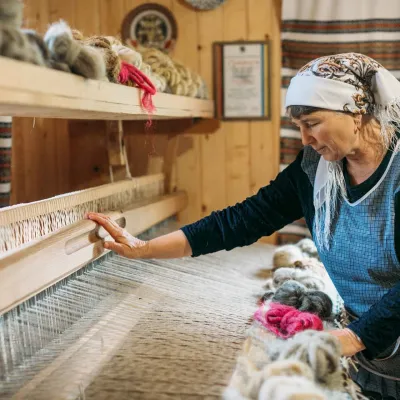 Crafts & workshopsLizhnyk Weaving Masterclass, KosivKosiv23 km from Museum of the history of the city of KolomyiaA lizhnyk of your own: what the masterclass is The Kosiv area is one of the main centres of Hutsul lizhnyk weaving, and the best way to understand the craft is to sit...
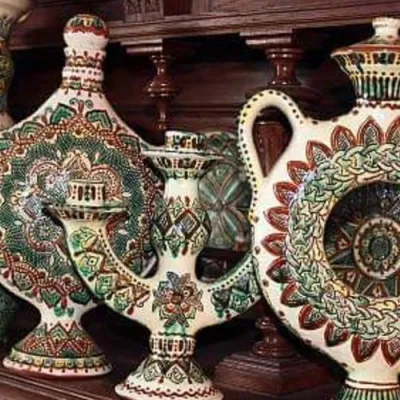 Crafts & workshopsKosiv Painted Ceramics Masterclass, KosivKosiv23 km from Museum of the history of the city of KolomyiaYellow deer, green birds, riders and flowers on a warm white background — Kosiv painted ceramics are recognisable at a glance.
