Dudince spa: carbon dioxide–sulphur water and the Roman Baths
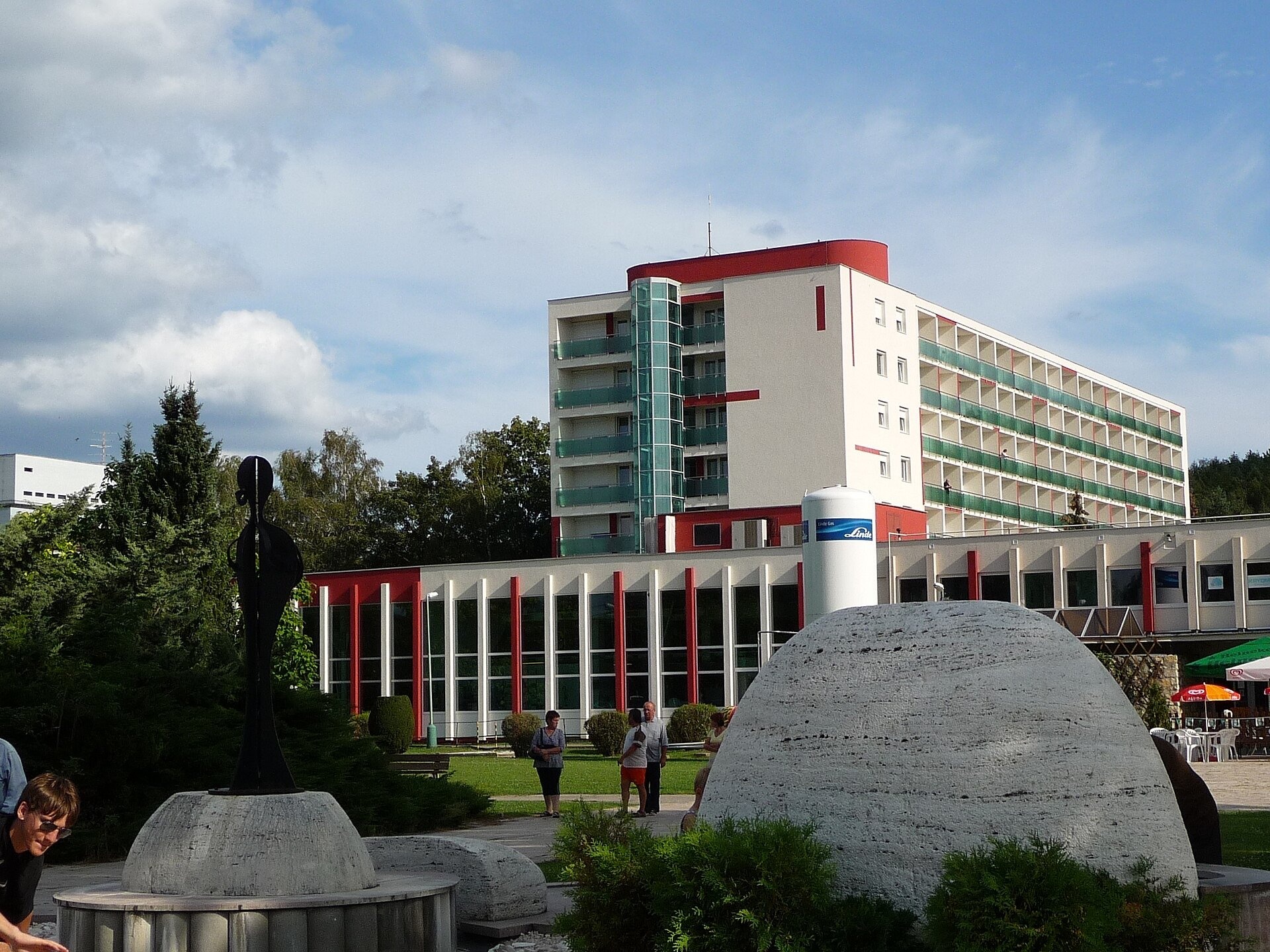
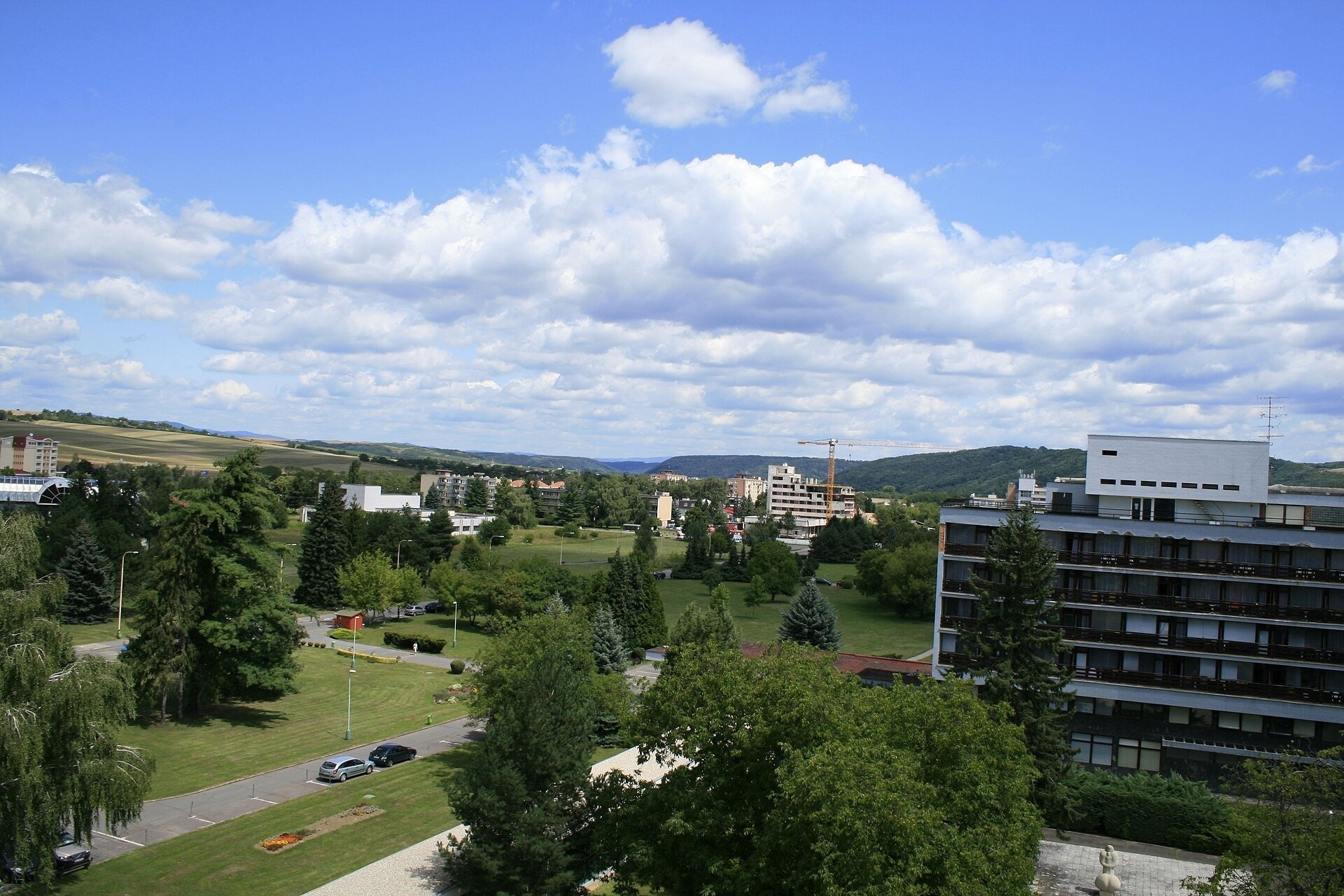
Dudince is the smallest town in Slovakia (about 1,400 inhabitants) and the southernmost Slovak spa. It lies at 144 m in the valley of the Štiavnica stream, where the Štiavnica Mountains, the Krupina Plateau and the Danube Lowland meet, about 15 km north of Šahy. The spa boasts the most sunny days of any Slovak spa, and its main treasure is warm mineral water that combines carbon dioxide with hydrogen sulphide. This combination is rare, and it is what allows the heart and blood vessels, the joints and the nerves to be treated in a single course. The village is first mentioned in 1284, the hot springs in 1551, and Dudince became an official spa in 1983. The spa is run by the joint-stock company Kúpele Dudince, a.s., which operates three treatment houses: Rubín, Smaragd and Minerál.
Mineral waters and natural resources
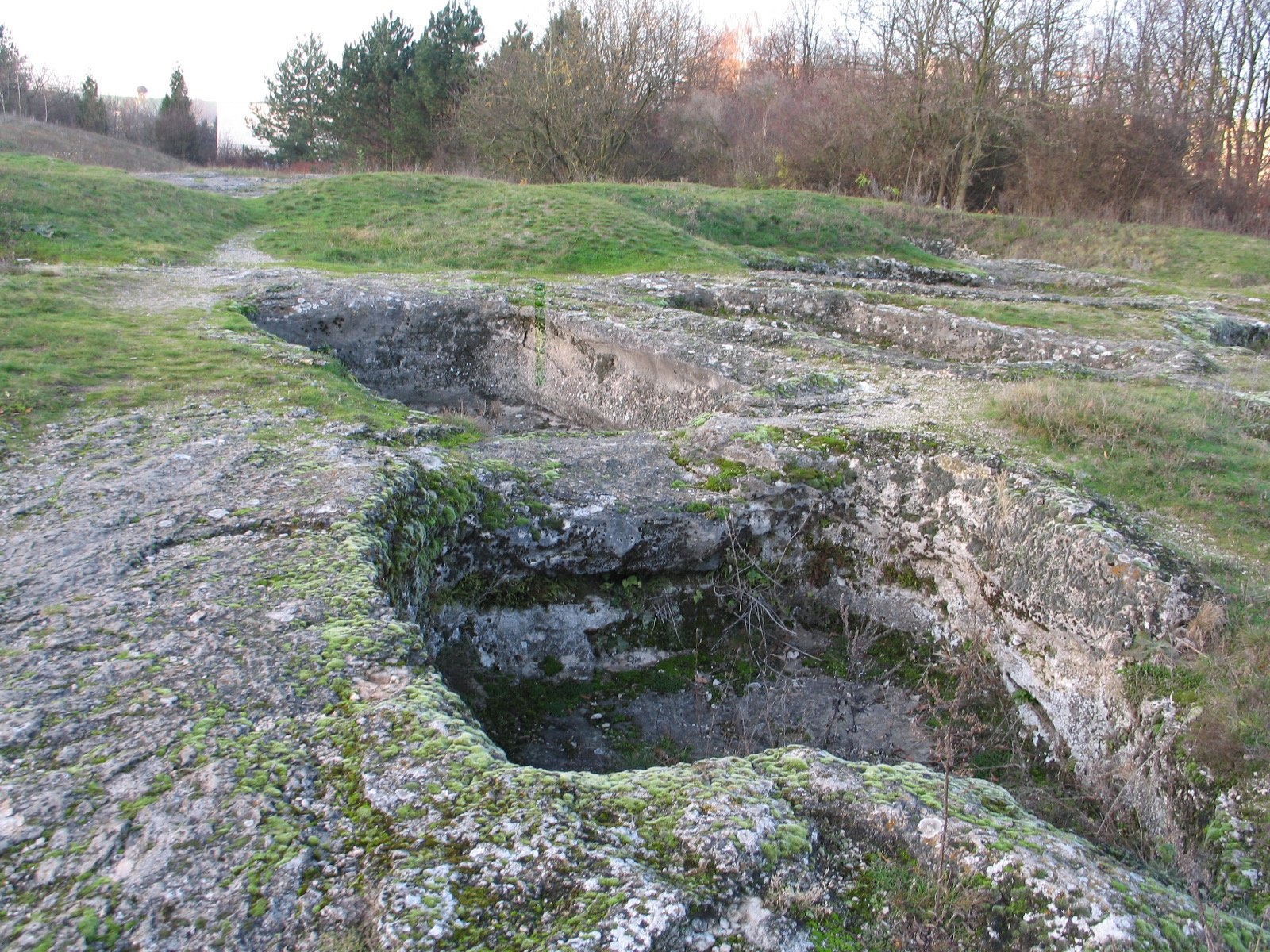
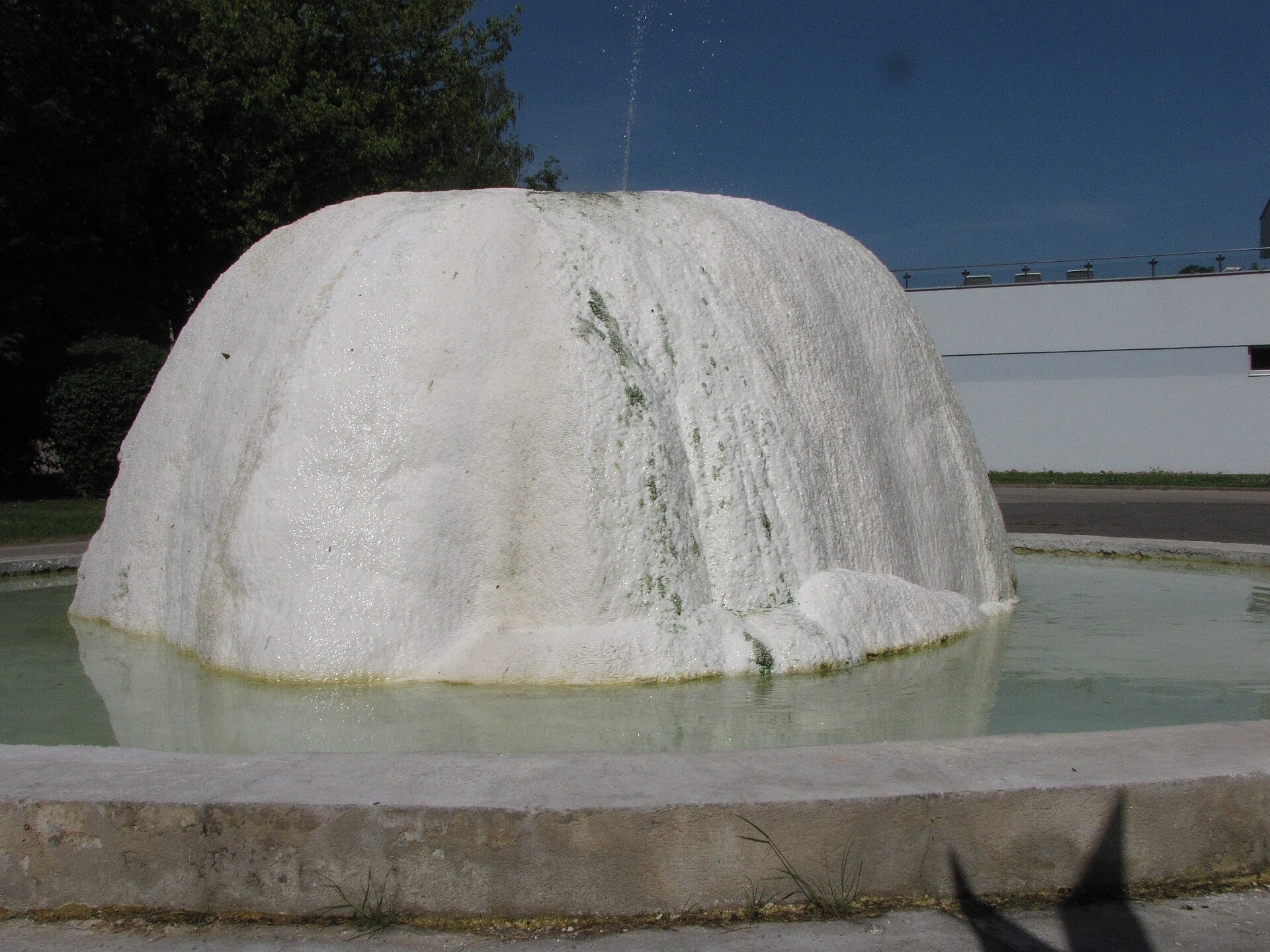
Dudince water is a natural, highly mineralised healing water – carbonated, sulphidic, bicarbonate-chloride and sodium-calcium, slightly acidic. It emerges at about 27 °C with almost 5.5 g of minerals per litre; it is rich in carbon dioxide (1,350 mg/l), contains hydrogen sulphide and has raised levels of fluoride, lithium and boron. The water has been reaching the surface for thousands of years and depositing limestone: the spa park has natural travertine mounds of the Kúpeľný, Hostečný, Tatársky, Očný and Šípková Ruženka springs, each with an information board. The most interesting spot is the Roman Baths (Rímske kúpele, Močidlá): some 32 small pools carved into travertine, through which the water once cascaded from one to the next. Legend says the lower pools served soldiers and the upper ones their commanders; later hemp was retted in them. The water blackens silver, so take off jewellery before bathing.
What is treated
The spa treats adults (18+) in four groups of indications: cardiovascular diseases (high blood pressure, coronary heart disease, the state after a heart attack, vascular disease), nervous system disorders (nerve pain, polyneuropathy, after-effects of stroke), musculoskeletal disorders (joints, spine, arthritis) and occupational diseases. Carbon dioxide dilates the skin vessels and helps lower blood pressure, while sulphur absorbed from the water acts on connective tissue and reduces pain. The core of treatment is mineral baths in individual tubs and in a sitting mineral pool, followed by a dry wrap. They are complemented by underwater massage, pearl baths, the Biovak dry carbon-dioxide bath, peat wraps, magnetotherapy, laser, local cryotherapy, inhalations and therapeutic massage – almost 70 procedures in all. Treatment is prescribed by a doctor; some procedures can also be booked without a stay according to the 2026 price list.
Pools and wellness
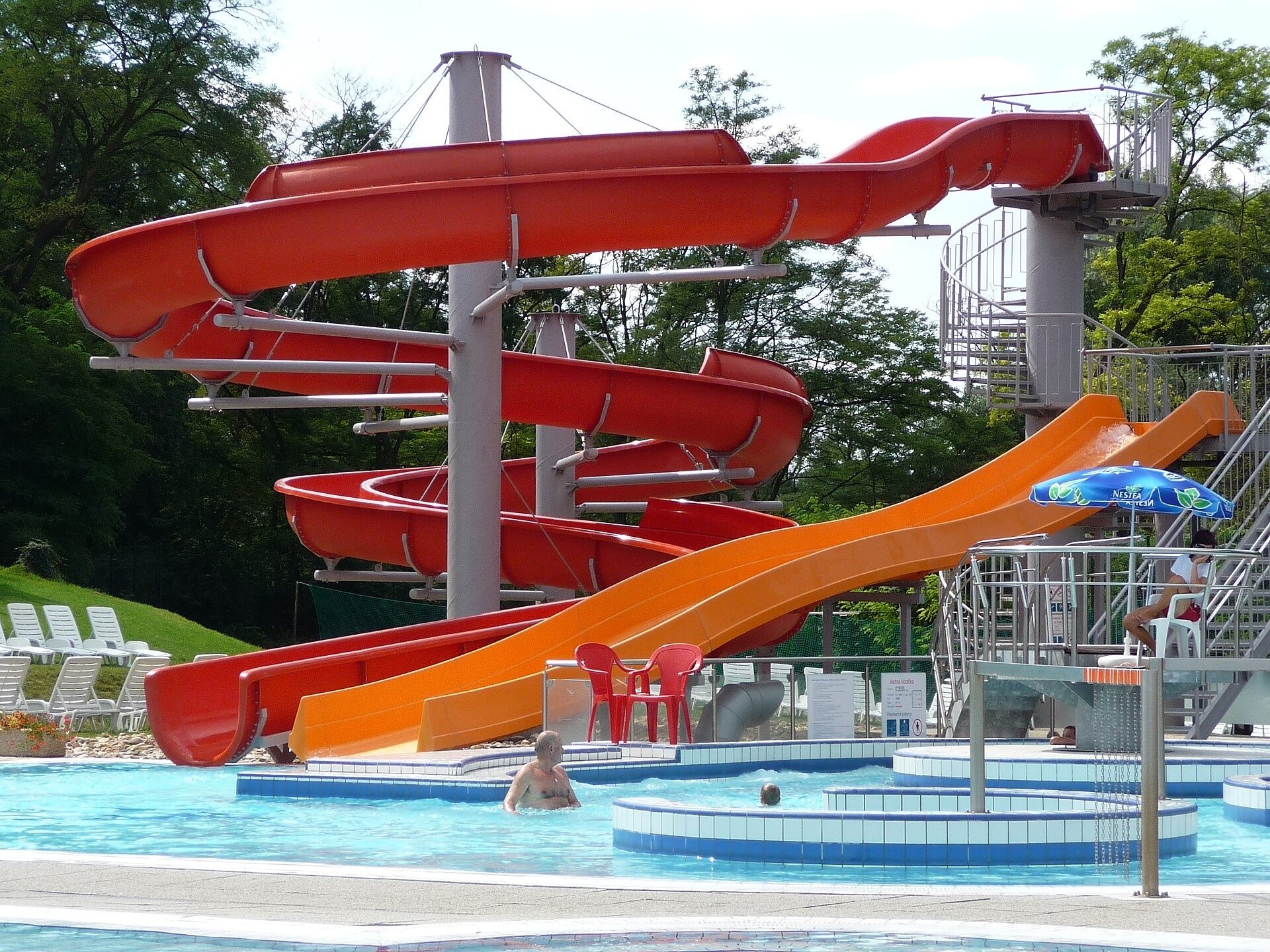
The mineral pool in the Rubín treatment house (8.4 × 7 m, 1.1 m deep, 34 °C) is a sitting pool: you do not swim in it but sit quietly for up to 30 minutes. Out of season it opens to the public on Sunday afternoons, for adults over 18 only. On the same floor is the Wellnea Vital World – a whirlpool at about 32 °C, dry and steam saunas, an infrared sauna and a tepidarium with salt walls; visitors who are not staying can come from Monday to Thursday in the afternoon and evening, and the saunas are for over-15s. In summer, from June to mid-September, the Dudinka swimming area is open, named after a fairy from a local legend: a 25-metre pool (26–28 °C), a pool with attractions and slides, a children's pool (30 °C) and a sitting mineral pool with Dudince water (33–34 °C, from 15 years, for a supplement). In 2026 it closed on 16 September and will reopen in summer 2027.
Practical information
Dudince is on road I/66 (E77) between Zvolen and Šahy, and the Zvolen–Čata railway runs through the town. Free parking is about 150 m from the swimming area, and the treatment houses are 300 m from it. Two or three hours are enough for the mineral pool and the sauna; with a walk through the park to the travertine springs and the Roman Baths, allow half a day. Entry to the Rubín pool is via the Wellnea reception on the first floor (block G). Opening hours and prices are summarised in the "At a glance" box.
Nearby: trails, a pool, mountains
The Dudince – Mladá Hora trail starts right by the spa park and leads among the vineyards of the Krupina Plateau. In summer you can also head to the Margita-Ilona thermal swimming area near Levice, and north of Dudince rise the Štiavnica Mountains with their mining reservoirs, such as Počúvadlo — historic mining lake below Sitno.
Official website: kupeledudince.sk
Photos: Peter Zelizňák, CC BY-SA 3.0, Wikimedia Commons; RG68, CC BY 3.0, Wikimedia Commons; Szalay3, CC BY-SA 3.0, Wikimedia Commons.
Getting there from Ukraine
Border crossings
- Uzhhorod – Vyšné Nemecké — road, 24/7
- Malyi Bereznyi – Ubľa — road, 24/7 For cars and buses; pedestrians not confirmed by the Ukrainian border service, lorries up to 3.5 t.
- Mali Selmentsi – Veľké Slemence (pedestrian) — pedestrian, 09:00–21:00 Kyiv time Pedestrians and cyclists only; inconvenient for the Tatras without onward transport.
- Chop – Čierna nad Tisou (rail) — rail, 24/7
By car
From Uzhhorod to Brezno ≈274 km, ≈3 h 50 min without queues: Uzhhorod – Vyšné Nemecké → I/19 to Košice → D1 via Prešov and Poprad to the exit near Liptovský Hrádok → I/18 and I/72 over the Čertovica Pass to Brezno. To Banská Bystrica ≈322 km, ≈4 h 30 min: D1 to Ružomberok, then I/59 via Donovaly. From Lviv: to Brezno via Uzhok and Ubľa ≈498 km (≈7 h 45 min) or through Poland ≈554 km (≈7 h 05 min); to Banská Bystrica through Poland (Kraków – Chyżne – Trstená – Dolný Kubín – Ružomberok) ≈535 km, ≈7 h 15 min. The D1 requires an e-vignette (eznamka.sk).
Checked 23.10.2026; border crossing hours and timetables change — check before you travel.
Location on the map
Comments
Trails nearby
All trails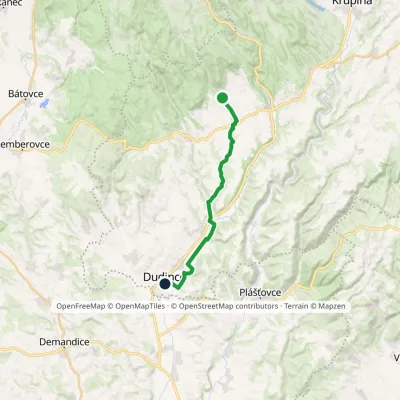 ModerateOne-dayMarkedDudince Mladá HoraElevation profile140–272 m19.1 kmascent 84 m≈ 5 h walkingunder 1 km from Dudince spa: carbon dioxide–sulphur water and the Roman Baths
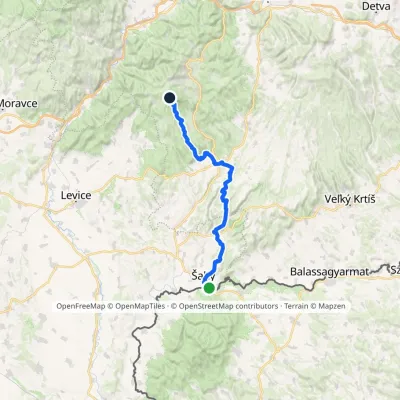 HardMulti-dayMarkedPočúvadlianske Lake Šahy, state borderElevation profile125–707 m60 kmascent 1 303 m7.3 km from Dudince spa: carbon dioxide–sulphur water and the Roman Baths
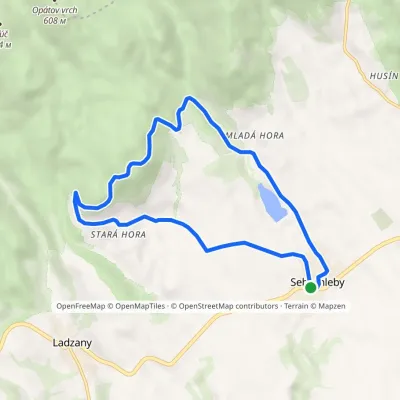 EasyOne-dayMarkedSebechleby loopElevation profile226–453 m11.6 kmascent 240 m≈ 3.5 h walking13 km from Dudince spa: carbon dioxide–sulphur water and the Roman Baths
Nearby attractions
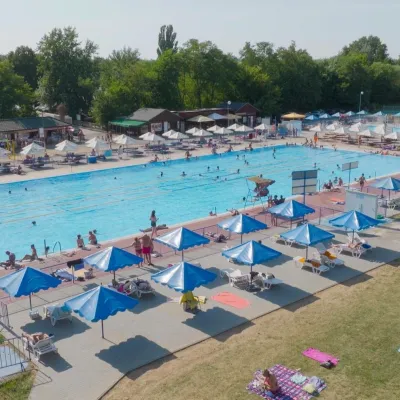 Water parks & thermal poolsMargita-Ilona thermal swimming area near LeviceLevice16 km from Dudince spa: carbon dioxide–sulphur water and the Roman BathsMargita-Ilona is a summer swimming area with thermal water 6 km from the town of Levice towards Šahy, in the Kalinčiakovo part of the town.
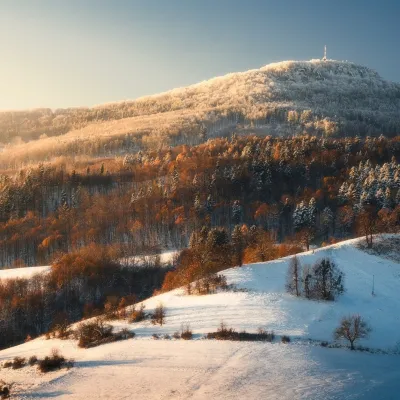 PeakSitnoIlijaaltitude 1 009 m26 km from Dudince spa: carbon dioxide–sulphur water and the Roman Baths1 trail to the topSitno (Hungarian Szitnya) is the highest peak of the Štiavnica Mountains at 1,009 m, close to the historic mining town of Banská Štiavnica in central Slovakia.
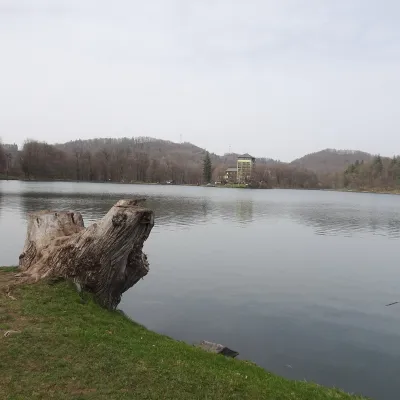 LakePočúvadlo — historic mining lake below SitnoBanská Štiavnica27 km from Dudince spa: carbon dioxide–sulphur water and the Roman BathsPočúvadlo (Počúvadlianske jazero) is the largest of the Štiavnica tajchs — historic artificial ponds built by the miners of Banská Štiavnica to drive the machinery of...
Craft nearby
All craft places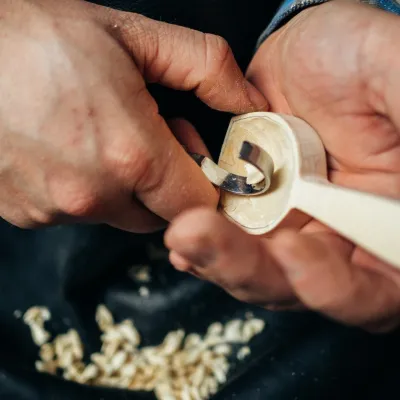 Crafts & workshopsDo dielne, Počúvadlo: woodcarving courses near Banská ŠtiavnicaPočúvadlo23 km from Dudince spa: carbon dioxide–sulphur water and the Roman BathsHere, in the quiet among the hills, works the small workshop Do dielne (“To the workshop”). Its owner Dušan Budinský ran a hairdresser’s in Bratislava for eight years,...
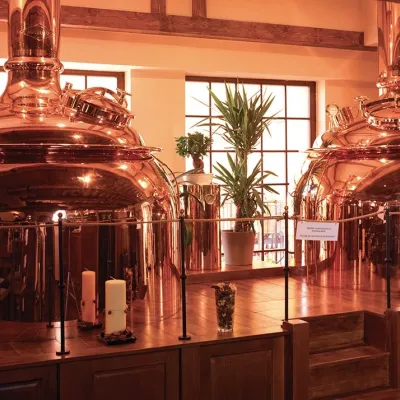 Craft beer & breweriesERB brewery in Banská Štiavnica: brewery tour and tastingBanská Štiavnica32 km from Dudince spa: carbon dioxide–sulphur water and the Roman BathsBanská Štiavnica is an old mining town in the caldera of an extinct volcano and a UNESCO World Heritage site.
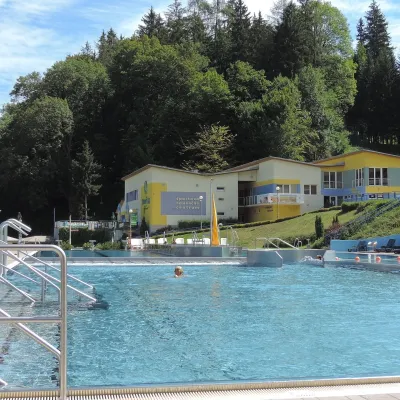 Water parks & thermal poolsVodný raj thermal pools in VyhneVyhne38 km from Dudince spa: carbon dioxide–sulphur water and the Roman BathsVodný raj Vyhne ("Water Paradise") is a public pool complex with thermal water in the village of Vyhne, in a quiet wooded valley of the Štiavnické vrchy hills near the...
