Church of St. Stanislav, Sambir
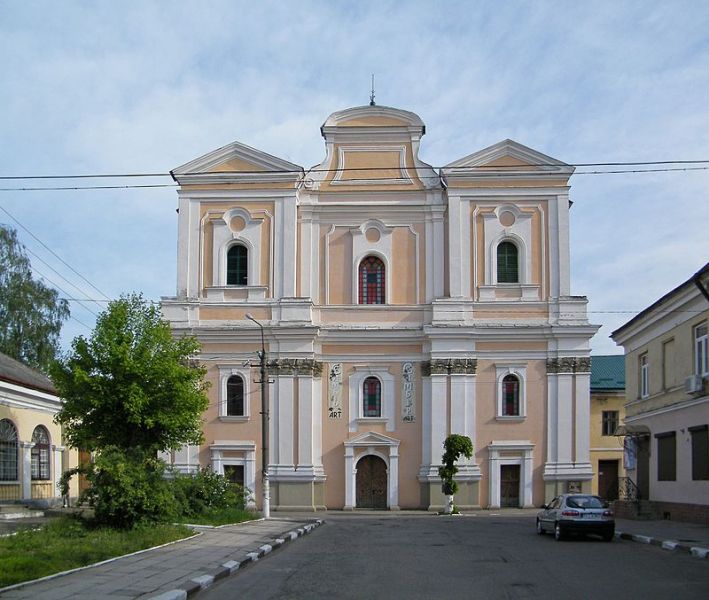
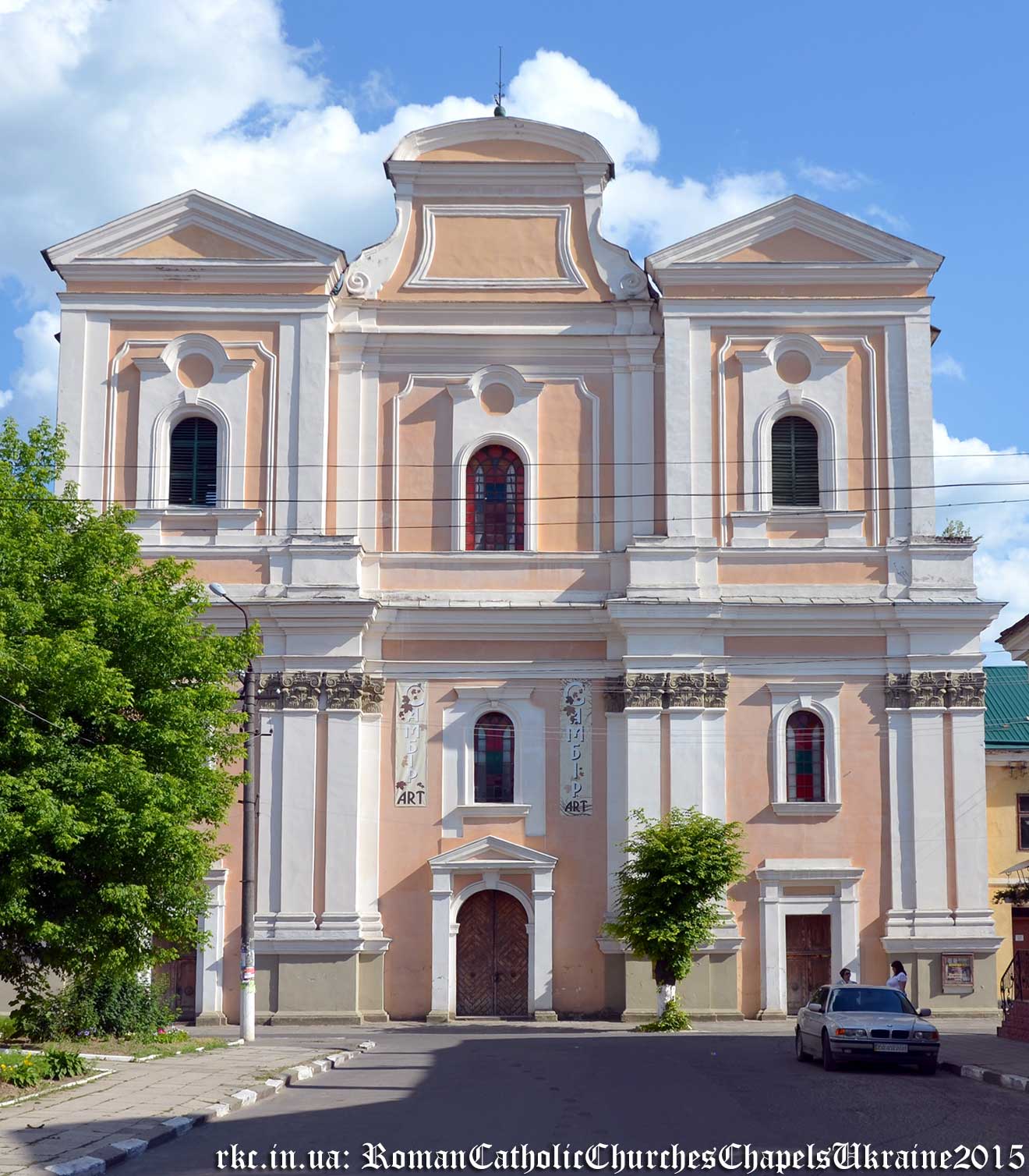
The town of Sambir is located 75 km from Lviv and is interesting for its churches. There is the Church of St. Stanislav, which was part of the Jesuit monastery complex. It was built until the middle of the 18th century. The authors of the project are the architects Delamaris and Hyzhytskyi.
St. Stanislav's Church and Bernardine Mon astery is a religious building and monastery in Ukraine. The foundation of the complex dates back to 1698. The monastery includes the Church of St. Stanislav, a bell tower, and monastic cells. The Bernardine Monastery was built in 1471-1476. These buildings have not survived to this day. Construction of the stone monastery began in 1698.
The three-nave Basilican church has Baroque features. Nearby is a building of a later construction, it was a Jesuit college. Later, when the Jesuit order was liquidated, the monastery was taken over by the Bernardines.
Initially, a cemetery was laid out (on the site where the juvenile labor colony is now located). A chapel was built in the center of the cemetery. It was used for worship until 1474, when the Church of the Assumption of the Blessed Virgin Mary was built.
In 1498 the monastery was burned by the Tatars. In 1514, the Bernardines began construction of a stone defensive shrine. The monastery was surrounded by strong and high walls made of brick and stone. On the western side of the monastery was a gate, and on the southern side was a quadrangular tower with a gate.
Emperor Joseph II abolished the Bernardine Order on February 5, 1786, and all property became state property. The buildings housed the county government, then the county police, and a gymnasium. In 1905, however, all the monastery buildings were demolished, and construction began on the county court and prison.
The monastery existed in the new premises until 1939. In 1987, the church was restored and adapted into a concert hall for organ music. The building is unique for its acoustic qualities. The echo lasts 6.5 seconds. After the abolition of the Jesuit order, the authorities transferred the college and the former Jesuit church to the Bernardines in 1847.
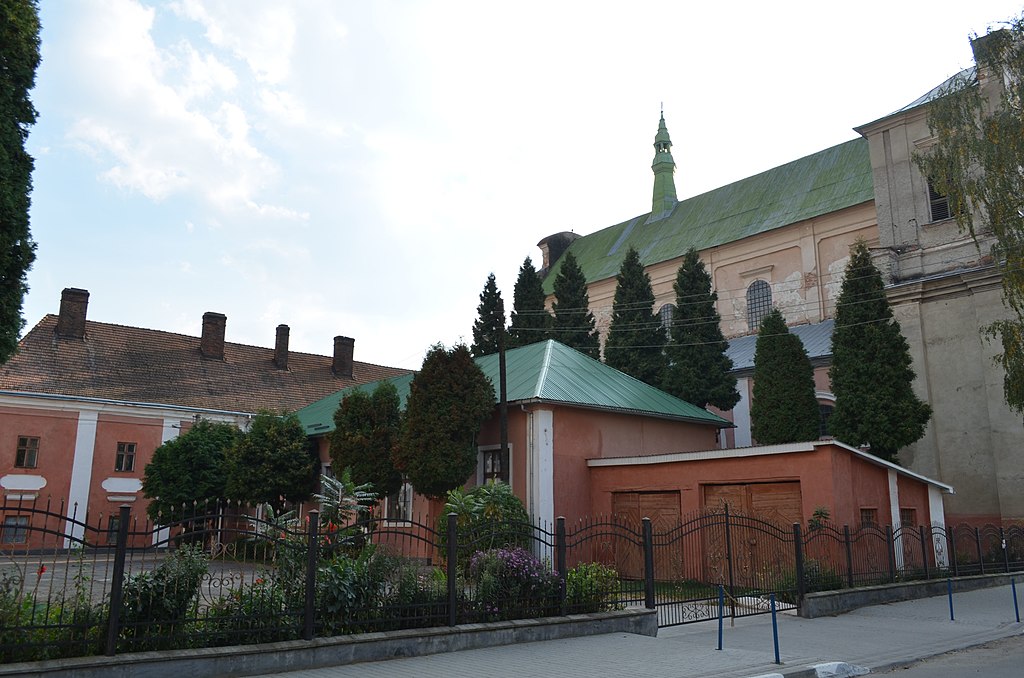
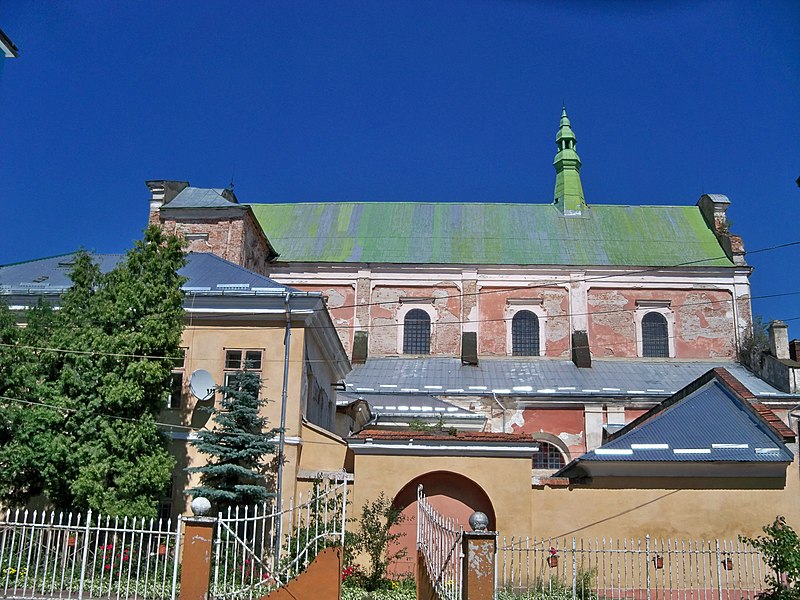
The church is a baroque, rectangular, three-nave, basilica-type building. The main façade has low two-tiered towers crowned with triangular pediments. The church is made of brick, consists of a rectangular nave with 4 arches and a narrower presbytery with three arches.
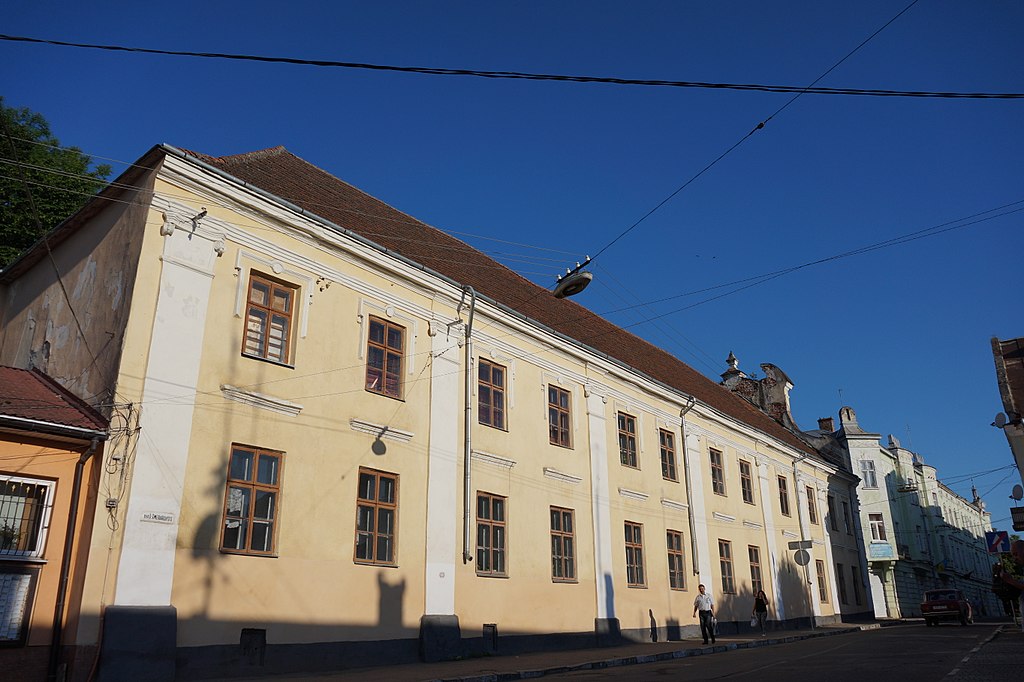
A two-story cell building adjoins the southern façade of the church. The building is made of stone and has a corridor system with cross vaults on the ground floor. The southwestern corner of the monastery building includes a three-tiered, square bell tower under a hipped roof.
The pride of the church is the Czech organ, created by the craftsmen of the Czech-Austrian company Gebruder Rieger in 1935. After restoration, its majestic sound delights visitors. Now the former church houses an organ hall. Organ music lovers note the excellent acoustics of the building. Concerts are usually held on Saturdays.
The cell building houses the Sambir School of Culture.
The Church of the Nativity of the Blessed Virgin Mary, where the relics of St. Valentine are kept, is the most visited by tourists.
Video 3
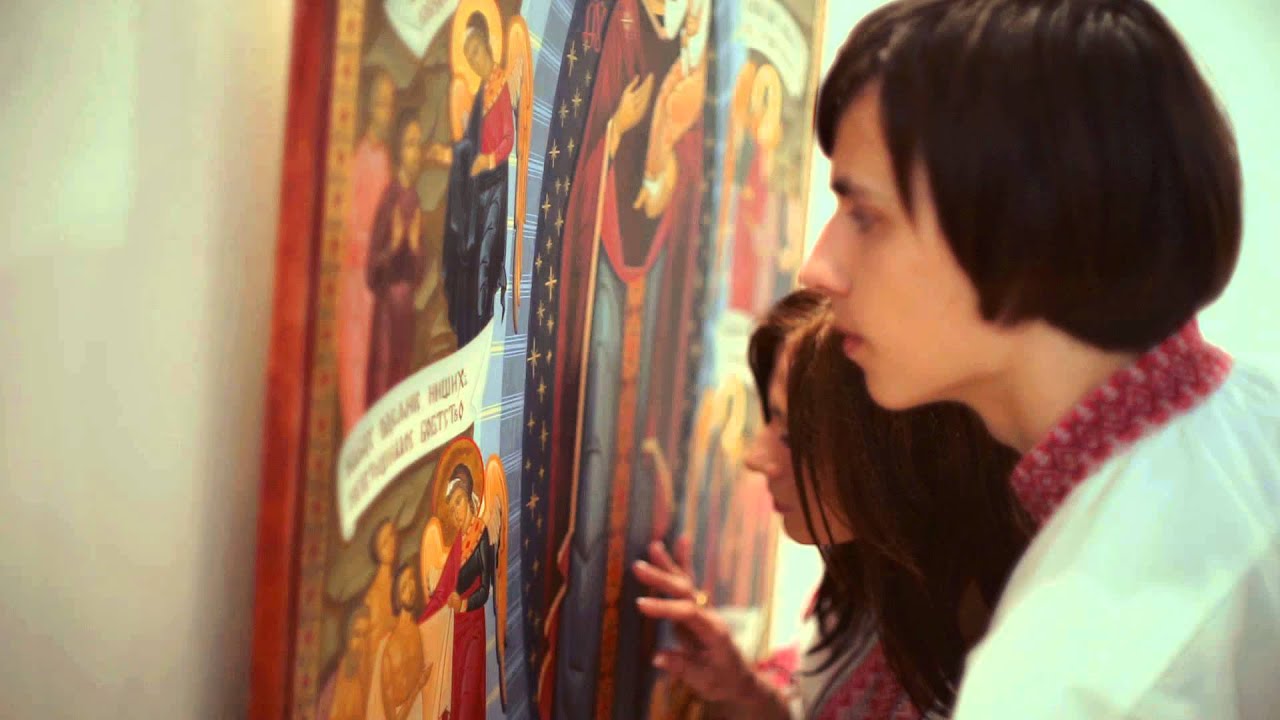 Самбір - місто емоцій. Офіційне відео.Sambir Turizm


Location on the map
Comments
Trails nearby
All trails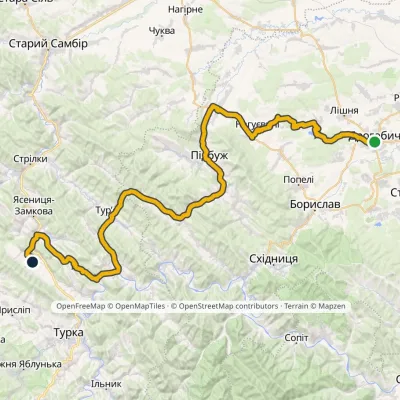 HardMulti-dayMarkedNo. 502-1 Drohobych RozluchElevation profile292–733 m78.1 kmascent 921 m15 km from Church of St. Stanislav, Sambir
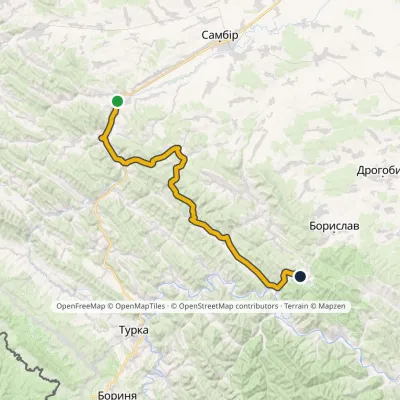 HardMulti-dayMarkedNo. 503-1 Staryi Sambir SkhidnytsiaElevation profile340–826 m57 kmascent 1 054 m16 km from Church of St. Stanislav, Sambir
 EasyOne-dayMarkedSprynia Tower of Memoryvia ChapelElevation profile455–826 m6.1 kmascent 407 m≈ 2.5 h walking18 km from Church of St. Stanislav, Sambir
Nearby attractions
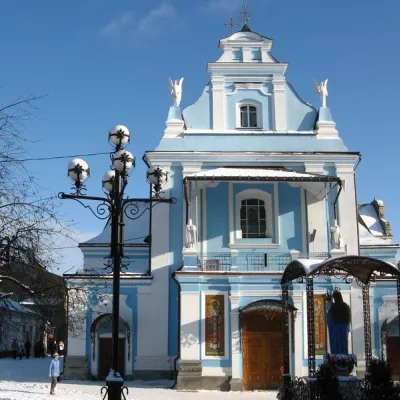 ChurchChurch of the Nativity of the Blessed Virgin Mary, SambirSambirunder 1 km from Church of St. Stanislav, SambirIf you are looking for your soul mate or want to cement your relationship with a loved one, visit the Church of the Nativity of the Blessed Virgin Mary in Sambir.
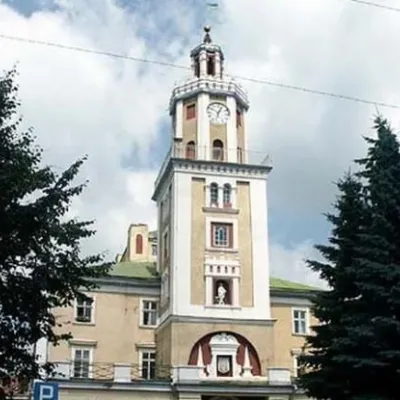 Historic siteSambir Town Hall (City Council)Sambirunder 1 km from Church of St. Stanislav, SambirAnyone who has ever visited Sambir (Lviv region) has definitely been to the local Market Square. The town hall is located here, which, by the way, has a long and...
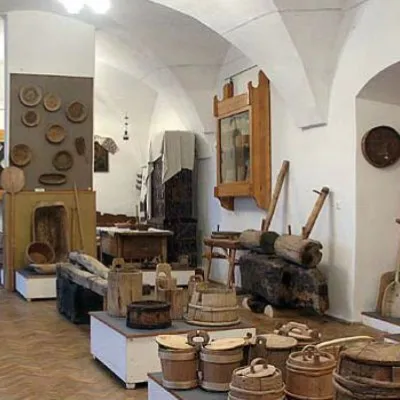 MuseumHistorical and Ethnographic Museum "Boykivshchyna"Sambirunder 1 km from Church of St. Stanislav, SambirThe society included such figures as Ivan Fylypchak (educator, writer), Volodymyr Hurkevych (lawyer, public figure), Volodymyr Kobilnyk (doctor, ethnographer,...
Craft nearby
All craft places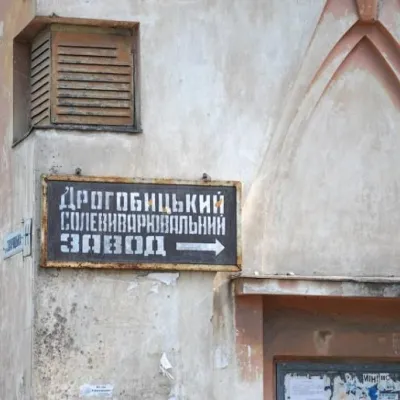 Craft producersDrohobych Salt Works, DrohobychDrohobych29 km from Church of St. Stanislav, SambirDrohobych Salt Production Plant (State Enterprise "Drohobych Salt Production Plant", Drohobych salt works, Drohobych salt mine) is the oldest currently operating salt...
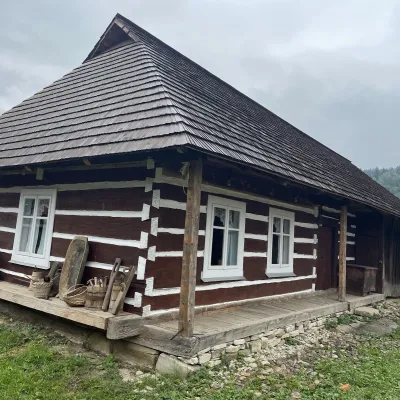 Ethno parks & homesteadsNanashkova Khata Ethno-Homestead, Lopushanka-KhomynaStrilky29 km from Church of St. Stanislav, SambirNanashkova Khata ethno-homestead is a restored Boyko house built in 1930 in the village of Lopushanka-Khomyna, Sambir district, in a quiet mountain valley of the Lviv...
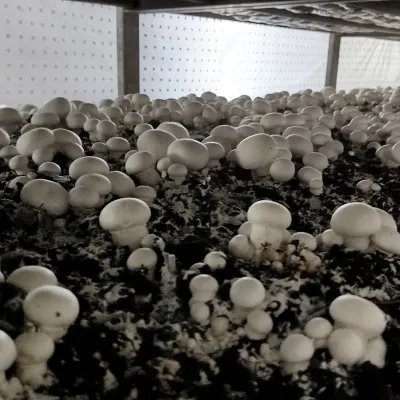 Eco farmsBorovyk Mushroom Farm (Champiland), BoryslavBoryslav29 km from Church of St. Stanislav, SambirBorovyk is a family mushroom farm in Boryslav, a few kilometres from the spa towns of Truskavets and Skhidnytsia.
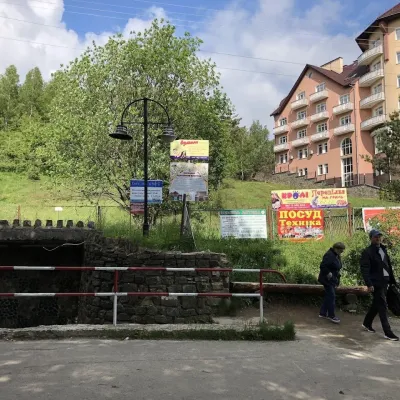 Theme parksMineral Spring No. 1-S (Naftusya), SkhidnytsiaSkhidnytsia33 km from Church of St. Stanislav, SambirSpring No. 1-S is one of the most popular mineral springs in Skhidnytsia, the mountain spa near Drohobych often called Truskavets’ younger sibling.
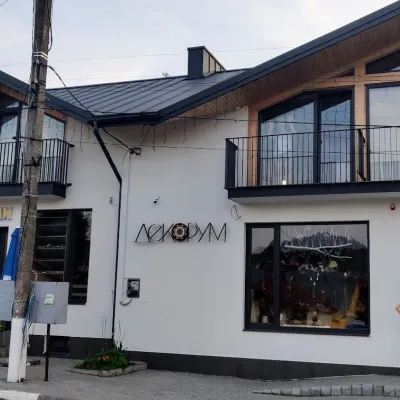 Craft shopsDecorum Art Shop, SkhidnytsiaSkhidnytsia34 km from Church of St. Stanislav, SambirDecorum is a small art shop in the very heart of Skhidnytsia, on Zolota Bania Street close to the central pump rooms and the resort's promenade.
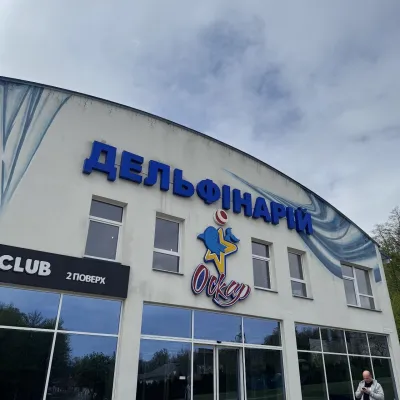 Wildlife parks & animal farmsOskar Dolphinarium, TruskavetsTruskavets34 km from Church of St. Stanislav, SambirOskar Dolphinarium is an entertainment and wellness complex in Truskavets at 18 Horodyshche Street, opened on 31 October 2015.
