Medovukha (mead)
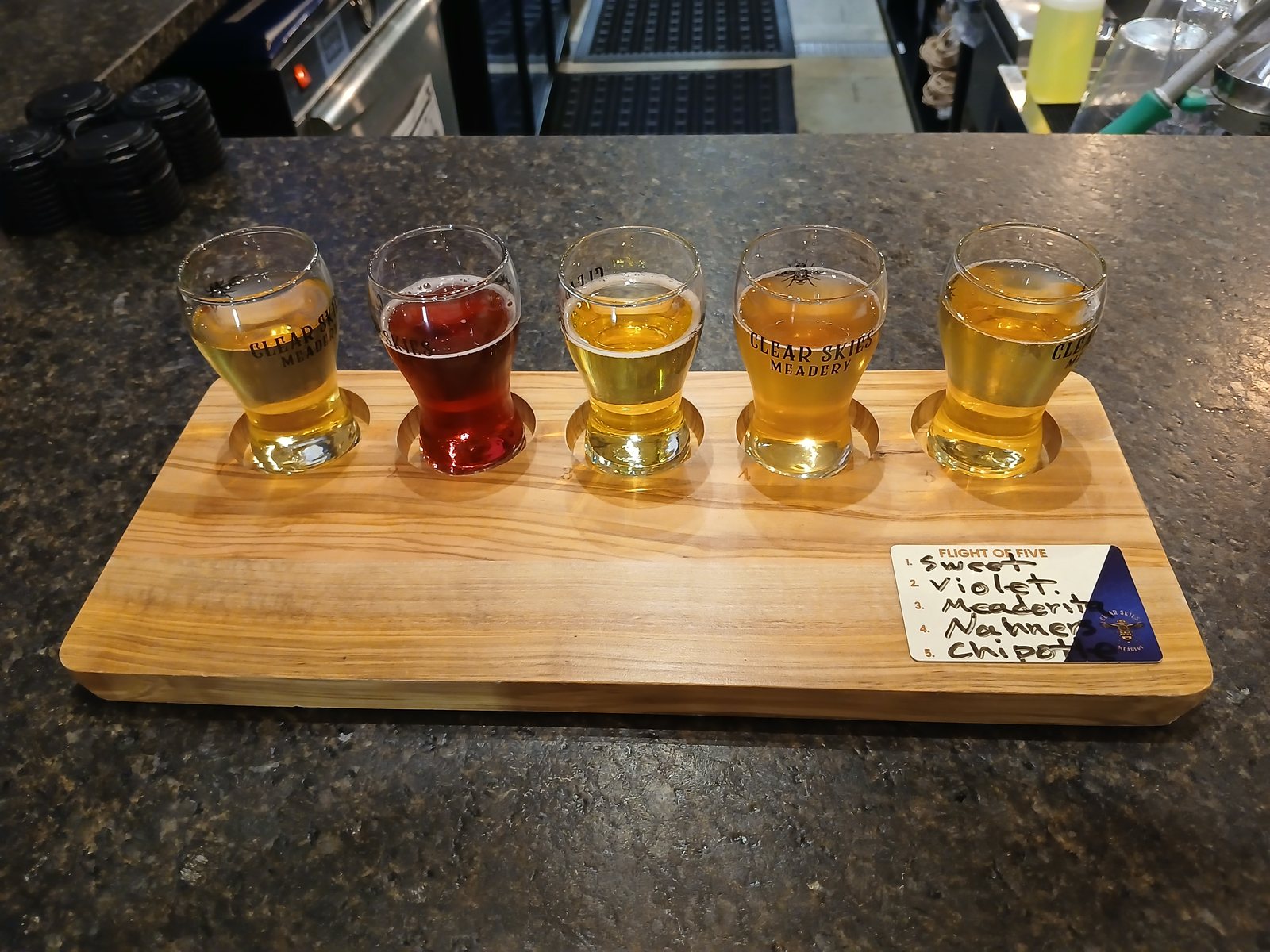
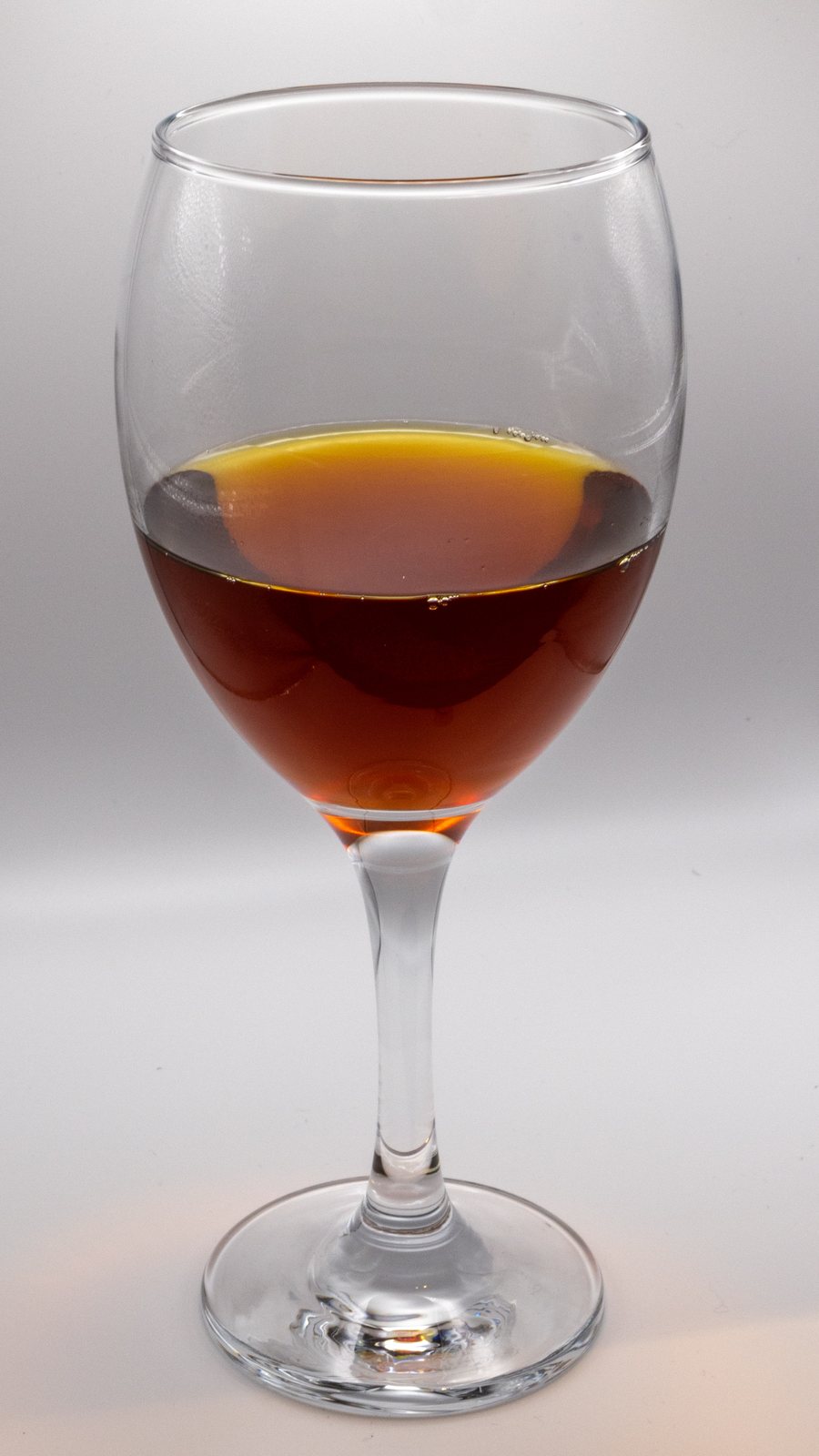
This dish is often served to tourists as «Hutsul» or «Carpathian», but the traditional mountain cuisine does not record it. We tell honestly what it is and where it comes from.
18+Excessive alcohol consumption is harmful to your health
Strong spirits are part of the tradition, so we tell their history, not how to make them. Adults only (18+).
What it is
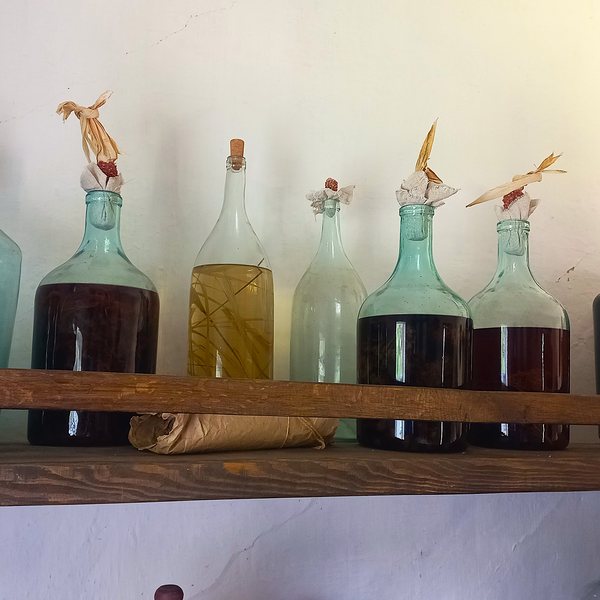
Medovukha, or drinking honey, is a low-alcohol beverage obtained by fermenting bee honey with water; sometimes berries, fruits, or spices are added. The Ukrainian Wikipedia states that drinking honey is one of the oldest fermented drinks in Central and Northern Europe; it has been known in Ukraine since the times of Kyivan Rus.
Honestly about the Carpathians: in ethnographic descriptions of Hutsul, Boyko, and Lemko cuisine, medovukha is not considered a prominent daily or ritual drink. Honey was eaten in the mountains, added to kutya and uzvar, and it is recorded that Boykos had a different custom — they loved to drink vodka hot, with honey and butter. This is not drinking honey, but a separate tradition.
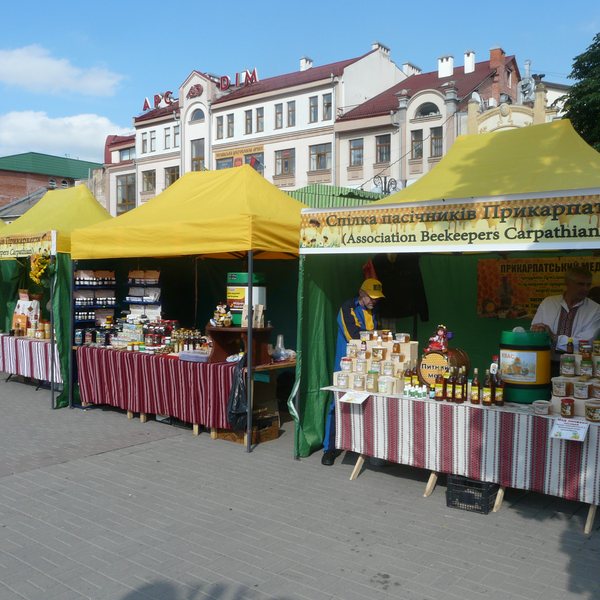
Today, medovukha is primarily tasted by tourists in the Carpathians: at the meadery in Vyhoda in the Kalush region, where they talk about beekeeping and mead-making, and in honey tasting halls in Transcarpathia. As early as 2010, ZAXID.NET reported on the Mukachevo 'Honey House' — an attraction of the 'Honey Route of Transcarpathia', where medovukha was offered for tasting. Therefore, we mark it as a tourist product, not an ancient mountain tradition.
We only discuss the name, history, and cultural context: without recipes, purchasing advice, and calls for consumption. Content is for adults only.
History and name
The words 'honey', 'medovukha', and the English 'mead' come from a common ancient Indo-European root *médʰu. Slavs have long engaged in beekeeping, so honey was both food and a raw material for a fermented drink. Zofia Klynovetska in her book 'Dishes and Drinks in Ukraine' (1913) cites several old varieties of drinking honey.
In the 20th century, homemade drinking honey almost disappeared in Ukraine; today, it is produced by a few enterprises and small meaderies that are reviving the craft for guests.
Legend: From medovukha, 'the head is clear, but the legs won't go'.
In fact: This is an ancient proverb, not a property of the drink: medovukha is alcoholic, and it affects you just like other fermented drinks.
Ingredients and allergens
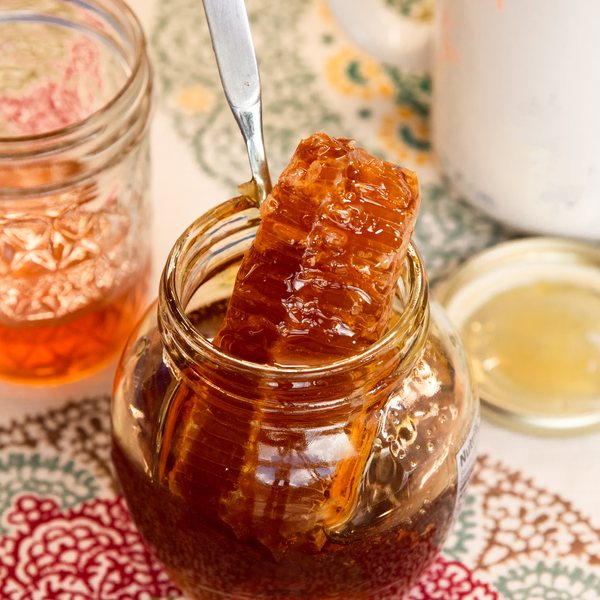
Also: water (—)
Contains allergens: none of the 14 major allergens in the traditional recipe
Ingredients of the traditional recipe; every cook and every place may do it differently — please ask when ordering. We cannot guarantee the absence of allergens or traces.
How it is made
Drinking honey is obtained by fermenting a solution of honey in water; sometimes it is flavored with berries, herbs, or spices. We consciously do not provide technologies and proportions: the production and sale of alcoholic beverages are regulated by law.
Where it is eaten
The meadery in Vyhoda (Kalush district) and honey tasting halls in Transcarpathia (Mukachevo, Khust) are modern places where medovukha is shown to guests. As an ancient mountain drink, it is not documented in the Carpathians.
When it is eaten
| Jan | Feb | Mar | Apr | May | Jun | Jul | Aug | Sep | Oct | Nov | Dec |
|---|---|---|---|---|---|---|---|---|---|---|---|
In tradition
There are no sources describing specific Carpathian rituals associated with medovukha. Modern meaderies show guests old log hives, utensils, and talk about beekeeping — this is more of a museum reconstruction of the craft than a living village tradition.
Safety
18+. Alcohol is harmful to health. Do not consume while driving, during pregnancy, and breastfeeding. Do not buy alcohol of unknown origin: homemade drinks may contain dangerous impurities, including methanol. Honey is a beekeeping product: people allergic to beekeeping products should be cautious.
FAQ
Is medovukha a traditional Carpathian drink?
No, not quite. Drinking honey is an ancient Slavic drink, but in ethnographic descriptions of Hutsuls, Boykos, and Lemkos, it is not prominent. In the Carpathians, it is now mainly offered to tourists.
How does drinking honey differ from medovukha?
Mostly they are synonyms. Some mead makers refer to 'drinking honey' as a longer-aged drink, while 'medovukha' is a quicker and simpler one.
Is there a recipe for medovukha on the site?
No. We only discuss the history and tradition of alcoholic beverages, without recipes and advice on where to buy.
Where to taste: tasting rooms and wineries
 Honey & meaderiesChorna Bdzhola Meadery, VyhodaVyhodaChorna Bdzhola (“Black Bee”) in Vyhoda is a small, cosy meadery in the Kalush district of the Ivano-Frankivsk region,...
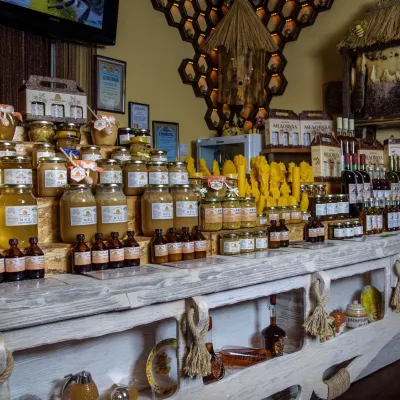 Honey & meaderiesHoney House Tasting Hall, MukachevoMukachevoThe Honey House (Medovyi Dim) is one of the first honey tasting halls in Zakarpattia.
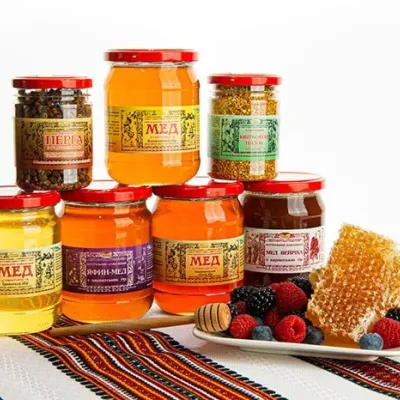 Craft producersMed Karpat apiary, KhustKhustMed Karpat is the Papp family's beekeeping business in Khust, with a history of more than forty years.
Only our checked craft tasting rooms and wineries. 18+ · Drink responsibly. Excessive alcohol consumption is harmful to your health.
Similar dishes and products
Relatives in the Carpathians and nearby
- miód pitny · Poland
a close tradition; drinking honey is still widespread in Poland - medovina · Slovakia
a related name; a close tradition
Sources
- Вікіпедія: Мед (напій)
- Wikipedia (en): Medovukha
- ZAXID.NET: У Мукачеві на Закарпатті відкрили Музей меду (06.09.2010)
- «Бойківська кухня / Kuchnia Bojkowska» (Львів, 2020): книжка рецептів українсько-польського проєкту ГО «Асоціація гірських провідників “Ровінь”»
Written by the Karpaty.rocks editors from the sources above. Checked 10.11.2026.
