Kürtőskalács
What it is
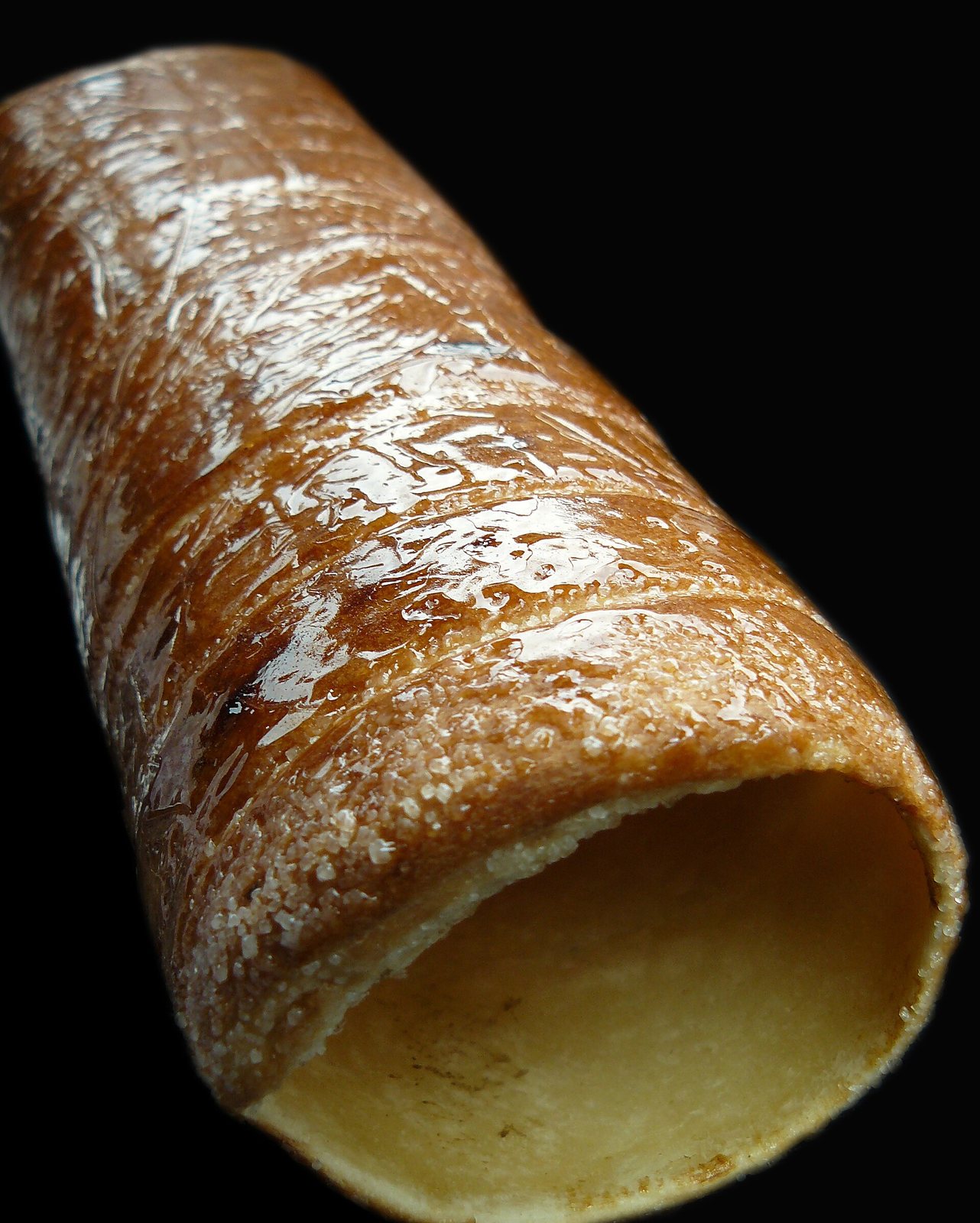
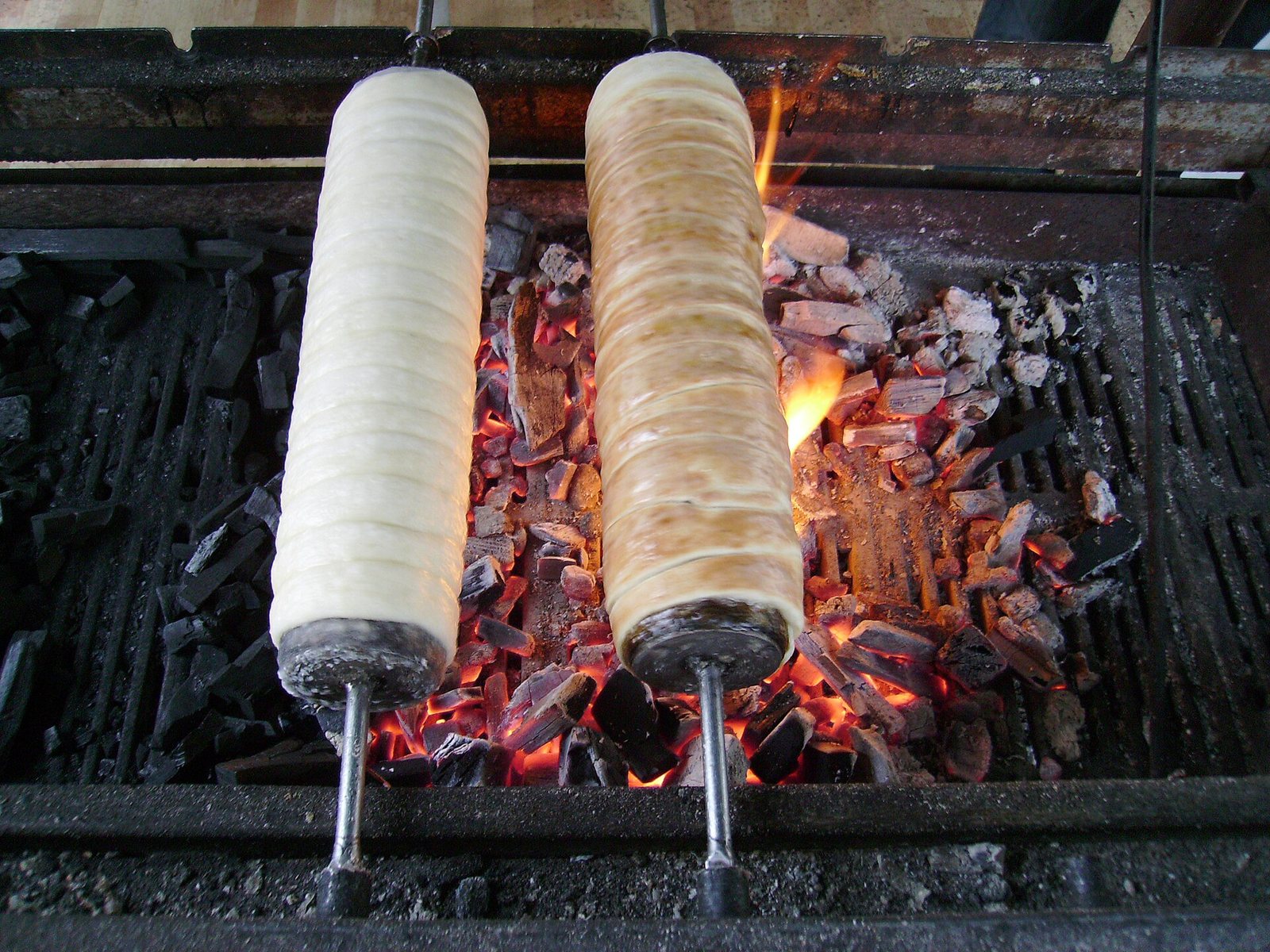
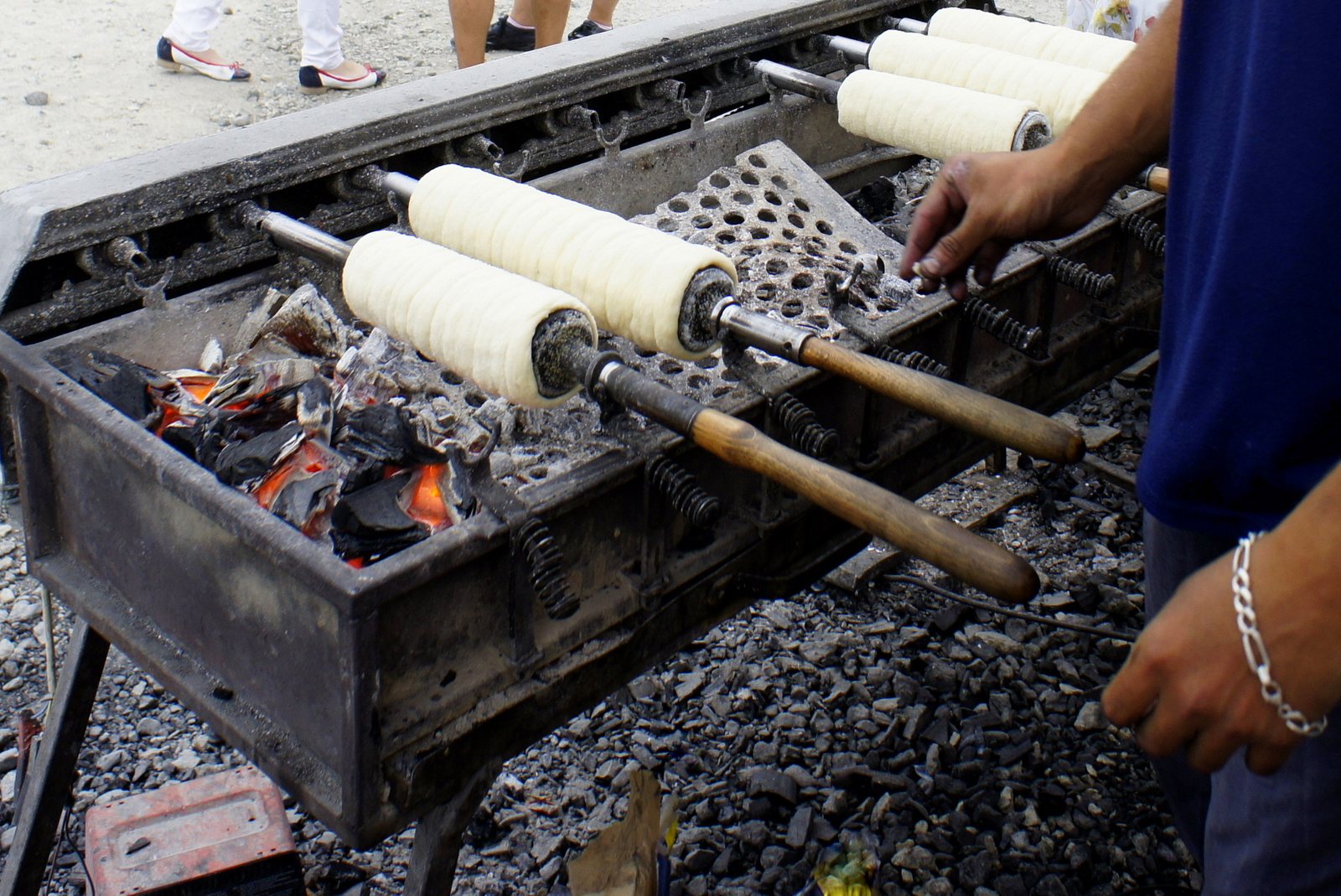
Kürtőskalács is a hollow sweet 'tube'. A strip of yeast dough is spiraled around a wooden roller, coated in sugar, and baked over heat while constantly rotating. The sugar caramelizes into a shiny, crispy crust, while the inside remains soft and stretchy.
The hot pastry is sprinkled with ground nuts, cinnamon, vanilla sugar, or coconut flakes. It is eaten by hand, unwinding the strip immediately while steam rises from the tube.
This is the cuisine of the Szeklers — a Hungarian-speaking community in southeastern Transylvania, in the counties of Covasna and Harghita. In the rest of Romania, the pastry became known only after 1989, when Szekler bakers began bringing it to fairs across the country; in Romanian, it is called cozonac secuiesc.
History and name
In Hungarian, kürtő means chimney, and kalács means braided pastry: the name hints at the hollow tube from which steam escapes. The German name Baumstriezel means a pastry wrapped around a trunk.
The first recorded recipe dates back to 1784 — it was left by Transylvanian Countess Maria Mikés from Zebala. The origin of this ancient delicacy is attributed both to the Saxons of Cârța-Birsa and the Szeklers of Covasna. In 2015, Hungary applied to protect the name in the EU, but it was not registered.
Ingredients and allergens
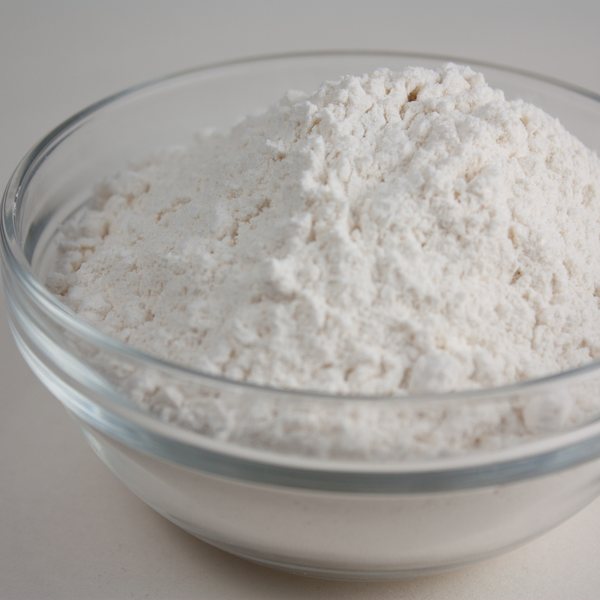
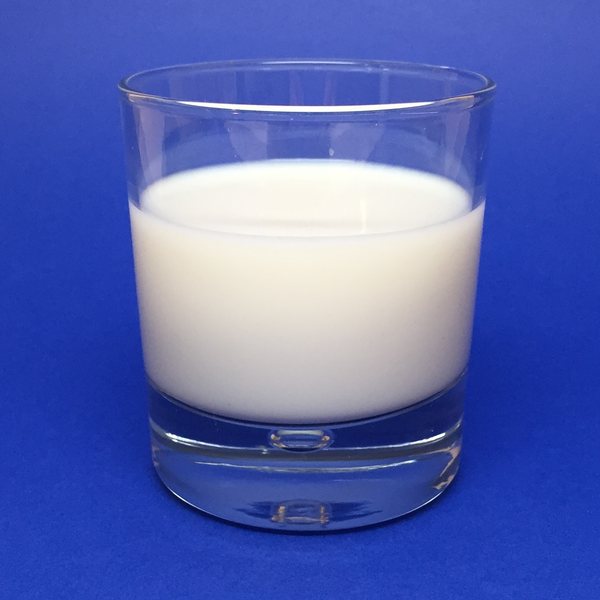
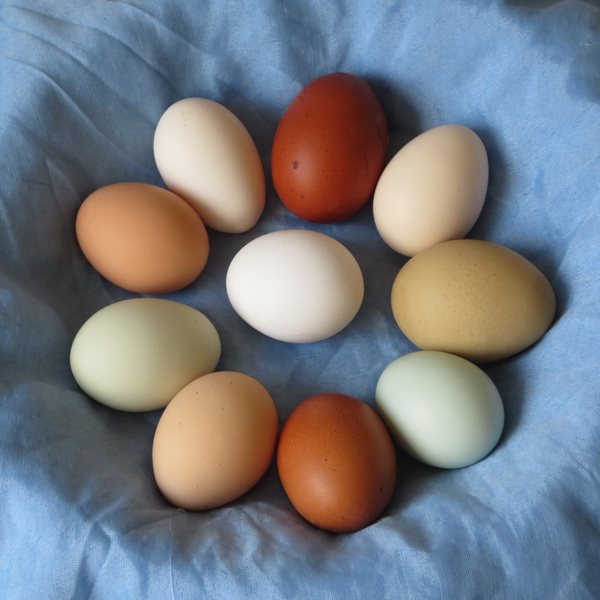
Also: butter (80 g), walnuts (to serve), sugar (for the dough and for coating), yeast, salt, cinnamon (optional)
Contains allergens: gluten, milk, eggs, tree nuts
Diet: vegetarian
Ingredients of the traditional recipe; every cook and every place may do it differently — please ask when ordering. We cannot guarantee the absence of allergens or traces.
How it is traditionally made
Serves: 4–5 pastries
- Wheat flour — 500 g
- Milk — 250 ml
- Eggs — 2 pcs.
- Butter — 80 g
- Yeast
- Sugar — for the dough and for coating
- Salt
- Walnuts
- Cinnamon
- Mix flour, warm milk, yeast, eggs, melted butter, sugar, and a pinch of salt to make a soft dough. Leave it in a warm place for half an hour to an hour to rise.
- Roll out a sheet about one centimeter thick and cut it into long strips two fingers wide.
- Grease the wooden roller with oil. Wrap a strip around it in a spiral, ensuring the turns barely overlap, and roll the roller on the table to flatten the dough.
- Brush the dough with melted butter and generously coat it in sugar.
- Bake over heat, continuously rotating, until the sugar turns into dark golden caramel. At home, the roller is placed on the edges of a baking tray in an oven preheated to 200 °C, and it is turned every few minutes.
- Coat the hot pastry in ground nuts or cinnamon and remove it from the roller.
How it is served
Immediately, while hot; tear off strips in a spiral.
Variants
Toppings can be made of nuts, coconut, cinnamon, cocoa, or poppy seeds.
The traditional method as described by our sources; every family does it its own way. We have not tested this recipe in a professional kitchen.
Where it is eaten

The area is approximate and based on the sources below. The dish is cooked outside it too, and ethnographic borders are blurred.
The Szekler region in southeastern Transylvania includes the counties of Covasna and Harghita, partially Mureș and Brașov. The area is approximate.
When it is eaten
| Jan | Feb | Mar | Apr | May | Jun | Jul | Aug | Sep | Oct | Nov | Dec |
|---|---|---|---|---|---|---|---|---|---|---|---|
Occasions: Festivals · Weddings · Christmas
In tradition
Kürtőskalács is a festive pastry: it is baked for weddings, church holidays, and Christmas fairs.
FAQ
What does the name 'kürtőskalács' mean?
In Hungarian — 'chimney cake': a hollow tube from which steam escapes after baking.
Is kürtőskalács the same as trdelník?
They are very similar, but kürtőskalács is from the Szekler region, and it is coated in sugar before baking, resulting in a caramel crust.
Comments
Travellers’ experience: reports, tips, questions.
No one has written here yet. Be the first — your experience helps others.
Similar dishes and products

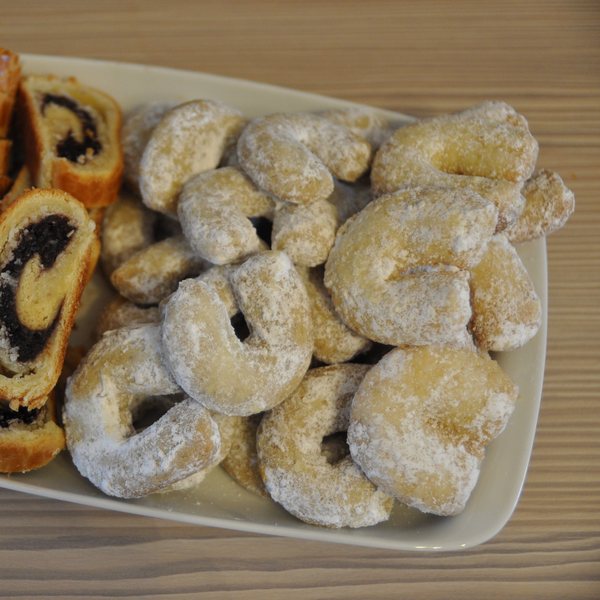
Relatives in the Carpathians and nearby
- trdelník · Slovakia
a close tradition; 'Skalický trdelník' has protected geographical indication in the EU
Sources
Written by the Karpaty.rocks editors from the sources above. Checked 11.11.2026.
