Bukovina Village Museum in Suceava: open-air museum
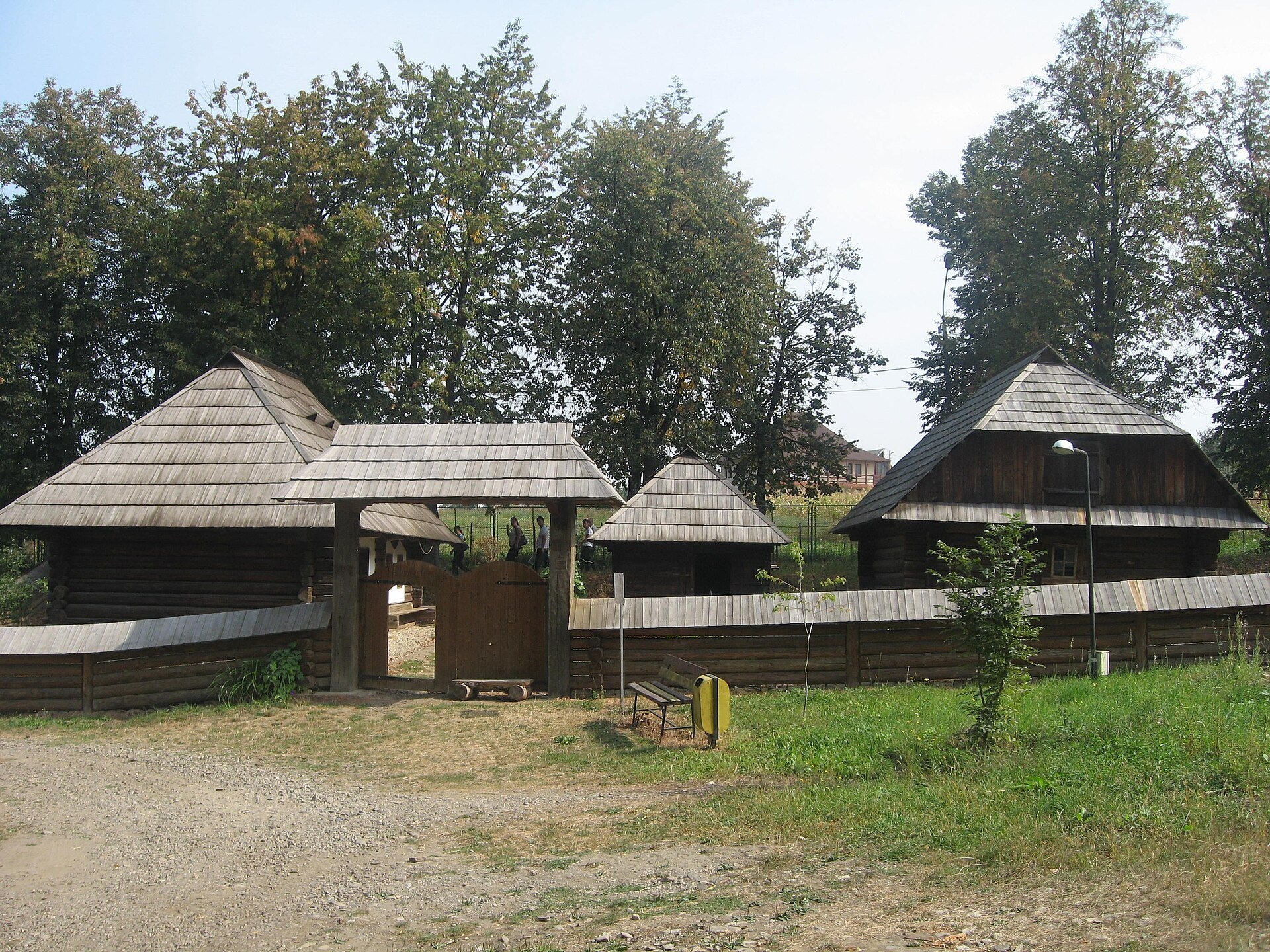
A Bukovinian village below the fortress walls
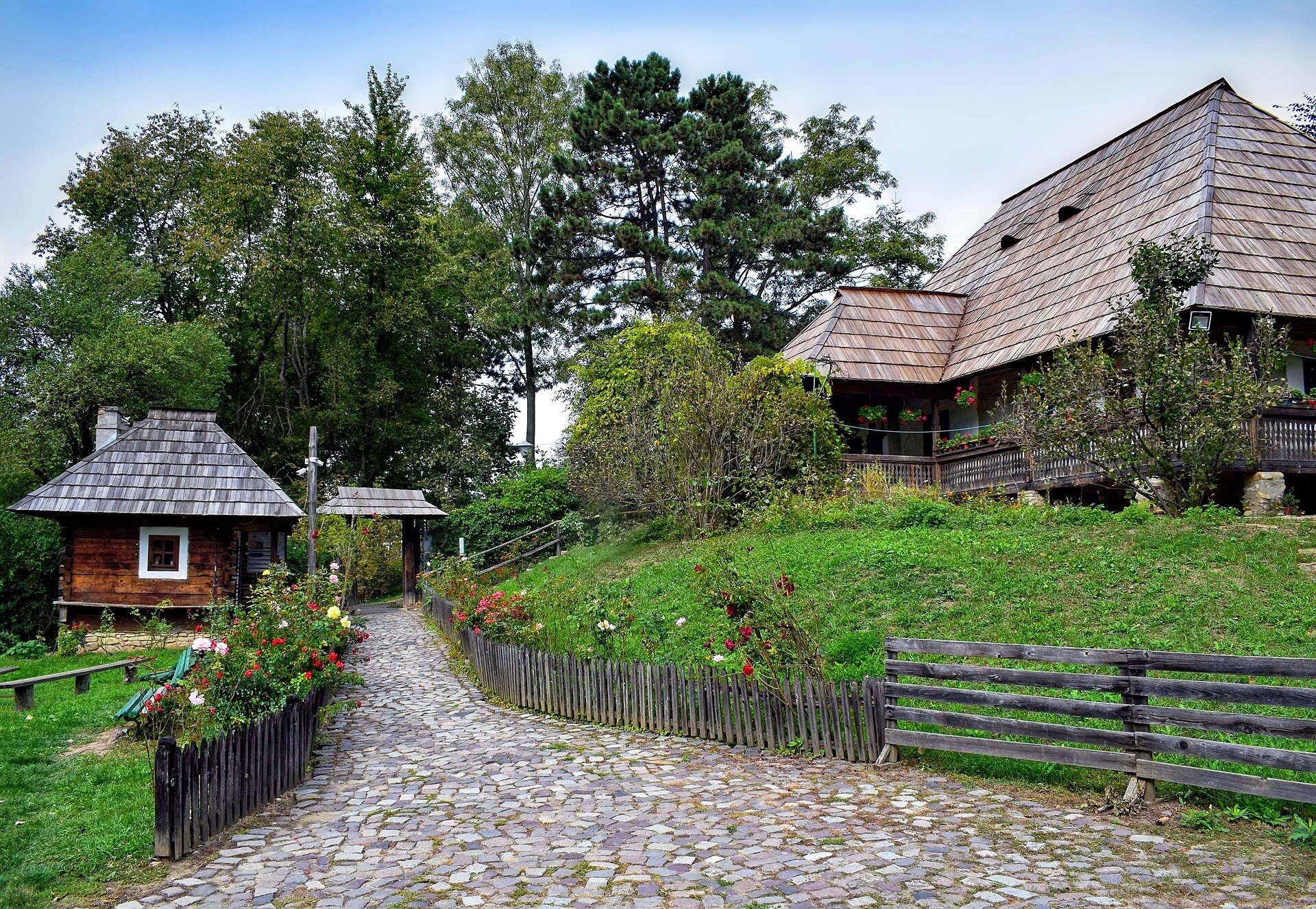
The Bukovina Village Museum (Muzeul Satului Bucovinean) is an open-air museum on a plateau on the eastern edge of Suceava, next to the medieval Seat Fortress of the princes of Moldavia. It brings together wooden houses, farm buildings, craft workshops, water-powered installations and community buildings from all over Romanian Bukovina and the neighbouring ethnographic areas of Dorna, Humor, Rădăuți and Câmpulung. The museum belongs to the Bukovina National Museum (Muzeul Național al Bucovinei) and since 2004 has itself been listed as a historic monument of Romania.
The idea of an open-air museum dates back to 1958, but the first field surveys only began in 1971: the town then allotted 1.7 hectares near the fortress, and by 1976 several buildings had been moved and rebuilt, including the farmstead from Straja and the house from Ostra. After 1990 the site was enlarged to 6 hectares, the museum was officially founded by government decision in 1996, and from 1998 about 30 more monuments of folk architecture were acquired. Today more than 30 buildings are open to visitors, and reconstruction continues: the plan is for about 80 structures in the future.
Why go
It is the easiest way to see, in an hour or two, how a Bukovinian village lived in the 19th and early 20th centuries without driving round dozens of mountain villages. The houses stand along lanes as in a real village, with a church, an inn and a school in the centre, and water-powered machinery works on the stream that runs through the museum. The interiors are furnished with household objects, textiles and folk costume, so the museum appeals to adults and children alike. Ukrainian visitors will find much that is familiar: similar houses, stoves, woollen blankets and embroidered towels are found in the Chernivtsi region too. The museum is a few minutes' walk from the fortress, so the two combine easily into one outing.
What to see
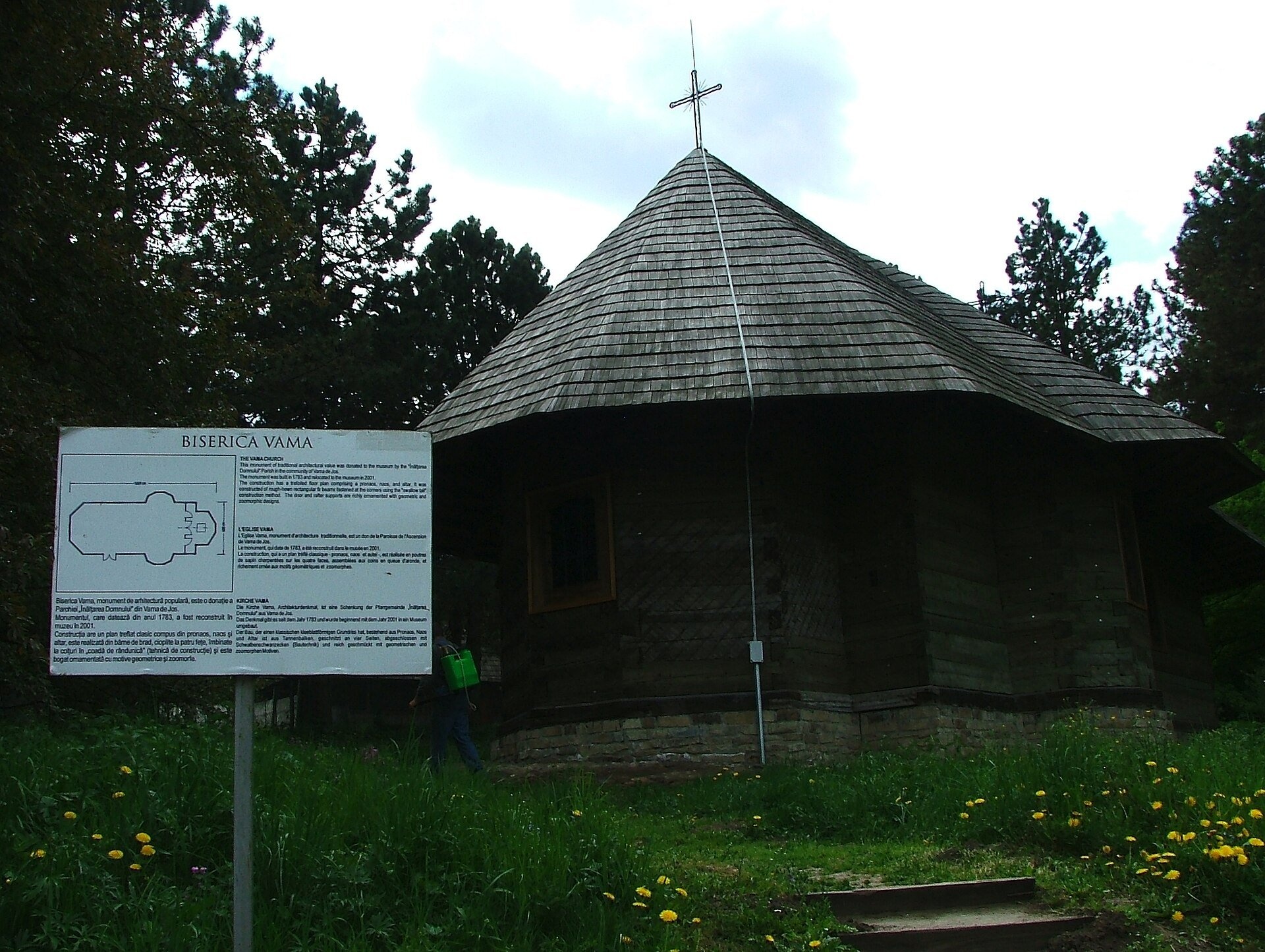
- The wooden Church of the Ascension of 1783 from Vama, moved to the museum in 2001 together with its bell tower of 1787; the 1811 iconostasis has been restored, and the church was reconsecrated in 2009.
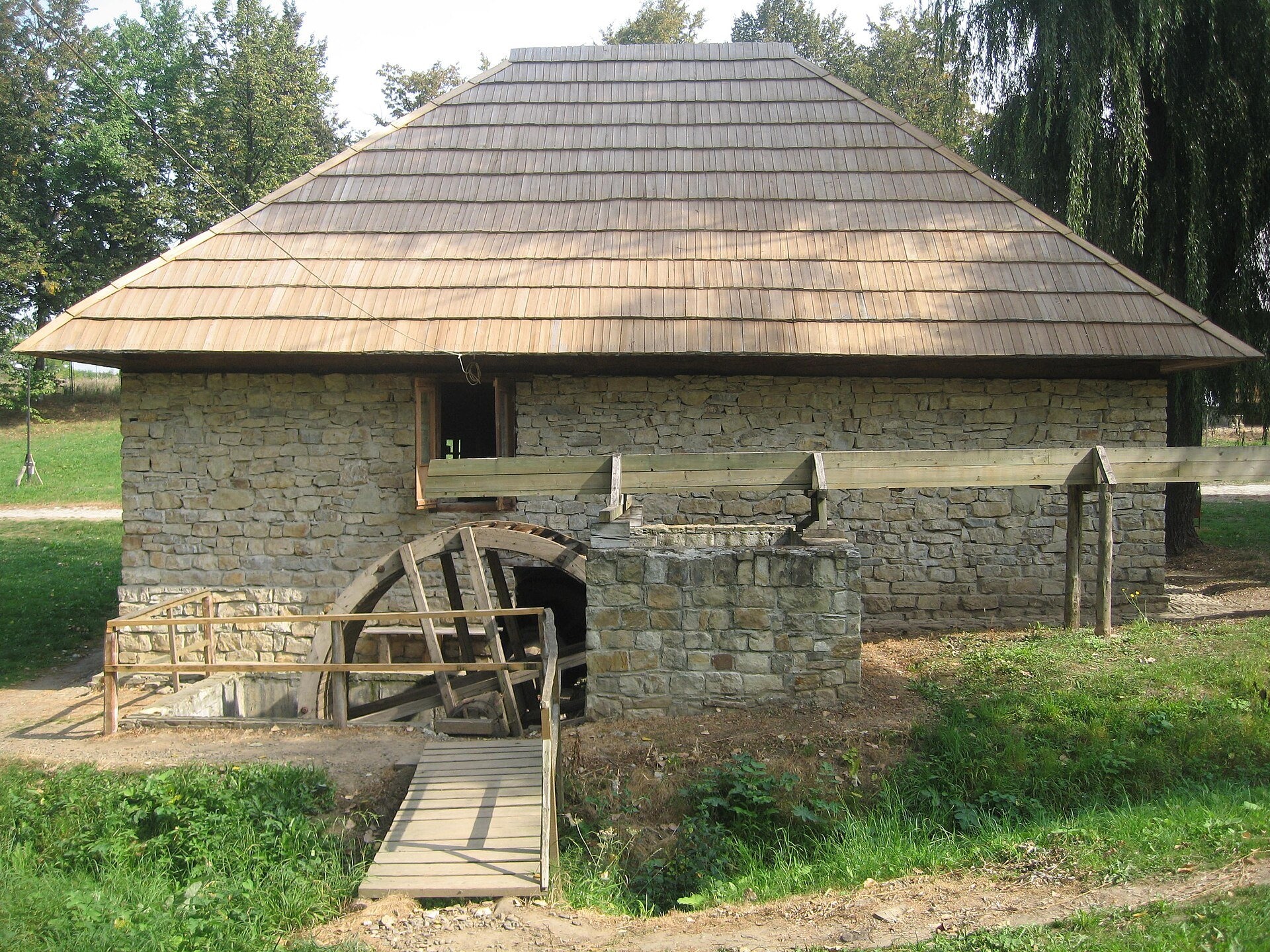
- The water mill of the late 19th century from Mănăstirea Humorului — once one of the largest in its area — as well as a fulling mill for woollen cloth and a wool-carding installation.
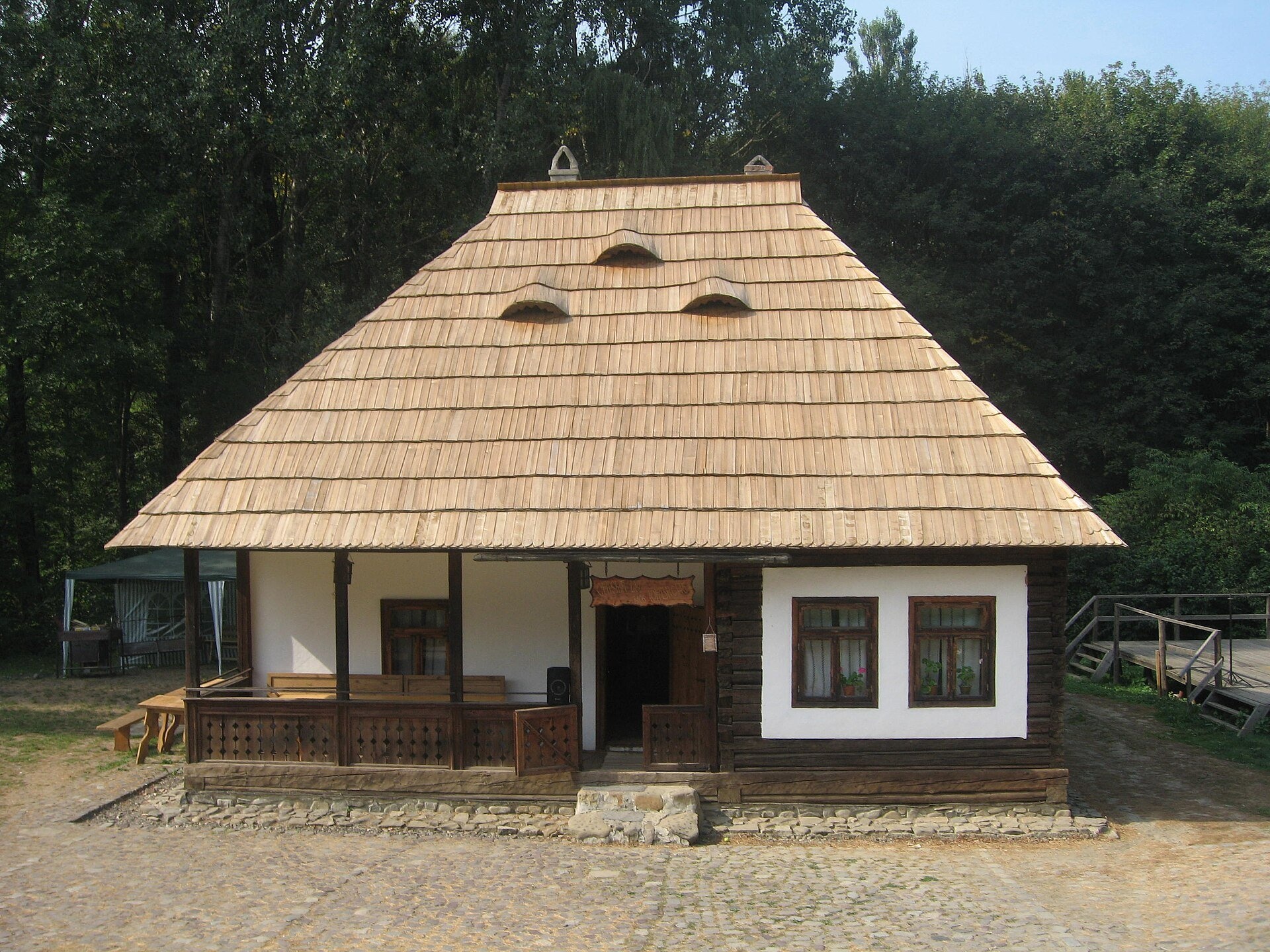
- The inn from Șaru Dornei, from the first half of the 20th century, with a furnished interior.
- The village school of the mid-19th century from Securiceni, opened to visitors in 2019.
- Farmsteads and houses from Straja, Ostra, Cacica, Volovăț, Vicovu de Jos, Câmpulung Moldovenesc and other villages — with stoves of various types, dowry chests, woollen blankets and embroidered towels.
- Workshops: a pottery from Marginea, a smithy and other crafts; some of the workshops are used for activities with children.
Practical information
Address: Strada Parcului, Suceava, next to the Seat Fortress. It is about 1.5 km from the town centre; you can walk there through the Șipote-Cetate park. The Porubne–Siret border crossing from Ukraine is about 45 km from Suceava. Opening hours according to the museum's official website: 1 April – 30 September, Tuesday–Sunday 10:00–18:00 (last entry 17:30); 1 October – 31 March, Tuesday–Sunday 9:00–16:00 (last entry 15:30); closed on Mondays. Tickets: adults 16 lei, pupils and students 4 lei, pensioners 8 lei; separate rates apply during festivals and fairs. Tickets are also sold online on the museum's website. Information as of November 2026. A visit takes 1–2 hours; paths are mostly cobbled or unpaved, with gentle slopes. The neighbouring Seat Fortress has been temporarily closed for restoration since 12 October 2026, so check the museum's news before you go. Phone: +40 230 216 439, +40 752 447 431.
Nearby
- The History Museum in Suceava, with its reconstruction of the Princely Council Hall.
- The Church of St George of the Monastery of St John the New, with painted walls, in the town centre.
- Dragomirna Monastery, about 13 km to the north.
- The church in Pătrăuți, one of the oldest churches in Bukovina.
- Black pottery in Marginea — potters' workshops on the road to Sucevița Monastery.
Official website: muzeulbucovinei.ro
Photos: Jocelyn Erskine-Kellie from London, UK, CC BY-SA 4.0, Wikimedia Commons; Relutzzzu, CC BY-SA 3.0 ro, Wikimedia Commons; Cezar Suceveanu, CC BY 3.0, Wikimedia Commons; Musichistory2009, CC BY 3.0, Wikimedia Commons; MarianaSenkiv, CC BY-SA 4.0, Wikimedia Commons.
Getting there from Ukraine
Border crossings
- Porubne – Siret — road and pedestrian, 24/7
- Diakivtsi – Racovăț — road and pedestrian, 24/7 No freight traffic.
- Krasnoilsk – Vicovu de Sus — road and pedestrian, 08:00–20:00 Cars up to 3.5 t and pedestrians only; not 24/7.
- Solotvyno – Sighetu Marmației — road and pedestrian, 24/7 Passenger traffic only: vehicles up to 3.5 t with up to 9 seats, pedestrians.
- Diakove – Halmeu — road, 24/7 No pedestrian crossing.
By car
Chernivtsi – Câmpulung Moldovenesc ≈121 km, ≈2 h 12 min (via Krasnoilsk – Vicovu de Sus); Ivano-Frankivsk – Câmpulung Moldovenesc ≈239 km, ≈4 h 12 min (via Krasnoilsk – Vicovu de Sus); Rakhiv – Câmpulung Moldovenesc ≈217 km, ≈4 h 35 min (via Solotvyno – Sighetu Marmației). Times without border queues, our road routing (GraphHopper, OSM).
Checked 03.11.2026; border crossing hours and timetables change — check before you travel.
Comments
Travellers’ experience: reports, tips, questions.
No one has written here yet. Be the first — your experience helps others.
Video 2
 Muzeul Satului Bucovinean - CETATEA DE SCAUN SUCEAVA - PATRIMONIUL ROMANILOR DE PRETUTINDENIRomania Pitoreasca

Location on the map
Nearby attractions
 MuseumHistory Museum in Suceava: the Princely Council Hall1.1 km from Bukovina Village Museum in Suceava: open-air museumA museum in the former Austrian district office The History Museum (Muzeul de Istorie) in Suceava is the main exhibition of the Bukovina National Museum (Muzeul...
 ChurchDragomirna Monastery: a fortified stone convent in Bucovina13 km from Bukovina Village Museum in Suceava: open-air museumDragomirna Monastery (Mănăstirea Dragomirna) stands among the gentle hills of Bucovina, about 12 km north of Suceava, the former capital of the Principality of Moldavia.
 CastleNeamț Citadel: Stephen the Great's fortressTârgu Neamț48 km from Bukovina Village Museum in Suceava: open-air museumNeamț Citadel (Cetatea Neamț) is a medieval stone stronghold of the Principality of Moldavia on the north-western edge of the town of Târgu Neamț.
Craft nearby
All craft places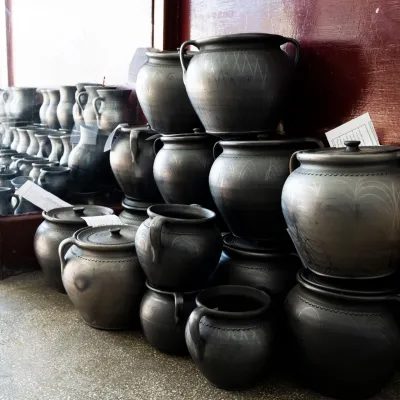 Crafts & workshopsBlack pottery of Marginea: the Magopăț family workshopMarginea40 km from Bukovina Village Museum in Suceava: open-air museumBlack pottery of Marginea: the sixth generation of the Magopăț family Marginea is a large village in the Romanian part of Bukovina, between the town of Rădăuți and...
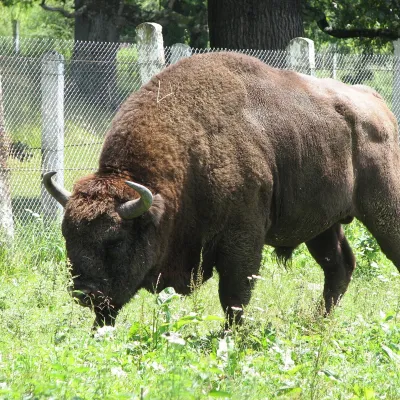 Wildlife parks & animal farmsBison Safari in Vânători-Neamț: a guided walk with a rangerMănăstirea Neamț45 km from Bukovina Village Museum in Suceava: open-air museumThe first place in Romania where the bison came back Vânători-Neamț Natural Park lies on the eastern slopes of the Carpathians near the small town of Târgu Neamț, in a...
