Vihorlat Museum and Open-Air Museum, Humenné
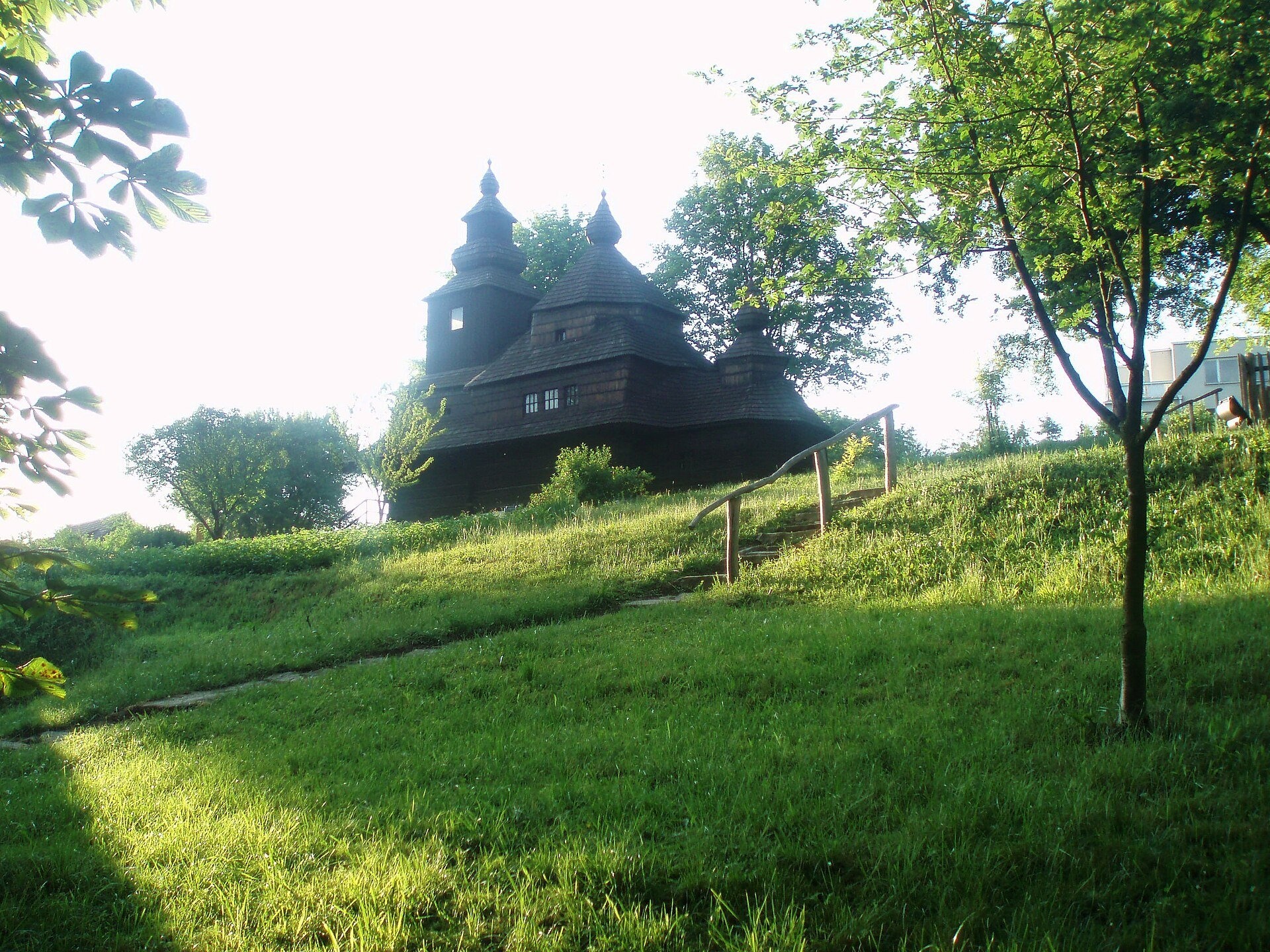
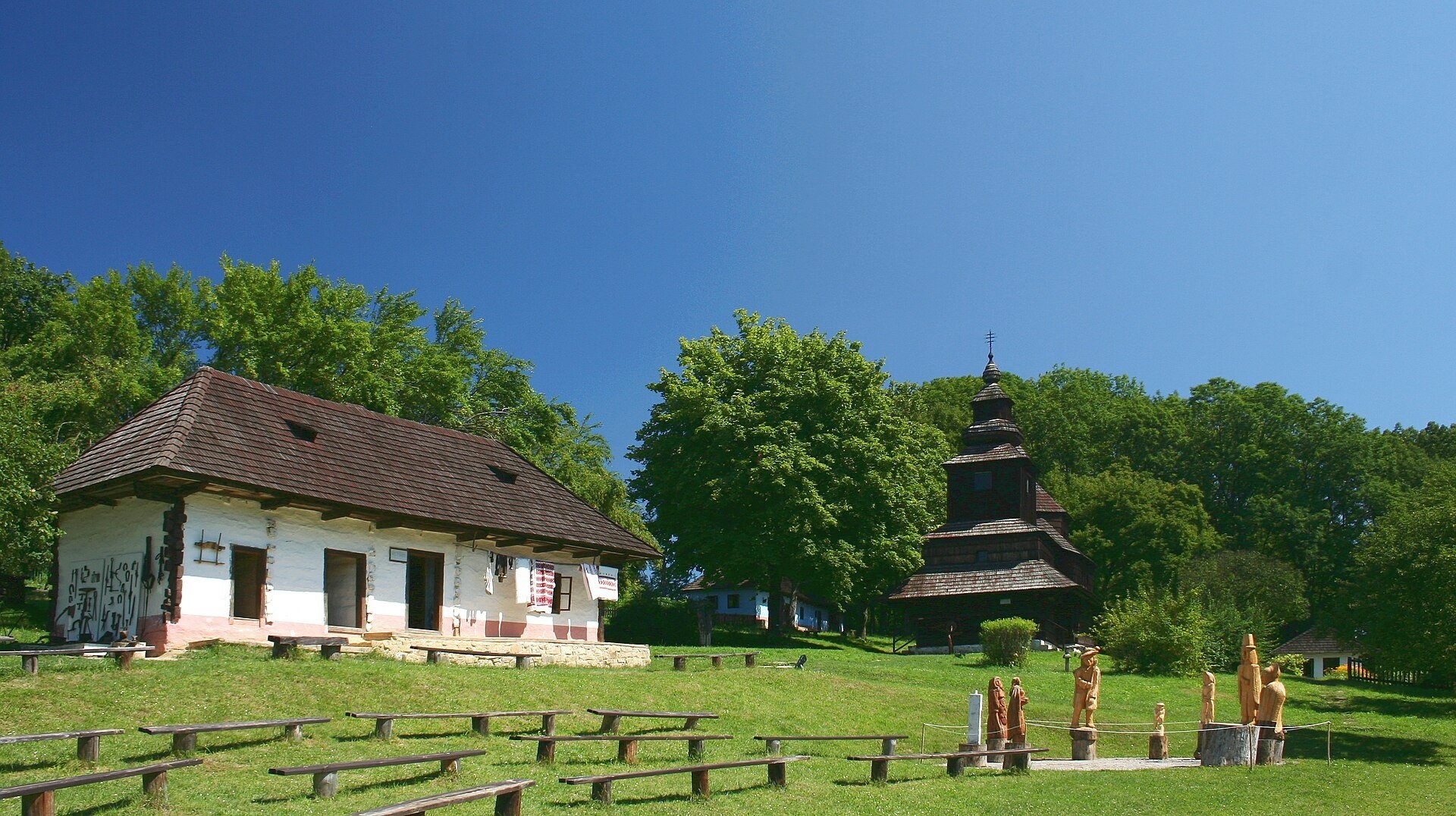
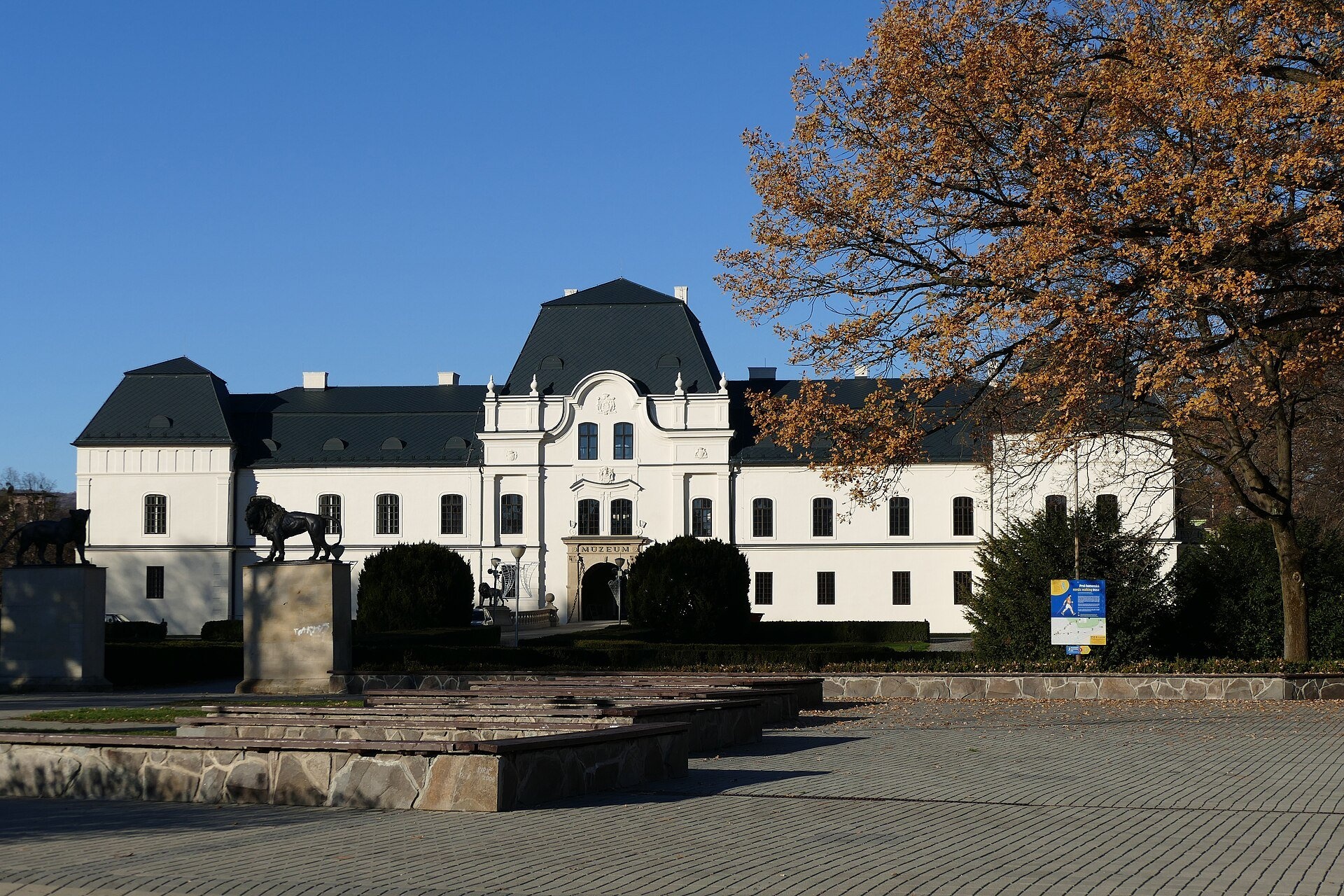
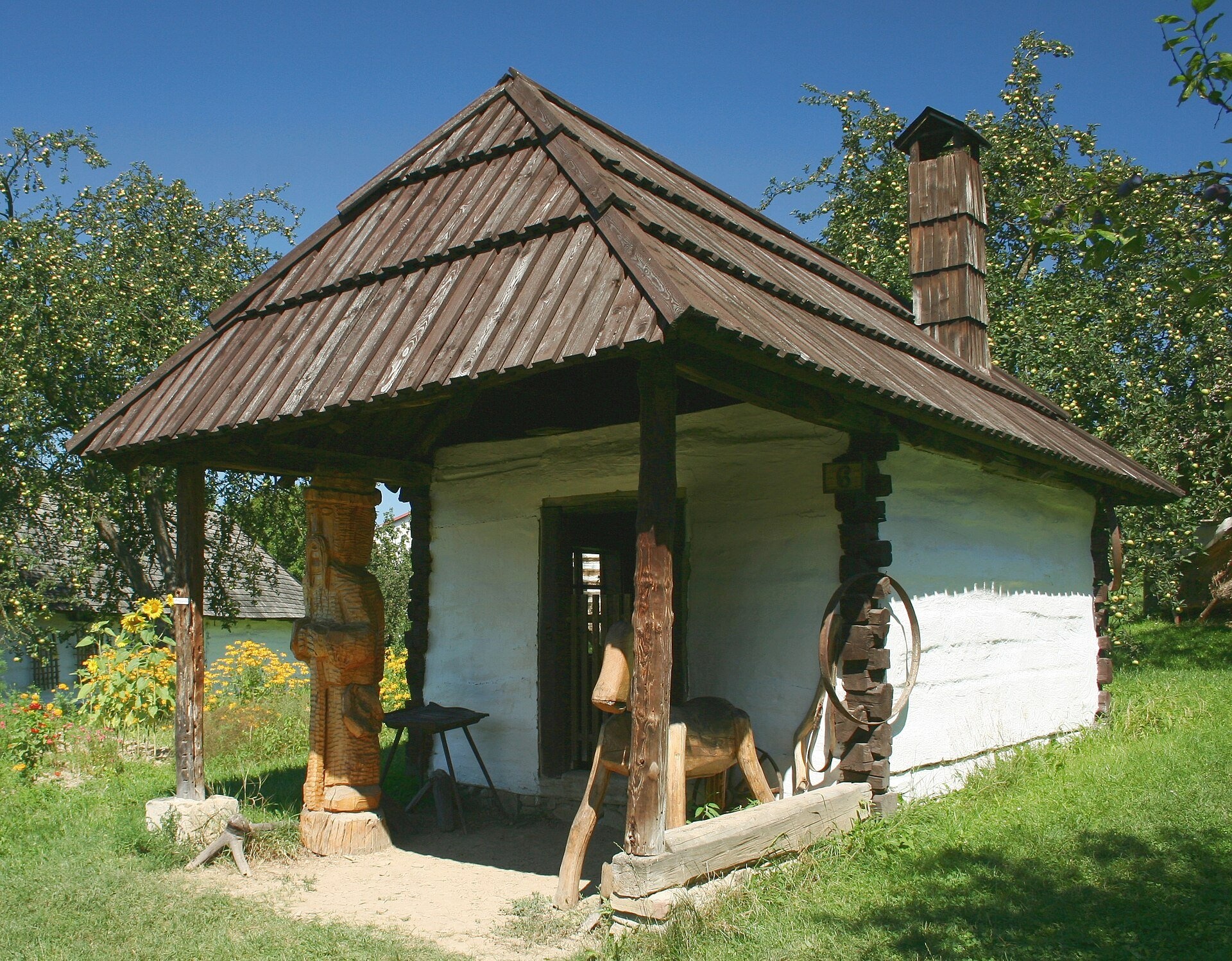
The Vihorlat Museum (Vihorlatské múzeum) in Humenné is the main museum of Upper Zemplín in north-eastern Slovakia. It occupies a Renaissance chateau in the town centre, and behind the chateau, in the former park, lies an open-air museum of folk architecture and rural life. So in one visit you can see both the world of noble families and the life of the Carpathian villages from which the wooden houses and church come.
The chateau was built on the site of a medieval moated castle. In 1317 King Charles Robert of Anjou gave Humenné to the Drugeth brothers, and this family turned the estate into its residence; the chateau is first mentioned in 1449, and it acquired its present form – a square plan with an inner courtyard and corner towers – in the early 17th century. After the Drugeths died out in 1684 it changed hands, rooms with illusionistic paintings were created in the second half of the 18th century, and from 1812 it belonged to the Andrássy family, who gave the building a unified appearance and laid out a park around it. The chateau was damaged at the end of the Second World War and its roof burned in 1946; restoration began in 1964 and lasted seven years. The museum has been here since the 1960s, the first permanent exhibition opened in 1971 and the open-air museum in August 1984. Its collections now hold more than one hundred thousand items.
What to see
- The art-historical exhibition in the chateau's authentic rooms shows noble living from the Renaissance to the 20th century: a gallery of Hungarian kings in medallions, a room whose ceiling depicts Maria Theresa's arrival in the town, a "Chinese" room with porcelain, Andrássy family portraits, the coffered library ceiling, historic weapons and armour, and Baroque icons from Runina. Tours are guided only and start every hour.
- The natural-history exhibition "Wildlife of Upper Zemplín" – from warmth-loving forest-steppe species to the brown bear and the nutcracker of the Vihorlat and Stužica.
- The Orest Dubay Gallery – prints by one of the founders of post-war Slovak printmaking.
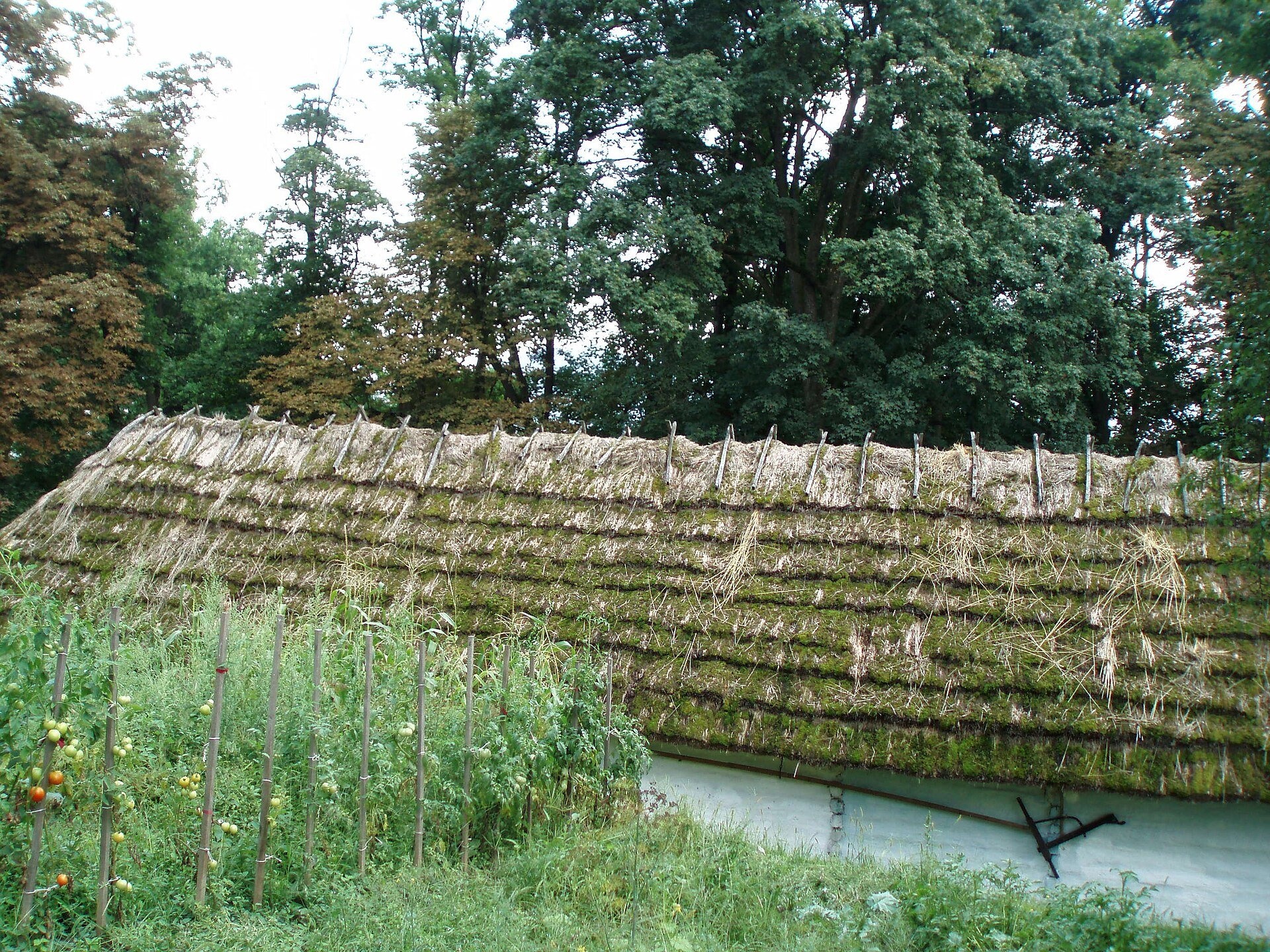
- The open-air museum covering 4 ha: its oldest and most precious building is the wooden Church of St Michael the Archangel from Nová Sedlica, built in 1764 and moved here in 1972–1974, with a restored iconostasis. Around it stand log houses from Klenová, from Kalná Roztoka with a thatched roof, from Oľšinkov with a wheelwright's workshop, from Nechválova Polianka and from Výrava with hemp and linen making, a pottery, a smithy, a granary, a well sweep and a water mill from Vyšná Jablonka.
The sacral exhibition in the chateau is currently closed. The museum also holds temporary exhibitions every year.
Practical information
The chateau stands on Freedom Square (Námestie slobody) right in the centre of Humenné, with the open-air museum behind it across the chateau park. You can reach the town by train or bus from Michalovce or Medzilaborce, or by car from Prešov in about an hour. From May to October the museum opens from Tuesday (in summer also on weekend afternoons); the open-air museum costs €5 and the chateau €6 (full schedule and prices in the "At a glance" box). In winter the open-air museum admits only pre-booked groups. Allow about an hour for the guided chateau tour and another hour for the open-air museum. The open-air site is on hilly ground, so it may be difficult for wheelchairs and people with limited mobility. Children under 6 with their parents pay a token fee, and there is a family ticket.
Nearby: trails and peaks
The waymarked route Humenné, mesto – Hôrka starts right in the town centre, and a few kilometres away the path to the ruins of the Drugeth castle, Jasenov, under the castle – Chlm, nicely complements the chateau's story of this family. Half an hour's drive to the south-east lie Zemplínska šírava — the “Slovak Sea” below the Vihorlat and the mountain lake Morské oko — the largest lake of the Vihorlat hills.
Official website: muzeumhumenne.sk
Photos: ZemplinTemplar, CC BY-SA 4.0, Wikimedia Commons; Przykuta (talk), CC BY-SA 4.0, Wikimedia Commons; Milan Bališin, CC BY-SA 4.0, Wikimedia Commons.
Getting there from Ukraine
Border crossings
- Uzhhorod – Vyšné Nemecké — road, 24/7
- Malyi Bereznyi – Ubľa — road, 24/7 For cars and buses; pedestrians not confirmed by the Ukrainian border service, lorries up to 3.5 t.
- Mali Selmentsi – Veľké Slemence (pedestrian) — pedestrian, 09:00–21:00 Kyiv time Pedestrians and cyclists only; inconvenient for the Tatras without onward transport.
- Chop – Čierna nad Tisou (rail) — rail, 24/7
By car
Lviv – Snina ≈241 km, ≈4 h 20 min without queues: H-13 via Sambir and the Uzhok Pass to Velykyi and Malyi Bereznyi → Malyi Bereznyi – Ubľa checkpoint → road 74 to Snina (≈27 km, ≈30 min from the border). From Uzhhorod: via Vyšné Nemecké (I/19 towards Sobrance, then II/566 and road 74) ≈65 km, ≈1 h 15 min; via Malyi Bereznyi – Ubľa ≈80 km, ≈1 h 40 min, but that crossing is usually less busy.
Checked 23.10.2026; border crossing hours and timetables change — check before you travel.
Location on the map
Comments
Trails nearby
All trails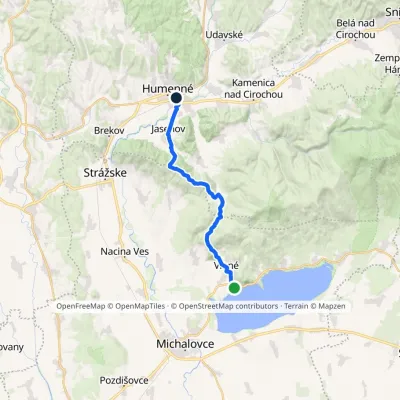 ModerateTwo-dayMarkedHumenné, mesto HôrkaElevation profile134–469 m21.5 kmascent 573 m≈ 6.5 h walkingunder 1 km from Vihorlat Museum and Open-Air Museum, Humenné
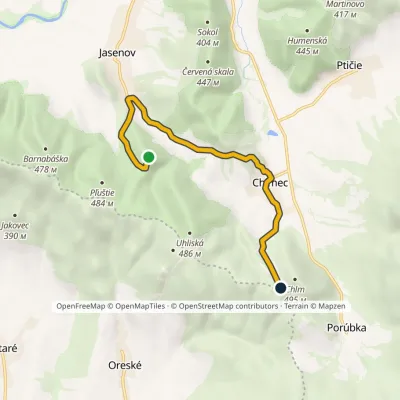 EasyOne-dayMarkedJasenov, under the castle ChlmElevation profile169–442 m7.1 kmascent 351 m≈ 2.5 h walking4.4 km from Vihorlat Museum and Open-Air Museum, Humenné
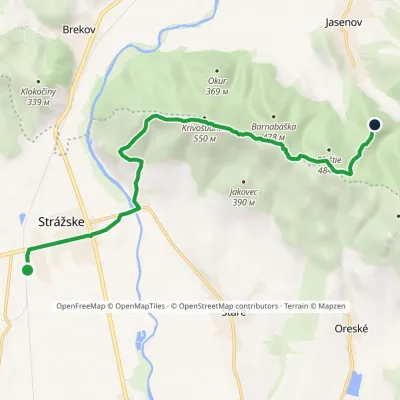 ModerateOne-dayMarkedKrivošťany Jasenov, CastleElevation profile132–548 m10.1 kmascent 465 m≈ 3.5 h walking5.4 km from Vihorlat Museum and Open-Air Museum, Humenné
Nearby attractions
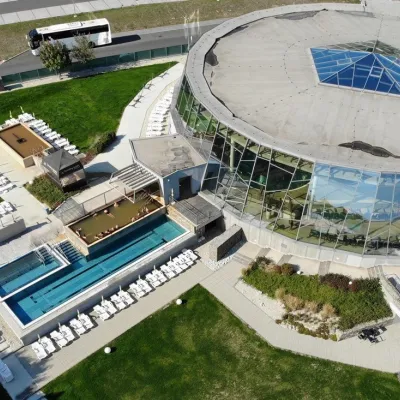 Water parks & thermal poolsThermalpark Šírava in Kaluža, Zemplínska Šírava17 km from Vihorlat Museum and Open-Air Museum, HumennéThermalpark Šírava (Thermalpark ŠÍRAVA) stands in the village of Kaluža on the northern shore of the Zemplínska Šírava — a large reservoir in eastern Slovakia.
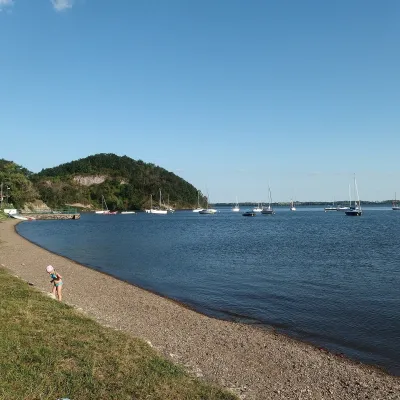 LakeZemplínska šírava — the “Slovak Sea” below the Vihorlat18 km from Vihorlat Museum and Open-Air Museum, HumennéThe “Slovak Sea” by the Ukrainian border Zemplínska šírava is a large reservoir in eastern Slovakia, in the Bodrog basin below the Vihorlat hills.
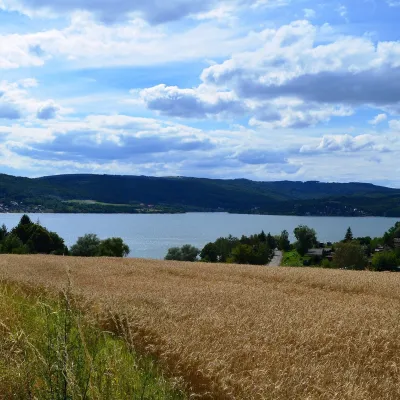 LakeVeľká Domaša reservoir18 km from Vihorlat Museum and Open-Air Museum, HumennéVeľká Domaša (often just Domaša) is a large reservoir on the Ondava river in the Ondavská vrchovina hills, south of the Low Beskids ridge, in the Prešov Region of...
Craft nearby
All craft places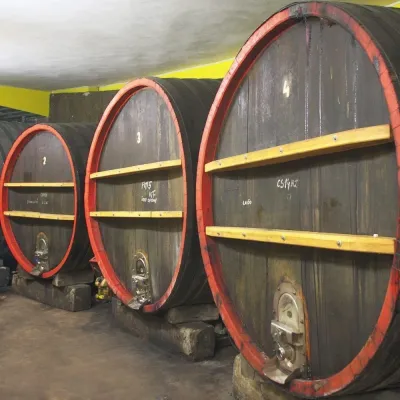 Wine & tastingsPivnica Orechová below Vihorlat: tastings in a deep wine cellar35 km from Vihorlat Museum and Open-Air Museum, HumennéVihorlat is a volcanic range in eastern Slovakia, best known for the Morské oko lake and its beech primeval forests.
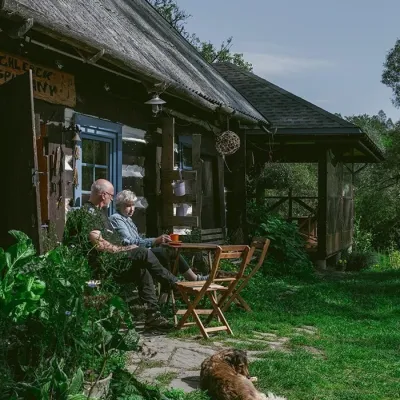 Craft producersBieszczadzkie Smaki, Smolnik: bread, liqueurs, preserves38 km from Vihorlat Museum and Open-Air Museum, HumennéBieszczadzkie Smaki (“Bieszczady Flavours”) is a family producer of natural foods in the village of Smolnik on the Osława river, Komańcza municipality, on the western...
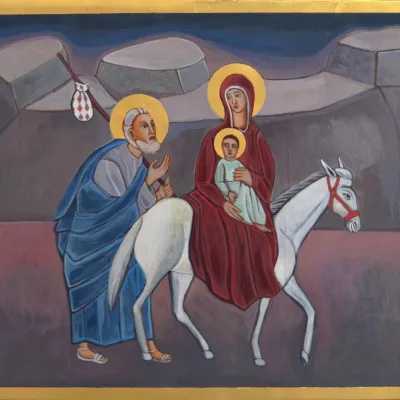 Crafts & workshopsVeraikon Icon Studio, Cisna: Carpathian icons and workshops43 km from Vihorlat Museum and Open-Air Museum, HumennéThe Veraikon Icon Studio (Pracownia Ikon Veraikon) in Cisna is, in its owners' words, the oldest and largest icon studio in the Bieszczady.
