Sărata-Monteoru: salt springs and joint treatment
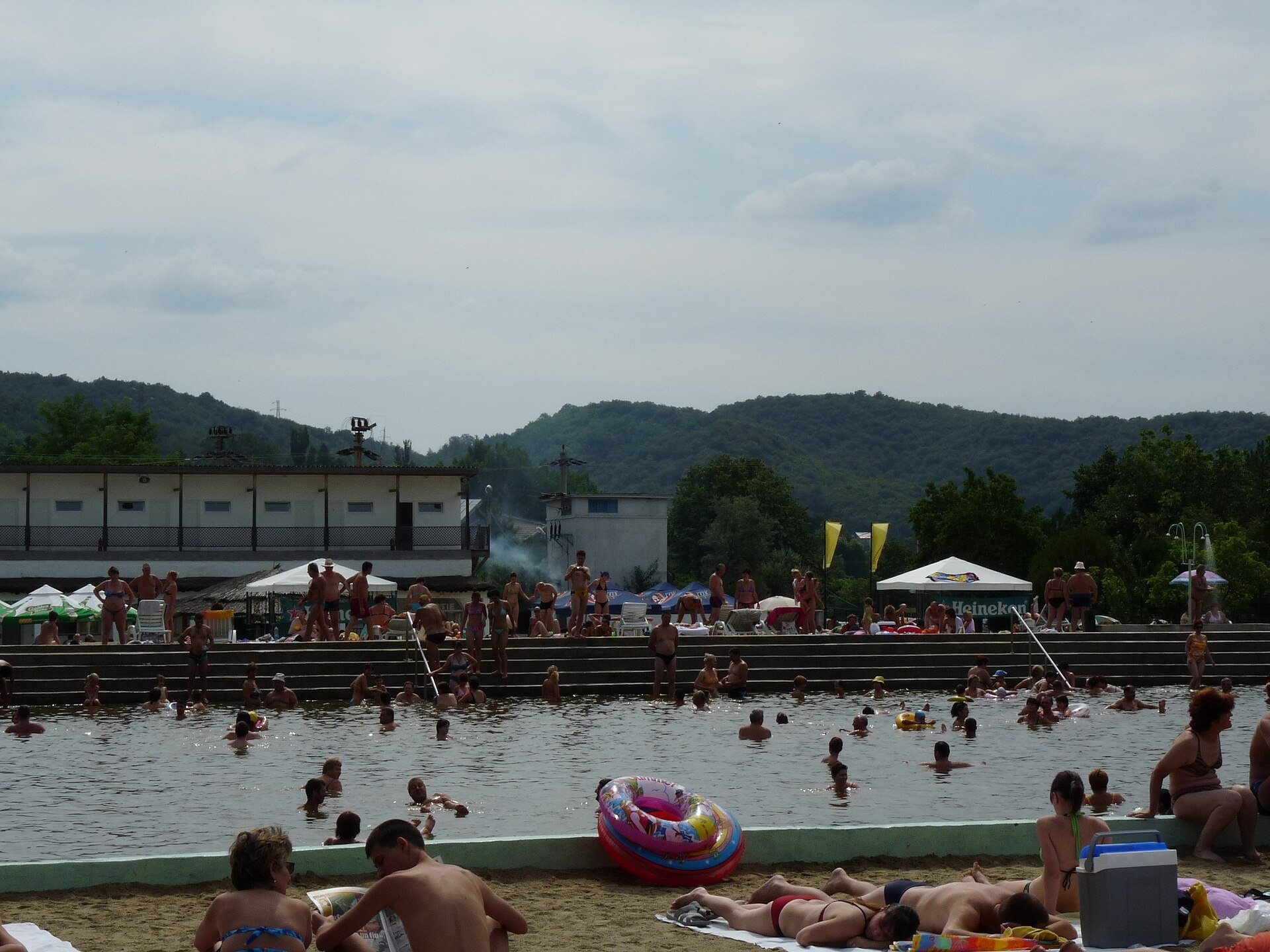
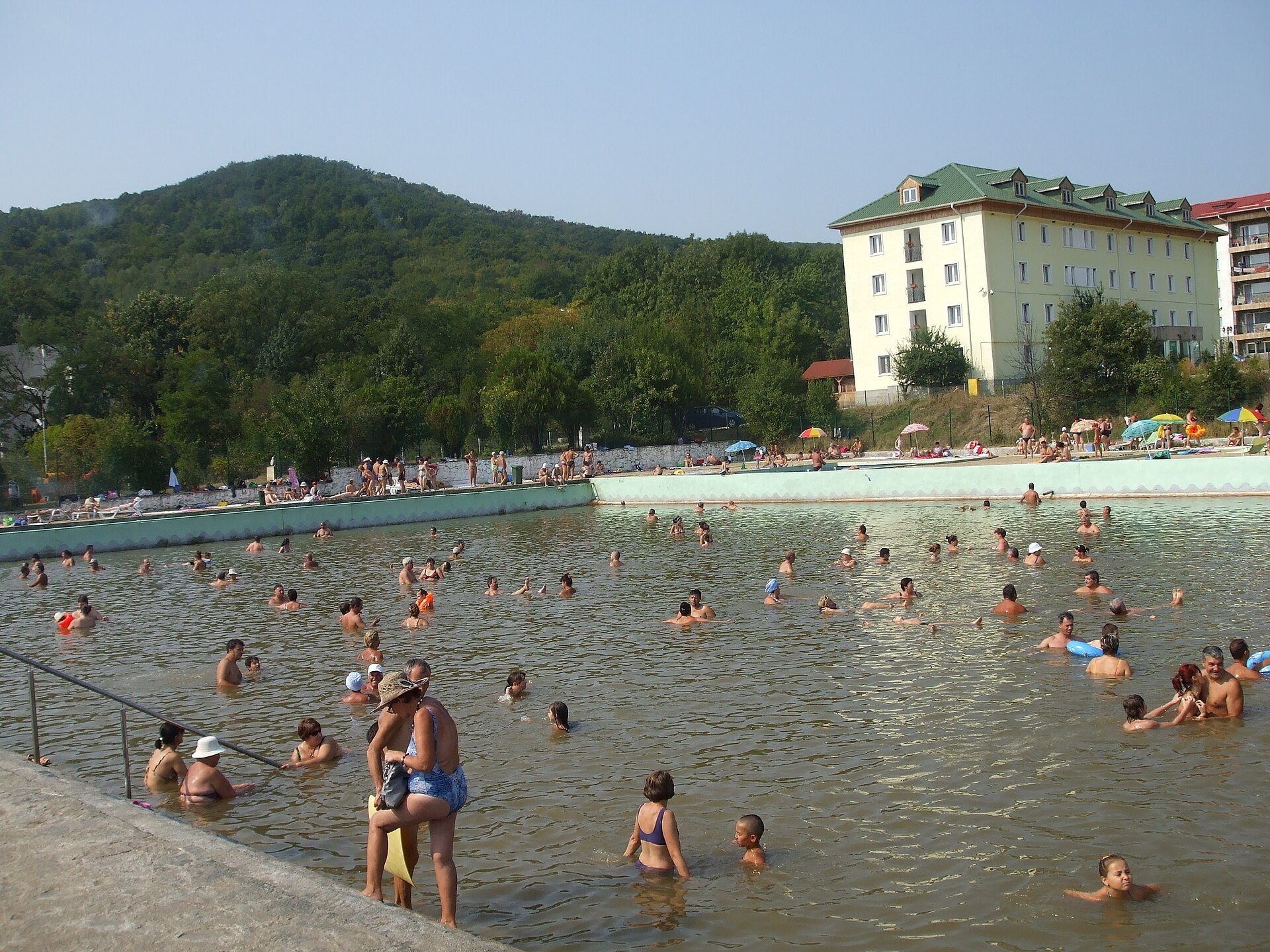
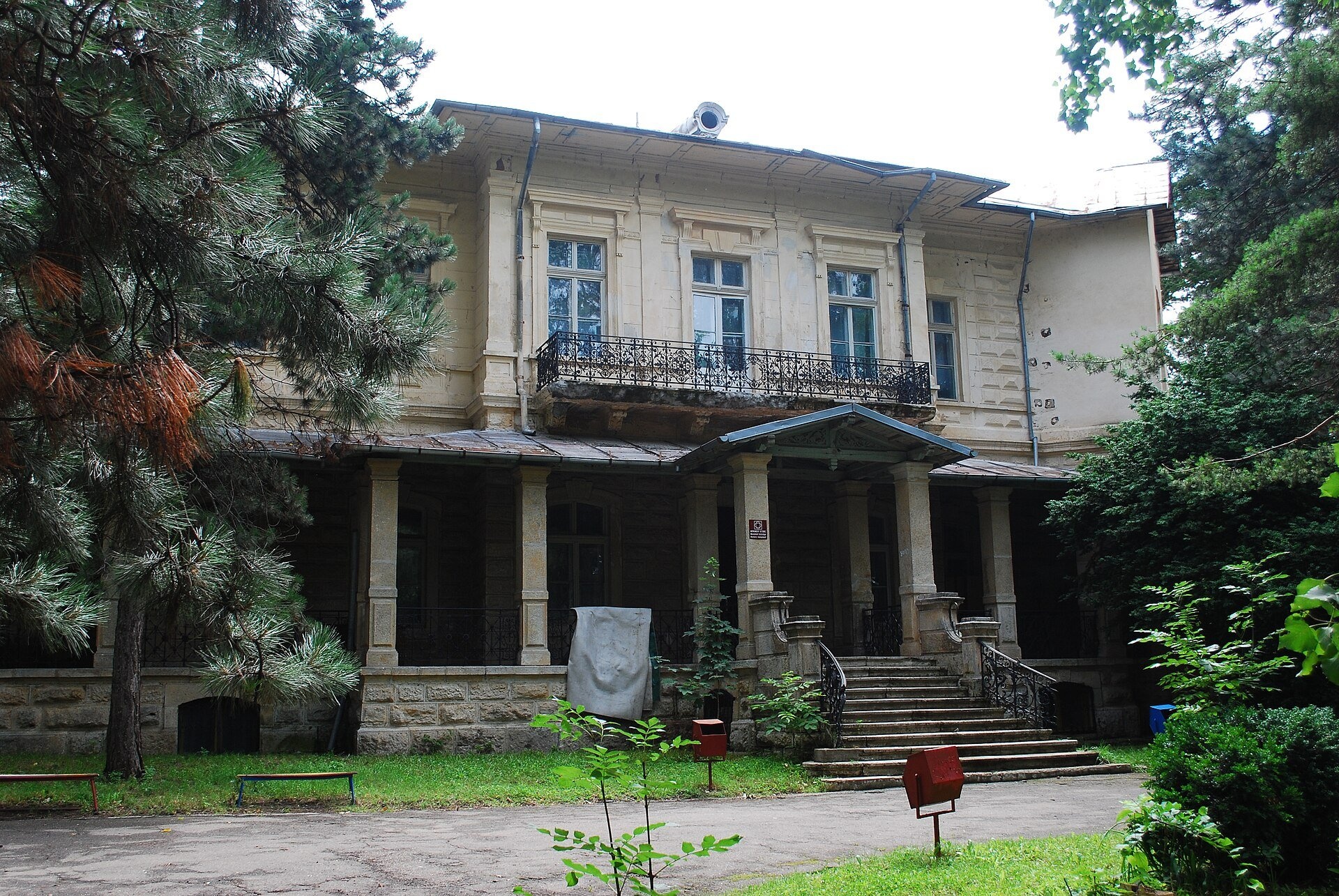
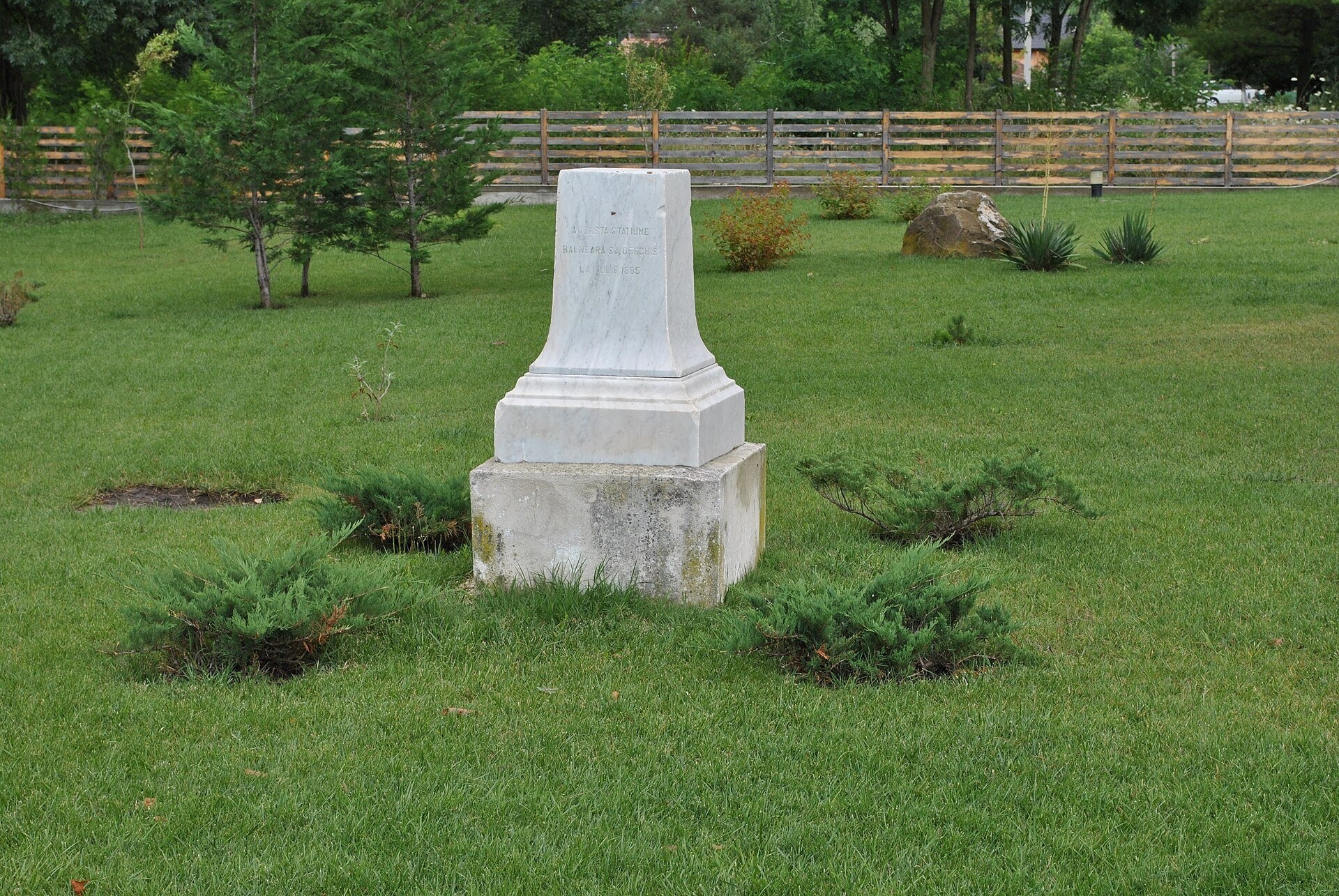
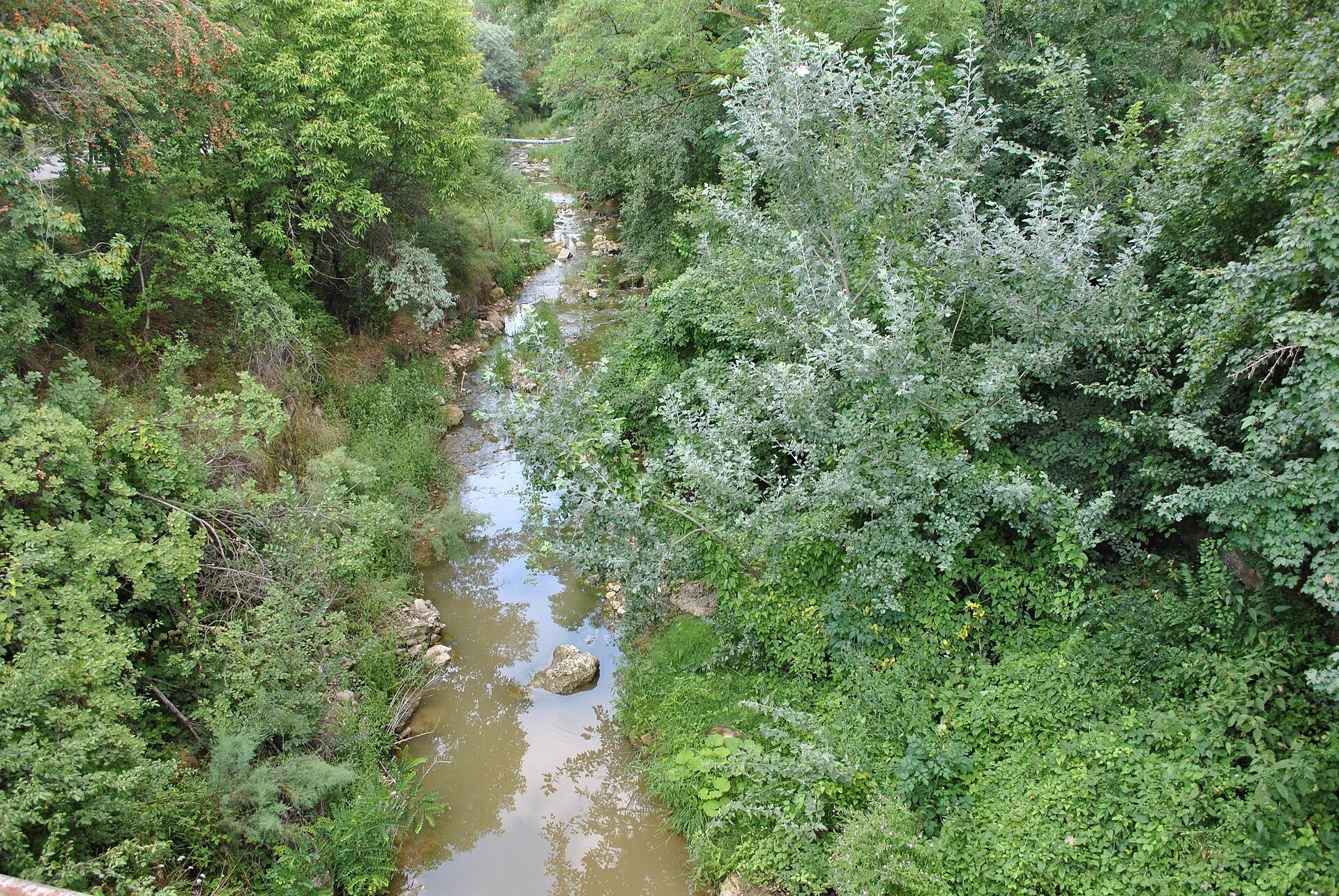
Sărata-Monteoru is a small salt-water spa in Buzău County, on the slope of Istrița Hill at the south-eastern edge of the Curvature Subcarpathians – the Carpathian foothills. The village belongs to the commune of Merei and lies at about 186 m in the valley of the Sărata river, some 14 km from the city of Buzău. Its healing waters have been mentioned since 1837. In the late 19th century the land was bought by Grigore Stavri, later known as Grigore Constantinescu-Monteoru; the spa was inaugurated on 1 July 1895, and the casino – the symbol of the interwar resort – was completed in 1900. In the 1970s two hotels, a salt-water pool and a treatment base were built. On Cetățuia hill near the village archaeologists found a Bronze Age settlement that gave its name to the Monteoru culture.
Natural healing resources
The main resource is highly mineralised sodium chloride (salt) springs. The treatment-base operator speaks of springs with a mineralisation of up to 513 g/l; according to Romanian Wikipedia, the most mineralised spring, No. 1, has about 270 g/l and 297 mg of bromine per litre, the springs that fed the pool 185 g/l, and the "stomach spring" (izvorul de stomac) only 6.7 g/l. There are also iodine-bearing springs (30–33.6 mg of iodine per litre) and a site called La Nămoluri with sulphurous mud on one of the slopes around the village. Another factor is the moderate continental climate of this transition zone towards the foothills.
What is treated
According to the operator of the treatment base at the Ceres hotel, the indications are:
- inflammatory rheumatic diseases (rheumatoid arthritis, ankylosing spondylitis);
- degenerative rheumatic diseases – osteoarthritis, spondylosis, hip and knee arthrosis, radiculopathies, static disorders of the spine and legs;
- soft-tissue conditions around the joints – shoulder periarthritis, tendinitis, bursitis, fibromyalgia;
- after-effects of limb and spinal fractures, post-traumatic tendon and muscle injuries;
- peripheral nerve disorders (neuralgia, neuropathies, paresis), after-effects of stroke or head injury, and asthenic neurosis.
Some occupational diseases are also treated. This information is for reference only and is not medical advice: a doctor prescribes the course and procedures after a consultation.
Treatments and salt baths
The Ceres hotel treatment base, which the operator describes as modernised, offers hot salt baths, thermotherapy with silicone gel, electrotherapy (low, medium and high-frequency currents, ultrasound), galvanic and four-cell galvanic baths, magnetotherapy and laser therapy, Bioptron light therapy, therapeutic massage, kinesiotherapy and remedial exercise. In summer the most popular place for visitors is the open-air pool with sodium chloride salt water from local springs; it is run by a private company, so check whether it is open this season before you travel.
Practical information
The Ceres hotel and treatment base are on str. Grigore Monteoru. The base is run by the state company TBRCM and belongs to the network where Romanian pensioners and insured persons are treated on National Pension House (CNPP) vouchers; in 2026 the resort is on the list of such facilities. The operator does not publish opening hours or prices for private visitors – ask by phone using the number on the base's page on the operator's website. The Monteoru family villa in the arboretum is closed to visitors.
Getting there from Ukraine
The most convenient border crossing is Porubne – Siret: from Chernivtsi to Sărata-Monteoru it is about 440 km (around 5 h 28 min), from Rakhiv 606 km (around 8 h 32 min) via the same crossing; times exclude border queues. Romanian roads require the rovinieta e-vignette. On the Buzău – Ploiești railway there is a station called Băile Sărata Monteoru in the village of Stâlpu, a few kilometres from the spa.
Nearby
The operator suggests combining treatment with a trip to the Berca mud volcanoes, Ciolanu monastery, the open-air sculpture camp at Măgura and the wine cellars of Pietroasele. Another salt-water resort in the Carpathian foothills is the Slănic Salt Mine with its salt lakes.
Photos: Andrei Stroe, CC BY-SA 3.0, Wikimedia Commons; mihai moise, CC BY 3.0, Wikimedia Commons.
Getting there from Ukraine
Border crossings
- Porubne – Siret — road and pedestrian, 24/7
- Diakivtsi – Racovăț — road and pedestrian, 24/7 No freight traffic.
- Krasnoilsk – Vicovu de Sus — road and pedestrian, 08:00–20:00 Cars up to 3.5 t and pedestrians only; not 24/7.
- Solotvyno – Sighetu Marmației — road and pedestrian, 24/7 Passenger traffic only: vehicles up to 3.5 t with up to 9 seats, pedestrians.
- Diakove – Halmeu — road, 24/7 No pedestrian crossing.
By car
Chernivtsi – Bușteni ≈426 km, ≈7 h 32 min (via Diakivtsi – Racovăț); Rakhiv – Bușteni ≈454 km, ≈8 h 01 min (via Solotvyno – Sighetu Marmației); Uzhhorod – Bușteni ≈557 km, ≈9 h 15 min (via Diakove – Halmeu). Times without border queues, our road routing (GraphHopper, OSM).
Checked 03.11.2026; border crossing hours and timetables change — check before you travel.
Comments
Travellers’ experience: reports, tips, questions.
No one has written here yet. Be the first — your experience helps others.
