Turnu Monastery: hermits' rock-cut cells above the Olt
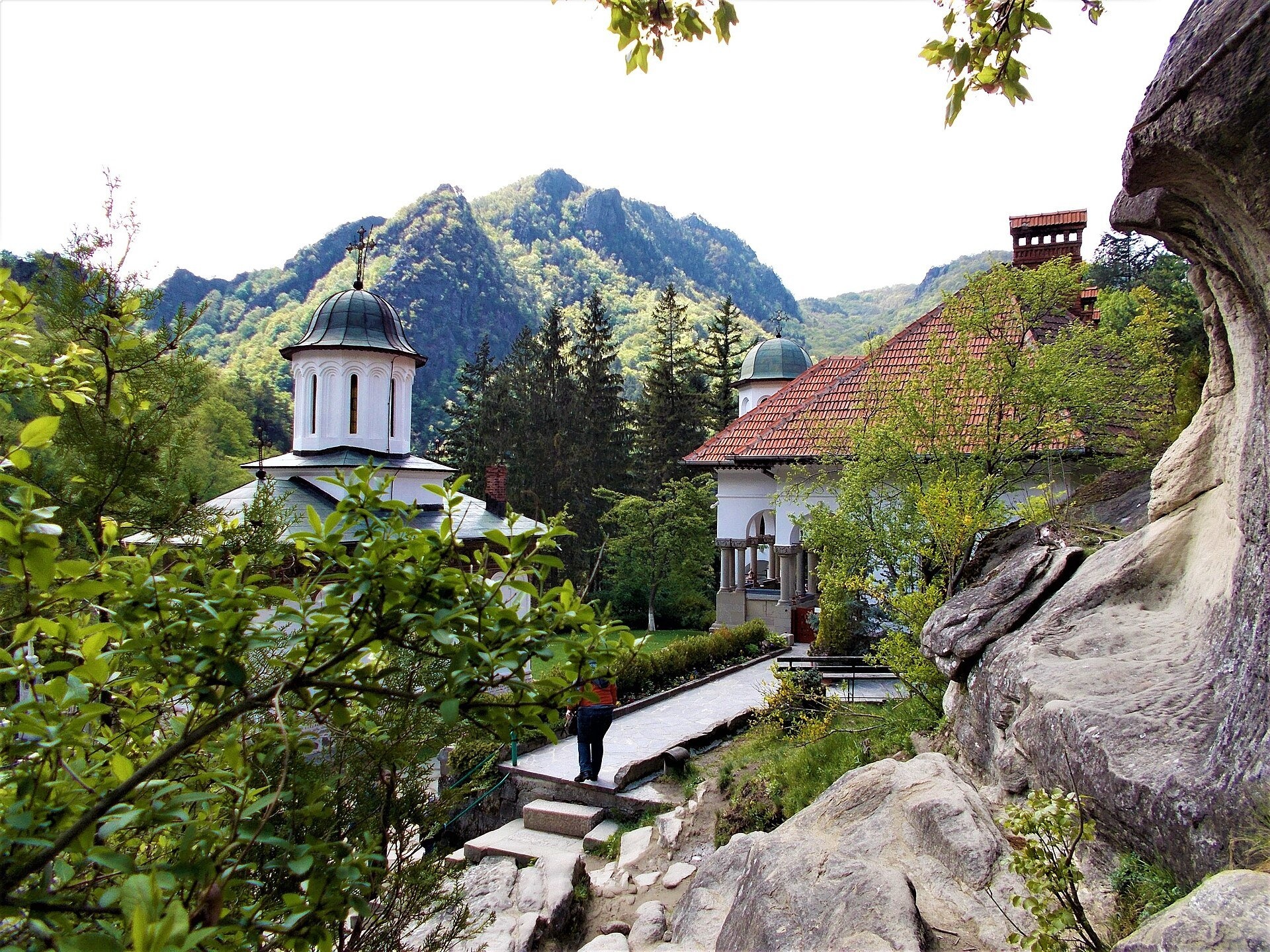
The skete "behind the tower"
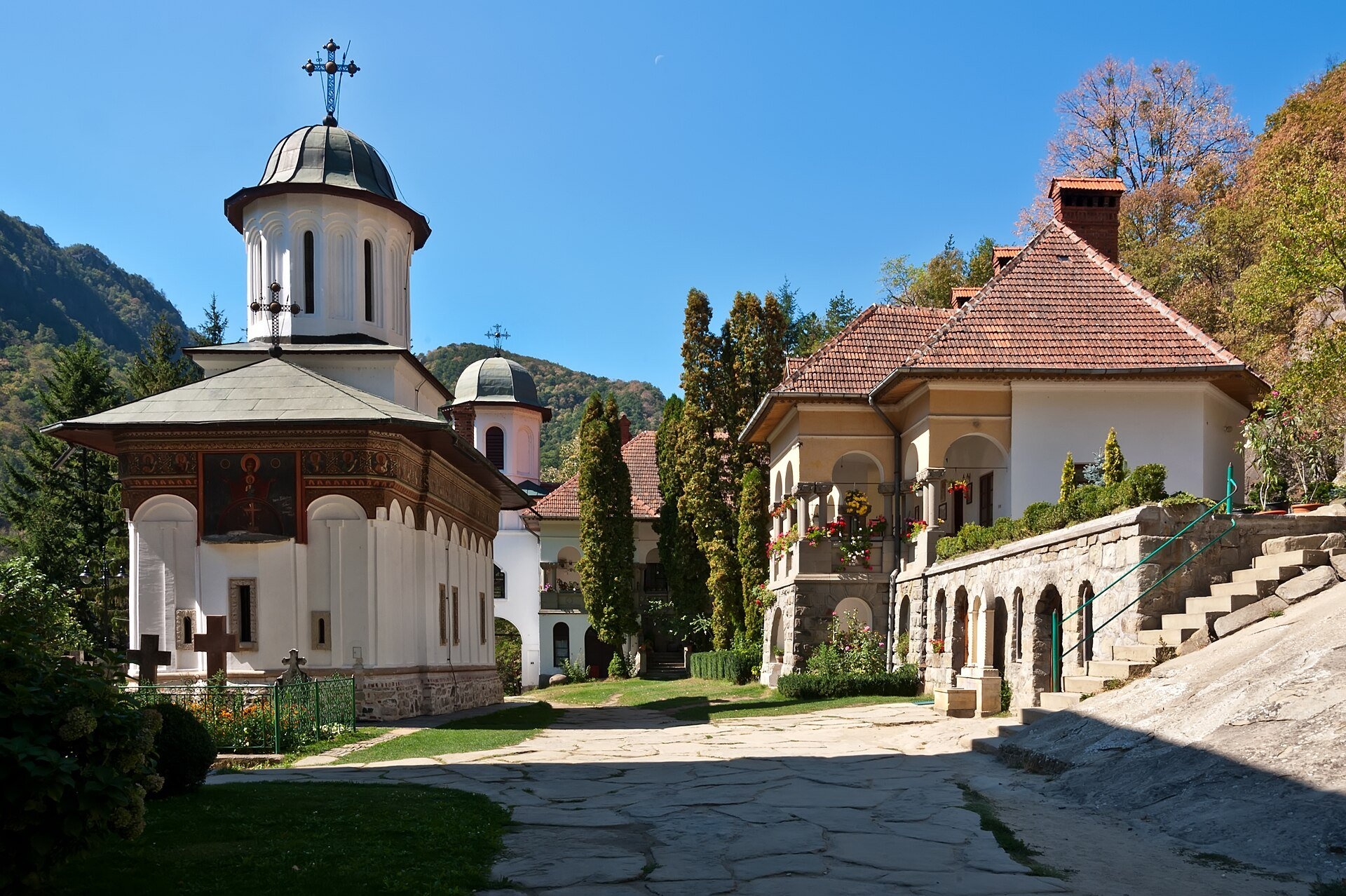
Turnu Monastery (Mănăstirea Turnu) stands on the left bank of the Olt at the foot of the Cozia massif, about 2 km upstream from Cozia Monastery, within the spa town of Călimănești. It takes its name from a tower on the rock known as Piscul lui Teofil, said to have been built by Roman legionaries from the Arutela camp in the 2nd century. At first the settlement was called "the skete behind the tower", then Turnu skete, and later Turnu Monastery.
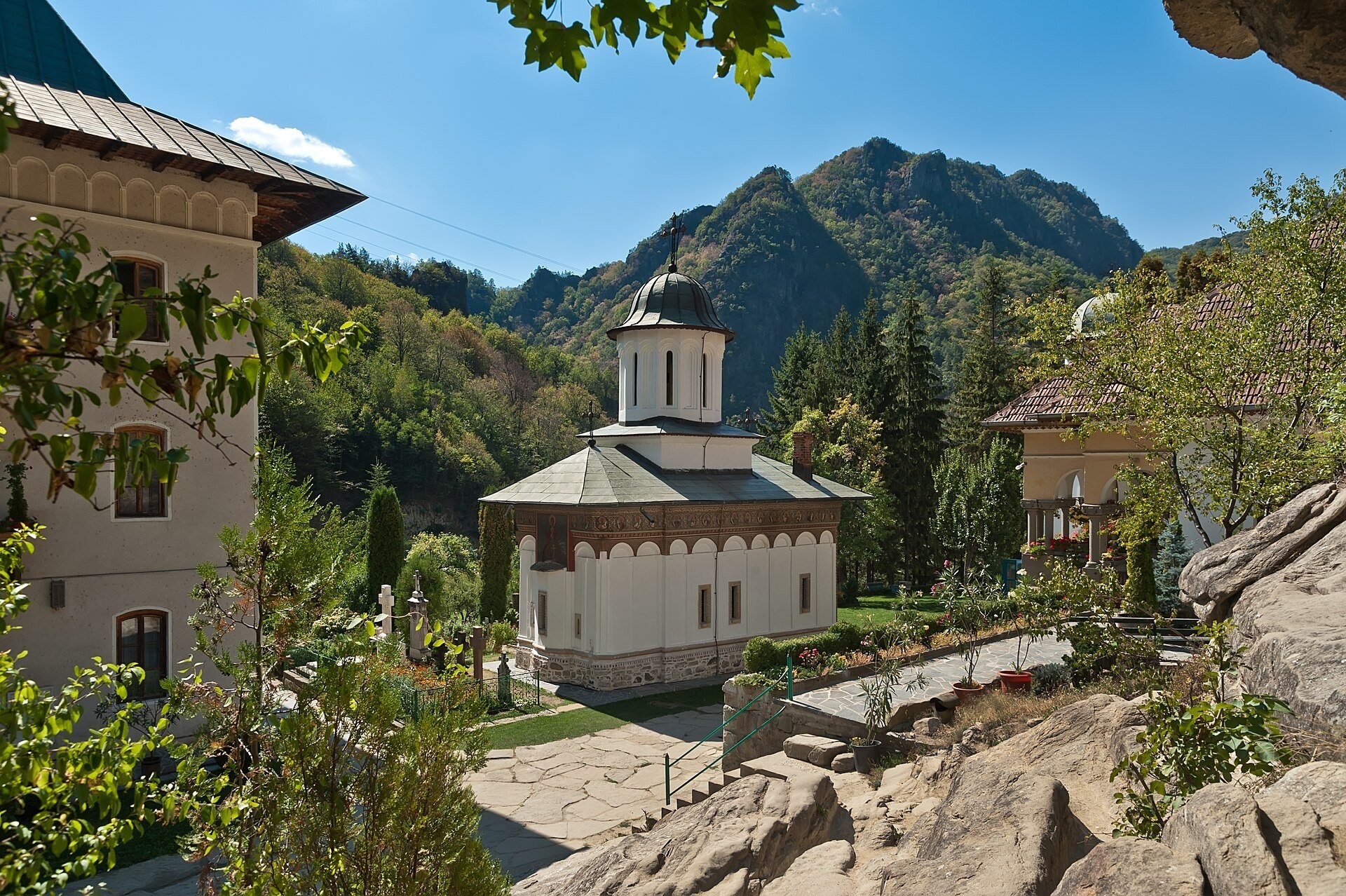
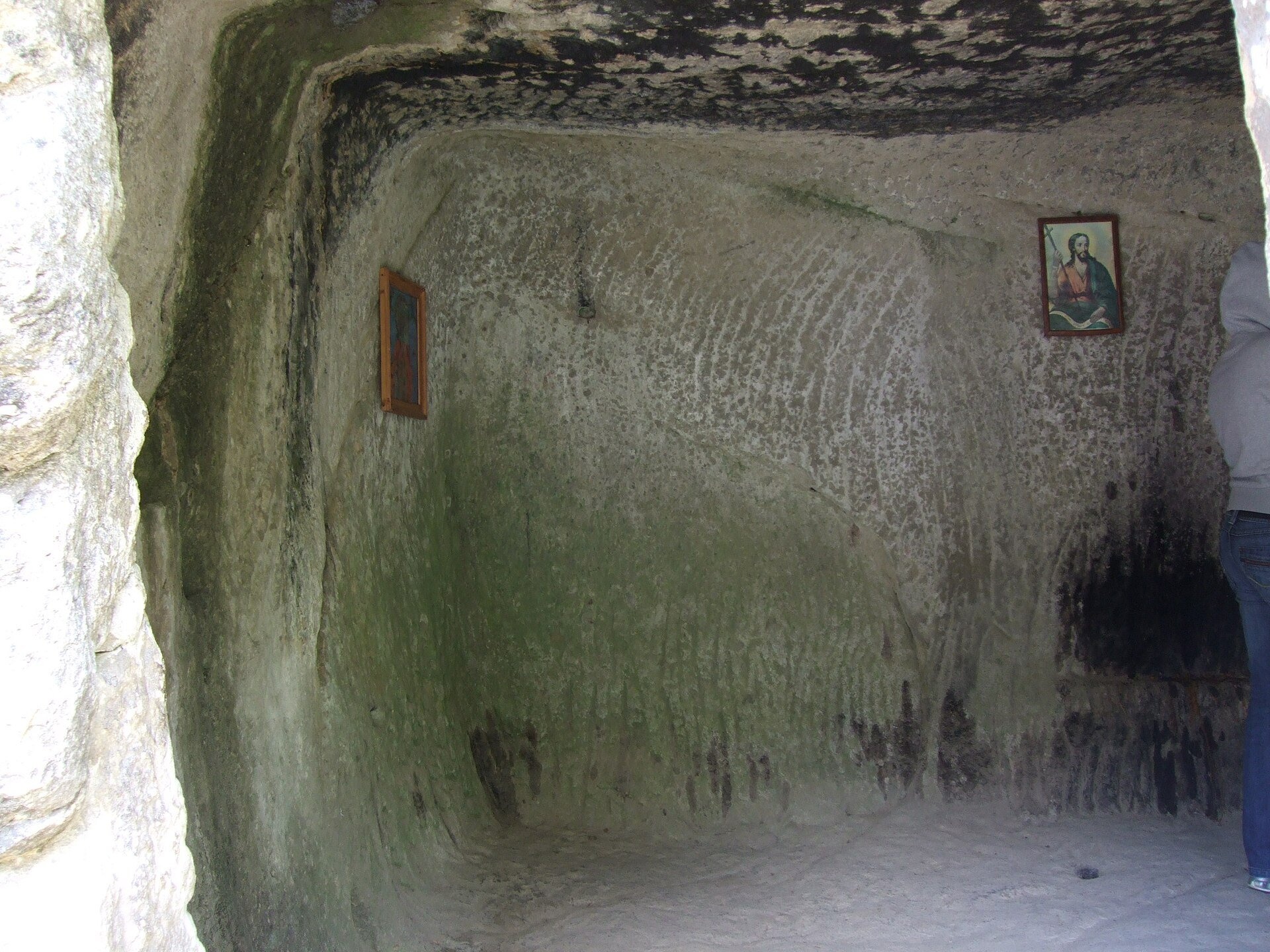
The monastery's story began in the 15th–16th centuries, when some monks of Cozia withdrew here to live as hermits: they lived in poor huts and in cells cut straight into the rock, like the hermits Daniil and Misail. In the mid-16th century Misail put up a wooden church of the Presentation of the Virgin in the Temple. After 1676, when Varlaam, abbot of Cozia, became Bishop of Râmnic and later Metropolitan of Wallachia, a small stone church was built here, and the relics of both hermits were laid beneath it. At the end of the 19th century a summer residence of the bishop was built next to it, with a Church of the Transfiguration consecrated in 1901. A fire in 1932 destroyed most of the buildings; the murals were redone by the painter Belizarie in 1935–1936. The monastery was closed in 1961, monks settled here again in 1975, and in 1988 it regained the status of a monastery. Today it is an active monastery of monks of the Archdiocese of Râmnic of the Romanian Orthodox Church.
Why go
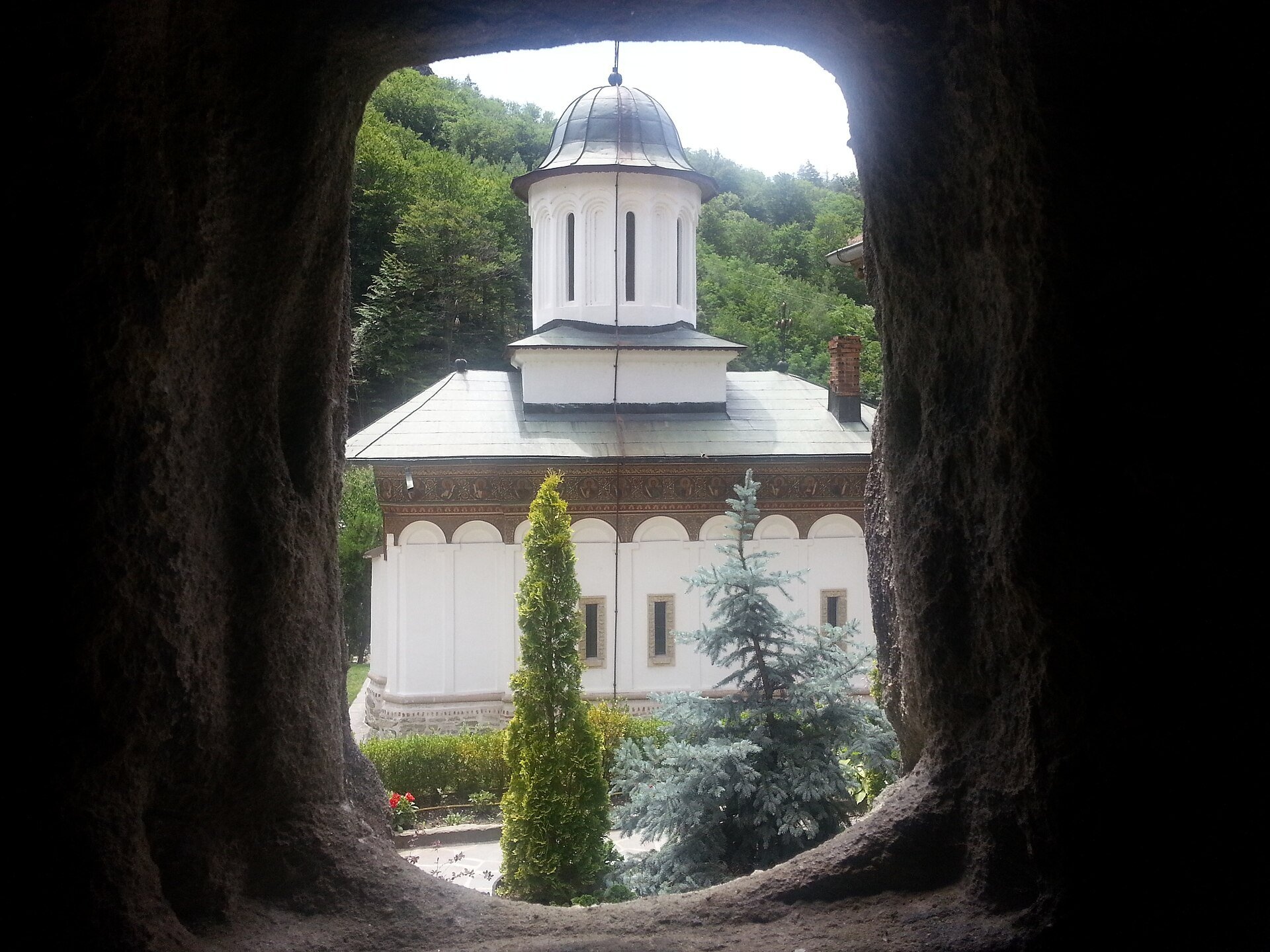
Turnu is the quiet companion of famous Cozia, worth a stop to see where monastic life in the Olt gorge began: small cells hollowed out of soft rock right above the courtyard, and an old church in a flower garden below the cliffs. The setting is very picturesque, with the Olt on one side and the green slopes of Cozia on the other, and it is calmer than the busy main road.
What to see
- The hermits' rock-cut cells above the courtyard, with small icons carved in the stone.
- The old Church of the Presentation of the Virgin from the late 17th century, under which rest the relics of the hermits Daniil and Misail.
- The former bishop's residence (1893–1901) with the Church of the Transfiguration upstairs and a church dedicated to the Life-giving Spring in the former refectory.
- Cell wings with galleries and flower gardens below the cliffs.
- Views of the Olt valley and the slopes of the Cozia massif.
Practical information
The monastery lies 2 km north of Cozia Monastery, on the opposite bank of the Olt from the DN7 (E81) road; it is reached by the bridge near Lotrișor and a short access road. There is a railway halt, "Mănăstirea Turnu", nearby on the line along the Olt. It is about 22 km from Râmnicu Vâlcea and about 80 km from Sibiu. From Ukraine the most convenient route is via the Porubne – Siret or Diakivtsi – Racovăț crossing and through Transylvania to Sibiu.
The monastery welcomes pilgrims daily; no official visiting hours or prices are published. Contacts from the monastery's page on the Archdiocese of Râmnic website: phone +40 250 750 851, e-mail [email protected]. Information as of November 2026 — check before you go. This is an active monastery of monks: dress modestly (shoulders and knees covered; women may find a headscarf useful), speak quietly and take photographs in the church only with permission. Stone steps lead up to the rock cells, so wear comfortable shoes. Allow about an hour.
Nearby
- Cozia Monastery — Mircea the Elder's foundation of 1387–1391, 2 km downstream.
- Cozia (Ciuha Mare) — the summit of the massif above the monastery, in Cozia National Park.
- The Vâlcea Village Museum in Bujoreni — an open-air museum about 17 km south.
- Horezu Monastery — a UNESCO site about 60 km west.
- The Călimănești–Căciulata spa with its mineral springs.
Official website: arhiepiscopiaramnicului.ro
Photos: Hans-Jürgen Neubert, CC BY 4.0, Wikimedia Commons; Cosmi Campean, CC BY-SA 4.0, Wikimedia Commons; MihaelaStan, CC BY-SA 3.0 ro, Wikimedia Commons; Nicu Farcaș, CC BY-SA 4.0, Wikimedia Commons; Leontin l, CC BY-SA 3.0 ro, Wikimedia Commons.
Getting there from Ukraine
Border crossings
- Porubne – Siret — road and pedestrian, 24/7
- Diakivtsi – Racovăț — road and pedestrian, 24/7 No freight traffic.
- Krasnoilsk – Vicovu de Sus — road and pedestrian, 08:00–20:00 Cars up to 3.5 t and pedestrians only; not 24/7.
- Solotvyno – Sighetu Marmației — road and pedestrian, 24/7 Passenger traffic only: vehicles up to 3.5 t with up to 9 seats, pedestrians.
- Diakove – Halmeu — road, 24/7 No pedestrian crossing.
By car
Rakhiv – Sibiu ≈390 km, ≈5 h 33 min (via Solotvyno – Sighetu Marmației); Ivano-Frankivsk – Sibiu ≈524 km, ≈7 h 52 min (via Solotvyno – Sighetu Marmației); Chernivtsi – Sibiu ≈435 km, ≈8 h 00 min (via Diakivtsi – Racovăț). Times without border queues, our road routing (GraphHopper, OSM).
Checked 03.11.2026; border crossing hours and timetables change — check before you travel.
Comments
Travellers’ experience: reports, tips, questions.
No one has written here yet. Be the first — your experience helps others.
Video 2
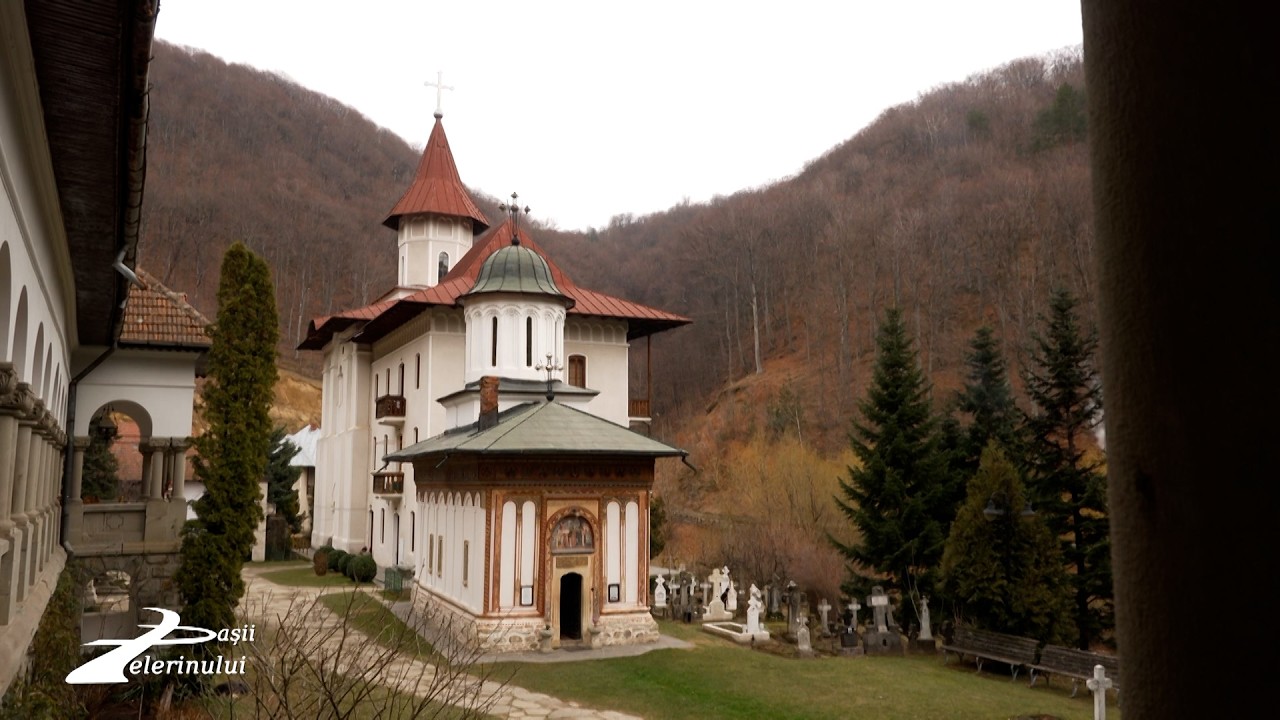 Mănăstirea Turnu, din județul Vâlcea #pasiipelerinuluiTRINITAS TV

Location on the map
Trails nearby
All trails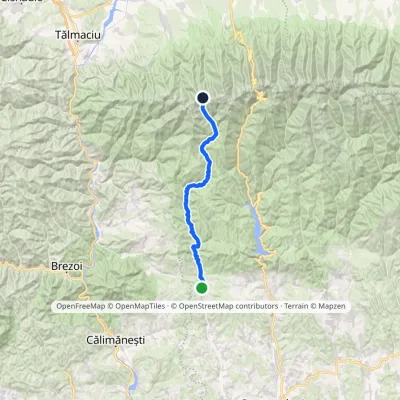 Hard1–2 daysMarkedSălătrucu Scării SaddleElevation profile623–2 147 m39.7 kmascent 1 685 m≈ 12.5 h walking16 km from Turnu Monastery: hermits' rock-cut cells above the Olt
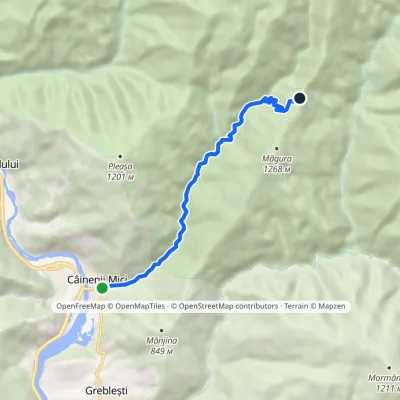 ModerateOne-dayMarkedCâinenii Mici Plaiul GrebleștiElevation profile350–1 076 m7.8 kmascent 726 m≈ 3 h walking23 km from Turnu Monastery: hermits' rock-cut cells above the Olt
Nearby attractions
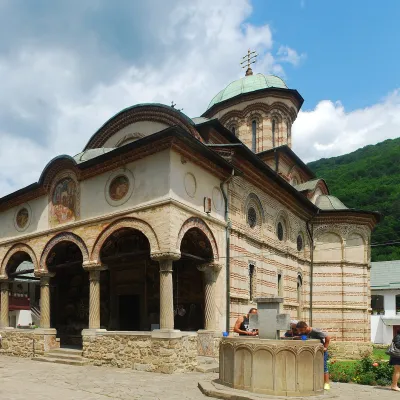 ChurchCozia Monastery: Mircea the Elder's burial church on the OltPăușa1.9 km from Turnu Monastery: hermits' rock-cut cells above the OltCozia Monastery (Mănăstirea Cozia) stands on the right bank of the Olt, where the river cuts through the Southern Carpathians, at the northern edge of the spa town of...
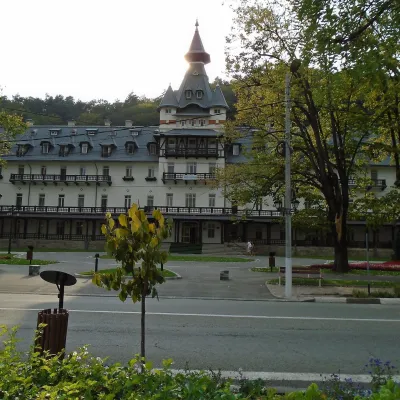 Water parks & thermal poolsCălimănești-Căciulata: thermal pools and springs in the Olt gorgePăușa2.7 km from Turnu Monastery: hermits' rock-cut cells above the OltCălimănești-Căciulata is one of Romania's best-known spas, stretching along both banks of the Olt where the river enters its gorge between the Cozia massif and the...
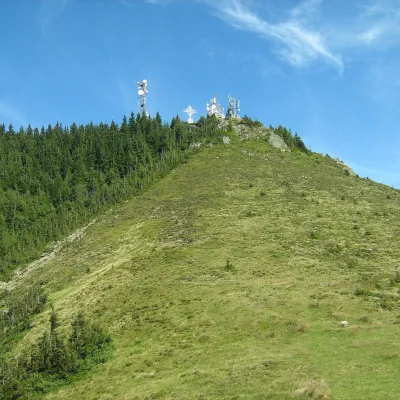 PeakCozia Peak (Ciuha Mare)Drăgăneștialtitude 1 668 m4.3 km from Turnu Monastery: hermits' rock-cut cells above the OltCozia Peak, also Ciuha Mare (Romanian Vârful Cozia), is the highest summit of the Cozia massif, at 1,668 m, in the central part of the Southern Carpathians in Romania,...
Craft nearby
All craft places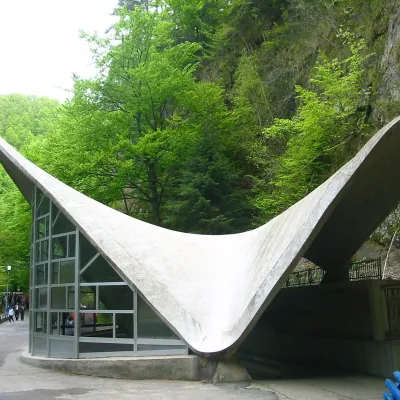 Water parks & thermal poolsBăile Olănești: sulphur and iodine springs of VâlceaBăile Olănești11 km from Turnu Monastery: hermits' rock-cut cells above the OltBăile Olănești is a mineral-water spa in Vâlcea County, in the valley of the Olănești river, at about 450 m and roughly 20 km north-west of the town of Râmnicu Vâlcea.
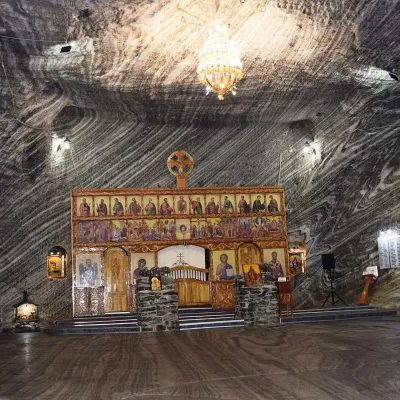 Water parks & thermal poolsOcnele Mari Salt Mine: underground microclimate near VâlceaGura Suhașului22 km from Turnu Monastery: hermits' rock-cut cells above the OltThe Ocnele Mari Salt Mine is a visitor and wellness area in one of the worked-out levels of an active salt mine in the small town of Ocnele Mari, 8 km from Râmnicu...
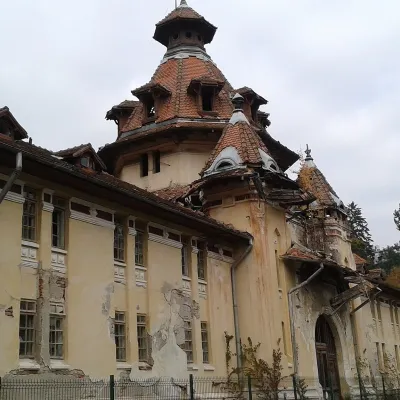 Water parks & thermal poolsBăile Govora: iodine-bromine waters and inhalationsBăile Govora25 km from Turnu Monastery: hermits' rock-cut cells above the OltBăile Govora is a small spa in Vâlcea County, in a sub-Carpathian depression in the valley of the Hința river, at 360–380 m, south-west of the town of Râmnicu Vâlcea.
