ASTRA Museum, Sibiu: open-air museum in Dumbrava forest
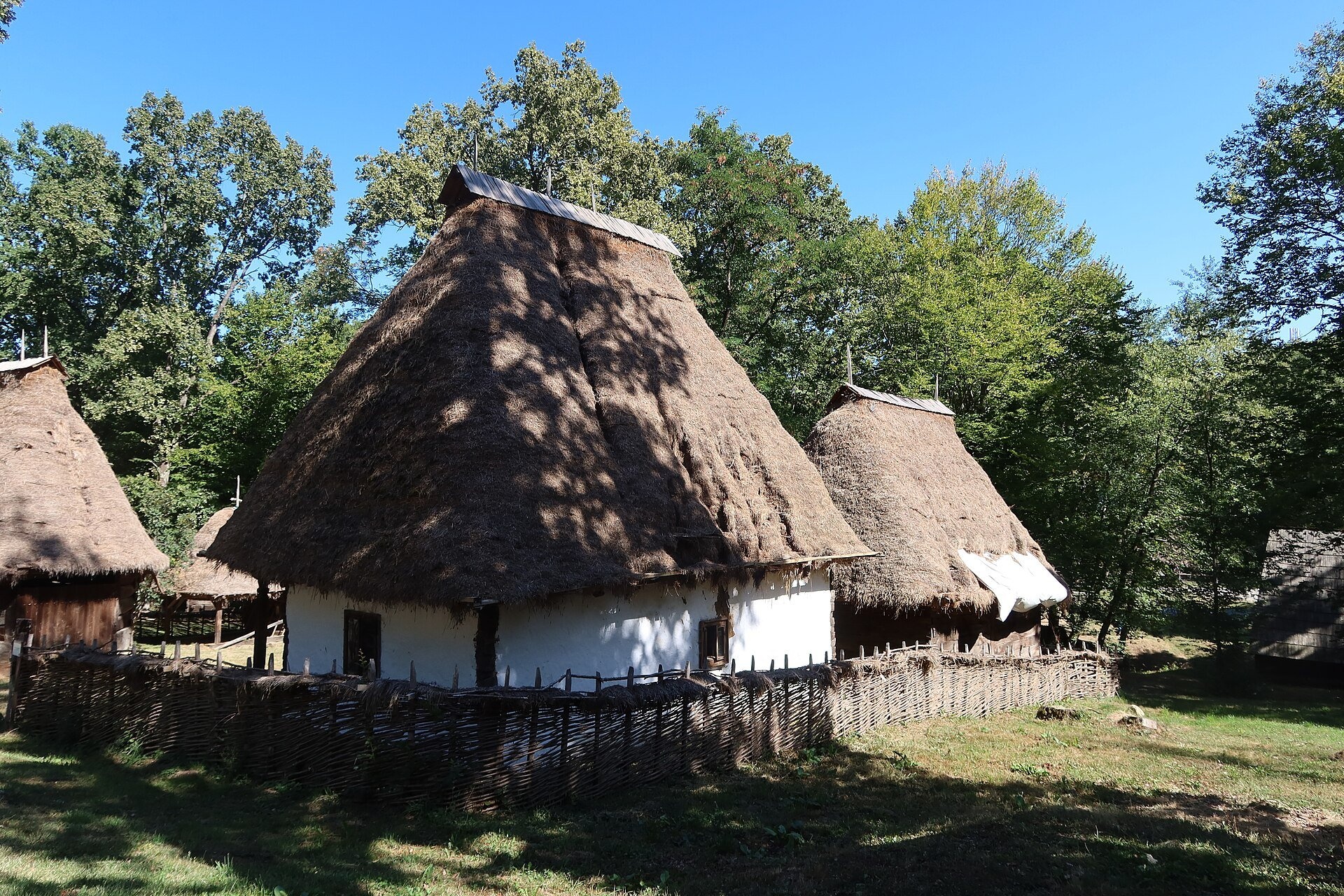
A Romanian village in a forest near Sibiu
The ASTRA Museum of Traditional Folk Civilization occupies part of the Dumbrava forest (Dumbrava Sibiului) about 3 km south of the centre of Sibiu, on the road to Rășinari. It is the largest open-air museum in Romania and one of the largest in Central and Eastern Europe: over 400 buildings stand on 96 hectares of forest, meadows and lakeshore, linked by some 10 km of paths.
The museum's story begins with the Transylvanian Association for Romanian Literature and Culture — ASTRA, founded in Sibiu in 1861. In 1905 it opened its museum in a new palace in the city park, and in 1940 the ethnographer Romulus Vuia proposed an open-air museum in the Dumbrava forest. The war and the communist regime postponed the idea; in 1950 the old museum's collections were divided among other institutions. Only in 1963, under the scholarly guidance of Cornel Irimie, did work begin on a Museum of Folk Technology — the first monument moved here was a water mill from Hunedoara County. The museum officially opened in 1966, and an international symposium held that year, at which it was shown to specialists, led to the founding of the Association of European Open Air Museums. Later, besides workshops and technology, whole farmsteads and community buildings were moved here, and since 1990 the museum has again carried the ASTRA name.
Why go
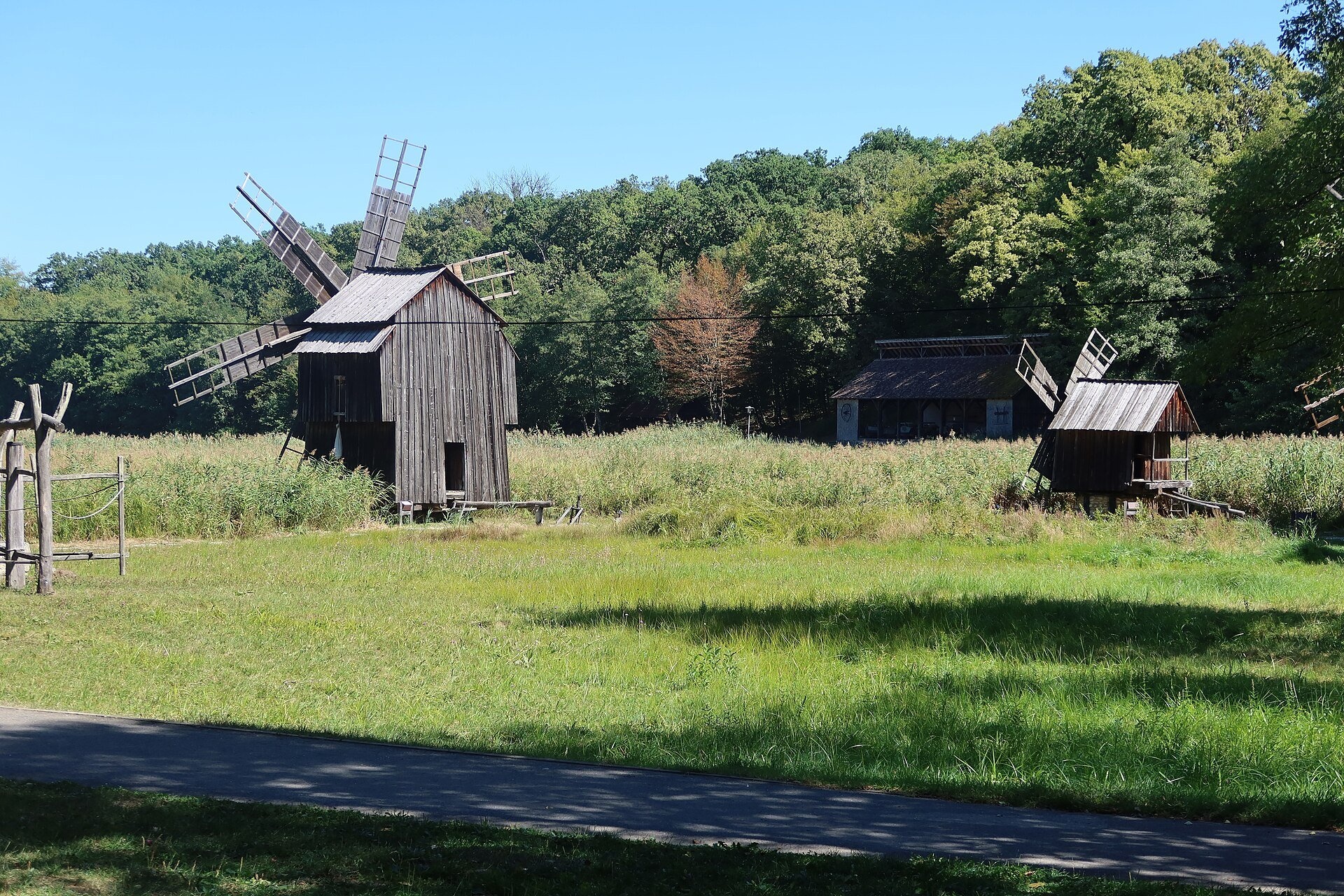
ASTRA is all of Romania in a single walk: houses from Maramureș and Oltenia, windmills from Dobruja, fishermen's huts from the Danube Delta, mining structures from the Apuseni Mountains, smithies, potteries and oil presses. The buildings are not set in rows but in a natural landscape — by ponds, in clearings, among oaks — so the museum combines easily with a long walk or a bike ride. In summer craftspeople work here and festivals are held, and the most popular event is the Folk Craftsmen's Fair in mid-August, around the feast of the Dormition. For families with children it is one of the most convenient sights in Transylvania.
What to see
- Windmills from Dobruja on the lakeshore and a fishermen's farmstead from the Danube Delta.
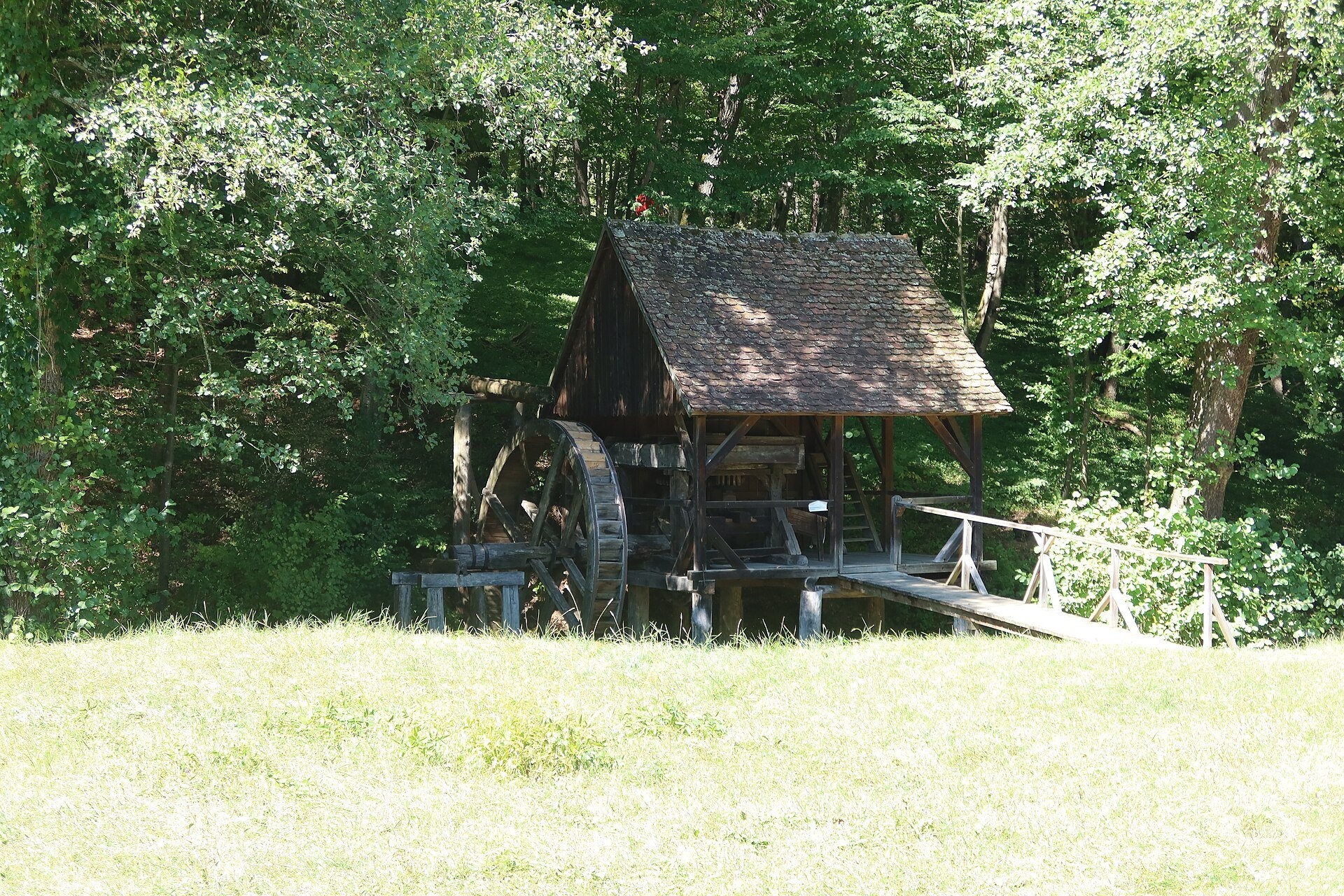
- Water mills, fulling mills and oil presses — including a floating mill on the water.
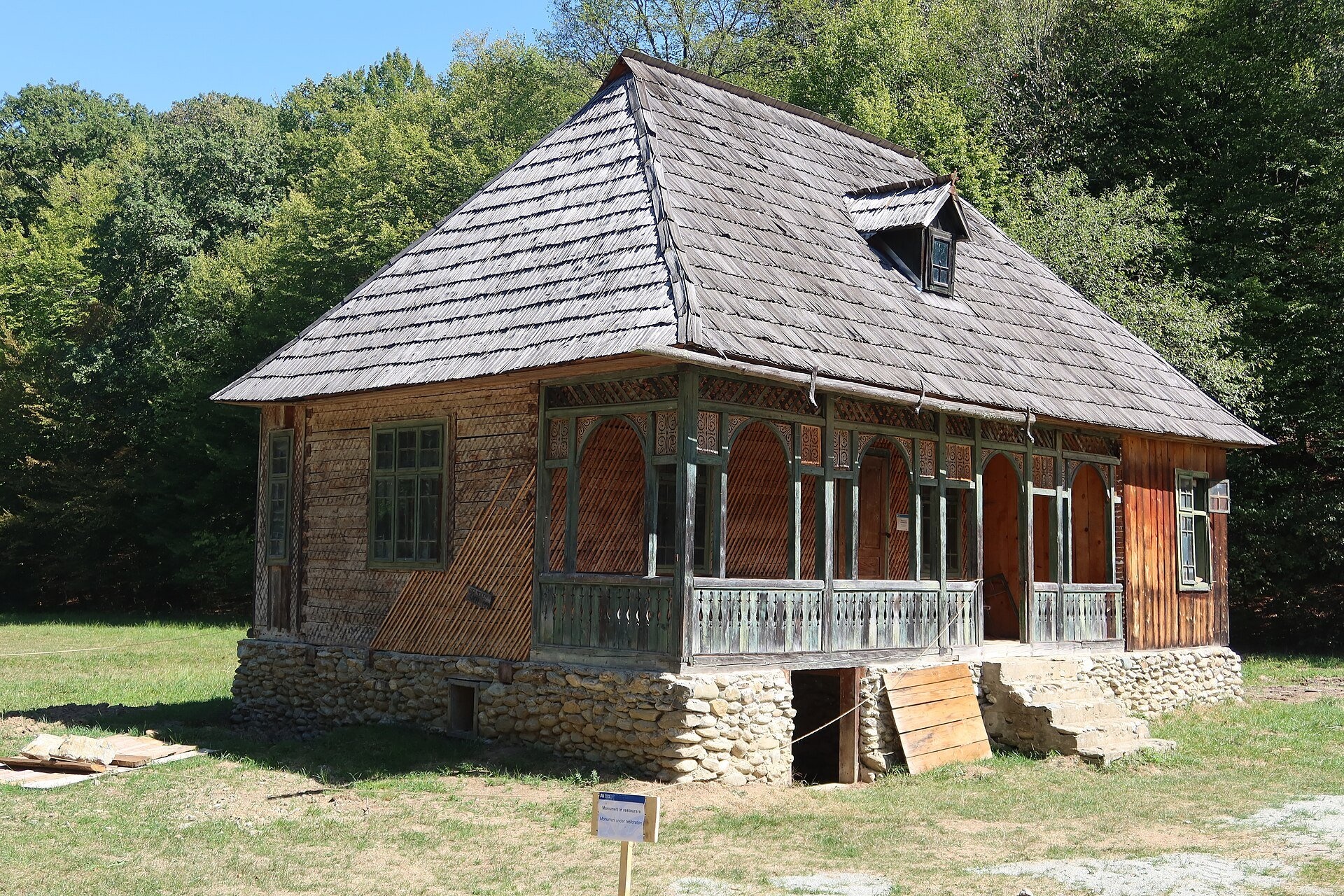
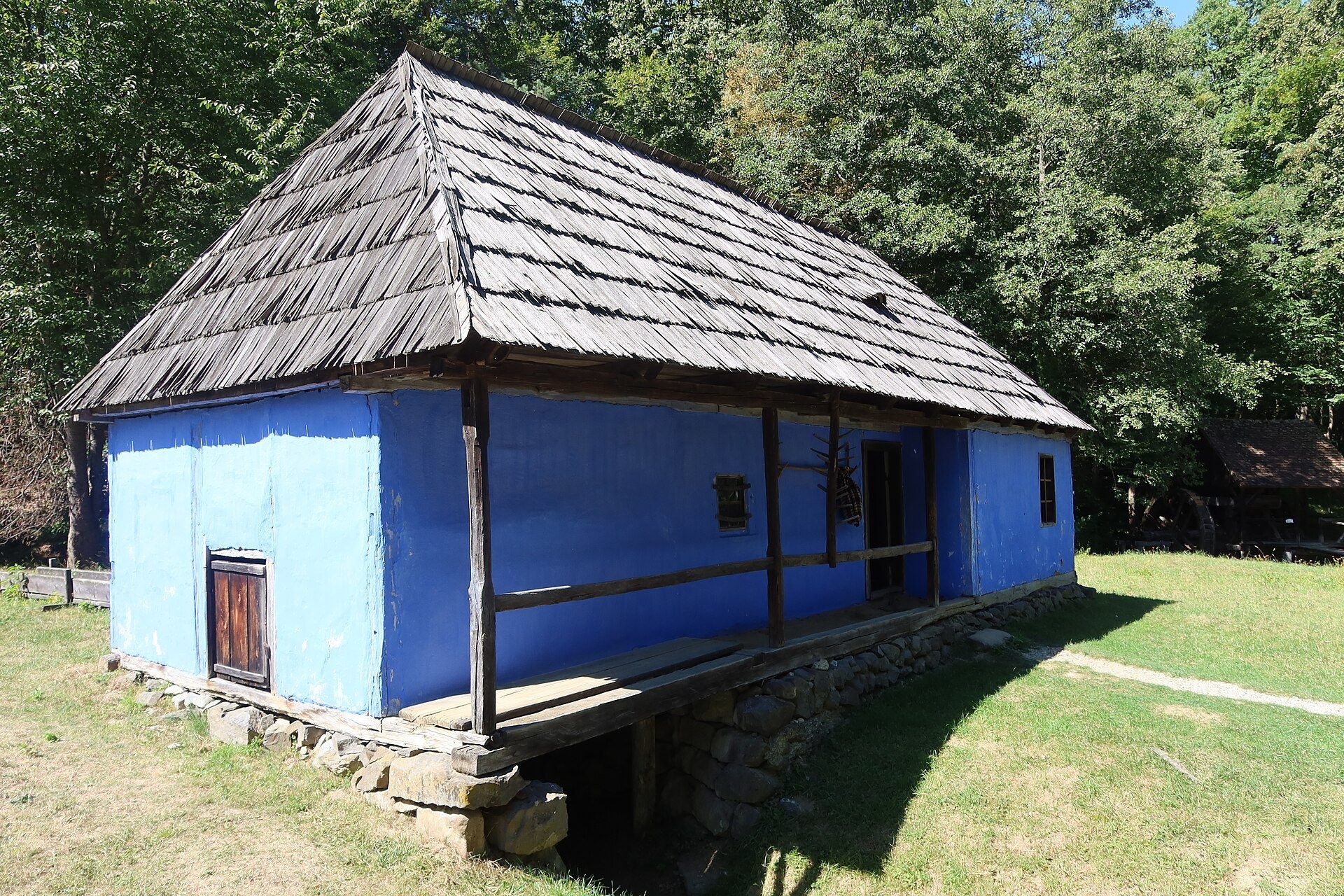
- Peasant farmsteads from various regions of Romania — from clay houses under reed roofs to timber houses with porches — as well as storehouses and granaries.
- The wooden church from Bezded in Sălaj County, moved here in 1990–1992.
- A mine from the Apuseni Mountains, smithies, pottery workshops and a shed of peasant carts and sledges.
- An inn, a dance pavilion and a skittle alley from Păltiniș monastery, plus exhibitions in the Multicultural Pavilion.
Practical information
Address: Strada Pădurea Dumbrava nr. 16-20, gate 1, 550399 Sibiu. It is about 3 km from the centre of Sibiu along Calea Rășinari; by the entrance there are «Muzeul Astra» bus stops and a car park. From Ukraine the nearest route is via the Solotvyno — Sighetu Marmației crossing, about 360 km away. Hours (as of November 2026): in season (May – September) daily 8:00–20:00; off-season daily 8:00–17:00, last ticket at gate 1 at 16:45; gate 2 is open 9:00–17:00, the Etno Tehno Parc Wed–Sun 9:30–16:00. Tickets: adults 50 lei, seniors 20 lei, pupils or students 10 lei; group tickets and annual passes are available. Buy from the machines at the entrances (card recommended) or online. Cycling on the paths is allowed 8:00–10:00 and 15:00–17:00. Open-air museum phone: +40 756 085 794, e-mail [email protected]. Allow at least 2–3 hours; the paths are mostly level but unpaved and long in places.
Nearby
- The historic centre of Sibiu with its Large and Small Squares.
- The Brukenthal National Museum on the Large Square.
- The Romanesque basilica of Cisnădioara on its hill — about 10 km away.
- The «Transilvania» peasant market in Sibiu — a Saturday farmers' market.
- The village of Rășinari and the resort of Păltiniș in the Cindrel Mountains.
Official website: muzeulastra.ro
Photos: Roeland P., CC0, Wikimedia Commons; Andrea.gagyi, CC BY-SA 3.0 ro, Wikimedia Commons; Nicubunu, CC BY-SA 3.0 ro, Wikimedia Commons.
Getting there from Ukraine
Border crossings
- Porubne – Siret — road and pedestrian, 24/7
- Diakivtsi – Racovăț — road and pedestrian, 24/7 No freight traffic.
- Krasnoilsk – Vicovu de Sus — road and pedestrian, 08:00–20:00 Cars up to 3.5 t and pedestrians only; not 24/7.
- Solotvyno – Sighetu Marmației — road and pedestrian, 24/7 Passenger traffic only: vehicles up to 3.5 t with up to 9 seats, pedestrians.
- Diakove – Halmeu — road, 24/7 No pedestrian crossing.
By car
Rakhiv – Sibiu ≈390 km, ≈5 h 33 min (via Solotvyno – Sighetu Marmației); Ivano-Frankivsk – Sibiu ≈524 km, ≈7 h 52 min (via Solotvyno – Sighetu Marmației); Chernivtsi – Sibiu ≈435 km, ≈8 h 00 min (via Diakivtsi – Racovăț). Times without border queues, our road routing (GraphHopper, OSM).
Checked 03.11.2026; border crossing hours and timetables change — check before you travel.
Comments
Travellers’ experience: reports, tips, questions.
No one has written here yet. Be the first — your experience helps others.
Video 2
 Discover Romania: Comorile Muzeului Astra din Sibiu (@Arhiva TVR)TVR

Location on the map
Trails nearby
All trails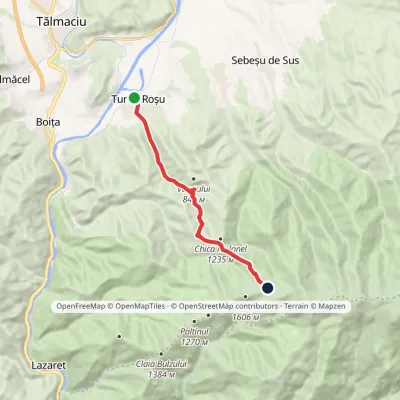 ModerateOne-dayMarkedTurnu Roșu station Corbului SaddleElevation profile369–1 566 m9.5 kmascent 1 197 m≈ 4.5 h walking19 km from ASTRA Museum, Sibiu: open-air museum in Dumbrava forest
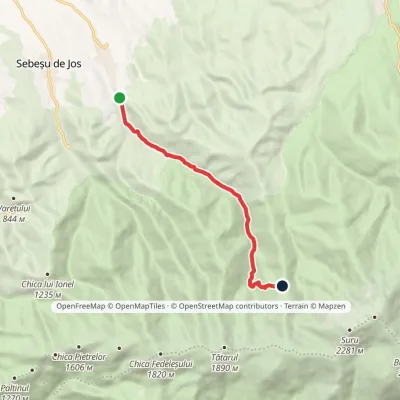 ModerateOne-dayMarkedSebeșu de Sus Suru HutElevation profile494–1 433 m8.2 kmascent 938 m≈ 3.5 h walking23 km from ASTRA Museum, Sibiu: open-air museum in Dumbrava forest
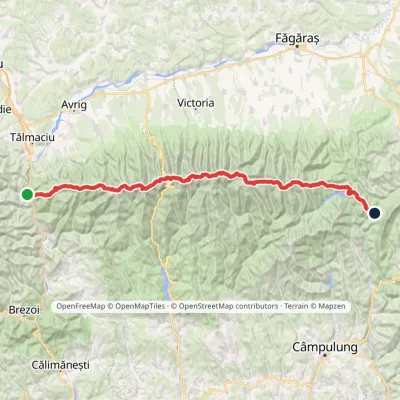 HardMulti-dayMarkedFăgăraș main ridge: Olt Valley Tămașului SaddleElevation profile358–2 525 m93.1 kmascent 6 545 m23 km from ASTRA Museum, Sibiu: open-air museum in Dumbrava forest
Nearby attractions
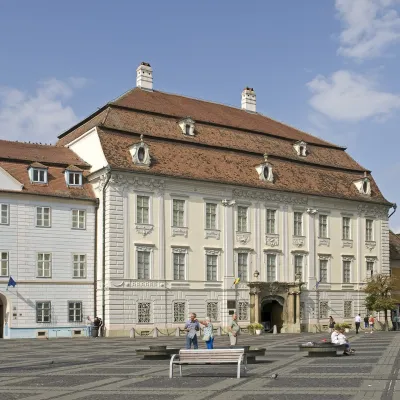 MuseumBrukenthal National Museum, Sibiu: palace and art gallerySibiu5.6 km from ASTRA Museum, Sibiu: open-air museum in Dumbrava forestSibiu (German Hermannstadt) was the chief town of the Transylvanian Saxons, and in the late 18th century it was home to one of the most powerful men in the region —...
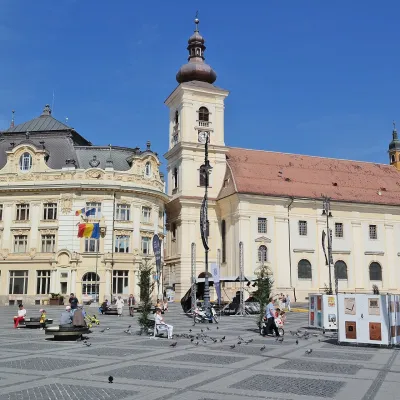 ArchitectureSibiu historic centre: squares, Bridge of Lies and wallsSibiu5.7 km from ASTRA Museum, Sibiu: open-air museum in Dumbrava forestSibiu (German Hermannstadt, Hungarian Nagyszeben) was founded in the 12th century by German settlers invited to southern Transylvania by the kings of Hungary.
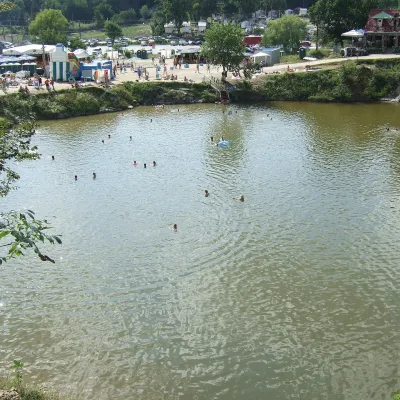 Water parks & thermal poolsOcna Sibiului spa: salt lakes and healing mudOcna Sibiului14 km from ASTRA Museum, Sibiu: open-air museum in Dumbrava forestOcna Sibiului is a small spa town in Sibiu County, 15 km north-west of Sibiu, on the southern edge of the Transylvanian hill basin.
Craft nearby
All craft places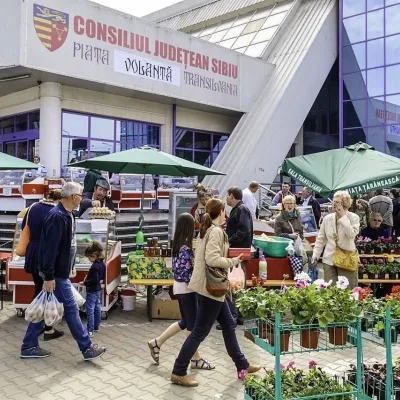 Markets & fairsTransylvania Farmers’ Market in Sibiu: Saturday producers’ marketSibiu4.2 km from ASTRA Museum, Sibiu: open-air museum in Dumbrava forestThe Transylvania Farmers’ Market (Piața Țărănească Transilvania) is an open-air Saturday market next to the Transilvania sports hall in Sibiu.
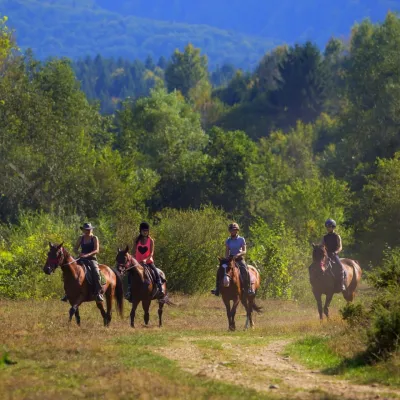 Horse ridingHermannstadt Mountain Horses: horse rides below the FăgărașPorumbacu de Sus28 km from ASTRA Museum, Sibiu: open-air museum in Dumbrava forestHorses in the Avrig Valley below the Făgăraș Hermannstadt Mountain Horses (Hermannstadt is the old German name of Sibiu) is a riding stable in the Avrig Valley (Valea...
