Arnota Monastery: Matei Basarab's mountain mausoleum
Matei Basarab's vow
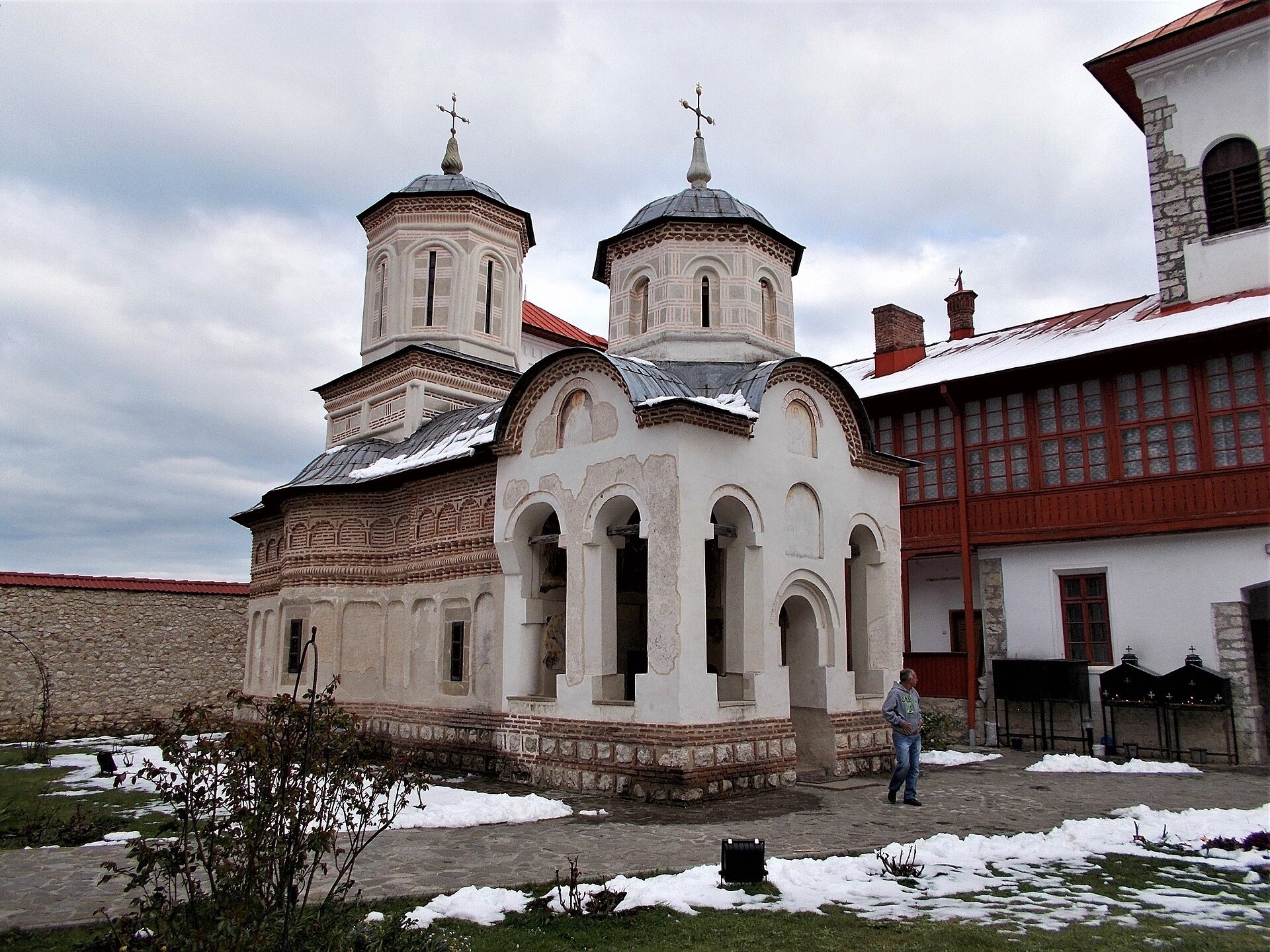
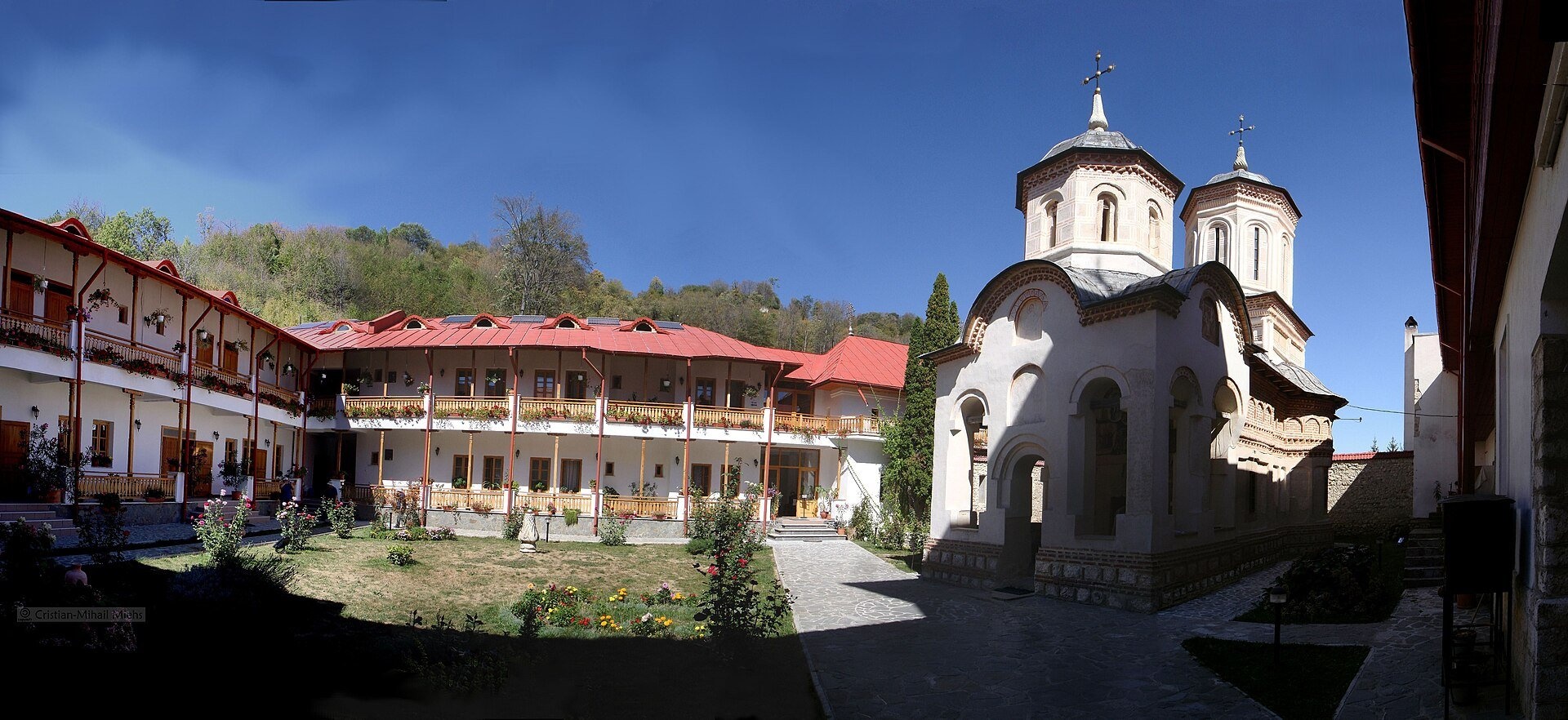
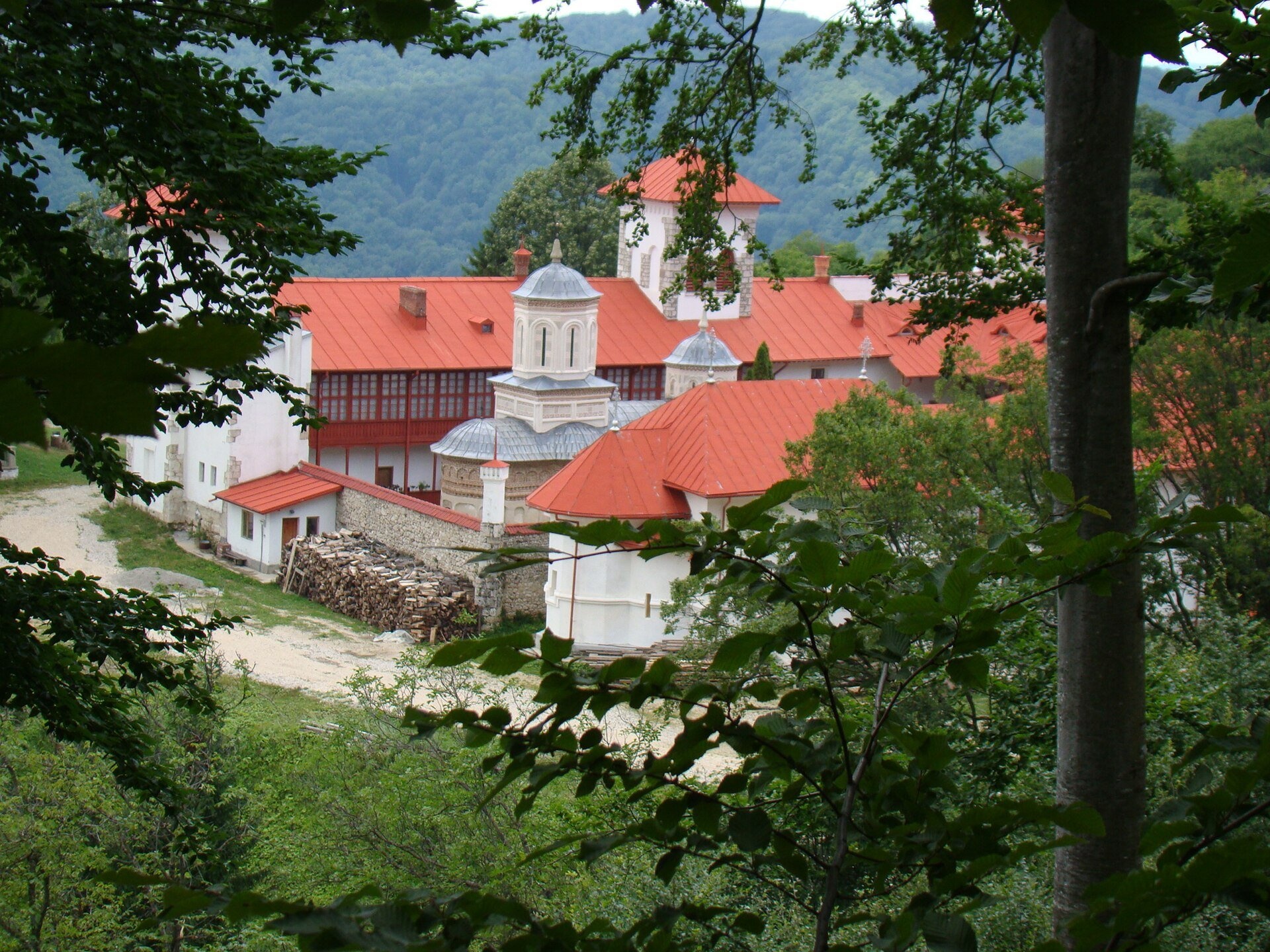
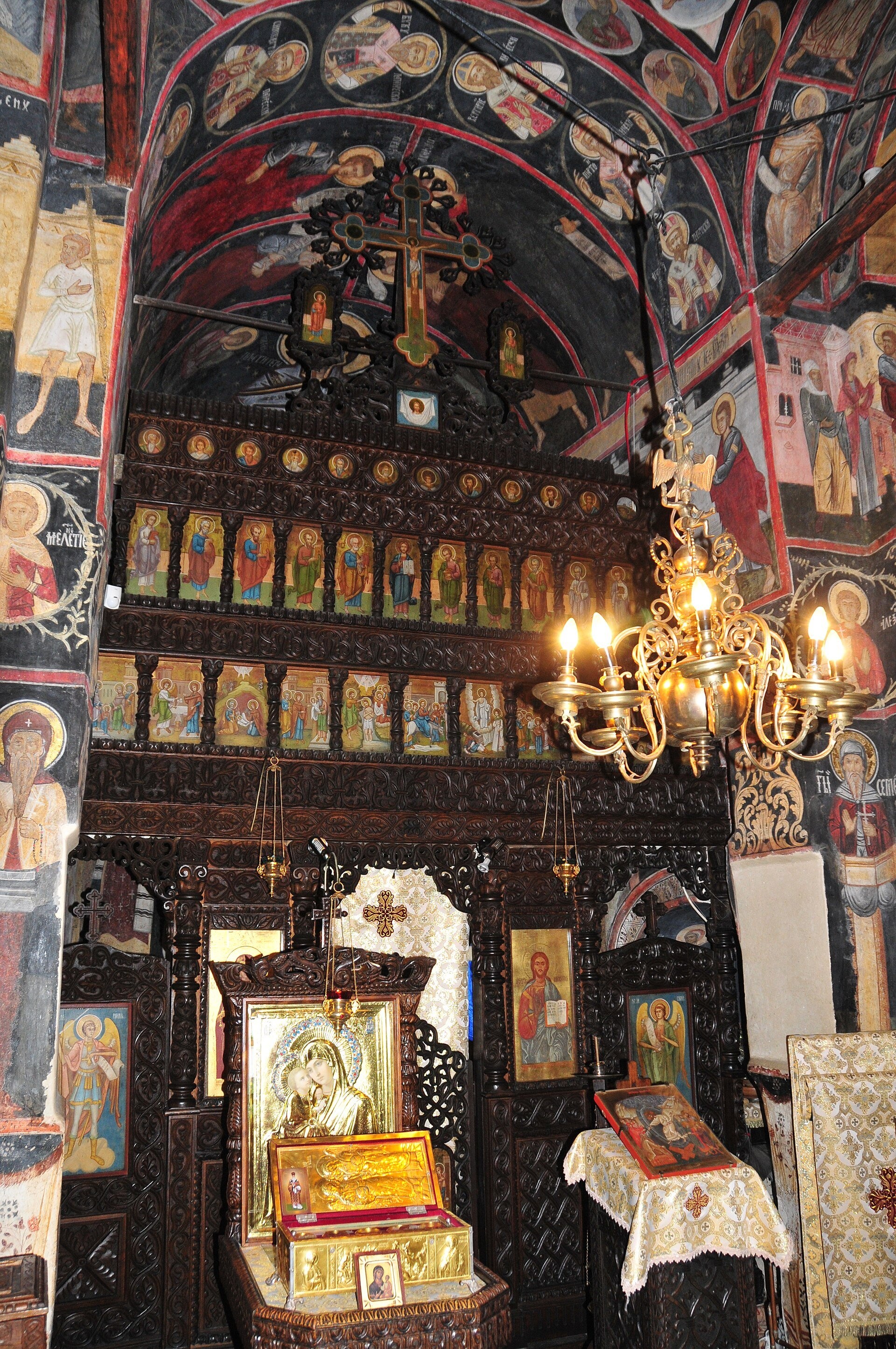
Arnota Monastery (Mănăstirea Arnota) sits on a small plateau of Mount Arnota above the Bistrița river valley, within Bistrița village in Costești commune, Vâlcea County. The tradition kept by the monastery says that the future ruler of Wallachia, Matei Basarab (reigned 1632–1654), fleeing the Turks after a lost battle, hid in the forests on this mountain and vowed to build a monastery here if he survived. Documents show that a monastery already existed here earlier: in 1622 Matei and his wife Elena gave it a silver censer. He built the present Church of the Holy Archangels Michael and Gabriel in 1633–1636 and endowed it generously with land and relics.
From the start Matei Basarab prepared Arnota as a family mausoleum. In 1649 he moved here the remains of his father, the great vornic Danciu, who had been buried in Transylvania; after the prince's death and the desecration of his grave in Târgoviște in 1658, his own remains were also brought to Arnota. In the early 18th century the church was painted and restored at the expense of Constantin Brâncoveanu, and in 1852–1856 Prince Barbu Știrbei renewed the monastery, when some of the cells were rebuilt to designs by the architect Carol Benesch. Since 1999 it has been a convent of nuns dependent on Bistrița Monastery, within the Archdiocese of Râmnic of the Romanian Orthodox Church.
Why go
Arnota is often called "the Meteora of Oltenia" because of its setting above the valley: the road climbs in hairpins, and the courtyard looks out over forests and the foothills of the Căpățânii Mountains. It is an intimate monastery where one of the best-known Wallachian rulers and his father lie side by side, and its 17th-century church keeps paintings from Brâncoveanu's time. The visit combines easily with Bistrița Monastery below and Horezu Monastery nearby.
What to see
- The Church of the Holy Archangels Michael and Gabriel (1633–1636), with a porch added later.
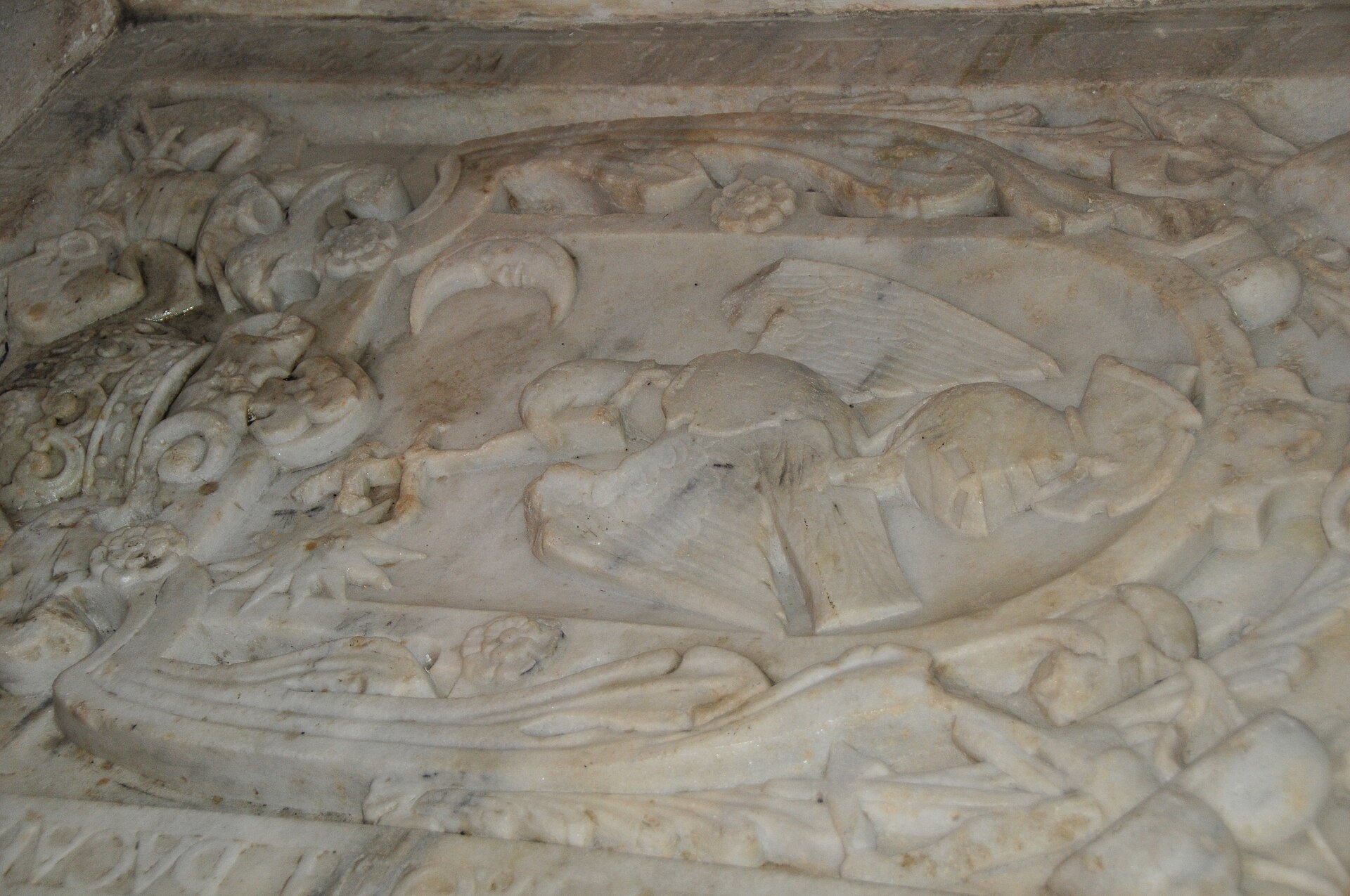
- Matei Basarab's tomb in the narthex, with a carved Baroque tombstone, and the simple slab of his father Danciu beside it.
- The votive composition showing the prince and his wife holding a model of the church, and paintings from Brâncoveanu's time.
- The carved iconostasis and the wooden church door.
- The monastery collection of 17th–19th-century icons on wood, church silver, documents and old prints, including the Govora Pravila and the Îndreptarea legii from Matei Basarab's reign (shown on request).
- The views from the plateau over the Bistrița valley and the surrounding mountains.
Practical information
A paved mountain road with hairpin bends, a few kilometres long, leads up to the monastery from Bistrița Monastery in the valley. The Bistrița valley is about 10 km from the town of Horezu and about 40 km from Râmnicu Vâlcea via Băile Olănești or the DN67. There is no public transport to Arnota itself, so you need a car or must walk up. From Ukraine, travel via the Porubne – Siret or Diakivtsi – Racovăț crossing and through Transylvania to Sibiu and the Olt valley.
The monastery is open to pilgrims daily. According to the museum database of the National Heritage Institute (cIMeC), the museum collection is shown on request; current information about services is published on the monastery's page on the Archdiocese of Râmnic website. Official sources do not state an admission fee. Information as of November 2026 — check before you go. This is an active convent: dress modestly (shoulders and knees covered; women may find a headscarf useful), speak quietly and take photographs in the church only with permission. A limestone quarry operates on the mountainside nearby, so heavy vehicles may use the road on some days. Allow about an hour.
Nearby
- Bistrița Monastery — at the foot of the mountain, with the relics of St Gregory the Decapolite.
- Horezu Monastery — a UNESCO site about 10 km west.
- Olari Street in Horezu — the potters' workshops of Horezu town.
- Polovragi Monastery by the Oltețu gorge — about 30 km west.
- The Bistrița Gorge (Cheile Bistriței) and the cave of St Gregory the Decapolite — above Bistrița Monastery.
Official website: arnota.arhiepiscopiaramnicului.ro
Photos: Nicu Farcaș, CC BY-SA 4.0, Wikimedia Commons; Miehs, CC BY-SA 3.0 ro, Wikimedia Commons; ViperDex, CC BY-SA 3.0 ro, Wikimedia Commons; ChristianMancas, CC BY-SA 3.0 ro, Wikimedia Commons; Leontin l, CC BY-SA 3.0 ro, Wikimedia Commons; Utilizator:Țetcu Mircea Rareș at ro.wikipedia, CC BY-SA 2.5, Wikimedia Commons.
Getting there from Ukraine
Border crossings
- Porubne – Siret — road and pedestrian, 24/7
- Diakivtsi – Racovăț — road and pedestrian, 24/7 No freight traffic.
- Krasnoilsk – Vicovu de Sus — road and pedestrian, 08:00–20:00 Cars up to 3.5 t and pedestrians only; not 24/7.
- Solotvyno – Sighetu Marmației — road and pedestrian, 24/7 Passenger traffic only: vehicles up to 3.5 t with up to 9 seats, pedestrians.
- Diakove – Halmeu — road, 24/7 No pedestrian crossing.
By car
Rakhiv – Petroșani ≈450 km, ≈6 h 36 min (via Solotvyno – Sighetu Marmației); Ivano-Frankivsk – Petroșani ≈584 km, ≈8 h 55 min (via Solotvyno – Sighetu Marmației); Chernivtsi – Petroșani ≈539 km, ≈9 h 19 min (via Krasnoilsk – Vicovu de Sus). Times without border queues, our road routing (GraphHopper, OSM).
Checked 03.11.2026; border crossing hours and timetables change — check before you travel.
Comments
Travellers’ experience: reports, tips, questions.
No one has written here yet. Be the first — your experience helps others.
Video 2
 MONAHIA AMBROZIA RUCĂREANU - MĂNĂSTIREA ARNOTA - REPORTAJ UNIVERSUL CREDINȚEI - 22.03. 2026 - TVR 1Universul Credintei - TVR

Location on the map
Nearby attractions
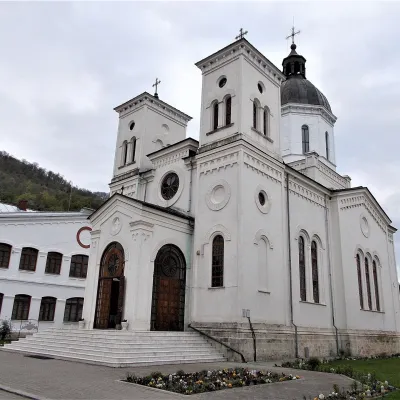 ChurchBistrița Monastery (Vâlcea): relics of St GregoryBistrițaunder 1 km from Arnota Monastery: Matei Basarab's mountain mausoleumBistrița Monastery (Mănăstirea Bistrița) in Vâlcea County stands in the valley of the river of the same name, at the mouth of the Bistrița gorge, in Bistrița village...
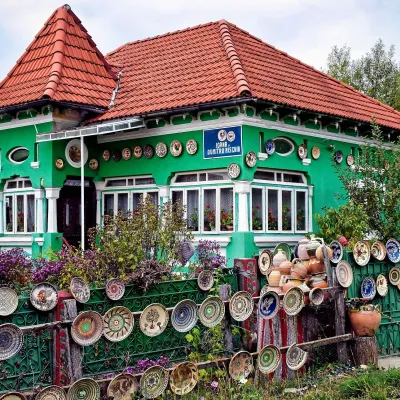 Crafts & workshopsOlari Street, Horezu: the UNESCO potters’ workshopsOlari6.3 km from Arnota Monastery: Matei Basarab's mountain mausoleumThe heart of the craft is Olari Street (Strada Olari) in the part of town of the same name, about 2 km from the centre.
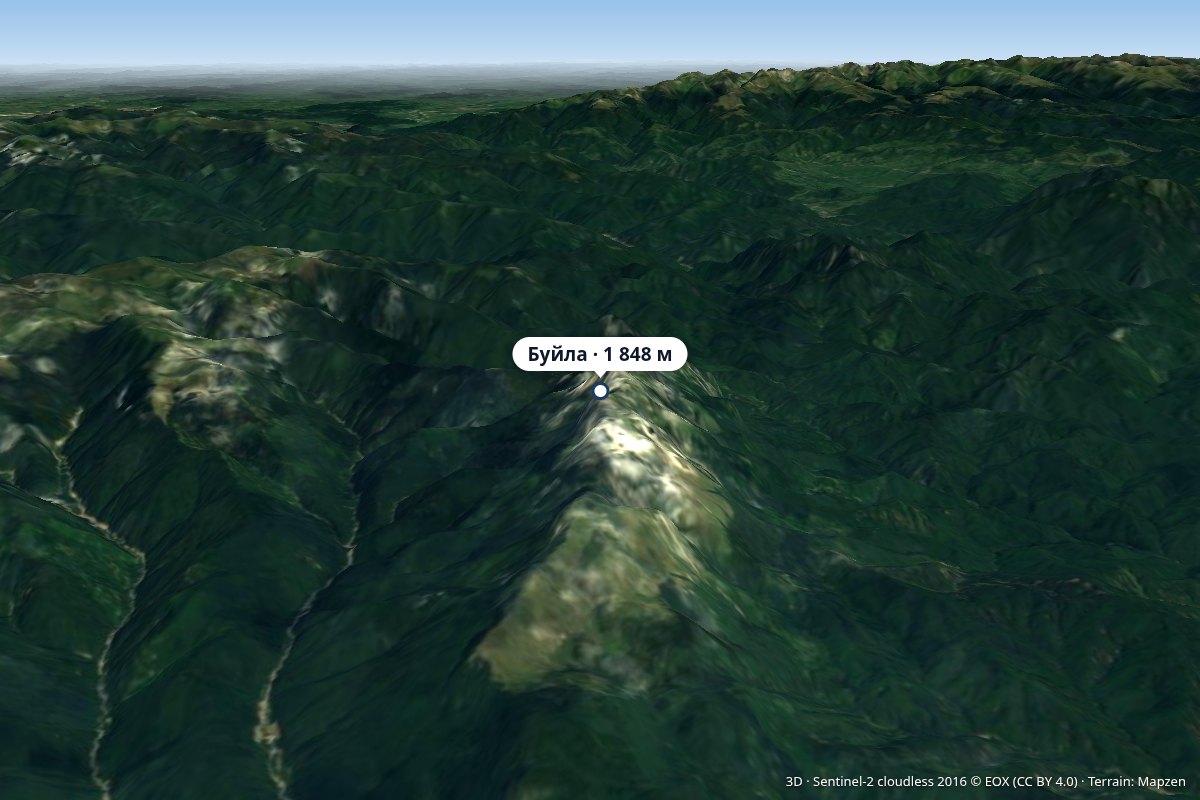 PeakBuila PeakPietrenialtitude 1 848 m6.4 km from Arnota Monastery: Matei Basarab's mountain mausoleumVârful Buila) is a 1,848 m summit in the limestone Buila-Vânturarița massif, part of the Căpățânii Mountains (Southern Carpathians), in Vâlcea County.
Craft nearby
All craft places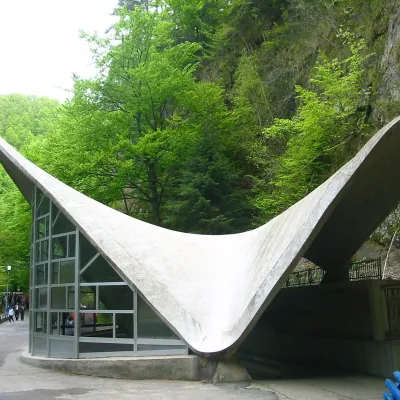 Water parks & thermal poolsBăile Olănești: sulphur and iodine springs of VâlceaBăile Olănești15 km from Arnota Monastery: Matei Basarab's mountain mausoleumBăile Olănești is a mineral-water spa in Vâlcea County, in the valley of the Olănești river, at about 450 m and roughly 20 km north-west of the town of Râmnicu Vâlcea.
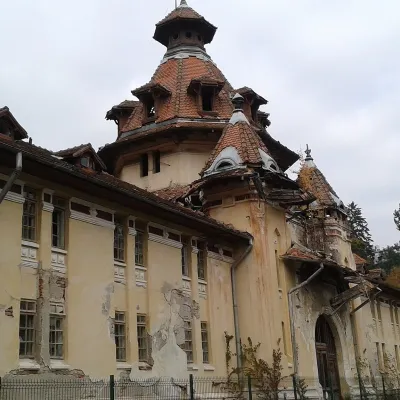 Water parks & thermal poolsBăile Govora: iodine-bromine waters and inhalationsBăile Govora16 km from Arnota Monastery: Matei Basarab's mountain mausoleumBăile Govora is a small spa in Vâlcea County, in a sub-Carpathian depression in the valley of the Hința river, at 360–380 m, south-west of the town of Râmnicu Vâlcea.
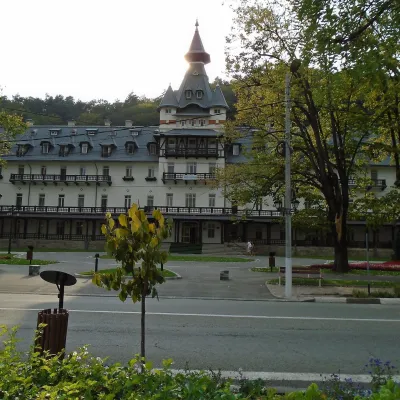 Water parks & thermal poolsCălimănești-Căciulata: thermal pools and springs in the Olt gorgePăușa23 km from Arnota Monastery: Matei Basarab's mountain mausoleumCălimănești-Căciulata is one of Romania's best-known spas, stretching along both banks of the Olt where the river enters its gorge between the Cozia massif and the...
