Slănic-Moldova: mineral springs of the Pearl of Moldavia
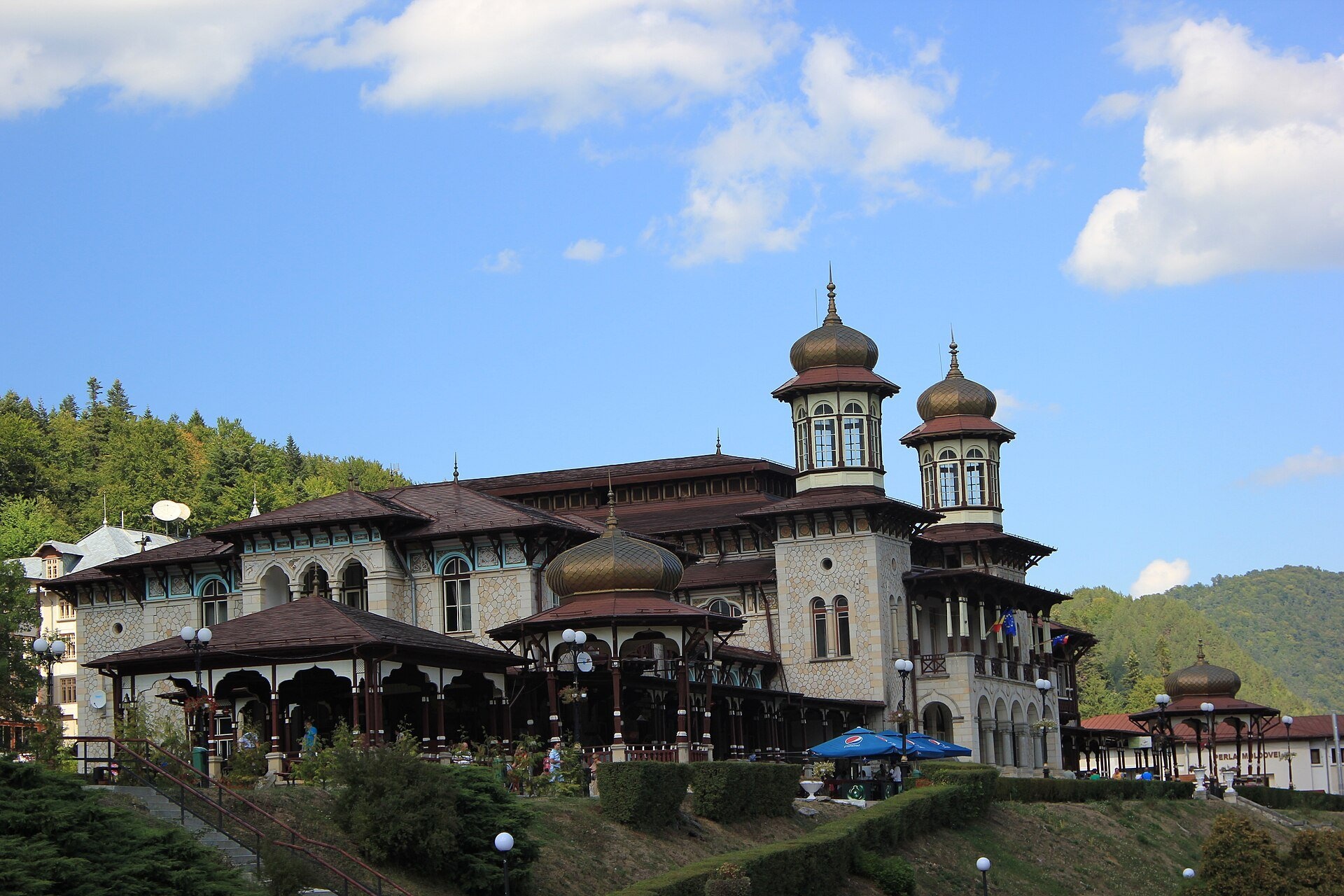
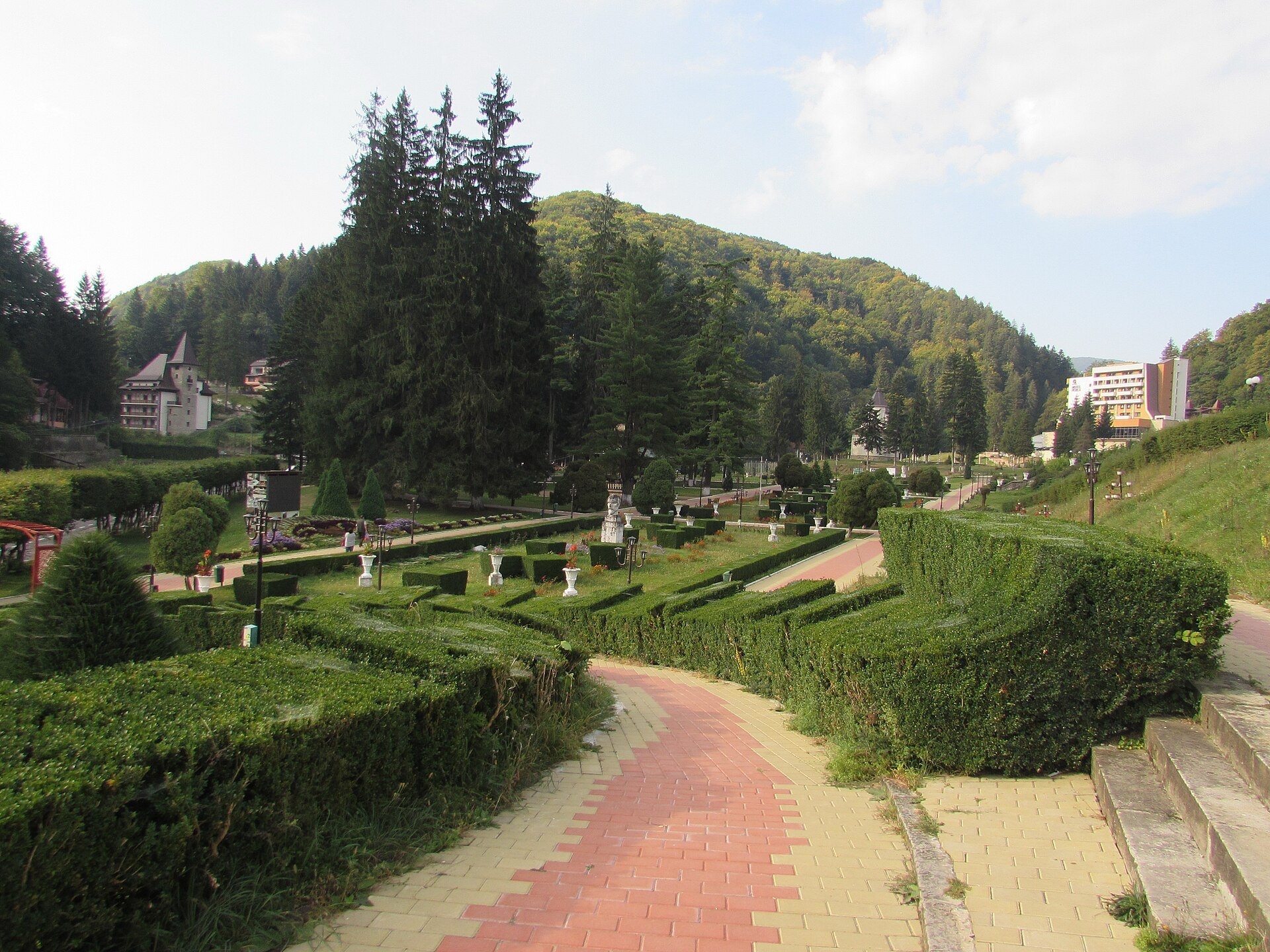
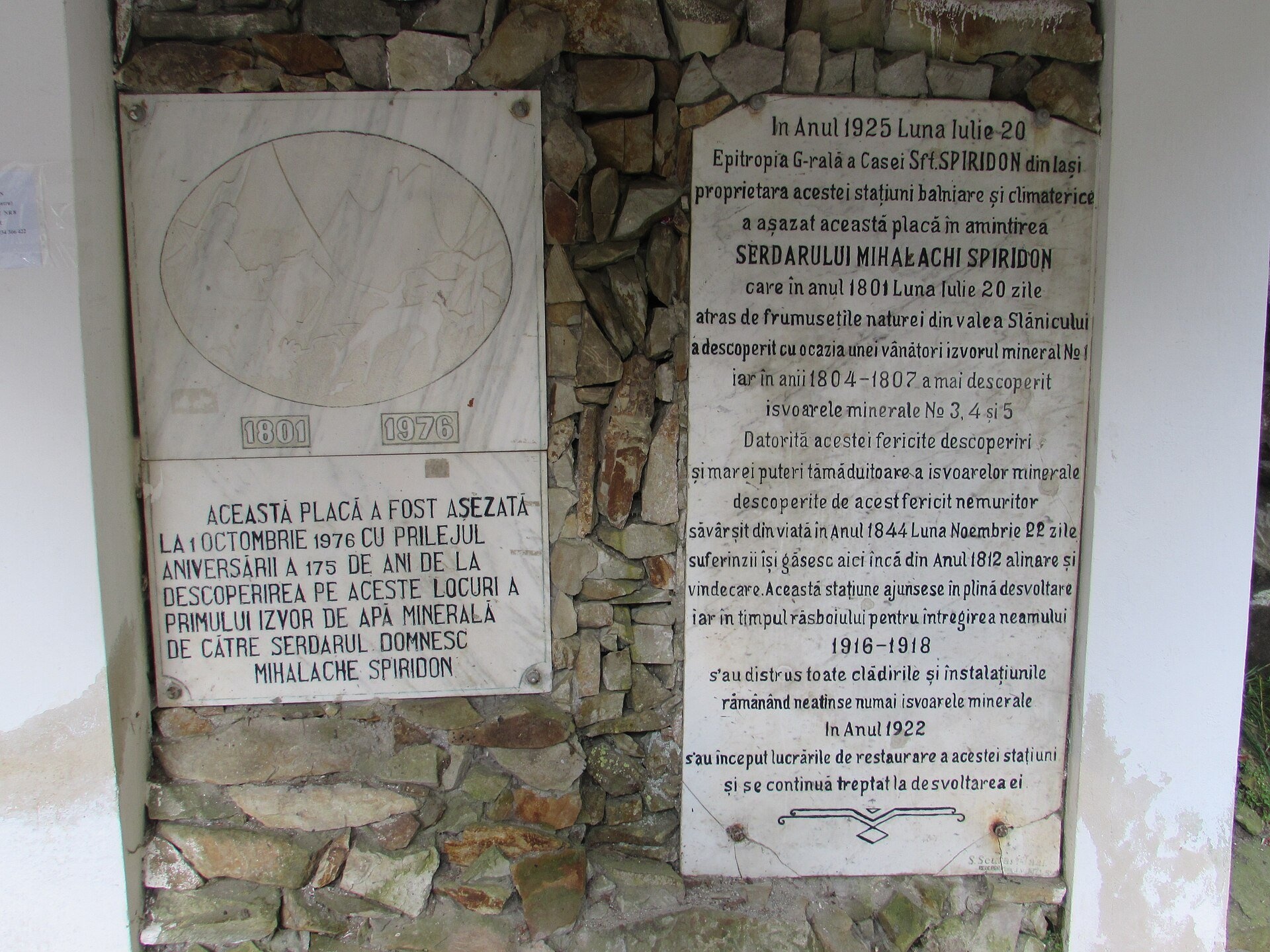
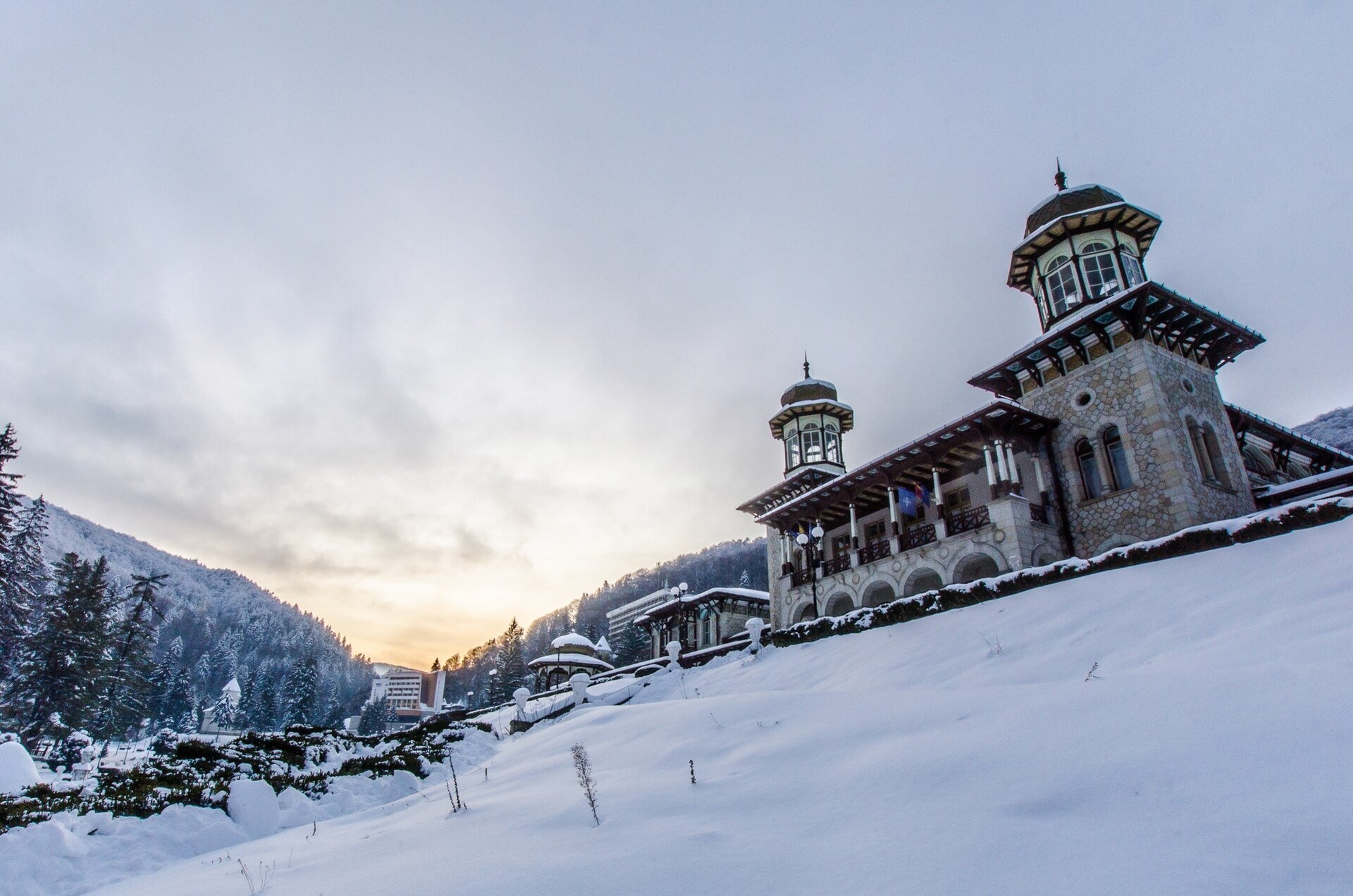
Slănic-Moldova is a mountain balneoclimatic spa in Bacău County, on the eastern slopes of the Eastern Carpathians at the foot of the Nemira Mountains. The small town lies at about 530 m in the narrow valley of the Slănic river, surrounded by beech and fir forests. The first mineral spring was found here in 1801, the first chemical analyses of the water were made in 1852 and the first spa installations appeared in 1877. The resort is called the "Pearl of Moldavia" (Perla Moldovei); its symbol is the 1894 casino building in the central park, a listed monument of national importance. In 2021 the springs passed into the ownership of the town council for the first time since their discovery.
Natural healing resources
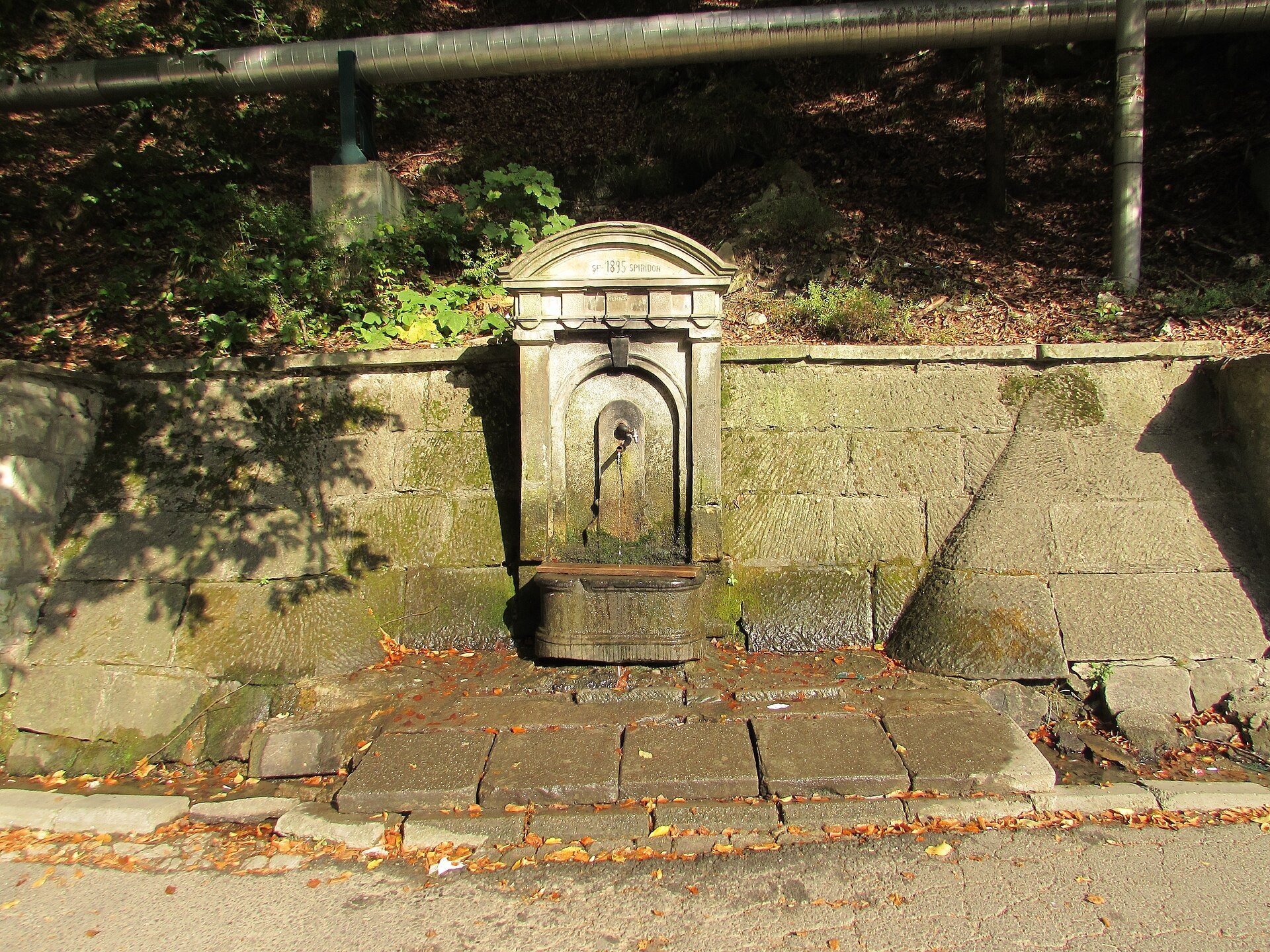
The resort's main asset is its many mineral springs of different composition, spread along an alley above the river. According to the town hall, there are carbonated (naturally sparkling), bicarbonate, slightly sulphurous, chloride, sodium, hypertonic, hypotonic and oligomineral waters. Each spring has a number and its own profile:
- No. 1 – sulphurous, sodium, chloride, carbonated, bicarbonate, iodine-bearing hypotonic water;
- No. 3, the "king of the mineral springs" – iodine-bearing, sodium chloride, carbonated hypertonic water;
- Nos. 6 and 10 – very concentrated iodine-bearing sodium chloride hypertonic waters, drunk only with great caution after an examination;
- No. 14 – bromine- and iodine-bearing water with iron; the Ciuget spring – alkaline, slightly chloride carbonated water that the town hall calls unique in the country.
Mofettes have been set up by springs No. 3 and No. 11, where natural dry carbon dioxide is used for treatment. The climate completes the picture: a transition between hill and subalpine climate, with cool summers and relatively mild winters, a mean annual temperature of about 10 °C and clean forest air.
What is treated
The resort specialises above all in the digestive system. The indications listed by the town hall are chronic gastritis with low and high acidity, gastric and duodenal ulcers (at least three years after a painful phase), conditions after stomach surgery, chronic colitis and constipation; liver and biliary disorders (cholecystitis, biliary dyskinesia); metabolic diseases (mild forms of diabetes, obesity); and kidney and urinary tract disorders. External spa therapy is also indicated for degenerative rheumatic diseases, cardiovascular conditions, peripheral nerve disorders, post-traumatic conditions, respiratory diseases (allergic asthma, chronic rhinosinusitis) and some gynaecological conditions. Contraindications for the mofette, according to the resort, are ischaemic heart disease with frequent attacks, a recent heart attack, stage II–III hypertension, cerebral atherosclerosis, mitral or aortic stenosis, chronic respiratory diseases with ventilatory impairment, and kidney and digestive diseases. This information is for reference only and is not medical advice: a doctor prescribes the course and procedures after a consultation.
Treatments and pump rooms
The drinking cure takes place right at the springs: for internal use, springs No. 1, No. 8 and 8 bis (in one pavilion) and No. 1 bis, No. 3 and No. 10 (in another) are recommended. The springs are numbered and lie along an easy footpath up the valley, so you can visit them all on a walk. Drink the water only as prescribed by a doctor: the composition of neighbouring springs differs widely, and some waters are very concentrated. The resort's treatment bases – a sanatorium and hotels with balneology departments – offer warm mineral-water baths, aerosols and inhalations, mofette therapy, electro- and hydrotherapy, kinesiotherapy and therapeutic exercise. In the mofette follow the staff's rules: stay standing, keep your head above the gas, keep to the time limit; people with the heart contraindications listed above should not use it.
Practical information
The resort is open all year. The springs are on Aleea Izvoare above the central park, near the Perla hotel. The town hall does not publish official opening hours for the pavilions or treatment prices – check them with the treatment bases; a list of the bases with contacts is on the town hall website. Bring your own cup for the spring water. Waymarked mountain paths lead from the town up the valley, and in winter the Nemira ski slope operates.
Getting there from Ukraine
The most convenient border crossing is Porubne – Siret: from Chernivtsi to Slănic-Moldova it is about 285 km (around 5 h 08 min), from Rakhiv 451 km (around 8 h 13 min) via the same crossing; times exclude border queues. Romanian roads require the rovinieta e-vignette. By public transport: train to Târgu Ocna – Salina station, then 18 km by bus, which according to the town hall timetable runs several times a day.
Nearby
18 km down the valley lies the Târgu Ocna salt mine with an underground treatment base for the airways – it is often combined with a stay in Slănic-Moldova. A mountain rescue service operates in the mountains: Salvamont 0SALVAMONT – 0725 826 668 or 112.
Photos: Anomar, CC BY-SA 3.0 ro, Wikimedia Commons; Cezar Suceveanu, CC BY-SA 4.0, Wikimedia Commons; Ioan Daniel Roșu, CC BY-SA 4.0, Wikimedia Commons.
Getting there from Ukraine
Border crossings
- Porubne – Siret — road and pedestrian, 24/7
- Diakivtsi – Racovăț — road and pedestrian, 24/7 No freight traffic.
- Krasnoilsk – Vicovu de Sus — road and pedestrian, 08:00–20:00 Cars up to 3.5 t and pedestrians only; not 24/7.
- Solotvyno – Sighetu Marmației — road and pedestrian, 24/7 Passenger traffic only: vehicles up to 3.5 t with up to 9 seats, pedestrians.
- Diakove – Halmeu — road, 24/7 No pedestrian crossing.
By car
Chernivtsi – Brașov ≈395 km, ≈7 h 03 min (via Diakivtsi – Racovăț); Rakhiv – Brașov ≈419 km, ≈7 h 24 min (via Solotvyno – Sighetu Marmației); Uzhhorod – Brașov ≈522 km, ≈8 h 39 min (via Diakove – Halmeu). Times without border queues, our road routing (GraphHopper, OSM).
Checked 03.11.2026; border crossing hours and timetables change — check before you travel.
Comments
Travellers’ experience: reports, tips, questions.
No one has written here yet. Be the first — your experience helps others.
Location on the map
Nearby attractions
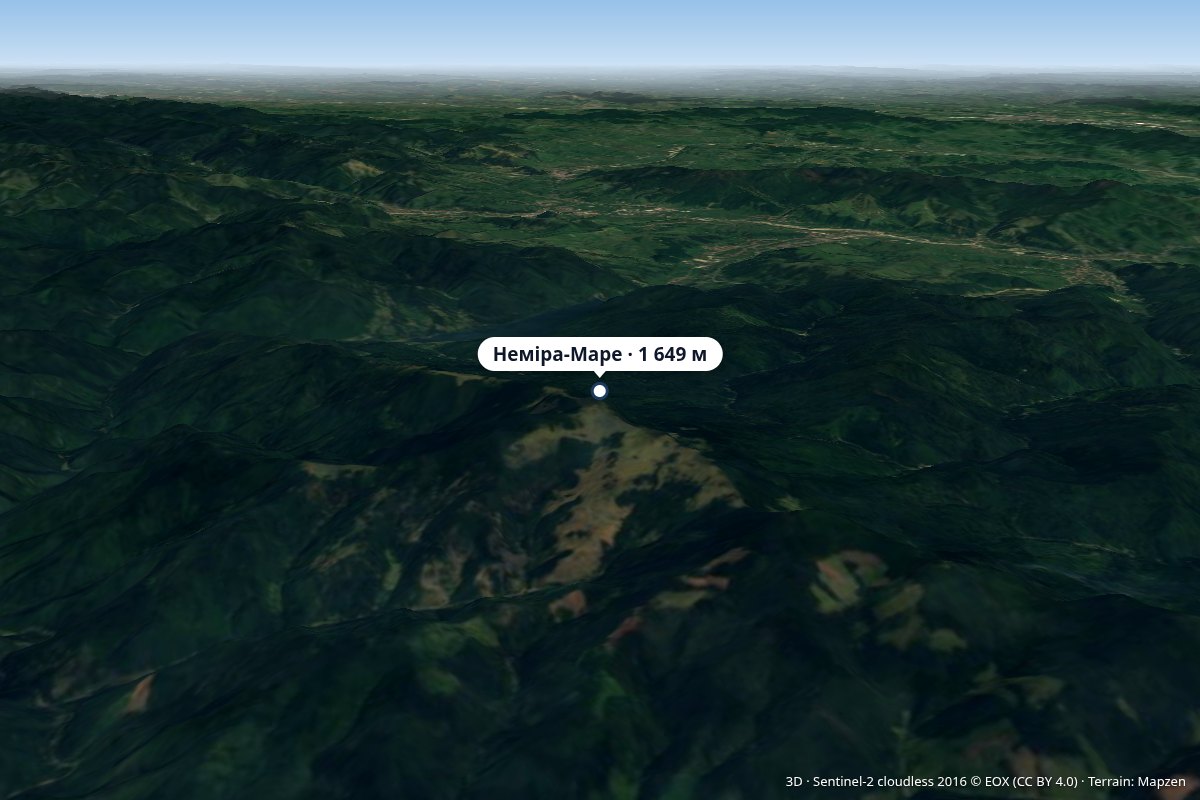 PeakNemira Marealtitude 1 649 m10 km from Slănic-Moldova: mineral springs of the Pearl of MoldaviaNagy-Nemere) is the highest peak of the Nemira Mountains in the Eastern Carpathians, with an elevation of 1,649 m.
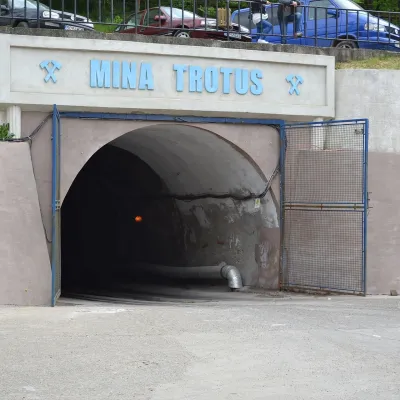 Water parks & thermal poolsTârgu Ocna Salt Mine: breathing therapy 240 m undergroundTârgu Ocna16 km from Slănic-Moldova: mineral springs of the Pearl of MoldaviaThe Târgu Ocna Salt Mine (Salina Târgu Ocna) is one of Romania's oldest and the country's third-largest salt mine.
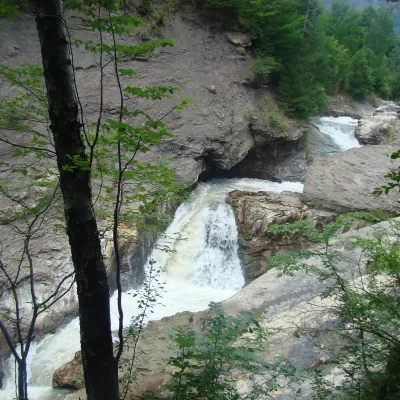 WaterfallPutna Waterfall (Cascada Putnei)Lepșa · Vrancea Mountains33 km from Slănic-Moldova: mineral springs of the Pearl of Moldavia546 m above sea levelPutna Waterfall (Cascada Putnei, also called Săritoarea Putnei) is on the Putna river near the village of Lepșa in Tulnici commune, Vrancea County.
Craft nearby
All craft places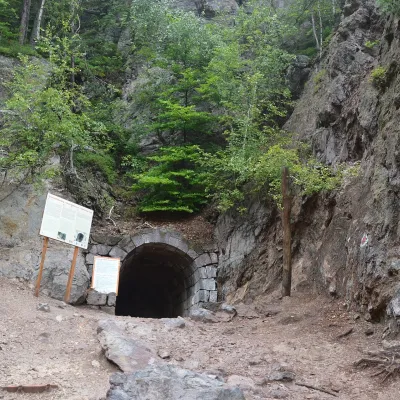 Water parks & thermal poolsBalvanyos: the Stinky Cave, mofettes and iron-rich springsBăile Bálványos38 km from Slănic-Moldova: mineral springs of the Pearl of MoldaviaBalvanyos (Hungarian Bálványosfürdő) is a small mountain resort in Covasna County, on the land of Turia commune, north-west of the town of Târgu Secuiesc.
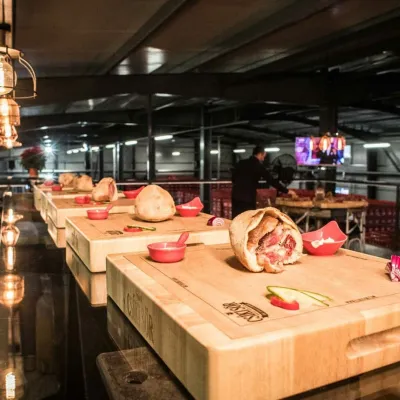 Craft beer & breweriesCsíki Sör brewery in Sânsimion: Harghita craft beerSânsimion43 km from Slănic-Moldova: mineral springs of the Pearl of MoldaviaA Harghita beer that defended its own name Sânsimion (Hungarian: Csíkszentsimon) is a village in the Ciuc (Csík) basin in the east of Székely Land, a few kilometres...
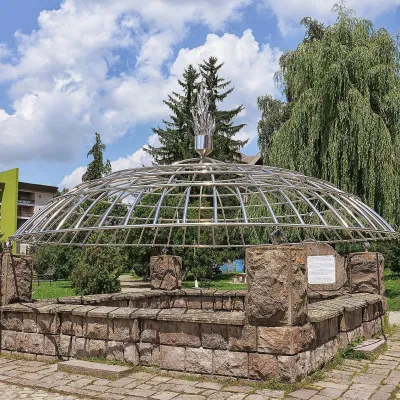 Water parks & thermal poolsCovasna: resort of a thousand springs, mofettes and heart careCovasna45 km from Slănic-Moldova: mineral springs of the Pearl of MoldaviaCovasna is a spa town in Covasna County, at the south-eastern edge of the Eastern Carpathians, where the mountains bend round in the Curvature Carpathians.
